
The Night Britain Changed Kings
Inside Life Magazine's Stunning Chronicle of Edward VIII's Abdication
On December 21, 1936, Americans opened their mailboxes to find something extraordinary: photographic proof that a king had chosen love over an empire.
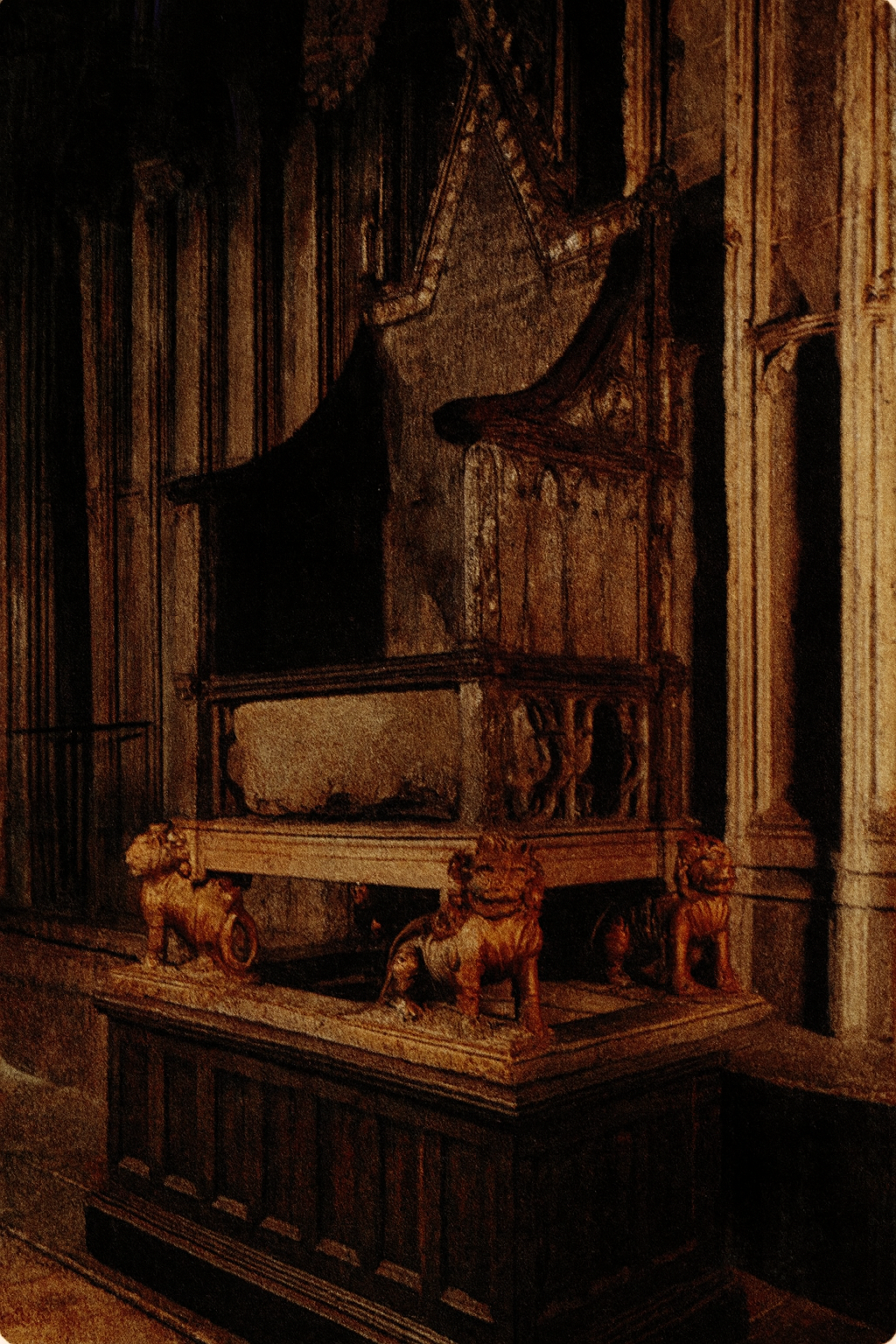
The latest issue of Life Magazine carried images no newspaper could match—Edward VIII driving away from crisis meetings, Prime Minister Stanley Baldwin working through sleepless nights at Downing Street, and the ancient coronation chair at Westminster Abbey waiting for its next occupant. Just ten days after Edward VIII abdicated the British throne, Life delivered the abdication crisis directly into American living rooms with a power that words alone could never achieve.
This wasn't celebrity gossip. This was constitutional history unfolding in real time, captured by the only publication that understood how to make distant events feel immediate and human.
Archive Details
Publication: Life Magazine
Issue Date: December 21, 1936
Historical Event: The Abdication of King Edward VIII
Key Figures: King Edward VIII, Wallis Simpson, Prime Minister Stanley Baldwin, King George VI, Princess Elizabeth
Archive Significance: One of the earliest comprehensive visual records of the abdication crisis available to the American public
When a King Walked Away
Edward VIII had everything a modern monarch could want. Charismatic, stylish, and genuinely popular across the British Empire, he ascended the throne in January 1936 following his father's death. The public adored him. The establishment trusted him. His reign seemed destined for success.
Then came Wallis Simpson.
The American socialite—twice divorced, sophisticated, utterly unsuitable for a queen's crown by 1930s standards—had captured Edward's heart entirely. For the Church of England, which Edward nominally led, a twice-divorced queen was theologically impossible. For Prime Minister Stanley Baldwin, the constitutional implications were catastrophic. For Edward himself, the choice became binary: the woman he loved or the throne he inherited.
On December 11, 1936, after just 325 days as king, Edward made his decision. In a radio broadcast heard worldwide, he declared he could not fulfill his duties "without the help and support of the woman I love." He became the only British monarch in history to voluntarily surrender the crown.
The throne passed to his younger brother, a reluctant, stammering man who would reign as George VI—and who would father the future Elizabeth II.
Life's December 21 issue hit newsstands while the world was still reeling.
How Life Turned Crisis Into Visual Drama
By 1936, Life Magazine had already revolutionized American journalism. Where newspapers offered columns of text interrupted by a few wire photographs, Life built entire narratives from images. Photography wasn't illustration—it was the story itself.
The abdication crisis gave Life exactly the kind of material its format demanded: high stakes, human emotion, political intrigue, and visual drama that spanned from Buckingham Palace to the French Riviera.
The issue opened with the coronation chair—empty, waiting, heavy with 650 years of tradition. Life's editors understood the symbolic power of that vacancy. No illustration could match the stark reality of that ancient oak throne photographed in Westminster Abbey, suspended between two kings.
Inside, the magazine delivered a masterclass in photojournalism:
Edward VIII behind the wheel, captured in motorcars between crisis meetings—exhausted, isolated, moving toward an irrevocable decision.
Stanley Baldwin's steady hand, photographed at his desk and in conference. Life called him the "hero of the crown crisis," crediting the Prime Minister with navigating Britain through constitutional chaos without triggering governmental collapse.
Late-night lights blazing at No. 10 Downing Street, a single photograph that communicated more than a thousand words about the sleepless negotiations protecting Britain's stability.
Wallis Simpson swimming in Cannes, a candid image that humanized the scandal. This wasn't an abstract political crisis—it was a love story with imperial consequences.
Young Princess Elizabeth at age ten, a quiet presence in one photograph, already heir presumptive to a throne she never expected to inherit.
George VI facing his new burden, solemn and unprepared, photographed as duty descended upon him without warning.
Life didn't just report the abdication. It made Americans witnesses to it.
The Magazine That Made History Feel Close
For readers in Des Moines, Atlanta, and Los Angeles, the British monarchy existed primarily as newsreel footage and distant headlines. Life changed that equation. The magazine's genius lay in collapsing the distance between event and observer, between Britain's constitutional earthquake and an American family's coffee table.
The photographs worked because they revealed what formal portraits concealed: Baldwin leaning on his secretary during endless consultations, Edward looking genuinely tired rather than regally composed, the empty throne rendered more powerful by its vacancy than any occupant could make it.
Life's editorial vision treated the abdication as both political crisis and human drama. The magazine gave equal weight to the coronation chair's ancient symbolism and to Edward's visible exhaustion. It showed readers the machinery of constitutional monarchy—the Duke of Norfolk preparing ceremonial protocols, the Stone of Scone waiting beneath the coronation chair—while never losing sight of the personal stakes driving every decision.
The blend worked. Americans who might have dismissed the crisis as distant royal theater instead found themselves absorbed by a story about impossible choices, tradition colliding with modernity, and one man's decision to walk away from unimaginable power for a woman the establishment would never accept.
Why This Issue Became Essential History
The December 21, 1936 Life Magazine occupies a unique place in twentieth-century journalism. Published within days of Edward's abdication, it stands as one of the earliest comprehensive visual records of the crisis available to the American public. While British newspapers worked under strict editorial constraints and European publications navigated complex political pressures, Life operated with the freedom and resources to document the story completely.
The issue captured details that would define how Americans understood the abdication for decades:
The Romance at Cannes
Photographs that transformed Wallis Simpson from abstract scandal to real woman.
Baldwin's Political Mastery
Images showing the Prime Minister as stabilizing force rather than villain.
George VI's Reluctance
Photographs revealing a man ascending to duty rather than ambition.
The Weight of Tradition
The coronation chair, Westminster Abbey, the continuity of ceremony even through crisis.
Princess Elizabeth's Future
A small photograph with enormous implications for Britain's next seventy years.
Love Versus Duty
The central theme of Edward's choice between romance and responsibility.
These weren't just historical footnotes. They shaped the American narrative of the abdication, influencing how millions of readers understood the relationship between personal choice and public responsibility, between love and duty, between modern desire and ancient obligation.
When News Was Physical and Permanent
The December 21, 1936 Life Magazine reminds us that history once arrived slowly, demanded attention, and left physical evidence.
In 1936, Americans didn't scroll through crisis coverage on screens. They waited for magazines to arrive by mail. They turned pages carefully. They studied photographs at length, noticing details the second and third time through. They passed issues to neighbors, discussed them over dinner, kept them for years.
This slower consumption created deeper absorption. The abdication wasn't a headline glimpsed and forgotten—it was a story Americans lived with for weeks, returning to Life's photographs as events continued unfolding.
The magazine's physical permanence also meant its editorial choices mattered differently. Life's editors knew their coverage would be saved, referenced, and studied. They couldn't correct errors with updates or hide poor judgment behind deleted posts. The photographs and captions they selected would define American understanding of the abdication permanently.
That responsibility shaped their work. Life's abdication issue balanced political analysis with human interest, constitutional detail with emotional resonance, British perspective with American curiosity. The magazine trusted its readers to handle complexity, to appreciate both Edward's romantic choice and the constitutional chaos it created, to see Baldwin as neither villain nor hero but as skilled politician navigating impossible circumstances.
Nearly nine decades later, that editorial confidence still shows. The issue doesn't feel dated because it never talked down to its audience or oversimplified the story to fit predetermined narratives.
The Collector's Perspective: Why This Issue Endures
Historical Proximity
Published just ten days after the abdication, this issue offered Americans their first comprehensive visual account of the crisis. The photographs hadn't yet been anthologized, reprinted, or reduced to historical cliché.
Photographic Excellence
The images Life selected remain among the definitive visual records of the abdication. From Edward's departure to George VI's accession to Princess Elizabeth's childhood, these photographs shaped how subsequent generations visualized the crisis.
Cultural Impact
The abdication changed British history's trajectory. George VI's unexpected reign led directly to Elizabeth II's long sovereignty. The monarchy that exists today grew from Edward VIII's decision in December 1936.
Condition and Rarity
Eighty-eight years later, issues in good condition have become increasingly scarce. The magazines were printed for immediate consumption, not archival preservation.
Royal Coverage Legacy
Life's abdication issue established the magazine's reputation for royal journalism, leading to its coverage of George VI's 1937 coronation, Elizabeth II's 1953 coronation, and decades of British royal reporting.
Physical Connection
Owning this issue means holding the same pages Americans studied in December 1936, examining the same photographs that first revealed Edward's exhaustion and George VI's burden to a global audience.
Finding Your Own Piece of History
If you collect vintage magazines from journalism's golden age, or if you're drawn to the abdication crisis specifically, the December 21, 1936 Life Magazine belongs in your collection. These magazines aren't reproductions or digitized archives—they're original copies, printed in 1936, preserved through eighty-eight years of history.
Browse Life Magazine CollectionThe December 21, 1936 Life Magazine remains essential reading because it captured more than a king walking away from his throne. It documented the moment when private love collided with public duty, when centuries of tradition bent under modern pressure, when one man's choice altered a nation's future.
Edward VIII's abdication brought George VI to the throne. George VI's reign shaped his daughter Elizabeth into the monarch she would become. Elizabeth II's seventy-year sovereignty defined the modern British monarchy. All of it traces back to December 1936, to ten days that shook the empire, to the crisis Life Magazine documented with photographs that still carry their original power.
Holding this issue means holding a turning point—the moment when history could have gone differently, captured by the magazine that understood how to make distant events feel immediate and essential.
For anyone who values twentieth-century journalism, British royal history, or the art of photojournalism at its peak, this issue isn't just collectible. It's indispensable.