
When Life Magazine Crashed the Paris Fashion Wars
Inside the September 6, 1937 issue that revealed how Vogue and Harper's Bazaar battled to define American style
On September 6, 1937, American readers opened their mailboxes to find something extraordinary: a magazine that had turned its cameras on the people who told them what to wear.
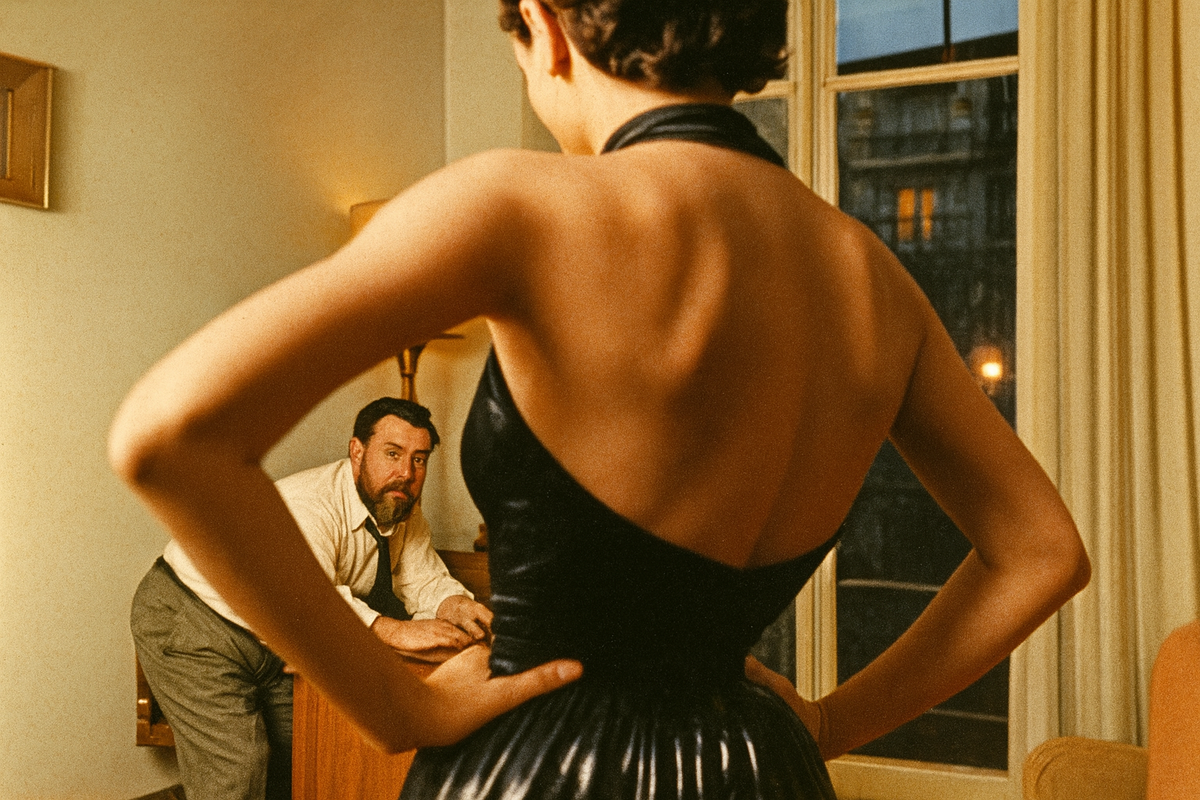
Life Magazine's photo-essay that week—"Reporting Paris Styles is a Business"—was not another spread of elegant gowns and poised models. It was an exposé. For the first time, ordinary Americans saw the machinery behind fashion journalism itself: the rival editors, the frantic illustrators, the photographers working against impossible deadlines, and the high-stakes competition between Vogue and Harper's Bazaar to define what millions of women would wear in the coming season.
This was fashion stripped of its mystique and revealed as what it truly was: a cutthroat business operating at the intersection of art, commerce, and international intrigue.
The Last Golden Summer
The timing of this issue matters. August 1937 marked one of the final Paris Openings before the world would tear itself apart. Within two years, Nazi occupation would end Paris's reign as the undisputed capital of fashion. But in the summer of 1937, the system still held: four times a year, Parisian couturiers unveiled their collections in exclusive, expensive showings, and what appeared on those runways determined what filled department store racks from New York to Chicago.
The August Openings were the most influential of all. Buyers, stylists, and fashion reporters from across the Western world descended on Paris, checkbooks ready and pencils sharp. Attendance was restricted. Purchases were required. The atmosphere was urgent.
And two magazines—Vogue and Harper's Bazaar—fought each other for supremacy in covering it all.
Historical Record
The Rivalry That Shaped American Style
By 1937, the battle lines were clear. Vogue, commanded by the formidable Edna Woolman Chase, wielded vast international editions and circulation numbers that dwarfed its competition. Harper's Bazaar, under the leadership of Carmel Snow, compensated for smaller resources with daring photography and bold layouts that pushed aesthetic boundaries.
Both magazines rushed their staffs to Paris. Both scrambled to publish coverage faster than the other. Both knew that whoever defined the season first would shape what American women bought, wore, and aspired to own.
Life Magazine understood that this rivalry was the real story—not the dresses themselves, but the people racing to photograph them, sketch them, describe them, and ship those images across the Atlantic before their competitor's coverage hit newsstands.
Photography as Revelation
Life had built its reputation on a simple premise: show, don't tell. Whether covering politics, war, or culture, the magazine delivered immediacy through images that words alone could not convey.
The September 6 issue turned that lens on fashion journalism itself. Americans saw editors hunched over sketches at both Vogue and Harper's Bazaar. They saw models changing between sittings, exhausted but professional. They watched illustrators Carl Erickson and Christian Bérard sketching dresses at furious speed, knowing their drawings would reach America weeks before any photograph could. They glimpsed Jean Cocteau—the French poet and artist—contributing his genius to Harper's Bazaar, blurring the line between high art and commercial publishing.
Most striking of all, they saw photographers Baron Hoyningen-Huene and Horst working under brutal pressure to capture what the magazine's caption writers called "sex-appeal" gowns—images that would define glamour for the season ahead.
This was not background material. This was the narrative. Life showed American readers that fashion's polish emerged from exhausting, competitive, creative labor. The magazine revealed an industry that operated on deadlines as ruthless as any newsroom's.
The Architecture of Influence
The photo-essay documented every stage of the process. Buyers attended the exclusive Paris showings, making required purchases to gain access. Editors like Edna Woolman Chase guided Vogue's coverage strategy while Carmel Snow orchestrated Harper's Bazaar's approach from Paris itself. Illustrators worked faster than photographers could, translating couture into sketches that could be mailed overseas immediately.
Writers and editors—among them Marcel McGuane and Lydia Sherwood—transformed rough material into polished copy for American audiences. Models endured punishing schedules, wearing gown after gown as photographers raced the clock. And through it all, the rivalry between the two magazines hummed like an electrical current, driving everyone to work faster, sharper, better.
Life's coverage made one thing brutally clear: fashion reporting was commerce before it was glamour. The decisions made in Paris ateliers rippled directly into American department stores, and the magazines that covered those decisions wielded enormous economic and cultural power.
Editorial Leadership
Edna Woolman Chase at Vogue and Carmel Snow at Harper's Bazaar commanded their teams with strategic precision, turning creative vision into commercial dominance.
Photography as Power
Baron Hoyningen-Huene and Horst transformed fashion coverage into art, working under brutal deadlines to capture images that would define an era.
The Speed of Influence
Illustrators like Carl Erickson and Christian Bérard sketched at furious pace, knowing their drawings would reach America before any photograph.
Cultural Crossover
Jean Cocteau's contributions to Harper's Bazaar blurred boundaries between high art and commercial fashion journalism.
What Remains
Life's photo-essays endure because they function as time capsules. This issue carries the urgency, artistry, and ruthless competition of 1937. In a world without digital media or instant communication, Life bridged the gap between Paris runways and American living rooms.
These magazines remind us that what seems ephemeral—a dress, a season, a headline rivalry—can carry profound historical meaning. They show us that culture is shaped not only on glamorous stages but in offices, studios, and against brutal deadlines by people willing to work through the night to be first.
Fashion was never just glamour. It was always business. And in September 1937, Life Magazine proved it.
Why This Issue Matters to Collectors
For those who seek vintage magazines as historical artifacts rather than mere reading material, the September 6, 1937 issue of Life represents something rare: a document that captures both fashion history and media history at a pivotal moment.
Historical Timing
This issue preserves the final years when Paris remained unchallenged as fashion's global capital. Within two years, war would change everything.
Behind-the-Scenes Access
Few publications documented the backstage world of fashion journalism. This makes the issue invaluable for historians of media and style.
Cultural Figures
Chase, Snow, Horst, Cocteau, Erickson, and Hoyningen-Huene—giants who shaped both art and commerce in the twentieth century—all appear in these pages.
Collector Demand
Life magazines from the 1930s are increasingly scarce. Issues documenting milestone industries like fashion carry particular weight among serious collectors.
Explore the Collection
Our collection includes thousands of original Life magazines spanning the 1930s through the 1970s. These publications documented the events, people, and industries that shaped the twentieth century—preserved as they were first reported, without revision or digital mediation.
Browse Life Magazine CollectionWhether you collect for investment, research, or personal connection to a particular era, these magazines offer something increasingly rare: primary sources that speak directly across decades, unfiltered and authentic.