📖 About this Collection
1922: The Year America Looked Forward
The world was still catching its breath from the Great War when 1922 arrived with a peculiar blend of scandal and wonder. In April, The Wall Street Journal exposed the Teapot Dome scandal—a corruption scheme where Interior Secretary Albert Fall secretly leased Navy oil reserves to private companies, sending shockwaves through Washington and proving that even in peacetime, power could corrupt. Yet this was also a year of reverence and discovery. On May 30th, the nation gathered to dedicate the Lincoln Memorial, with Abraham Lincoln's last surviving son, Robert Todd Lincoln, present to witness his father's marble apotheosis. Then in November, Howard Carter's discovery of King Tutankhamun's tomb in Egypt's Valley of the Kings ignited "Tut-mania" across America—ancient Egyptian motifs suddenly appeared on everything from jewelry to architecture. This was the world your loved one entered: a nation navigating the tension between its highest ideals and its most human failings, while looking to both past and future for guidance.
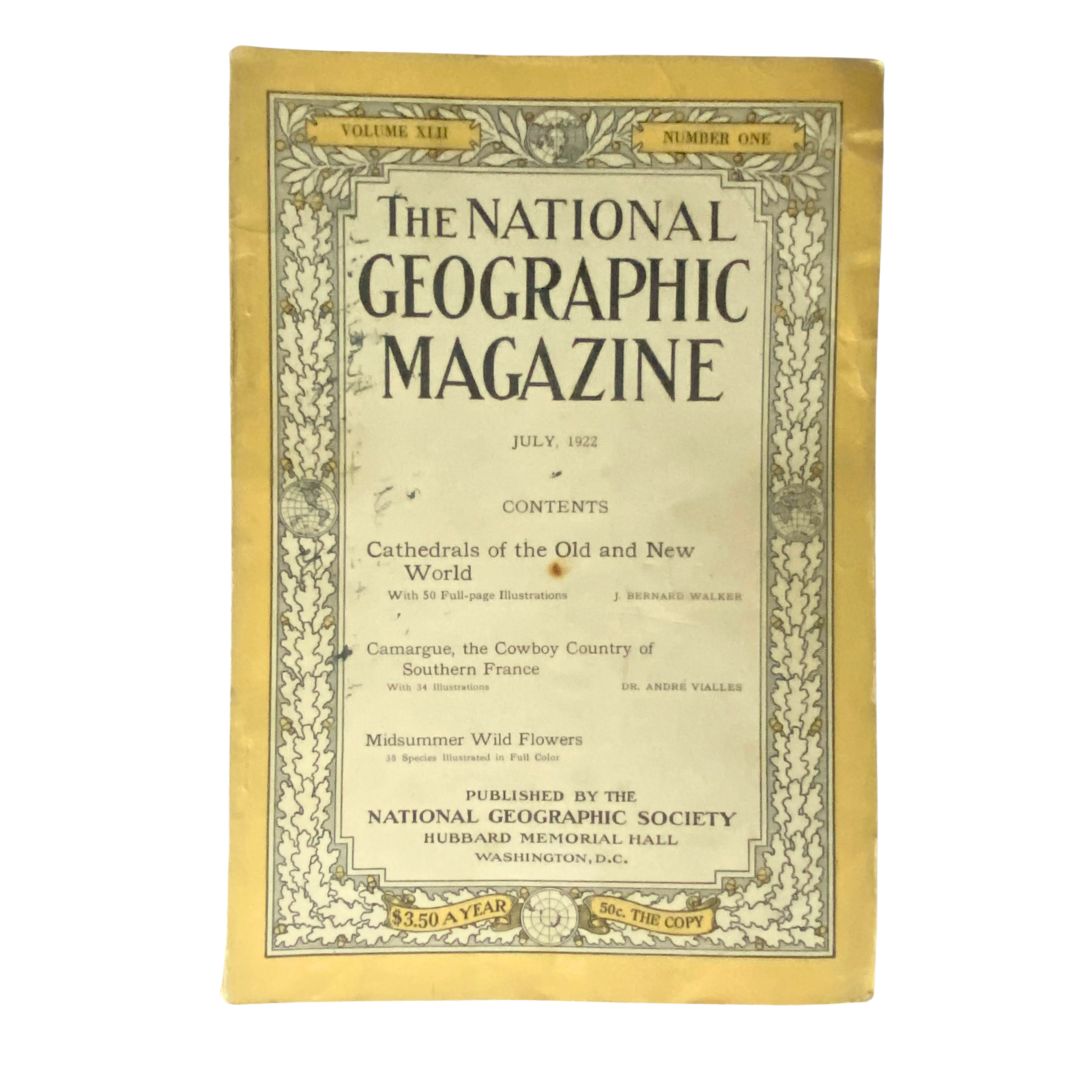
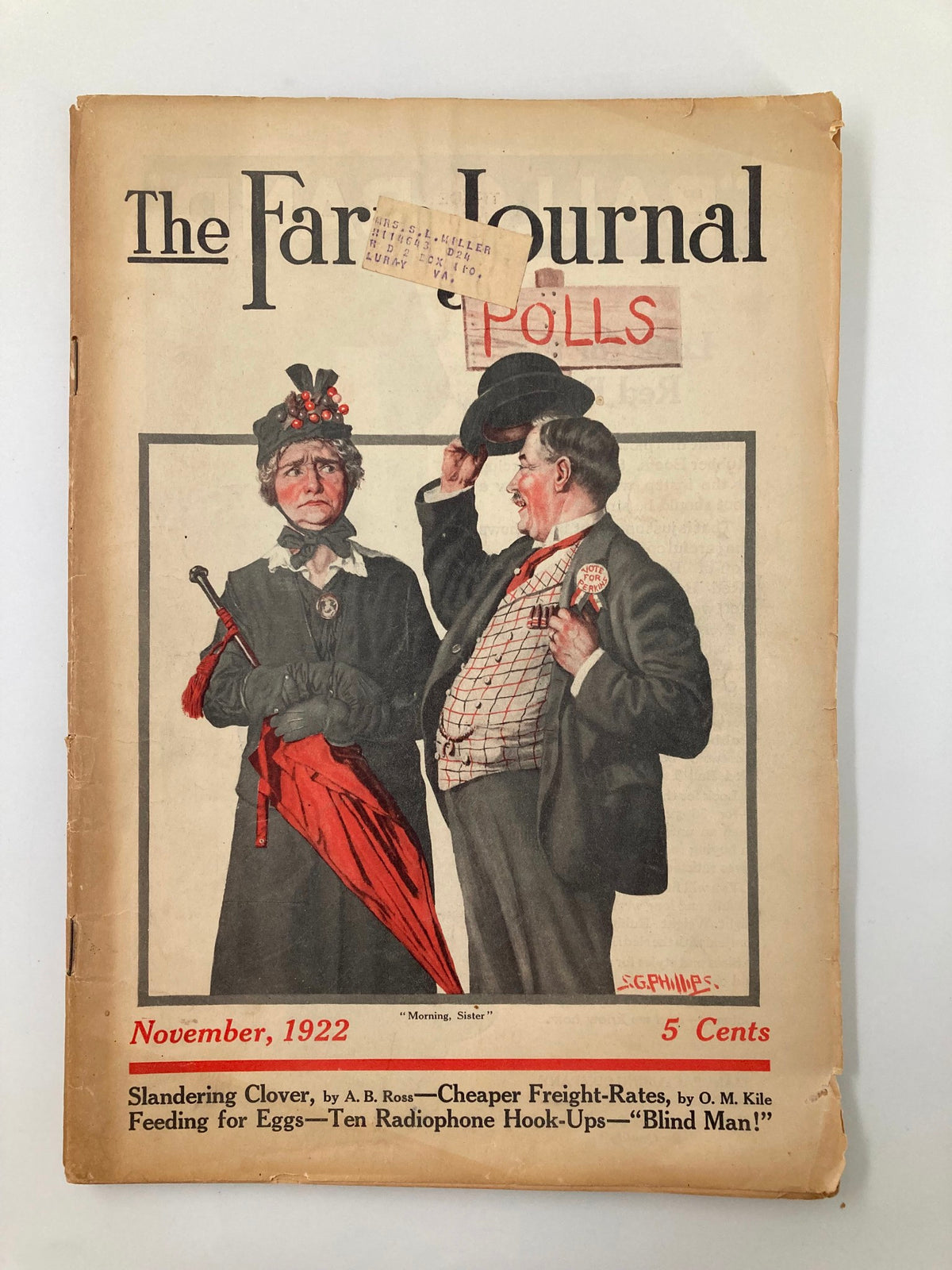
Americans in 1922 consumed culture with new efficiency and exotic fascination. February saw DeWitt and Lila Wallace launch Reader's Digest, revolutionizing how middle-class Americans consumed information through condensed articles that fit busy modern lives. The magazine would become a cornerstone of American households, its compact format perfect for commuters and homemakers alike. King Tut's tomb discovery didn't just make archaeological headlines—it transformed department store windows, fashion runways, and magazine advertising. Original magazines from 1922 captured this Egyptian fever in real time: Vogue and Harper's Bazaar showcased Art Deco designs with lotus motifs and pharaonic headdress inspirations, while general interest magazines like The Saturday Evening Post featured advertisements for "Egyptian-style" furniture and décor. Time magazine would launch the following year, but periodicals like Literary Digest and Collier's dominated newsstands, their pages filled with photographs of Carter's discovery and debates about the Teapot Dome investigation.
What You'll Find in Vintage Magazines from 1922
- The Teapot Dome Scandal: News magazines and political journals featuring investigative reporting on Albert Fall's corruption, illustrated with political cartoons, congressional hearing transcripts, and editorials debating government oversight of natural resources
- King Tut's Tomb Discovery: Illustrated weeklies showcasing Howard Carter's photographs from the Valley of the Kings, alongside fashion spreads demonstrating Egyptian-inspired jewelry, cosmetics, and Art Deco furnishings that captivated American consumers
- The Lincoln Memorial Dedication: Pictorial magazines chronicling the May 30th ceremony with photographs of Robert Todd Lincoln, architectural renderings of the memorial, and patriotic commentary on American values in the post-war era
- Reader's Digest's Revolutionary Launch: Publishing industry journals and literary magazines discussing the Wallace's condensed journalism model, often featuring early advertisements for subscriptions and analysis of changing reading habits
- Egyptian Revival Fashion: Rare magazines from Vogue, Harper's Bazaar, and women's journals displaying the "Tut-mania" phenomenon through advertisements for Egyptian-motif accessories, cosmetics in ancient-inspired packaging, and home décor catalogs
The Perfect Gift
For someone born in 1922, an original magazine from this transformative year isn't just a birthday gift—it's an authenticated time capsule from the moment when America balanced scandal with reverence, and ancient wonders captivated modern minds, preserved in genuine advertisements, headlines, and photography.