📖 About this Collection
1928: The Year Sound Came to Life
The world was changing at a dizzying pace in 1928, caught between the roaring optimism of the Jazz Age and forces that would reshape the century. In Paris, fifteen nations gathered to sign the Kellogg-Briand Pact, a bold attempt to outlaw war itself—a hope that would prove tragically premature. Across the Atlantic, innovation crackled with transformative energy. At Boston Children's Hospital, the first iron lung respirator hummed to life, saving a young polio victim and heralding a new era of medical intervention. Amelia Earhart soared across the Atlantic in June, becoming the first woman to make the journey and igniting imaginations worldwide. But perhaps no moment captured 1928's spirit of technological wonder quite like November 18th, when Walt Disney's Steamboat Willie premiered in New York City. The first cartoon with synchronized sound introduced a cheerful mouse to audiences who had never heard an animated character whistle before. This was the world your loved one entered—a time when the impossible was becoming routine, preserved in genuine newspapers, advertisements, and photography from that remarkable year.
Pop Culture & Lifestyle
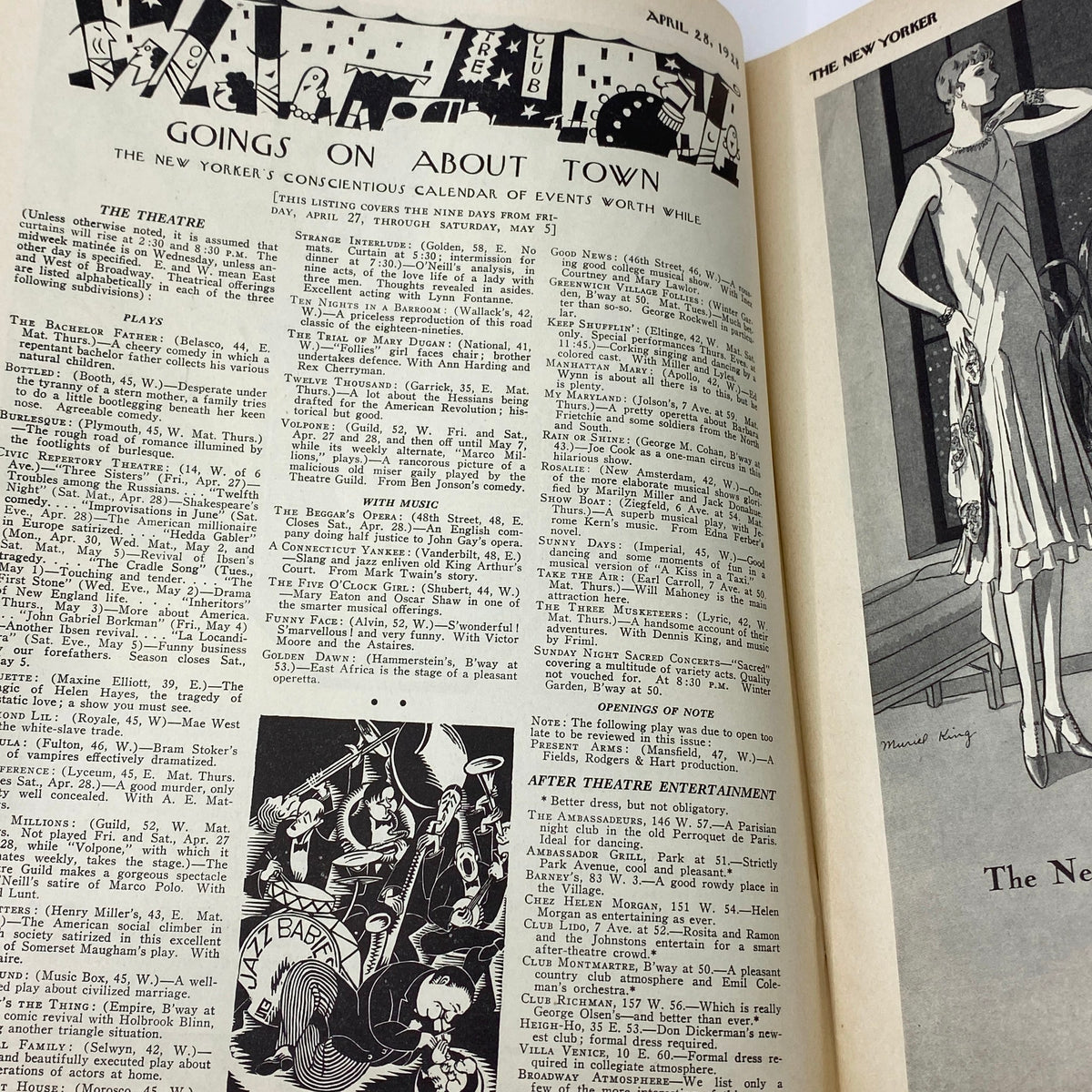
Entertainment in 1928 meant watching silent films give way to "talkies," though theaters still dominated with stars like Clara Bow and Buster Keaton. Mickey Mouse's squeaky voice in Steamboat Willie signaled the beginning of the end for silent animation, a watershed moment chronicled in original magazines from 1928. Fashion magazines showcased the dropped-waist flapper dresses and cloche hats that defined the era's silhouette, while men's publications featured the Arrow Collar Man and advertisements for raccoon coats and Oxford bags. The Yankees dominated sports coverage, with Babe Ruth hitting a staggering 54 home runs. Radio sets appeared in affluent living rooms, advertised alongside Frigidaire refrigerators and Ford Model A automobiles in the pages of vintage magazines. Life and The Saturday Evening Post captured this transitional moment with striking photography and illustrated covers, while Vogue documented the sleek, modern aesthetic that would define the decade's closing years. These authentic publications preserved the optimism, style, and technological marvels of a year balanced on the edge of transformation.
Curator's Checklist: What to Look for in 1928 Magazines
-
Mickey Mouse's Debut: Entertainment and film magazines featuring early coverage of Walt Disney's groundbreaking Steamboat Willie, often illustrated with cartoon stills and articles about the revolutionary synchronized sound technology that changed animation forever.
-
Amelia Earhart's Atlantic Crossing: News magazines like Time and Life showcasing the pioneering aviator's historic June flight, featuring dramatic photography of aircraft and coverage of the international celebration that followed her landing in Wales.
-
Medical Innovation Coverage: Science and general-interest publications chronicling the iron lung's first successful use, often featuring detailed diagrams of Philip Drinker's invention and human-interest stories about polio treatment breakthroughs.
-
The Kellogg-Briand Pact: Political magazines and news weeklies documenting the historic Paris peace treaty signing, with photographs of Secretary of State Frank B. Kellogg and articles exploring America's new role in international diplomacy.
-
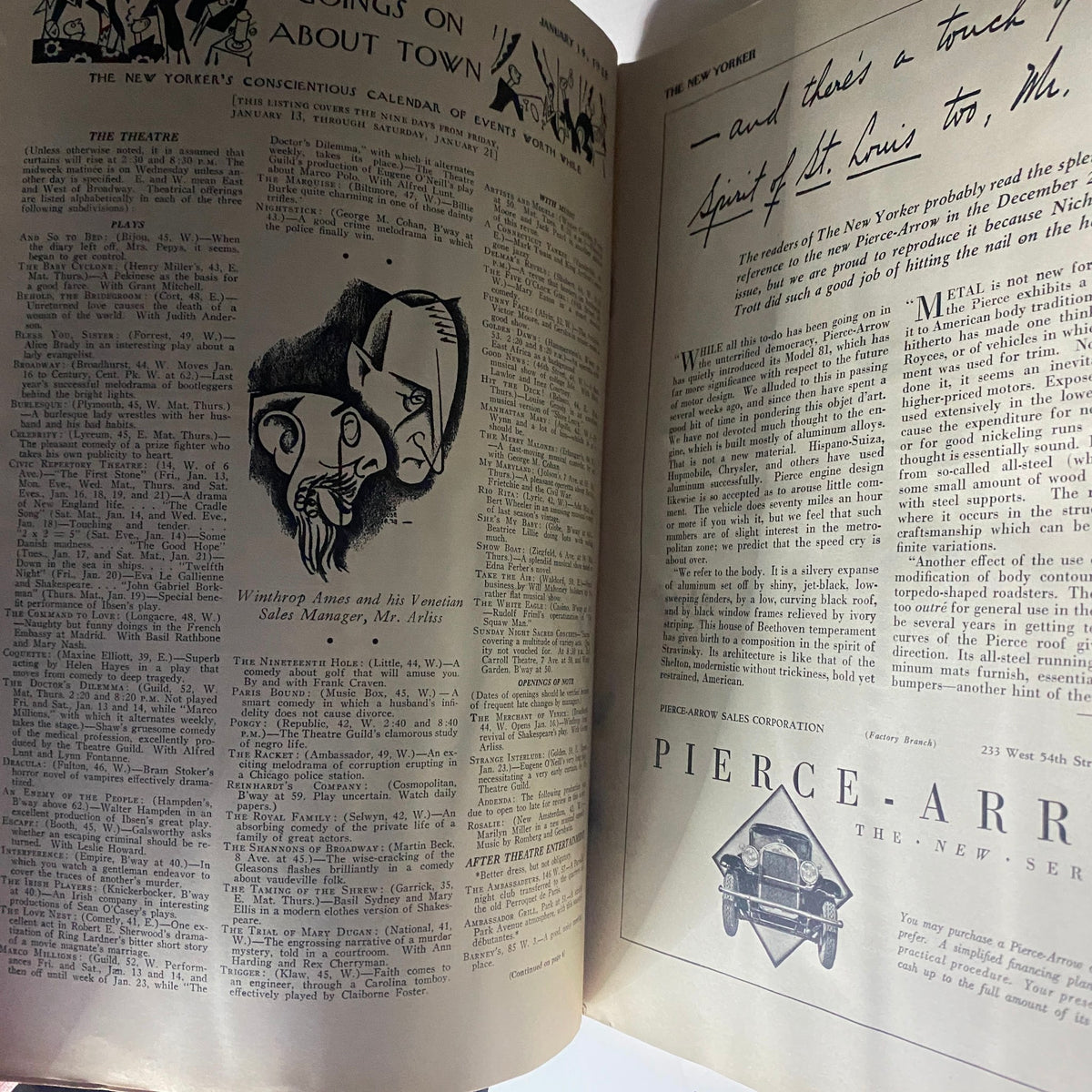
Jazz Age Advertising: Rare magazines from this era preserve authentic advertisements for flapper fashion, early radio sets, and automobiles, showcasing the Art Deco design aesthetic and consumer optimism that defined late-1920s American culture.
The Perfect Gift
For someone born in 1928, an original magazine from this transformative year isn't just a vintage collectible—it's an authenticated window into the exact moment when sound came to cinema, when women took to the skies, and when the world still believed peace was possible, preserved in genuine advertisements, headlines, and photography.