📖 About this Collection
1934: The Year Outlaws Made Headlines
The nation was gripped by a peculiar fascination in 1934—an obsession with gangsters that dominated newspaper headlines and dinner table conversations. On July 22nd, "Public Enemy No. 1" John Dillinger was gunned down by FBI agents outside Chicago's Biograph Theater, betrayed by the infamous "Lady in Red." Just weeks earlier, on May 23rd, outlaws Bonnie Parker and Clyde Barrow met their violent end in a Louisiana ambush orchestrated by former Texas Ranger Frank Hamer. These weren't just crime stories—they were the year's defining dramas, transforming bank robbers into folk antiheroes even as law enforcement struggled to restore order during the Depression's darkest days. Yet 1934 also crackled with cultural energy: on January 26th, Harlem's Apollo Theater opened its doors to black performers, launching a legendary stage where 16-year-old Ella Fitzgerald would win one of the first Amateur Nights. This was the world your loved one entered—a year balanced precariously between lawlessness and the birth of American cultural institutions that would define generations.
Pop Culture & Lifestyle
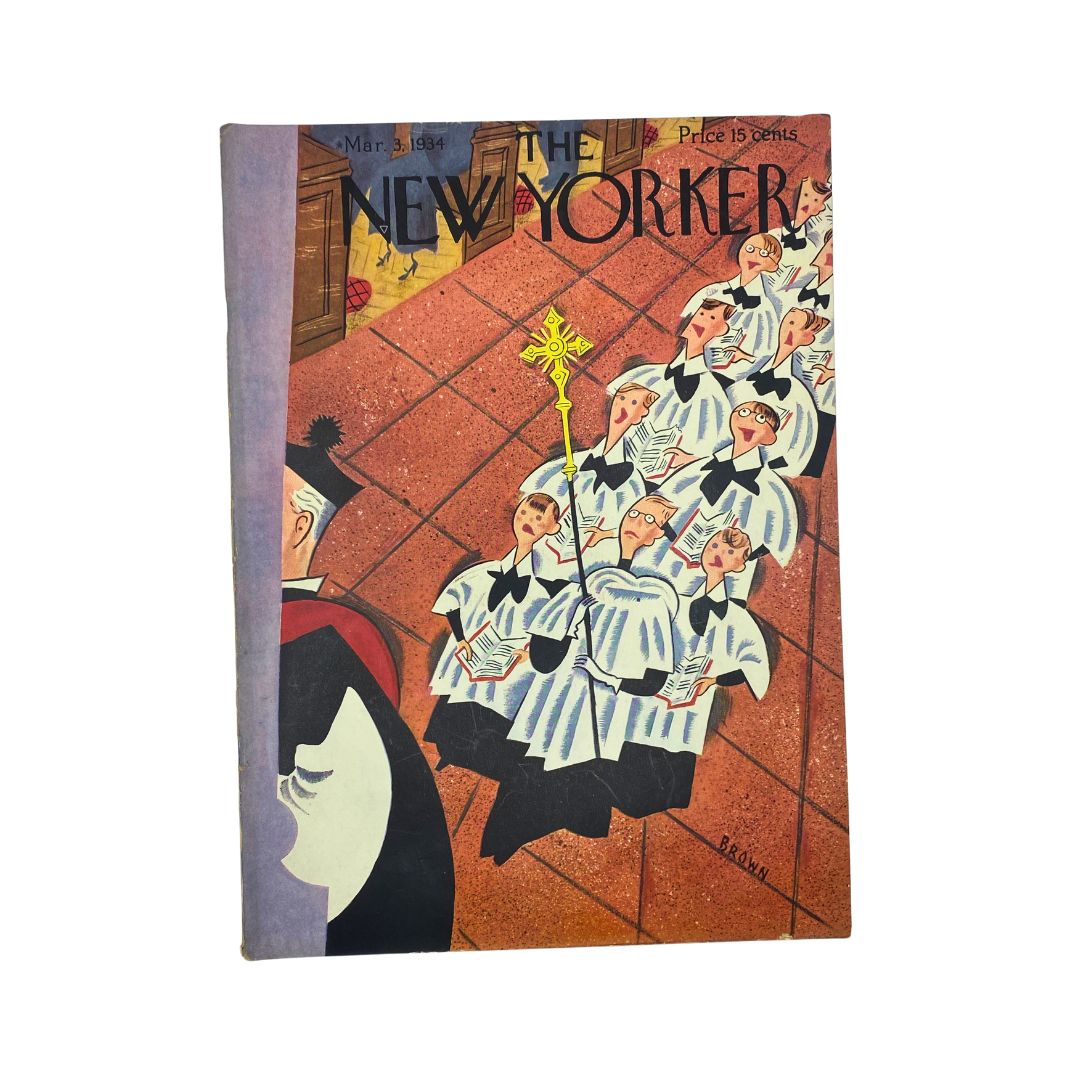
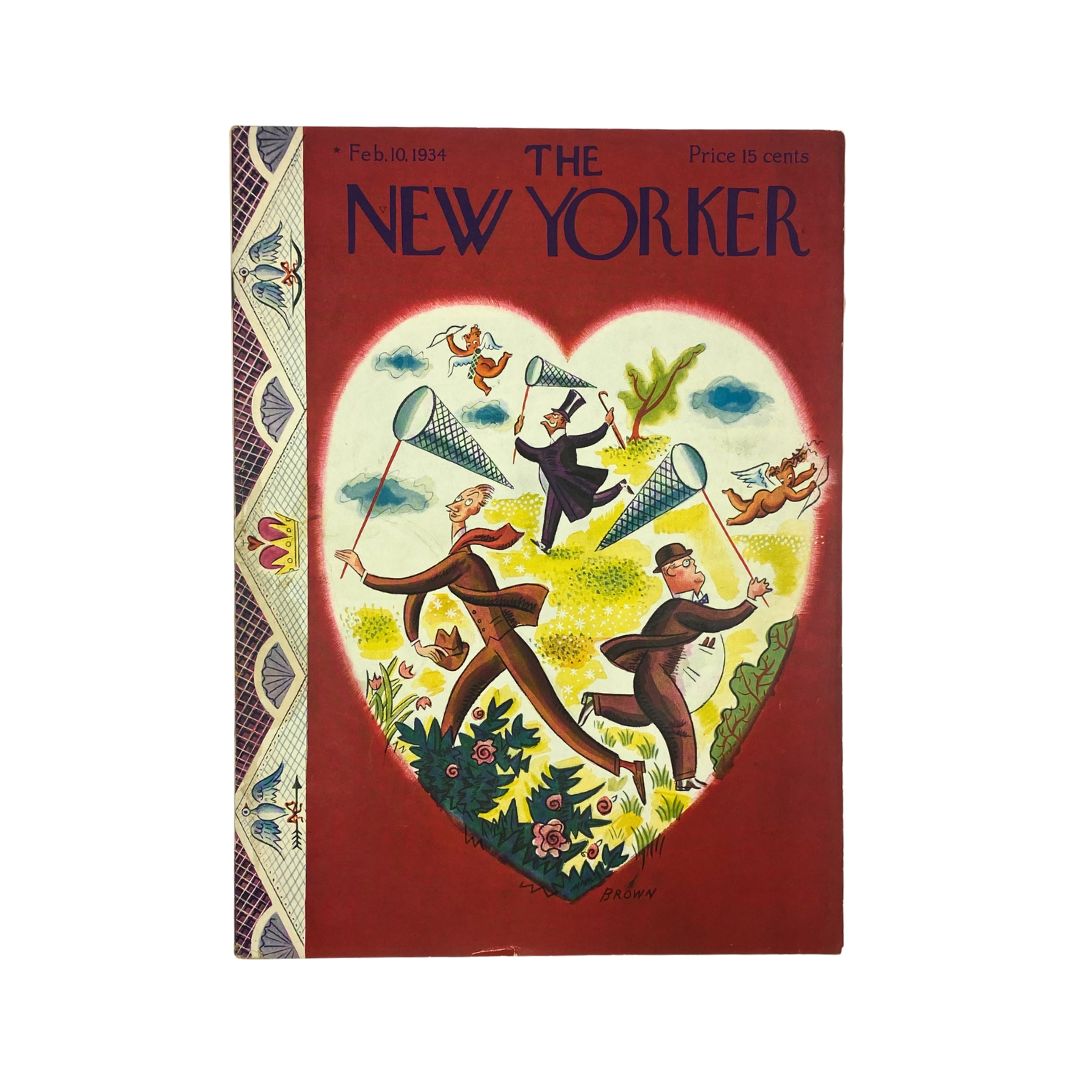
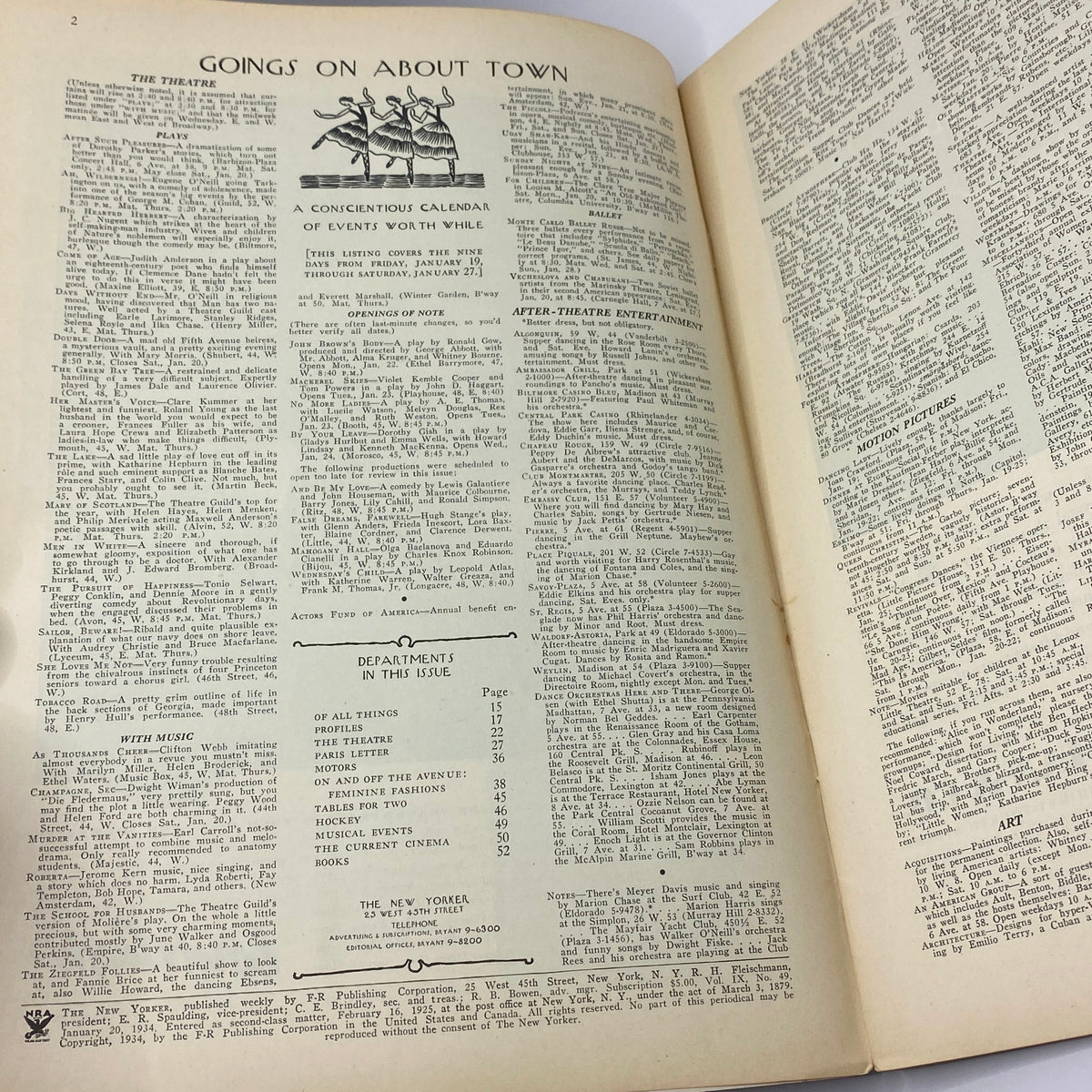
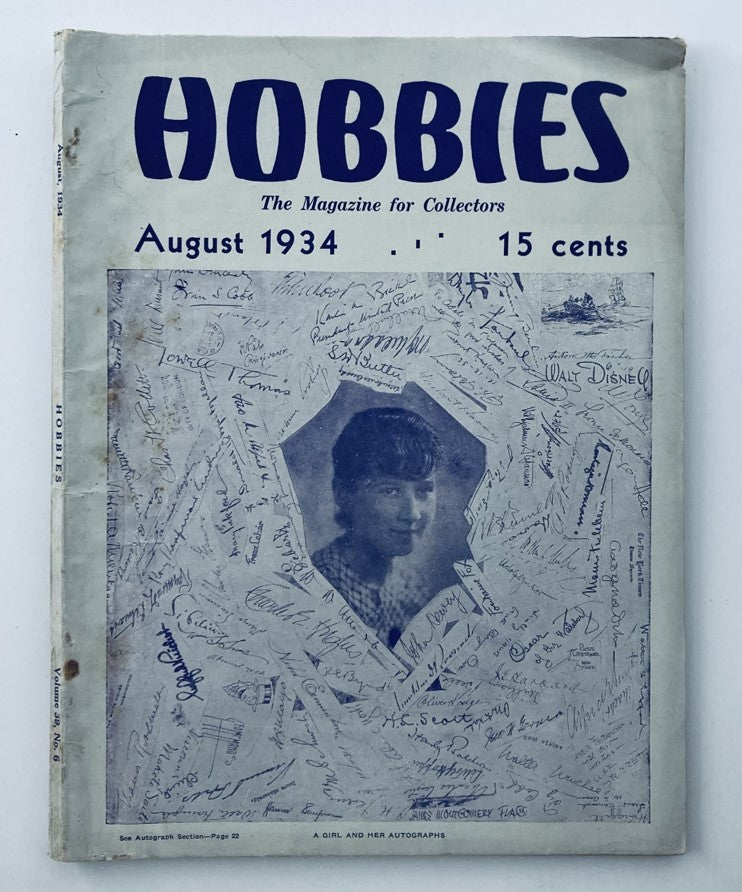
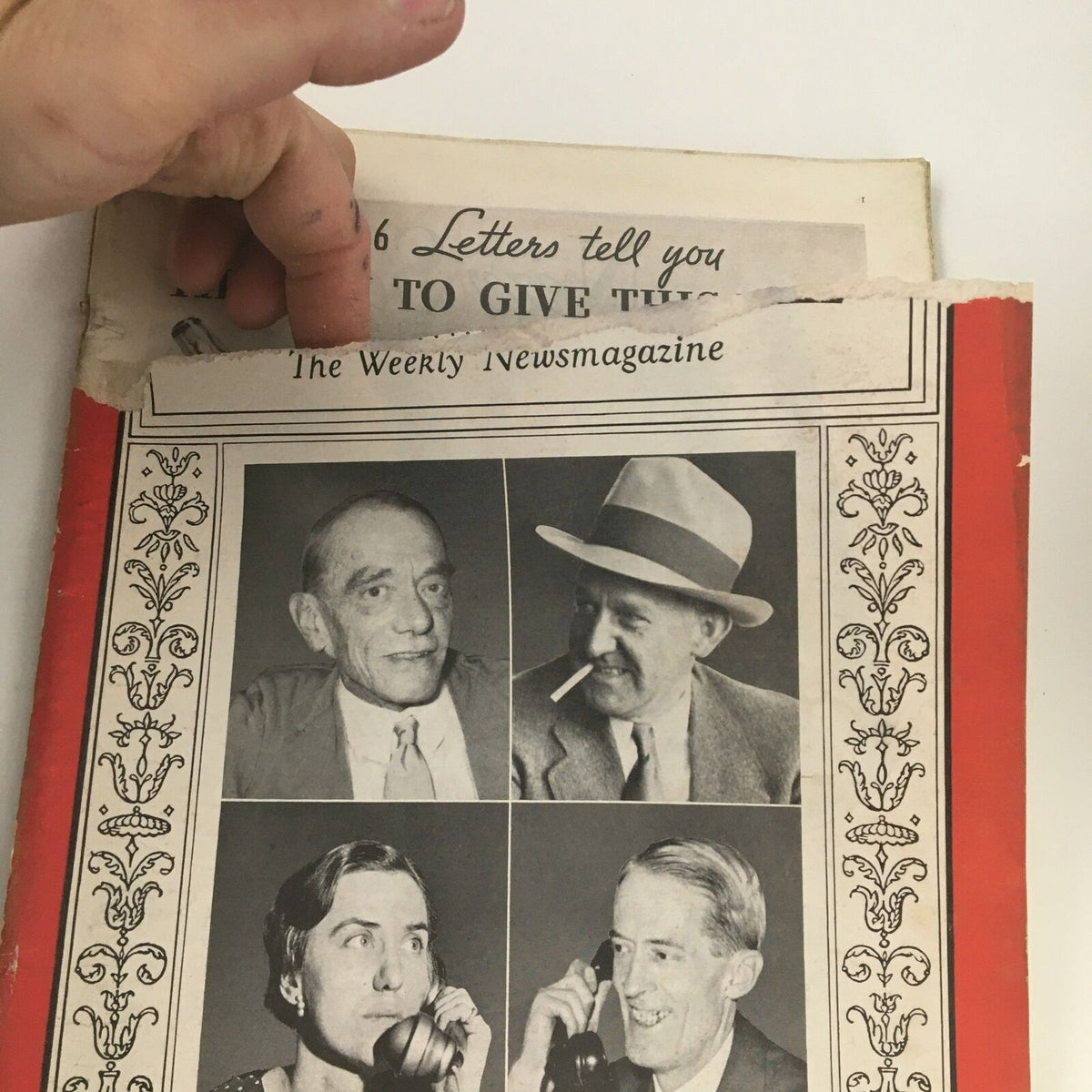
While crime dominated the front pages of Time and Life magazines, entertainment offered Americans a much-needed escape from Depression-era hardships. On June 9th, a cantankerous new character waddled onto movie screens when Donald Duck made his debut in Disney's The Wise Little Hen, instantly capturing audiences with his distinctive voice and temperamental personality. The Apollo Theater's opening signaled a seismic shift in American music, providing a stage where jazz, blues, and emerging swing music could flourish—performances that Variety and entertainment magazines chronicled with growing enthusiasm. Sports Illustrated wouldn't arrive for another two decades, but newspapers and detective magazines gave equal billing to both gangster shootouts and sporting triumphs. Fashion magazines like Vogue showcased the elegant, bias-cut gowns that defined mid-1930s style, while original magazines from 1934 preserved advertisements for everything from Art Deco furnishings to the latest household appliances promising to ease domestic burdens. These vintage magazines captured a nation simultaneously thrilled by outlaws and enchanted by a stuttering duck.
Curator's Checklist: What You'll Discover in 1934 Magazines
-
The Dillinger Manhunt: News magazines like Time and Newsweek featuring dramatic coverage of Public Enemy No. 1's final days, often illustrated with photographs of the Biograph Theater crime scene and FBI agent Melvin Purvis's pursuit, alongside sensationalized detective magazine accounts of the era's "war on crime."
-
Bonnie and Clyde's Fatal Ambush: True crime and detective magazines chronicling the Louisiana shootout in graphic detail, showcasing the bullet-riddled Ford V8 and the romantic outlaw mythology that captivated Depression-era America, complete with photos of Frank Hamer and his posse.
-
Disney's New Star: Entertainment publications and family magazines introducing Donald Duck's debut, featuring early animation stills from The Wise Little Hen and Walt Disney's expanding cartoon empire, marking the birth of a character who would rival Mickey Mouse in popularity.
-
The Apollo Theater's Historic Opening: rare magazines covering Harlem's cultural renaissance, including coverage of Ella Fitzgerald's Amateur Night victory and the venue that would launch countless legendary careers, often featuring photographs of the theater's marquee and early performers.
-
Depression-Era Elegance: Fashion magazines like Vogue and Harper's Bazaar showcasing the sophisticated bias-cut silhouettes and Art Deco aesthetics that defined 1934 style, preserved alongside authentic advertisements for cosmetics, furnishings, and the consumer goods that offered glimpses of glamour during hard times.
The Perfect Gift
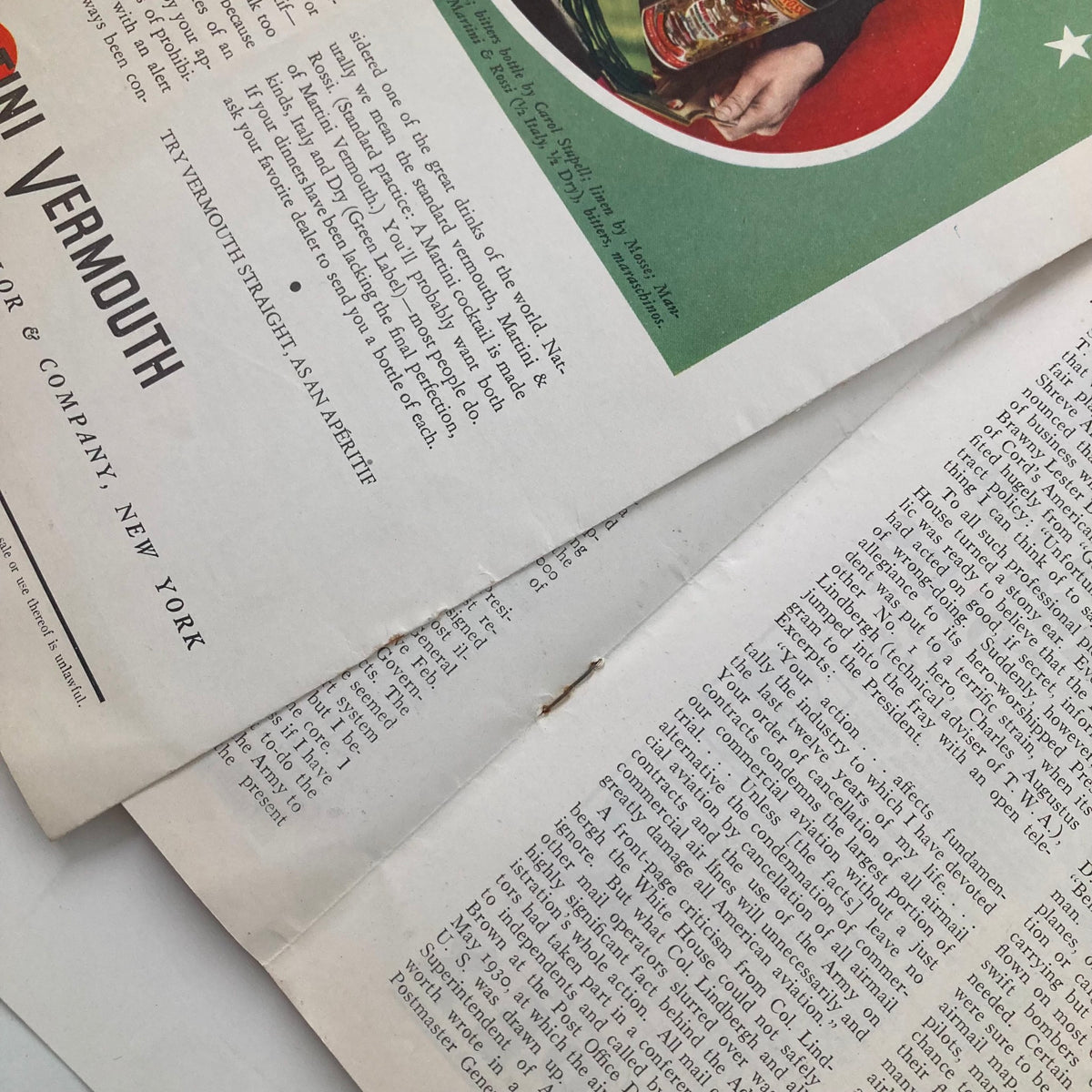
For someone born in 1934, an original magazine from this turbulent year isn't just a vintage curiosity—it's a genuine time capsule from the moment when gangsters became legends and American culture found new voices, preserved in authentic headlines, photographs, and advertisements that museums simply cannot replicate.