📖 About this Collection
1941: The Year America Entered the Storm
The world held its breath in 1941, watching as the Roosevelt administration navigated between neutrality and necessity. In March, the Lend-Lease Act transformed America into the "arsenal of democracy," funneling military aid to Britain and the Soviet Union while technically remaining on the sidelines. That fragile balance shattered on December 7th, when Japanese aircraft screamed out of the Hawaiian dawn, reducing Pearl Harbor to twisted steel and flame. The attack killed 2,403 Americans and obliterated any illusions of isolation. Within days, the United States declared war, joining a global conflict that would reshape the century. For those born in 1941, this was the world they entered—one where headlines crackled with urgency, where every newsstand carried images of destroyers aflame, and where the word "war" dominated the front page of every newspaper and magazine across the nation.
Pop Culture & The American Spirit
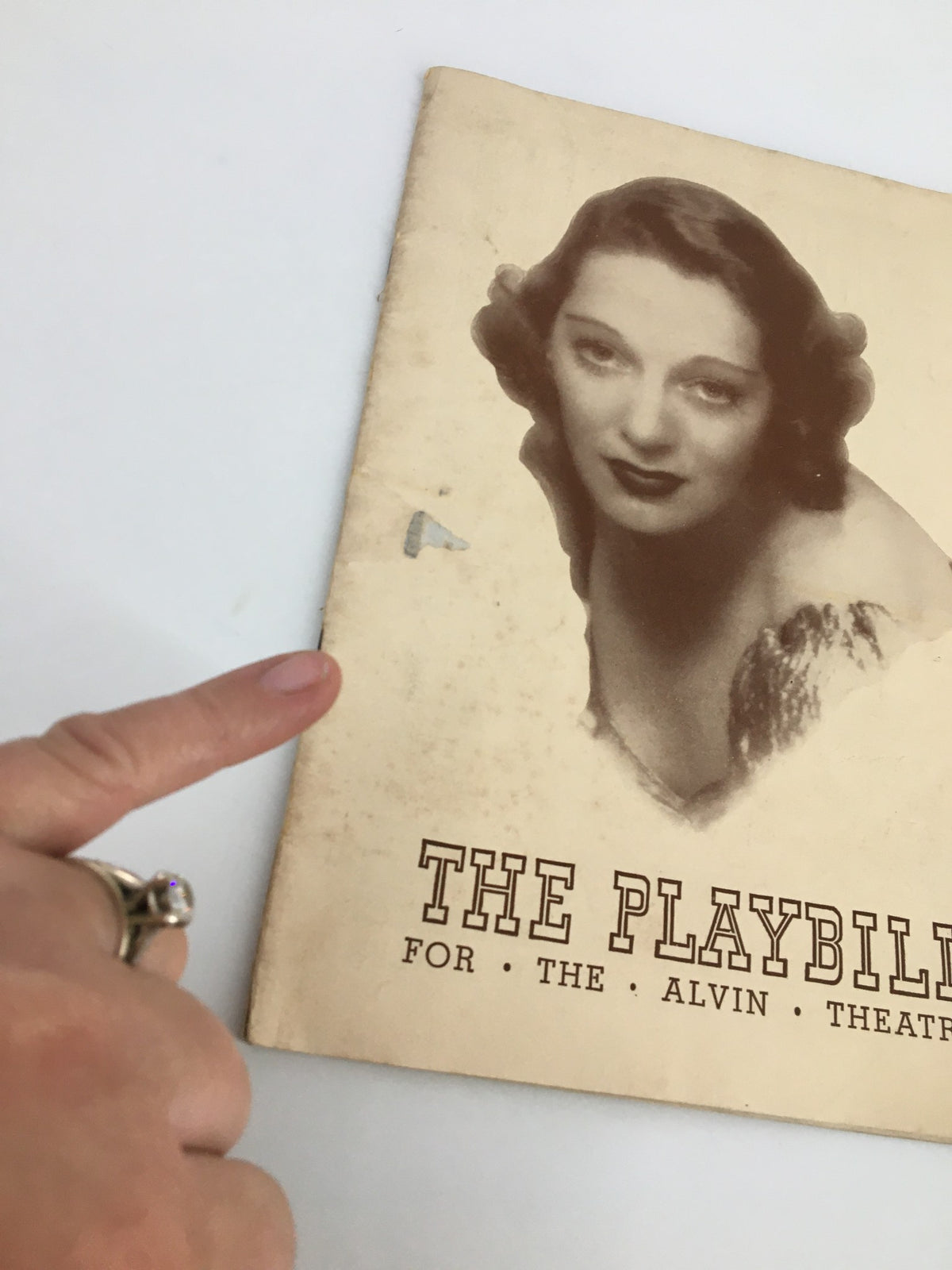
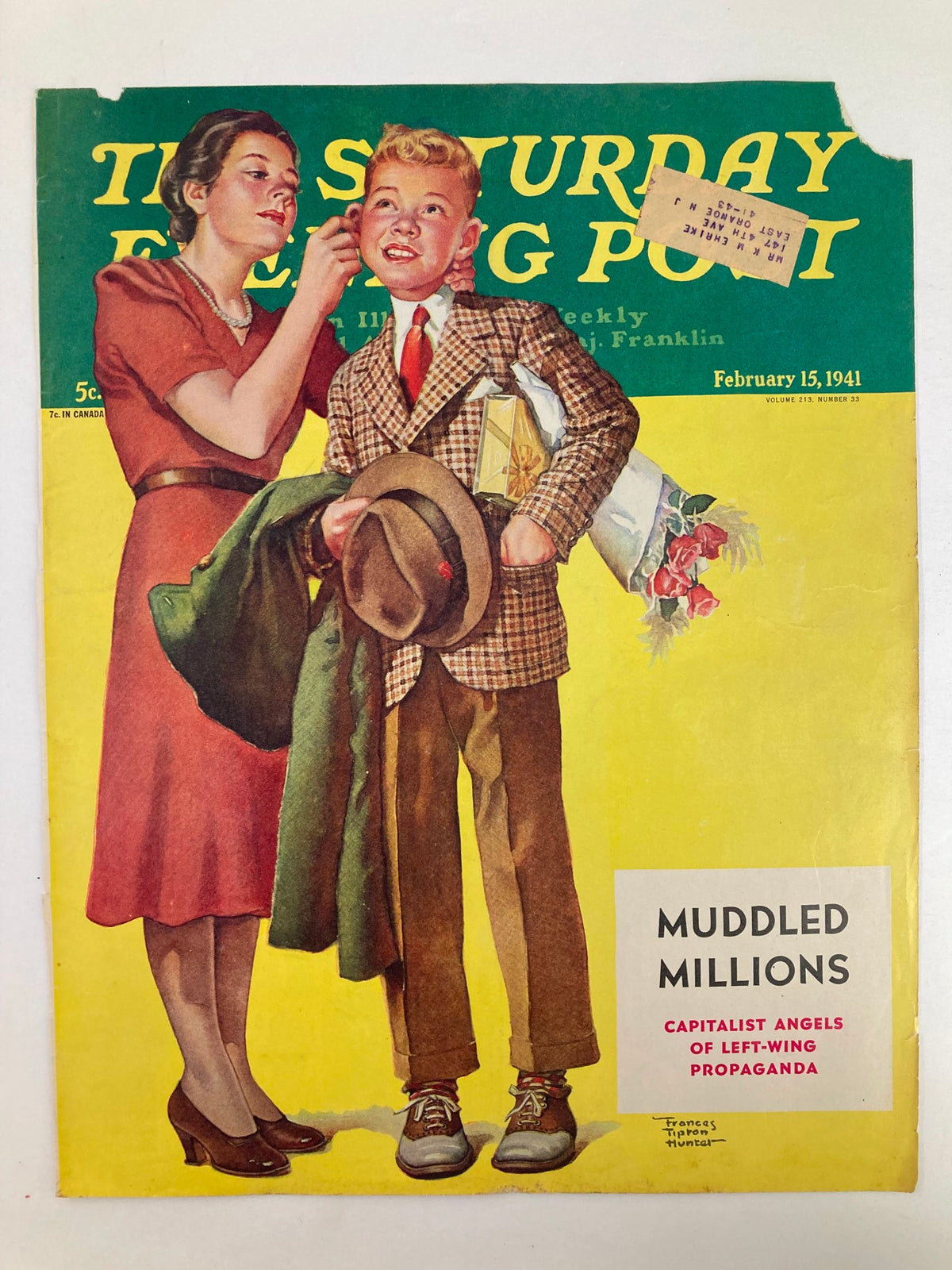
Even as war clouds gathered, Americans sought escape and excellence in their entertainment. Orson Welles' Citizen Kane premiered on May 1st, revolutionizing what film could be with its innovative cinematography and fractured narrative structure—a technical achievement chronicled in movie magazines and industry publications of the era. On baseball diamonds, Joe DiMaggio provided a different kind of drama, his 56-game hitting streak captivating the nation through the summer until it finally ended on July 17th against the Cleveland Indians, a record that remains untouched in Major League Baseball history. Original magazines from 1941 captured this peculiar American moment—advertisements for new refrigerators and automobiles appeared alongside recruitment posters, entertainment features ran opposite war dispatches, and fashion spreads shared pages with civil defense instructions. Time, Life, and Newsweek documented this transformation with striking photography, while sports magazines like The Sporting News immortalized DiMaggio's impossible summer.
Curator's Checklist: What You'll Discover
-
The Lend-Lease Debate: Newsweek and Time featuring Roosevelt's controversial aid program, with editorial illustrations depicting America's shifting role and photographs of convoys heading across the Atlantic, often accompanied by heated opinion pieces about neutrality versus intervention.
-
Citizen Kane's Revolutionary Impact: Variety and entertainment magazines showcasing Orson Welles' masterpiece, complete with behind-the-scenes photography, reviews analyzing its technical innovations, and advertisements promoting what critics already recognized as groundbreaking cinema.
-
DiMaggio's Summer of Excellence: Sports Illustrated predecessors and general-interest magazines chronicling the streak game by game, featuring action photography, statistical analyses, and advertisements for baseball equipment and radio broadcasts that kept America riveted.
-
Pearl Harbor's Aftermath: Life and Look publishing the first shocking photographs from Hawaii, with survivor accounts, military analysis, and the transformation of advertising from consumer goods to war bonds—vintage magazines preserving this pivotal moment exactly as Americans experienced it.
-
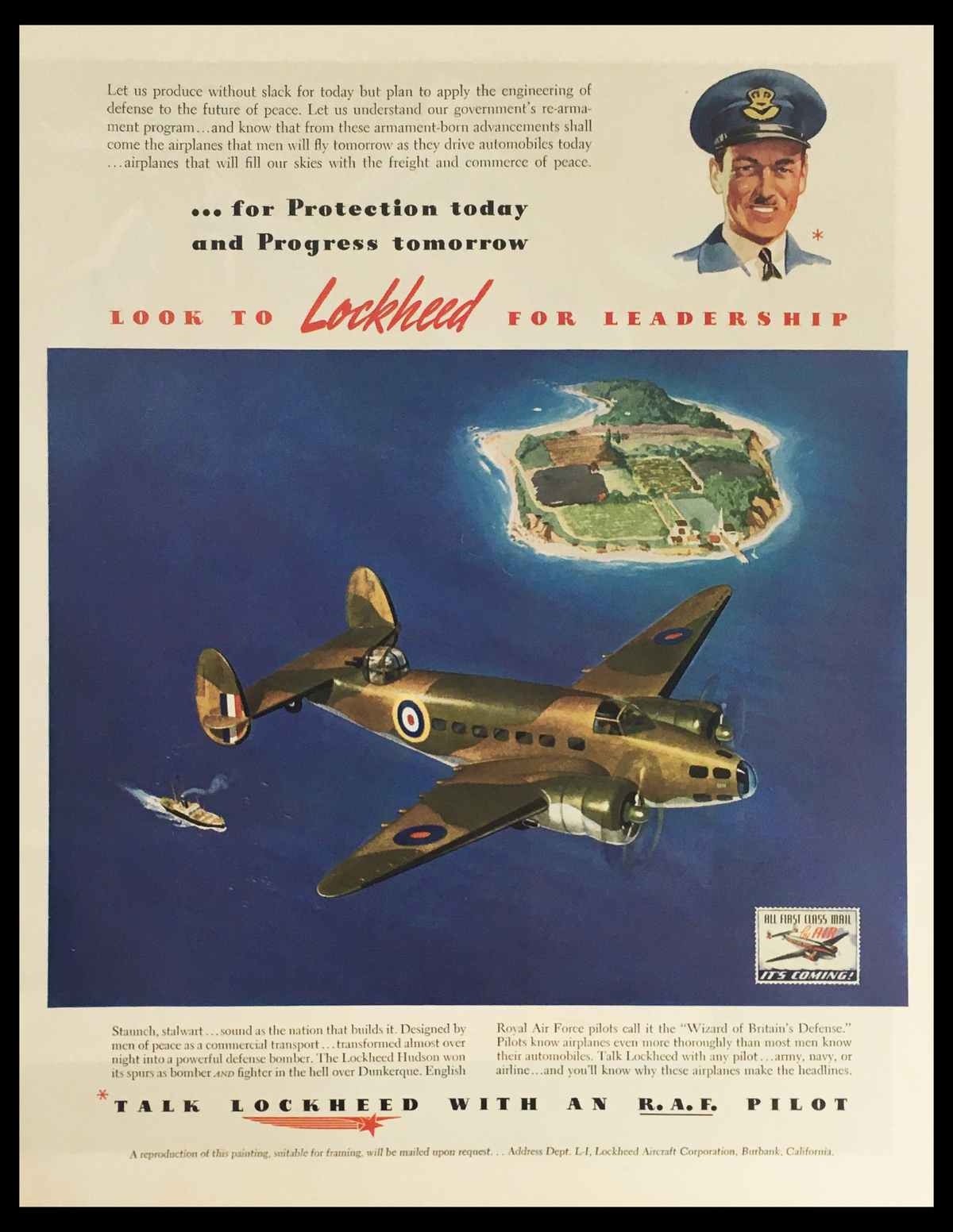
War Preparation on the Home Front: Rare magazines from late 1941 documenting America's industrial mobilization, featuring factory conversion stories, civil defense instructions, and the abrupt shift in magazine content from peacetime leisure to wartime urgency.
The Perfect Gift
For someone born in 1941, an original magazine from this watershed year isn't just a collectible—it's authenticated witness to the day America stopped watching and started fighting, preserved in genuine advertisements, urgent headlines, and photography that museums can only reproduce.