📖 About this Collection
1943: The Year the Tide Turned
The World in 1943
The second full year of American involvement in World War II crackled with military momentum as the Allies shifted from defense to offense. Just days after the Pentagon's completion in Arlington—the world's largest office building, purpose-built to coordinate a global conflict—President Roosevelt and Prime Minister Churchill convened in Casablanca, demanding nothing less than unconditional surrender from the Axis powers. By September, Allied forces under General Dwight D. Eisenhower landed on mainland Italy, forcing an armistice and opening the critical second front in Europe that would ultimately compress Hitler's empire from both directions. Yet the year's tensions weren't confined to overseas battlefields. In June, Los Angeles erupted when US servicemen clashed with Mexican American youths in the Zoot Suit Riots, revealing the racial fissures that military service couldn't erase. This was the world your loved one entered in 1943—a nation mobilized for total war, yet still wrestling with the divisions at home.
Popular Culture & Daily Life
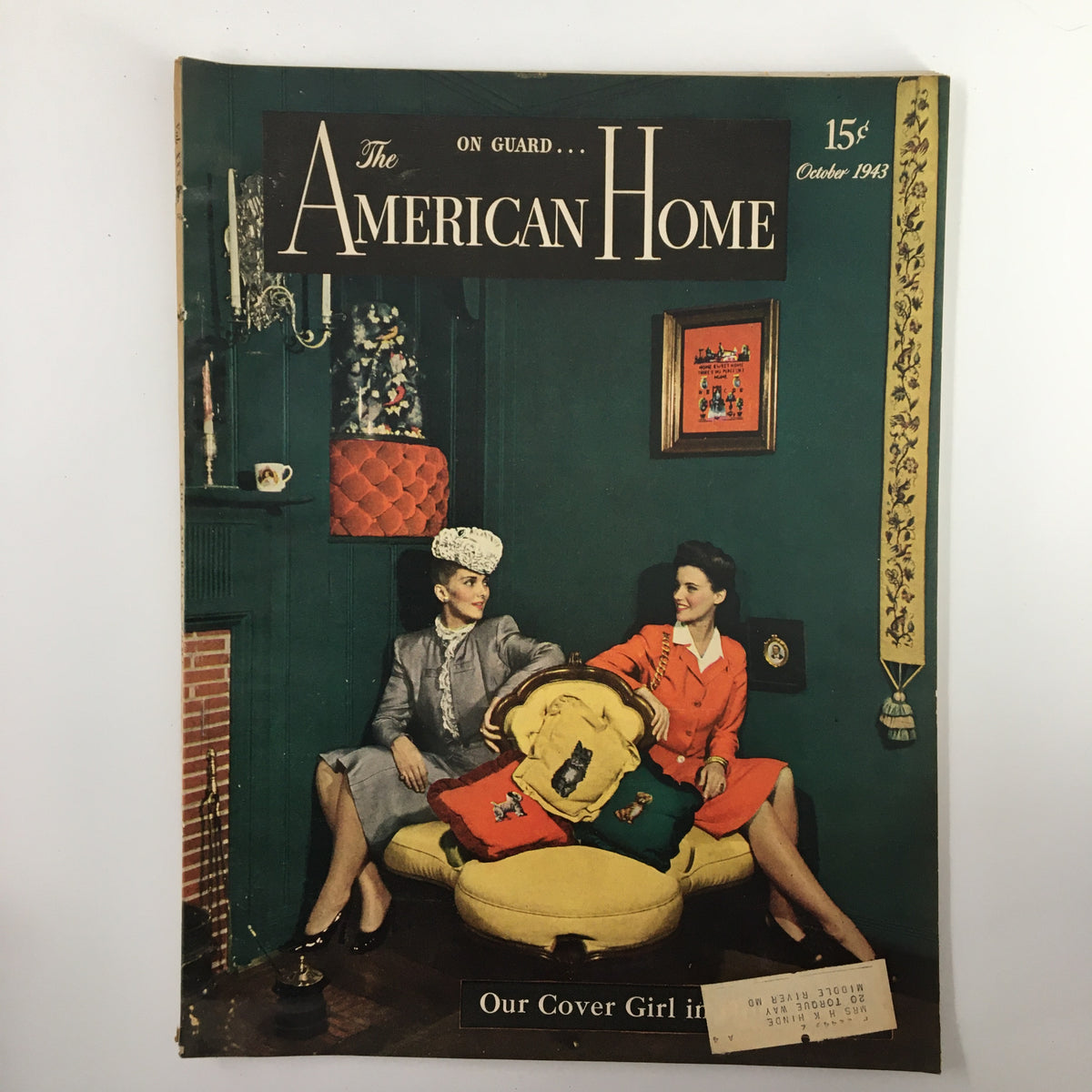
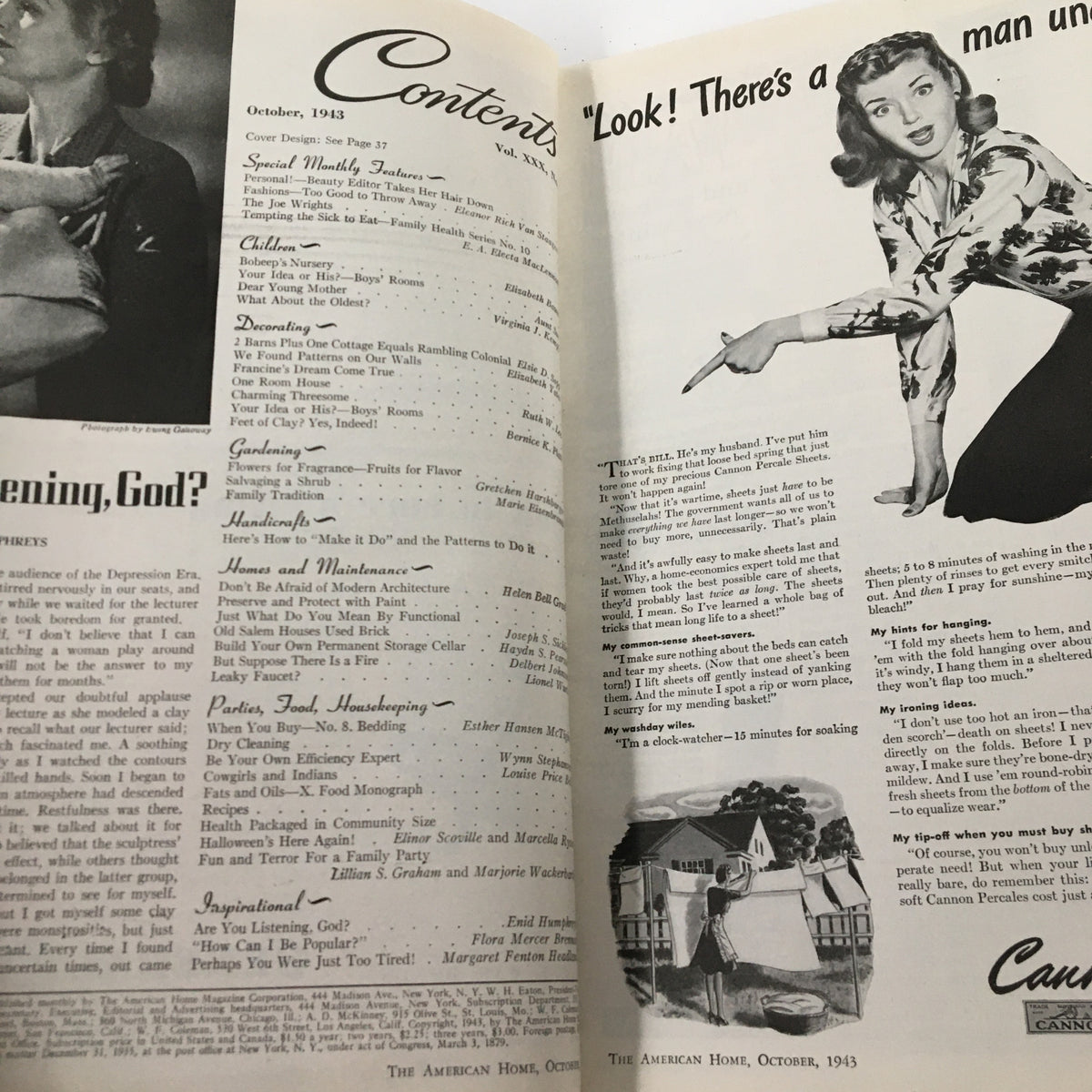
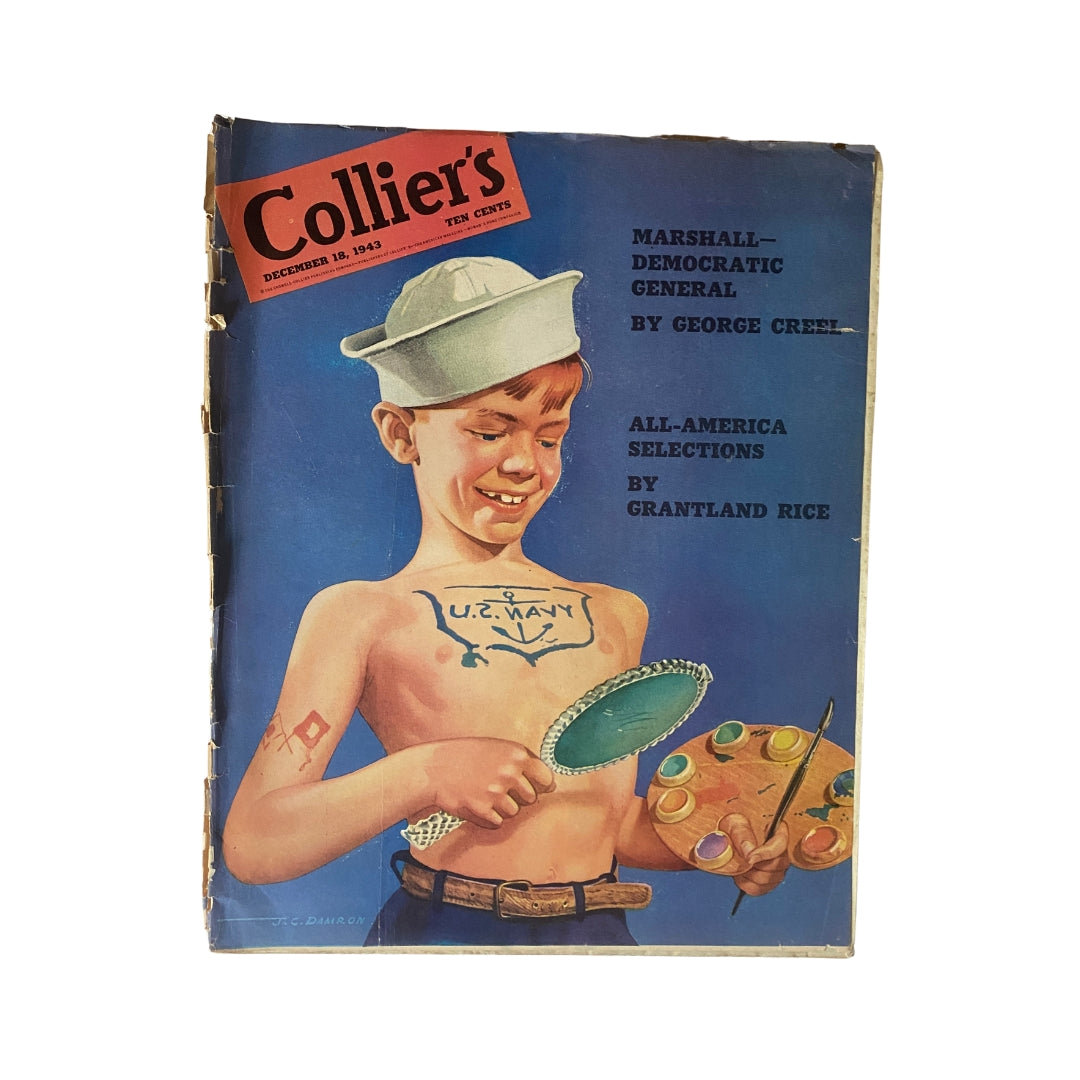
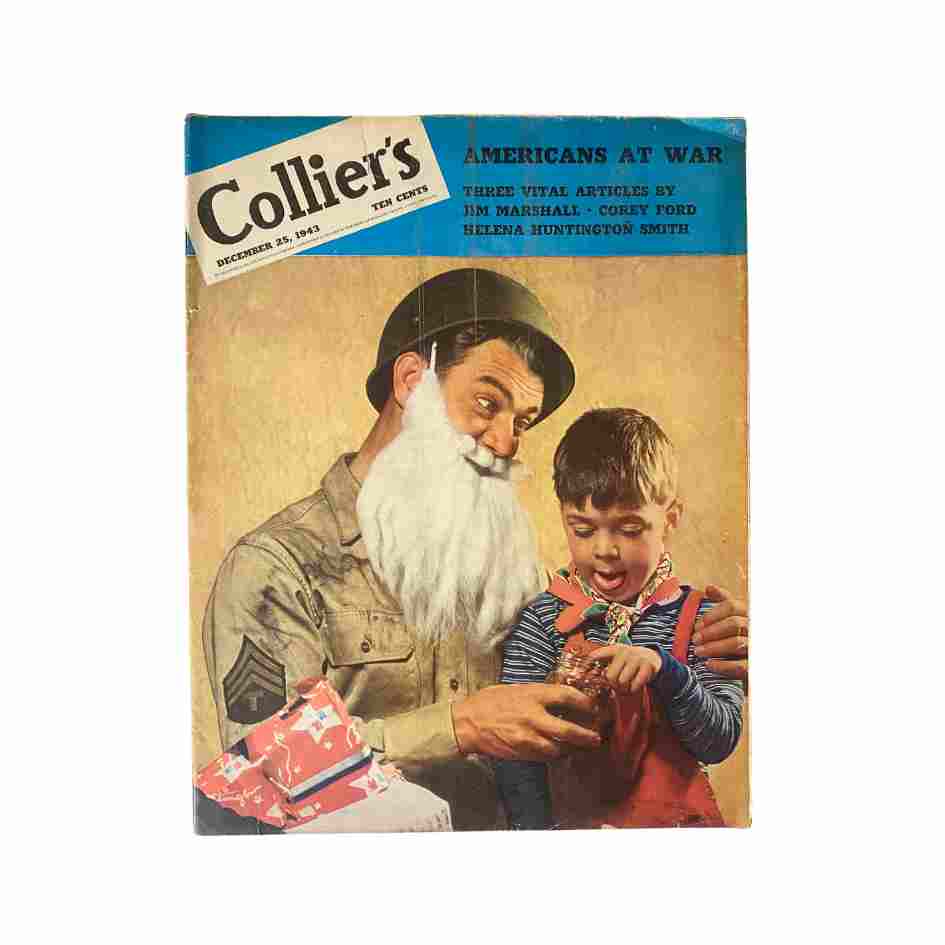
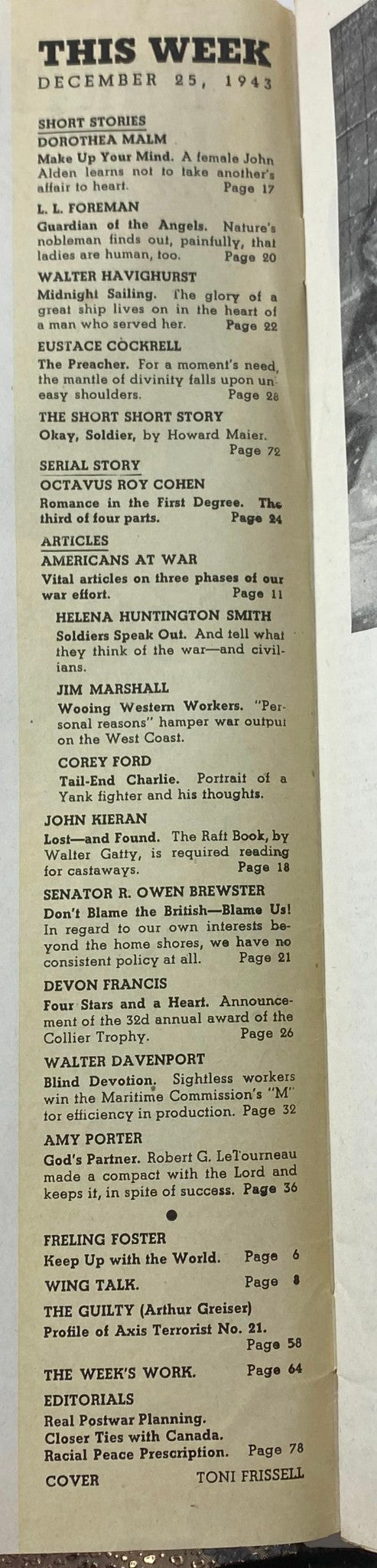
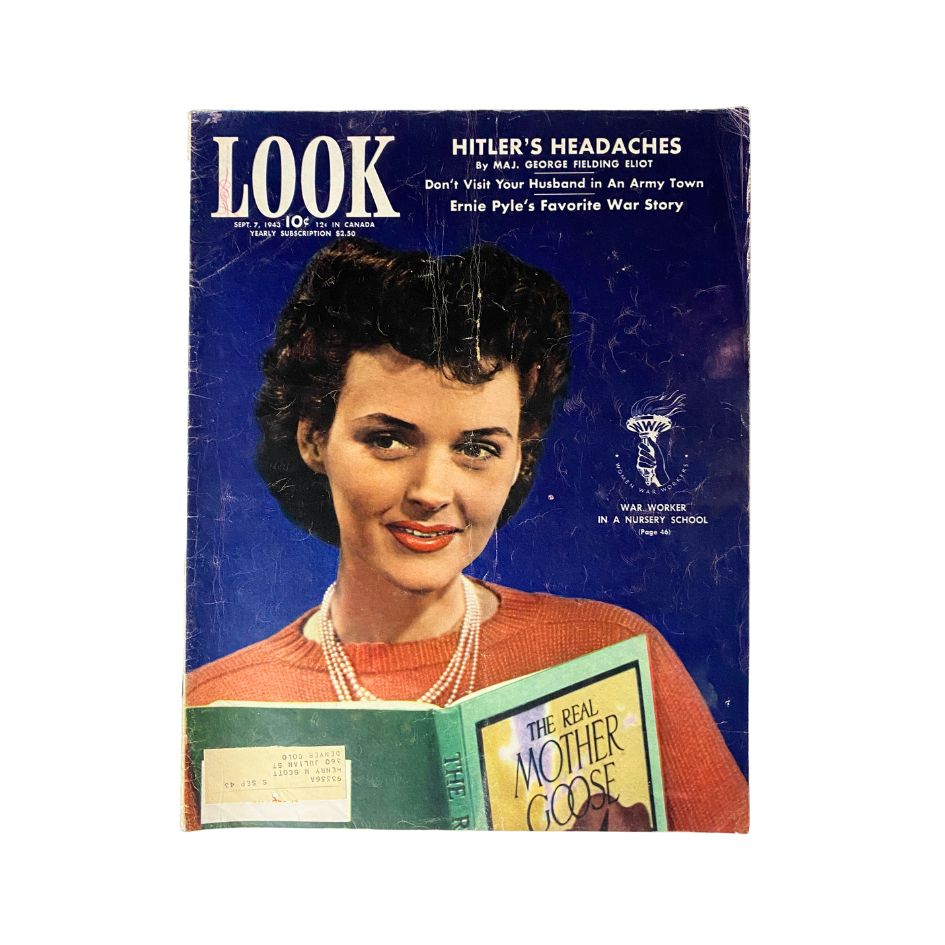
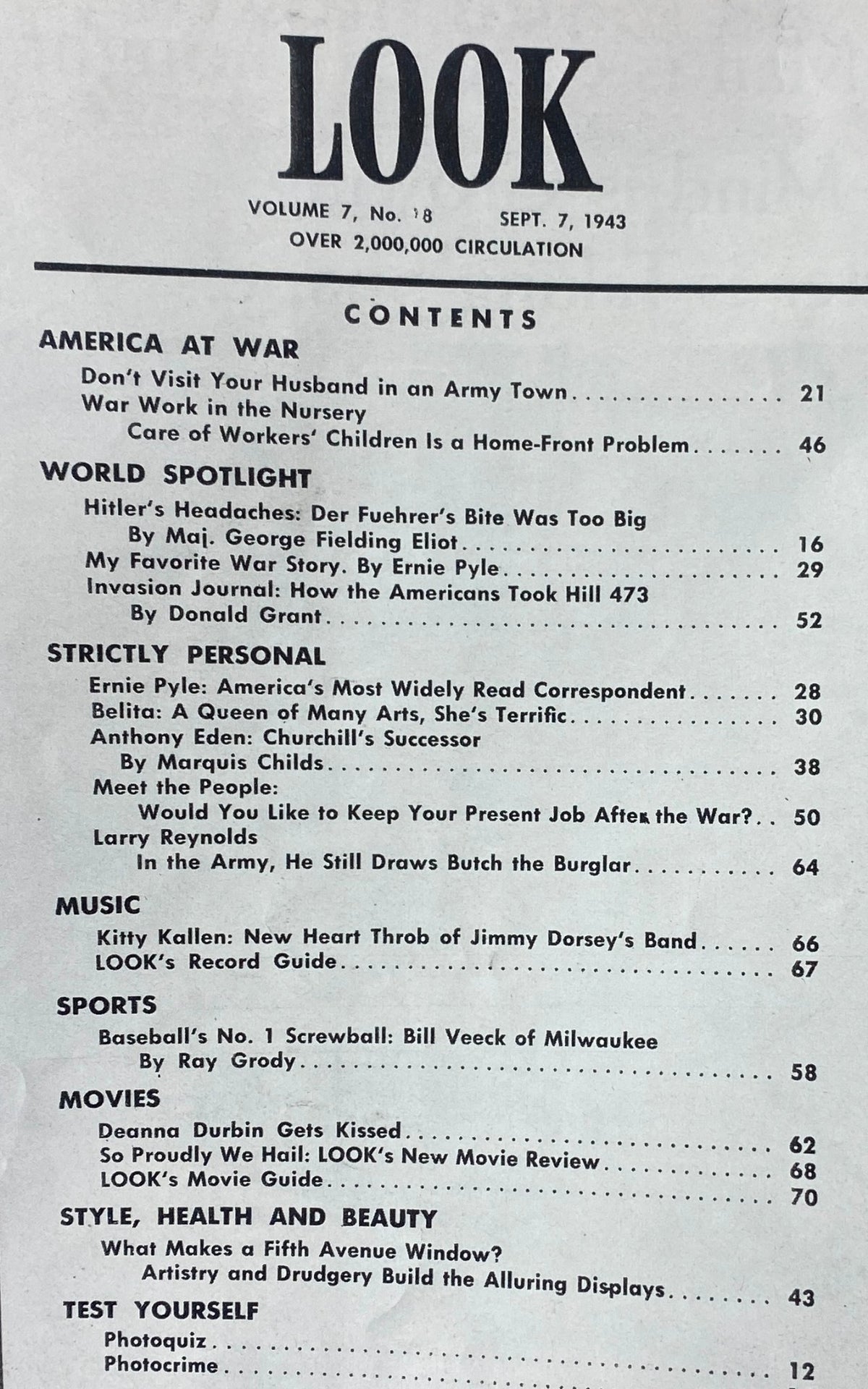
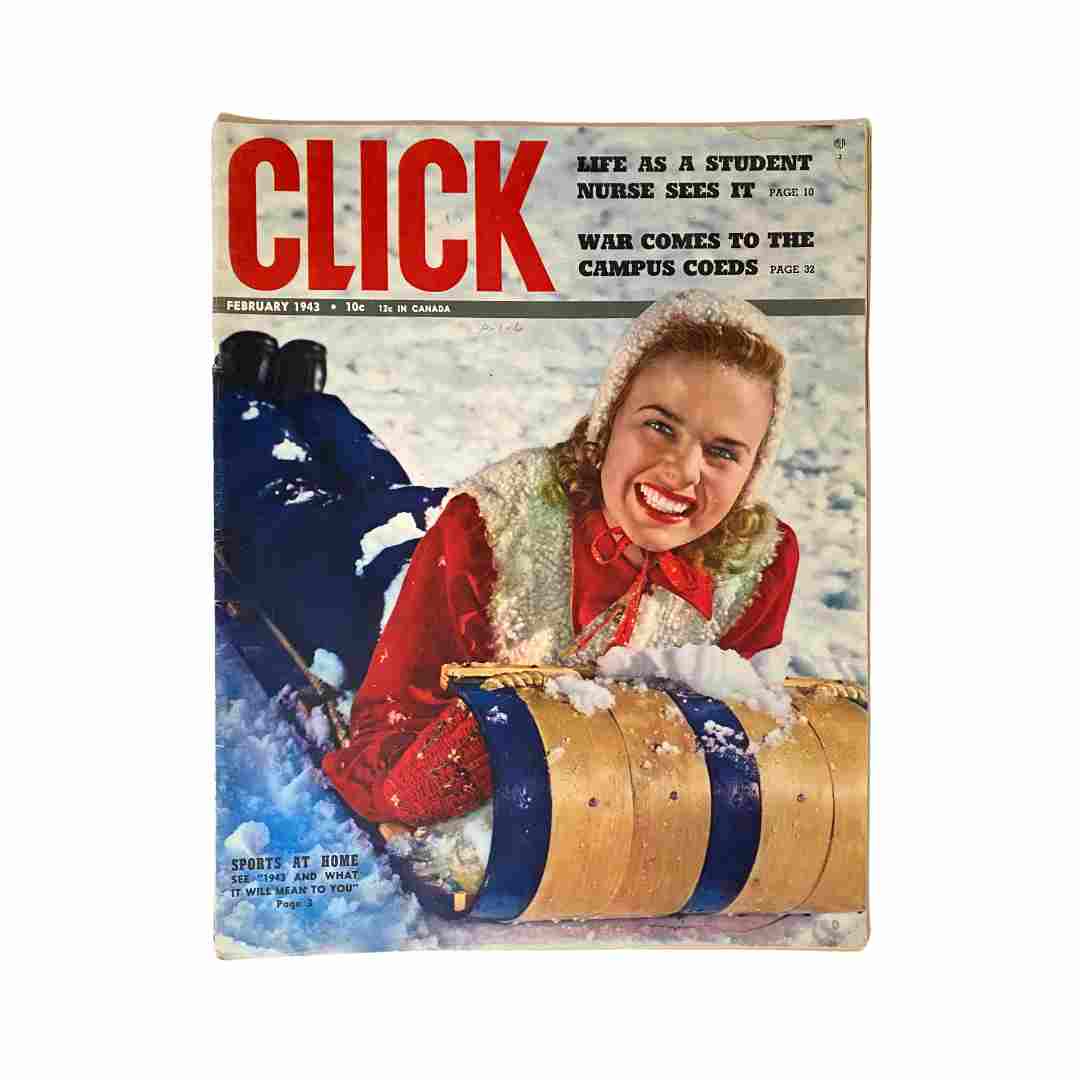
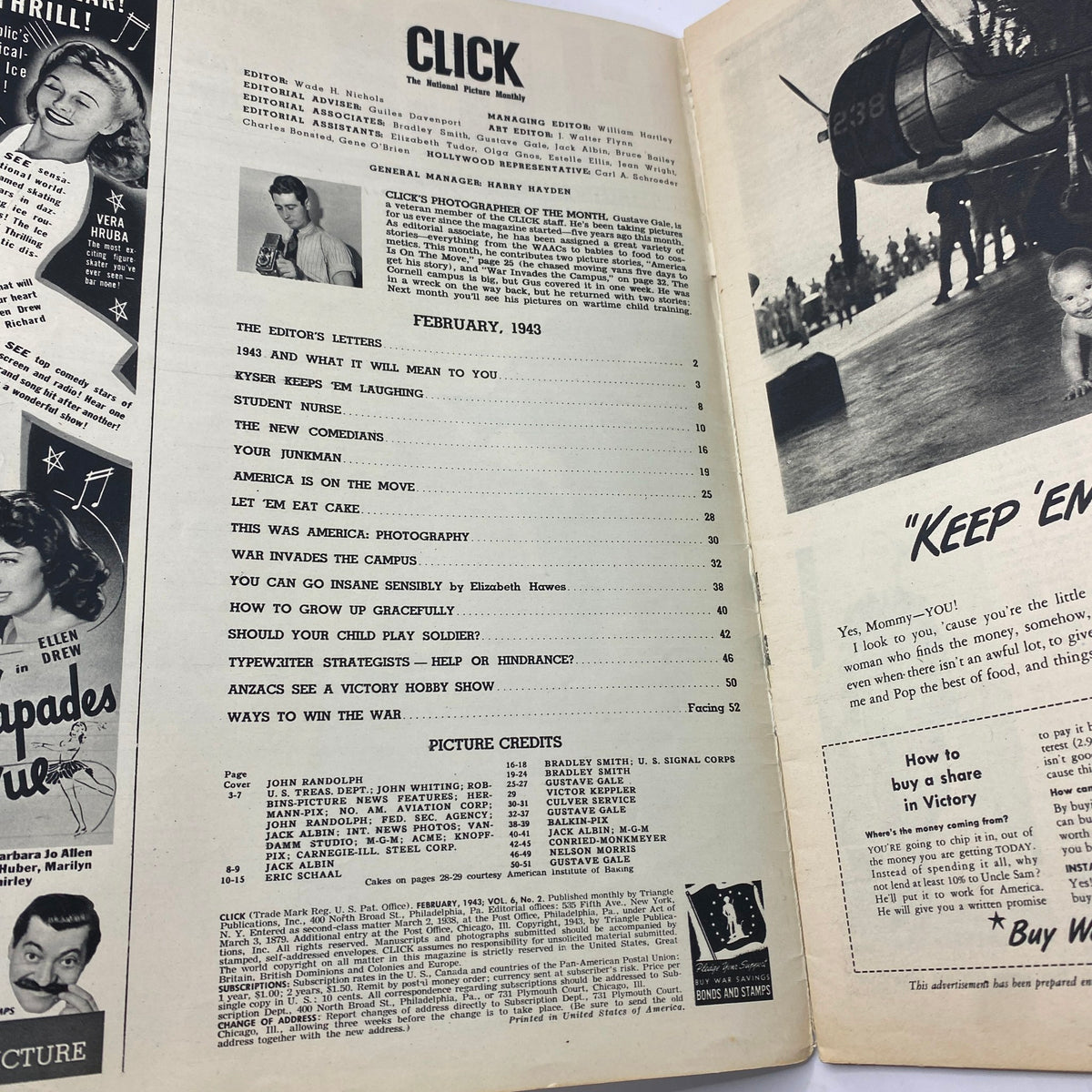
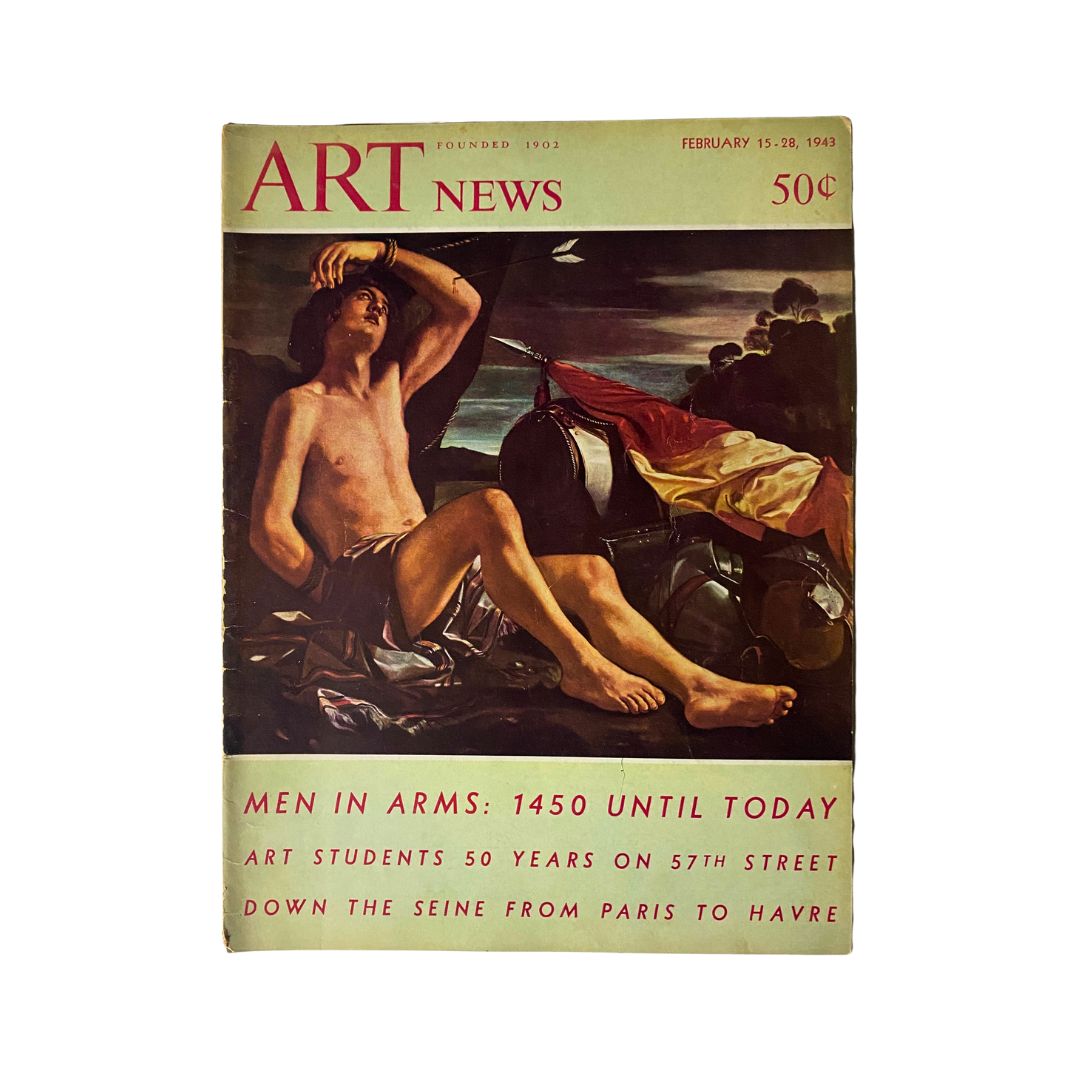
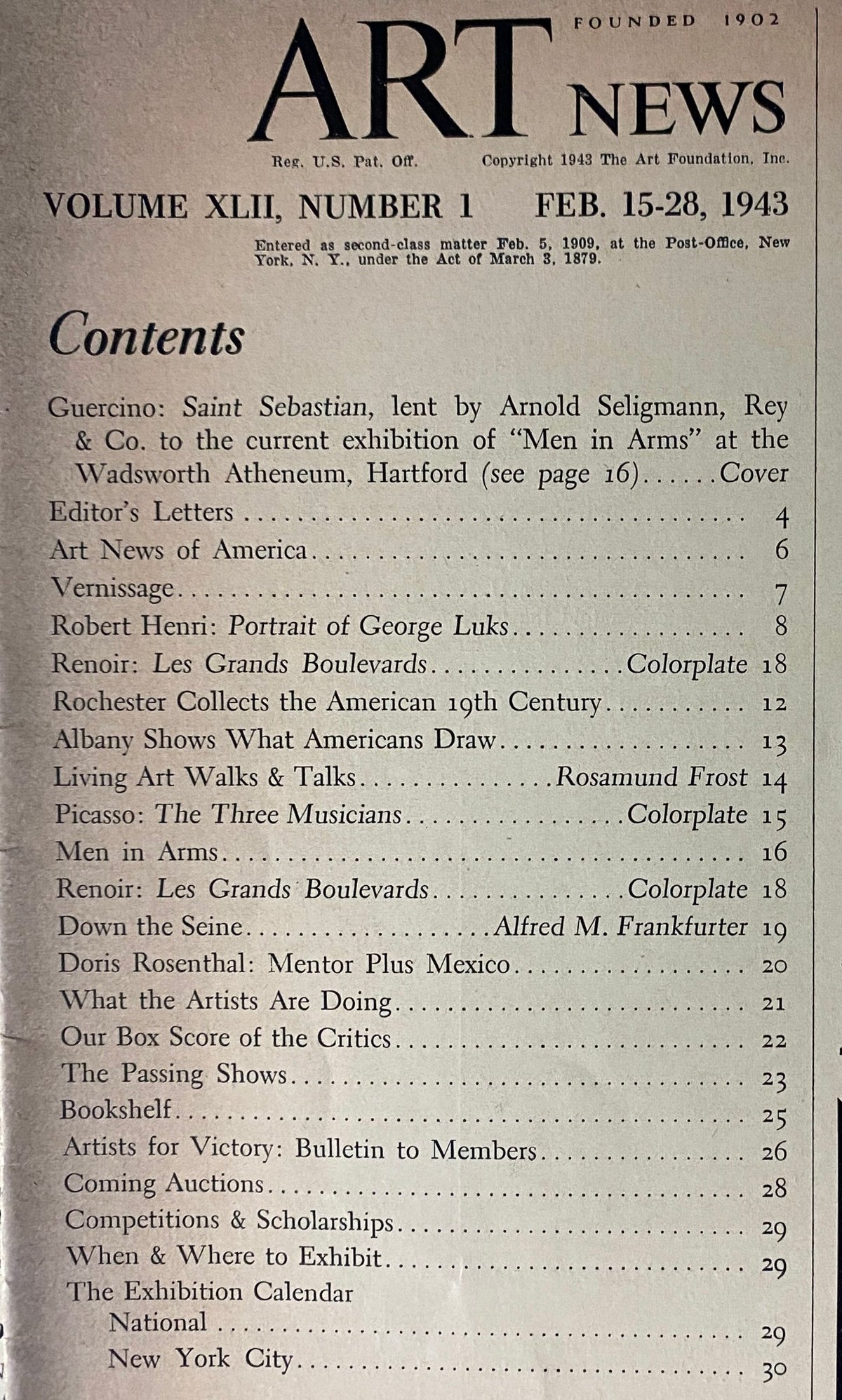
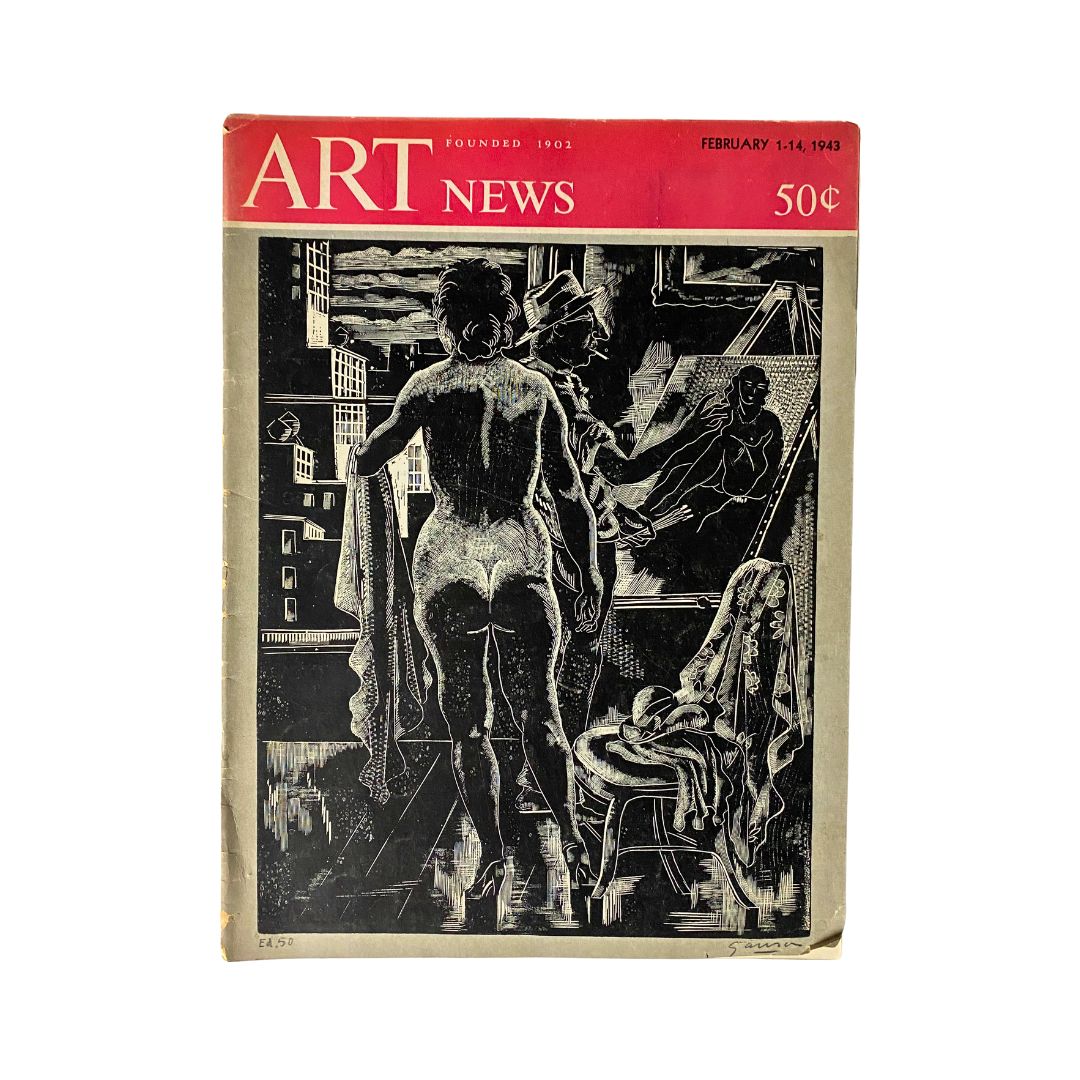
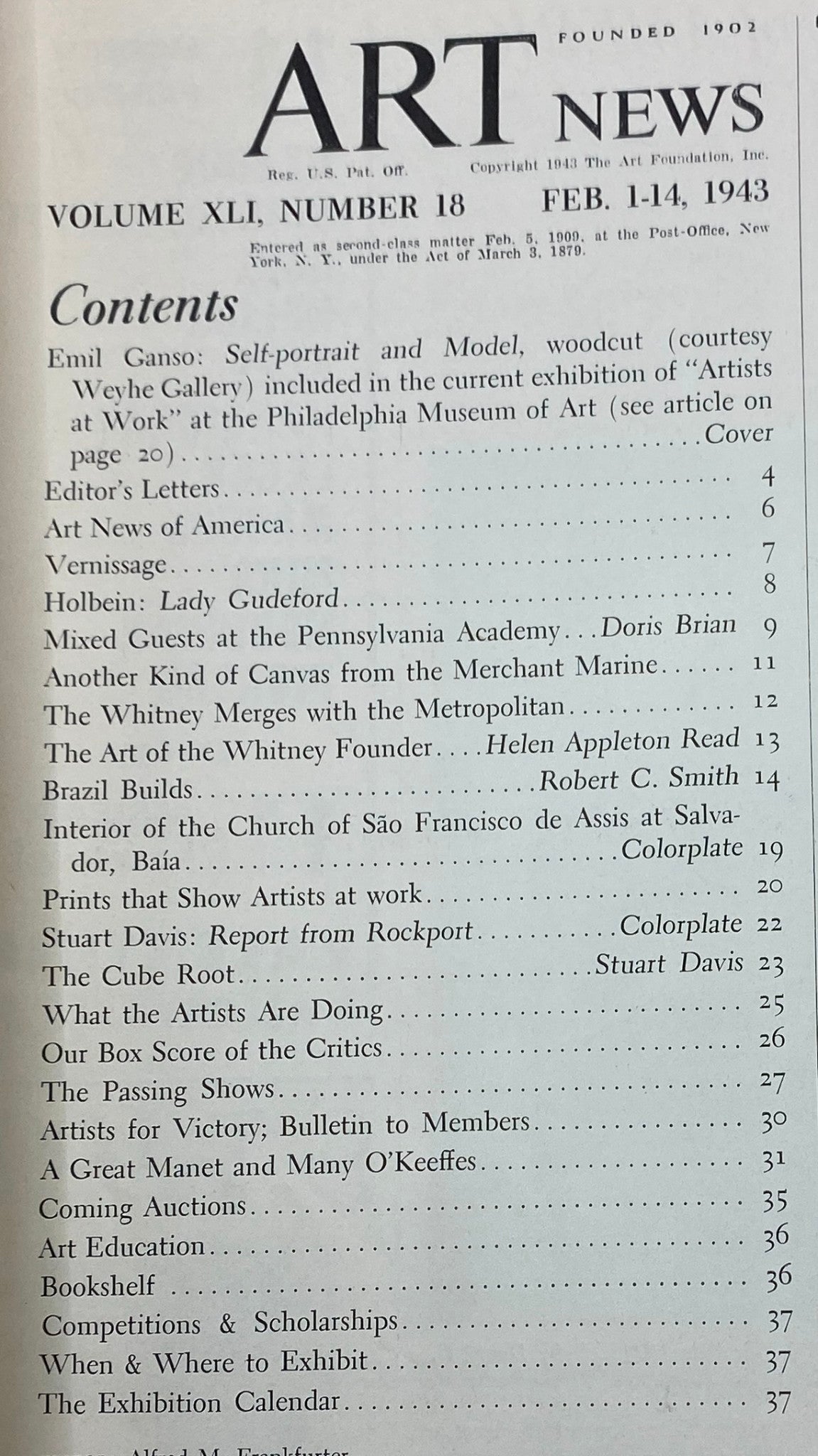
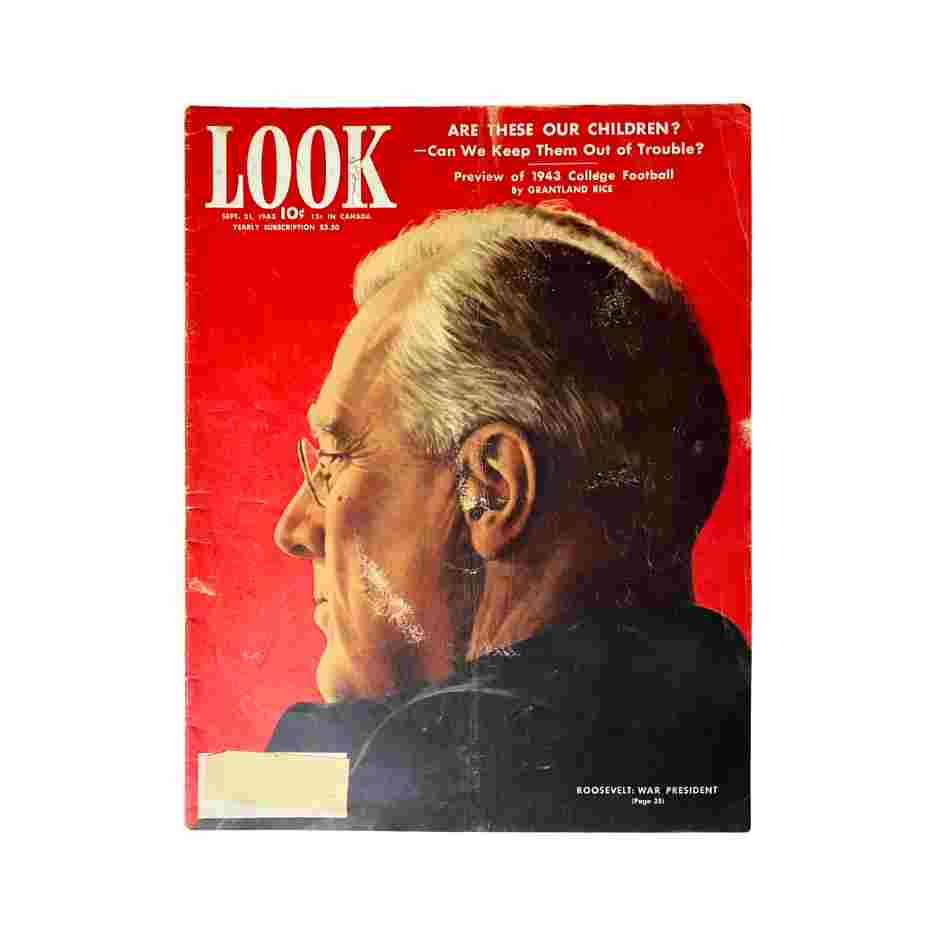
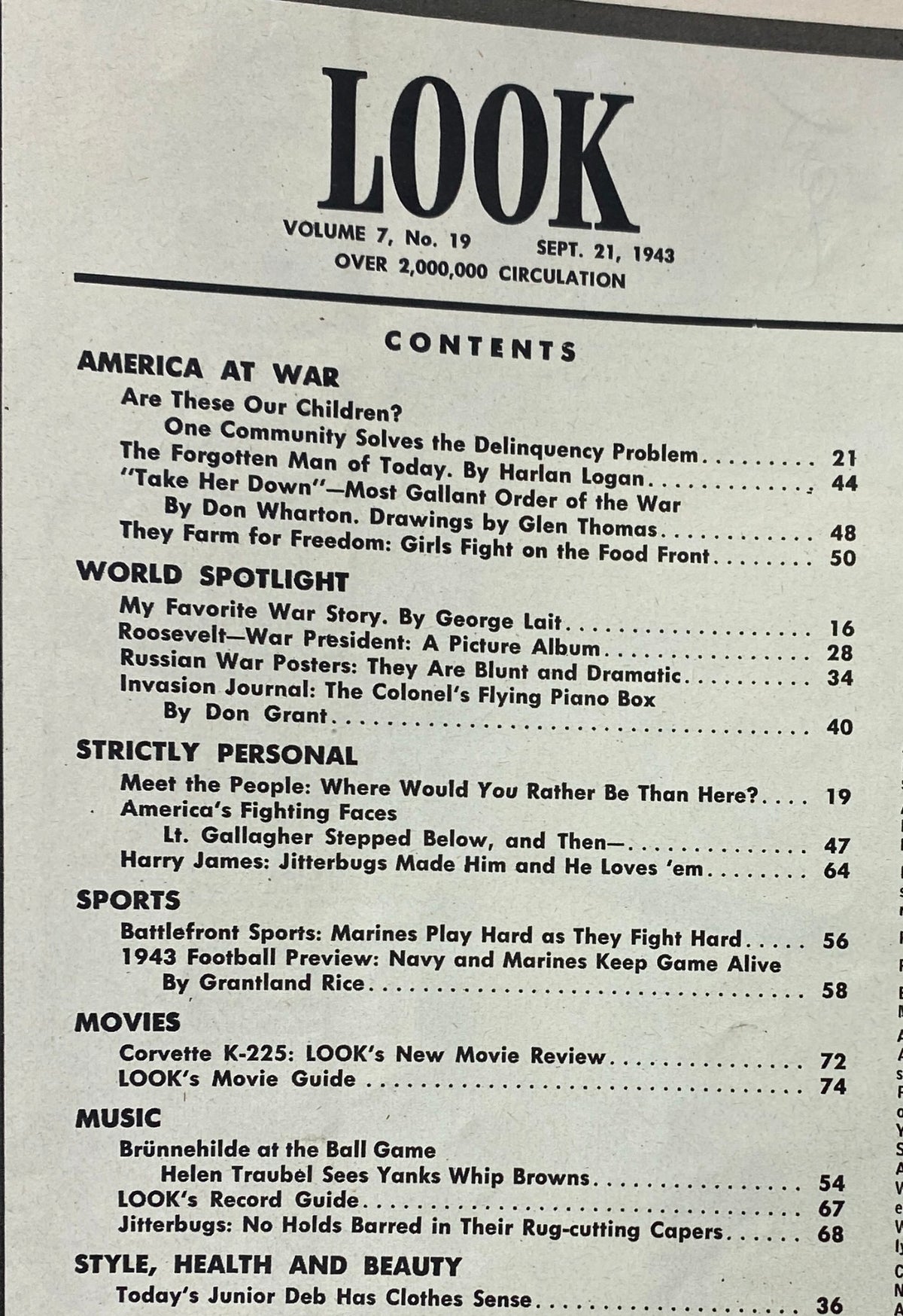
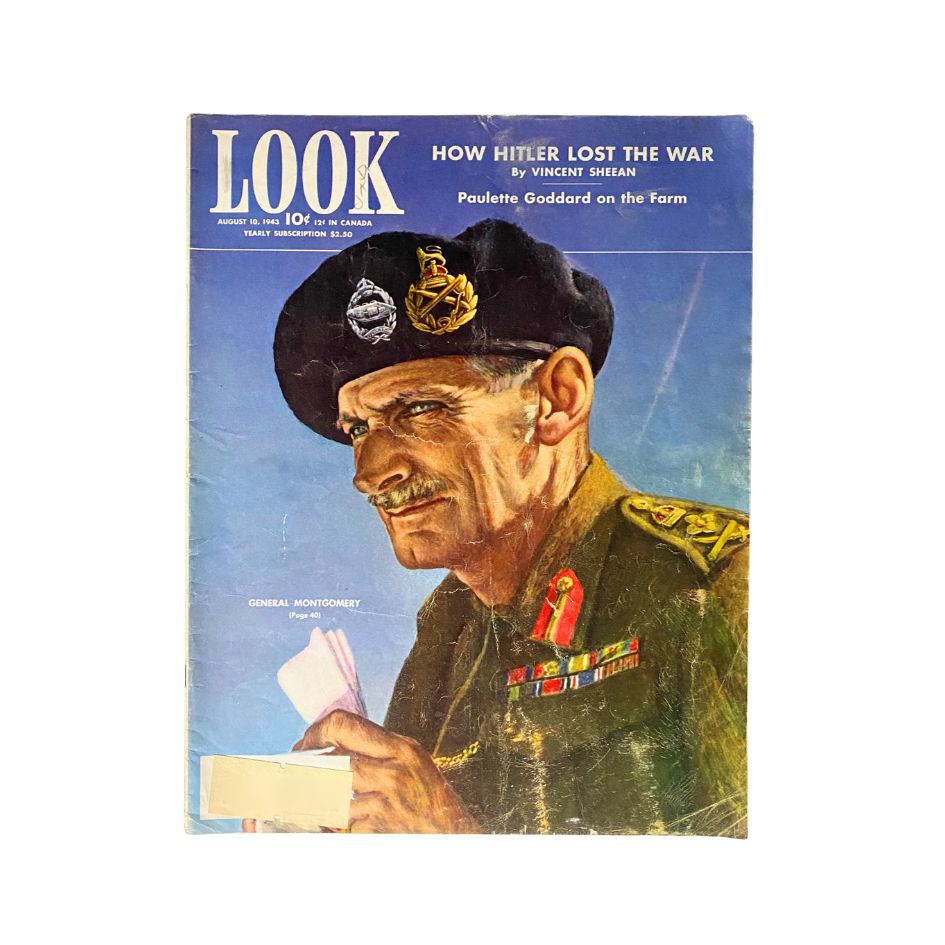
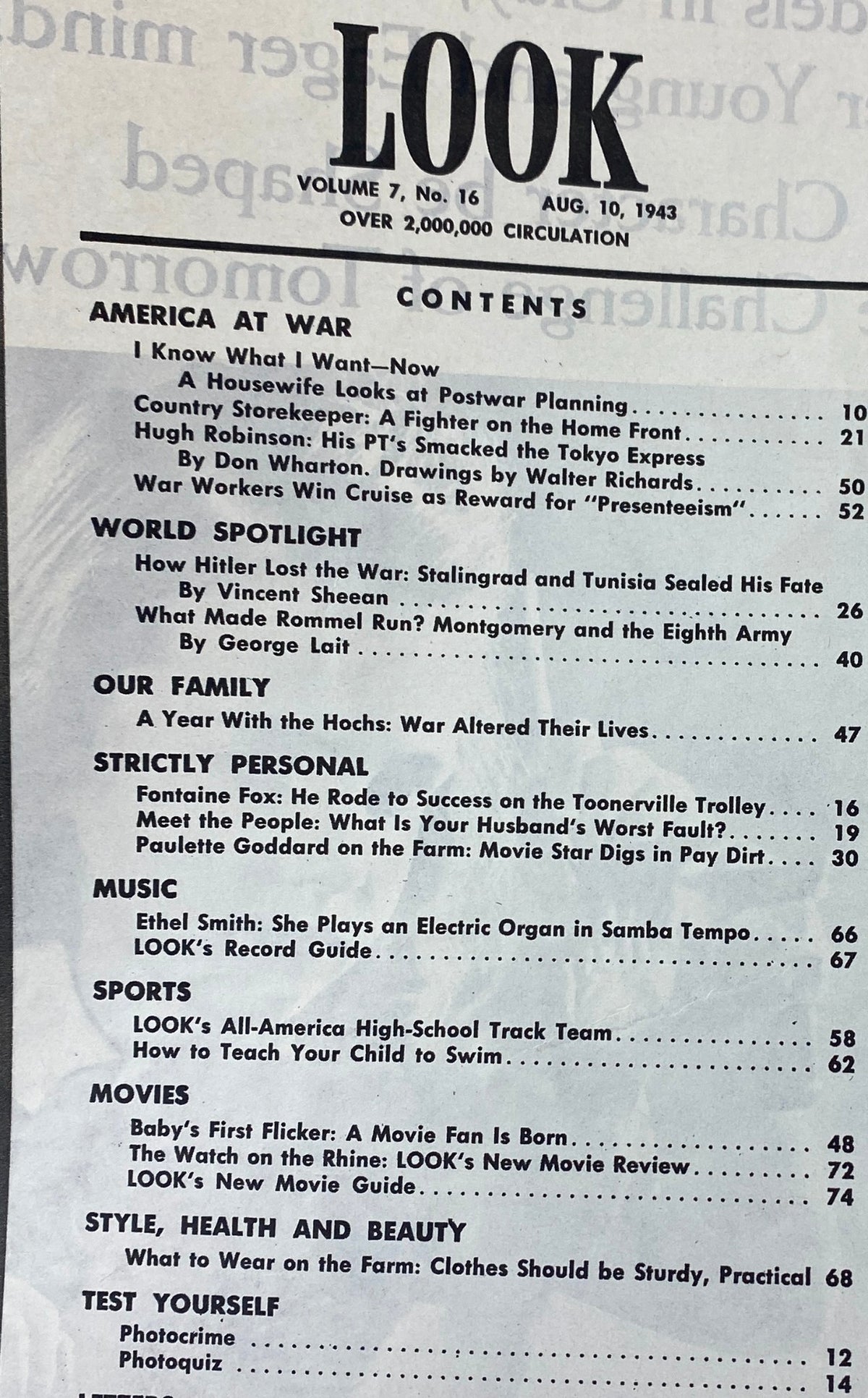
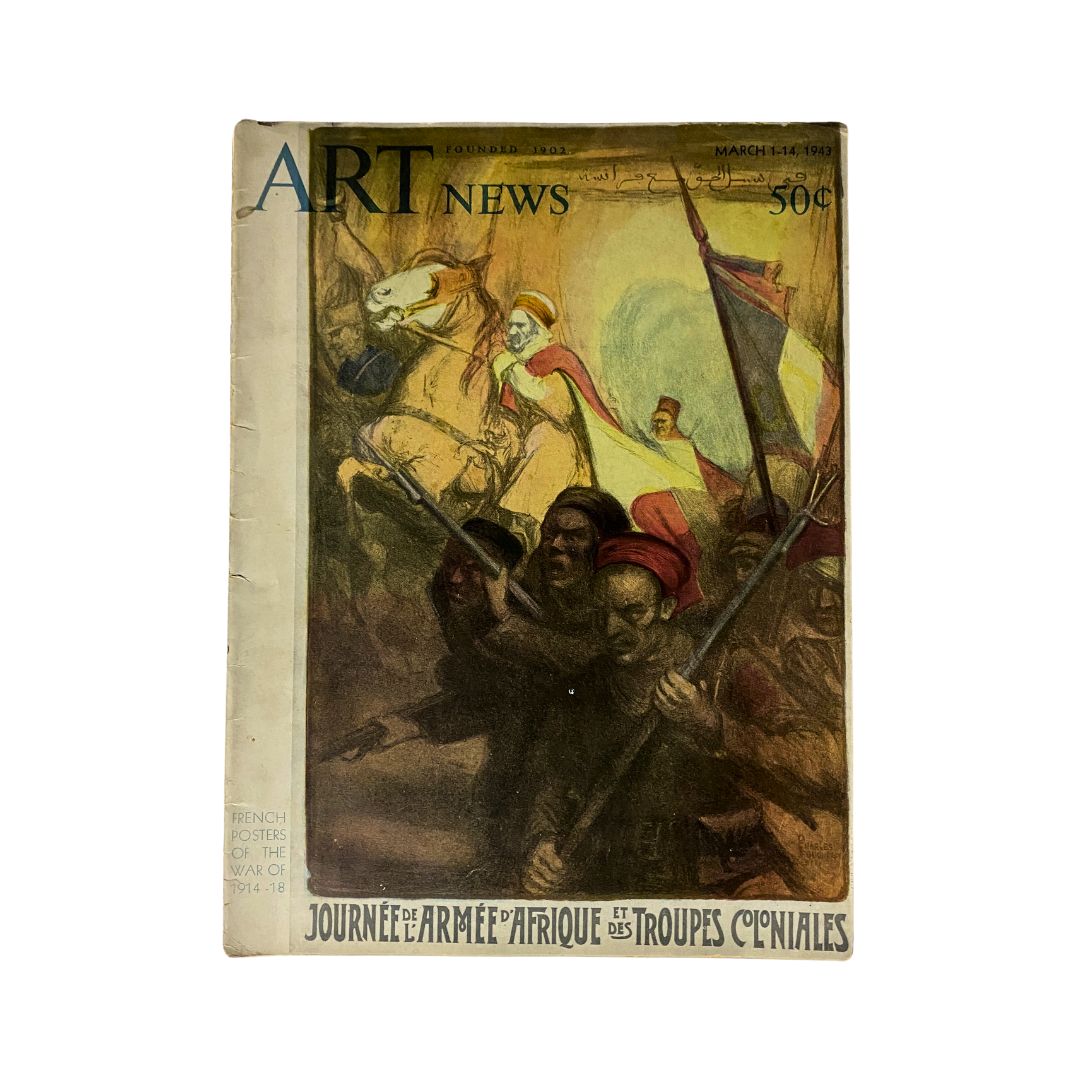
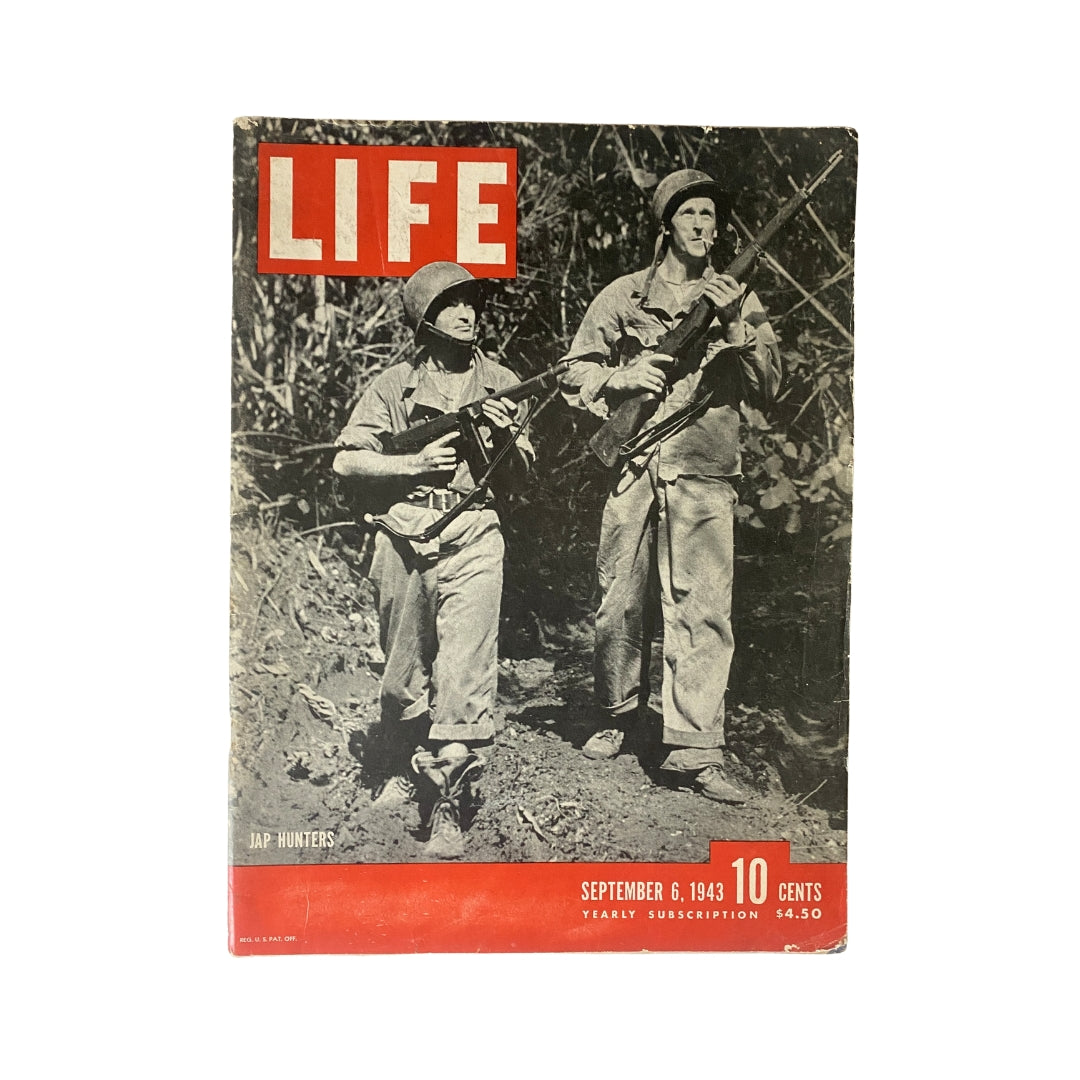
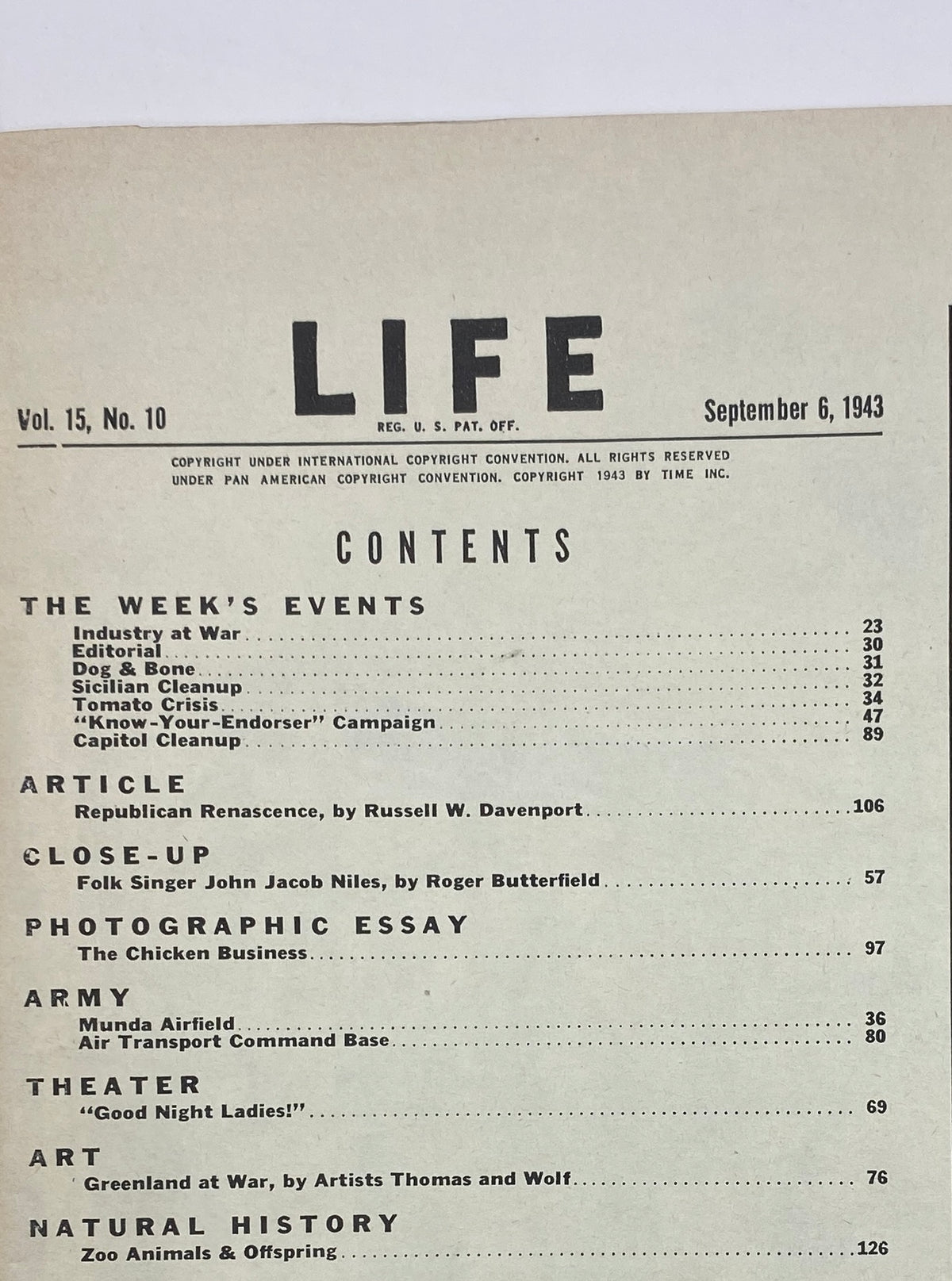
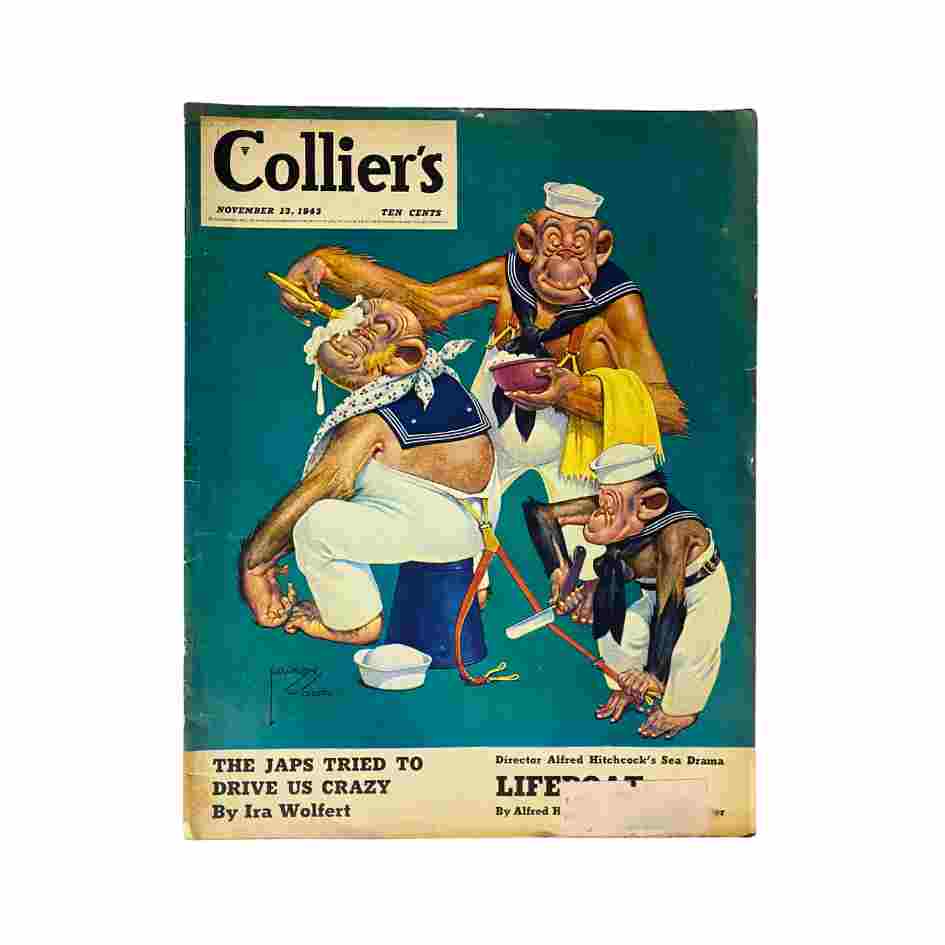
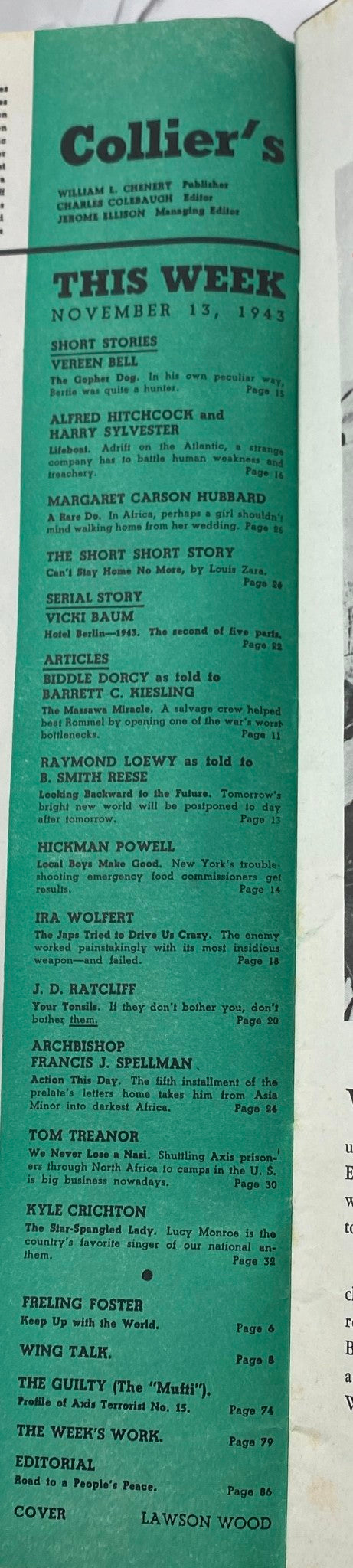
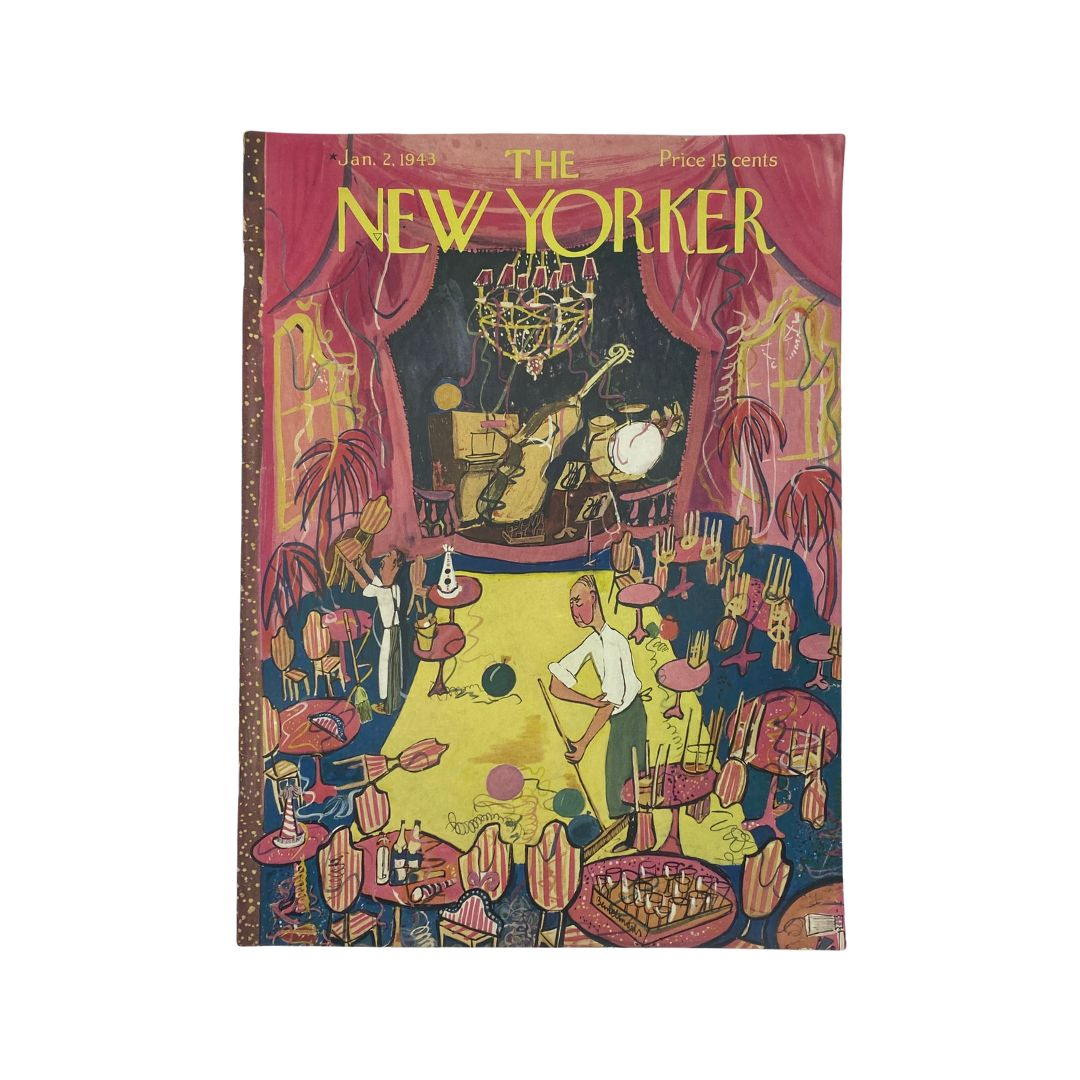
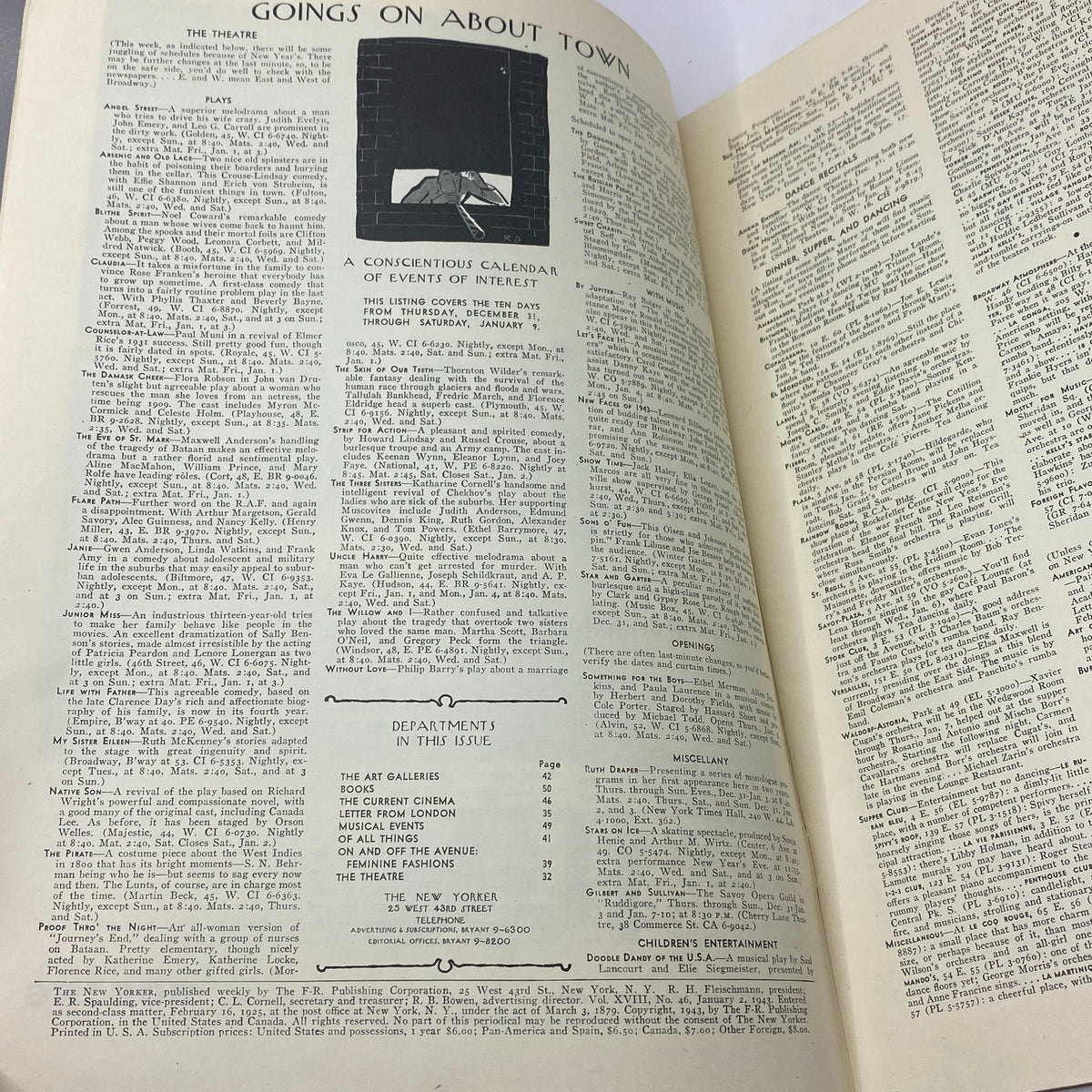
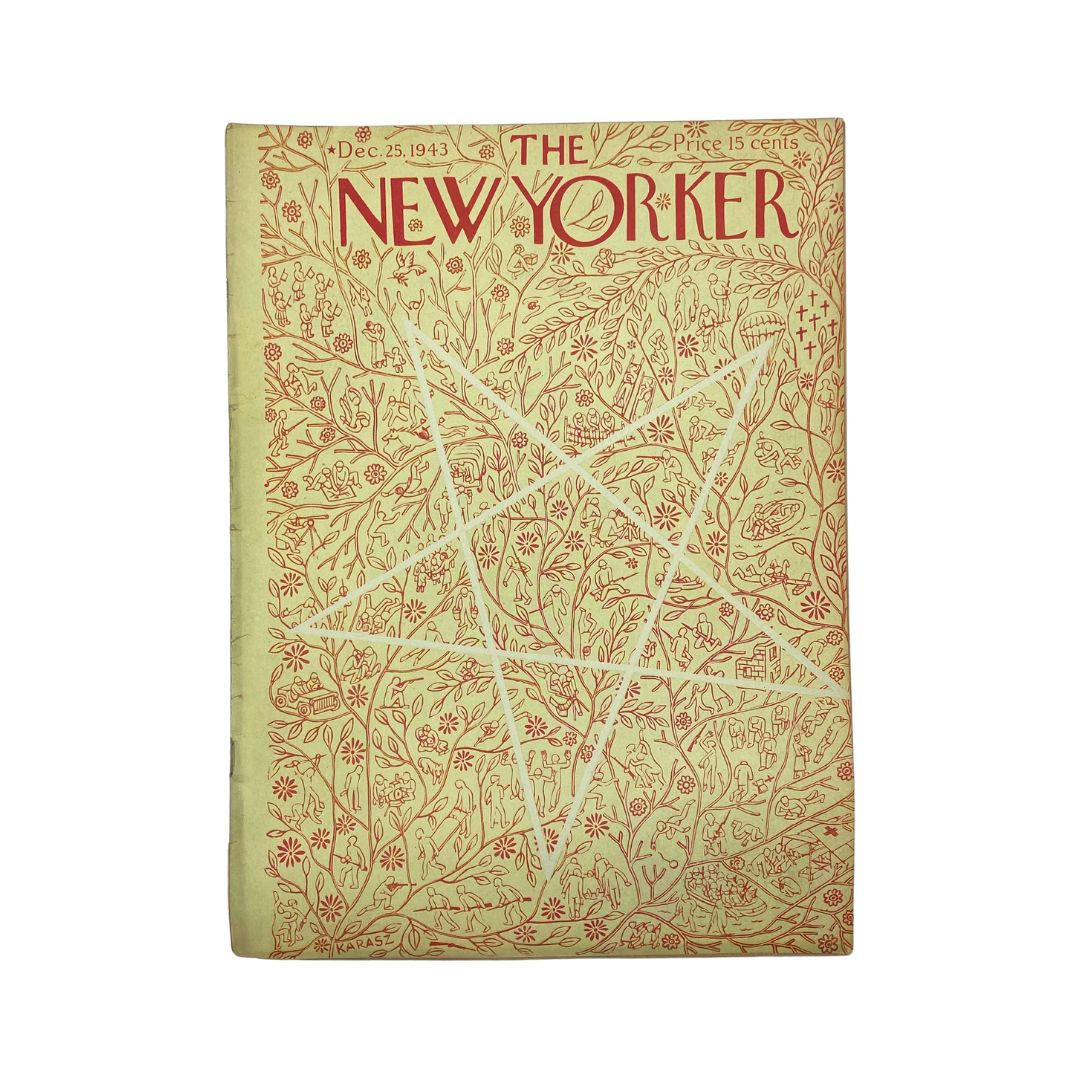
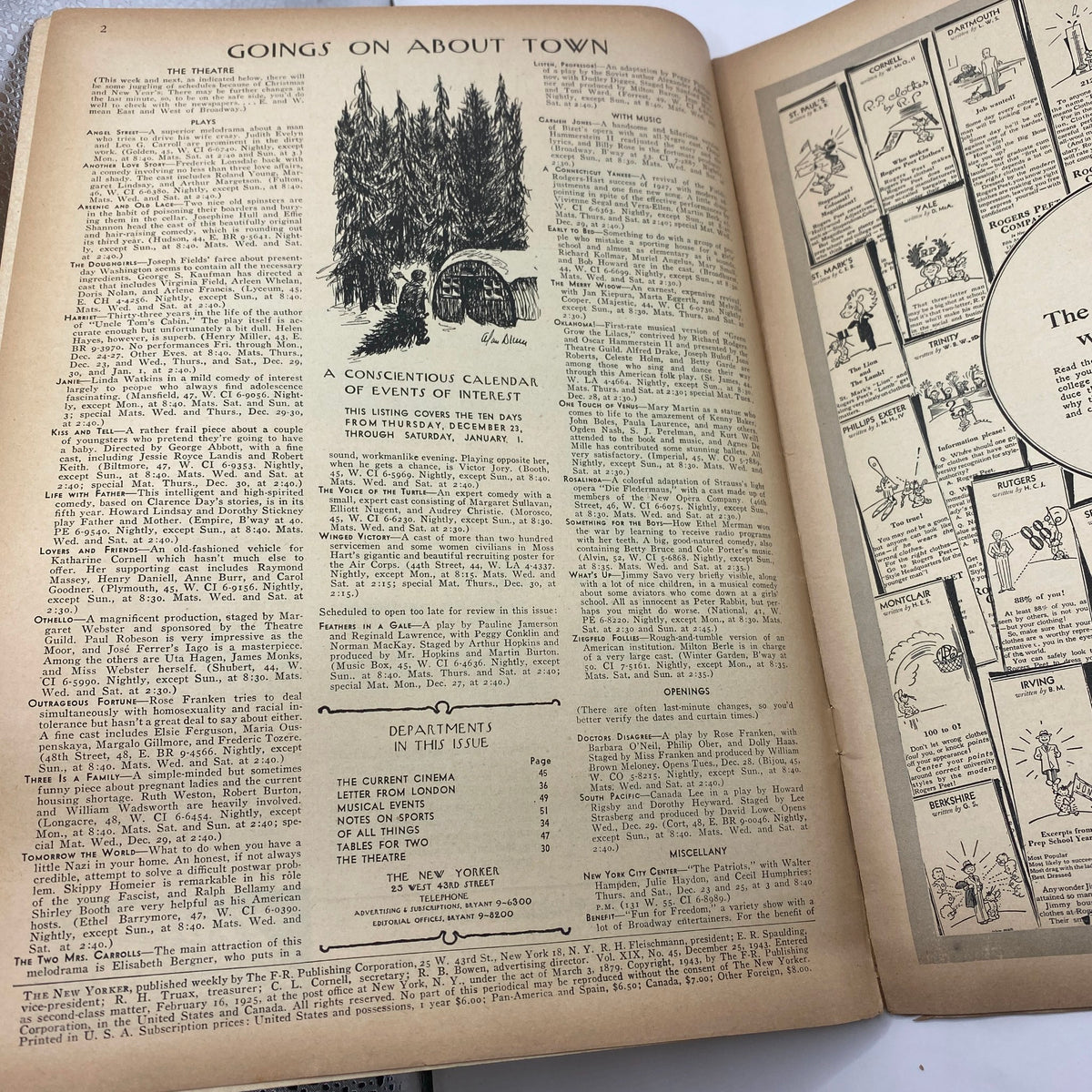
While headlines chronicled battlefield victories, original magazines from 1943 captured a home front transformed by rationing, war bonds, and women entering the workforce in unprecedented numbers. Life and Look magazines showcased Rosie the Riveter imagery alongside advertisements for Victory Gardens and recycled goods, while Vogue and Harper's Bazaar featured fabric-conserving fashion that made patriotism stylish. The Saturday Evening Post ran Norman Rockwell's iconic "Four Freedoms" illustrations, turning abstract war aims into kitchen-table values. Movie theaters premiered "Casablanca" with Humphrey Bogart and Ingrid Bergman, while Rogers and Hammerstein's "Oklahoma!" revolutionized Broadway with its integration of song and story. These vintage magazines preserve the authentic advertisements, photography, and editorial content that museum exhibitions can only recreate—genuine artifacts showing how Americans maintained morale through entertainment, fashion adapted to fabric shortages, and consumer culture retooled itself for victory.
Curator's Checklist: What to Look for in 1943 Magazines
-
Pentagon Opening Coverage: Time and Newsweek featuring architectural photography of the massive five-sided headquarters, often accompanied by articles analyzing the unprecedented scale of America's military expansion and the administrative machinery coordinating two-ocean warfare.
-
Casablanca Conference: News weeklies showcasing the famous photographs of Roosevelt and Churchill meeting in North Africa, with maps illustrating Allied strategy and bold headlines about the unconditional surrender demand that would define the war's endgame.
-
Home Front Transformation: Women's magazines like Mademoiselle and Saturday Evening Post chronicling the revolution in female employment, illustrated with photographs of women in factories, shipyards, and traditionally male occupations, alongside practical advice for war wives.
-
Zoot Suit Riots Documentation: Look and regional publications featuring rare photographs of the June violence in Los Angeles, providing crucial visual documentation of wartime racial tensions that mainstream media often downplayed or ignored entirely.
-
Italy Campaign Launch: Life and military-focused publications featuring dramatic photography of the September invasion, with battlefield correspondents' accounts and maps tracking the Allied advance up the Italian peninsula against fierce German resistance.
The Perfect Gift
For someone born in 1943, an original magazine from this pivotal year isn't just a reproduction—it's an authenticated piece of the home front preserved in genuine advertisements, war bond appeals, and Roosevelt-era photography that no modern reprint can replicate.