📖 About this Collection
1945: The Year the World Was Reborn
Historical Context
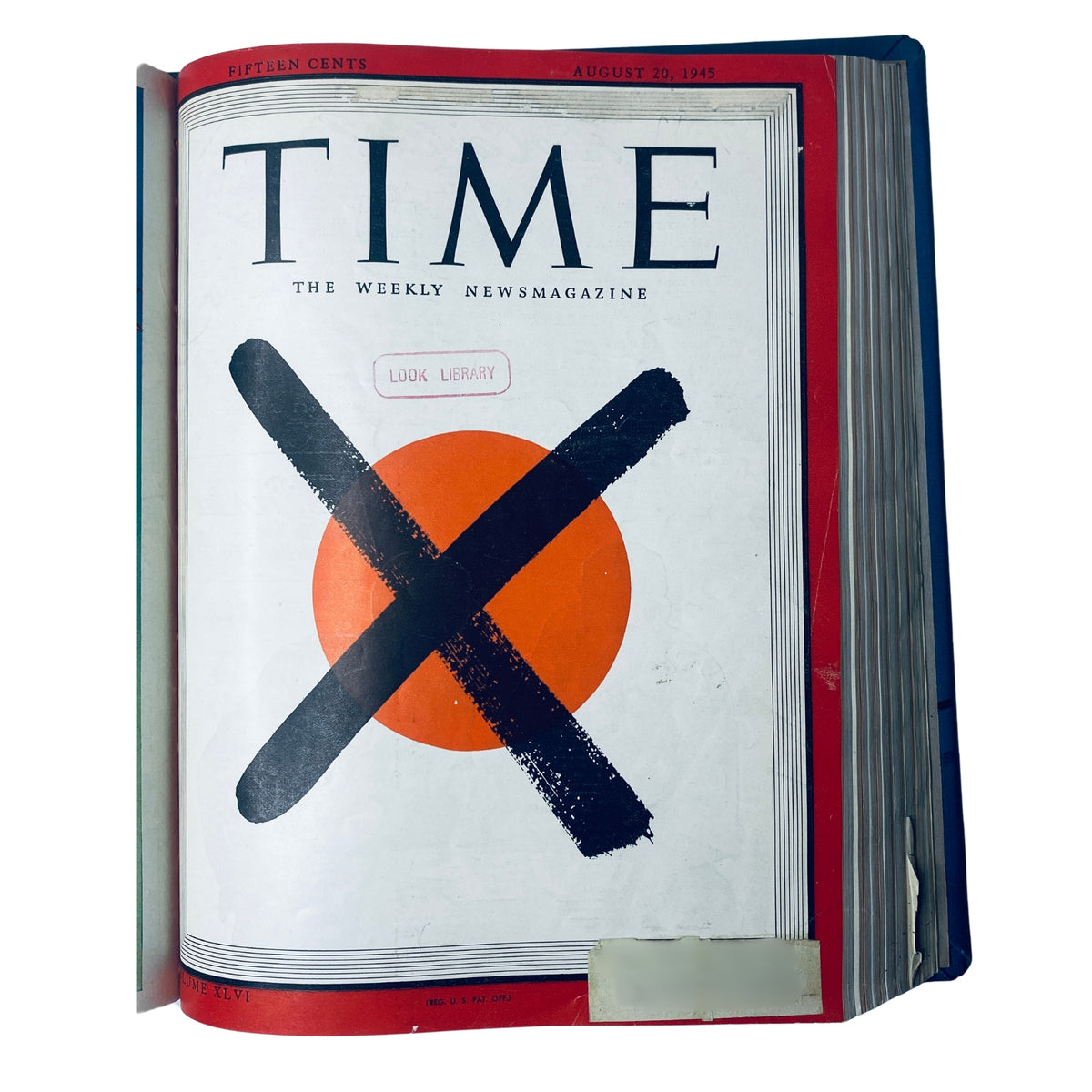
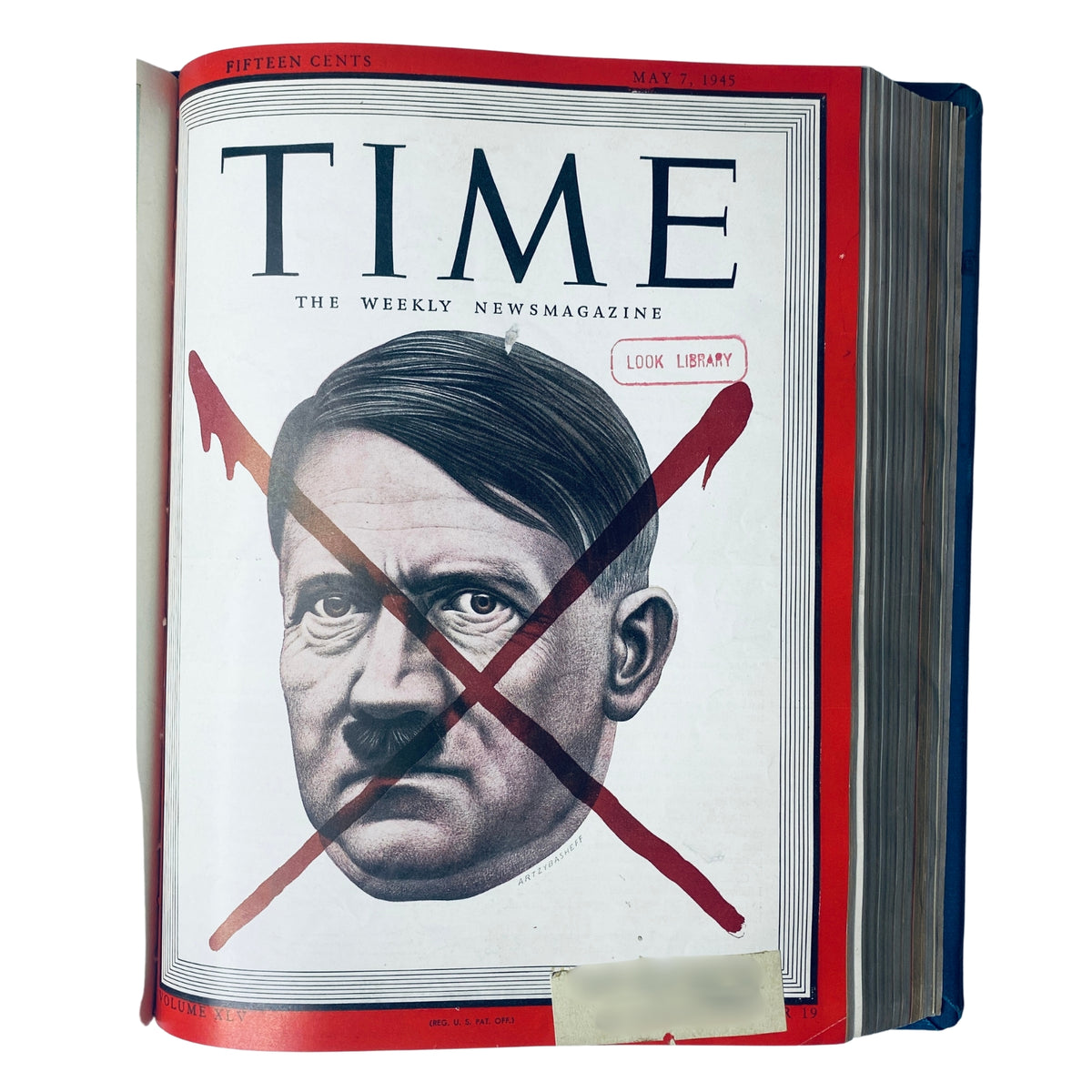
The world held its breath in 1945 as the most catastrophic war in human history hurtled toward its end. In February, Roosevelt, Churchill, and Stalin met at Yalta to sketch the boundaries of a new world order, negotiating the shape of postwar Europe and planting the seeds of the United Nations. But spring brought stunning tragedy: President Roosevelt died suddenly in April, and Harry Truman—thrust into the presidency after only 82 days as Vice President—inherited a war on two fronts and a secret weapon that would redefine human capability for destruction. By May, Victory in Europe Day brought jubilant celebrations as Nazi Germany surrendered unconditionally. Yet the Pacific war raged on until August, when American B-29s dropped atomic bombs on Hiroshima and Nagasaki, unleashing previously unimaginable devastation that forced Japan's surrender and closed the book on World War II. This was the world your loved one entered—a civilization exhausted by six years of total war, yet trembling with relief and cautiously optimistic about the peace to come.
Pop Culture & Lifestyle
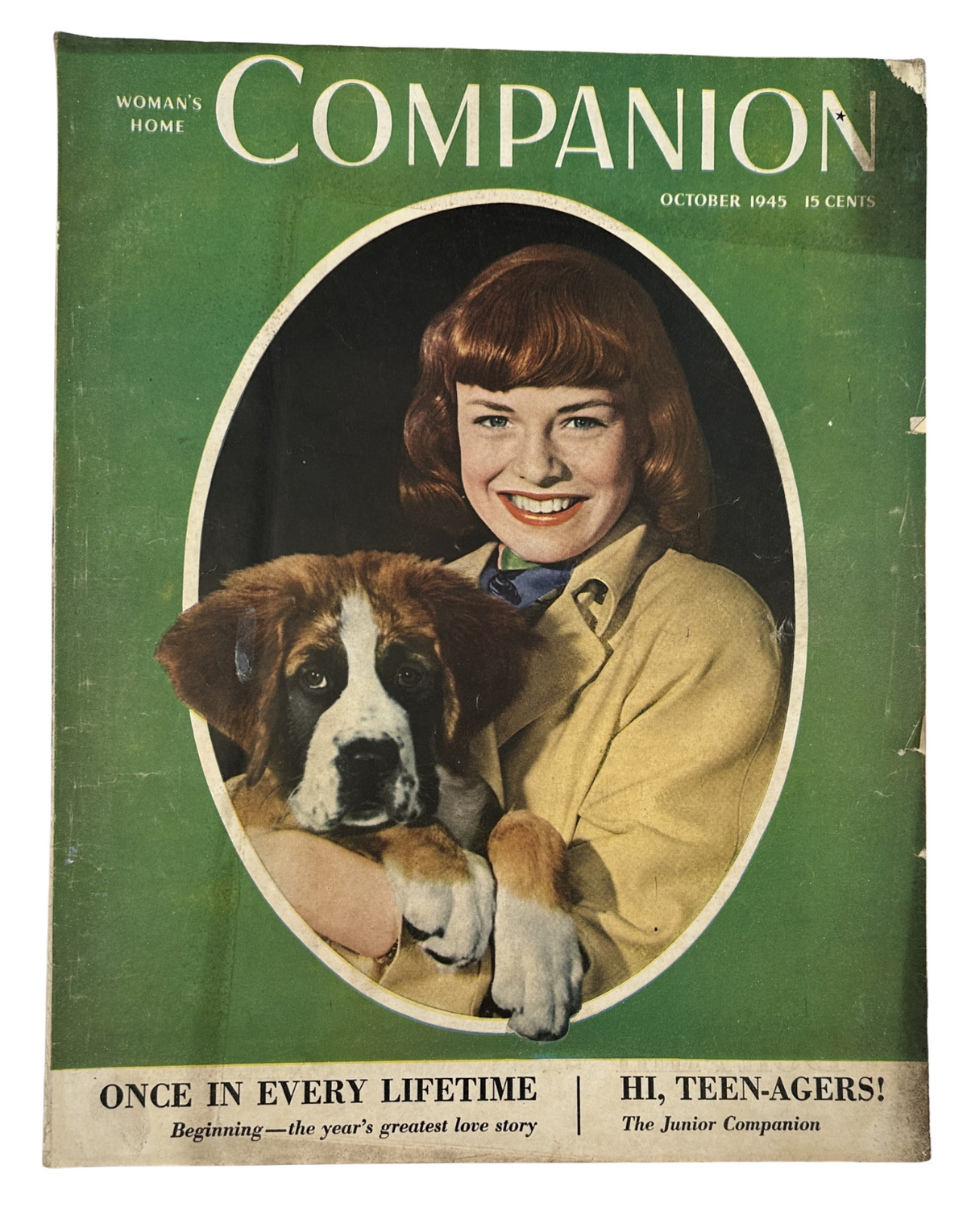
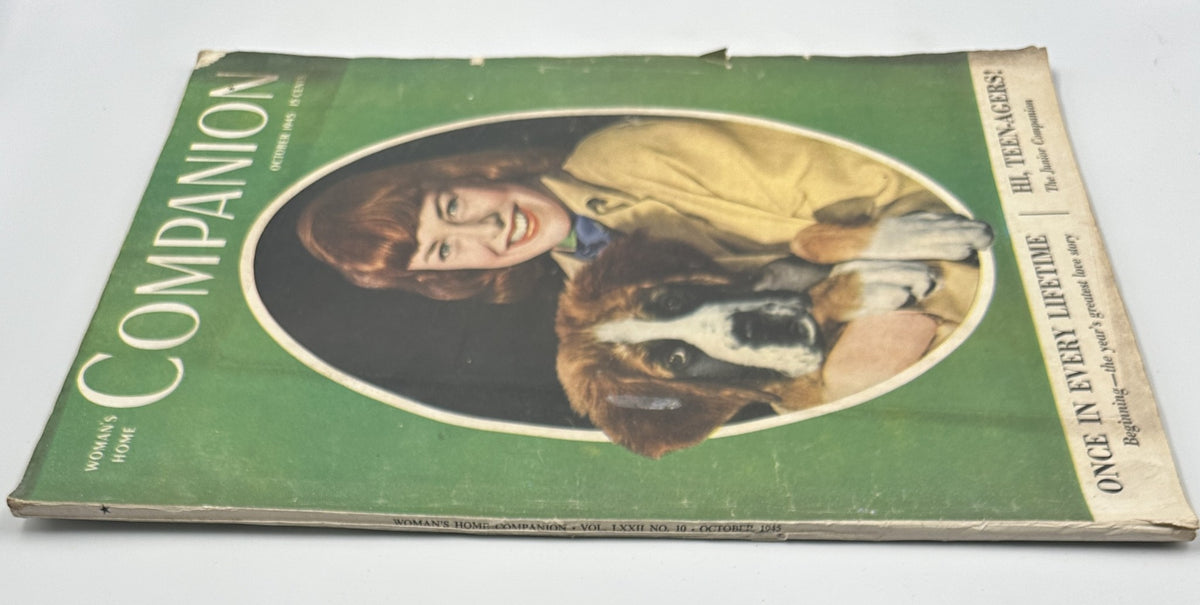
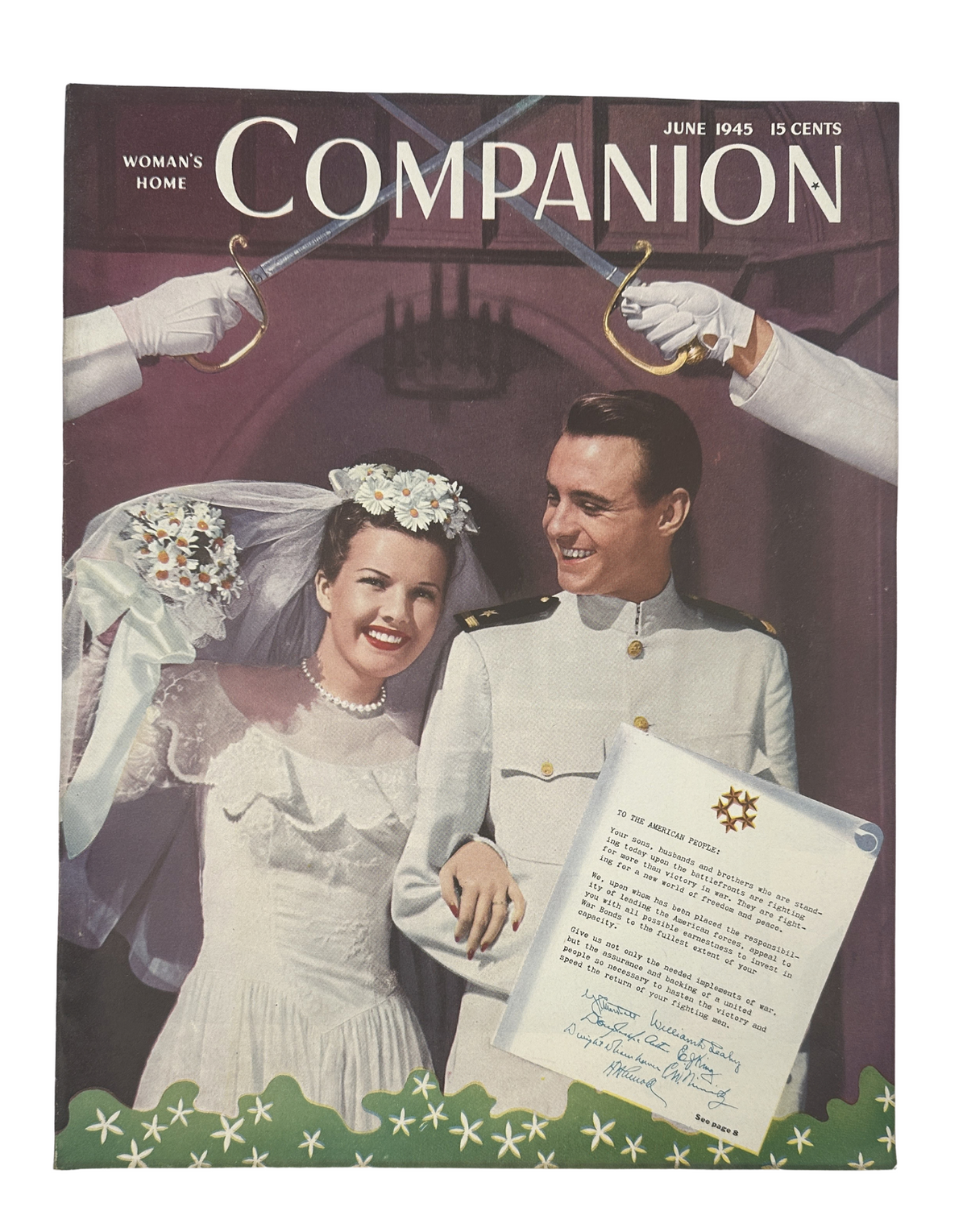
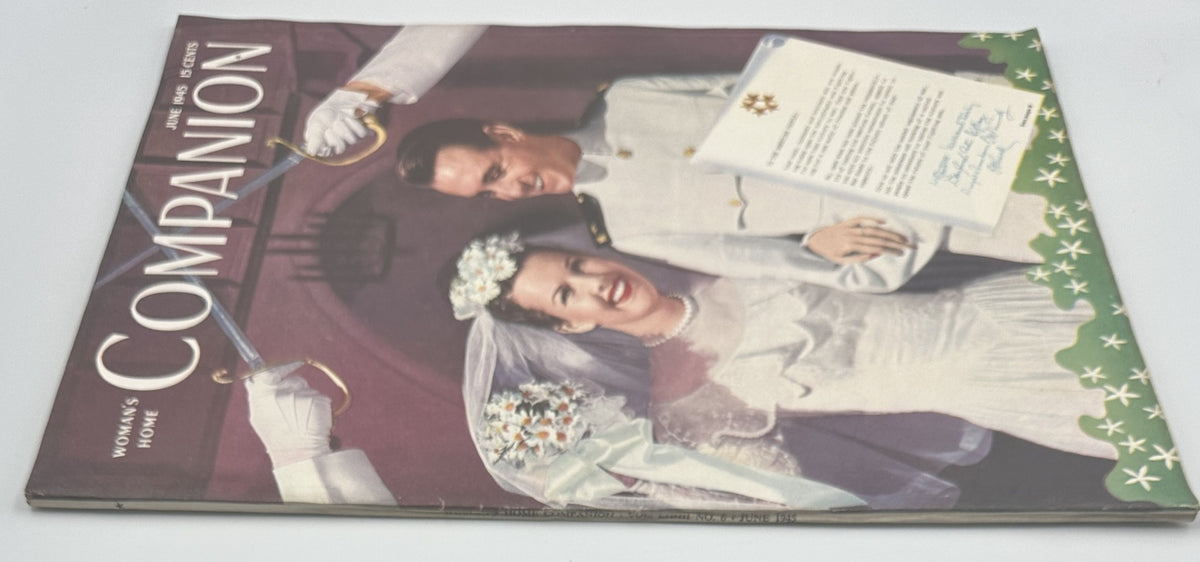
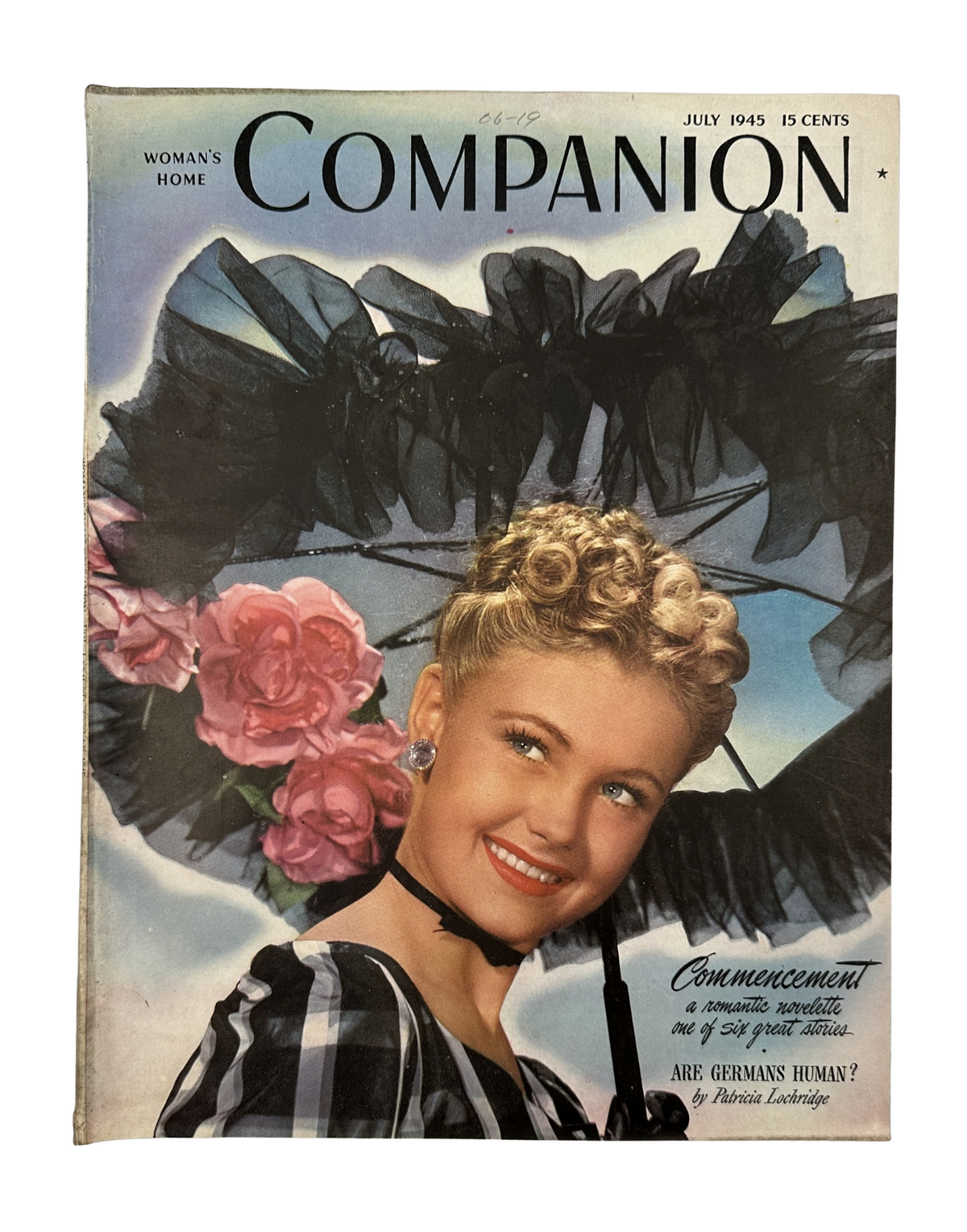
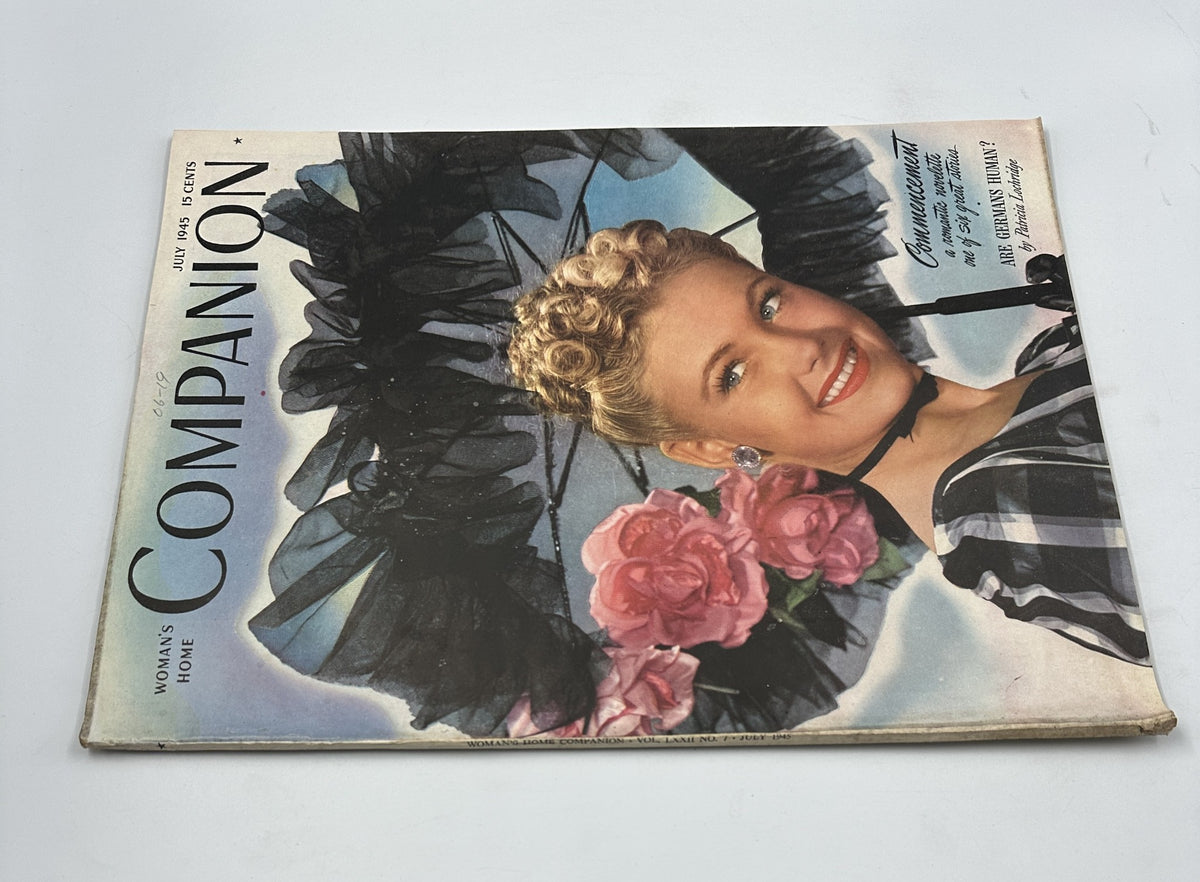
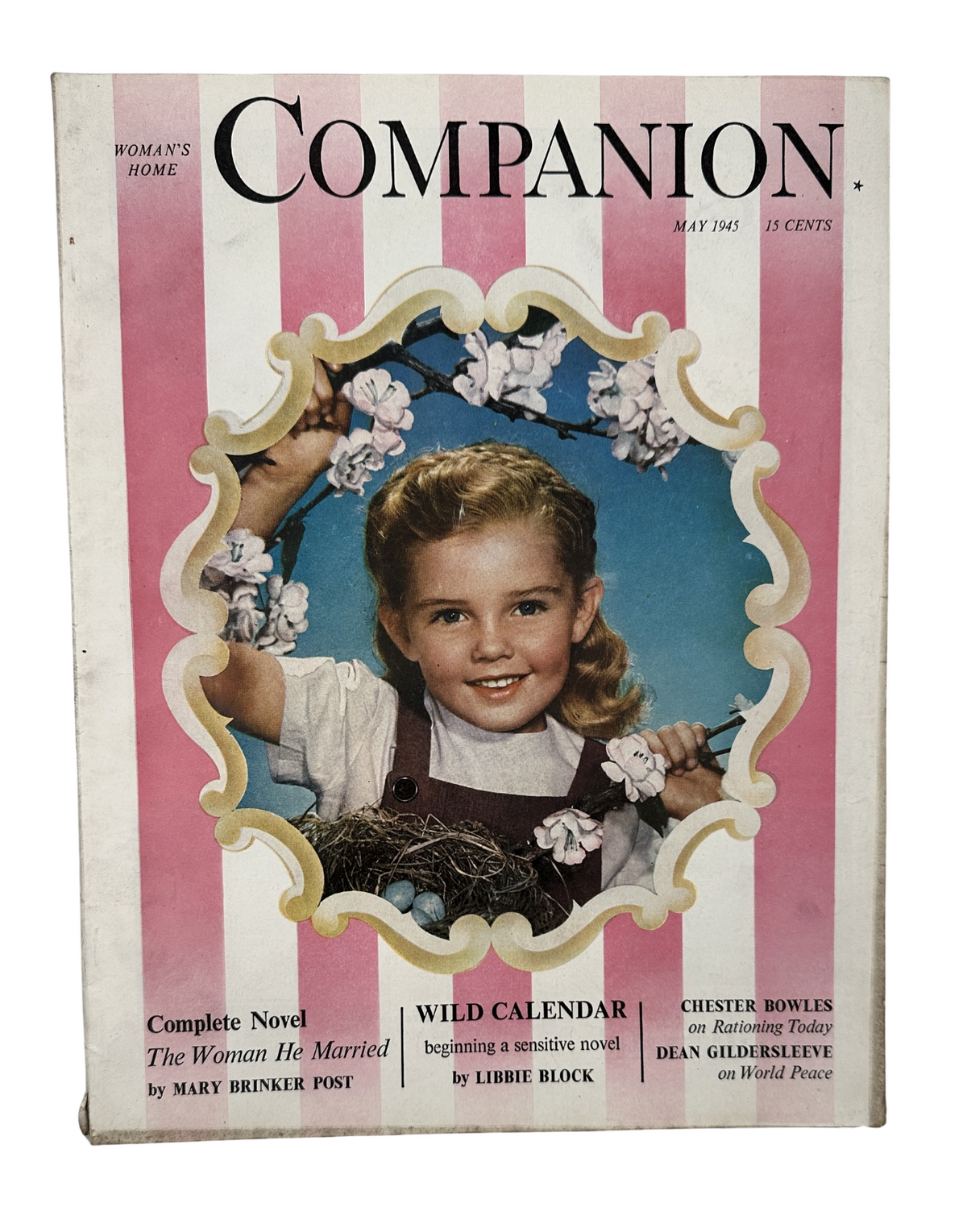
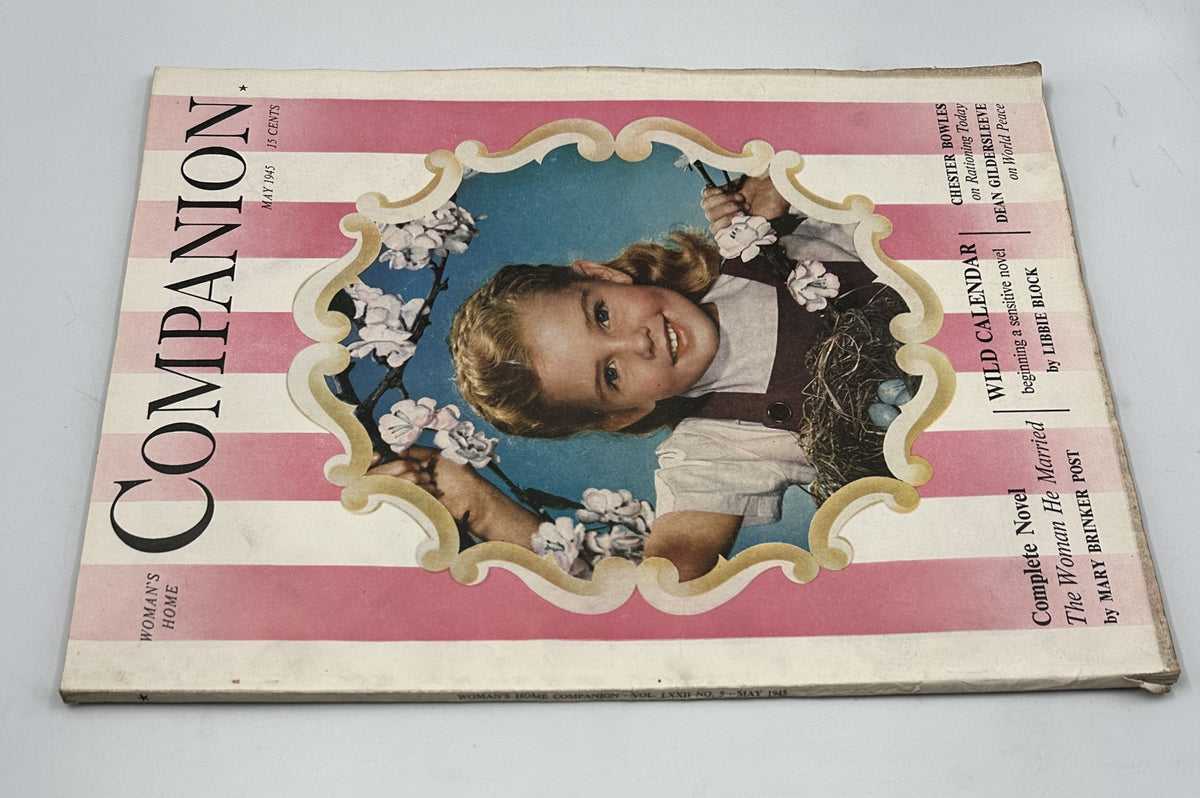
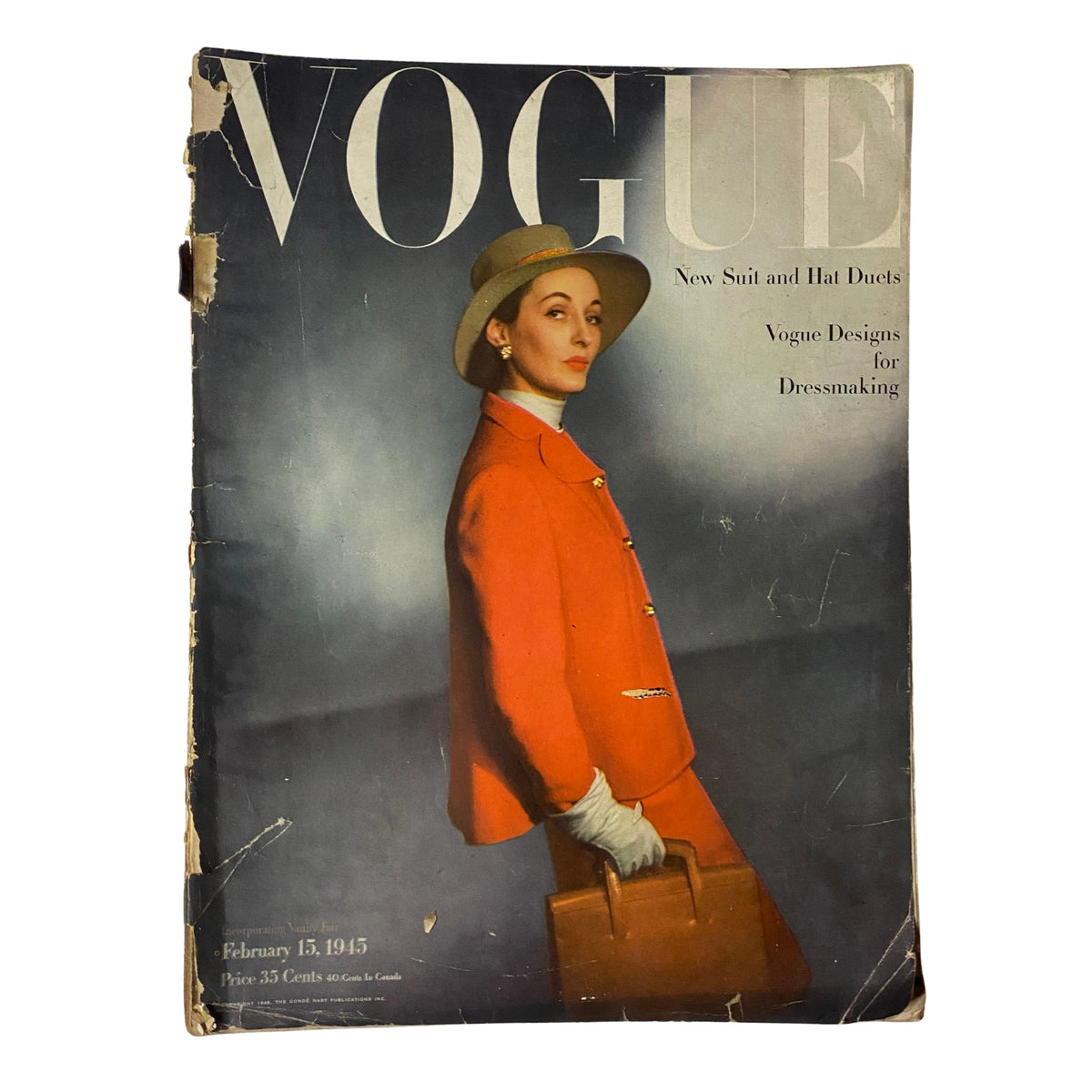
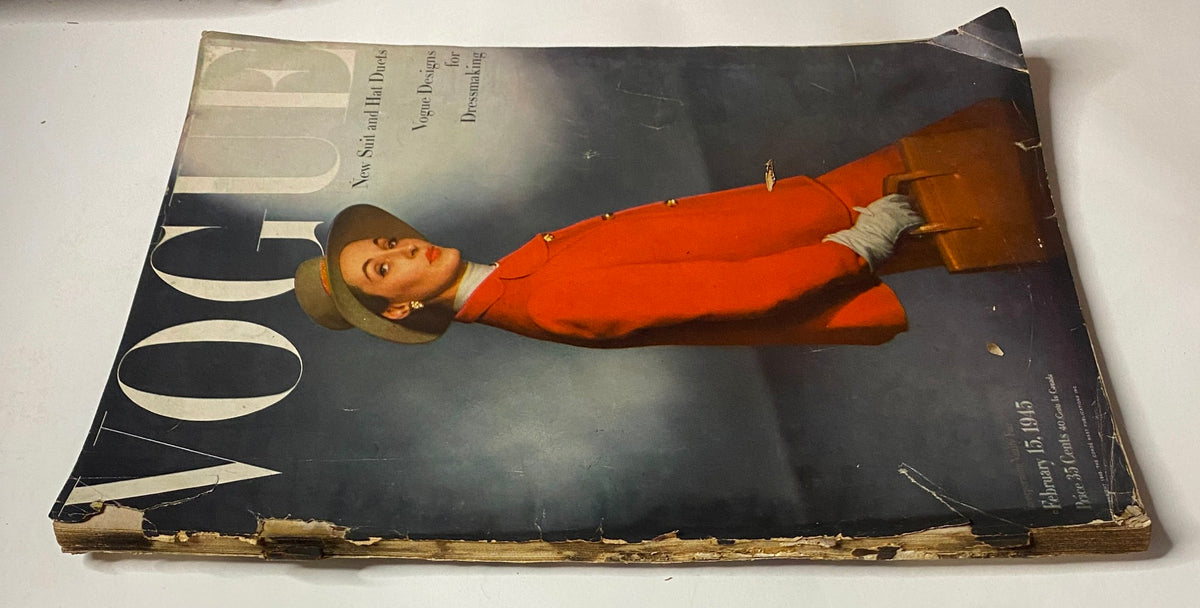
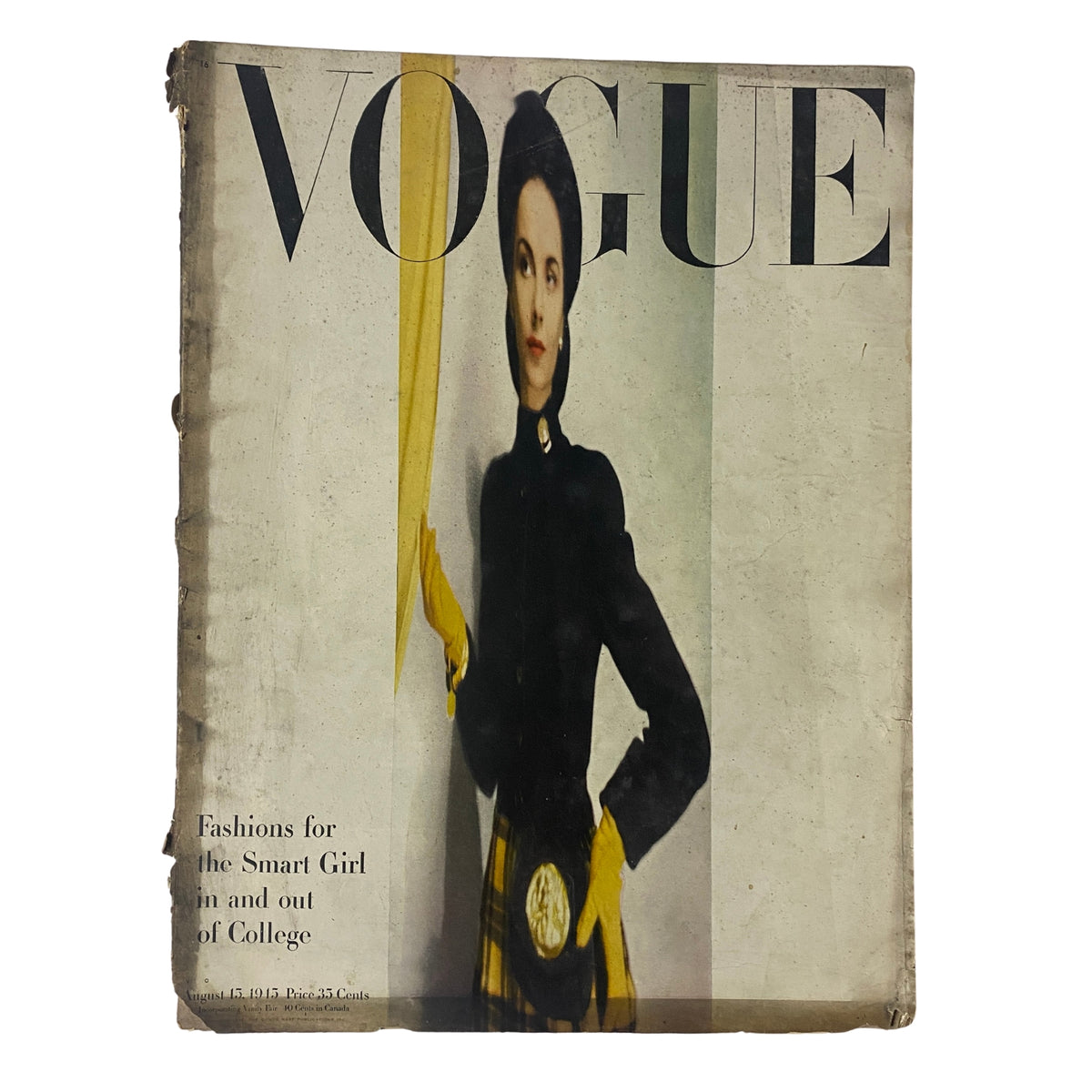
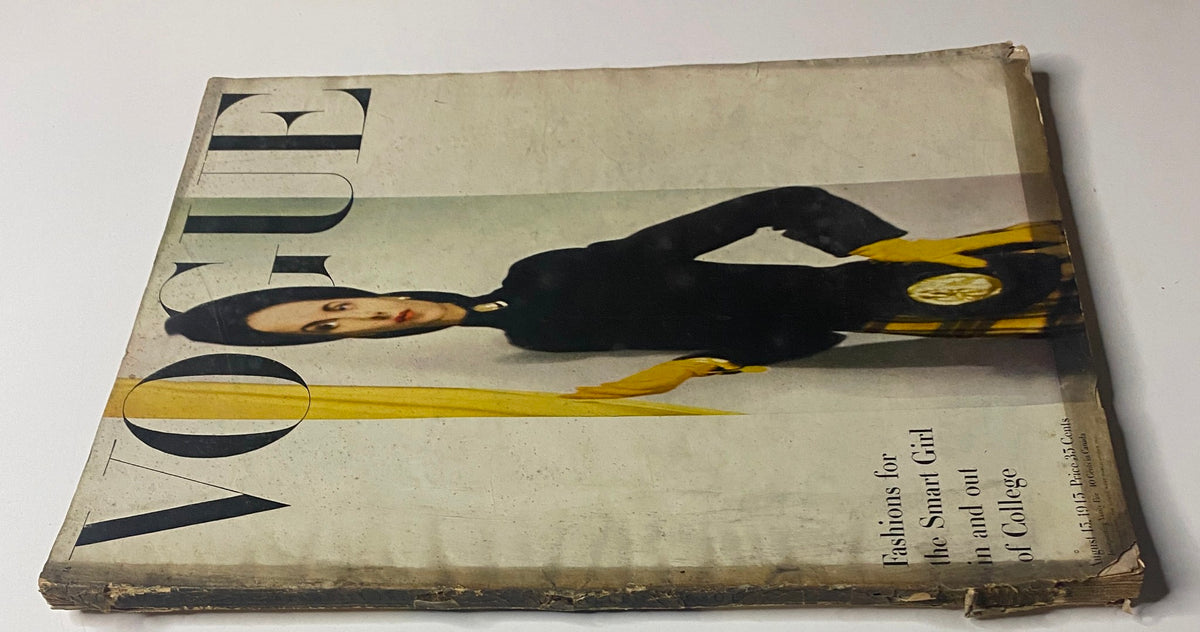
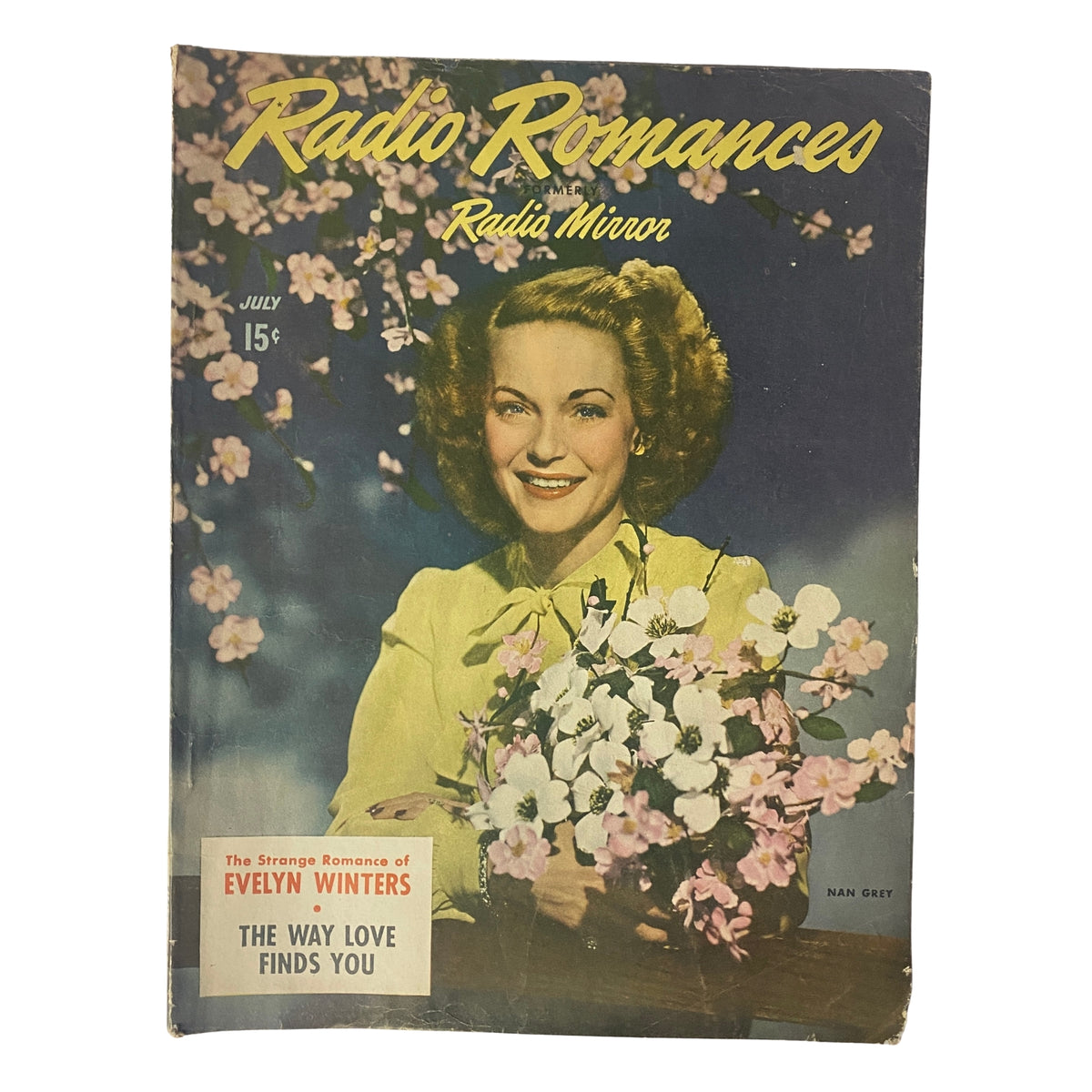
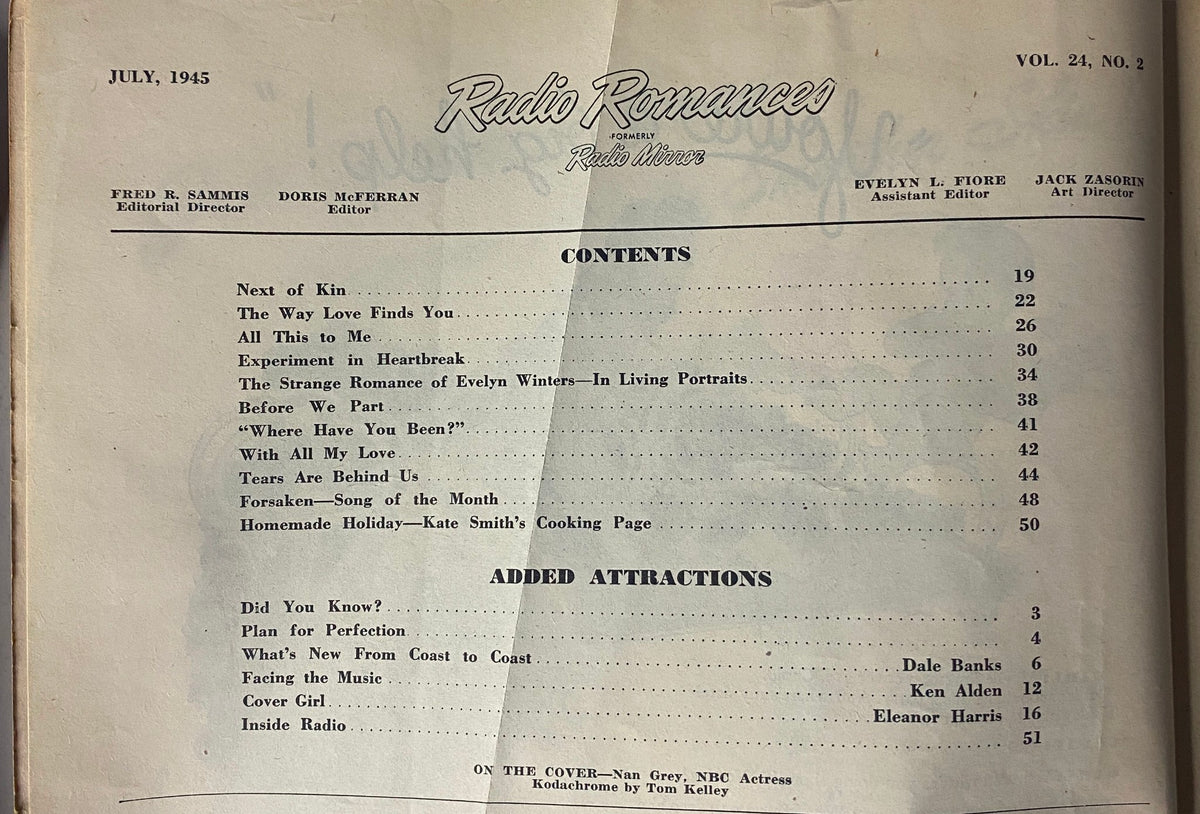
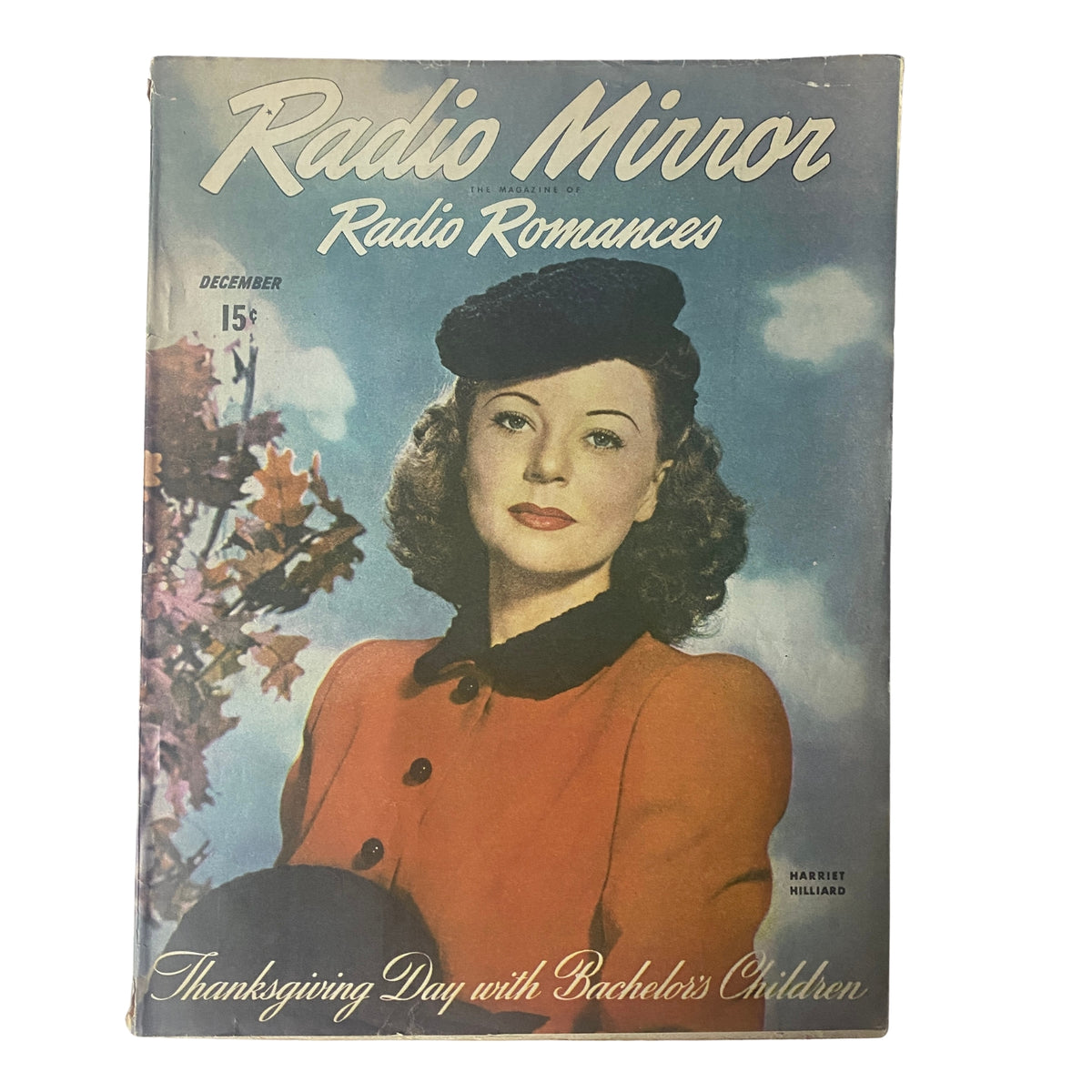
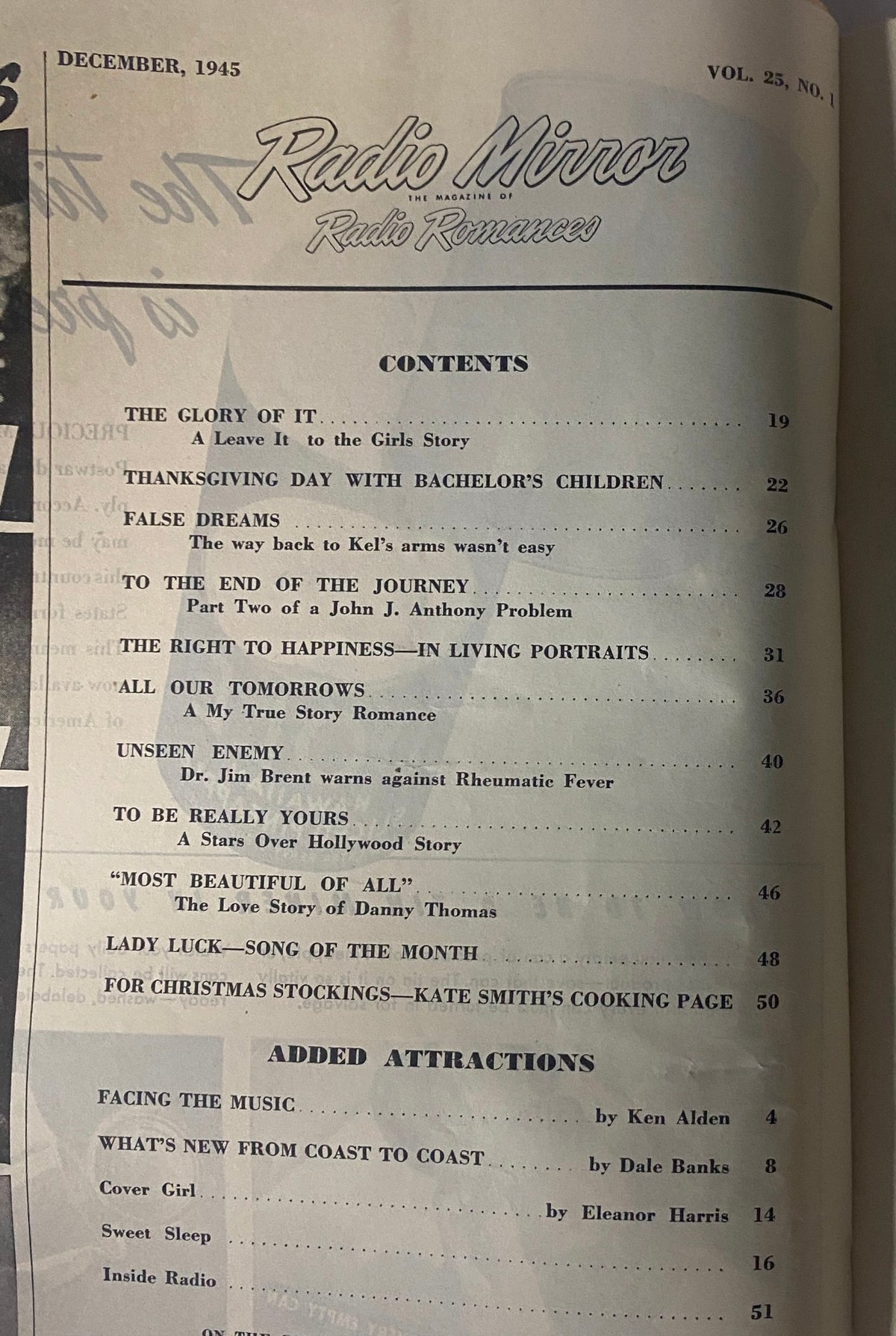
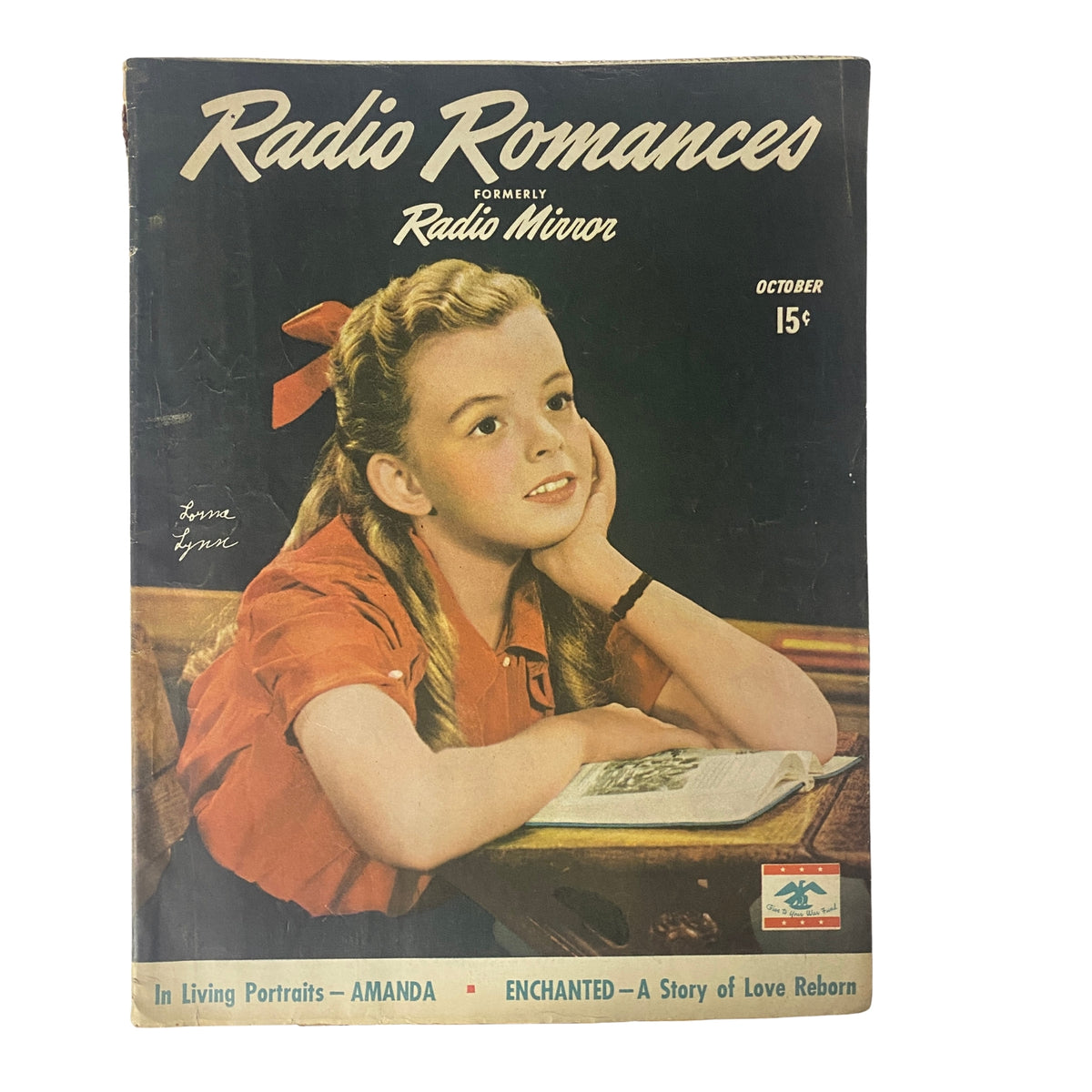
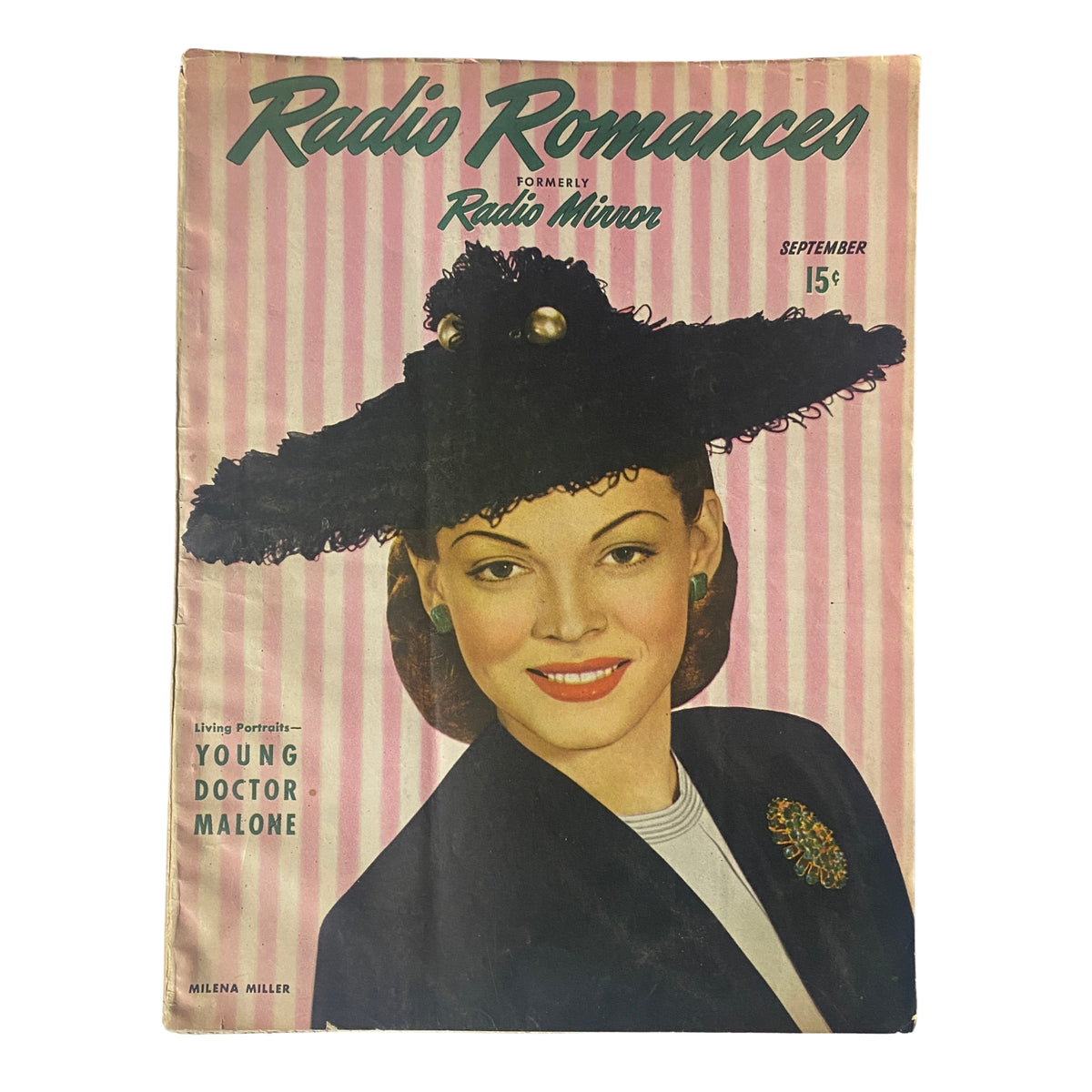
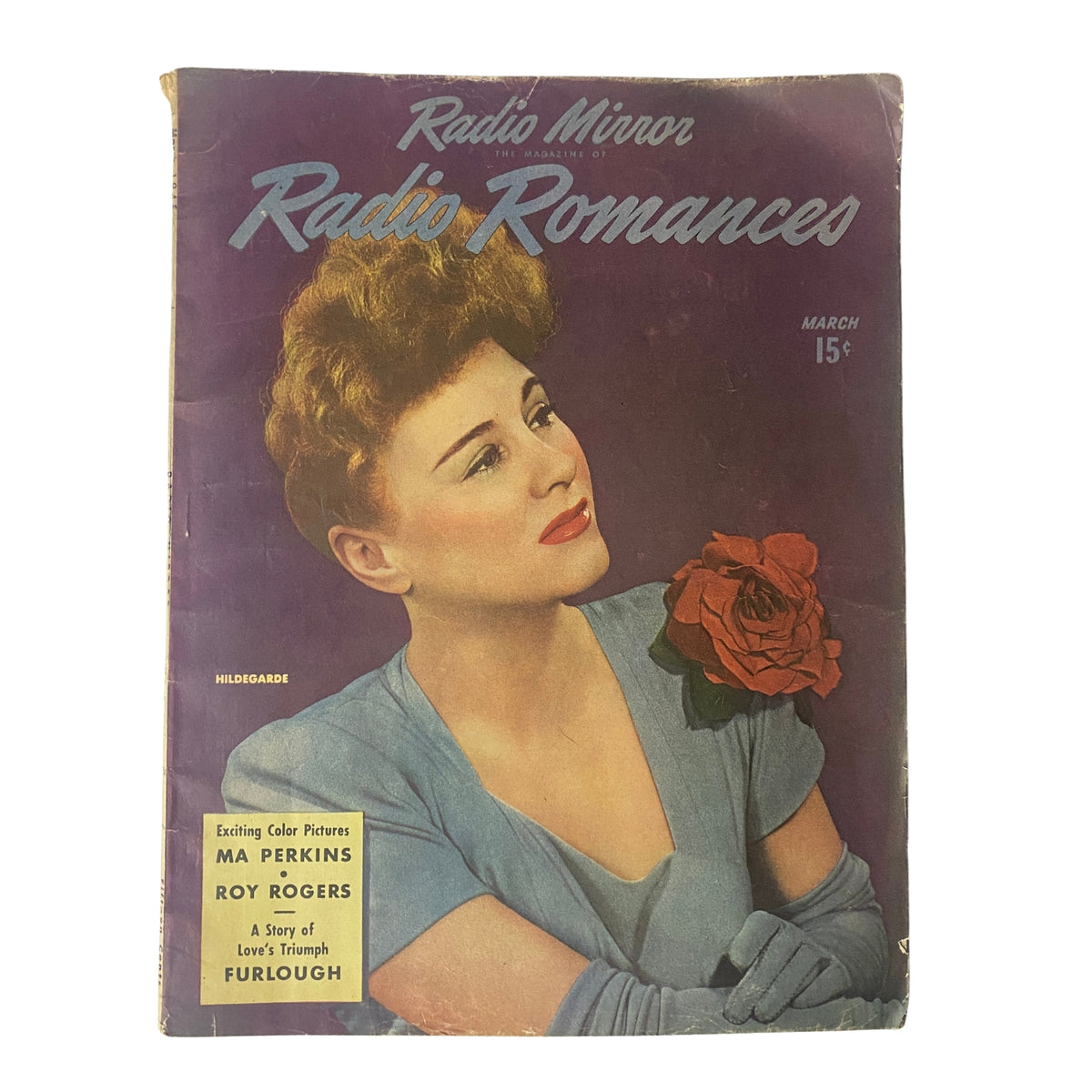
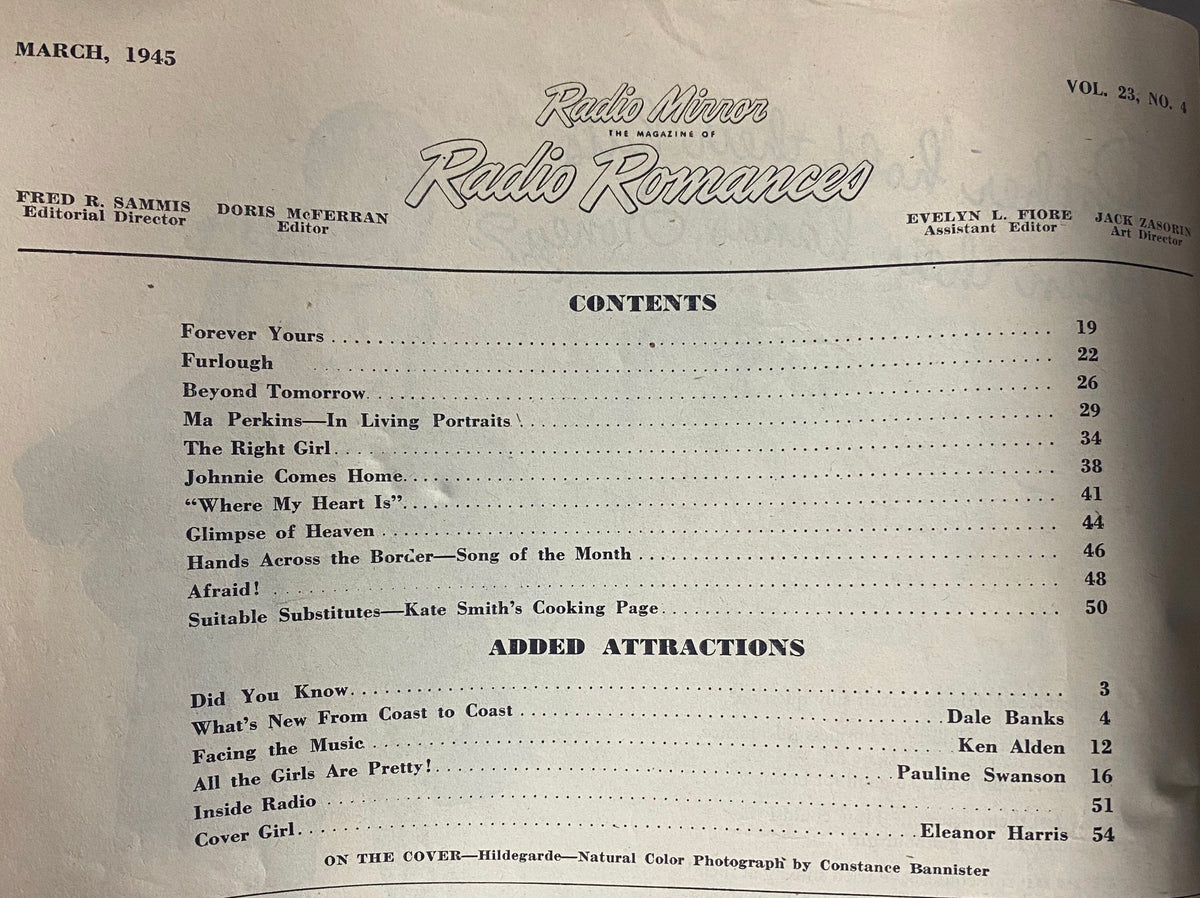
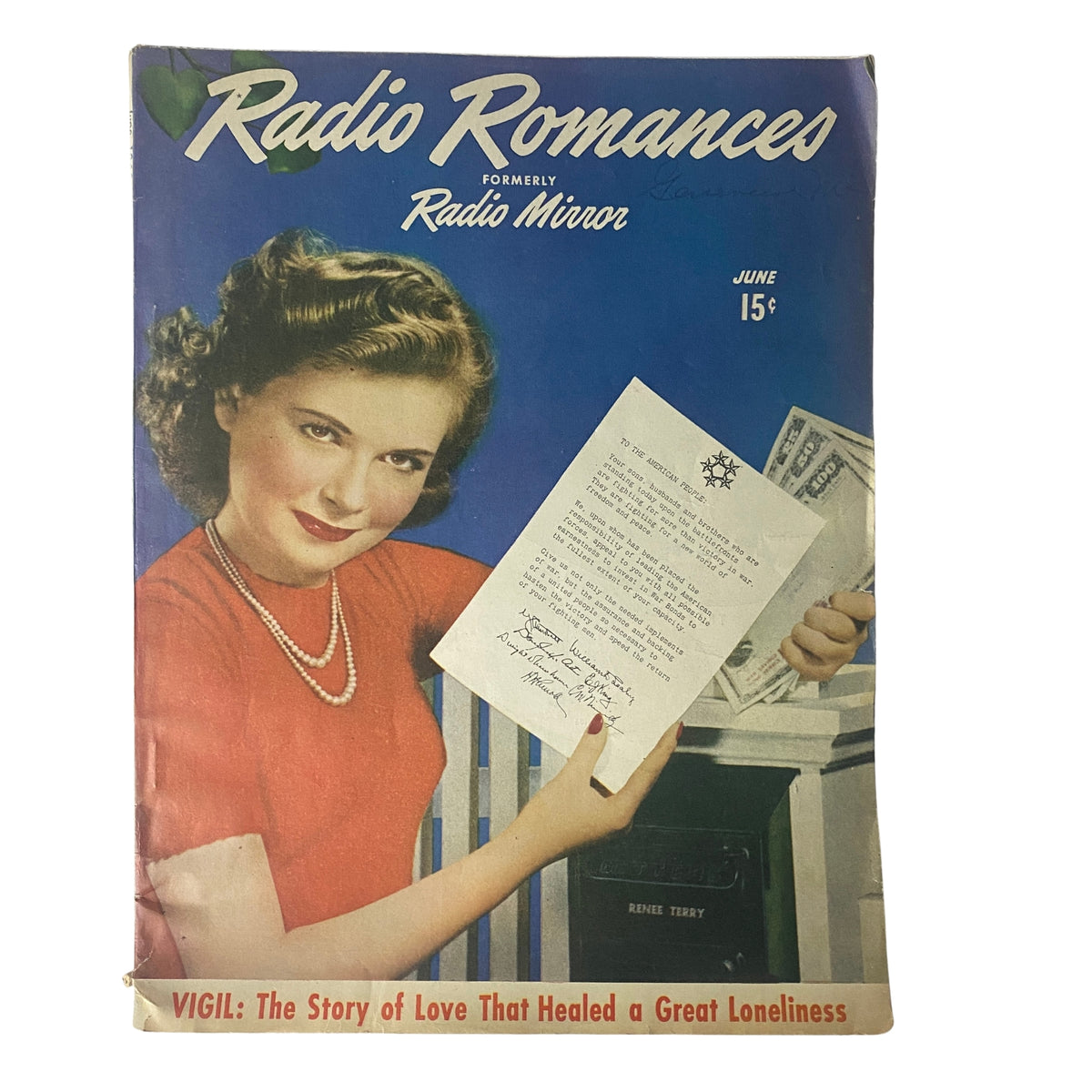
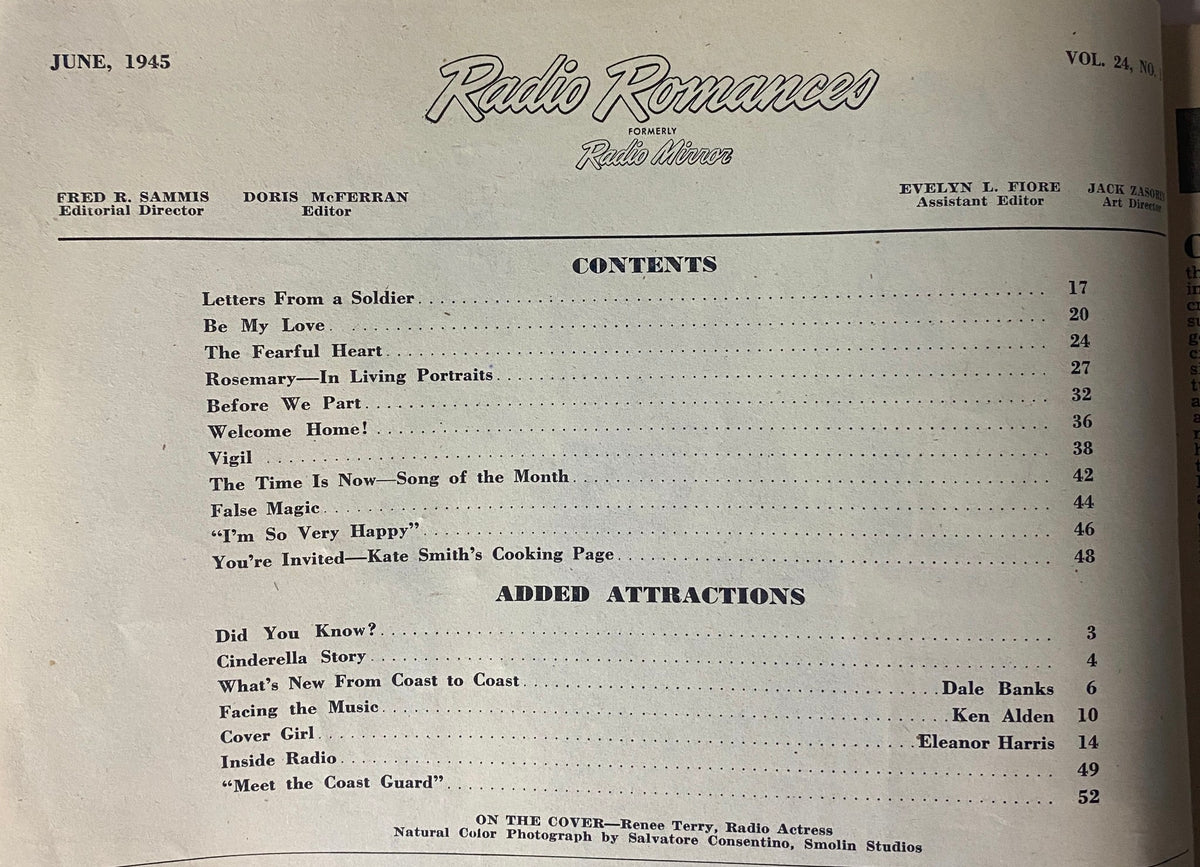
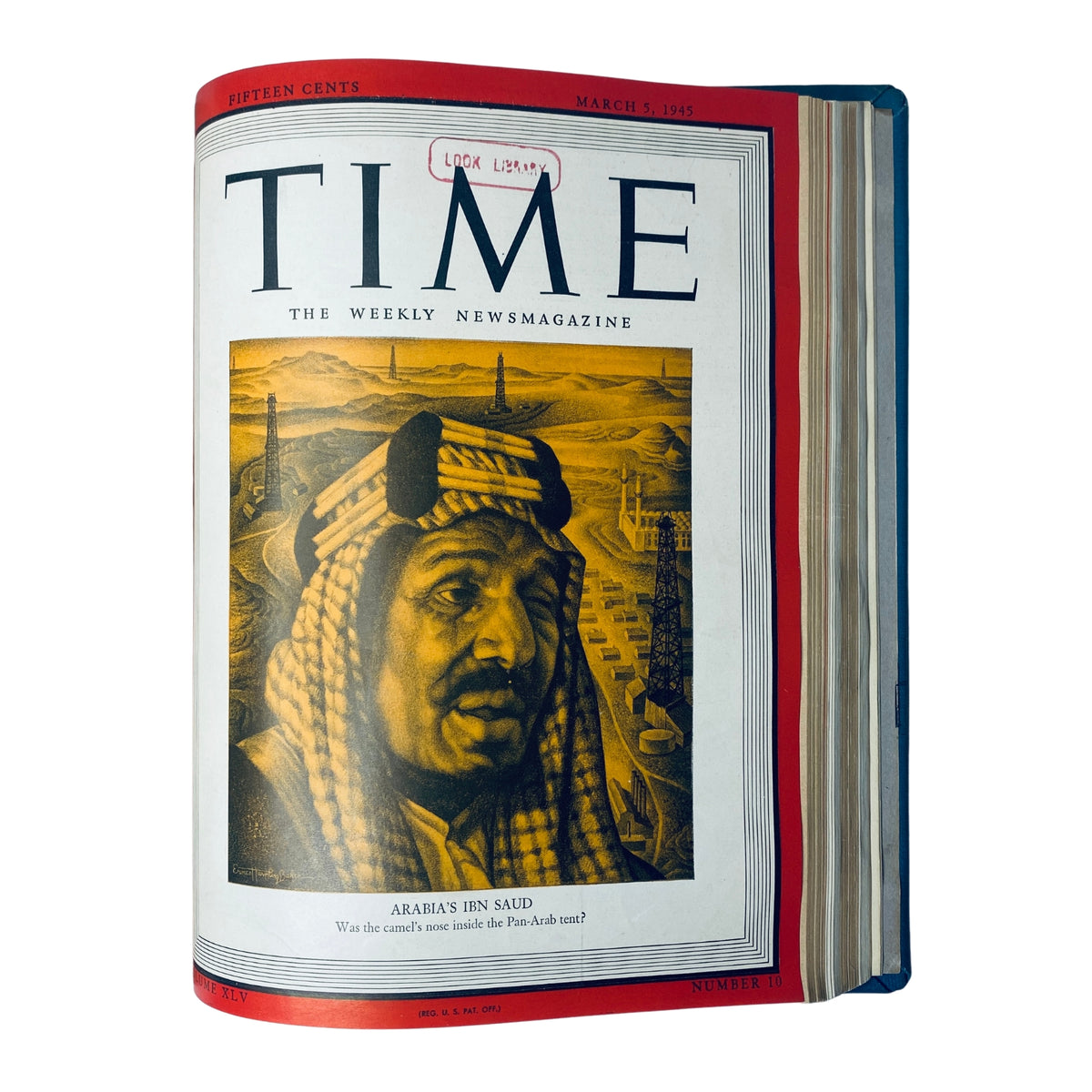
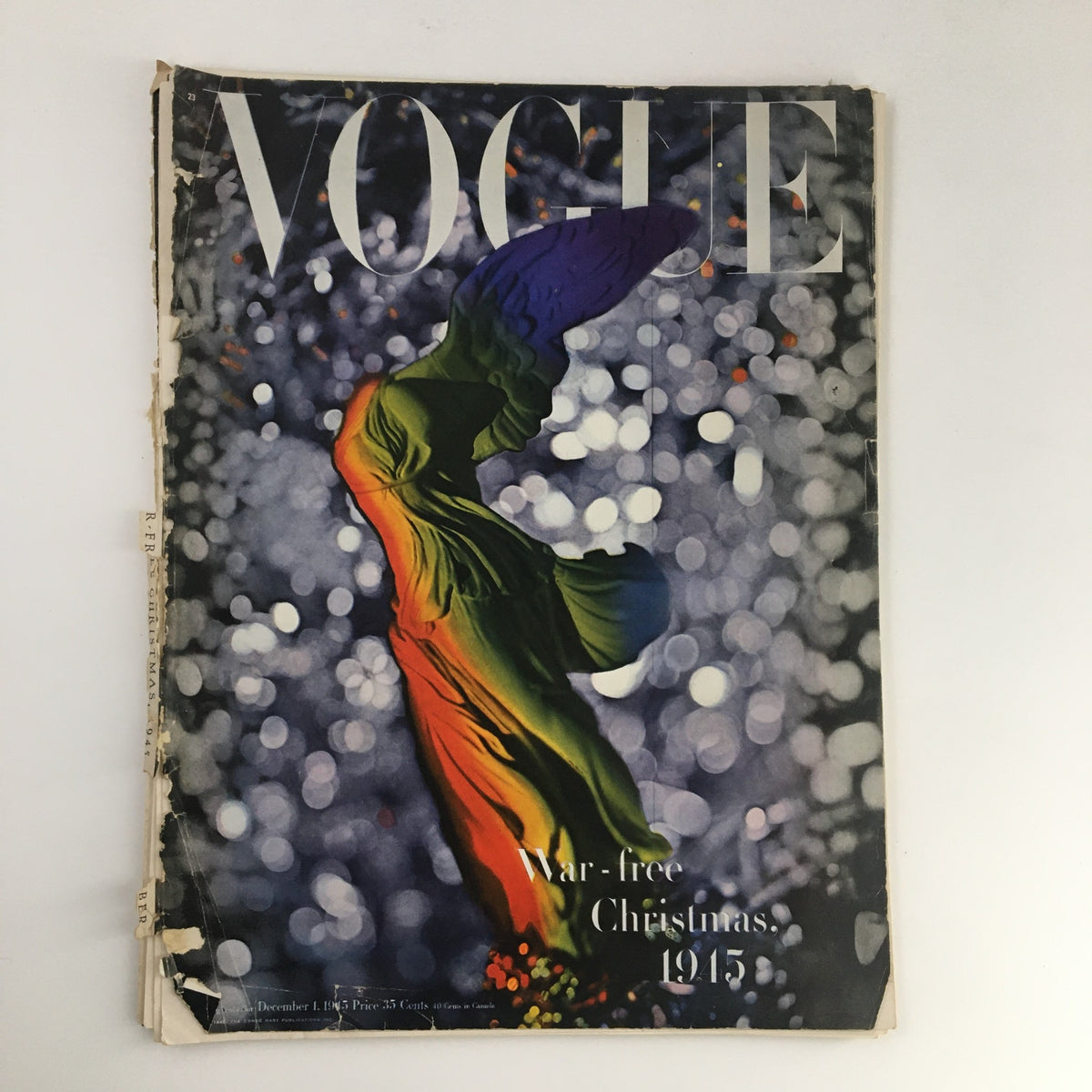
While headlines chronicled the final campaigns of the war, American magazines documented a home front eagerly anticipating the return of normalcy. Life magazine's unforgettable photographs captured both the horrors of liberated concentration camps and the ecstatic jubilation of V-E and V-J Day celebrations in Times Square. Movie theaters offered escape through Bing Crosby's The Bells of St. Mary's and Joan Crawford's Oscar-winning performance in Mildred Pierce, while returning servicemen began filling seats vacated during the war years. Sports Illustrated wouldn't debut until 1954, but sports coverage in newspapers and newsreels celebrated the Detroit Tigers' World Series victory. Original magazines from 1945 showcase wartime advertisements transitioning toward peacetime products—defense contractors pivoting to consumer goods, women's magazines balancing Rosie the Riveter patriotism with hints of postwar domesticity, and endless speculation about what the atomic age would mean for daily life. Fashion pages featured practical wartime silhouettes giving way cautiously to more fabric-generous designs as rationing restrictions began to ease.
Curator's Checklist: What to Look for in 1945 Vintage Magazines
-
The Yalta Conference: Time and Newsweek featuring the "Big Three" summit, with dramatic photographs of Roosevelt, Churchill, and Stalin seated together, chronicling the delicate negotiations that would shape the Cold War decades to come
-
FDR's Death & Truman's Ascension: Life magazine's memorial issues showcasing Roosevelt's funeral procession and Truman's sudden elevation, often illustrated with powerful imagery of a nation in mourning during its moment of military triumph
-
V-E Day Celebrations: Look and Life capturing the explosive joy of Victory in Europe—crowded streets, kissing sailors, ticker-tape parades—alongside somber photos of liberated concentration camps that defined the war's moral stakes
-
The Atomic Age Dawns: Newsweek and Time breaking the story of Hiroshima and Nagasaki with mushroom cloud photography, featuring early scientific explanations and ethical debates about these rare magazines' most consequential headlines of the century
-
Wartime Advertising's Final Chapter: Saturday Evening Post and women's magazines showcasing the last wave of "Buy War Bonds" appeals alongside advertisements from companies announcing their return to civilian production, preserving the exact moment America pivoted from war to peace
The Perfect Gift
For someone born in 1945, an original magazine from this epochal year isn't just a collectible—it's authenticated witness to humanity's most transformative twelve months, preserved in genuine advertisements, battlefield photography, and headlines that announced the atomic age.