📖 About this Collection
1946: The Dawn of Peace and the Digital Age
The world exhaled in 1946. After six years of global warfare, humanity attempted its first uncertain steps toward peace while simultaneously wrestling with the atomic shadow and ideological divisions that would define the coming decades. On March 5th, Winston Churchill stood before a college audience in Fulton, Missouri and uttered words that crystallized the new global reality: an "Iron Curtain" had descended across Europe, dividing the continent between Soviet influence and Western democracy. This single speech transformed post-war optimism into Cold War anxiety, a tension that crackled through every newspaper headline and magazine editorial. Meanwhile, at Nuremberg, the International Military Tribunal delivered verdicts against 22 top Nazi leaders in October, establishing for the first time that individuals—not just nations—bear responsibility for war crimes. As millions of veterans returned home, the birth rate skyrocketed in January, launching the Baby Boom generation that would reshape American culture for decades. And on February 14th, the University of Pennsylvania unveiled ENIAC, the world's first general-purpose electronic digital computer. This was the world your loved one entered—a pivotal year balancing hope and uncertainty.
Pop Culture & Lifestyle
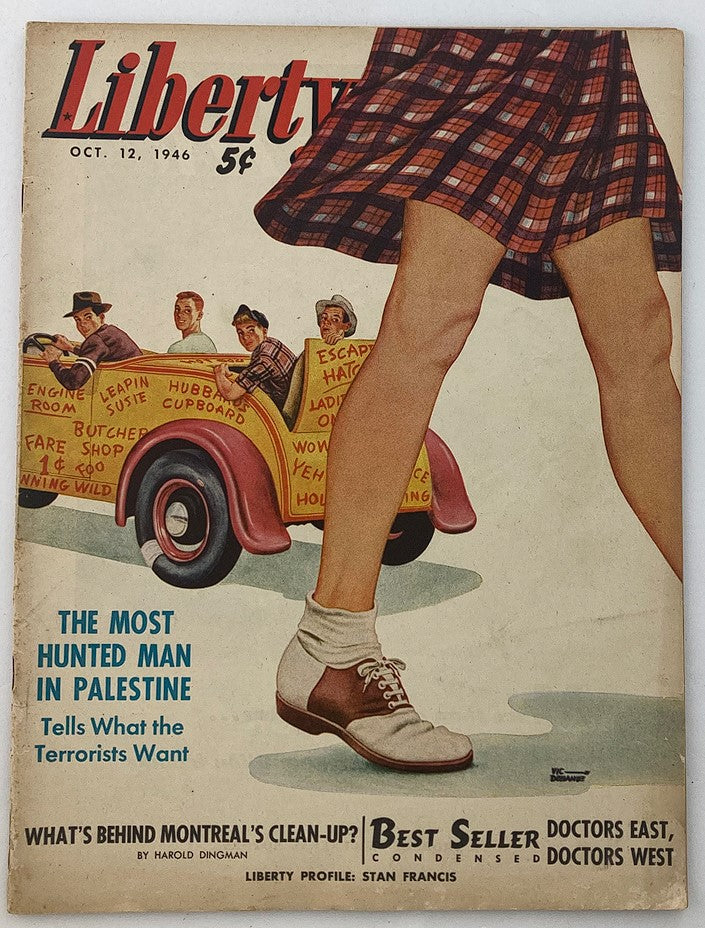
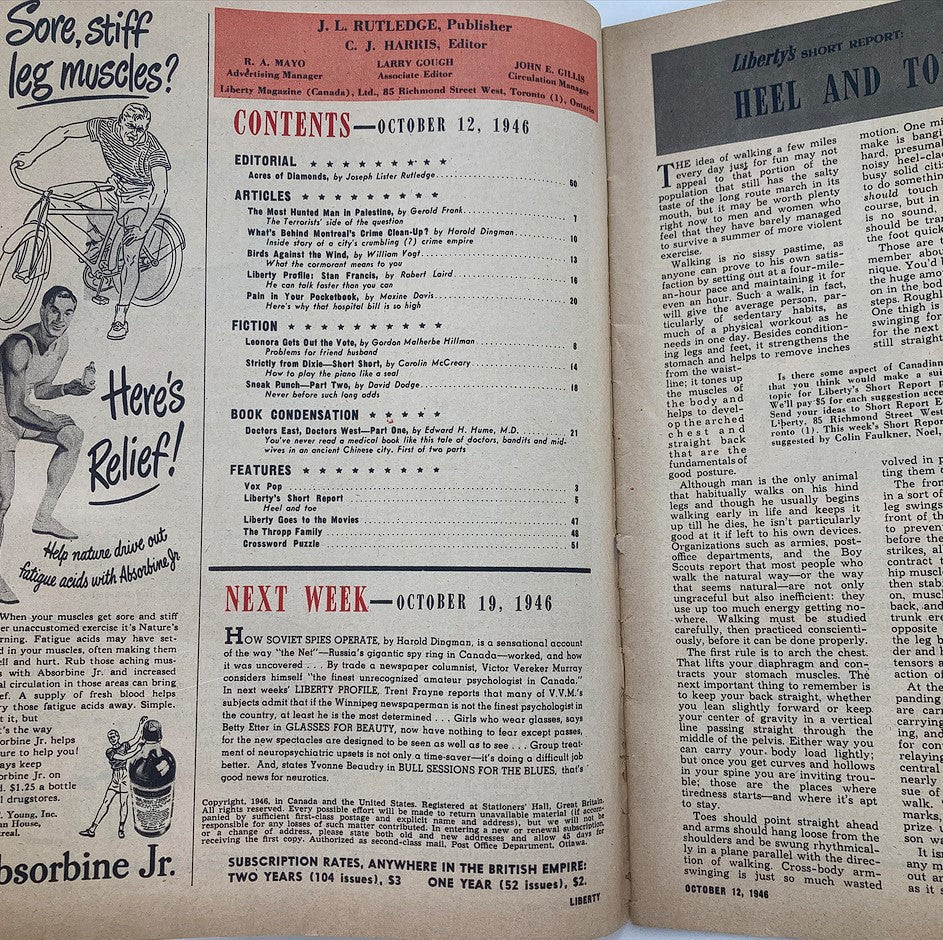
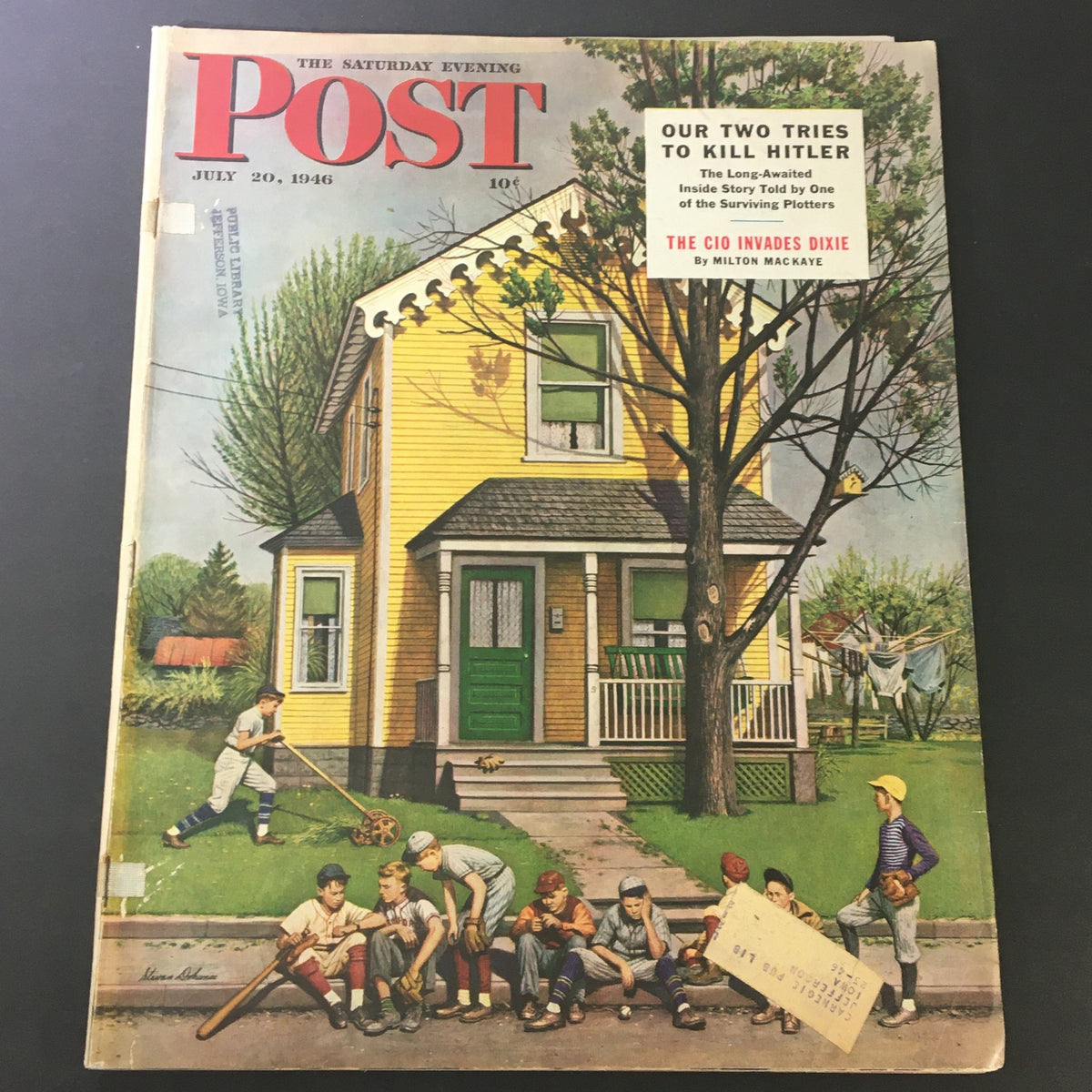
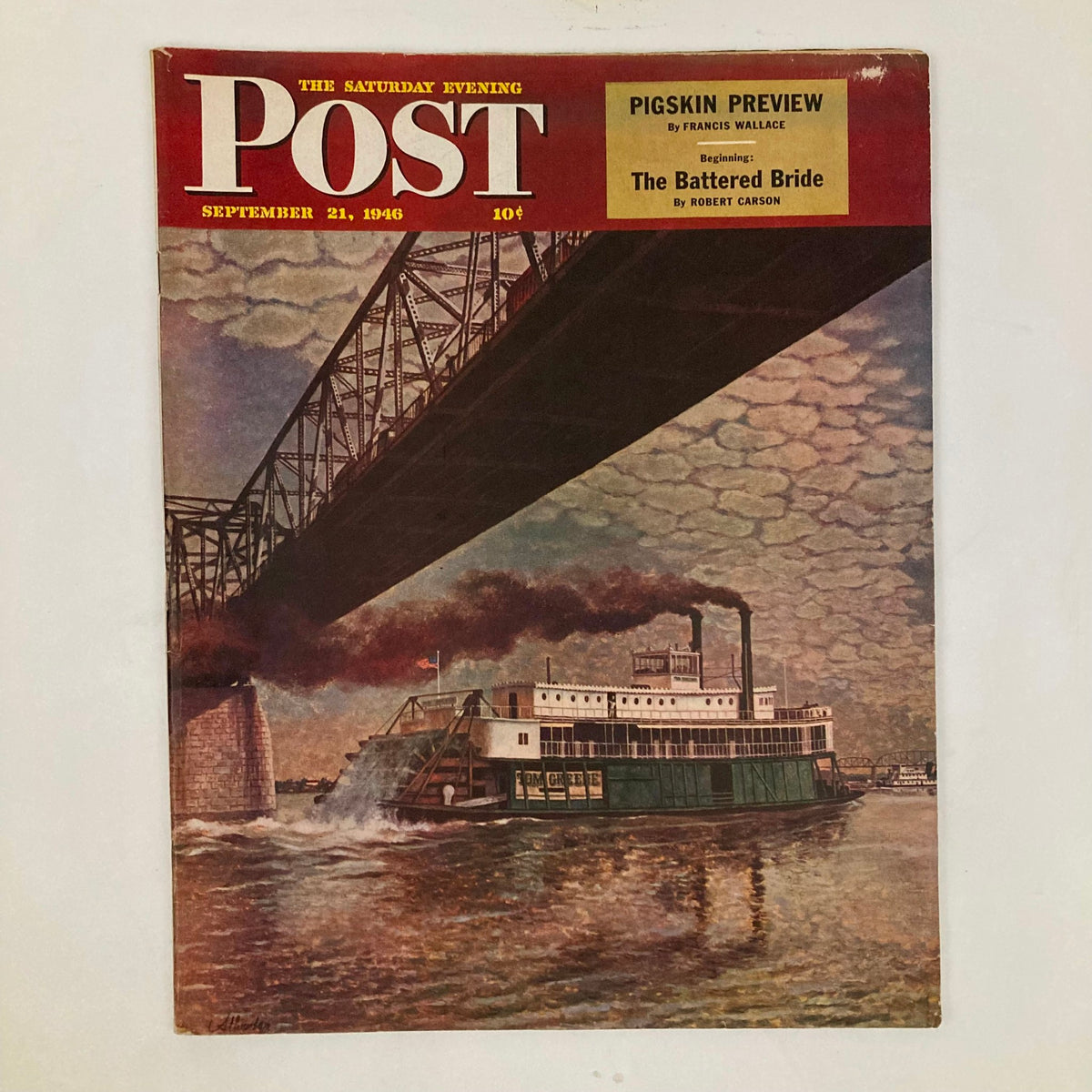
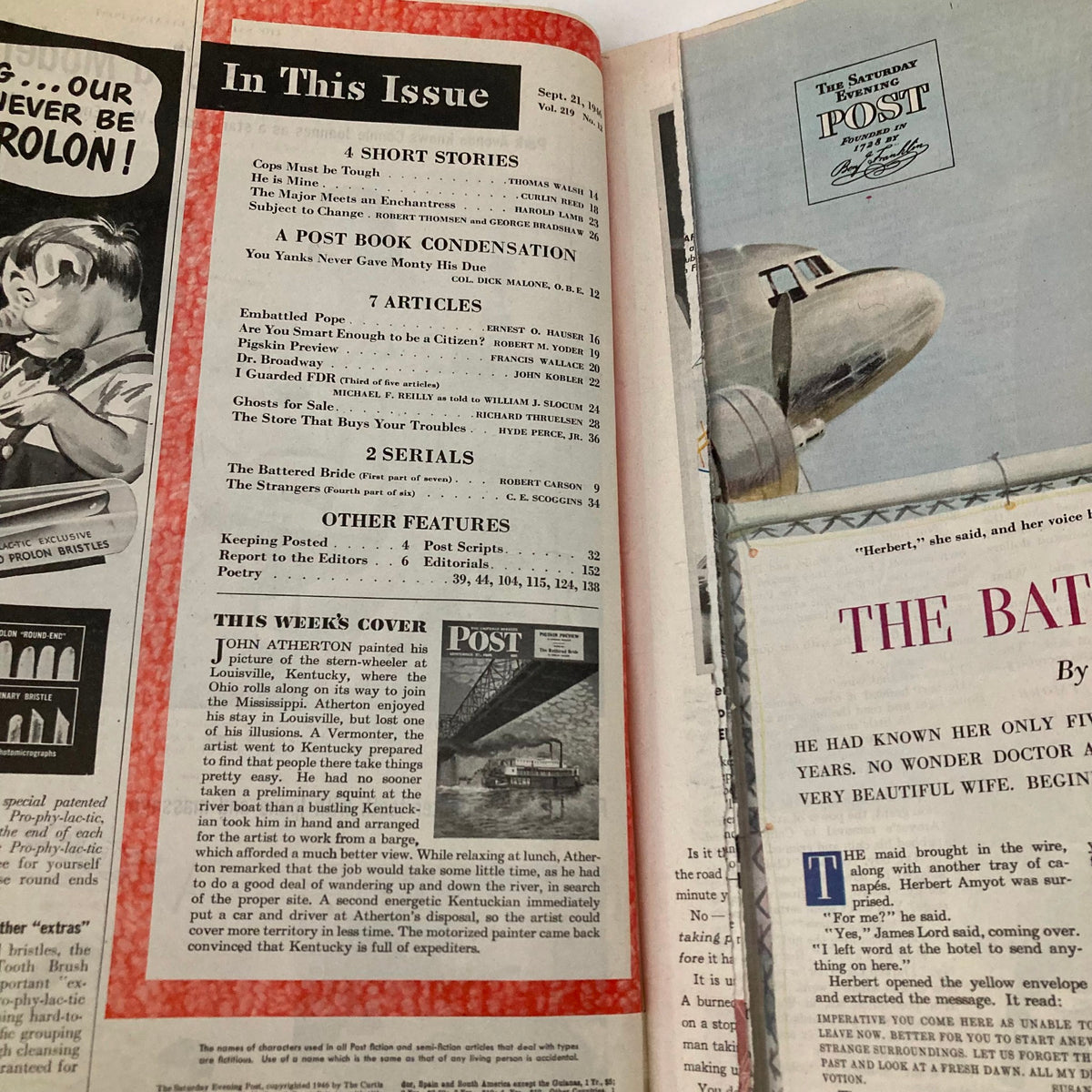
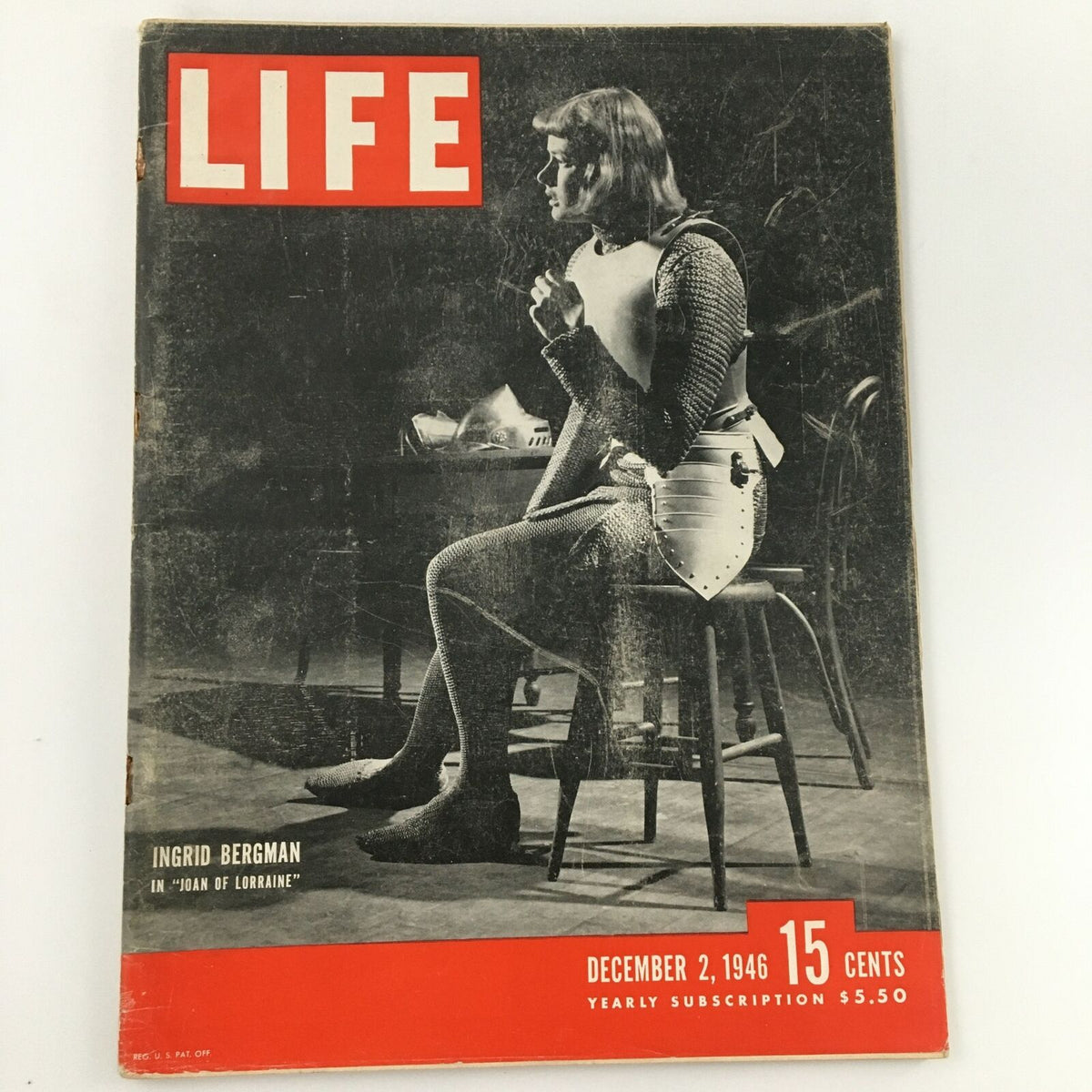
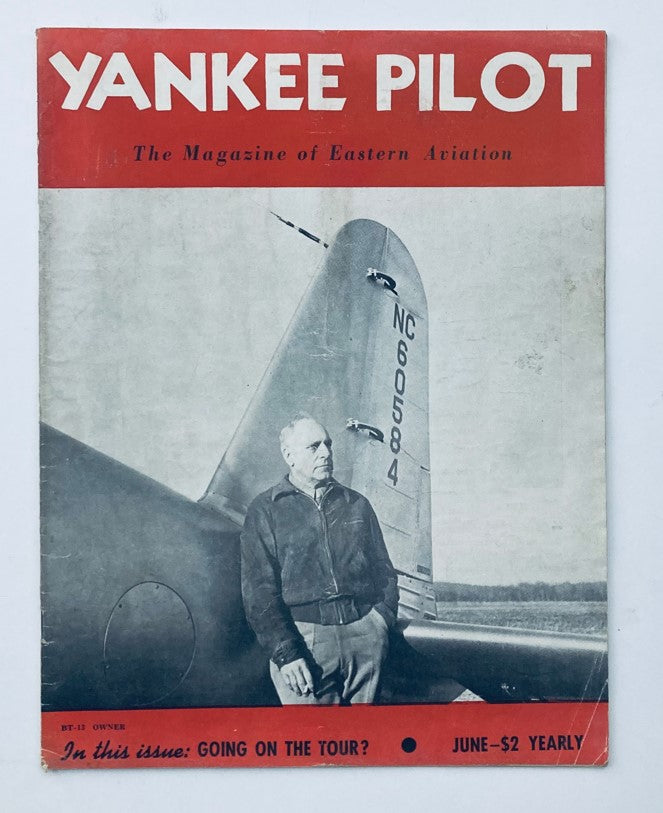
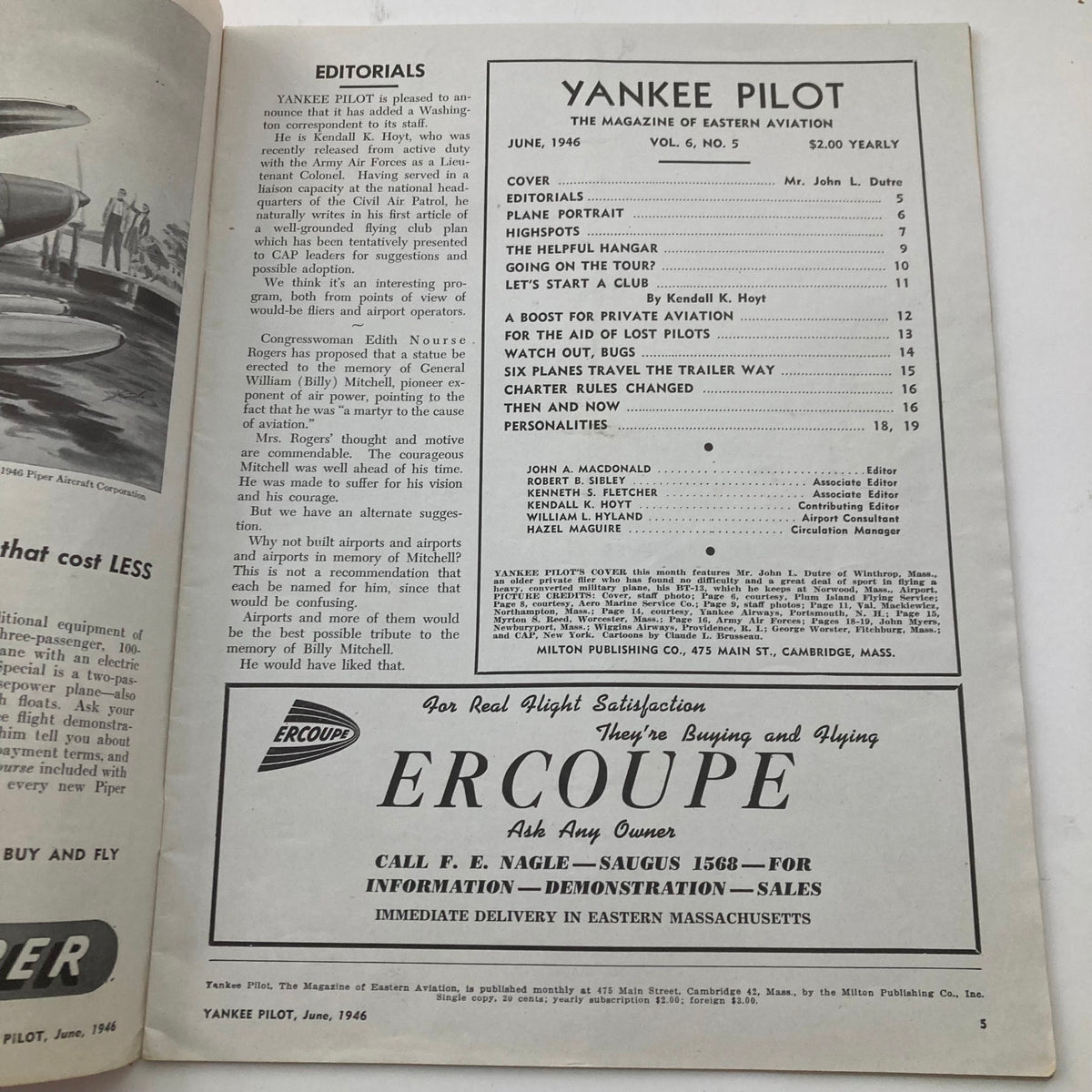
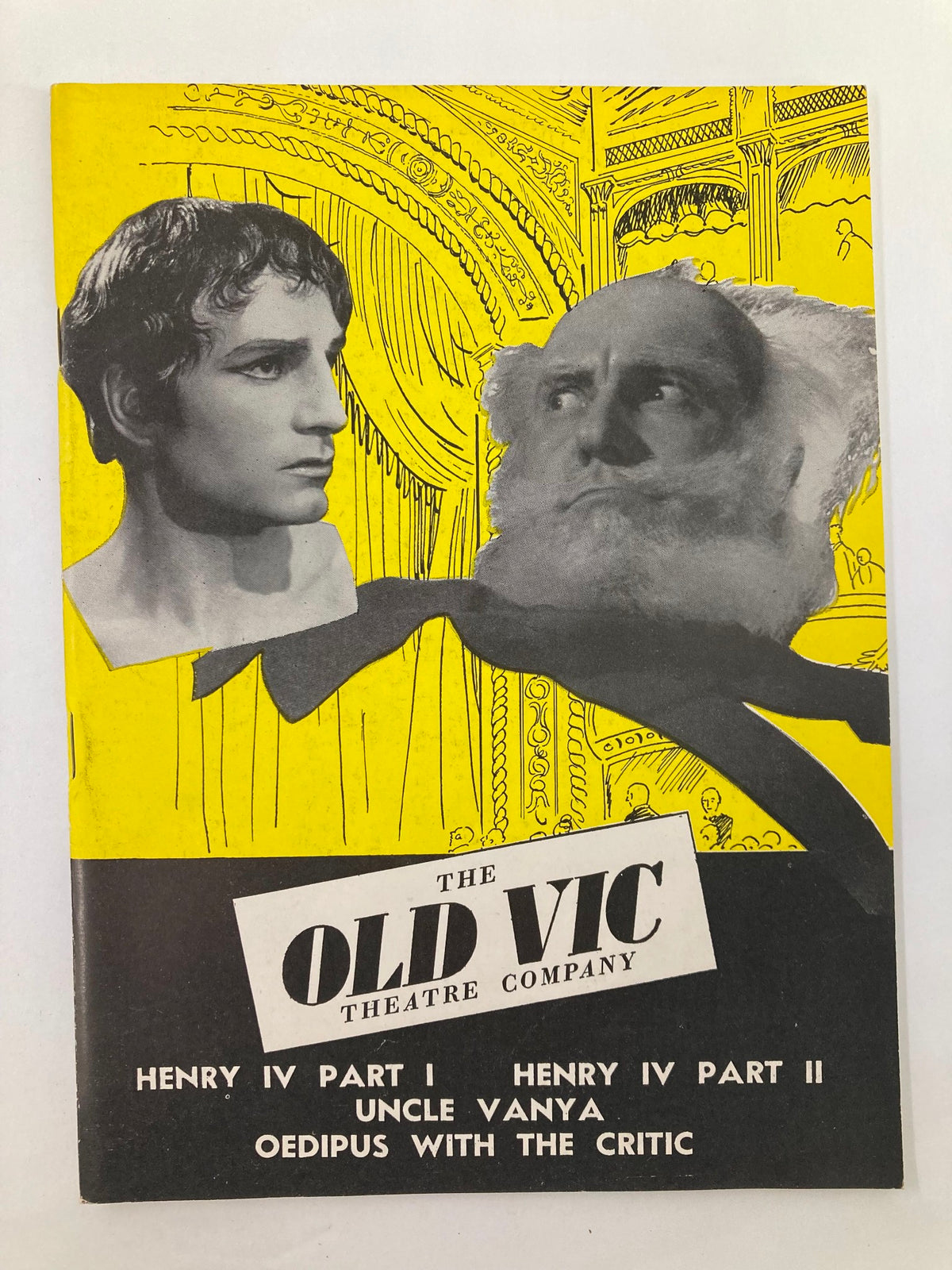
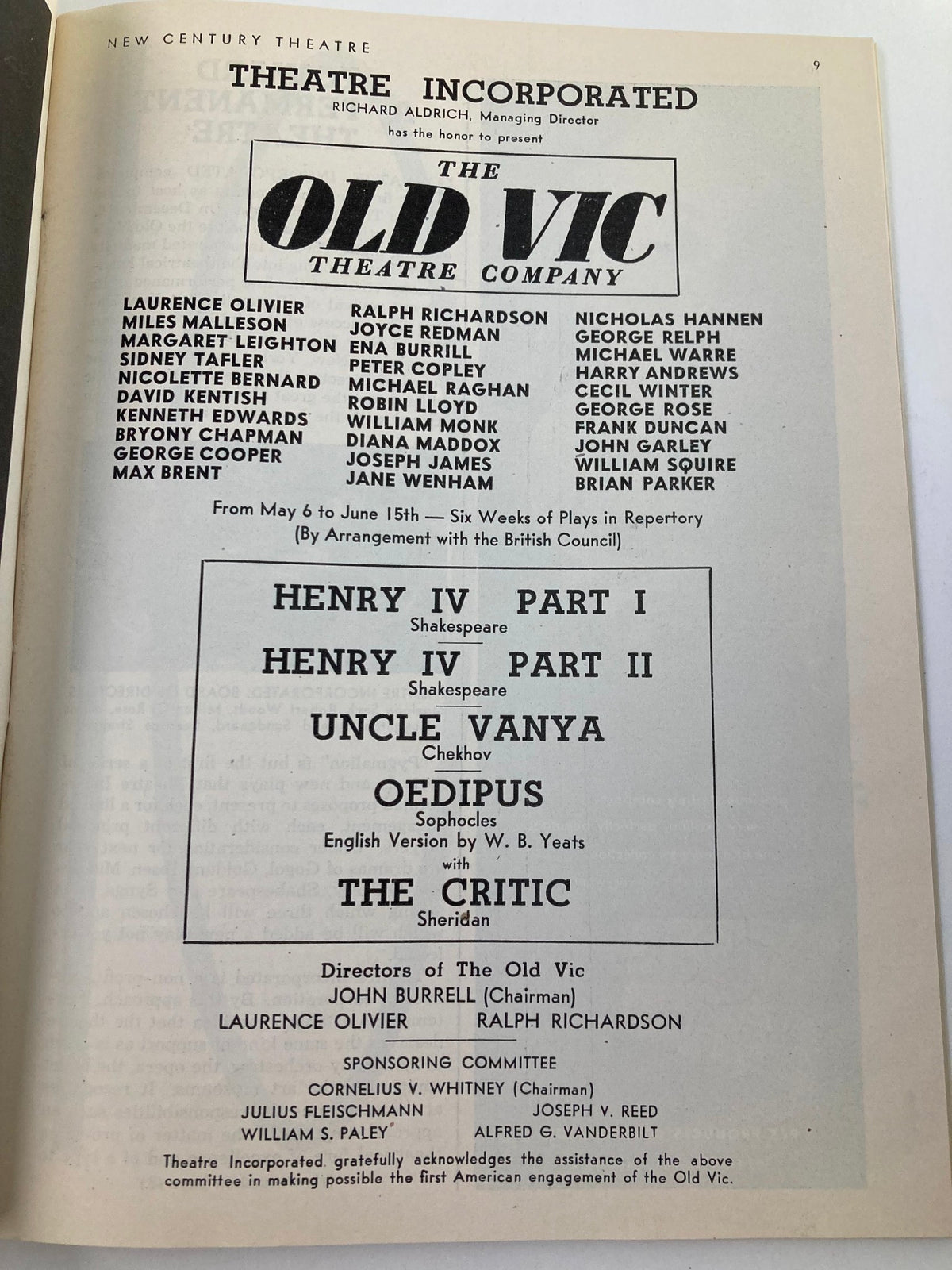
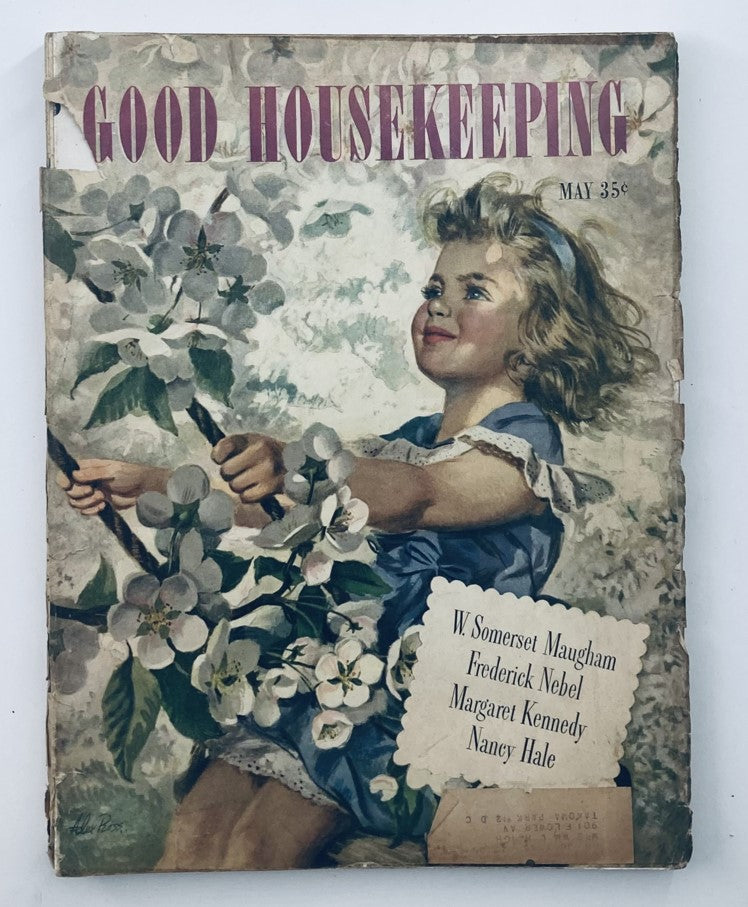
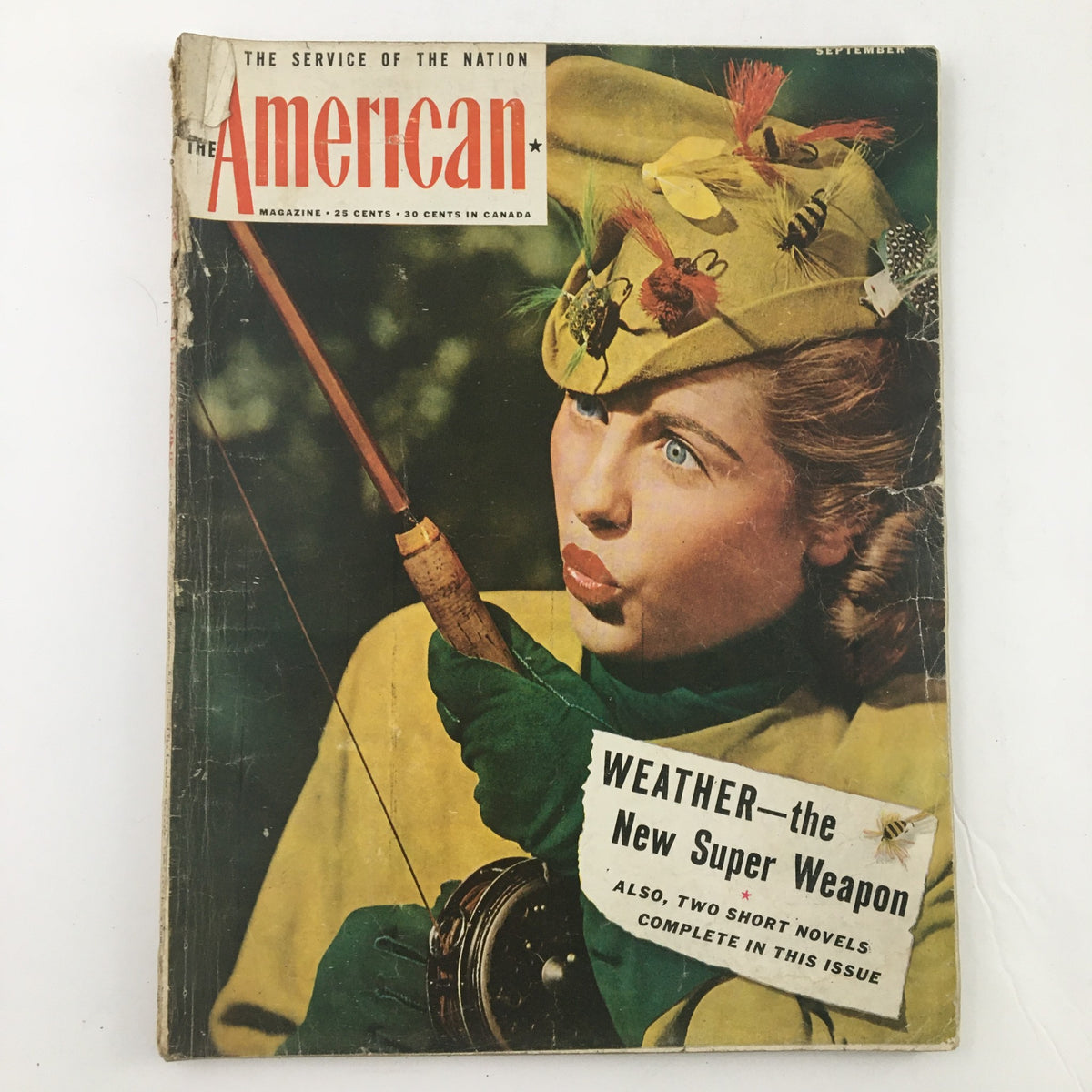
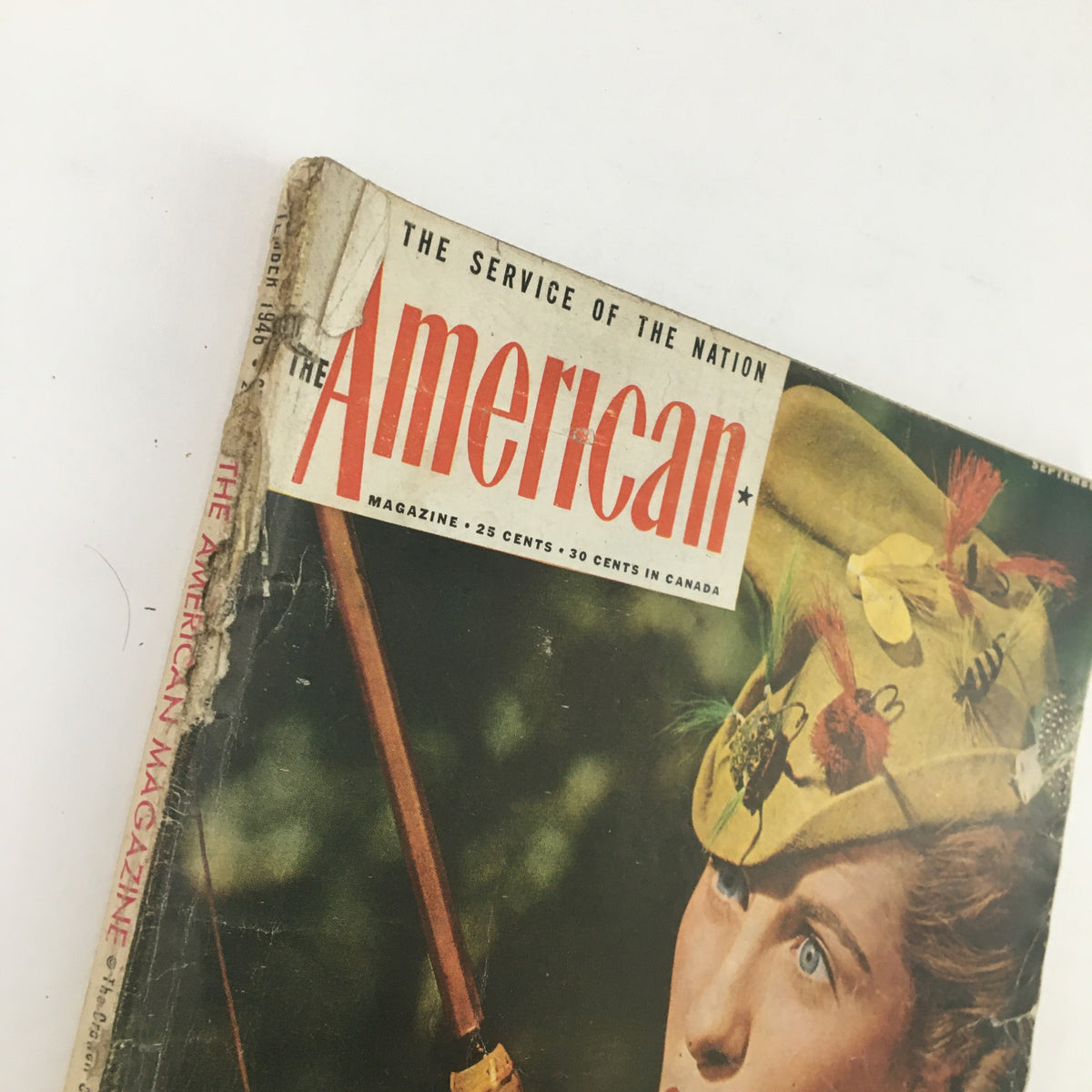
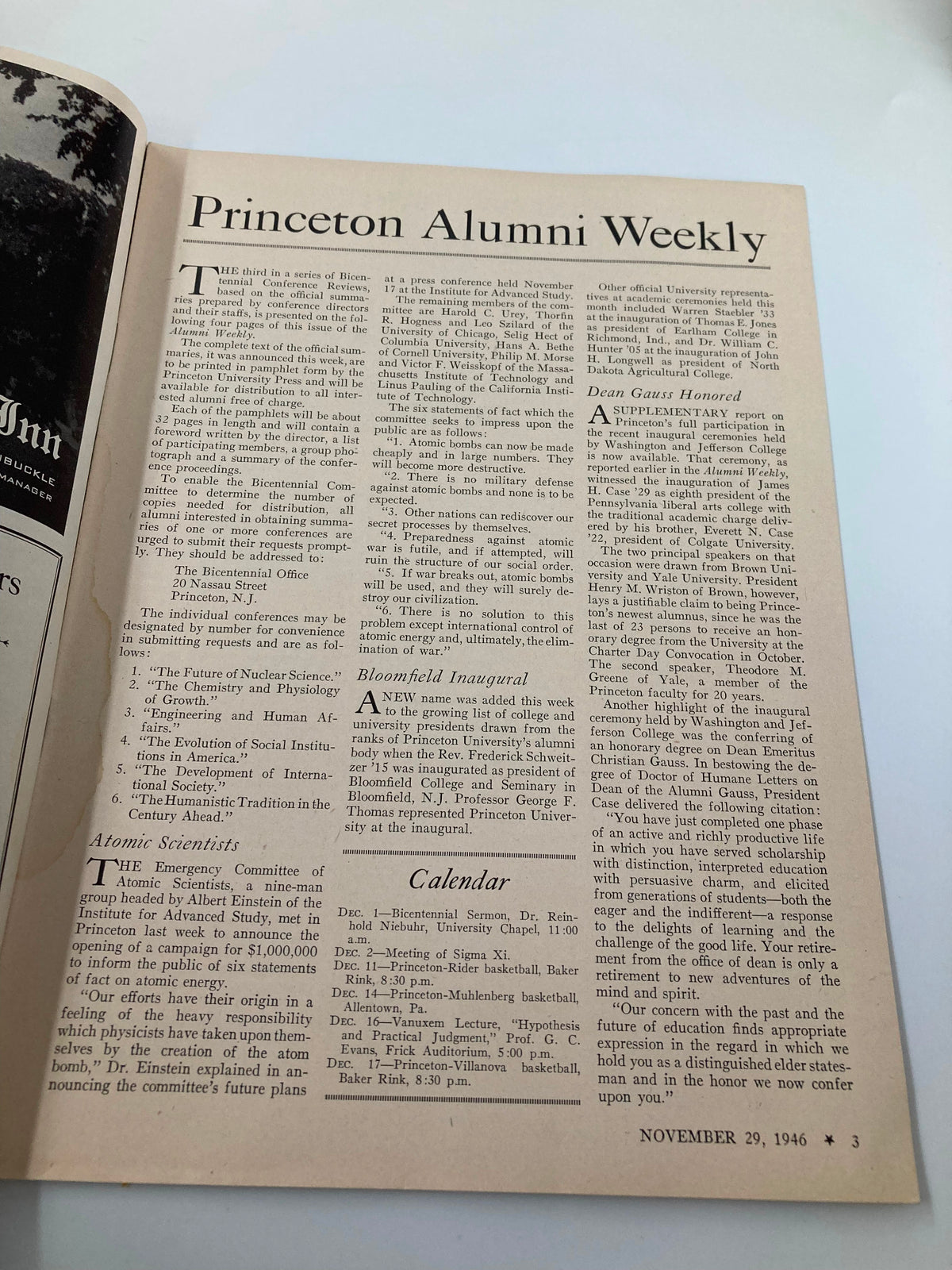
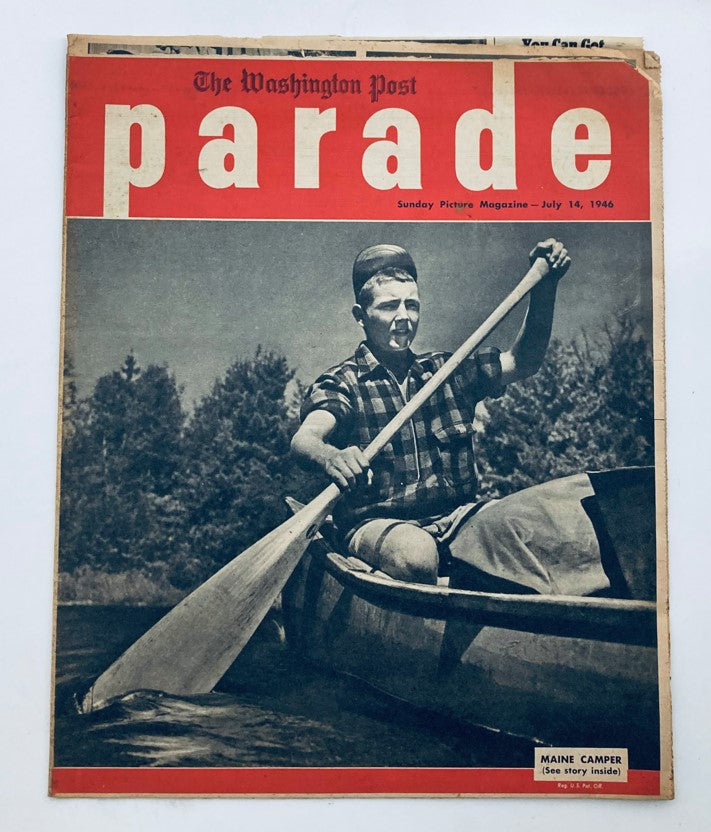
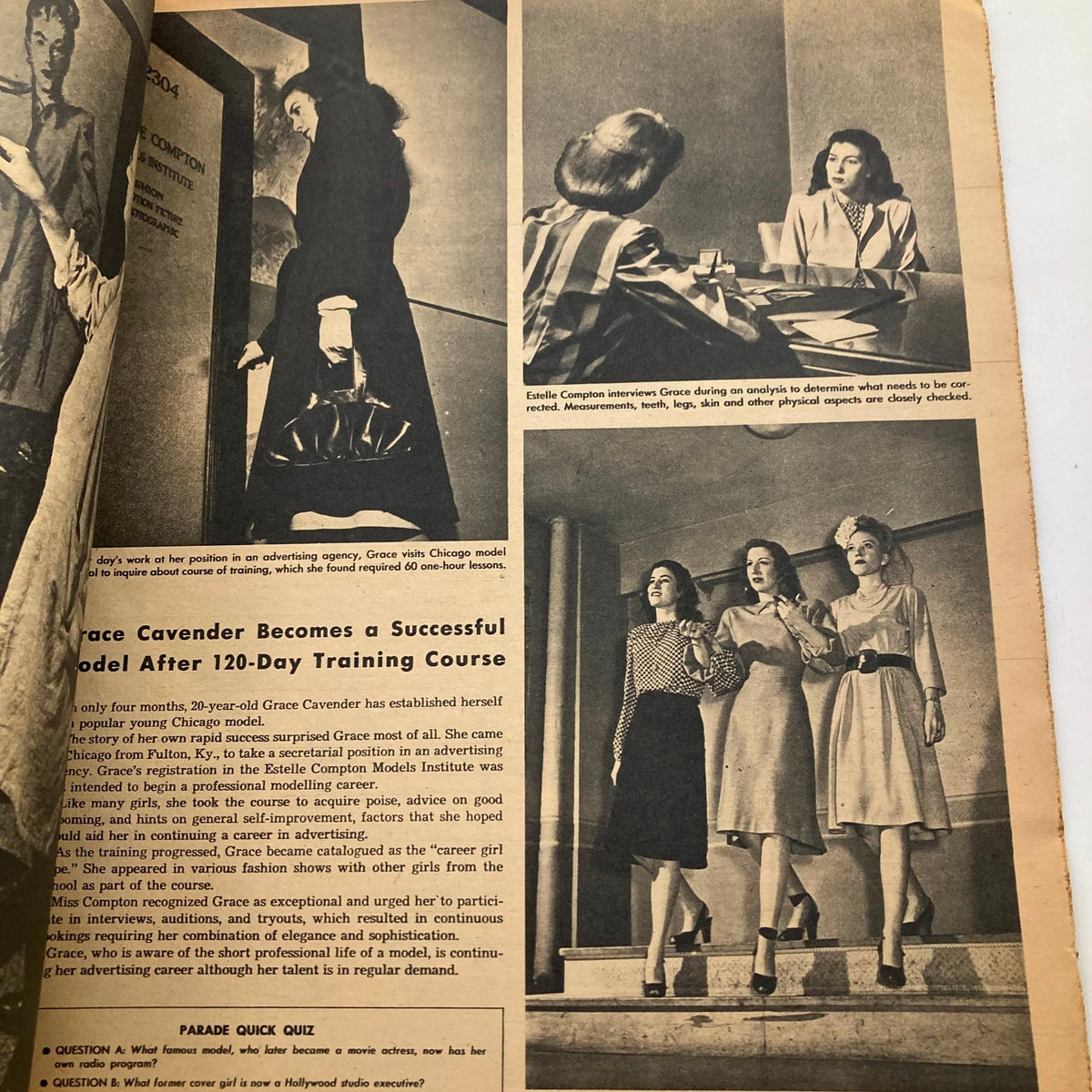
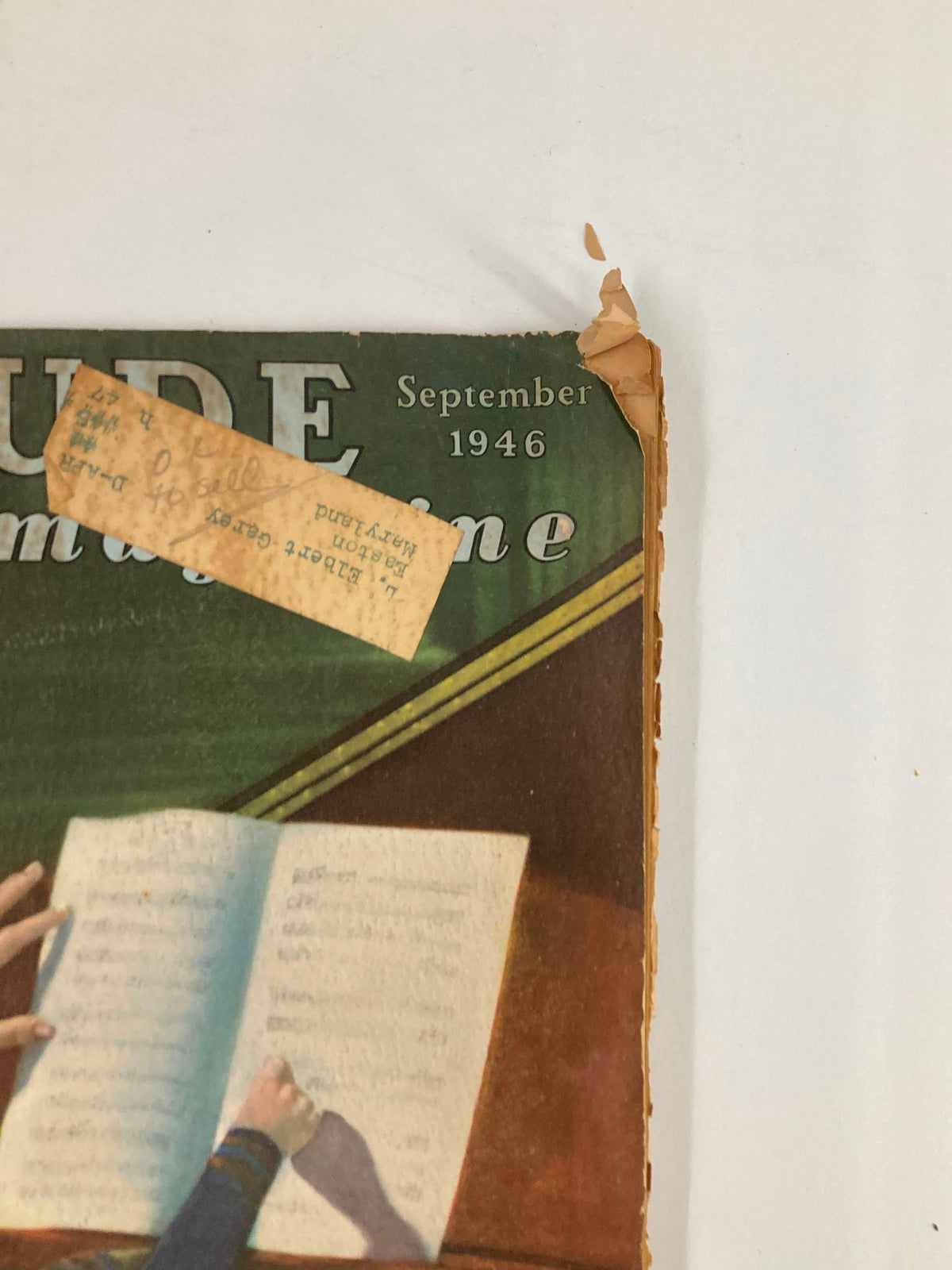
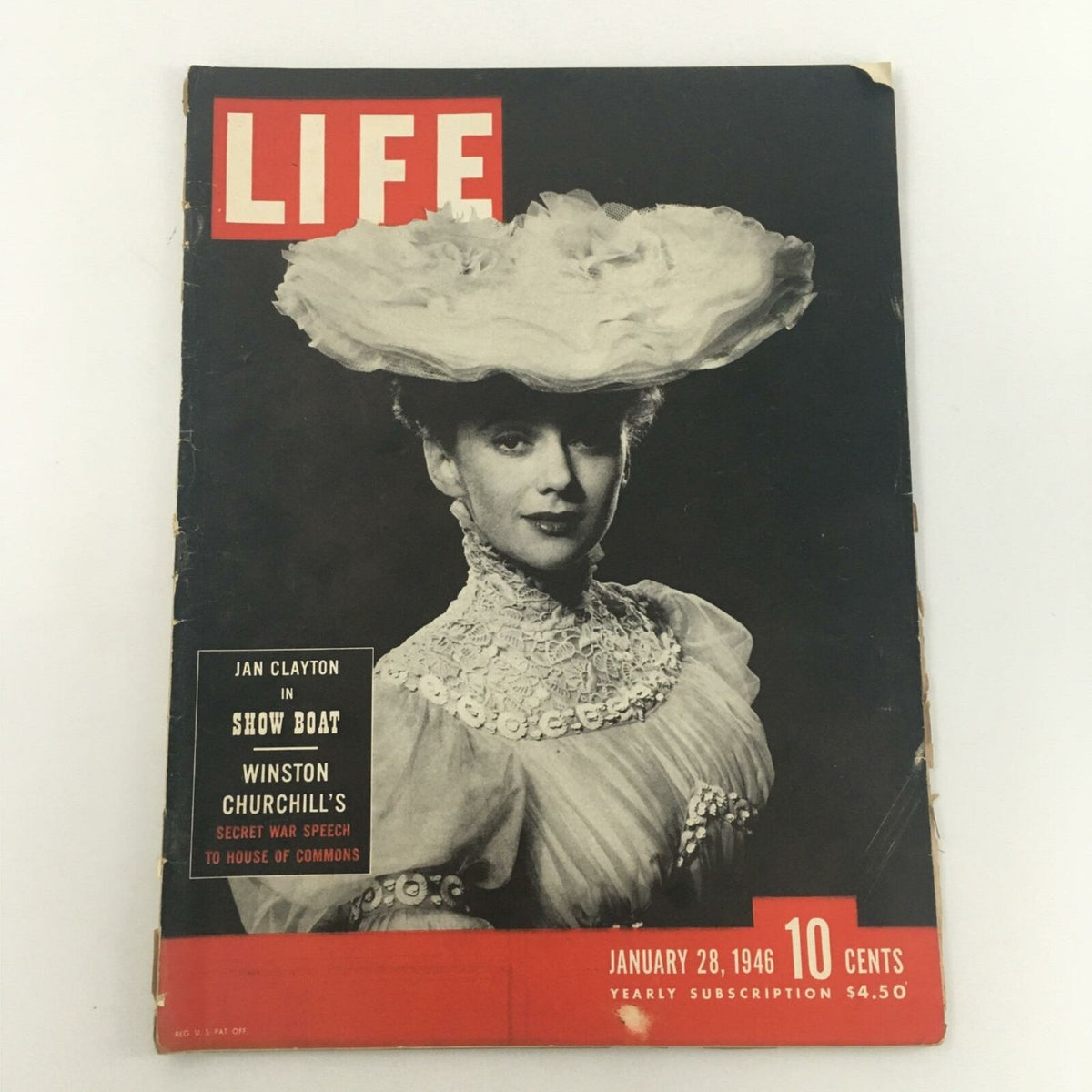
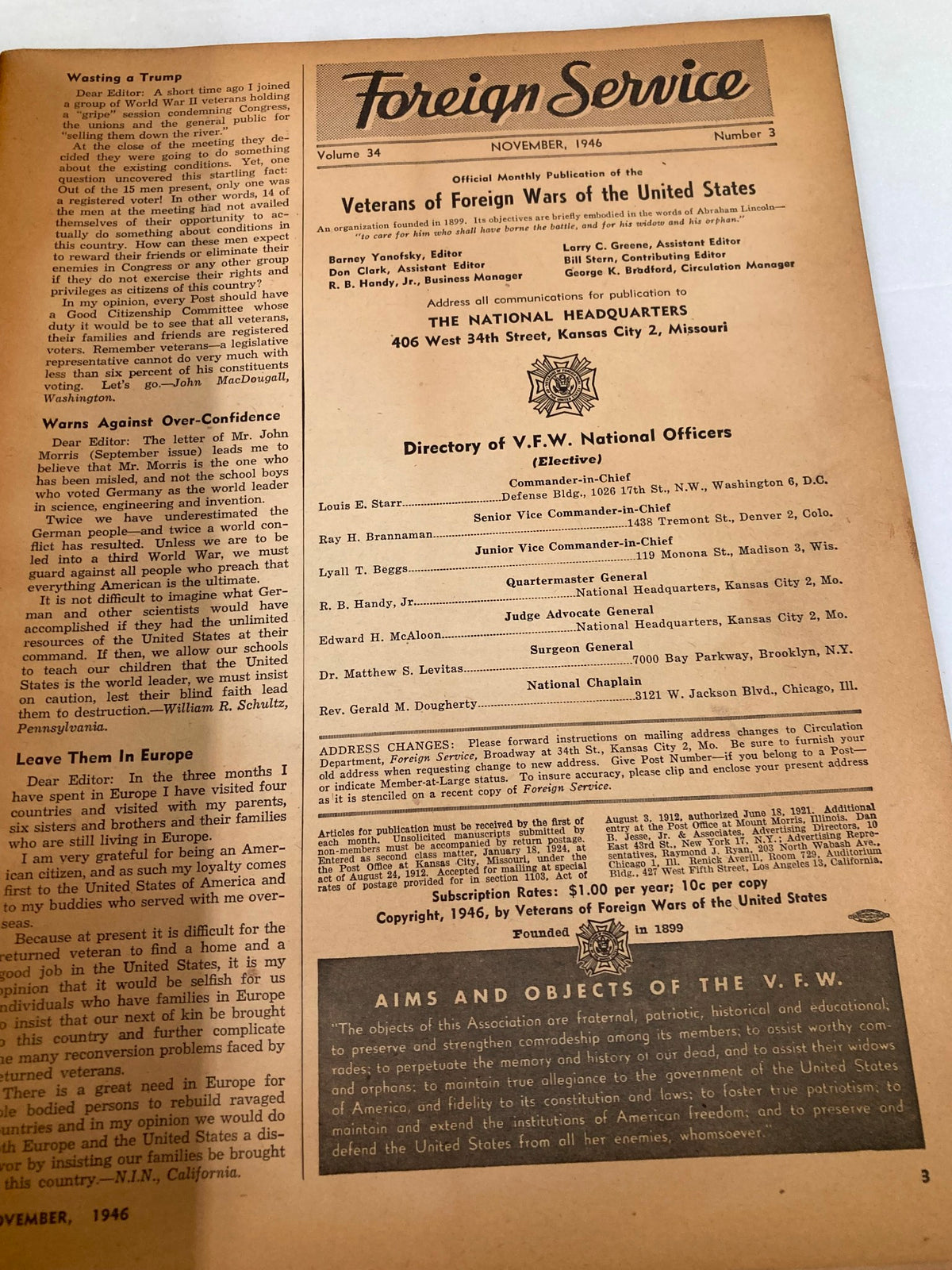
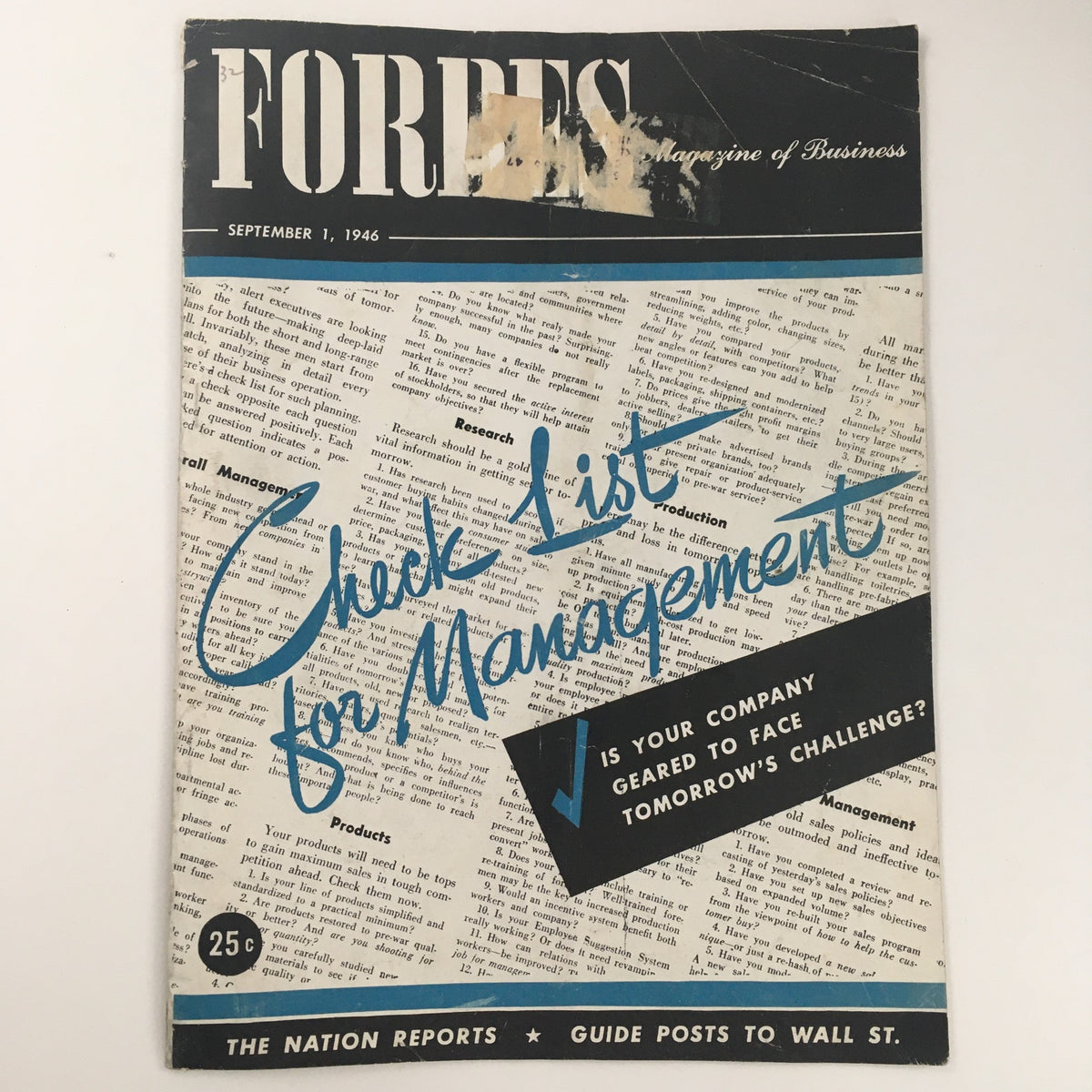
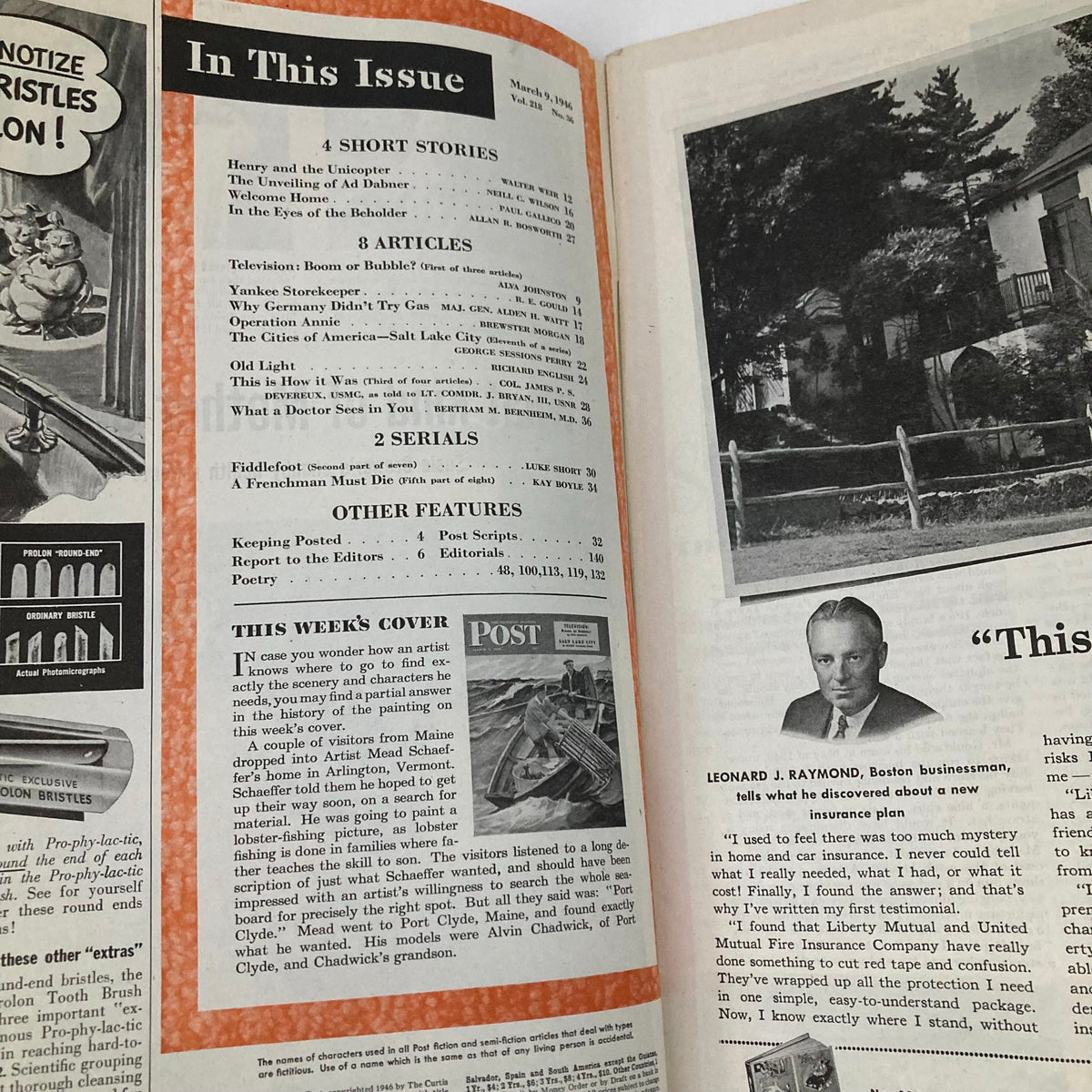
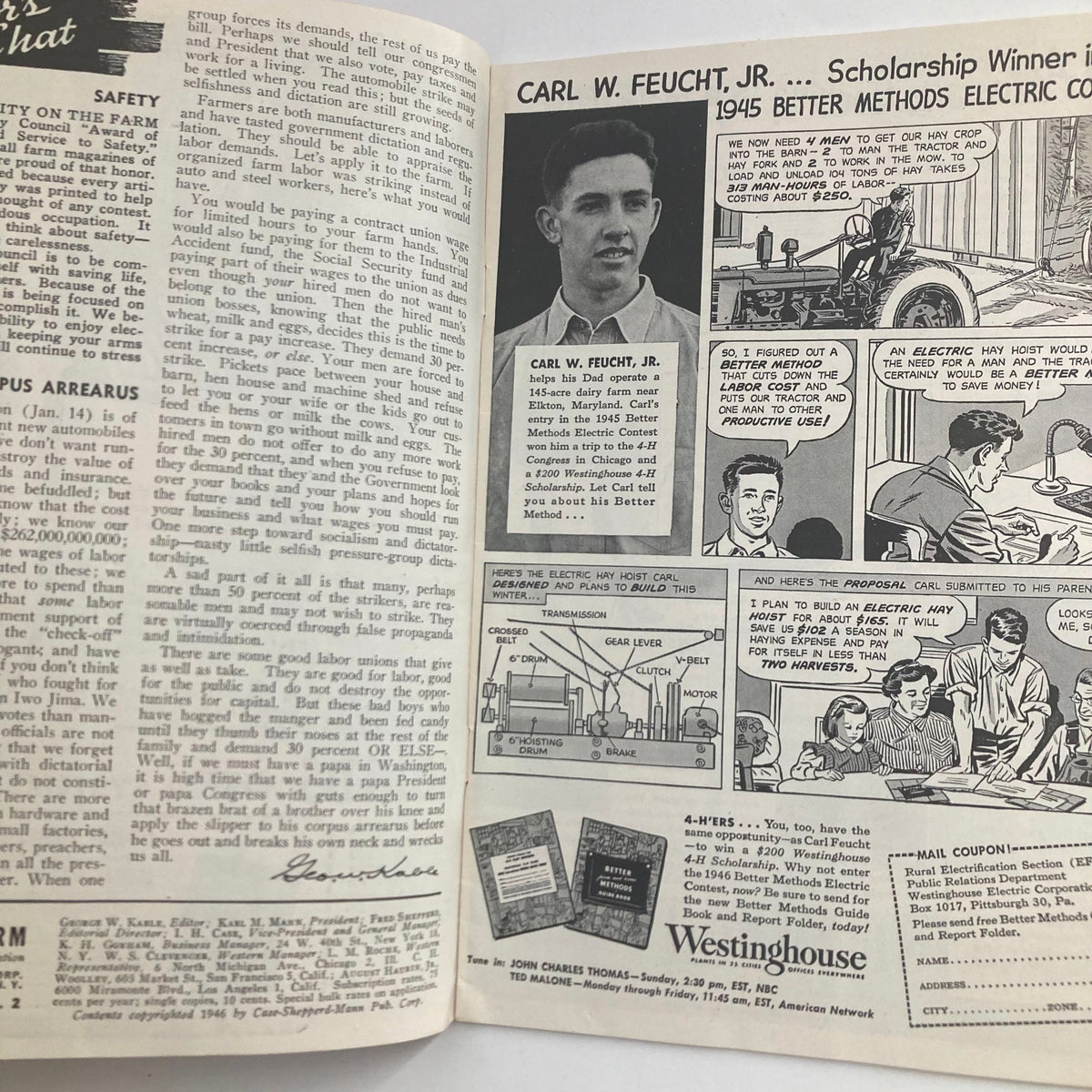
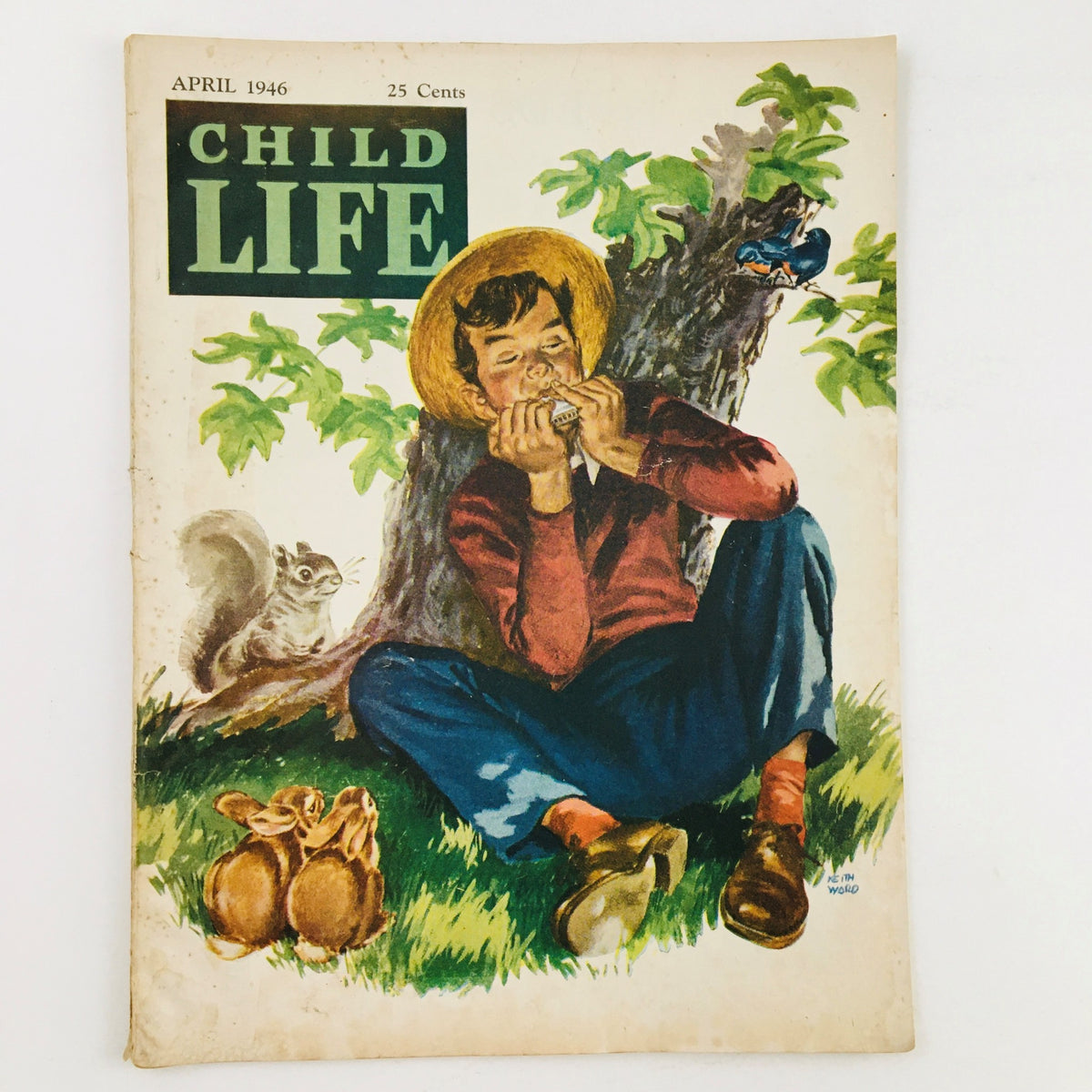
While statesmen debated the future, Americans were rebuilding their lives with remarkable energy. Movie theaters drew record crowds seeking escape and entertainment, their lobbies plastered with advertisements for upcoming releases. The genuine television industry remained embryonic in 1946, but radio dominated living rooms, and magazines chronicled every aspect of this cultural renaissance. Sports fans celebrated peacetime competitions, while fashion magazines documented the transition from wartime utility clothing to more elegant silhouettes as fabric rationing finally ended. Department store advertisements filled the pages of Life, Look, and the Saturday Evening Post, showcasing new appliances and consumer goods that signaled prosperity's return. Original magazines from 1946 preserve this authentic optimism—the cigarette advertisements, the bold typography, the photography style unique to this transformative moment. These rare magazines captured not just the headlines, but the everyday details: what people wore, purchased, and aspired to own as America shifted from wartime sacrifice to peacetime abundance.
Curator's Checklist: What to Look For
-
ENIAC and Computing's Birth: Vintage magazines like Popular Mechanics and Time featuring early coverage of electronic computing, often illustrated with photographs of ENIAC's massive vacuum tubes and the scientists who built this room-sized calculating machine
-
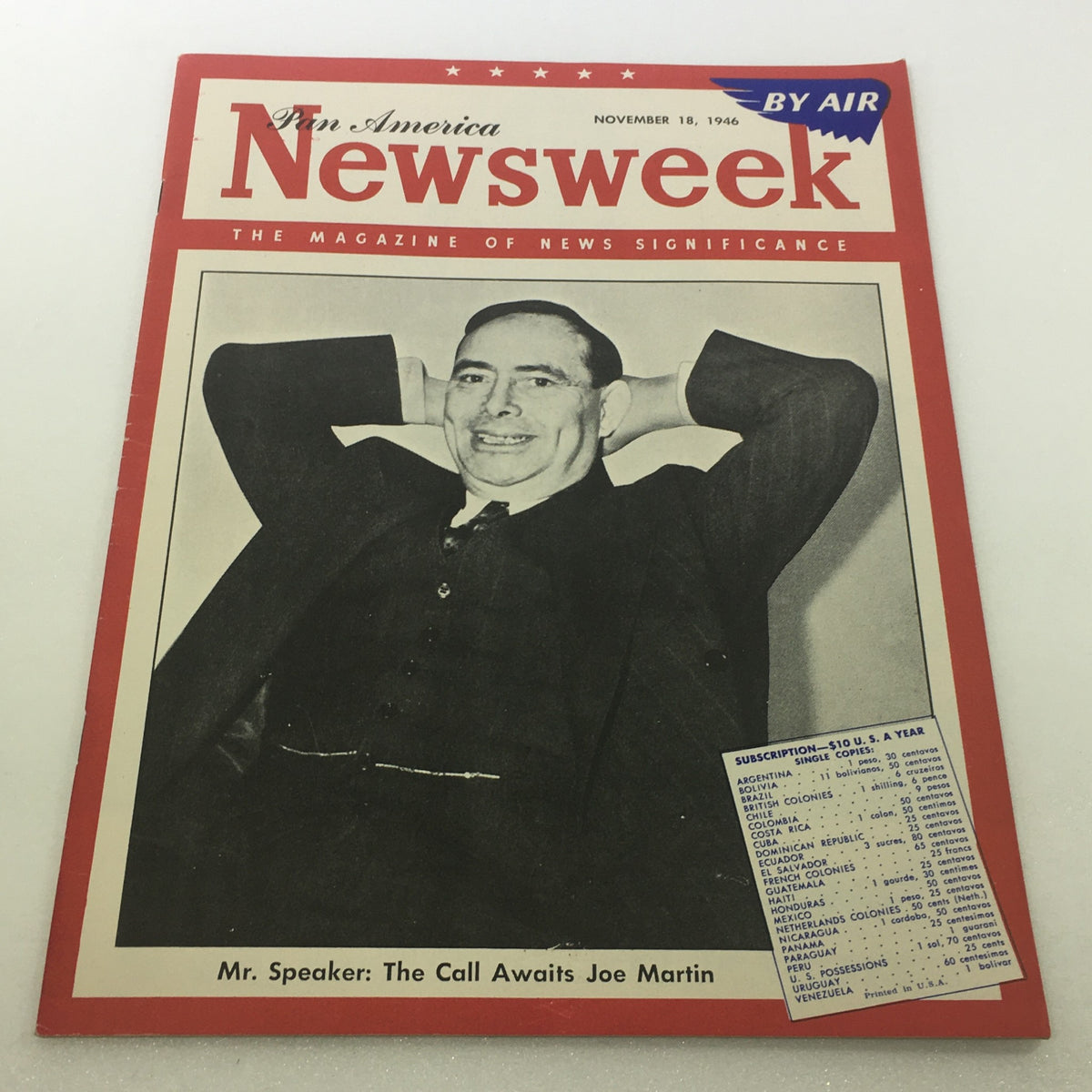
The Iron Curtain Speech: News magazines including Newsweek and Life chronicling Churchill's historic address, showcasing photojournalism of the former Prime Minister in Missouri and maps depicting Europe's new ideological divide
-
Nuremberg Trials Verdicts: Preserved in Time, Life, and Look, featuring courtroom photography, portraits of convicted Nazi leaders, and editorial analysis of this unprecedented international tribunal
-
Baby Boom Beginnings: Women's magazines and general interest periodicals documenting the surge in births, maternity fashion, and nursery advertisements that marked this demographic explosion
-
Post-War Consumer Culture: Authentic advertisements throughout all magazine types showcasing returning prosperity—automobiles, household appliances, fashion—preserved exactly as they appeared on newsstands
The Perfect Gift
For someone born in 1946, an original magazine from this watershed year isn't just a reproduction—it's an authenticated window into the precise moment when peace returned, computers emerged, and the modern world took its first tentative shape, preserved in genuine advertisements, headlines, and photography.