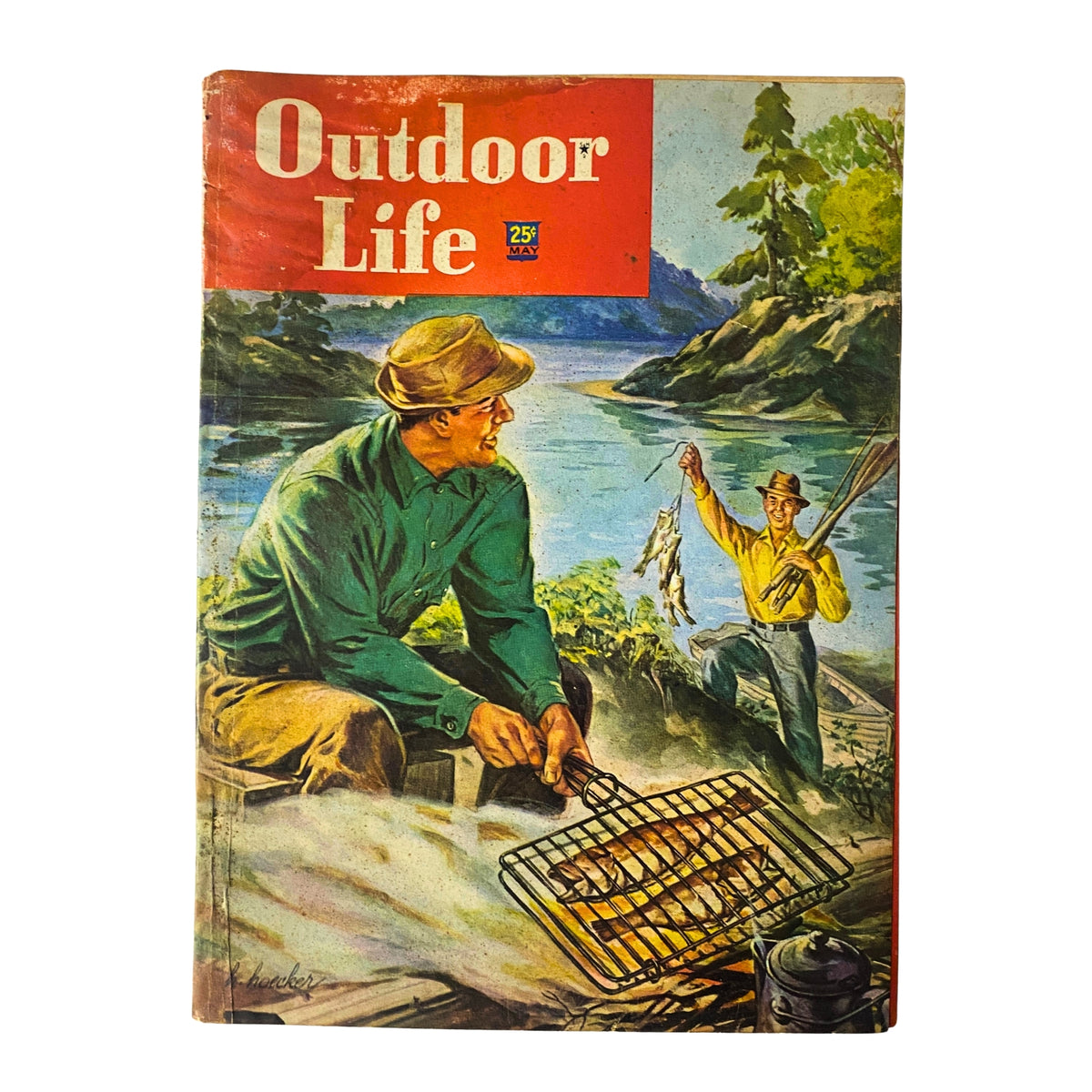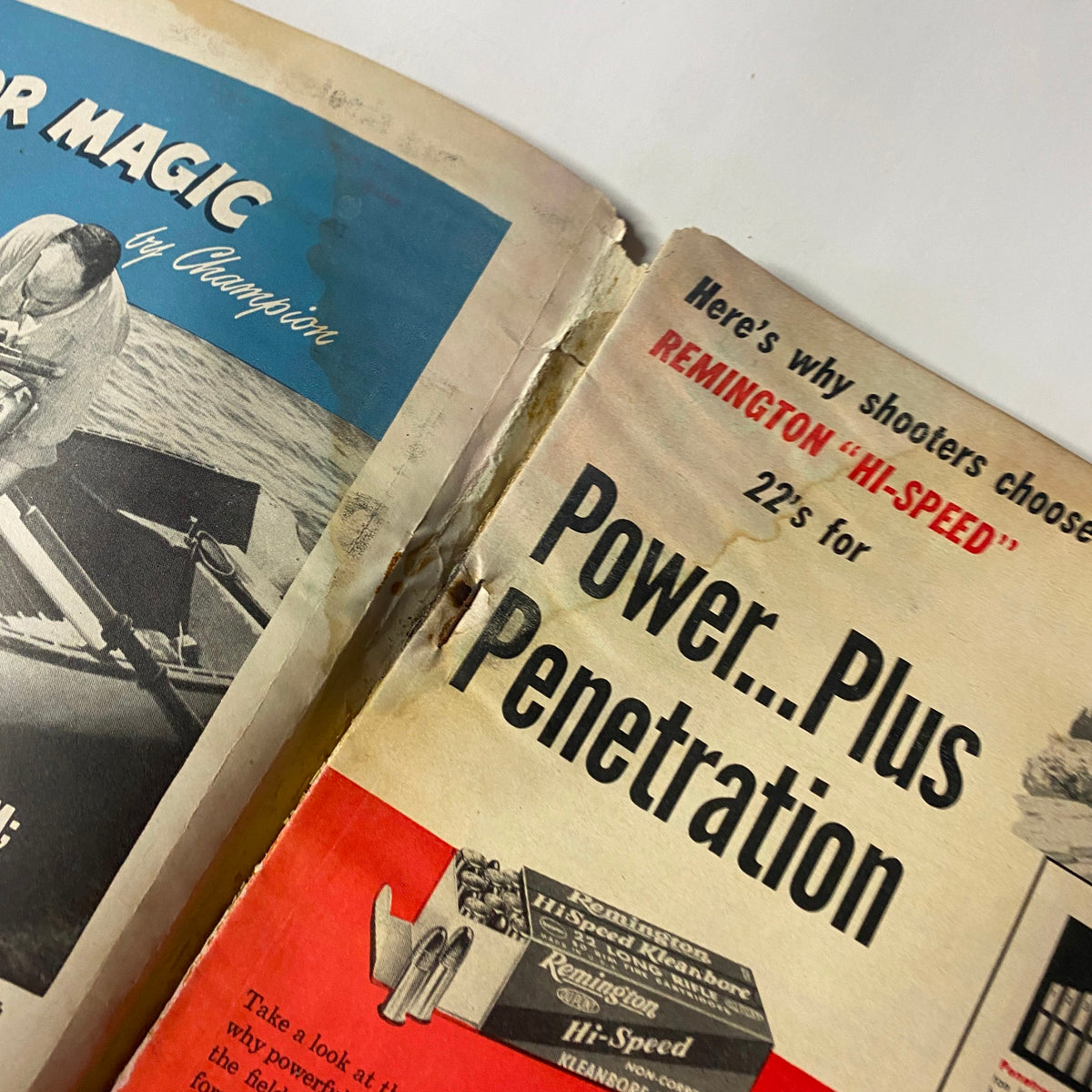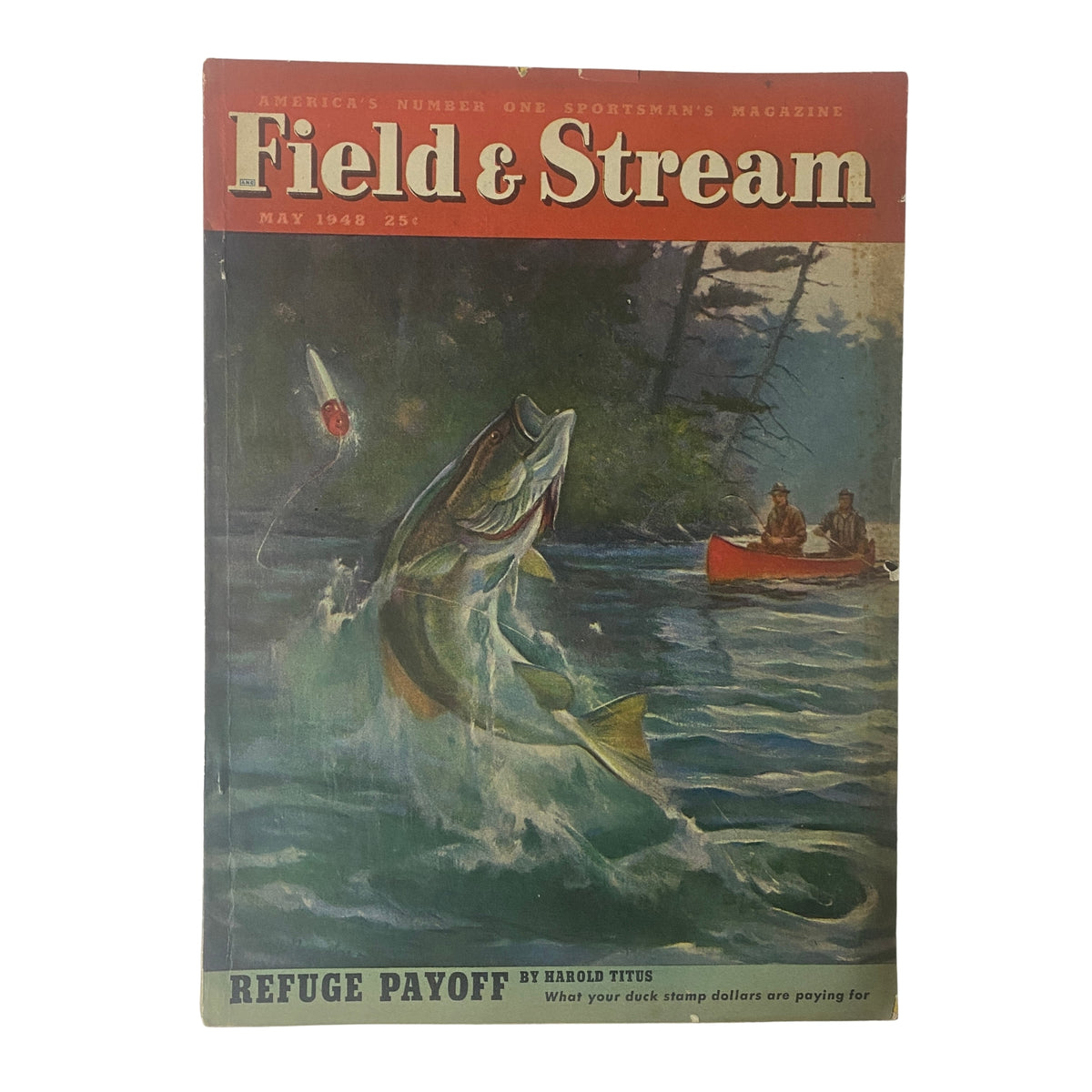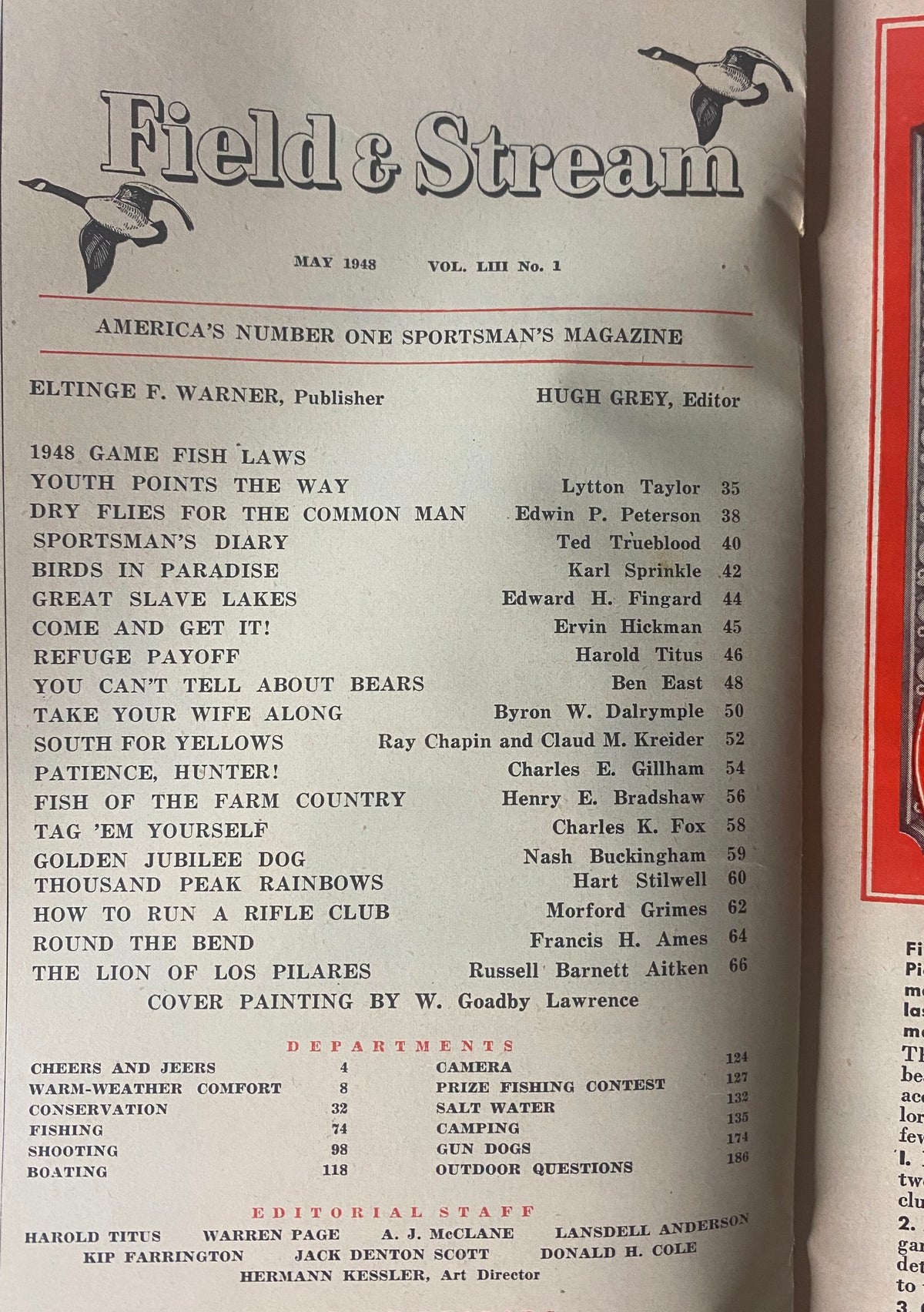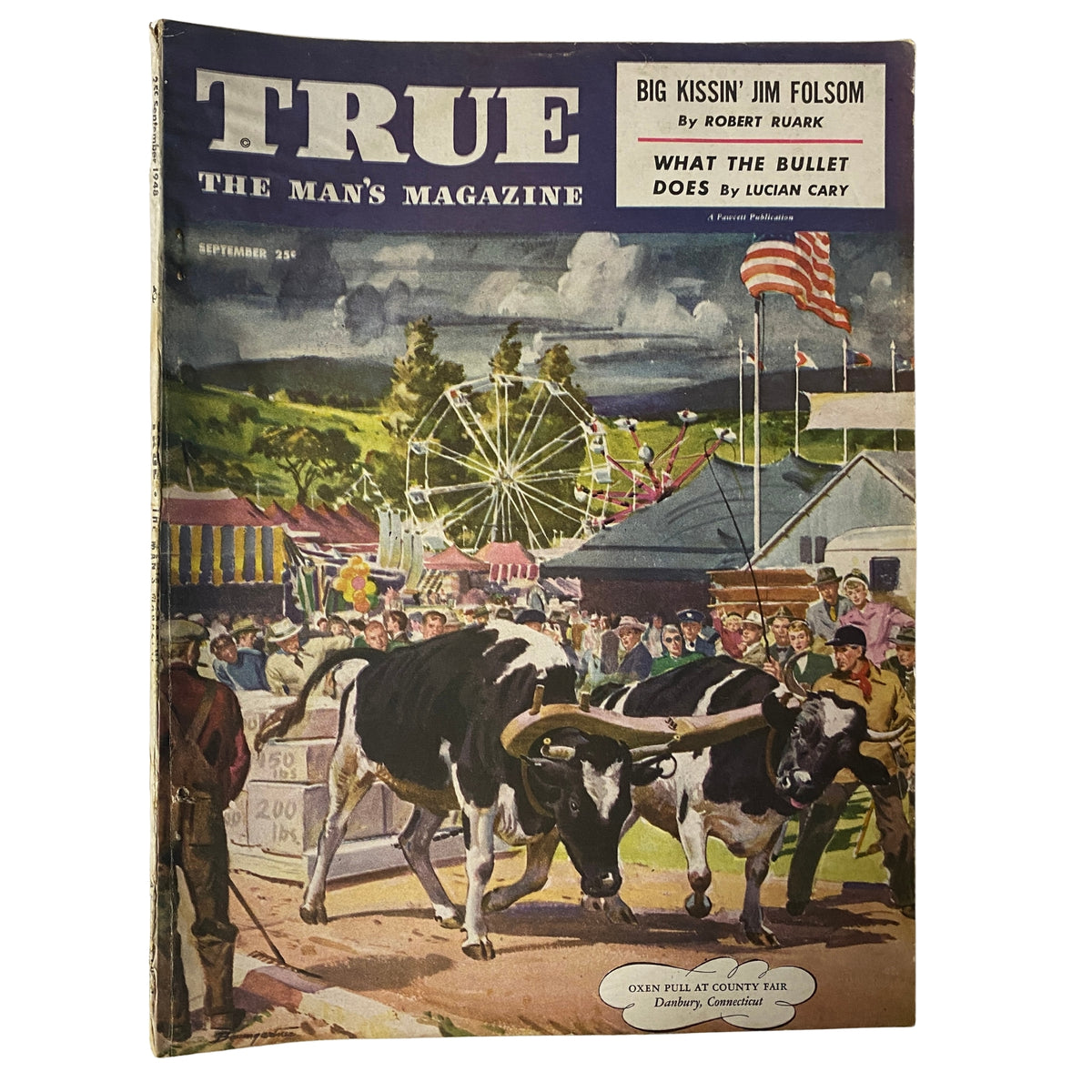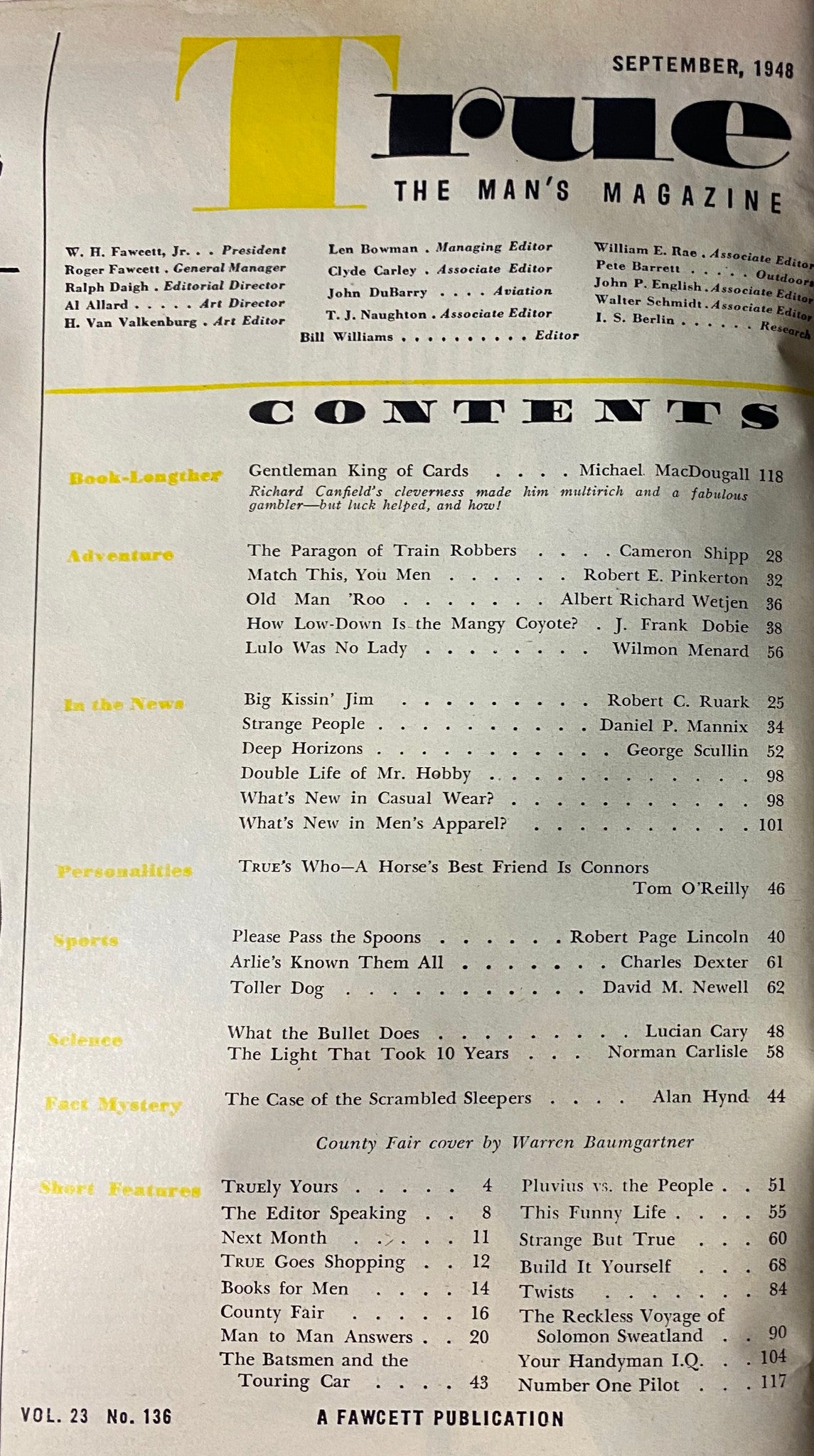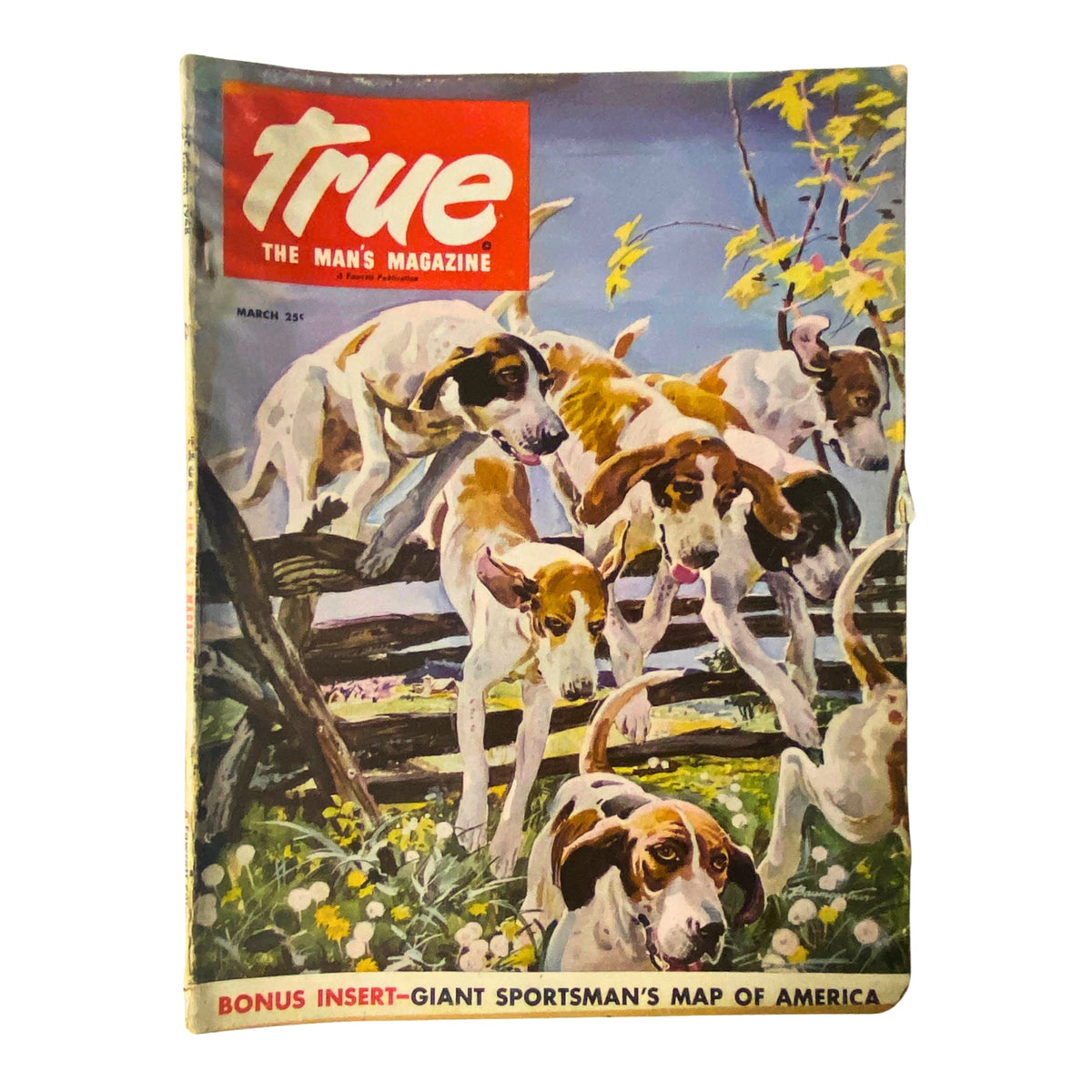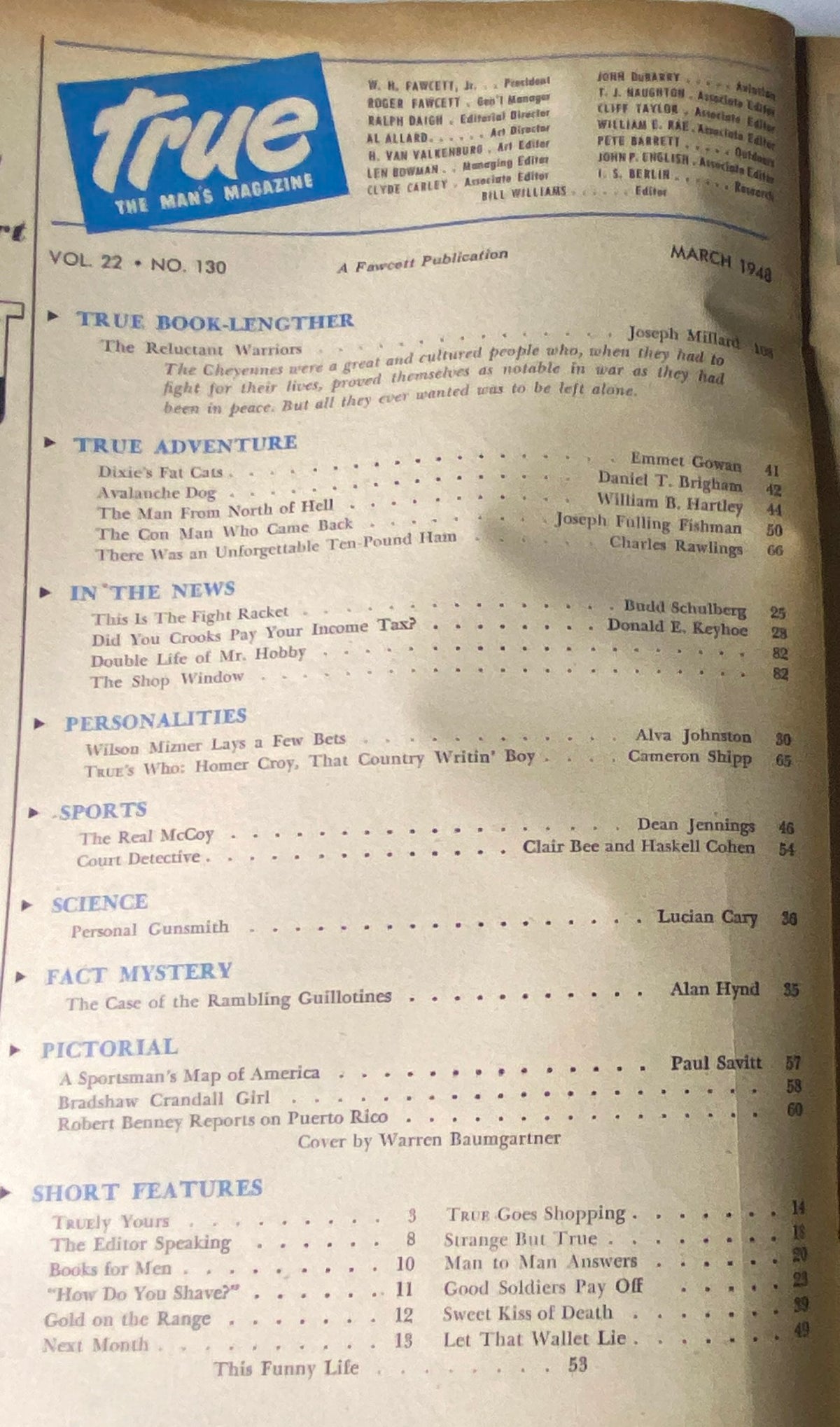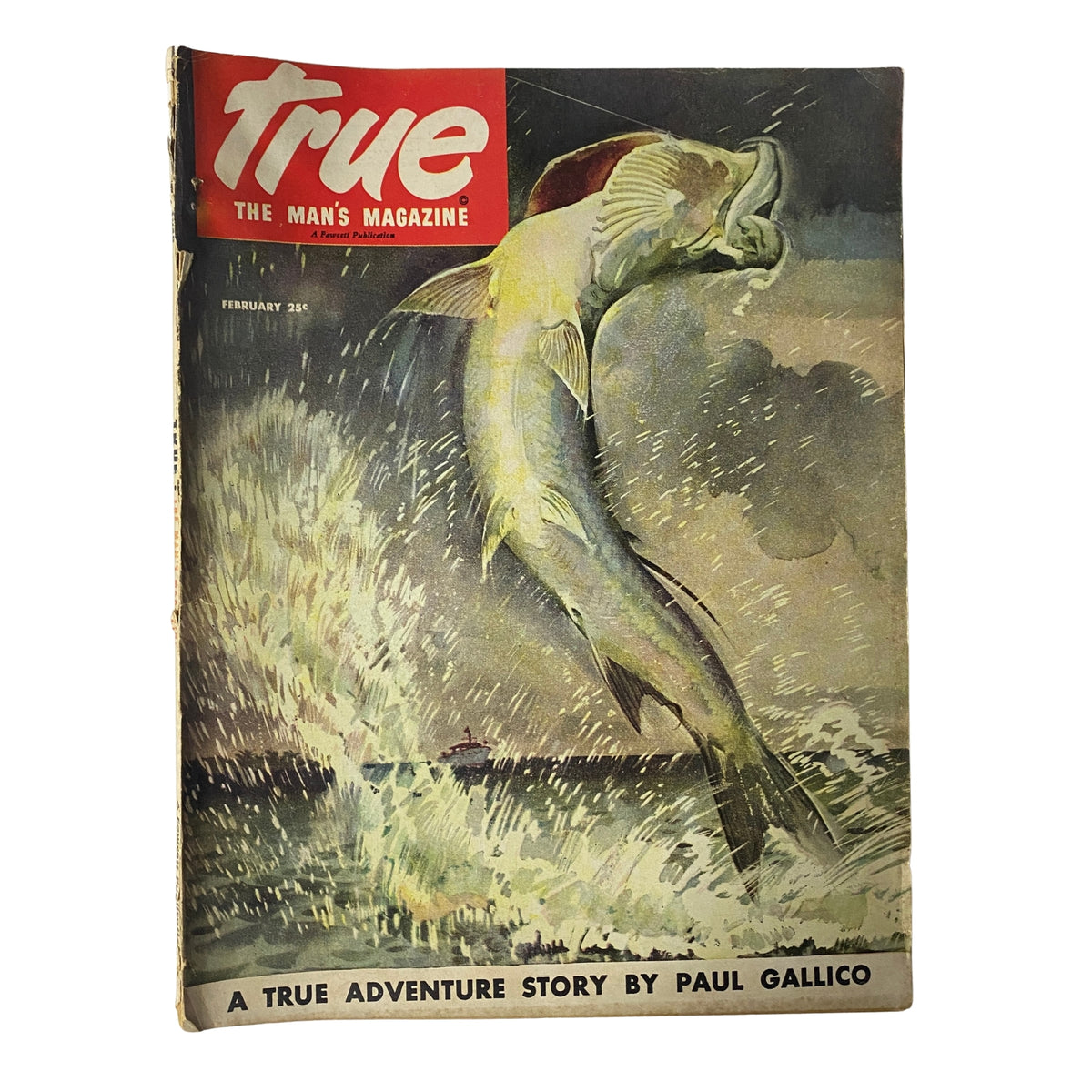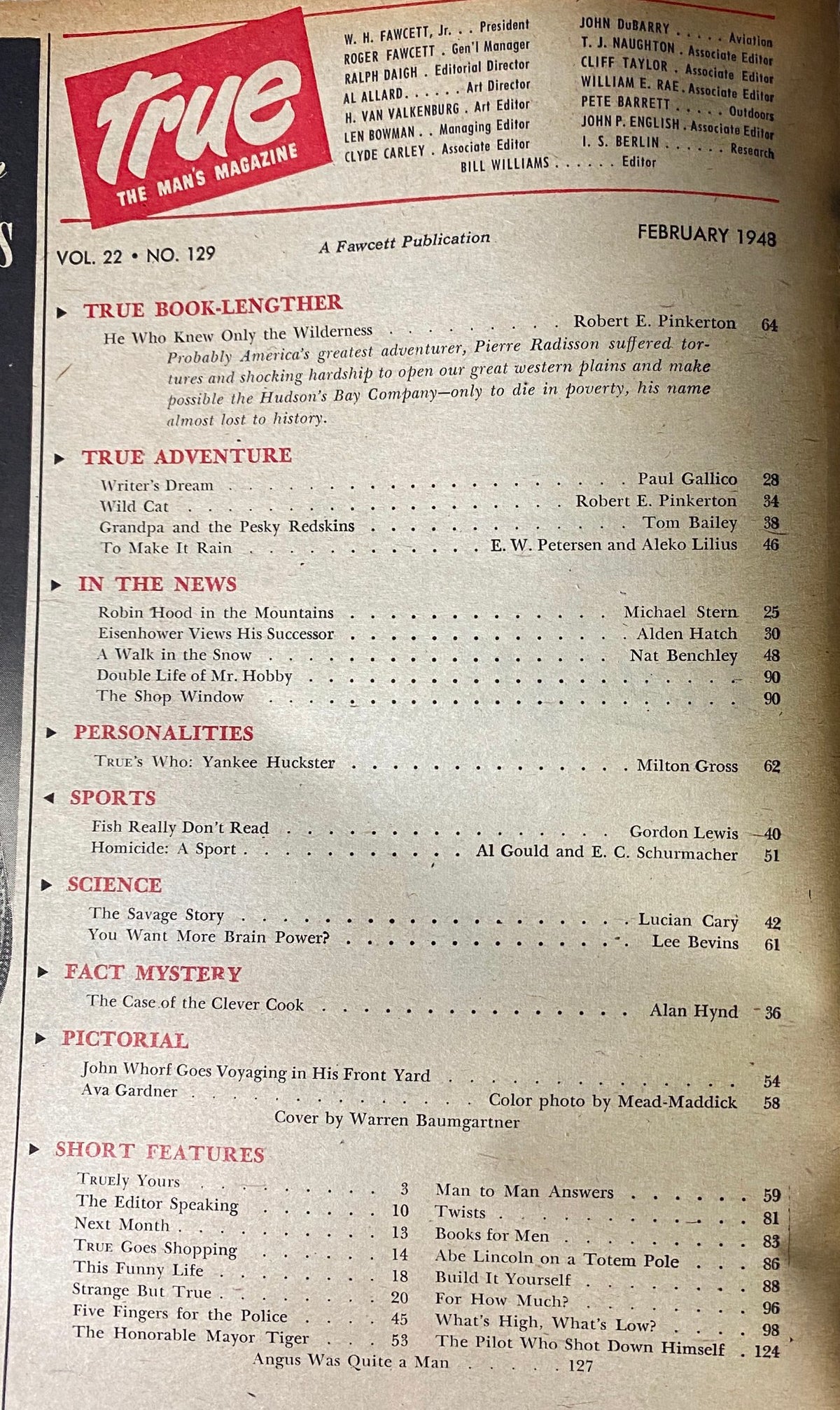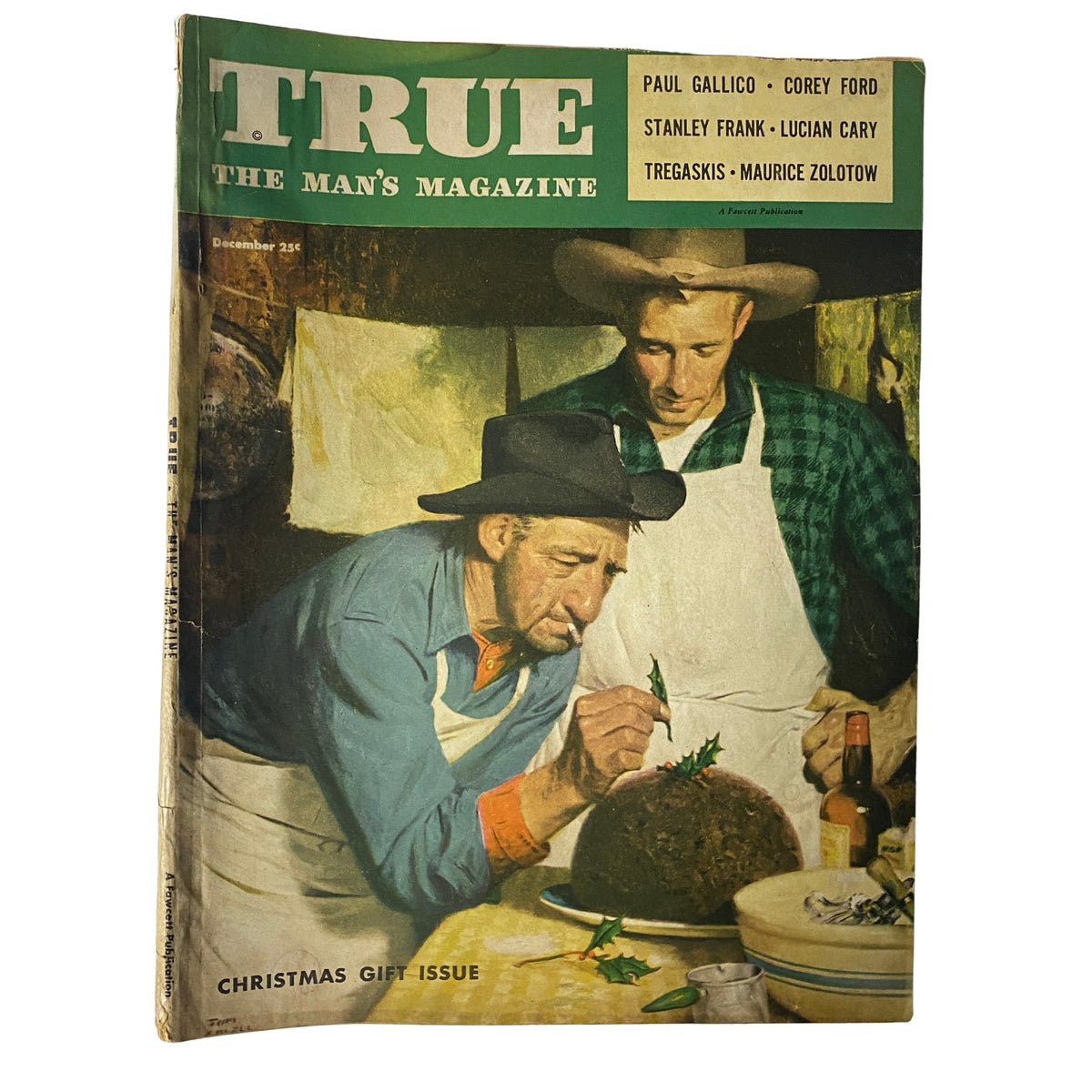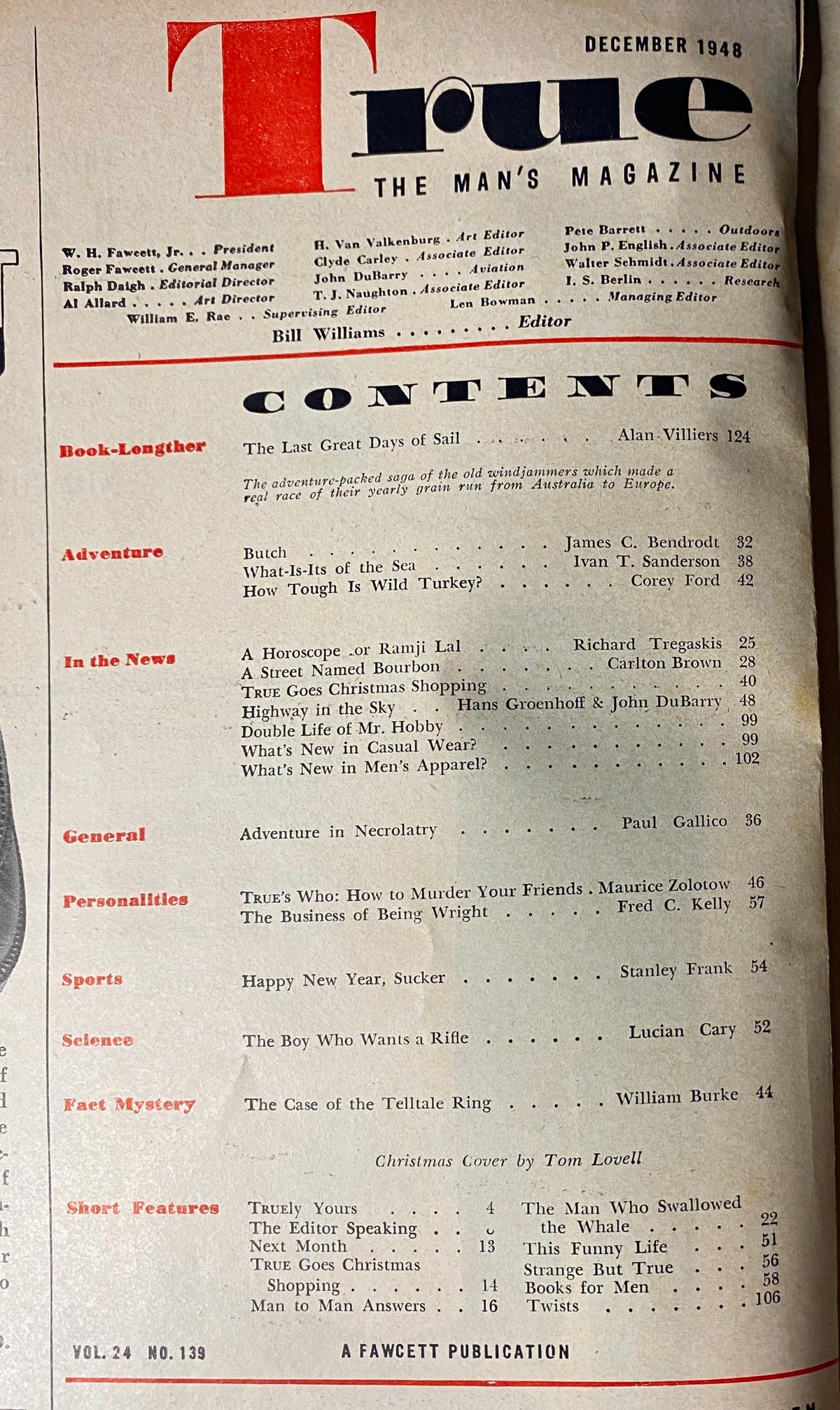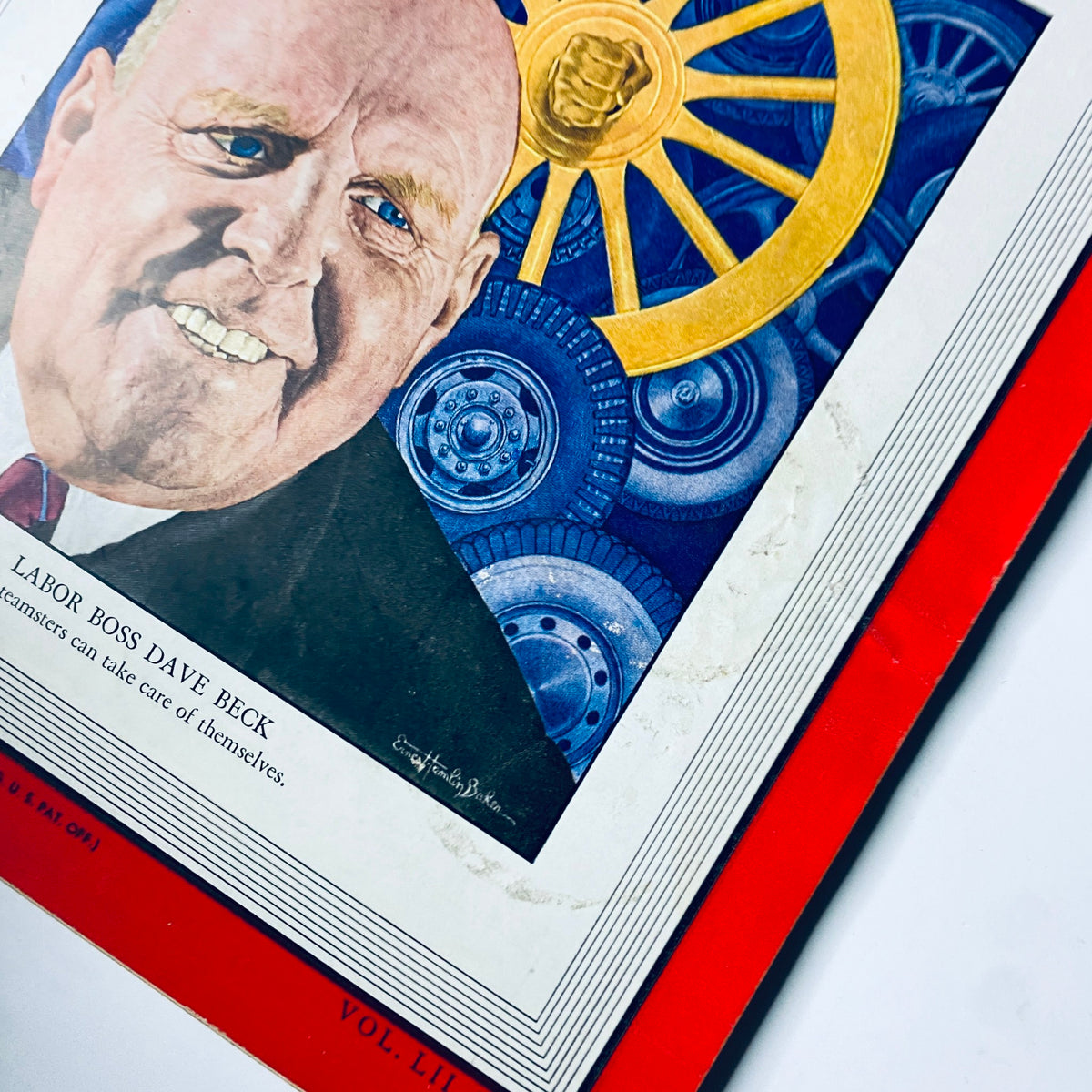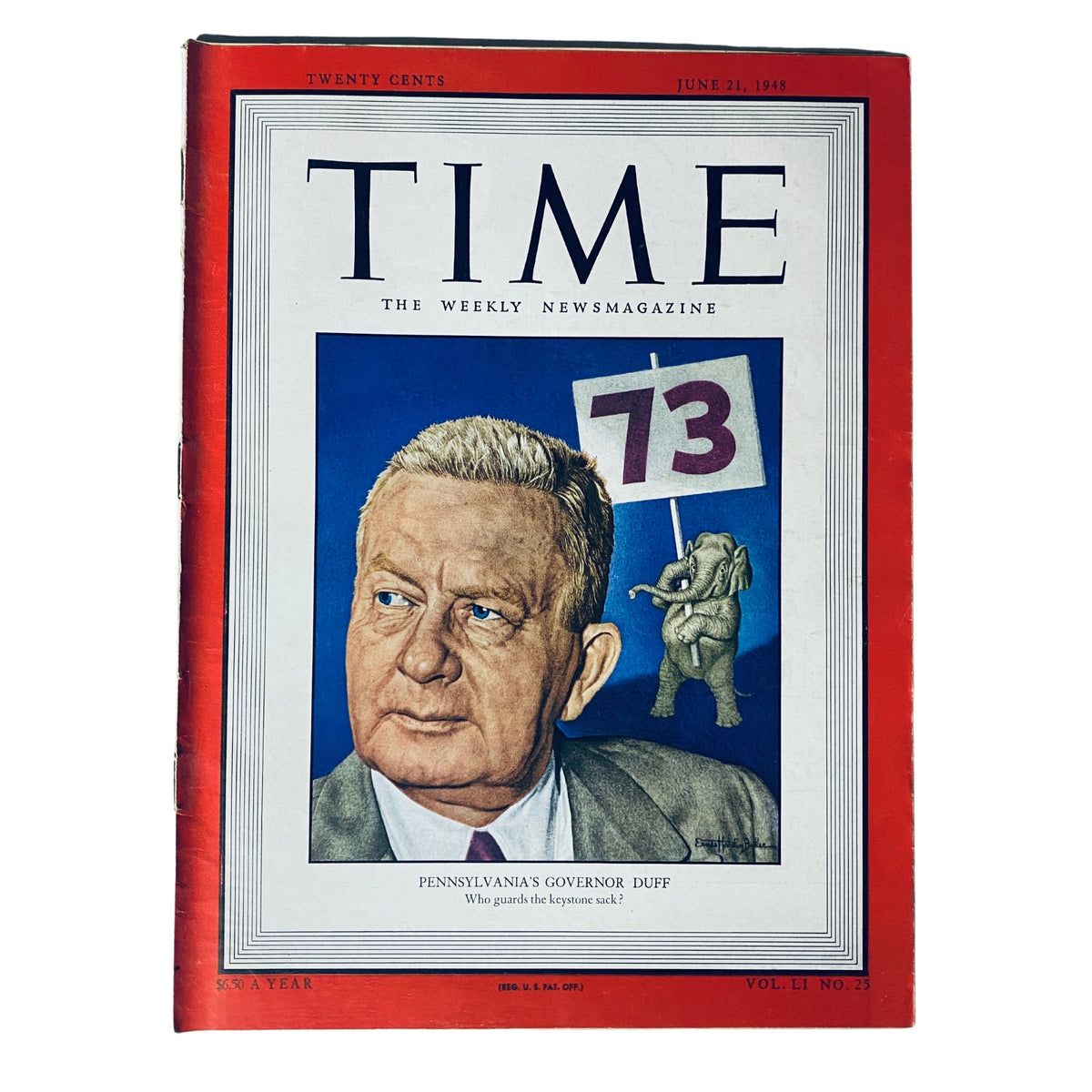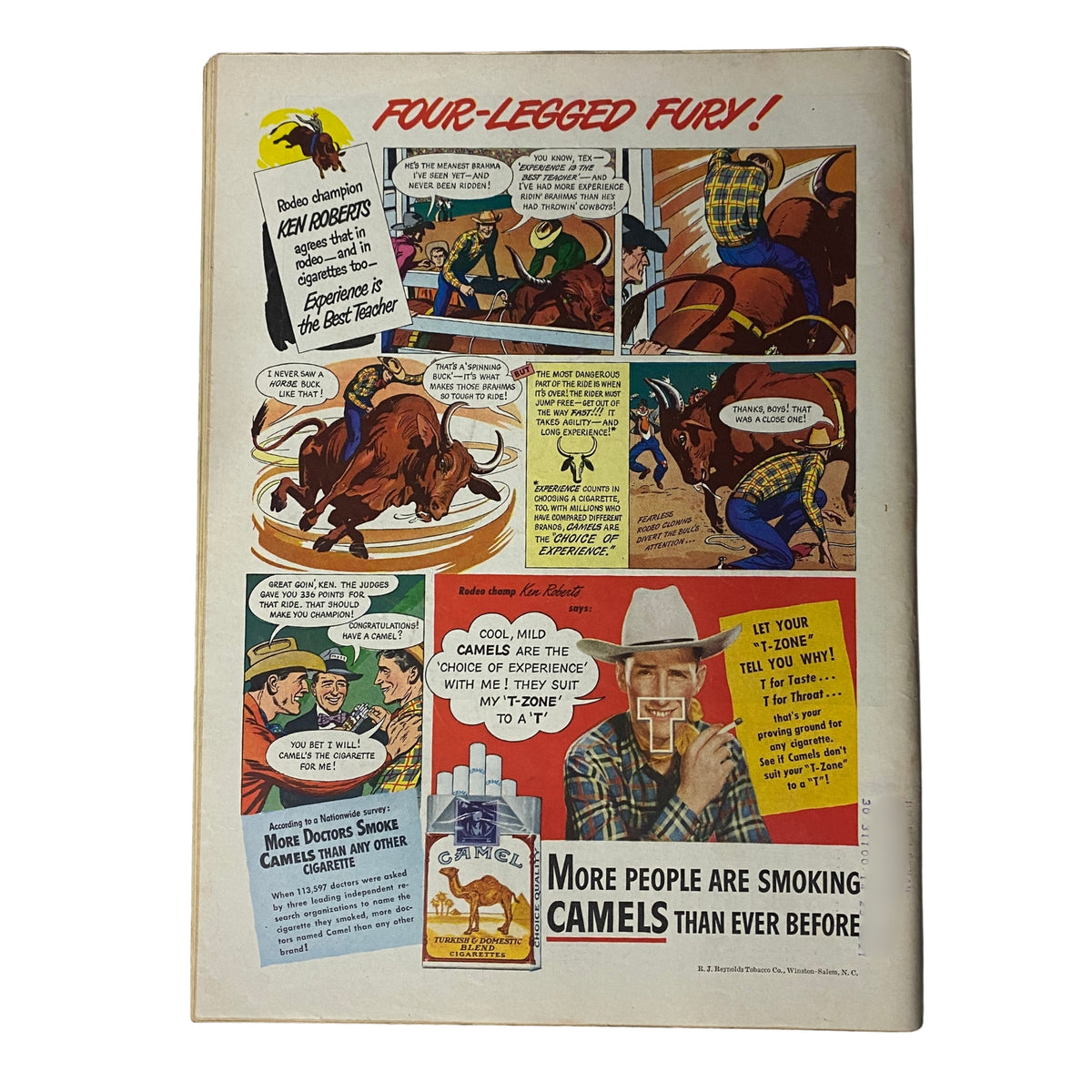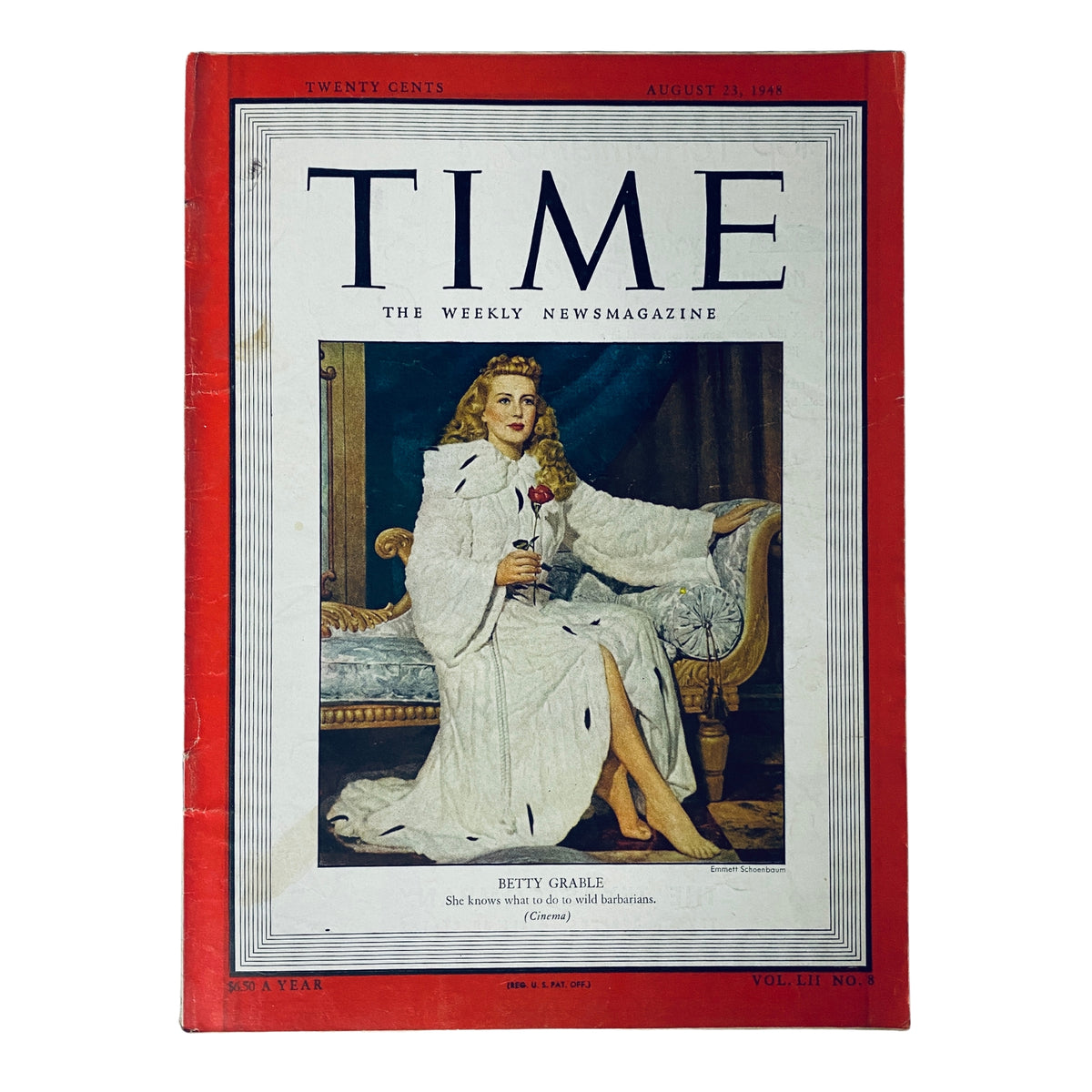
📖 About this Collection
1948: The Year the Cold War Began
Historical Context
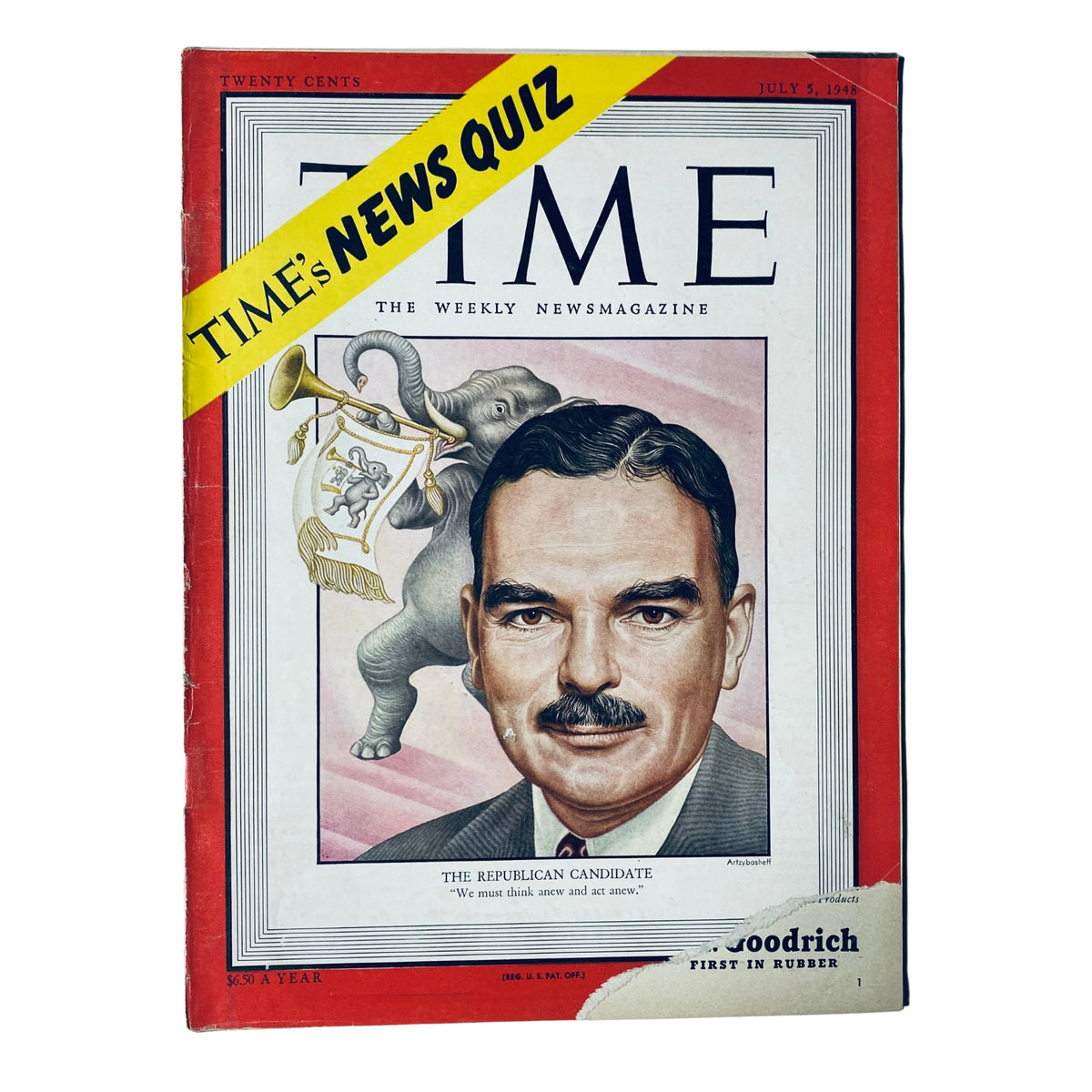
The world split into two armed camps in 1948, as the iron curtain descended with terrifying finality. On June 24, the Soviet Union blockaded West Berlin, cutting off all ground access to the city and leaving over two million citizens on the brink of starvation. America's response—a massive airlift operation that would supply food and fuel by air for nearly a year—transformed General Lucius D. Clay into the symbol of Western resolve. President Truman had already committed billions to the fight that spring, signing the Marshall Plan on April 3 to pour over $12 billion into rebuilding war-shattered Western Europe. Secretary of State George C. Marshall's economic strategy aimed to prevent the spread of communism through prosperity rather than military might. Against this backdrop of global tension, Americans went to the polls in November and delivered the upset of the century—Harry S. Truman's stunning defeat of Thomas Dewey, immortalized when the president triumphantly held aloft the Chicago Tribune's premature "Dewey Defeats Truman" headline. This was the world your loved one entered in 1948: a planet reorganizing itself into hostile spheres of influence, where democracy and communism faced off in a struggle that would define the next forty years.
Pop Culture & Lifestyle
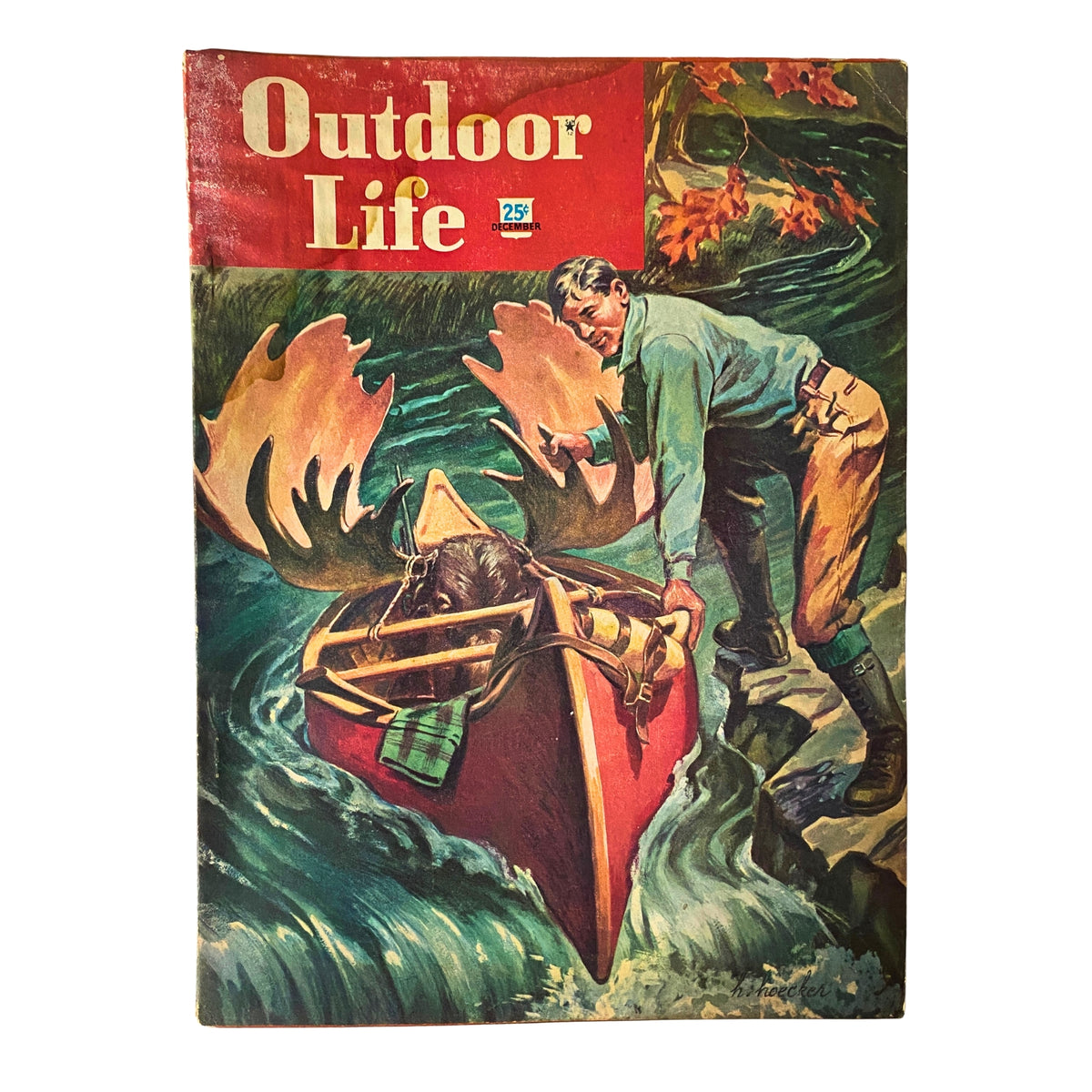
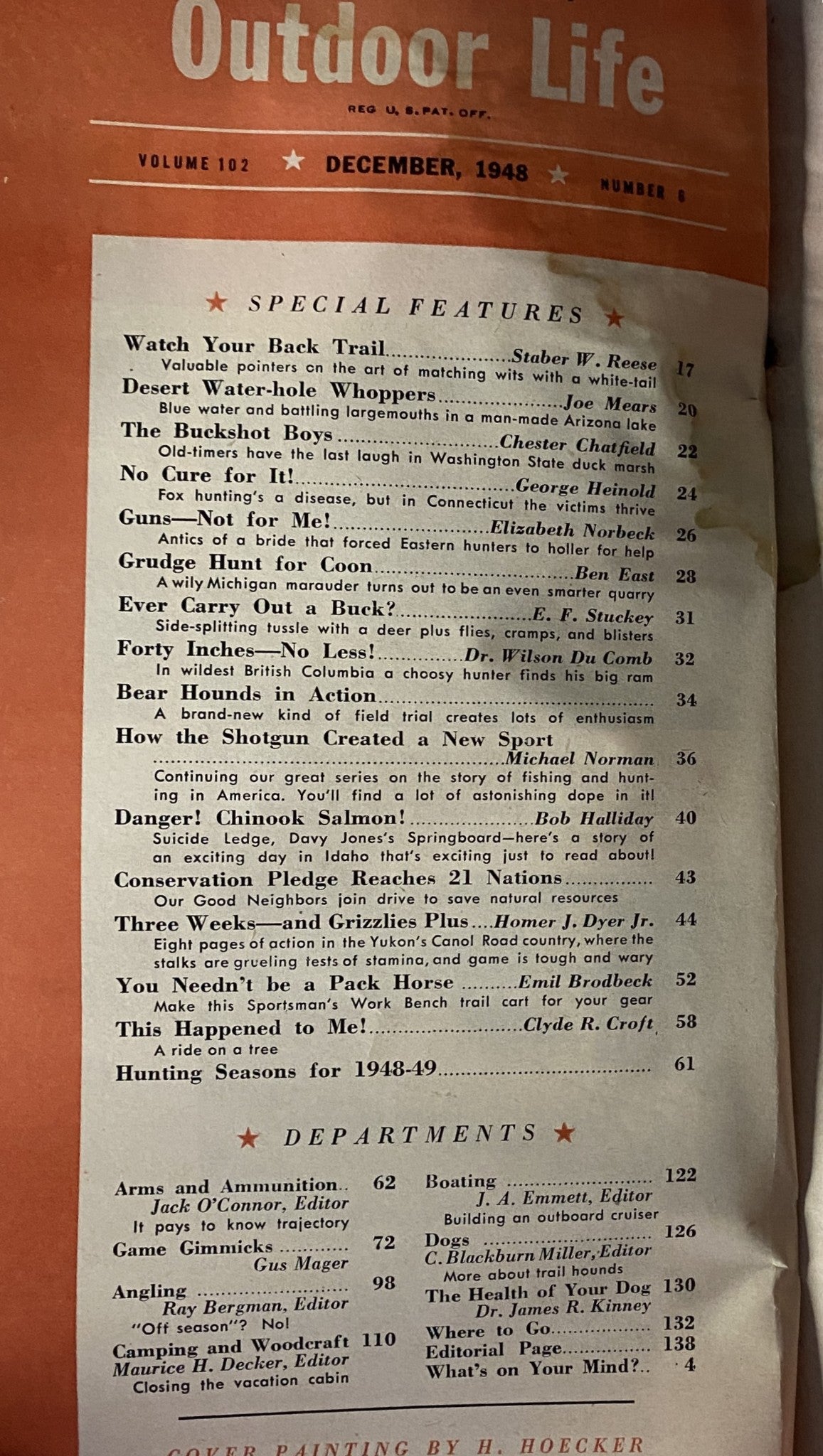
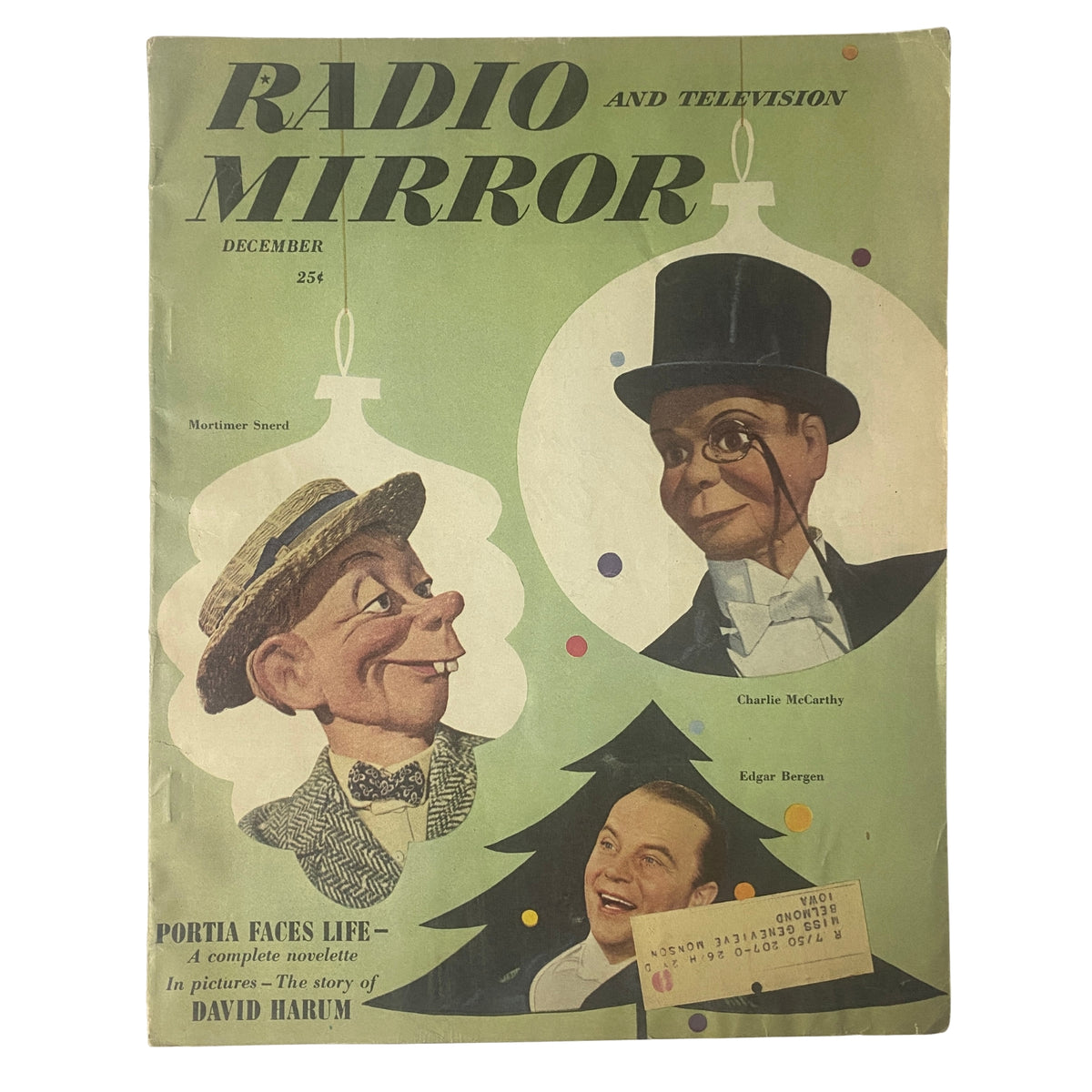
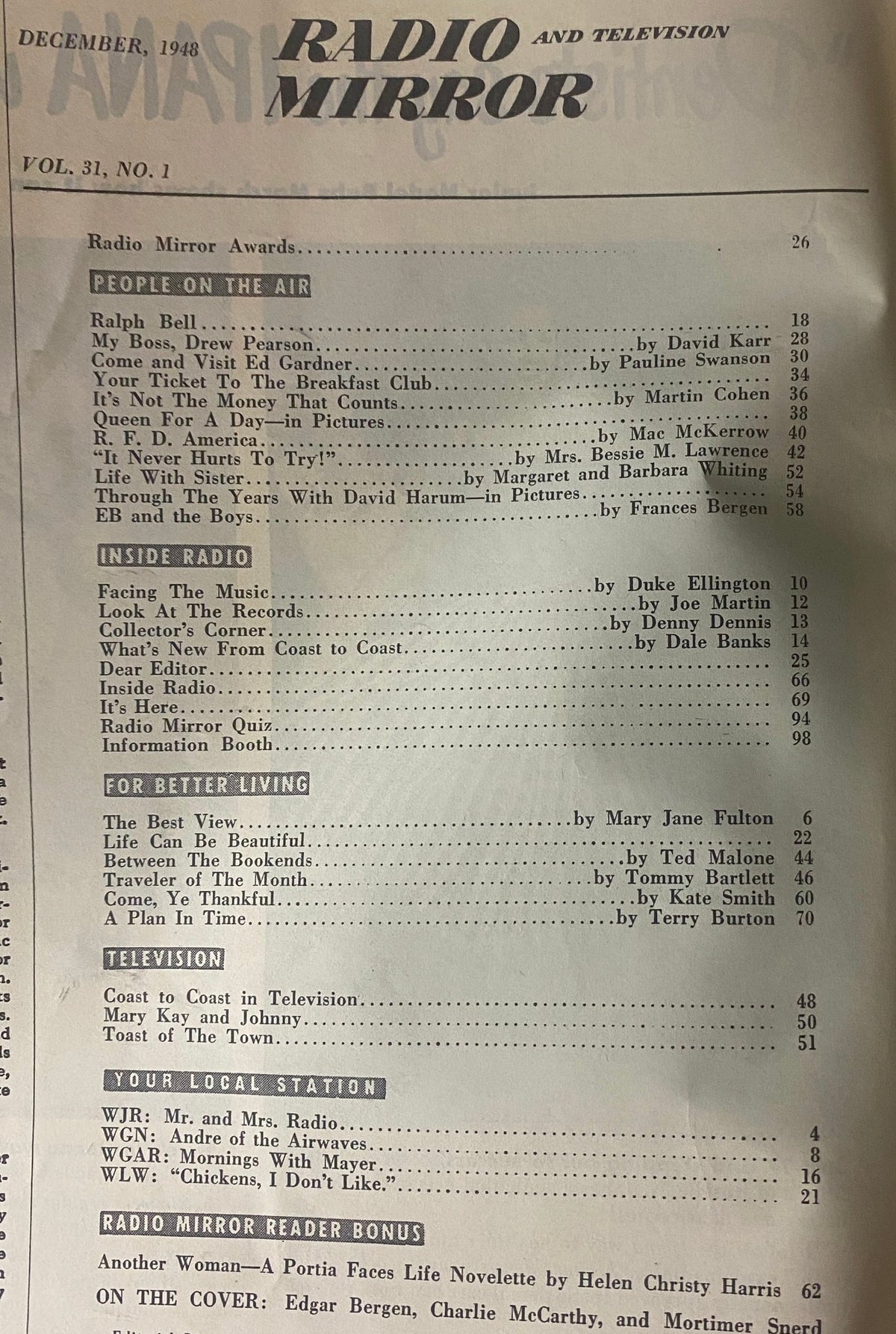
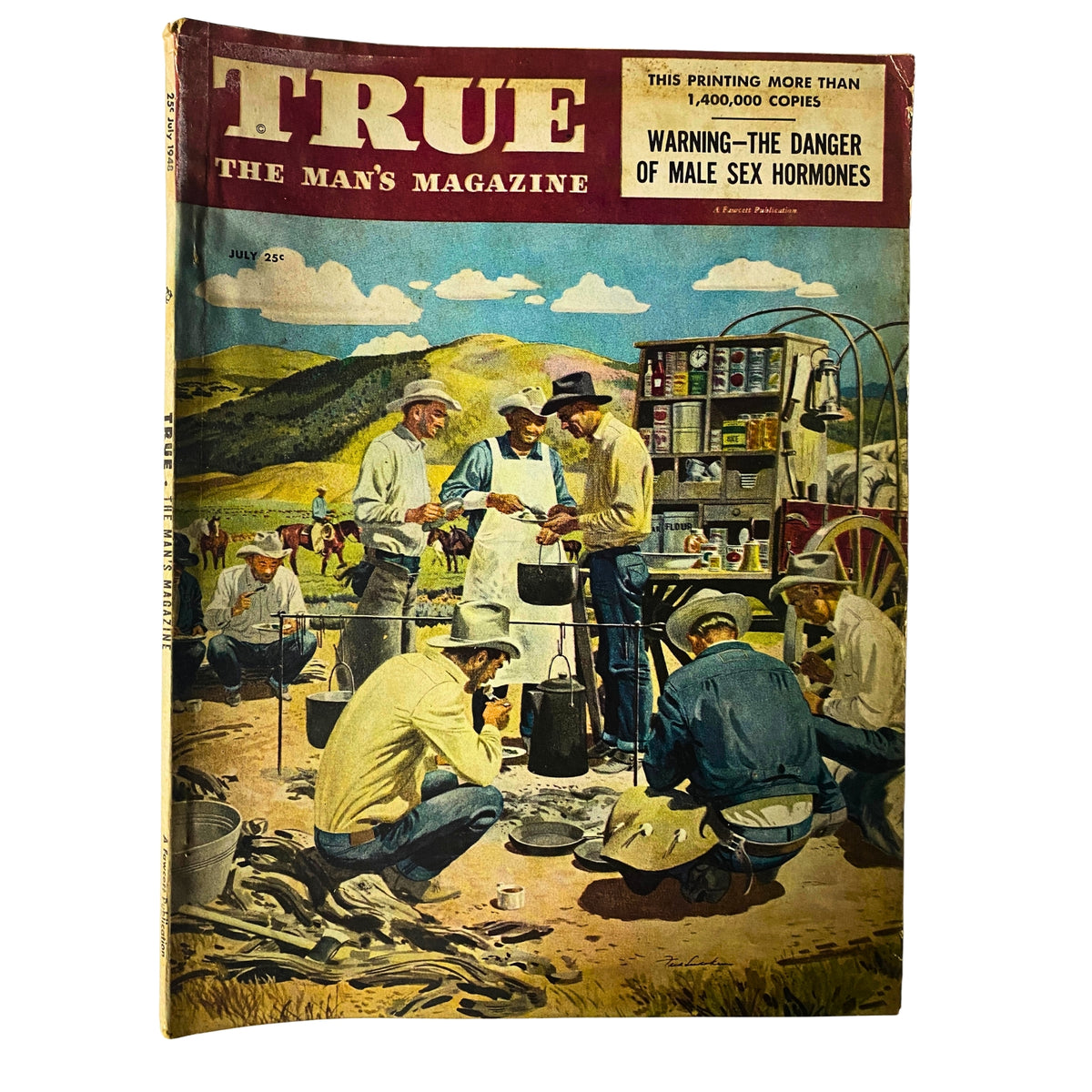
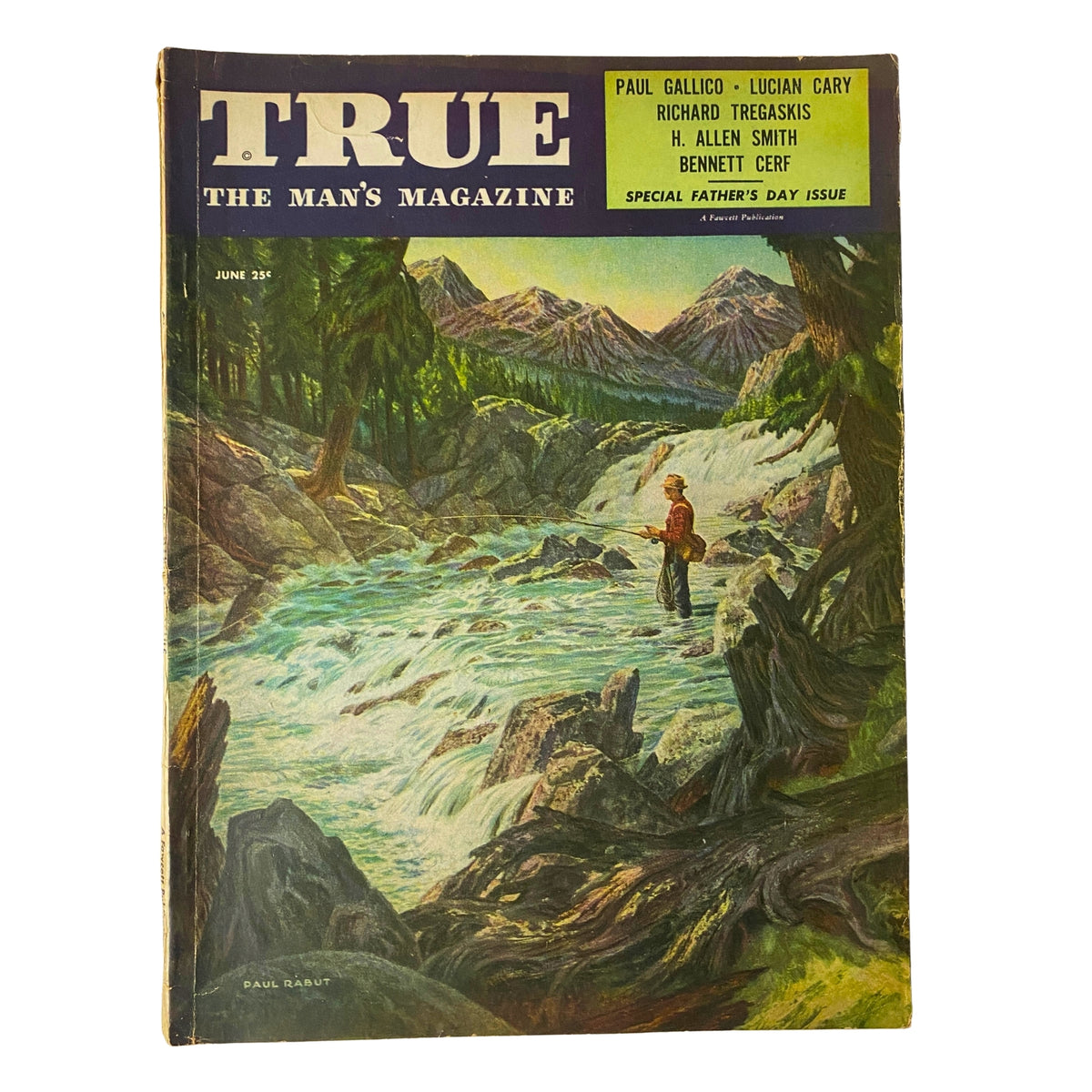
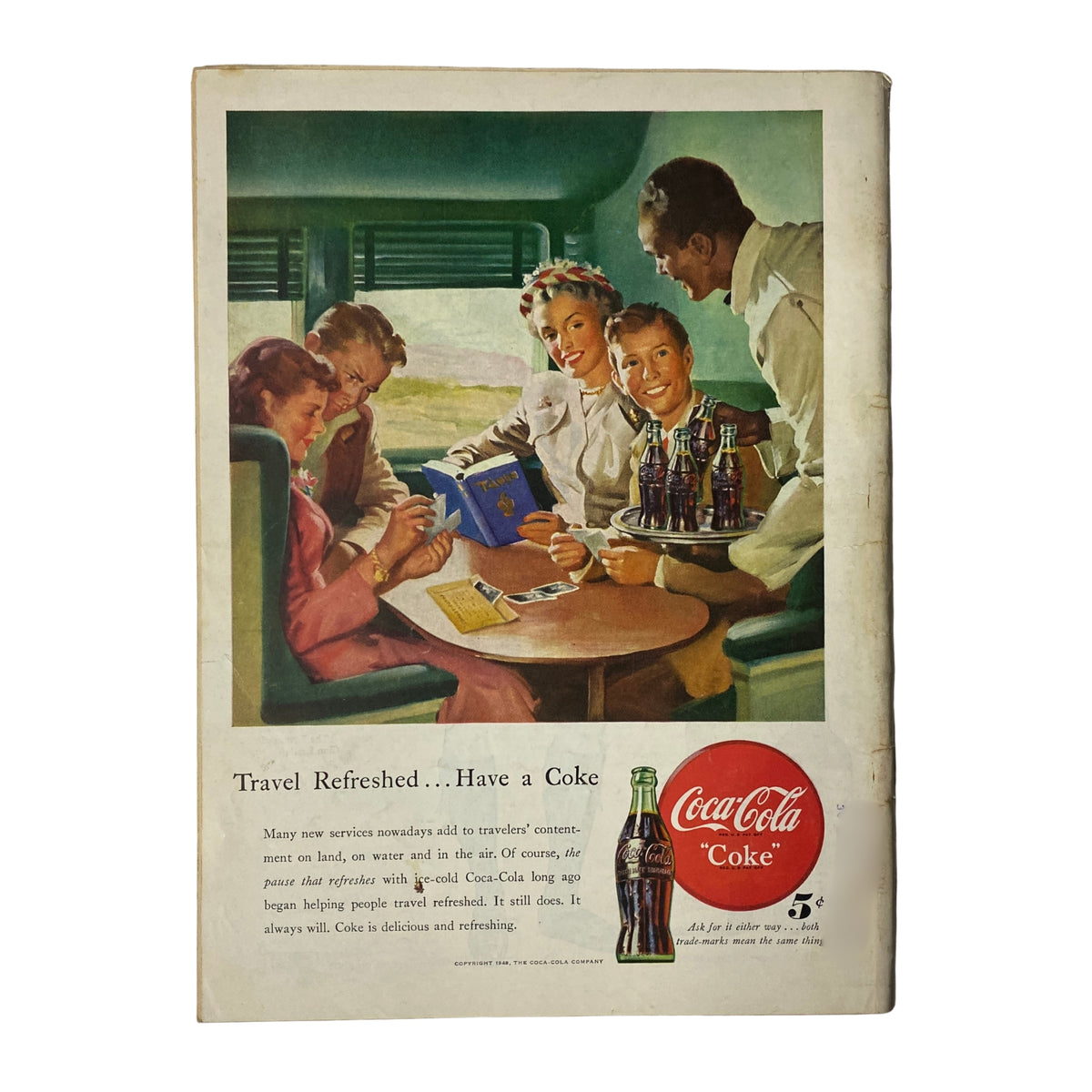
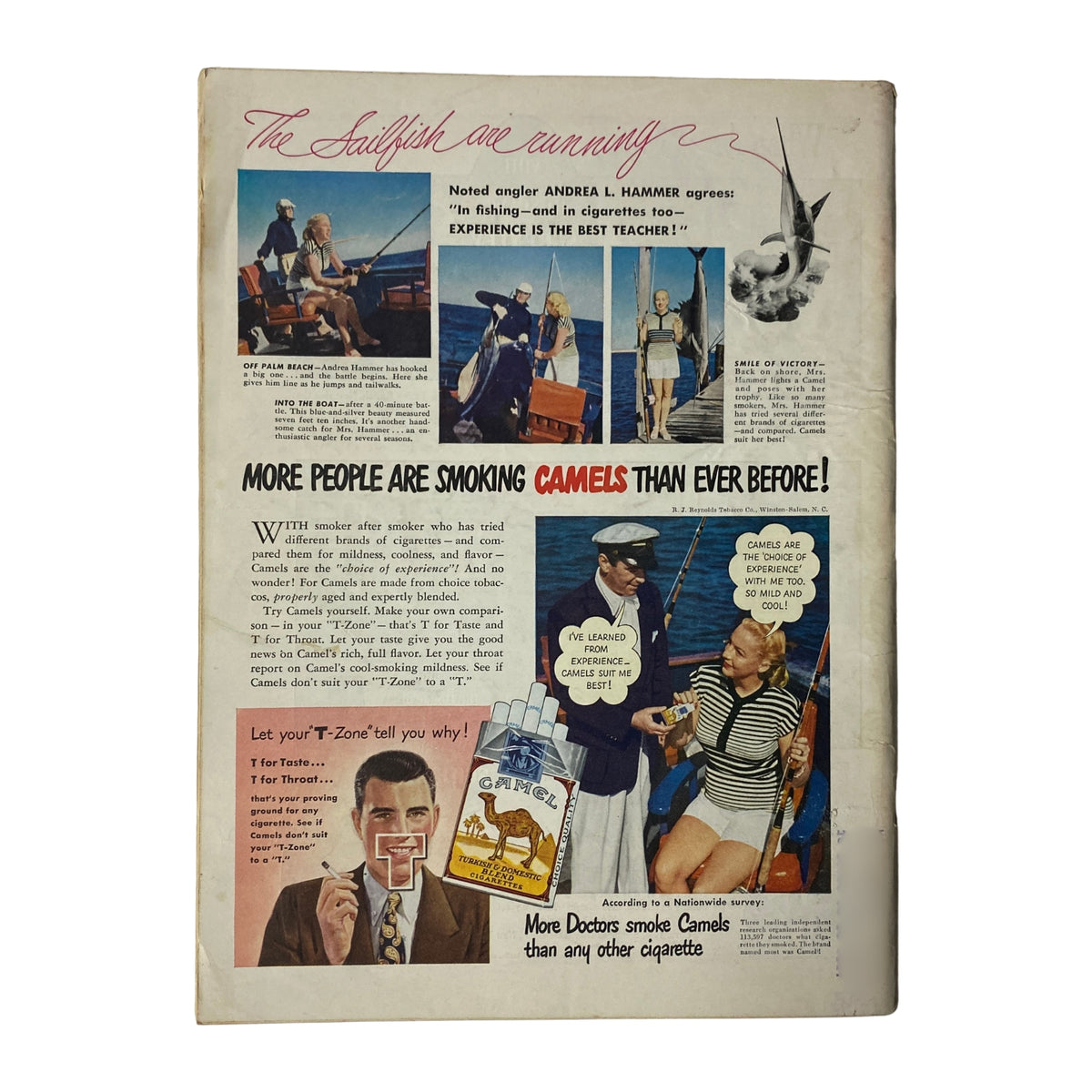
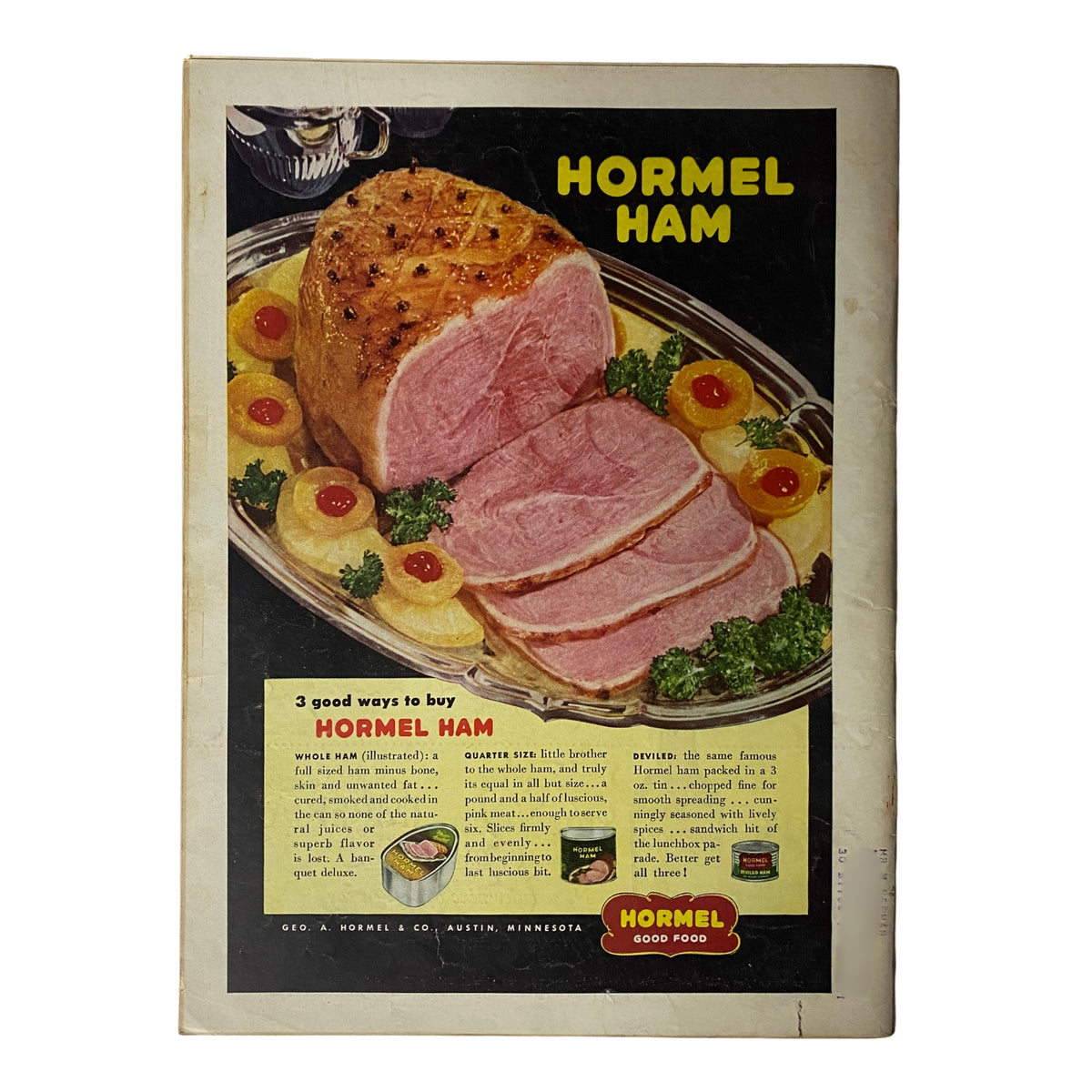
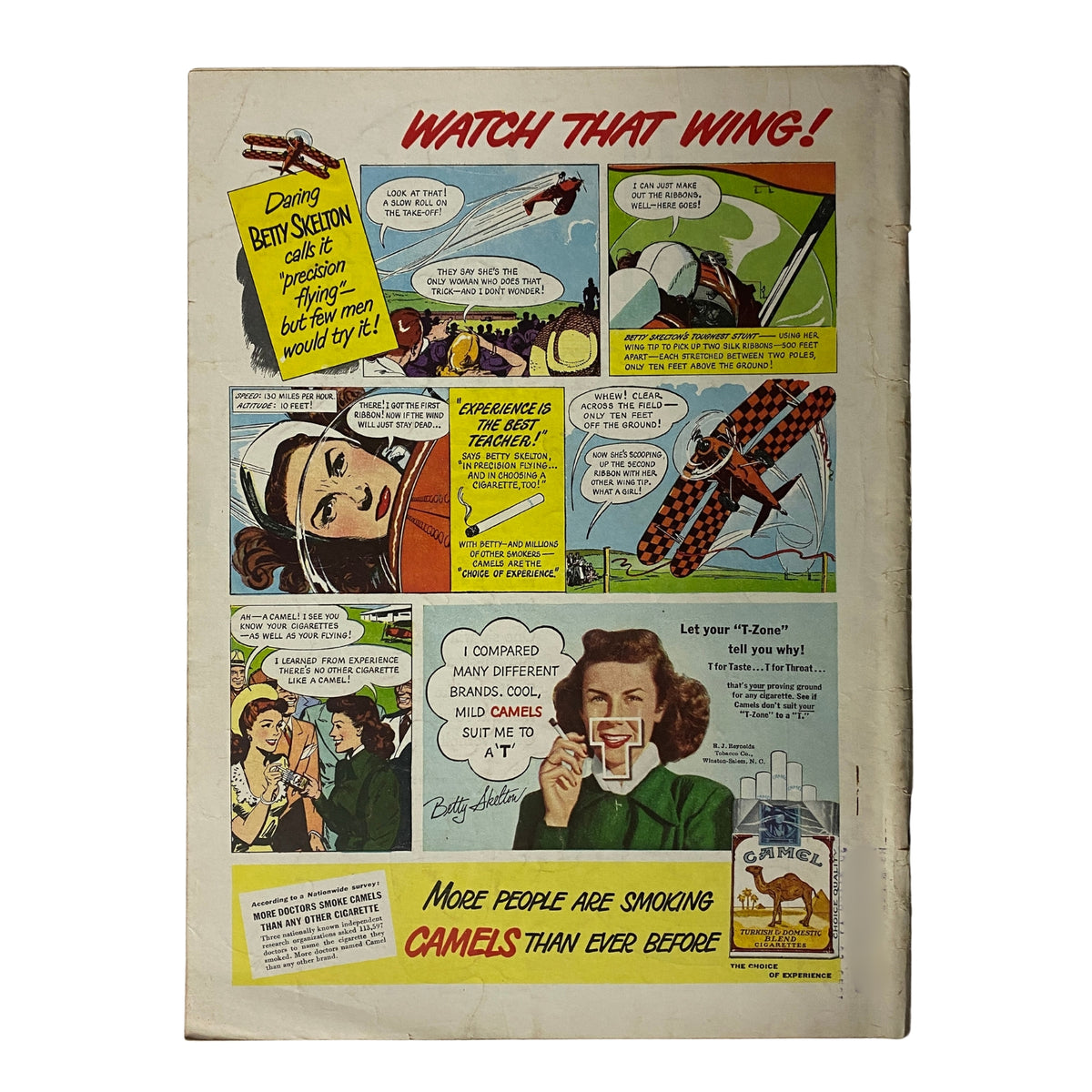
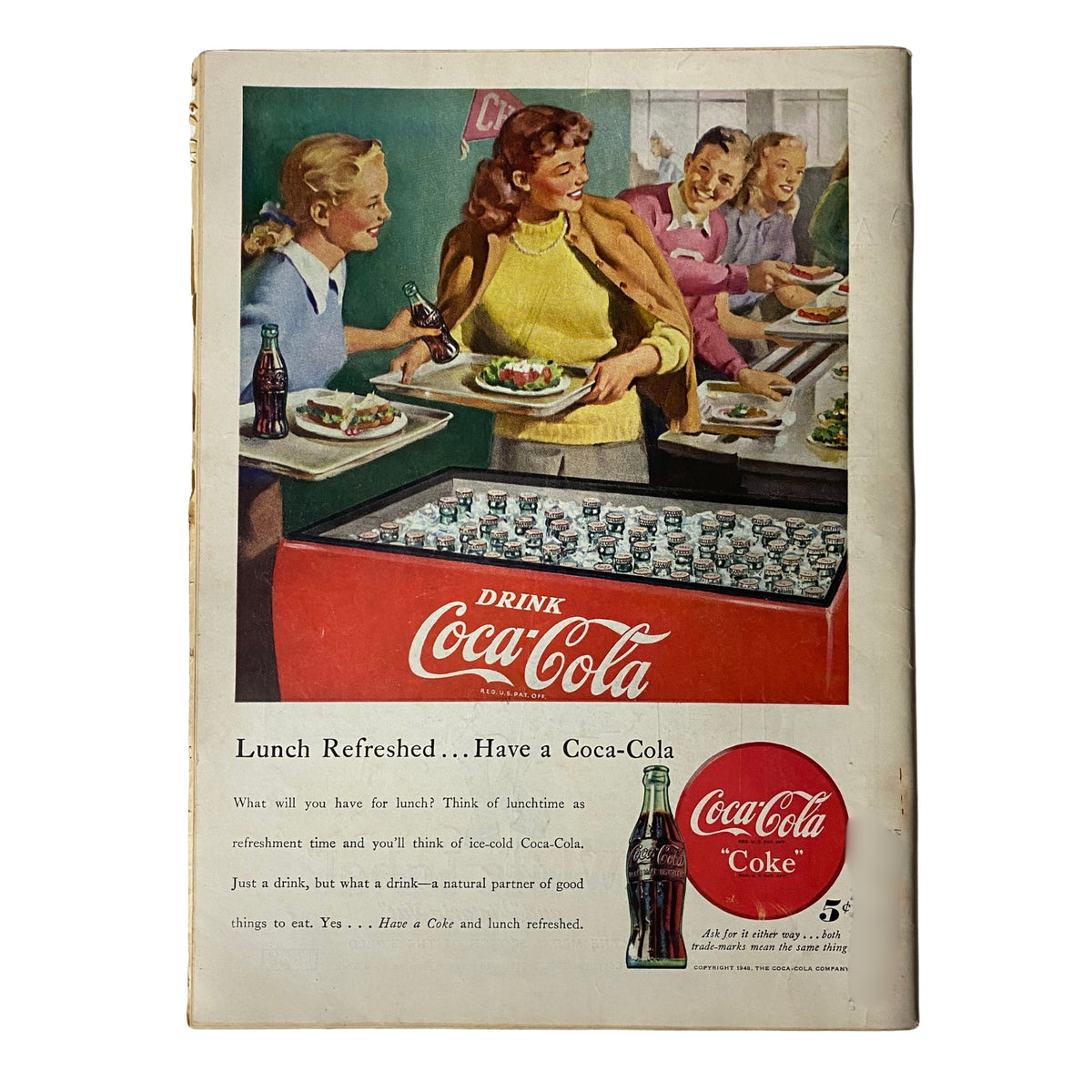
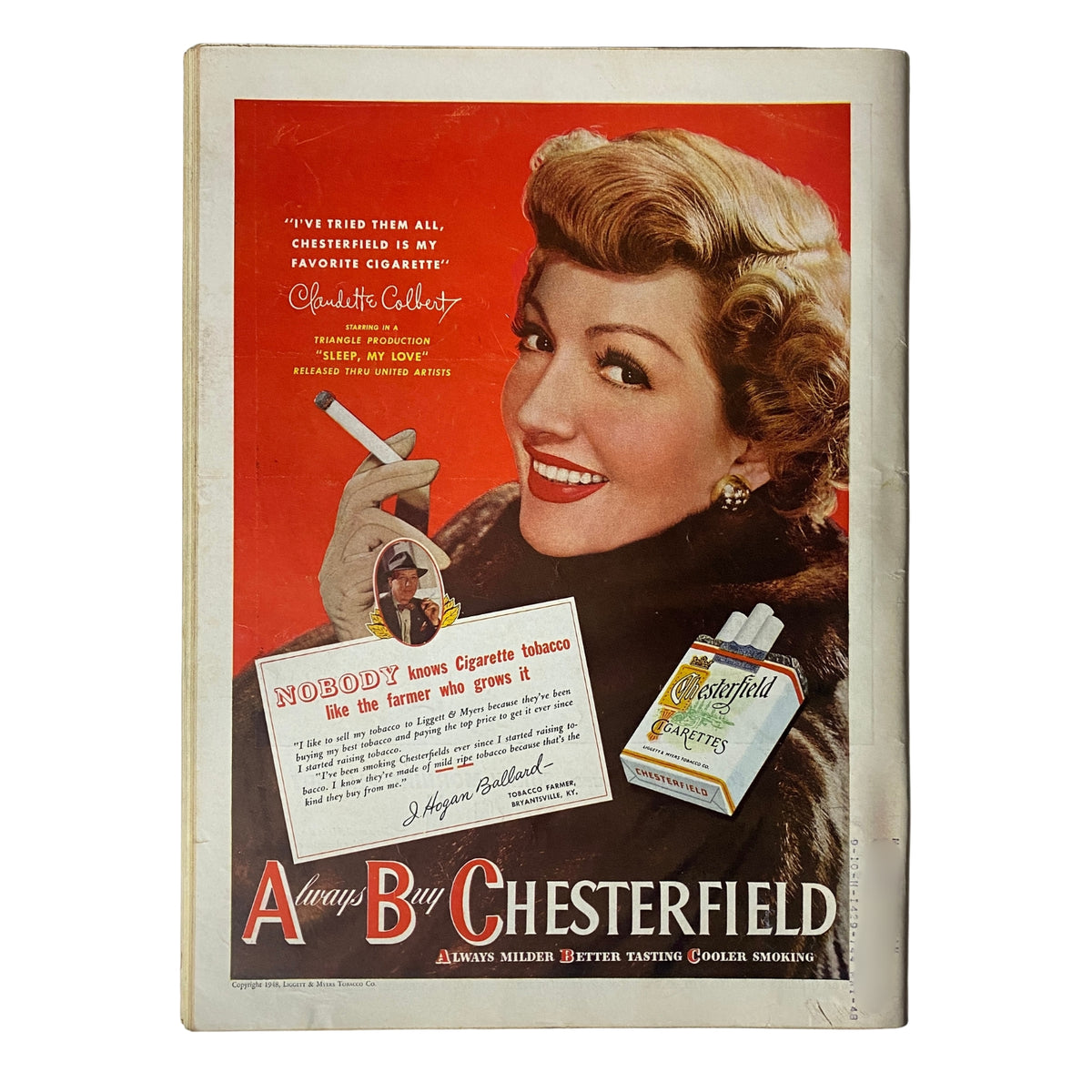
While statesmen and generals rewrote the global order, Americans sought escape and innovation in their entertainment. Columbia Records revolutionized home listening on June 21 when engineer Peter Goldmark introduced the 33 1/3 rpm microgroove vinyl record—the LP—allowing music lovers to enjoy entire symphonies or Broadway shows without changing records every three minutes. The new format promised higher fidelity audio and longer playing times, and original magazines from 1948 captured the excitement with advertisements showcasing sleek record players and expanding music catalogs. Television sets began appearing in more living rooms, though radio still dominated the evening hours. Movie theaters drew crowds seeking distraction from Cold War anxieties, while fashion editors filled the pages of Vogue and Harper's Bazaar with the "New Look" that had swept from Paris—full skirts, nipped waists, and a return to glamour after years of wartime austerity. Sports Illustrated wouldn't debut for another six years, but sports coverage in Life and Look magazines chronicled baseball's integration and the Olympics in London. These vintage magazines preserve the advertisements, photography, and editorial content that defined daily life during this pivotal year.
Curator's Checklist: What You'll Discover in 1948 Magazines
-
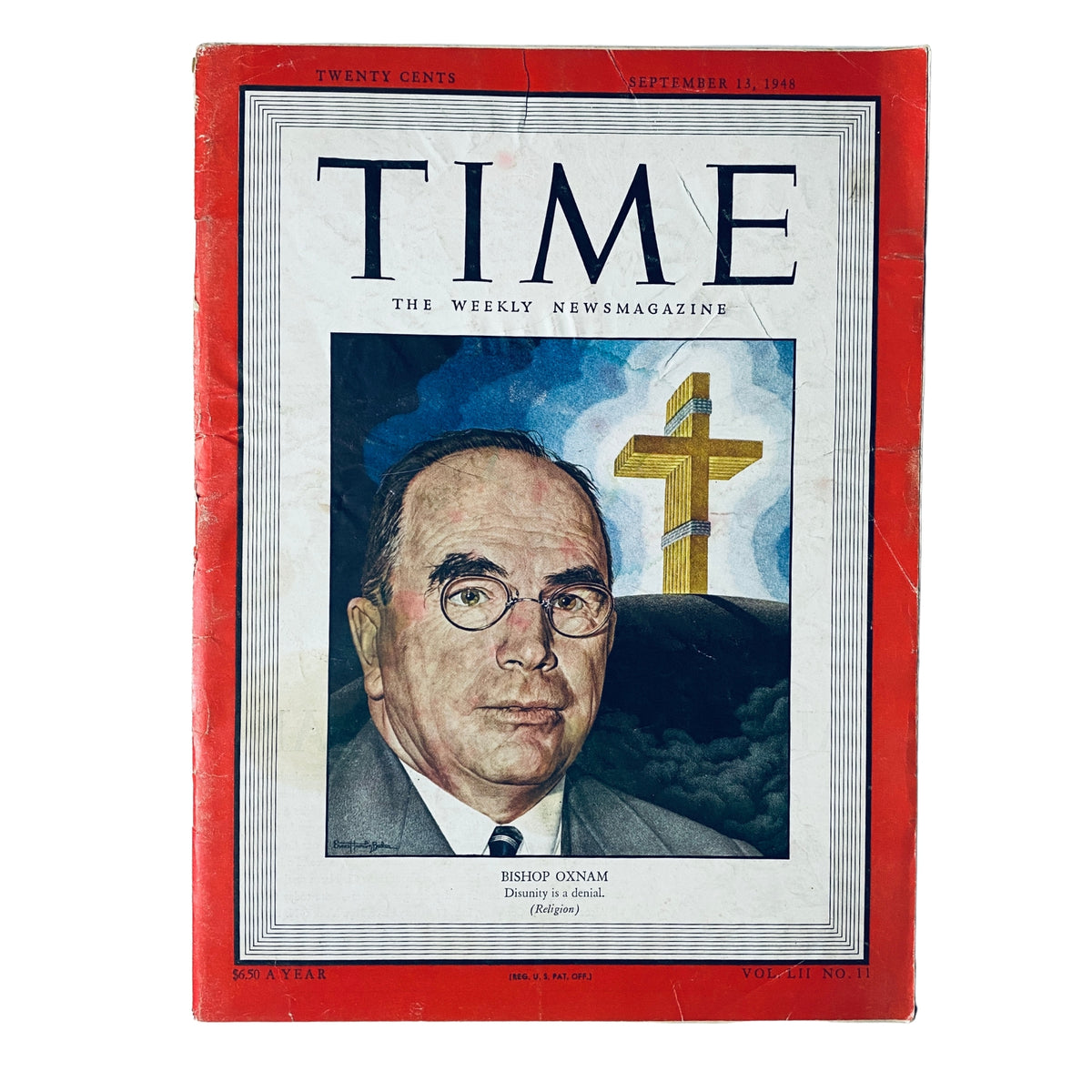
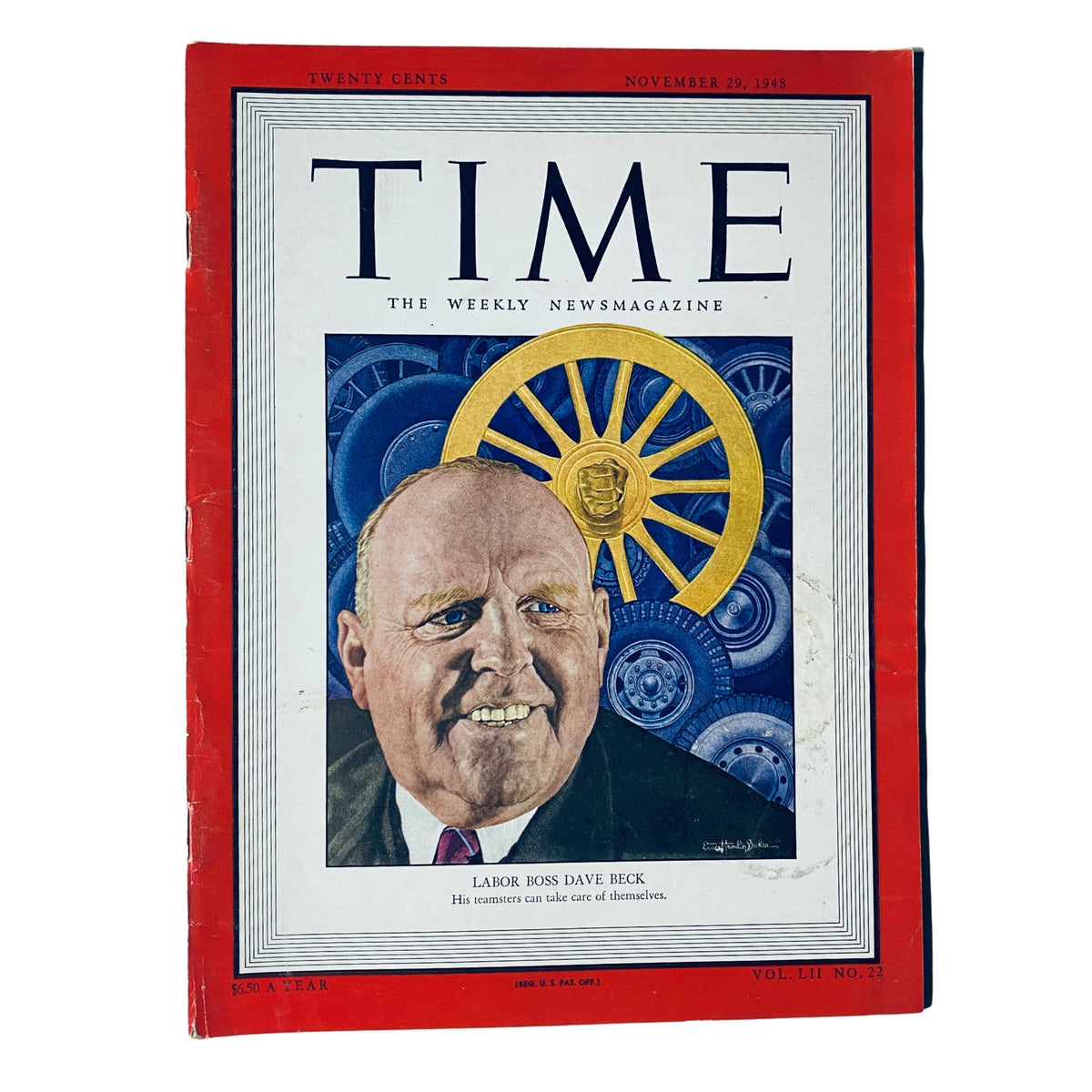
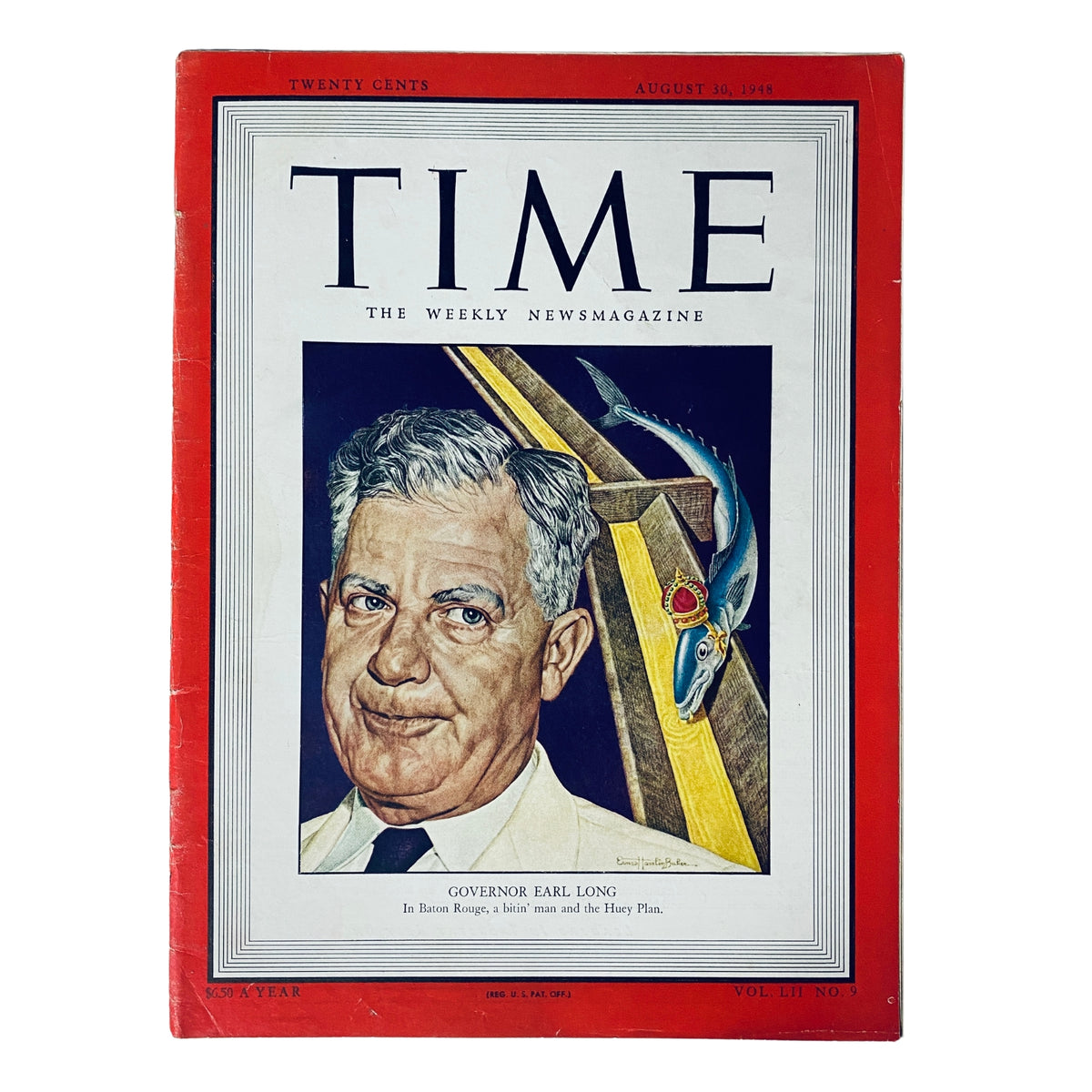
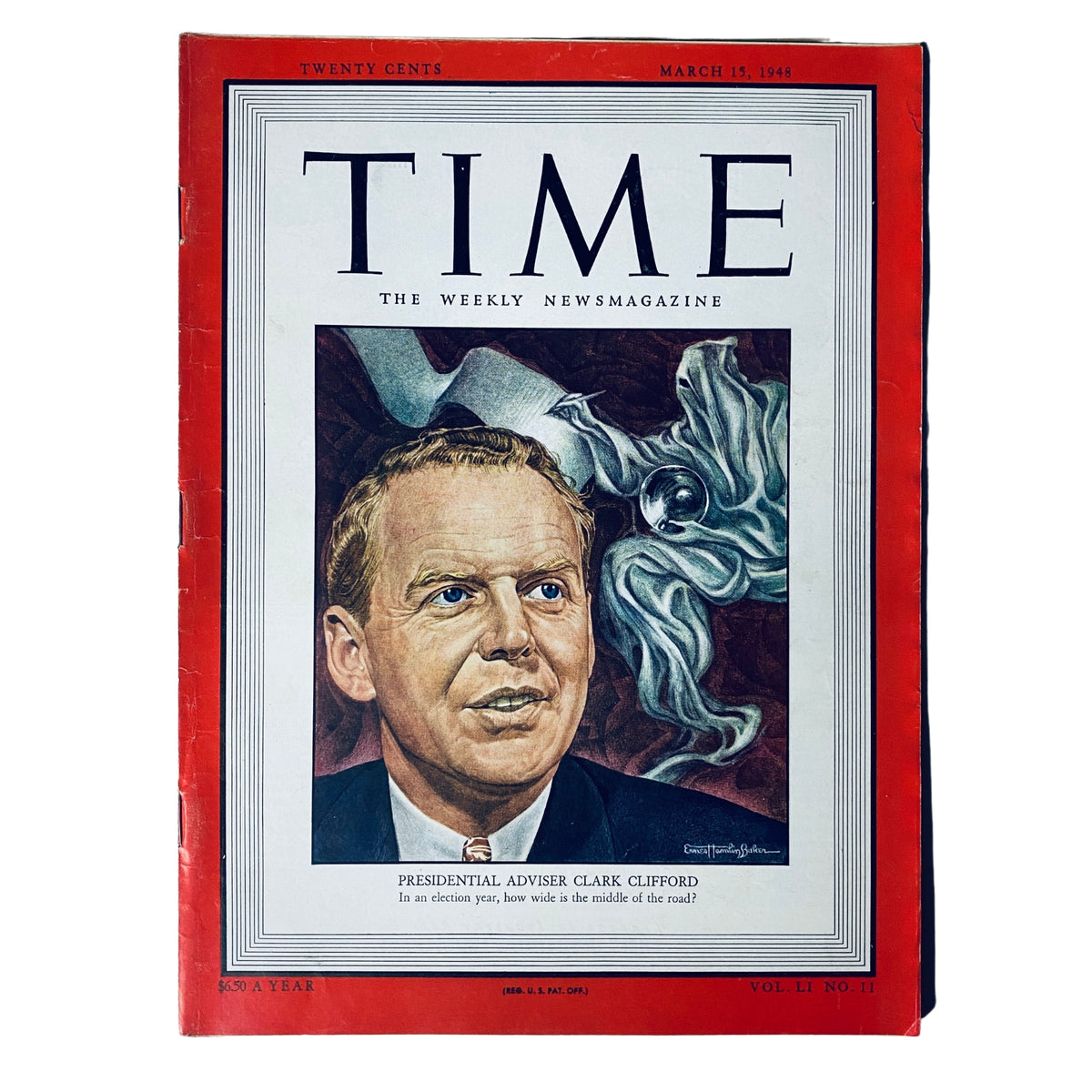
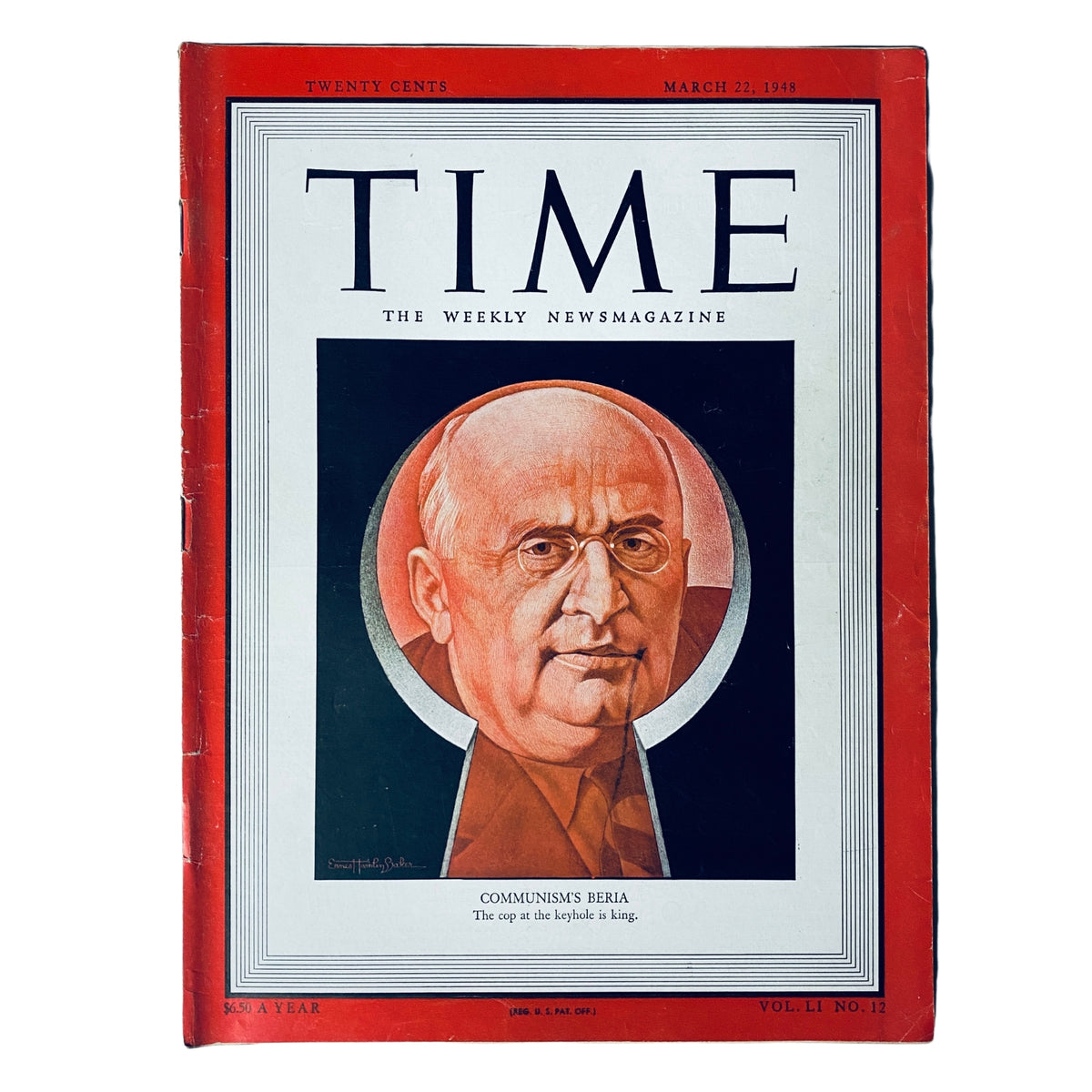
The Marshall Plan & Berlin Crisis: Time, Newsweek, and Life featuring dramatic photojournalism of the airlift operation, maps illustrating the divided city, and editorial commentary on America's containment strategy against Soviet expansion.
-
The Election Upset: Political coverage in major news weeklies showcasing campaign advertisements, polling predictions (all wrong), and the iconic photograph of Truman holding the erroneous Chicago Tribune headline that became journalism's most famous mistake.
-
The LP Revolution: Consumer and entertainment magazines featuring advertisements for Columbia's new microgroove records, articles explaining the technological breakthrough, and catalogs of classical and popular music now available in the revolutionary format.
-
Cold War America: Editorial spreads in Look and Saturday Evening Post illustrating the anxieties and adjustments of peacetime-turned-tense, with features on suburban expansion, consumer optimism, and the growing awareness of ideological conflict.
-
Fashion's New Look: Harper's Bazaar, Vogue, and Mademoiselle showcasing Christian Dior's influence on American style, illustrated with elegant photography and advertisements for the full skirts and feminine silhouettes that defined postwar optimism.
The Perfect Gift
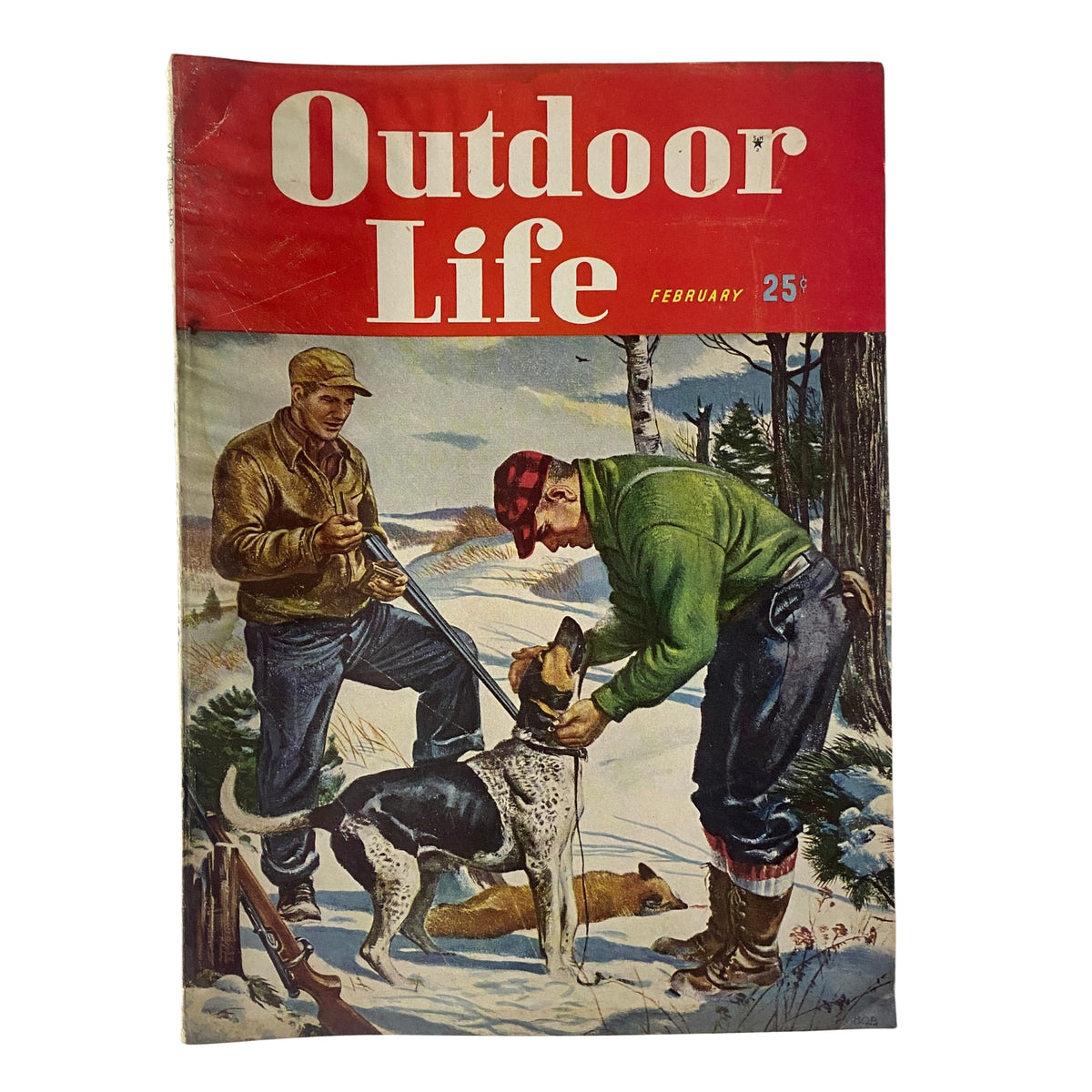
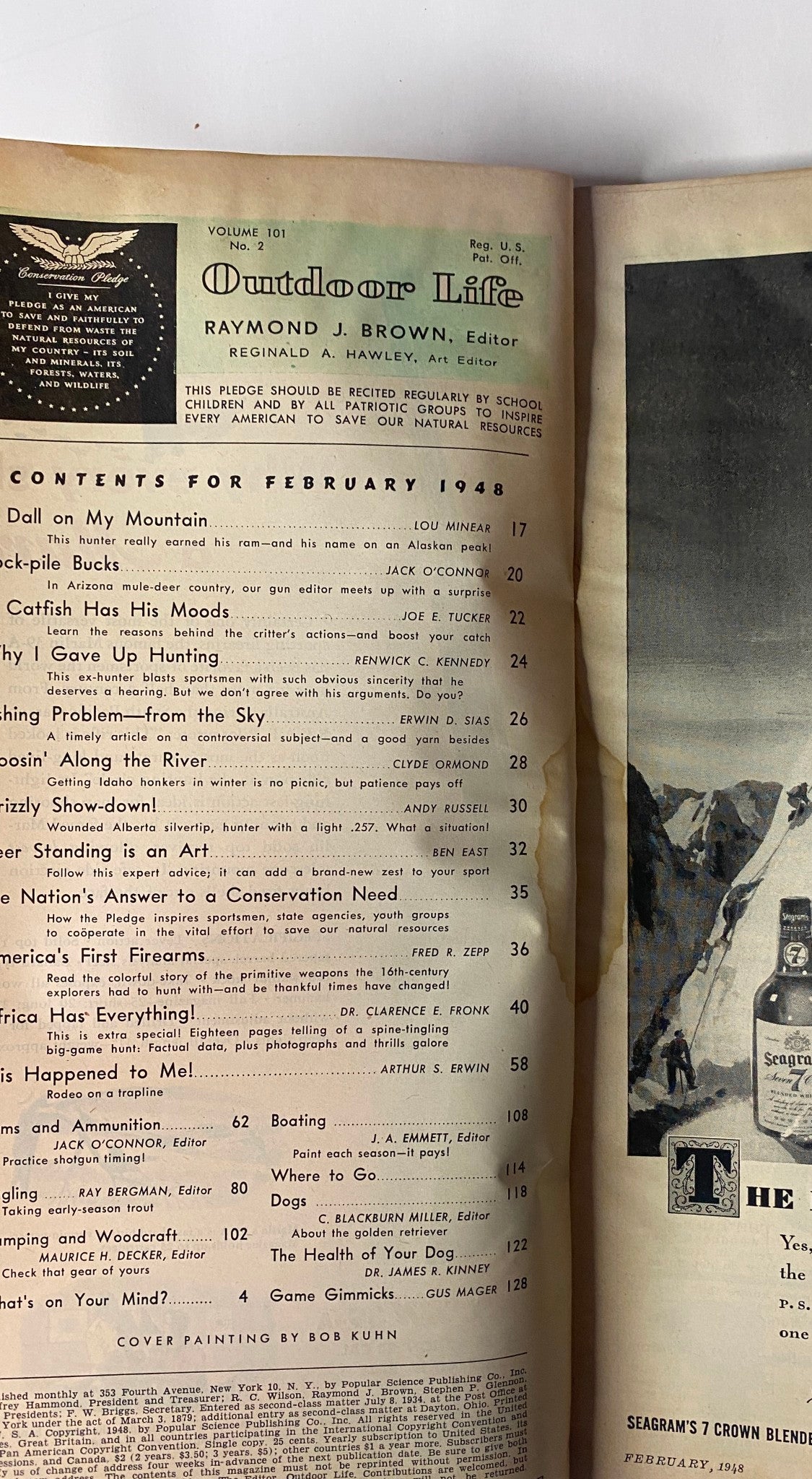
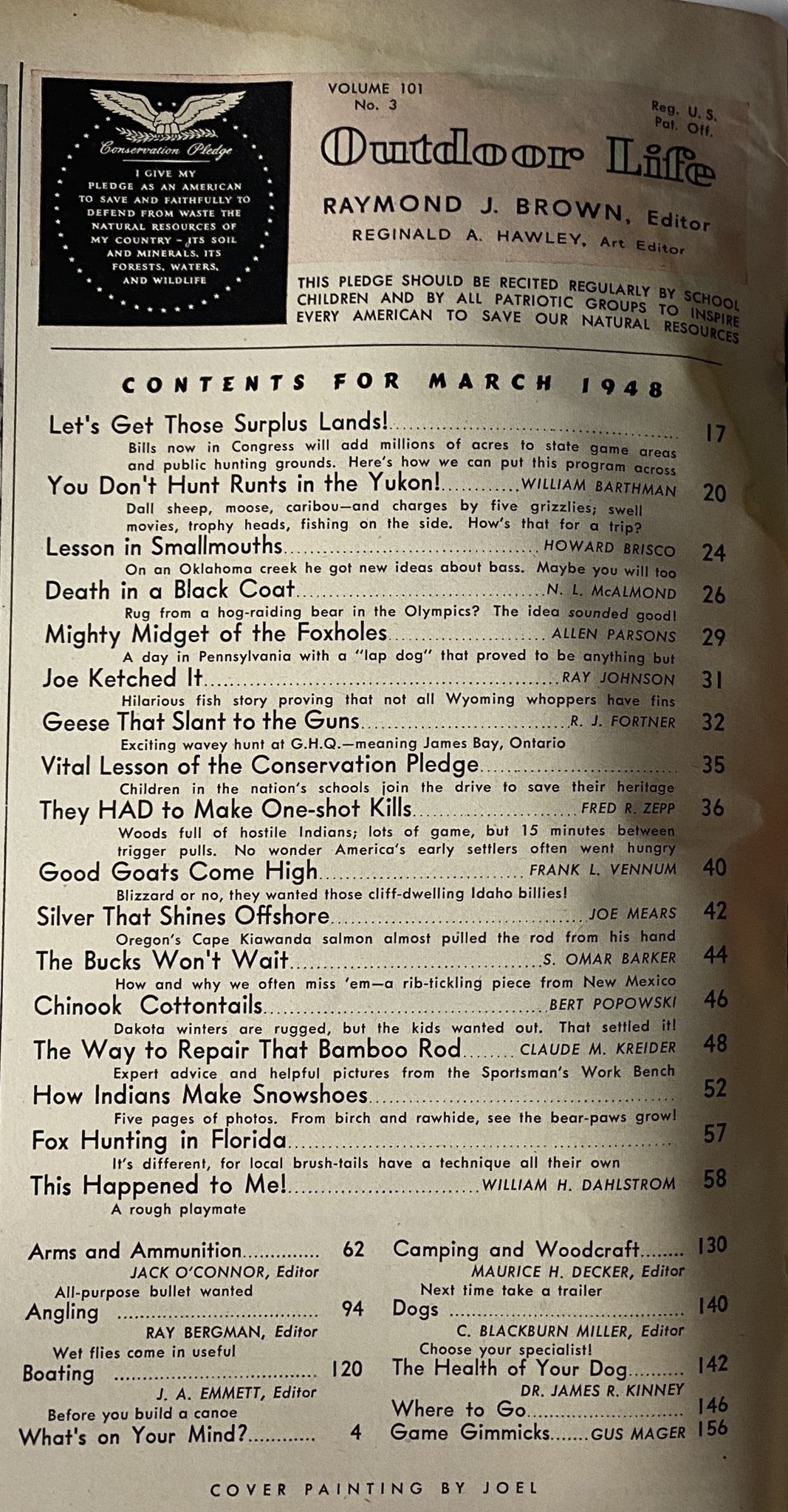
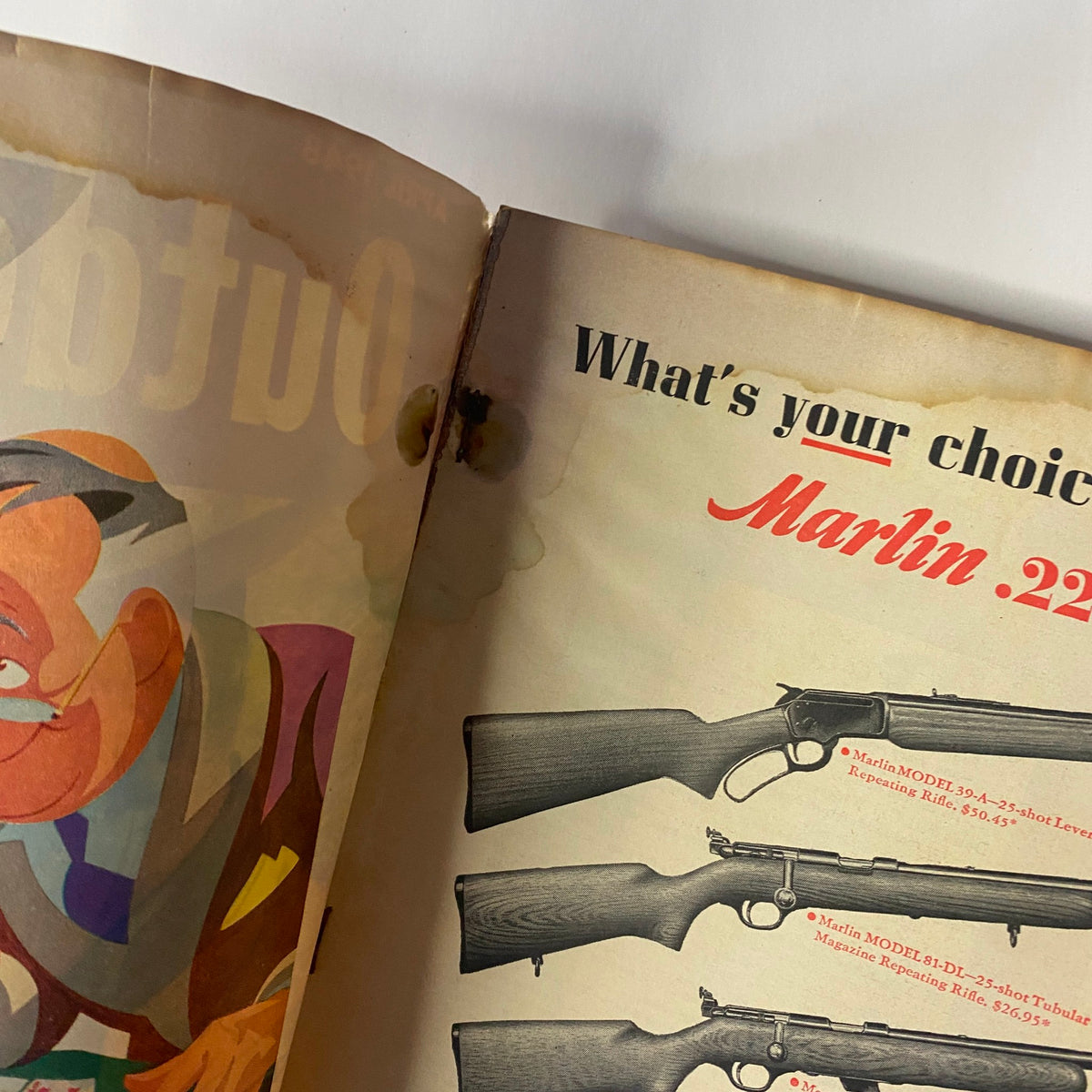
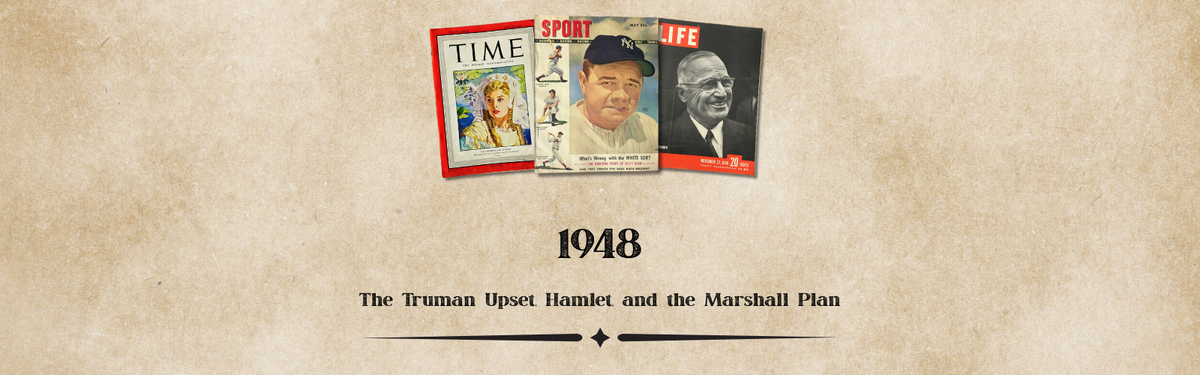
For someone born in 1948, an original magazine from this transformative year isn't just a nostalgic keepsake—it's an authenticated time capsule from the moment the modern world took shape, preserved in genuine advertisements, photography, and headlines that captured a planet dividing into two.