📖 About this Collection
1953: The Year Science Met Spectacle
The world stood at attention in 1953, cameras rolling as history accelerated. On June 2nd, millions gathered around flickering television sets to witness Queen Elizabeth II's coronation at Westminster Abbey—the first major global event broadcast live across continents, transforming how humanity experienced momentous occasions. Just months earlier, James Watson and Francis Crick had unlocked life's fundamental blueprint, announcing their discovery of DNA's double-helix structure on February 28th, a revelation that would reshape medicine, criminal justice, and our understanding of existence itself. The Korean War's guns finally fell silent on July 27th when General Mark W. Clark signed the armistice agreement, establishing the demilitarized zone that endures today. And in December, Hugh Hefner's inaugural Playboy—Marilyn Monroe gracing its cover—hit newsstands, challenging America's buttoned-up morality. This was the world your loved one entered: a year when microscopes revealed cellular secrets while television cameras brought coronations into living rooms, when ceasefire agreements were inked and cultural revolutions began on glossy magazine pages.
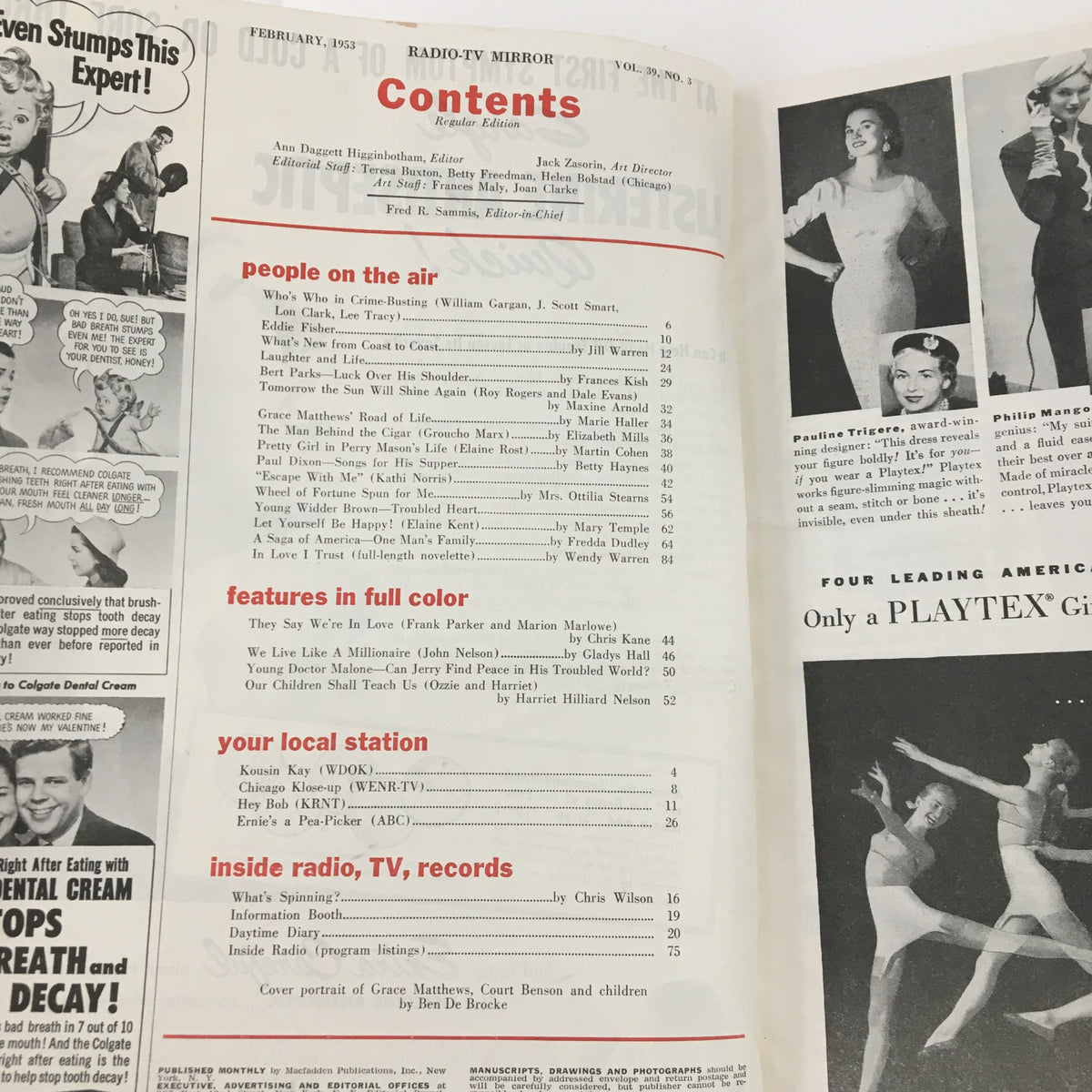
The genuine magazines from 1953 chronicle this extraordinary collision of high culture and emerging mass media. Life and Look devoted entire issues to Elizabeth II's coronation, their photojournalism capturing Westminster Abbey's Gothic grandeur and the young queen's jeweled regalia in unprecedented detail. Time featured Watson and Crick's breakthrough, diagrams of the double helix appearing alongside speculative articles about genetics' future. Sports Illustrated launched this very year, its August debut issue featuring Milwaukee Braves slugger Eddie Mathews—an artifact that would appreciate exponentially in collector value. Entertainment magazines buzzed with Shane and From Here to Eternity dominating silver screens, while television guides tracked the debut of TV Guide itself in April. Fashion spreads in Vogue and Harper's Bazaar showcased Christian Dior's newly dominant silhouette, the cinched waists and full skirts that defined postwar femininity. Original magazines from 1953 preserve these moments not as historical footnotes, but as lived experience—the advertisements for Admiral televisions promising coronation coverage, the cigarette ads still oblivious to health concerns, the genuine optimism radiating from every glossy page.
What You'll Discover in Vintage Magazines from 1953:
-
The Coronation Coverage: Life, Look, and Newsweek featuring multipage photographic essays of Westminster Abbey ceremonies, crown jewel close-ups, and the unprecedented television broadcast that brought monarchy into modernity—often showcasing the new TV sets advertised throughout the same issues.
-
The DNA Revolution: Time and Newsweek chronicling Watson and Crick's double-helix discovery with hand-drawn molecular diagrams and speculative articles about genetic science, captured at the precise moment this breakthrough entered public consciousness before anyone understood its true implications.
-
The Korean Armistice: Rare magazines including illustrated reports from the 38th parallel, photographs of General Clark signing the ceasefire, and editorial debates about "limited war"—primary sources documenting the conflict's ambiguous conclusion that shaped Cold War military doctrine.
-
Playboy's Debut: The December collector's item featuring Marilyn Monroe's legendary calendar photo, launching a publishing empire and cultural conversation—original issues increasingly scarce as they've become among the most sought-after vintage magazines of the postwar era.
-
The Birth of Television Age: TV Guide's first issues alongside advertisements for RCA and Zenith console sets, preserving the exact moment American living rooms transformed into entertainment theaters, complete with program listings for shows now lost to history.
The Perfect Gift
For someone born in 1953, an original magazine from this pivotal year isn't just a nostalgic keepsake—it's an authenticated time capsule from the twelve months when science unlocked life's secrets, television crowned a queen before the world's eyes, and postwar culture found its confident voice, preserved in genuine advertisements, photography, and headlines.