📖 About this Collection
1956: The Year Rock 'n' Roll Came Home
Historical Context
1956 was the year America's cultural landscape shifted beneath its feet. On a September evening, 60 million Americans—an astonishing 82.6% of all television viewers—tuned in to watch a young truck driver from Tupelo, Mississippi gyrate his way into history on The Ed Sullivan Show. Elvis Presley's performance didn't just introduce rock 'n' roll to living rooms across the nation; it announced that a new generation had arrived, one that would challenge the buttoned-up certainties of the postwar world. While the cultural revolution crackled through radios and TV sets, President Eisenhower was building the infrastructure of modern America, signing the Federal-Aid Highway Act in June to authorize 41,000 miles of interstate highways—the largest public works project the nation had ever seen. In July, he made "In God We Trust" the official national motto, a Cold War assertion of American values. And in October, Don Larsen achieved what no pitcher had before or since: a perfect game in the World Series, forever cementing 1956 in baseball immortality. This was the world your loved one entered—one foot in tradition, the other stepping boldly into the future.
Pop Culture & Lifestyle
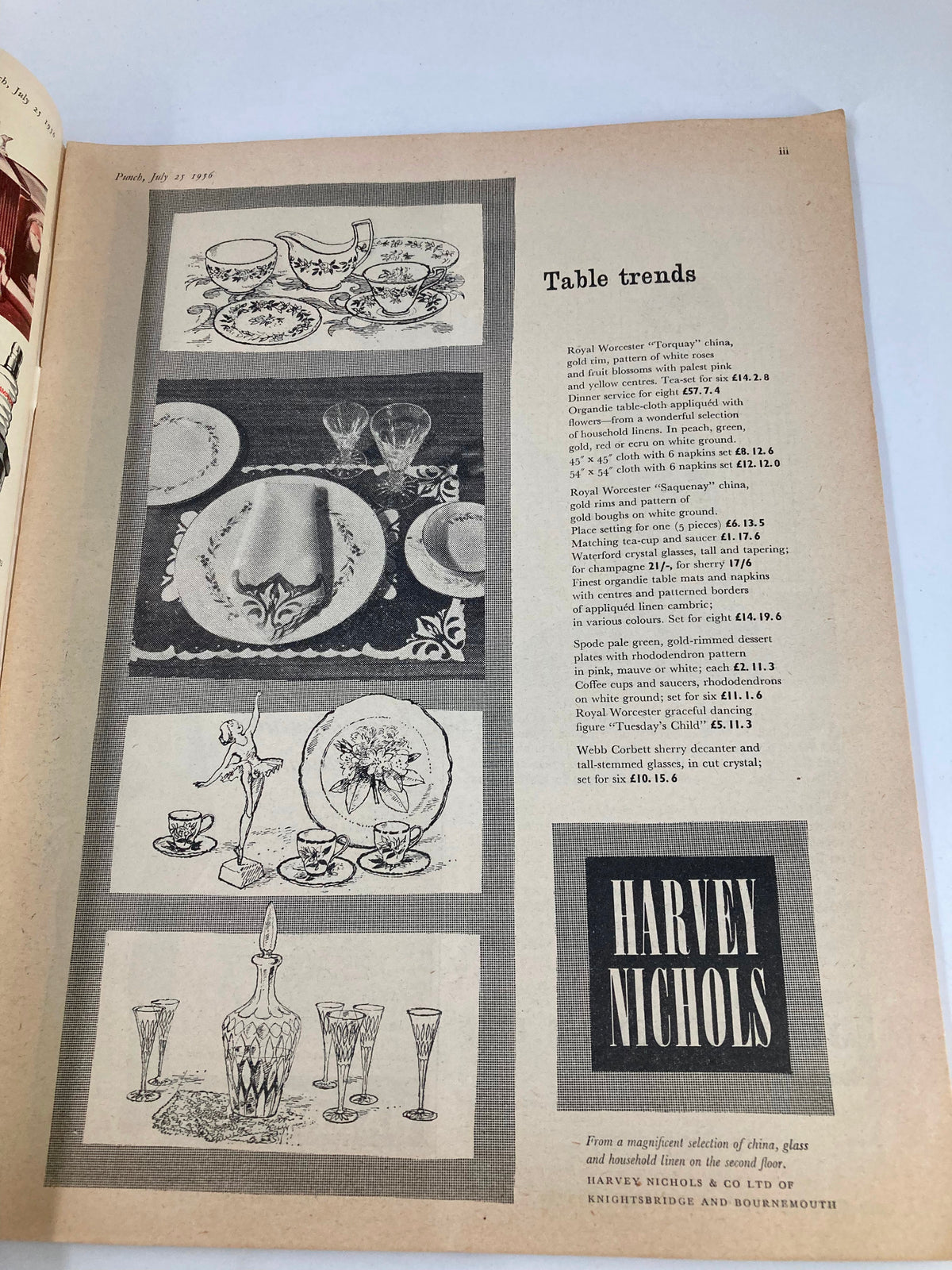
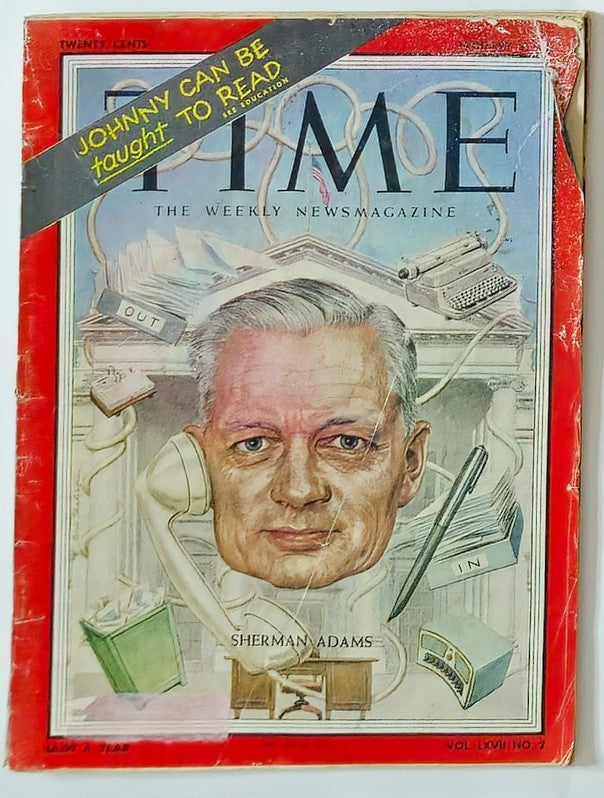
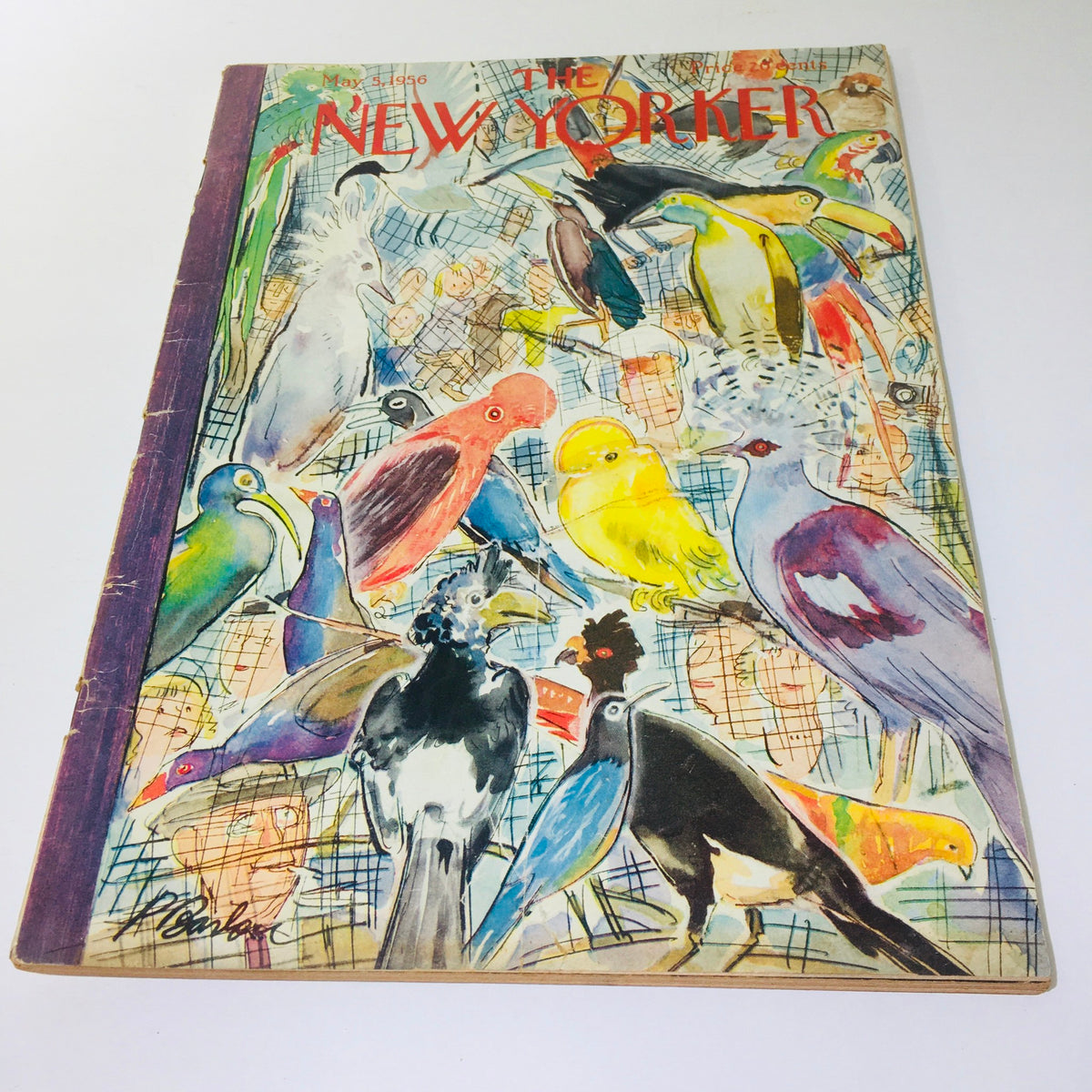
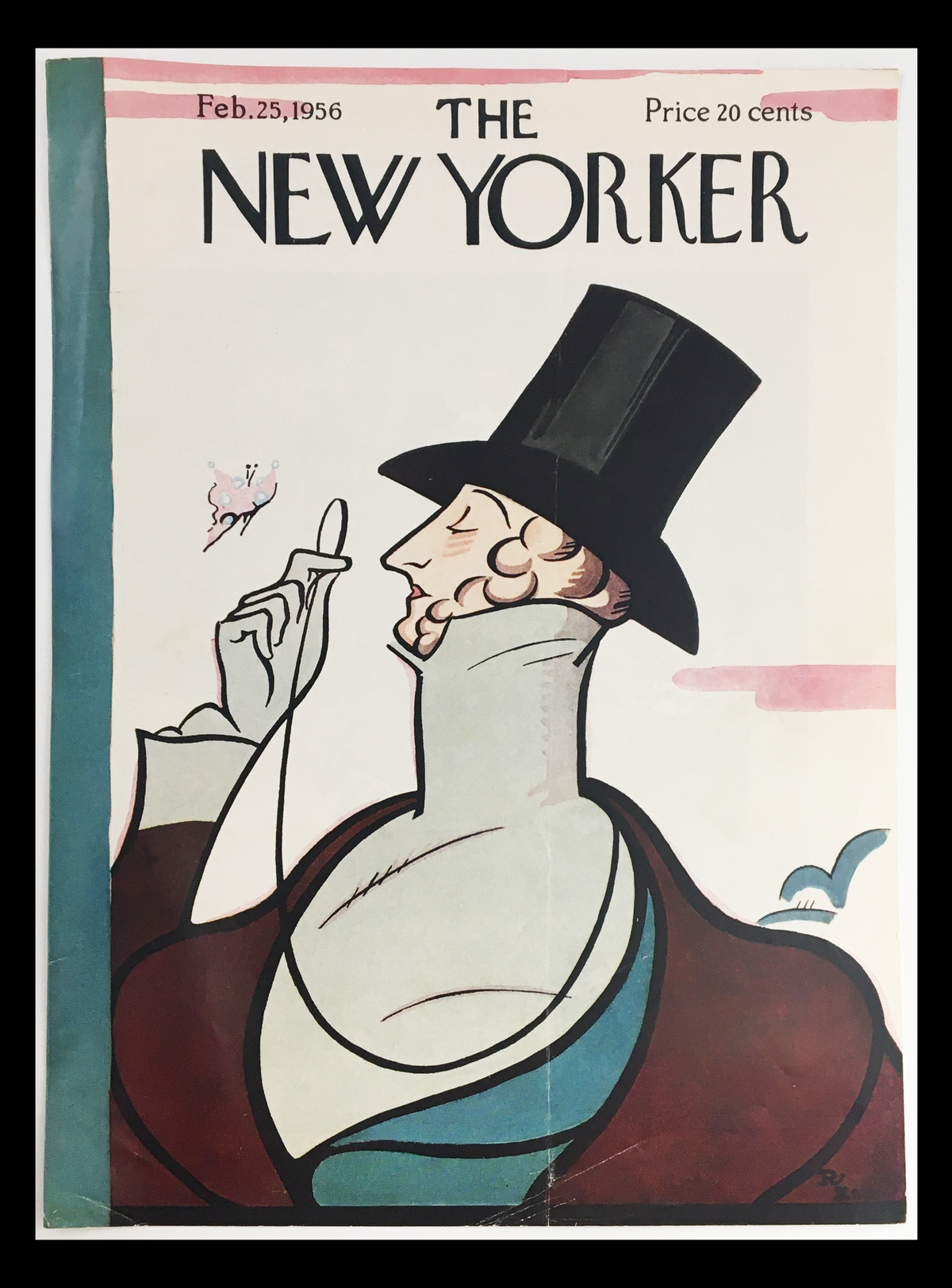
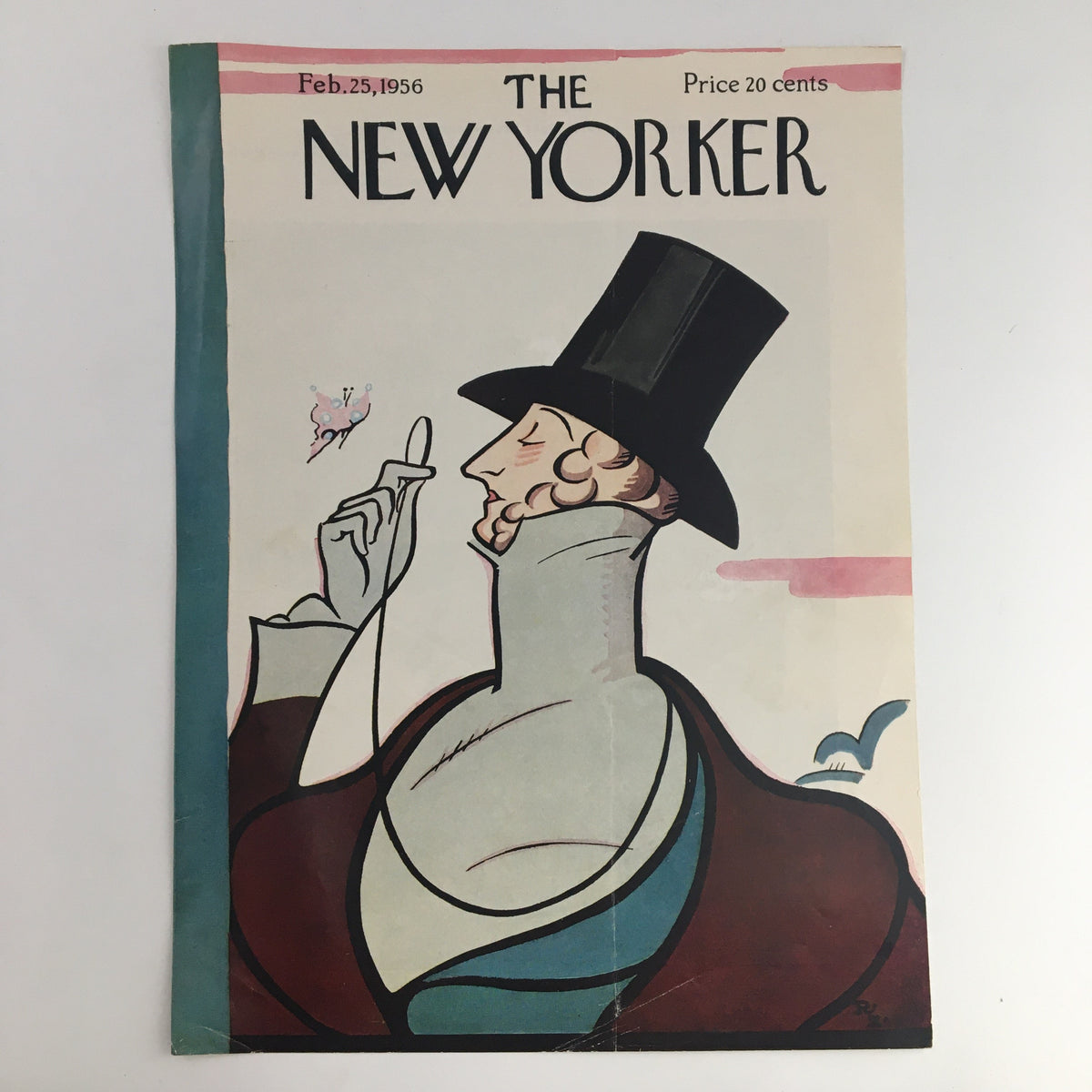
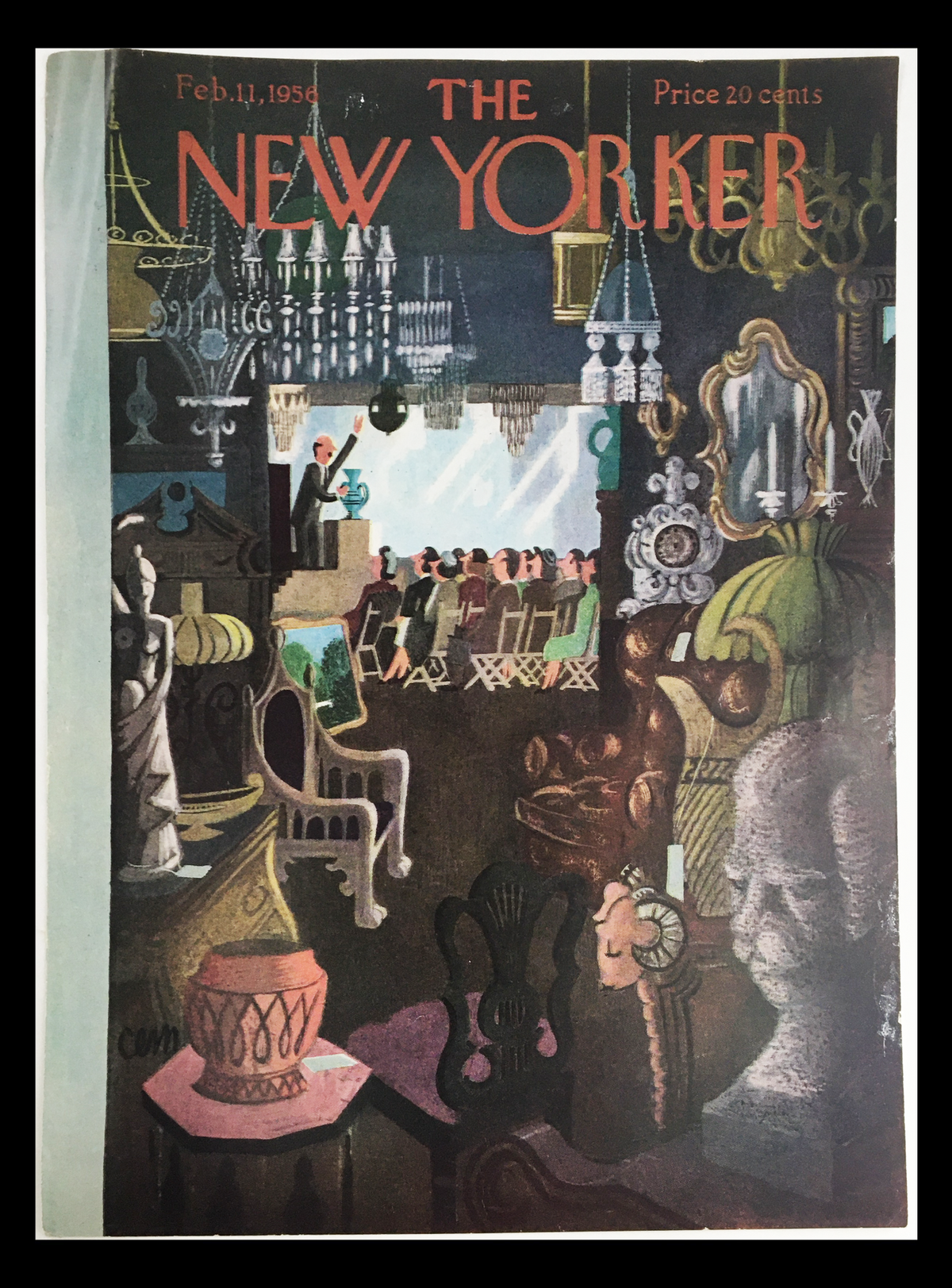
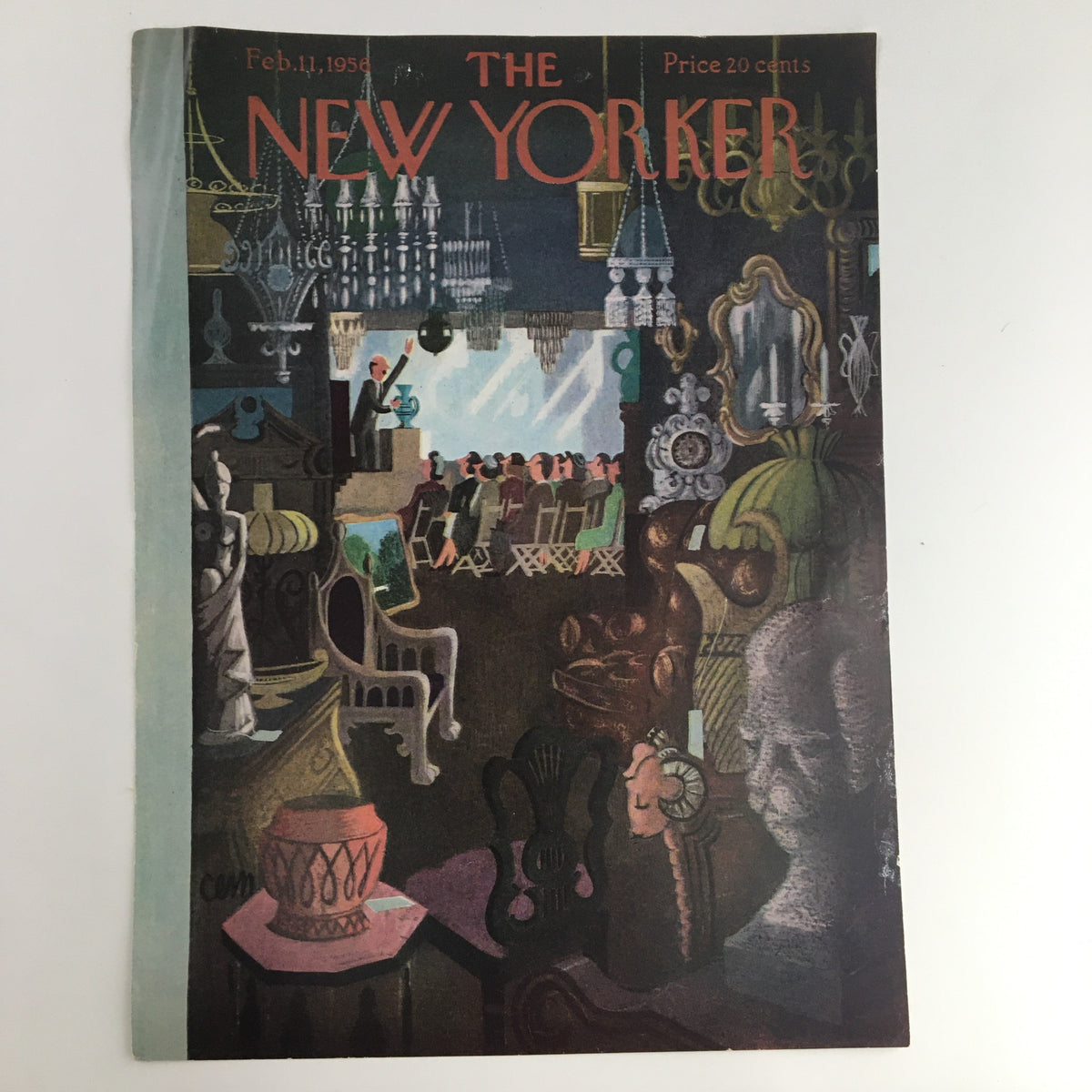
The magazines of 1956 captured a nation in transition, their pages alive with the tension between conformity and rebellion. Life and Look ran photo spreads of screaming teenagers at Elvis concerts alongside advertisements for Chevrolet Bel Airs ready to cruise Eisenhower's new highways. TV Guide chronicled the medium's golden age, while Sports Illustrated immortalized Larsen's October miracle with frame-by-frame photography. Fashion magazines like Vogue and Mademoiselle featured the full-skirted, cinched-waist silhouettes that defined mid-fifties femininity, while their advertising pages hawked the latest kitchen appliances and convenience foods for the growing suburban market. Entertainment weeklies like Variety documented Hollywood's nervous response to television's rise, and detective magazines sensationalized the crimes that fascinated a security-conscious public. Original magazines from 1956 preserve these authentic contradictions—the prim and the rebellious, the traditional and the revolutionary—in genuine advertisements, headlines, and photography that no reproduction can replicate.
Curator's Checklist: What to Look For
-
Elvis's Television Conquest: Entertainment and news magazines featuring coverage of the Ed Sullivan appearance, often illustrated with photographs of the performance that scandalized parents and electrified youth, alongside articles debating rock 'n' roll's cultural impact
-
The Interstate Highway Vision: News weeklies like Time, Newsweek, and Life showcasing illustrated maps of the proposed highway system, featuring automotive advertising that emphasized freedom, mobility, and the American road trip
-
"In God We Trust" Adoption: Vintage magazines chronicling this Cold War-era affirmation of faith, often appearing in political coverage alongside broader stories about American identity and the ideological battle with Soviet communism
-
Larsen's Perfect Game: Sports Illustrated and newspapers-turned-magazines preserving the October 8th miracle with action photography, box scores, and analysis of what remains the only perfect game in World Series history
-
The Suburban Boom: Rare magazines filled with period advertising for ranch homes, station wagons, television sets, and modern appliances—a visual encyclopedia of mid-1950s consumer culture and the American Dream taking physical form
The Perfect Gift
For someone born in 1956, an original magazine from this pivotal year isn't just a nostalgic keepsake—it's an authenticated portal to the exact moment when postwar America's certainties began giving way to the cultural revolution ahead, preserved in genuine newsprint, advertisements, and photography.