📖 About this Collection
1957: The Year the Future Arrived
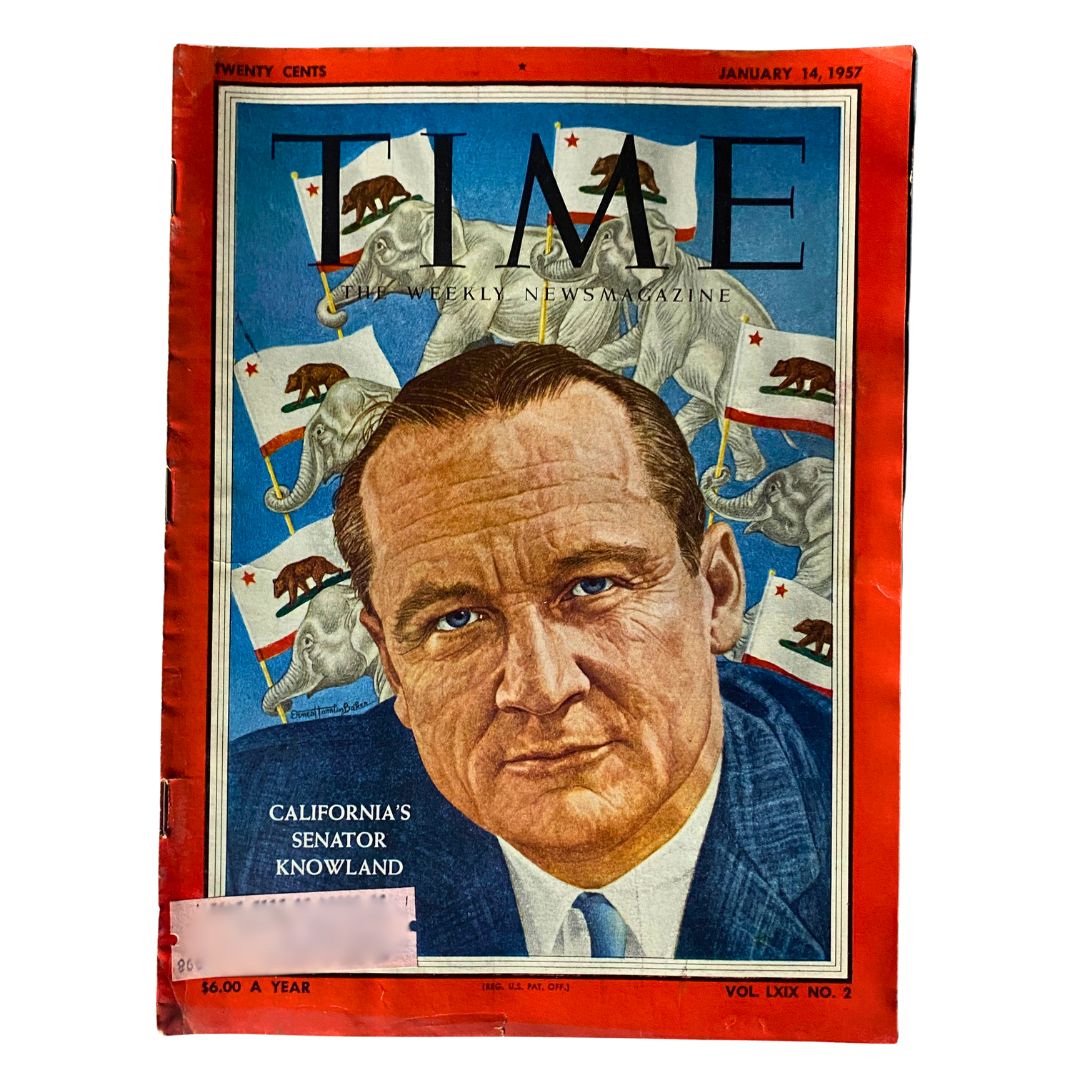
The world looked skyward in 1957 with equal parts wonder and fear. On October 4th, the Soviet Union launched Sputnik 1—a beach ball-sized satellite that beeped its way across American skies and shattered the nation's sense of technological supremacy. The Space Race had begun, and magazines from coast to coast splashed dramatic illustrations of the orbiting sphere across their covers. Meanwhile, on the ground in Little Rock, Arkansas, President Eisenhower deployed the 101st Airborne Division to escort nine black students through the doors of Central High School, forcing America to confront its civil rights contradictions in real time. Time and Life magazines documented both the courage of the students and the rage of the mobs with unflinching photography. As the year closed, the Shippingport Atomic Power Station went online in Pennsylvania—the nation's first full-scale commercial nuclear reactor—promising an atomic-powered future that dominated newsstands and sparked both optimism and anxiety. This was the world your loved one entered: a nation racing toward tomorrow while reckoning with its past.
Pop Culture & Everyday Life
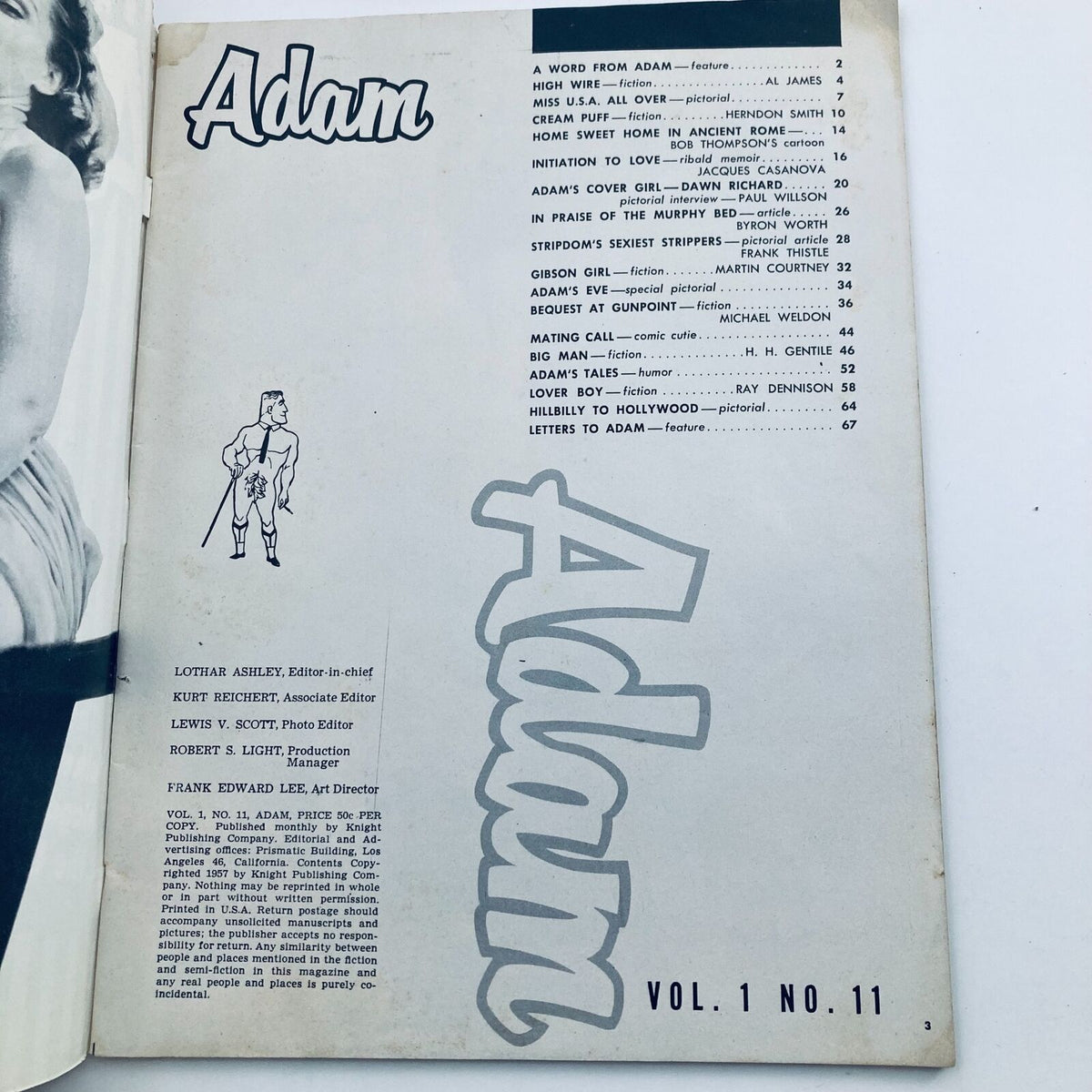
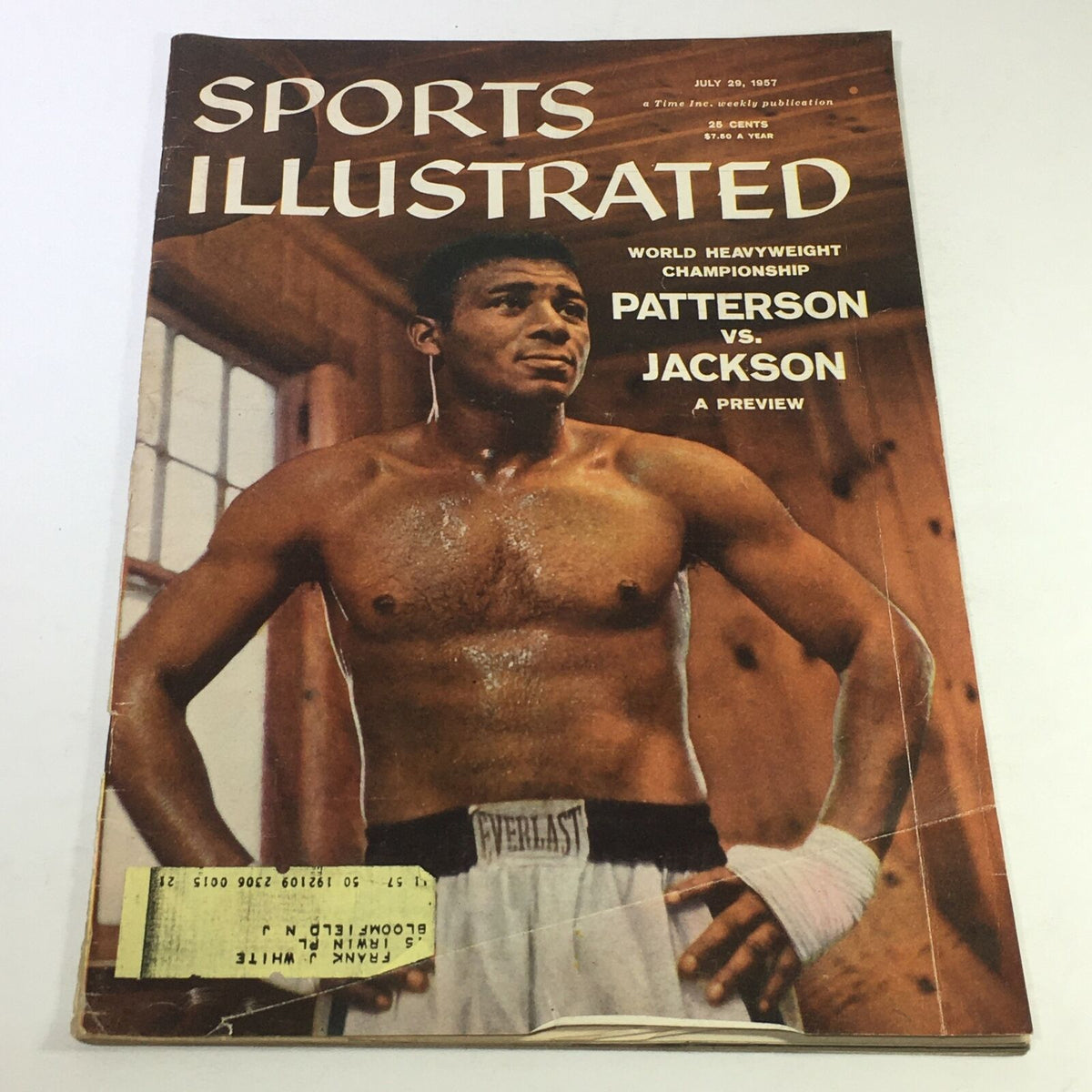
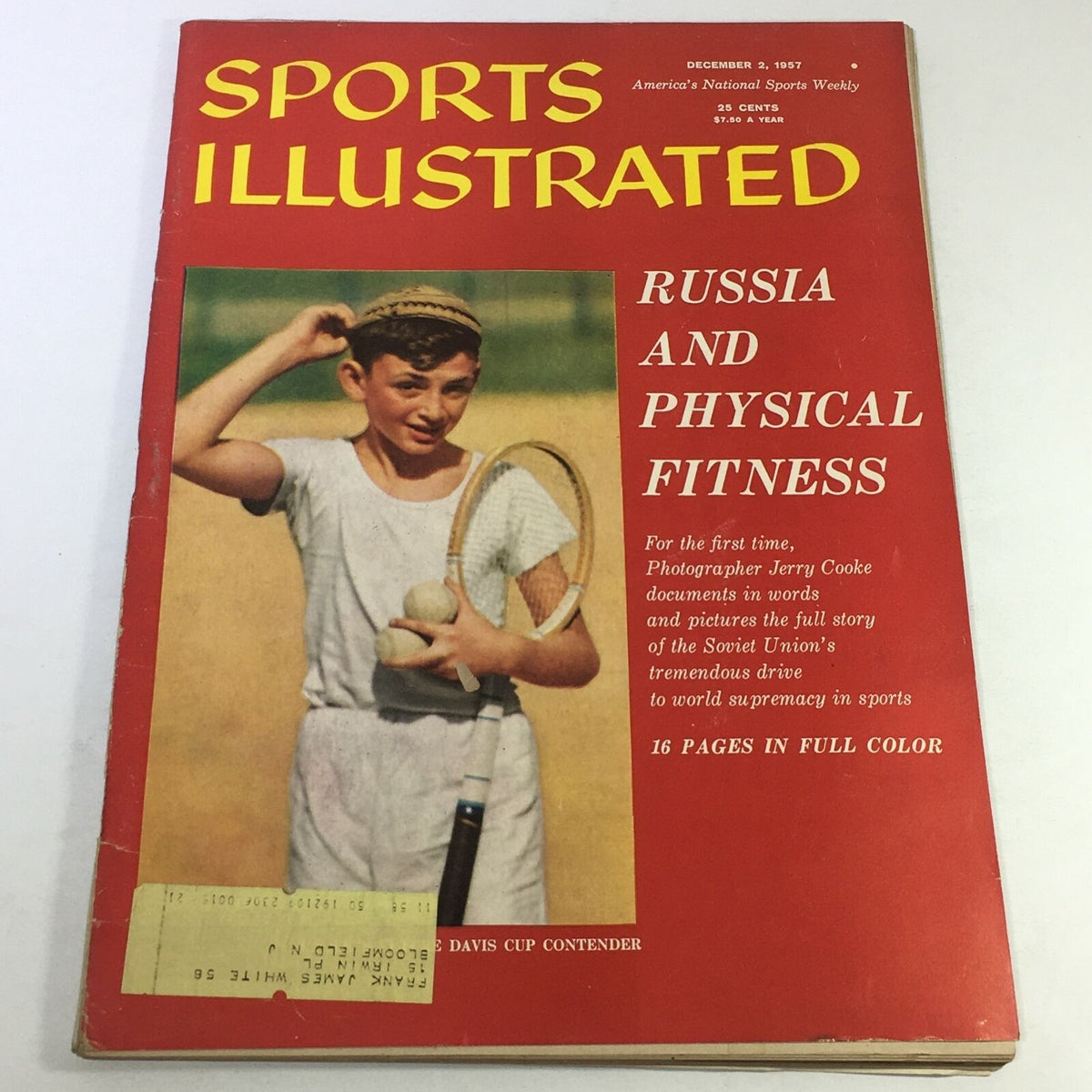
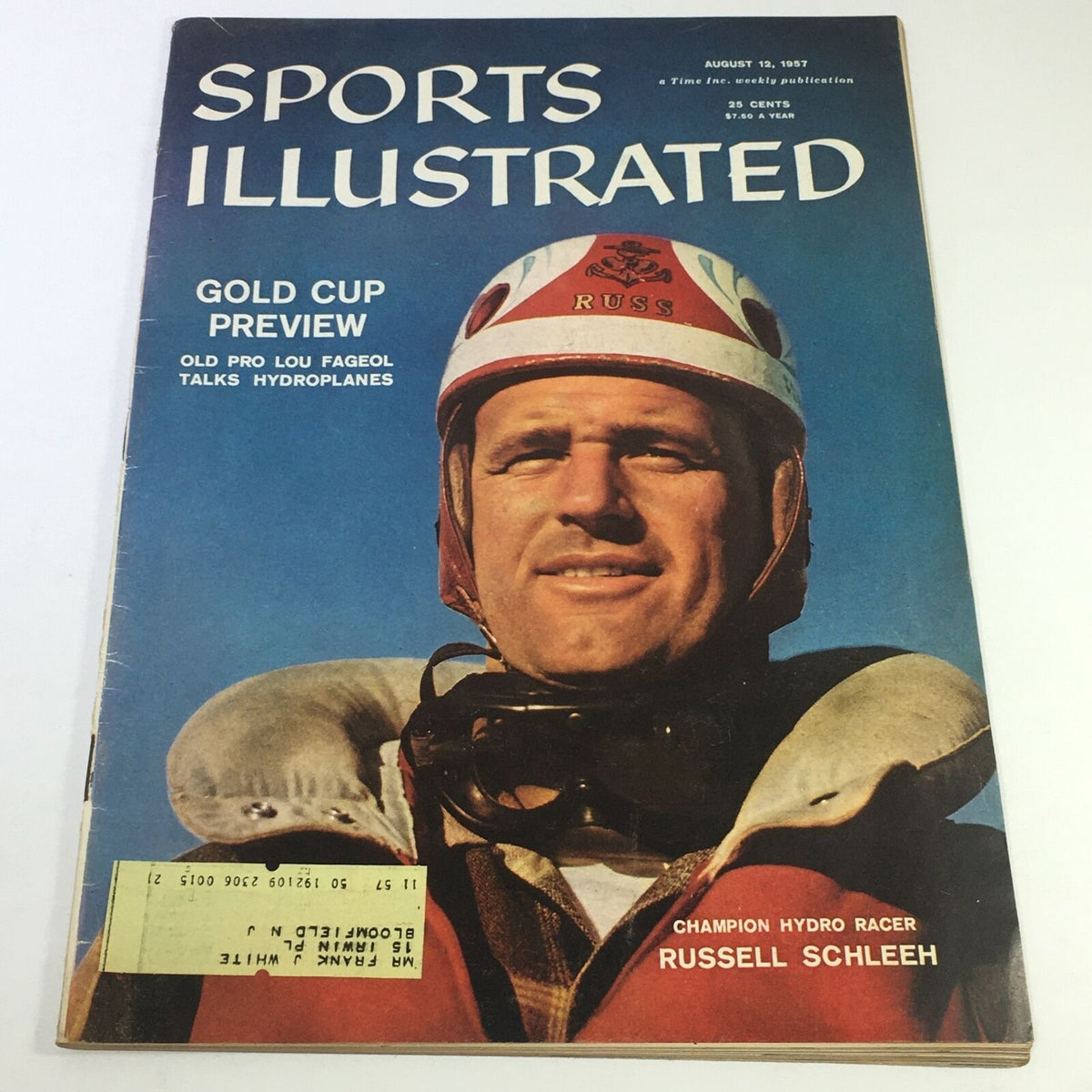
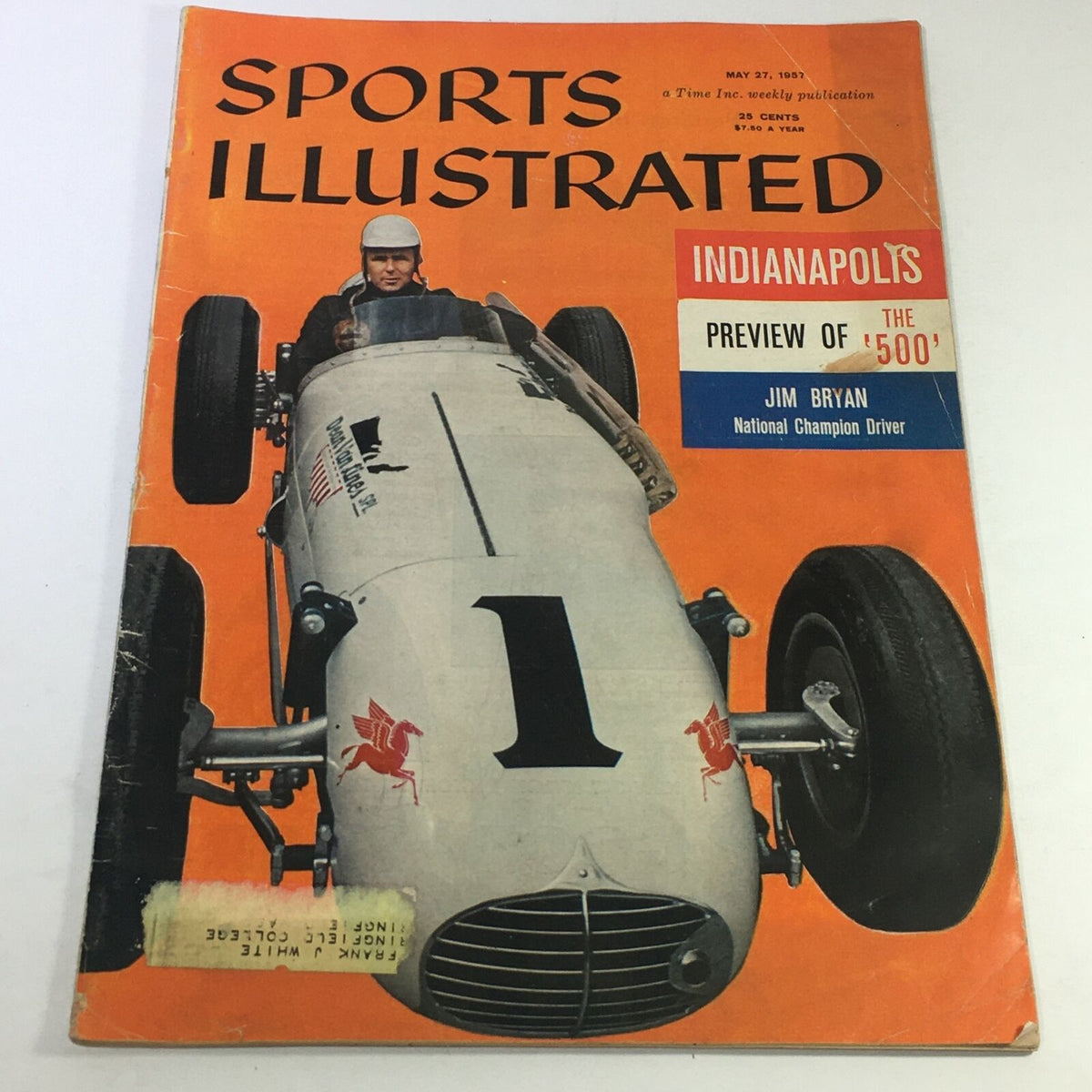
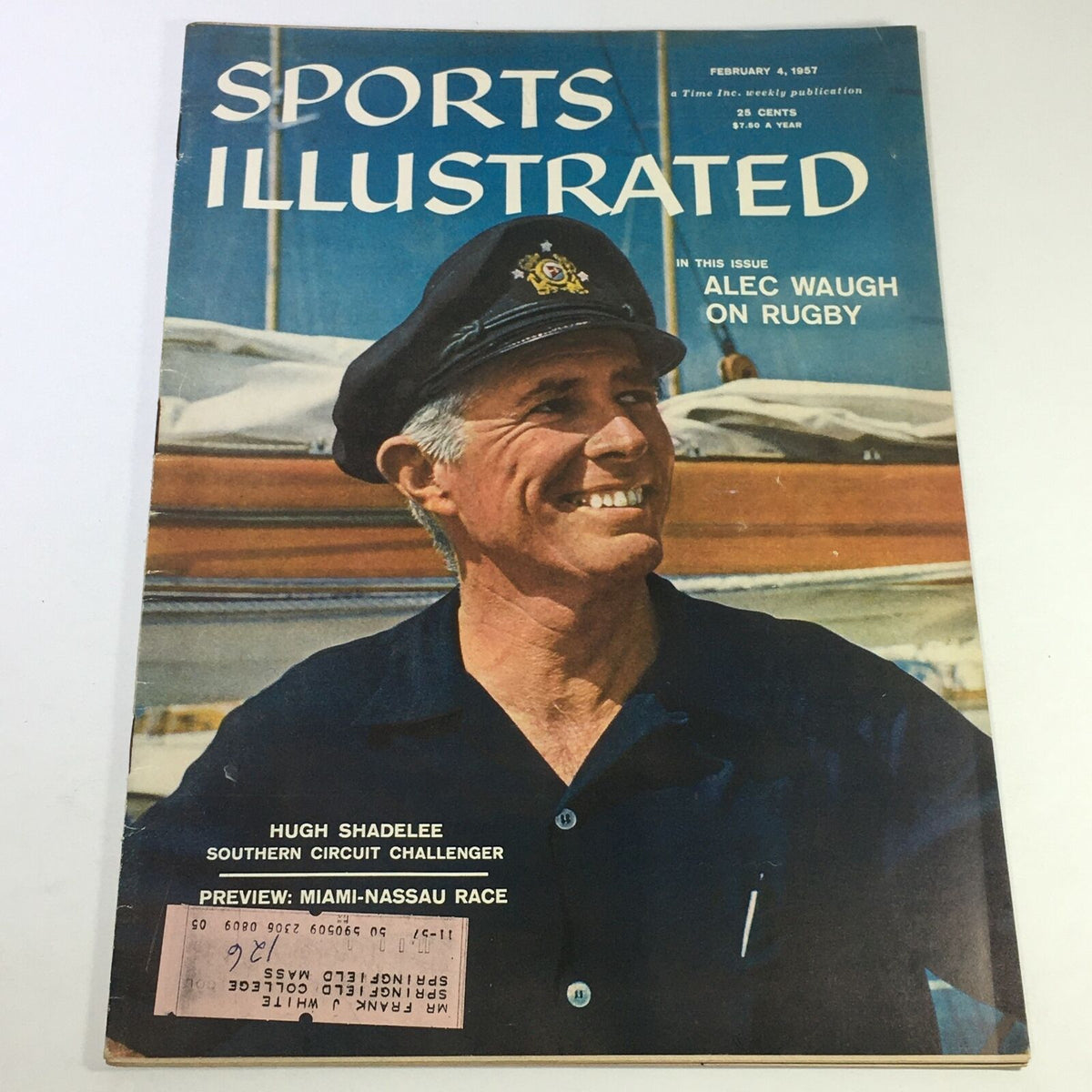
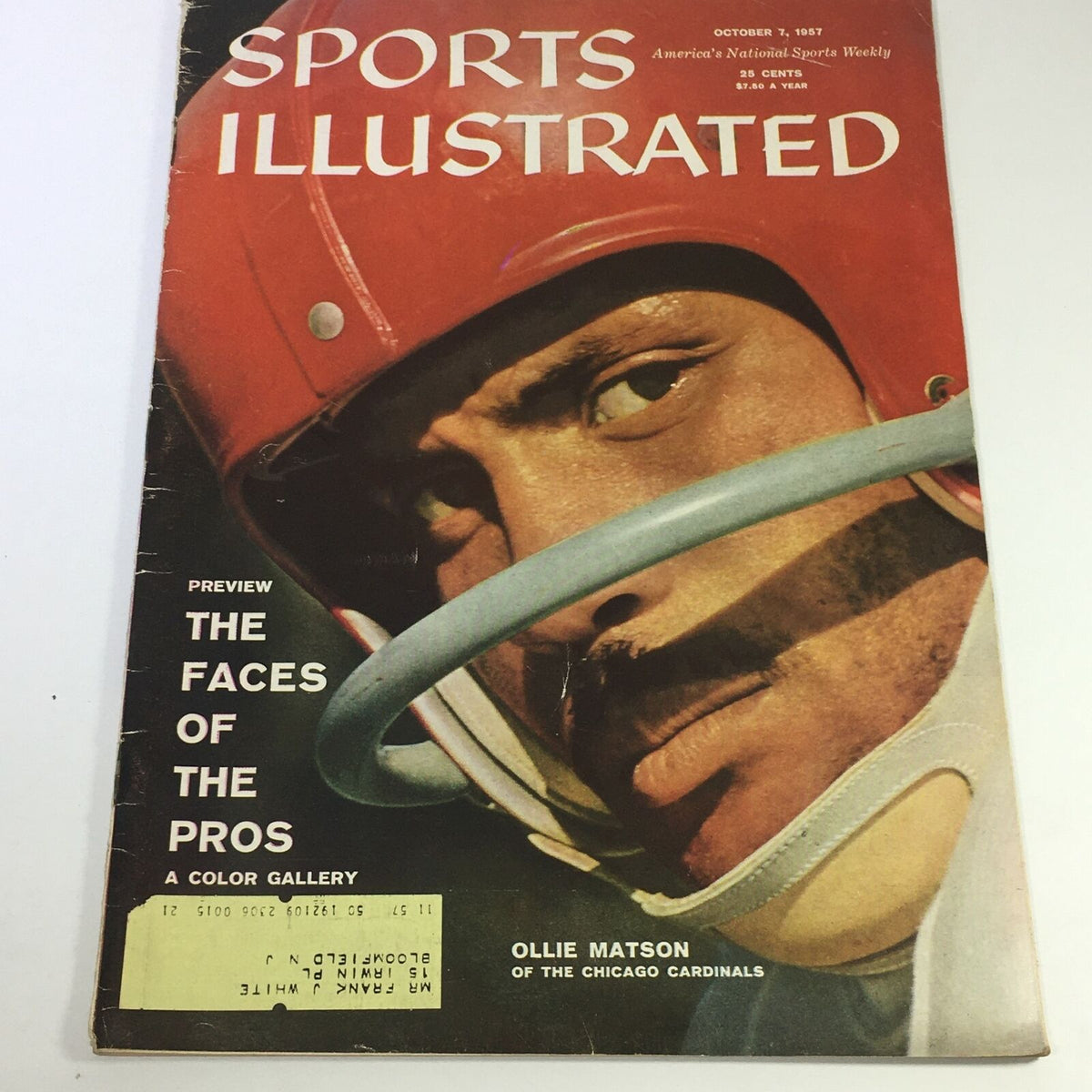
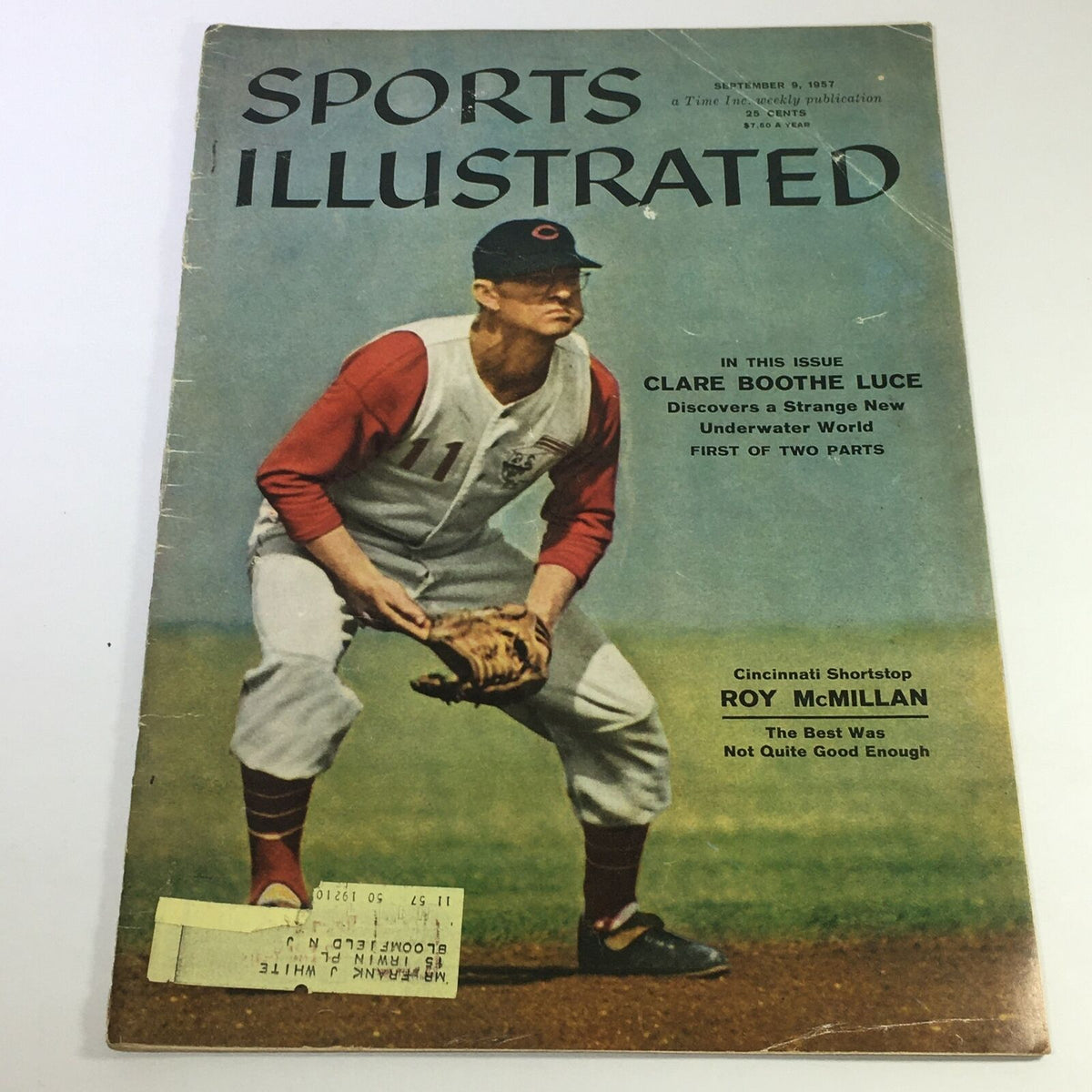
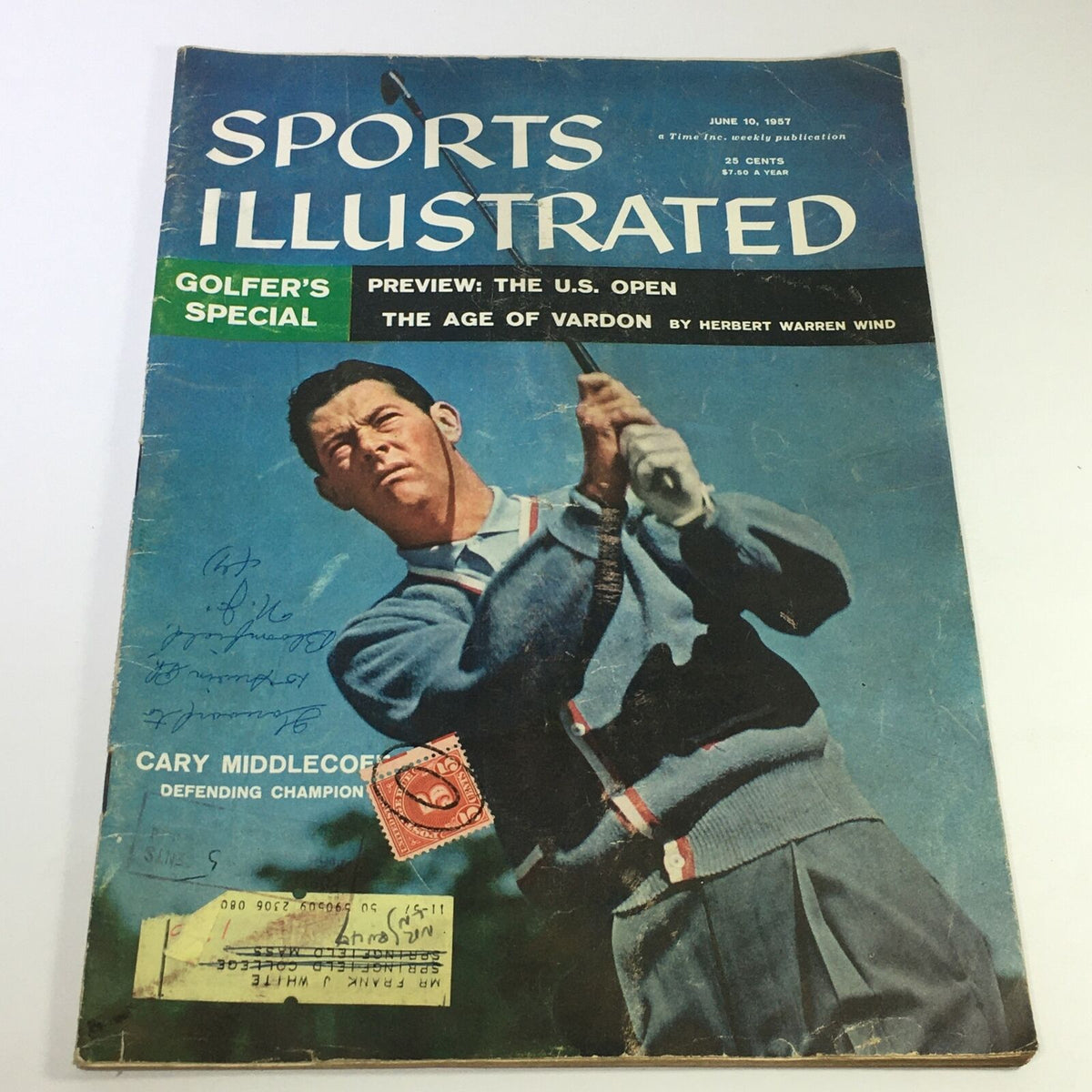
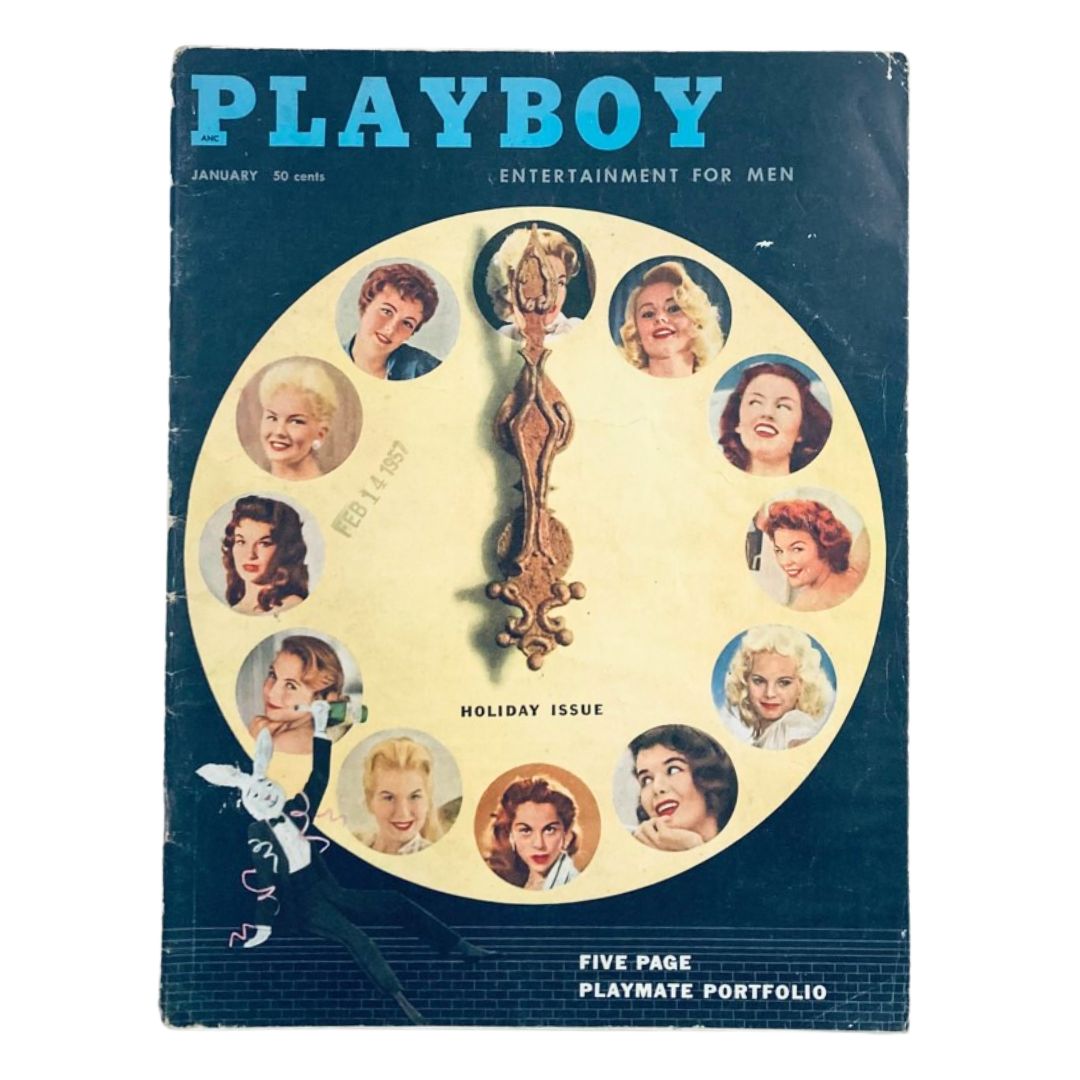
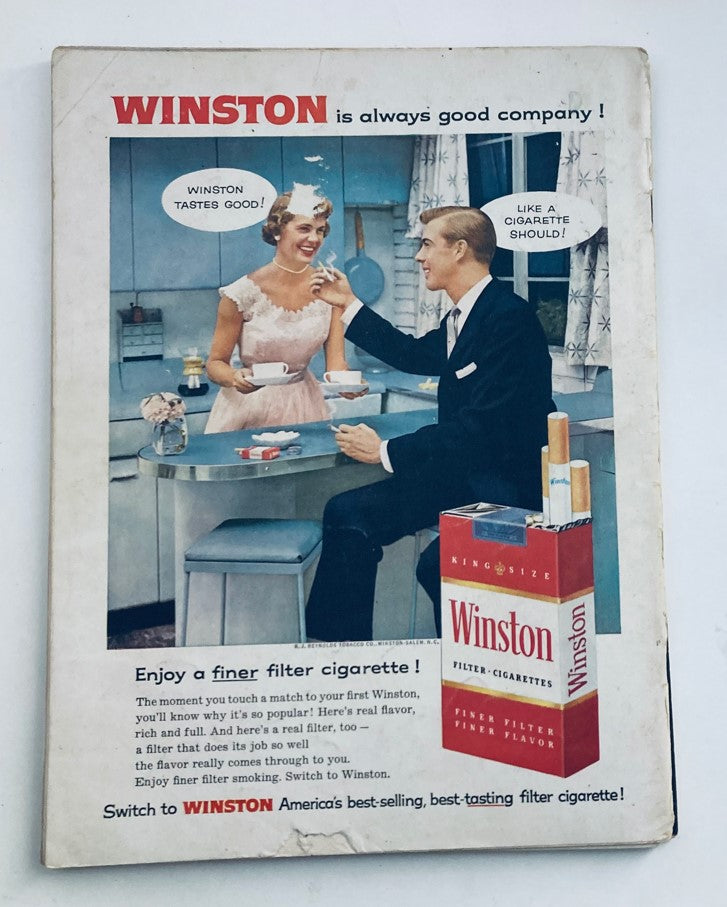
While headlines chronicled geopolitical tension and social upheaval, Americans sought comfort in entertainment and consumer abundance. Dr. Seuss revolutionized children's literature when The Cat in the Hat appeared in March, offering parents a whimsical alternative to the dreary reading primers their children had been enduring. Movie theaters drew record crowds with releases like The Bridge on the River Kwai and Disney's Old Yeller, while television sets—now in over 40 million homes—broadcast Leave It to Beaver and Perry Mason into living rooms nationwide. Sports Illustrated chronicled the Milwaukee Braves' World Series victory, while fashion magazines like Vogue and Harper's Bazaar showcased Christian Dior's "A-line" silhouette that would define late-fifties elegance. Original magazines from 1957 preserve this cultural moment in authentic detail: automobile advertisements promising rocket-inspired tail fins, cigarette ads featuring doctors endorsing their "smoothness," and full-page spreads for newfangled color televisions that promised to transform family life. These weren't just publications—they were genuine artifacts of optimism colliding with uncertainty.
Curator's Checklist: What to Look For in 1957 Vintage Magazines
-
Sputnik Coverage: News magazines like Time, Life, and Newsweek featuring dramatic illustrated diagrams of satellite orbits, Soviet space program analysis, and editorial cartoons depicting American anxiety about falling behind in the technological competition with Moscow.
-
Little Rock Crisis Photography: Look featuring powerful documentary photography of the 101st Airborne soldiers escorting students, capturing one of the civil rights movement's most defining confrontations with rare magazines preserving eyewitness journalism that shaped national conscience.
-
Atomic Age Enthusiasm: Popular Mechanics and general interest periodicals showcasing the Shippingport nuclear plant with cutaway technical illustrations, futuristic predictions about atomic-powered homes, and advertisements for Geiger counters marketed to everyday consumers caught up in nuclear fever.
-
Children's Literature Revolution: Parents' magazines and education journals chronicling the reading reform movement that made The Cat in the Hat a cultural phenomenon, often featuring advertisements for the new "beginner books" alongside traditional primers.
-
Tailfin Culture: Automotive magazines and Saturday Evening Post issues illustrated with chrome-laden Chevrolets and Cadillacs embodying the era's space-age design philosophy, where every sedan aspired to look like a rocket ship ready for launch.
The Perfect Gift
For someone born in 1957, an original magazine from this transformative year isn't just a nostalgic collectible—it's an authenticated portal to the exact moment when humanity's gaze shifted permanently skyward, preserved in genuine advertisements, Cold War headlines, and the unfiltered optimism of the atomic age.