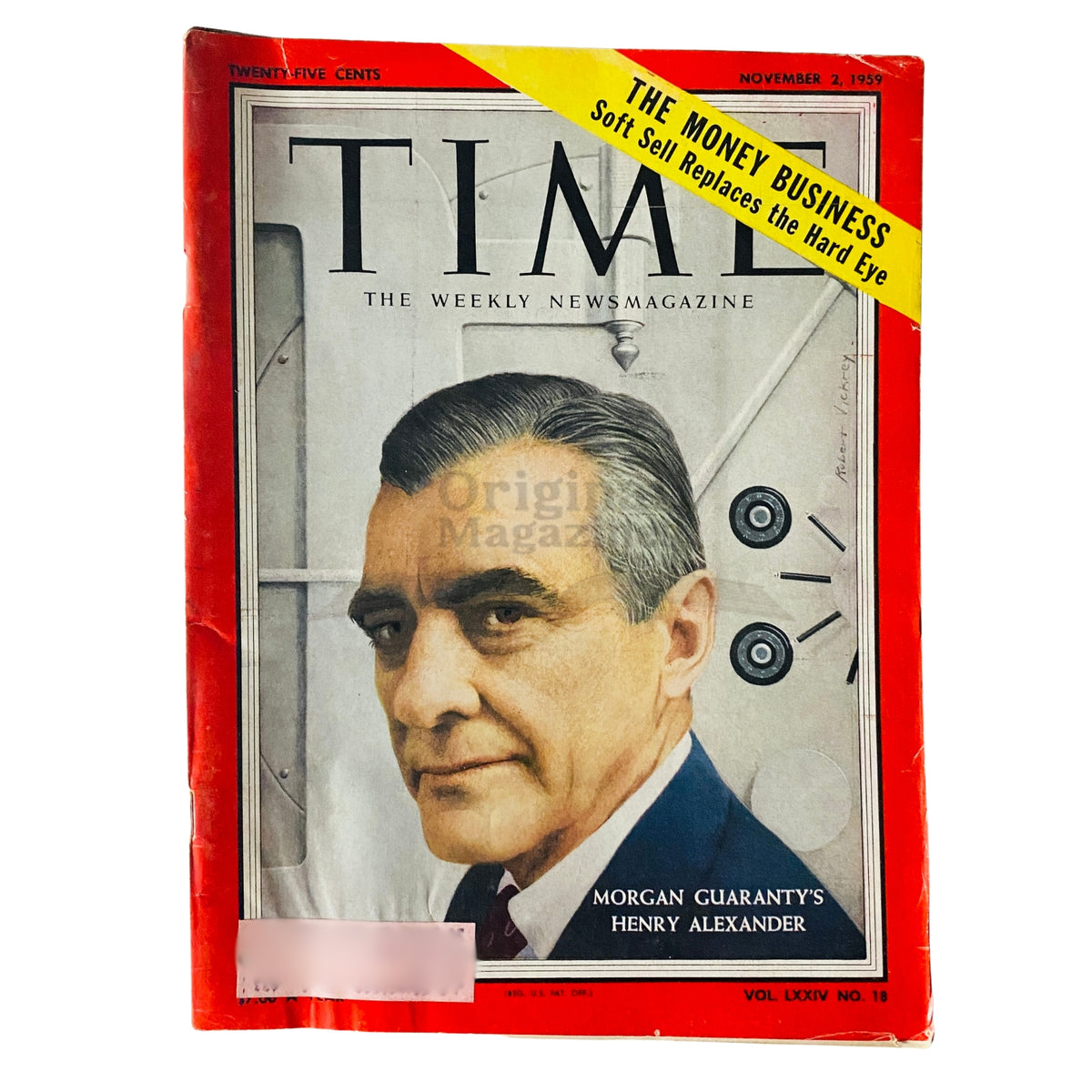
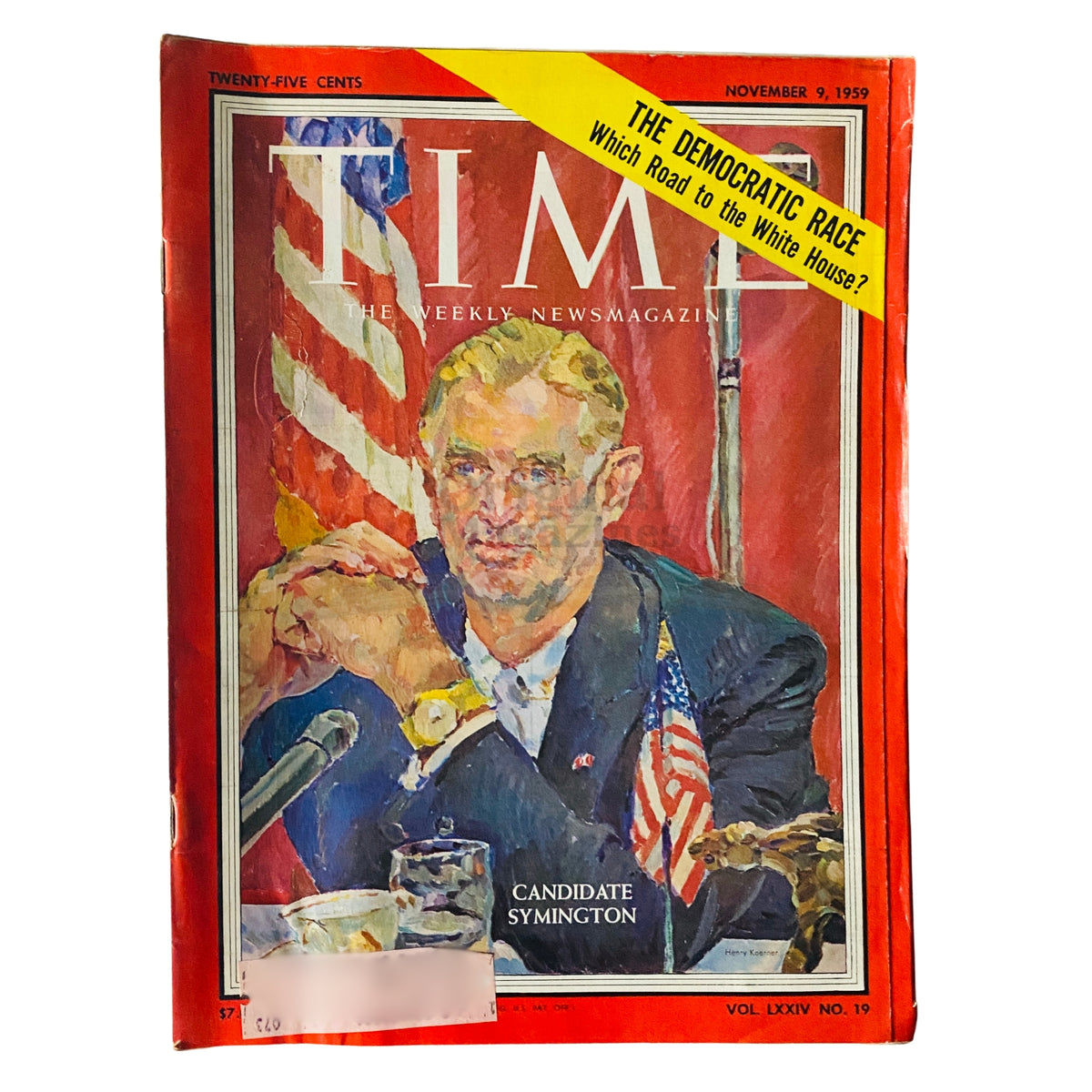
📖 About this Collection
1959: The Year America Came of Age
The world stood at a crossroads in 1959, caught between the optimism of post-war prosperity and the persistent shadow of Cold War anxiety. On July 24th, Vice President Richard Nixon and Soviet Premier Nikita Khrushchev faced off in Moscow's "Kitchen Debate," arguing capitalism versus communism in front of a gleaming American kitchen display—a moment that crystallized the era's ideological tensions in the most domestic of settings. The nation expanded to its modern form as Alaska achieved statehood on January 3rd and Hawaii followed on August 21st, making 1959 the only year in American history to welcome two states into the union. Yet tragedy struck on February 3rd when rock and roll stars Buddy Holly, Ritchie Valens, and "The Big Bopper" died in a plane crash near Clear Lake, Iowa—a loss so profound that Don McLean would later immortalize it as "The Day the Music Died." This was the world your loved one entered in 1959: a nation confidently asserting its values on the global stage while mourning the fragility of its brightest young stars.
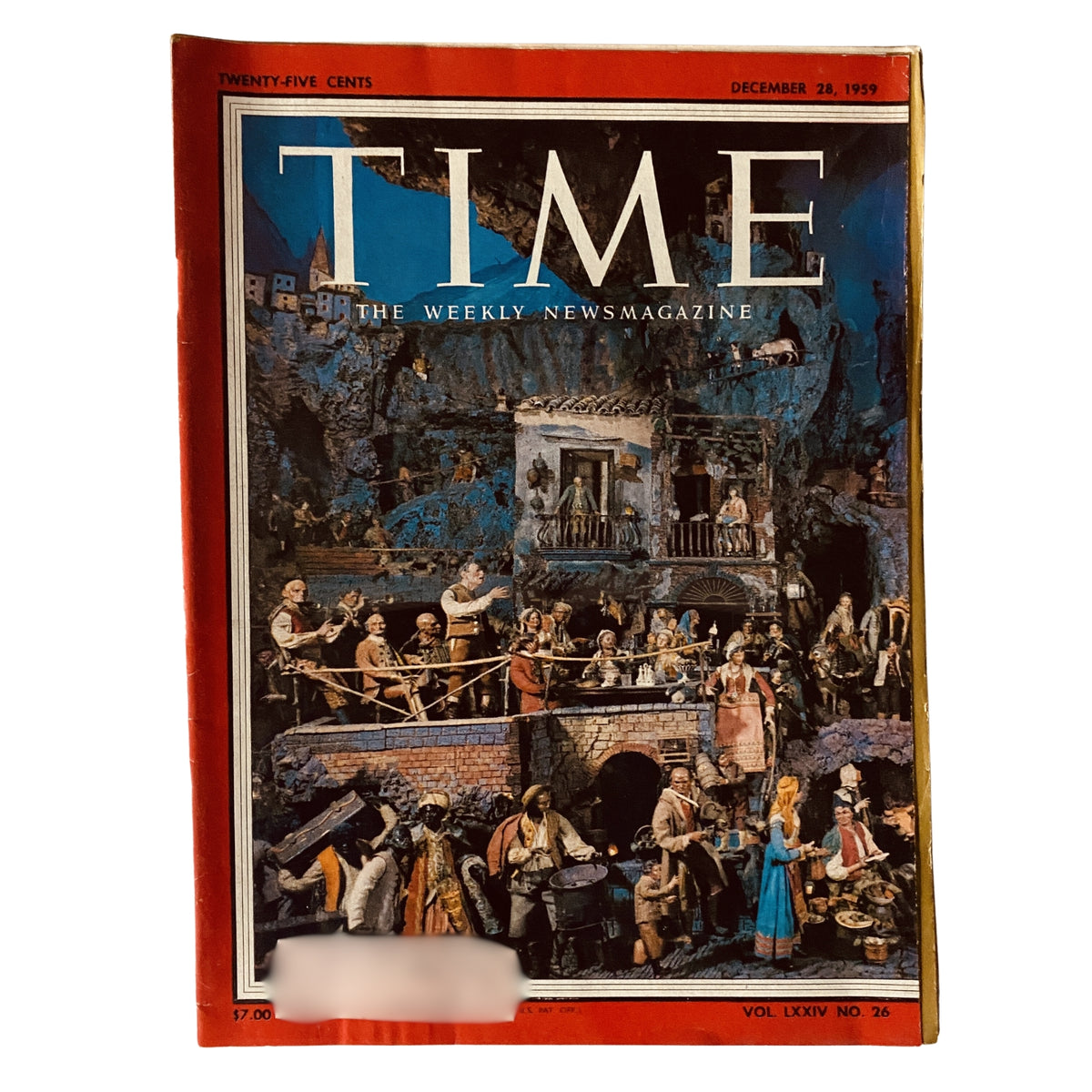
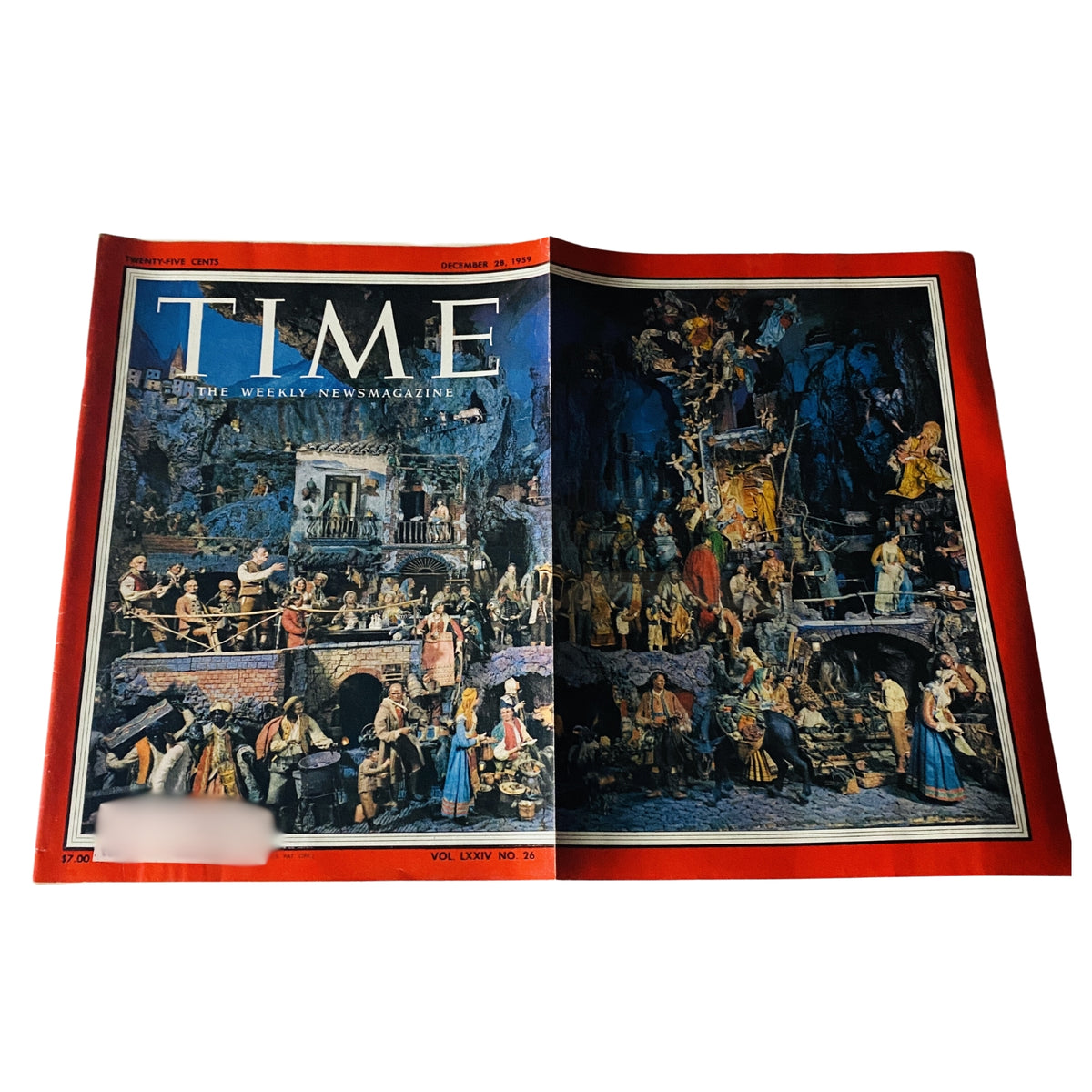
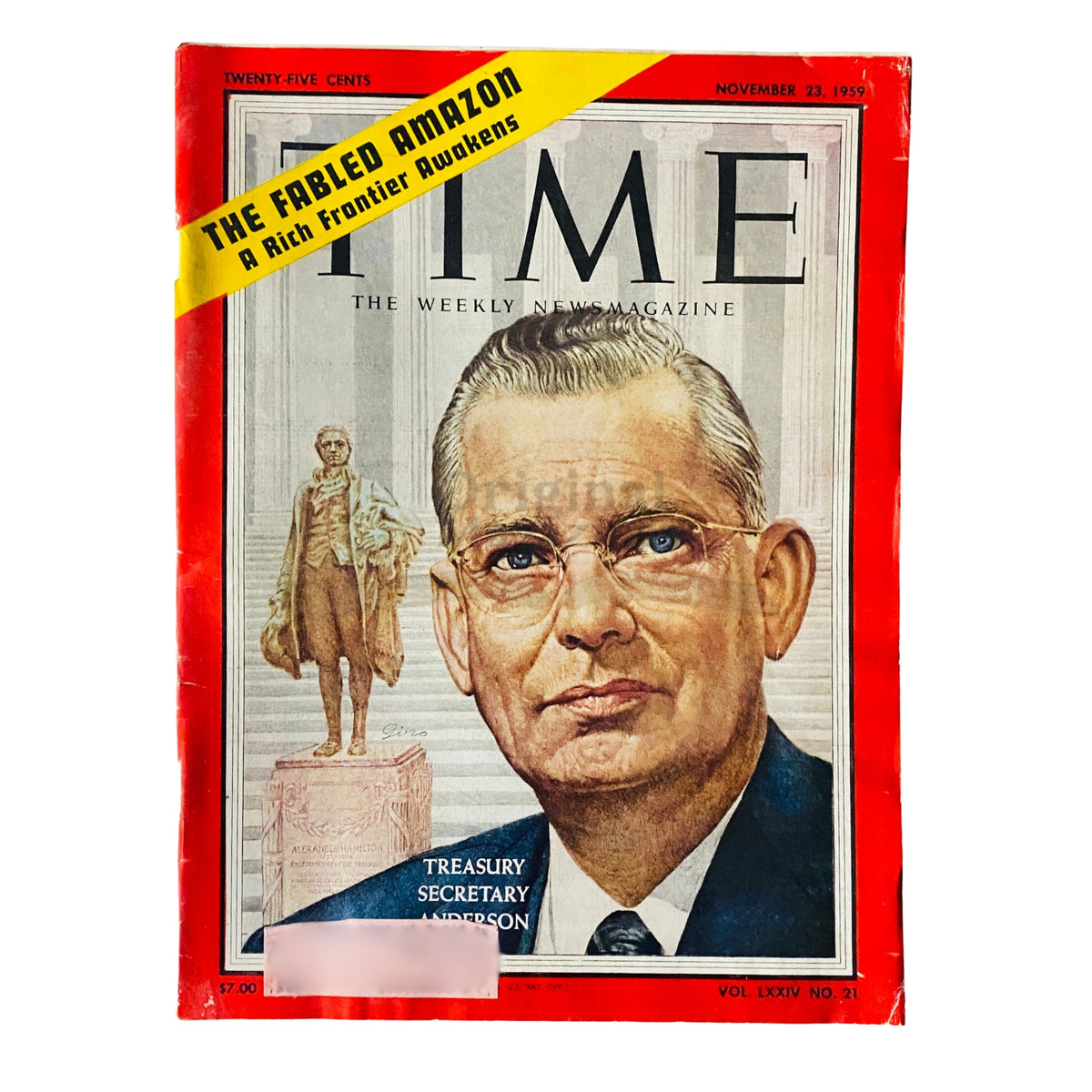
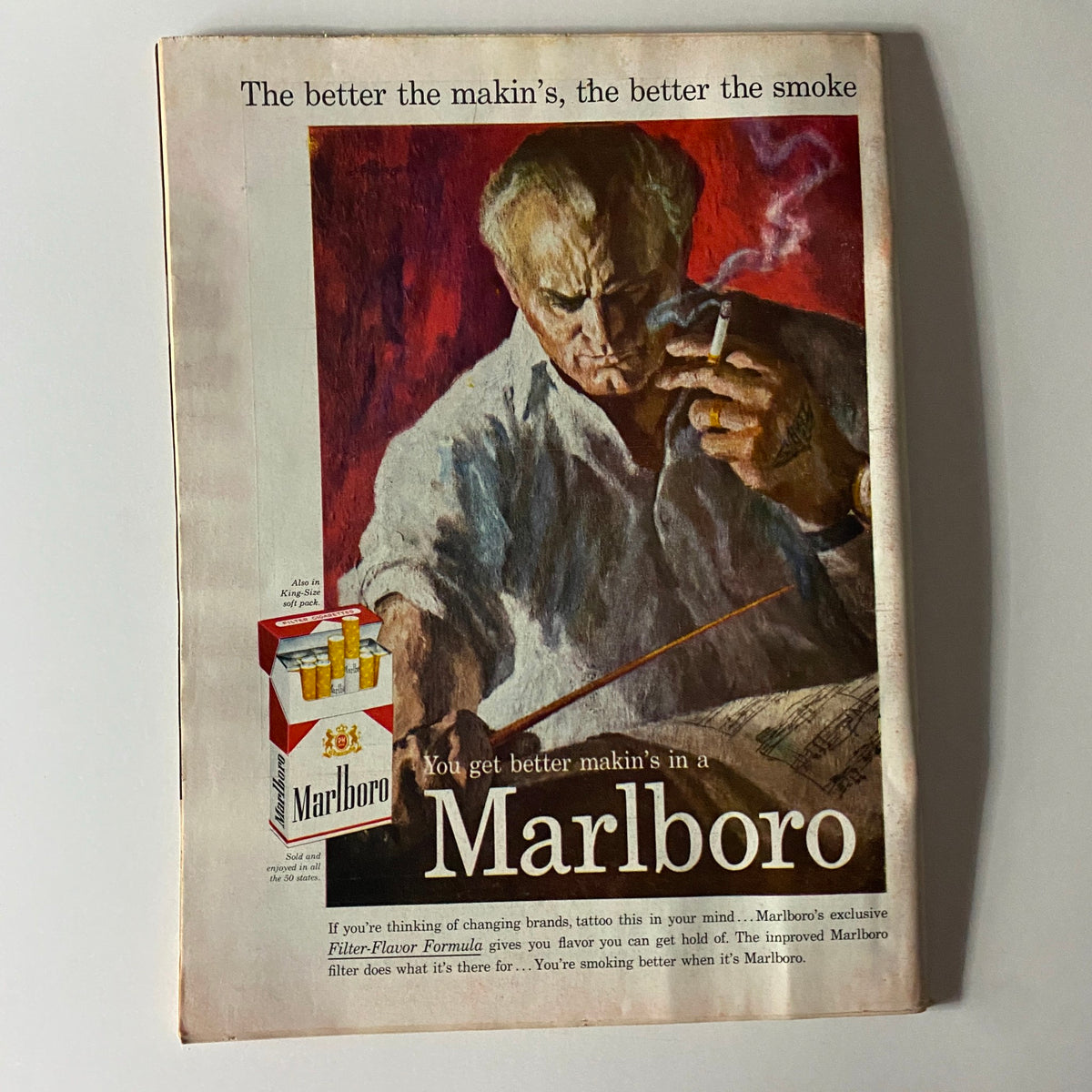
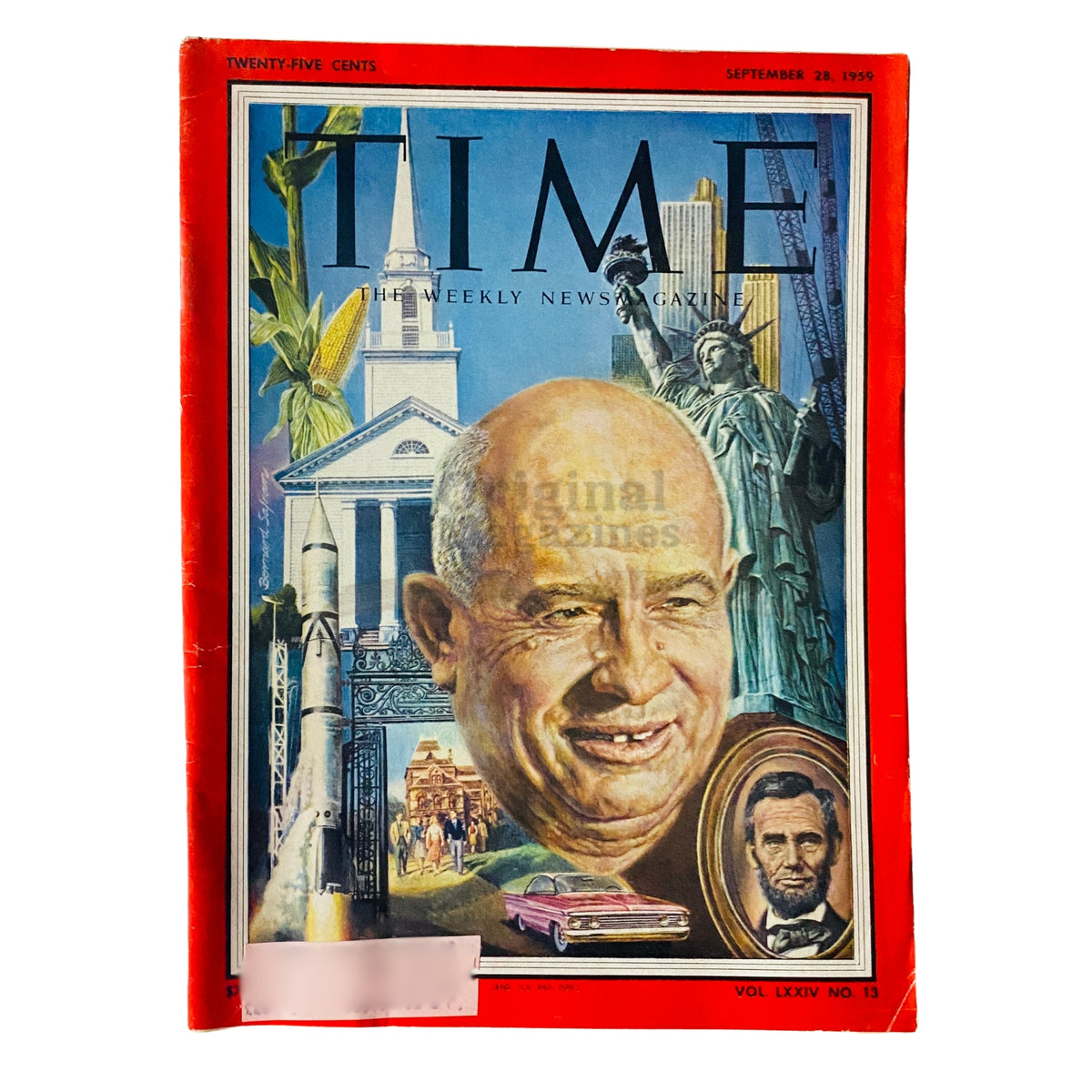
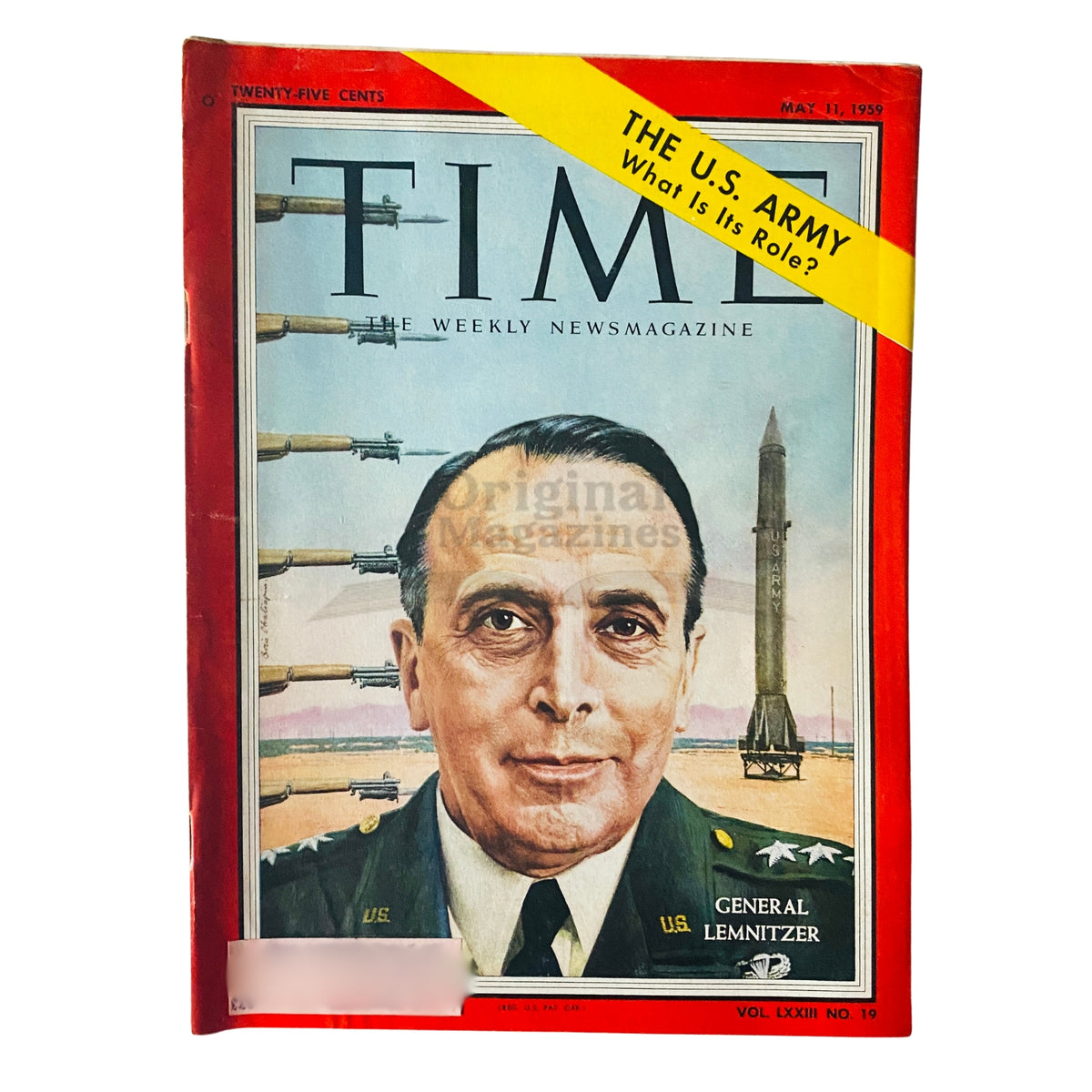
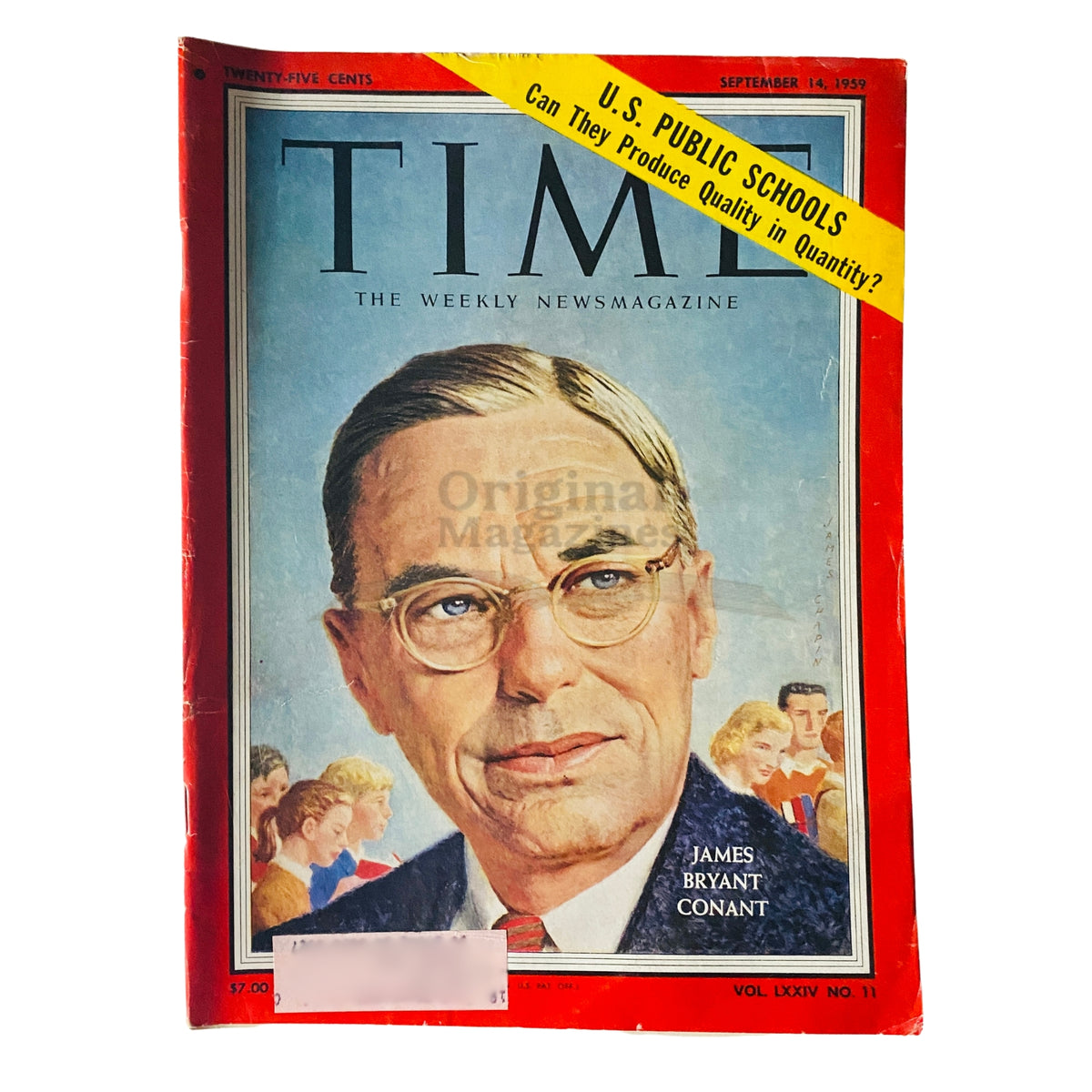
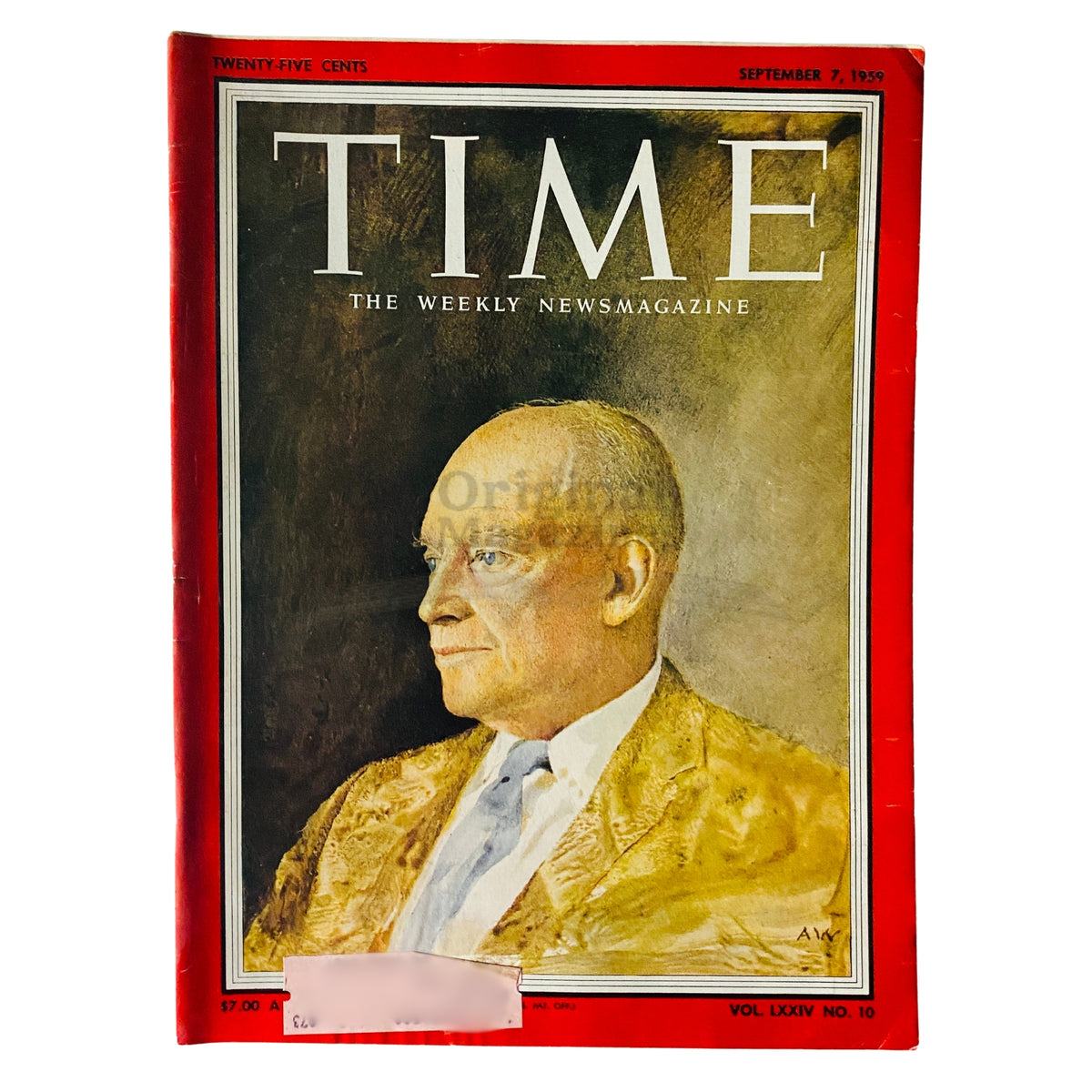
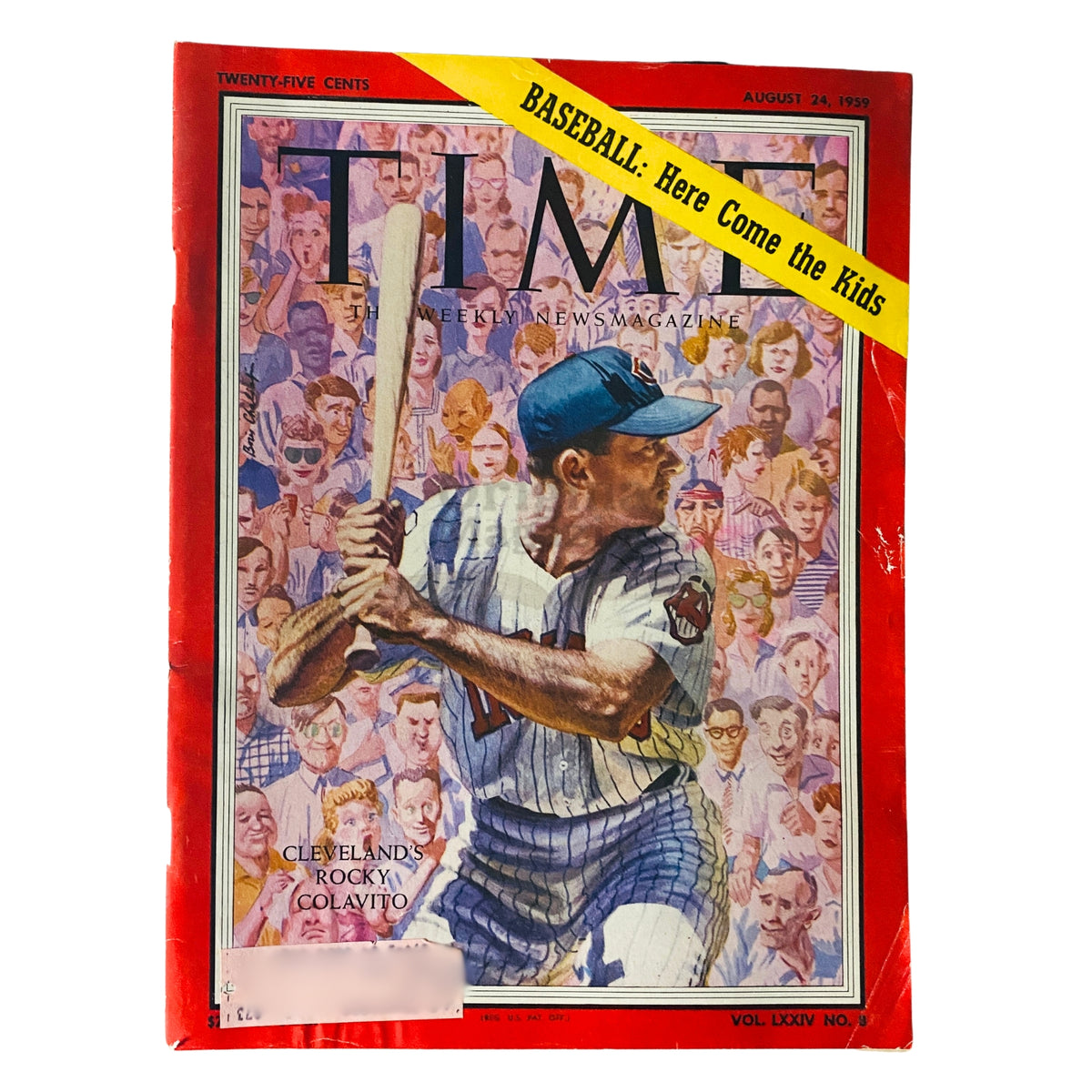
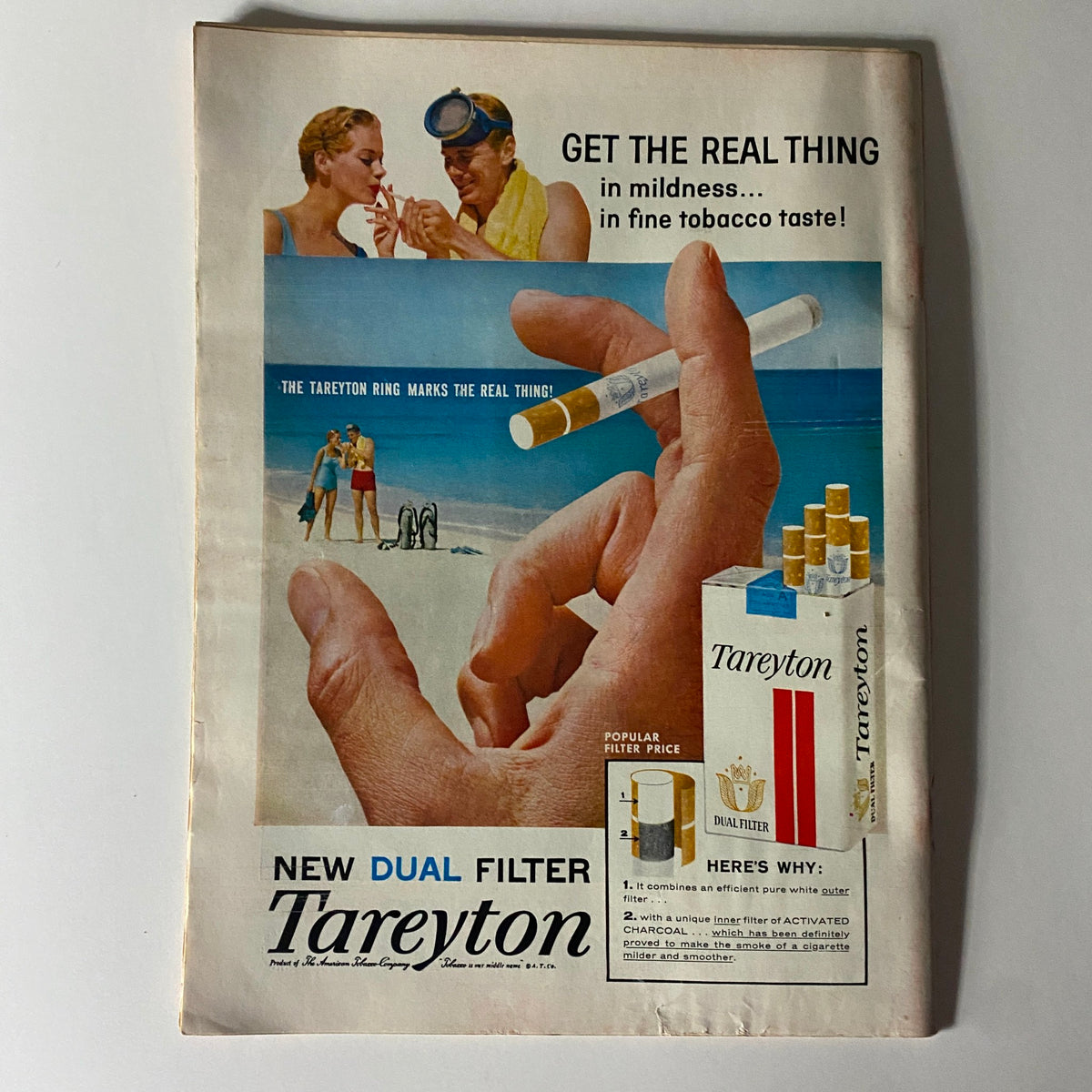
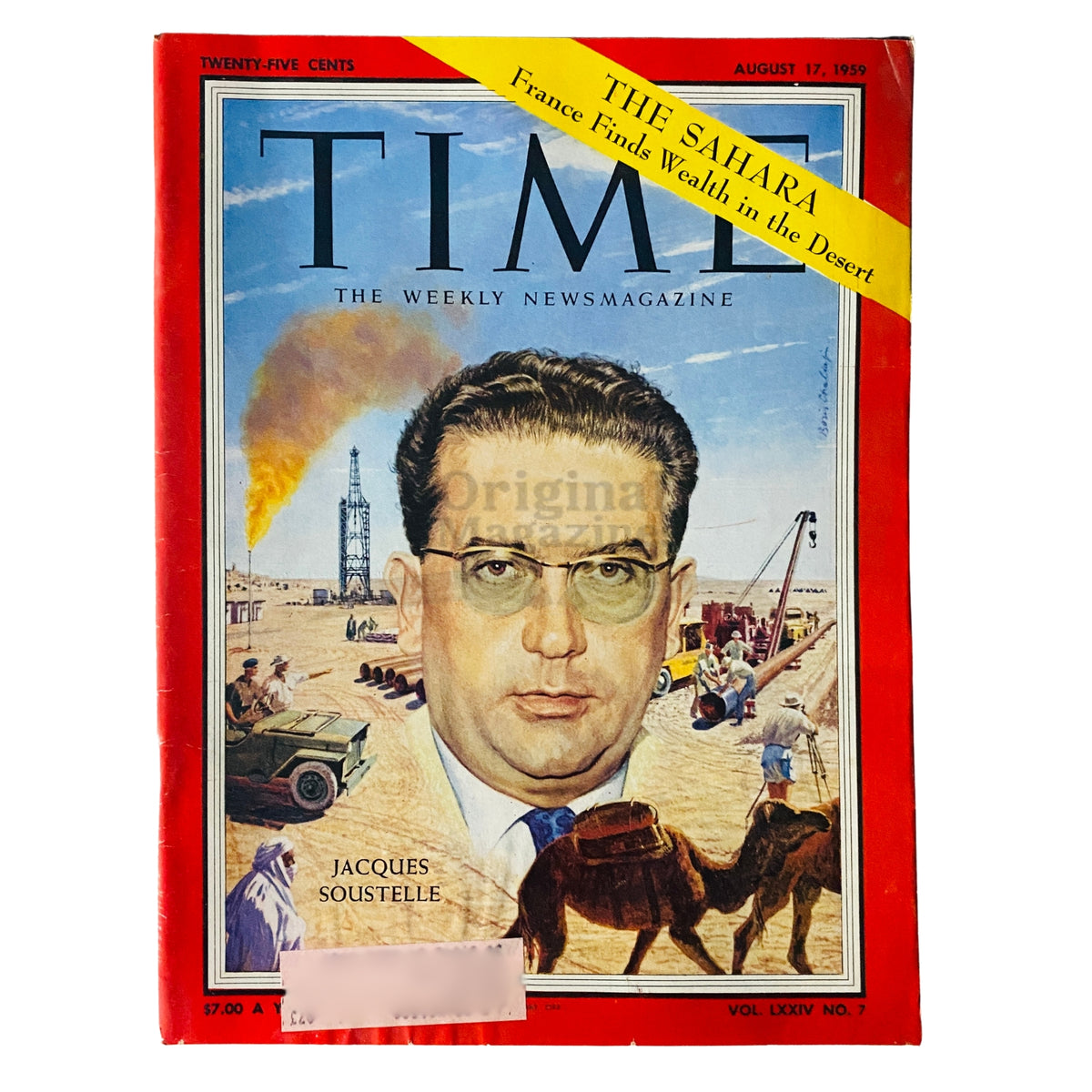
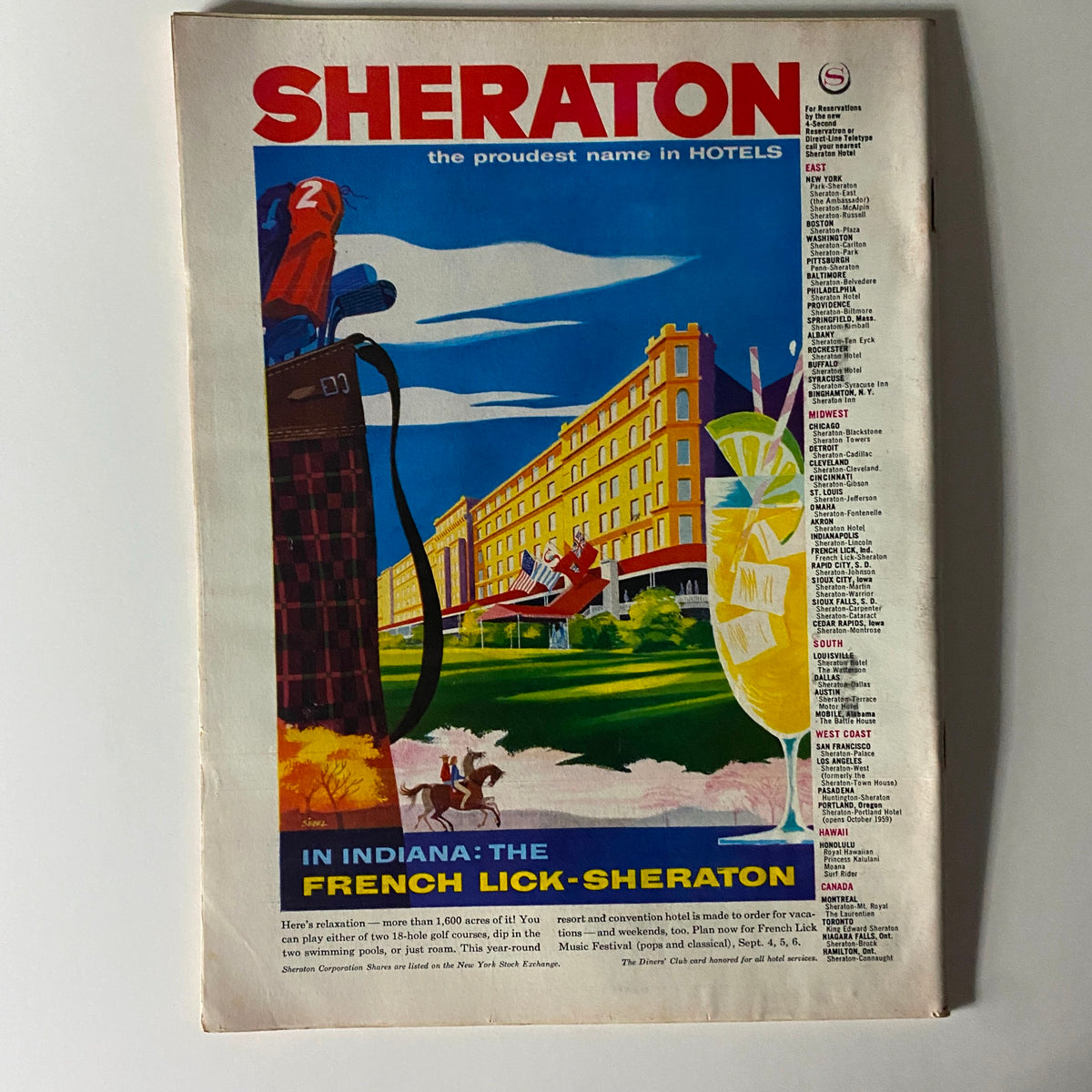
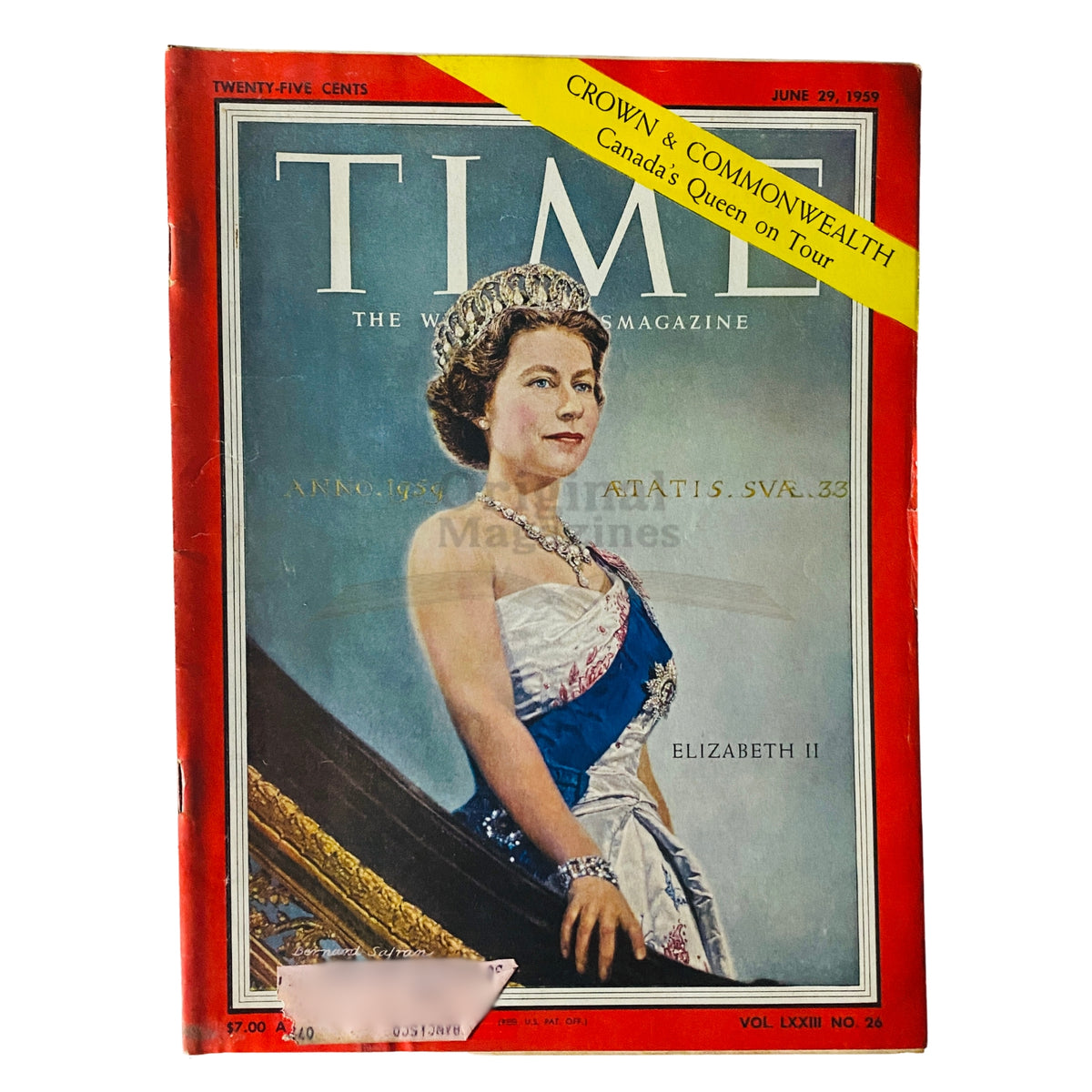
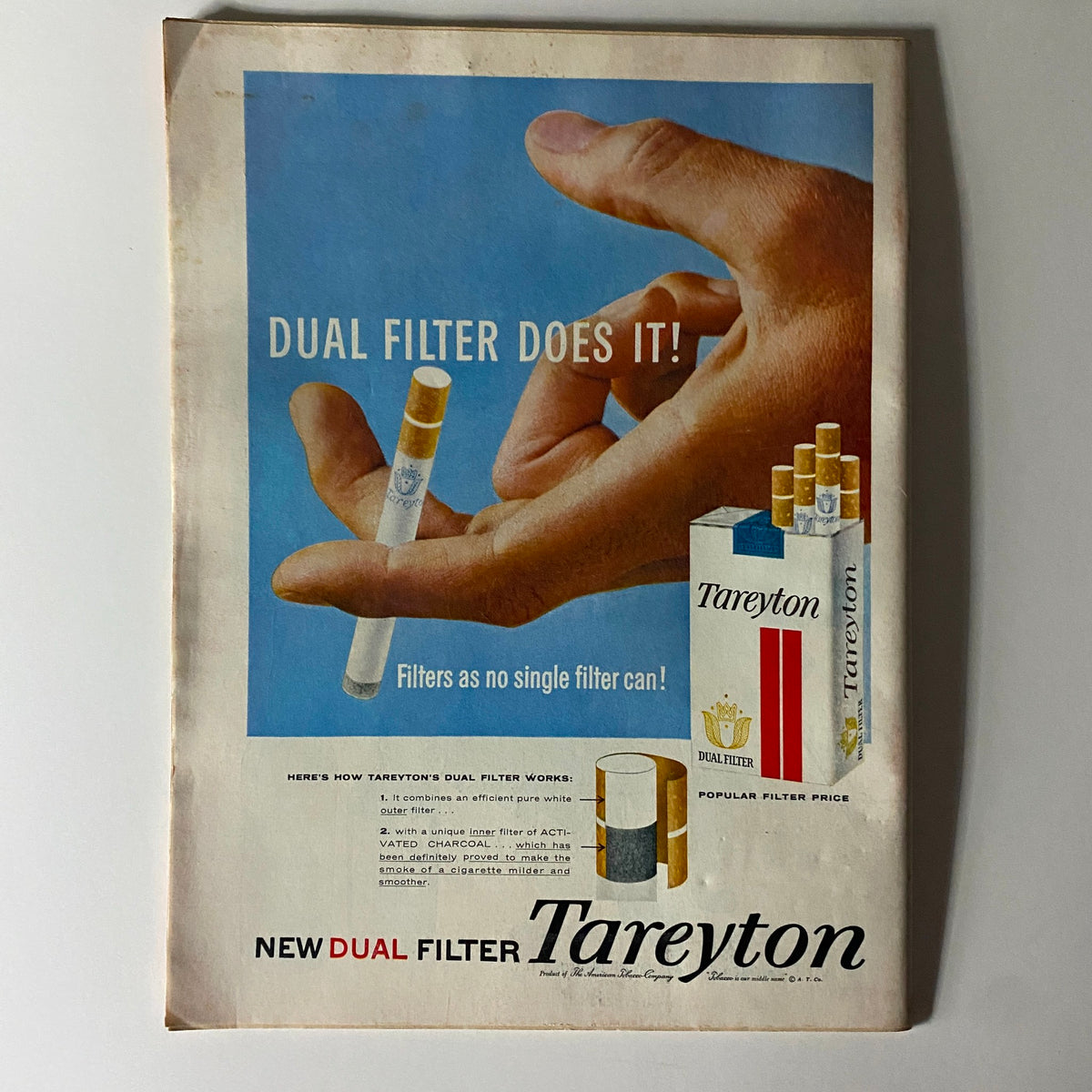
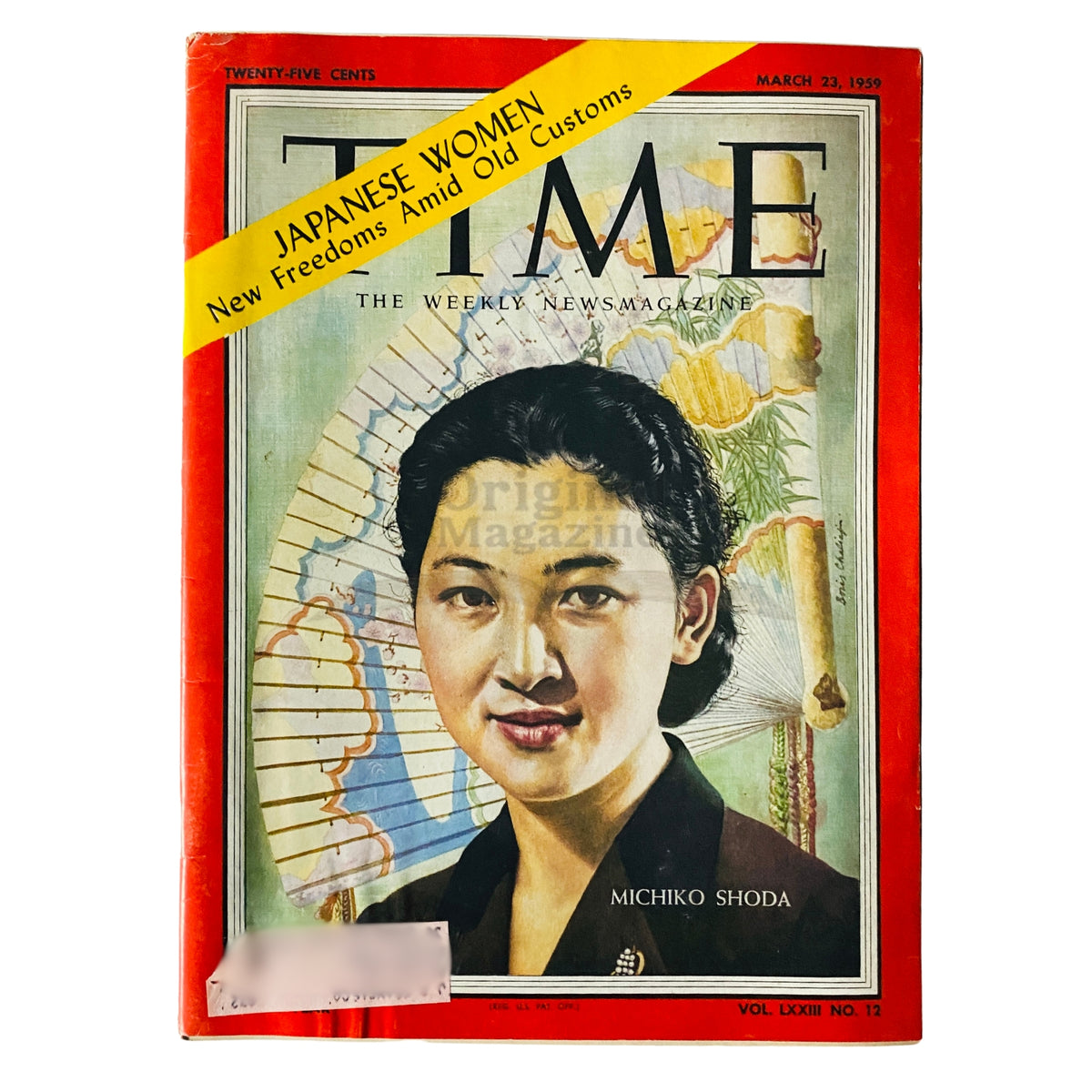
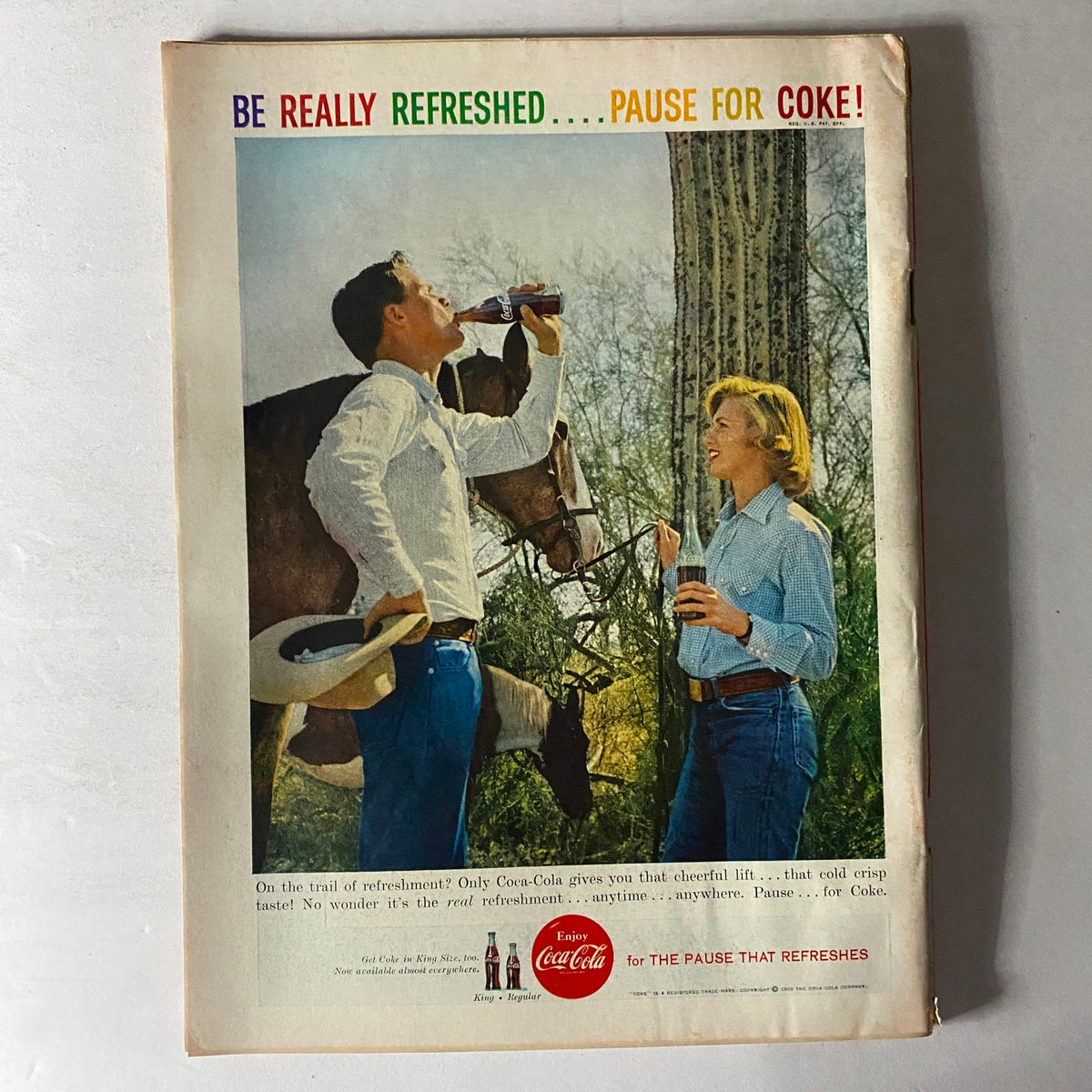
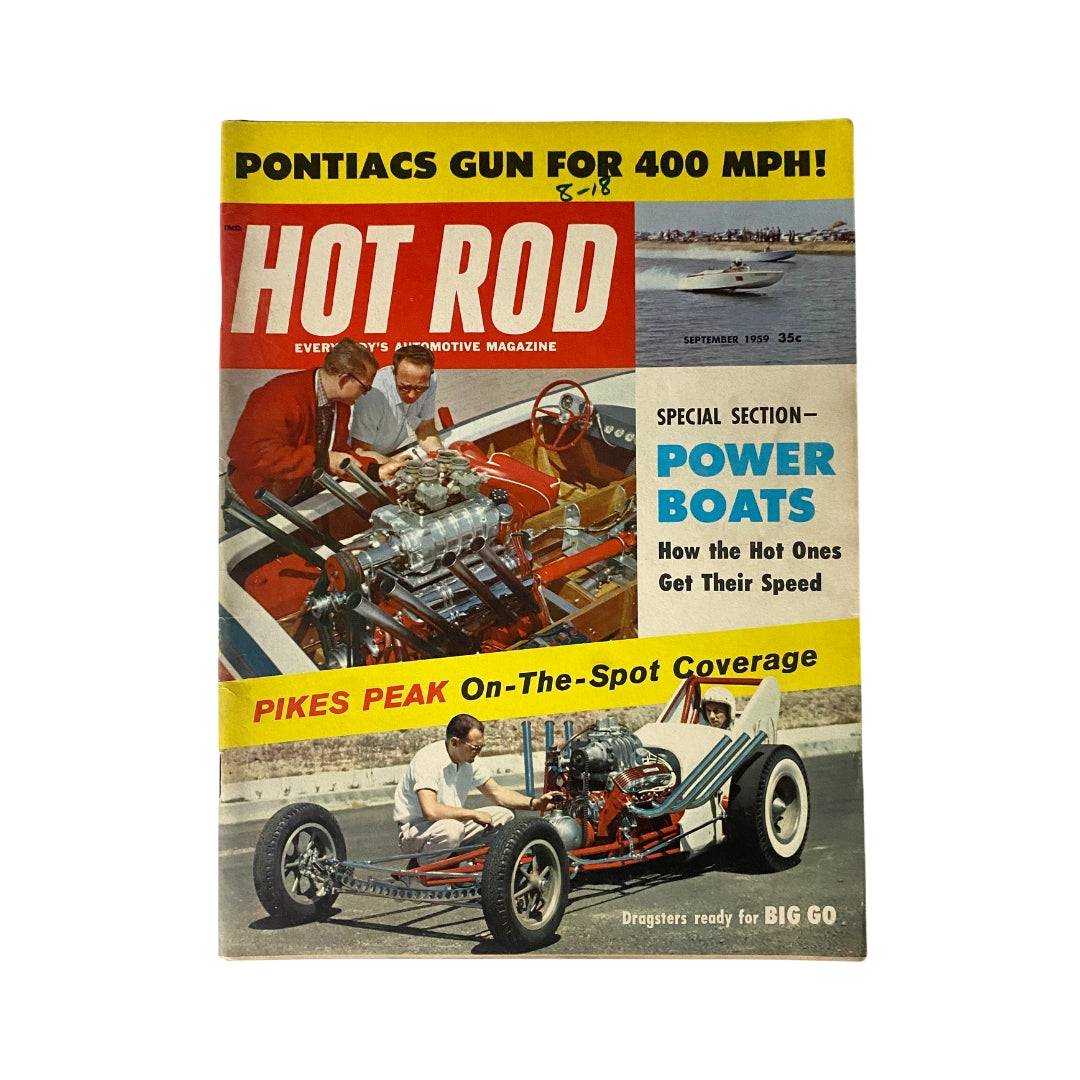
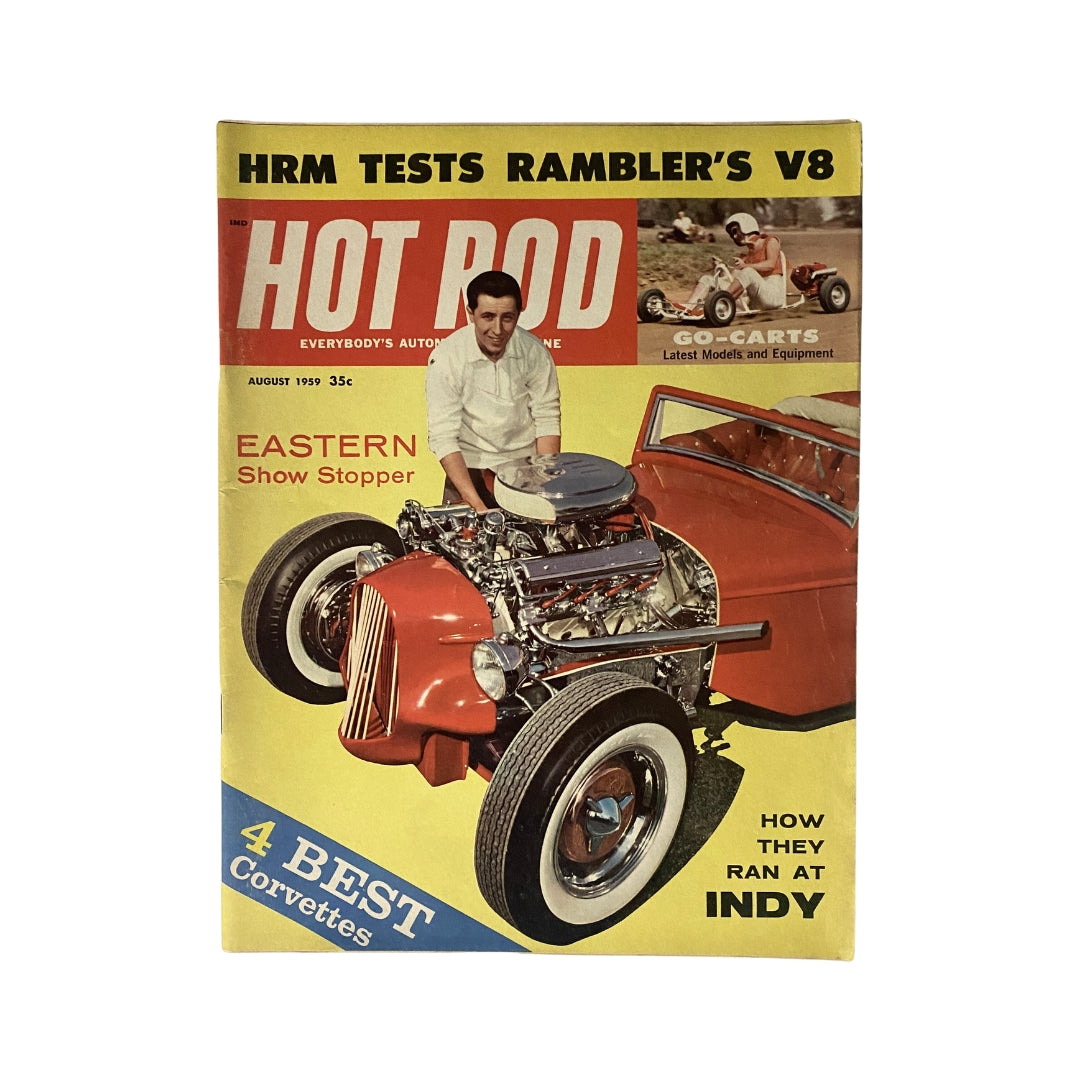
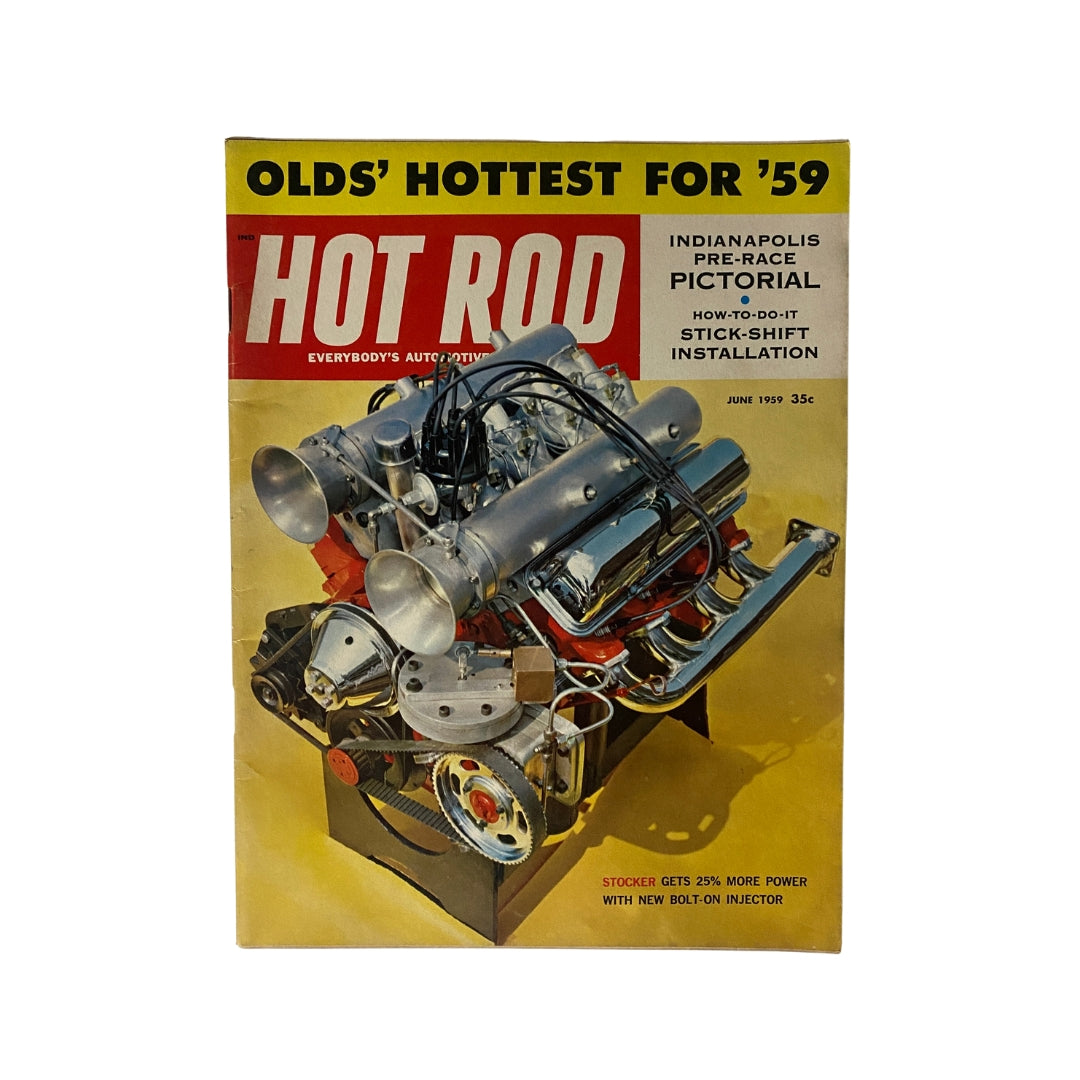
The culture of 1959 crackled with youthful rebellion and consumerist dreams. Movie theaters showcased Ben-Hur and Some Like It Hot, while television sets—now fixtures in American living rooms—broadcast the debut of Bonanza and The Twilight Zone. On March 9th, Ruth Handler's Barbie doll made her debut at the American International Toy Fair for $3.00, destined to become an icon captured in countless magazine advertisements throughout the year. The Milwaukee Braves battled in the World Series, while rock and roll—despite its February tragedy—continued reshaping youth culture through original magazines from 1959 that preserved everything from Buddy Holly's final tour ads to debates about this "dangerous" new music. Life magazine documented the Kitchen Debate with striking photography, while Time analyzed Cold War brinkmanship, and fashion magazines like Vogue showcased the cinched waists and full skirts that defined late-1950s elegance. These vintage magazines captured a nation in transition—prosperous, anxious, and utterly confident in its destiny.
What You'll Discover in 1959 Magazines
-
The Kitchen Debate: Time, Newsweek, and Life featuring dramatic photography of Nixon and Khrushchev's Moscow showdown, often accompanied by analysis of American consumer culture as Cold War weapon and full-page spreads of the gleaming kitchen exhibition itself.
-
Statehood Celebrations: News magazines chronicling Alaska and Hawaii's admission to the union, illustrated with maps showing the new 49- and 50-star flag designs, tourism advertisements promoting "America's newest frontiers," and features on indigenous cultures joining the national story.
-
Rock and Roll's Darkest Day: Life, Look, and entertainment magazines covering the tragic plane crash, showcasing rare magazines documenting Buddy Holly's "Winter Dance Party" tour advertisements, memorial tributes, and the cultural impact of losing three stars in their prime.
-
Barbie's Debut: Women's magazines and Saturday Evening Post featuring early Barbie advertisements with her original black-and-white striped swimsuit, Ruth Handler's innovation story, and the toy's revolutionary impact on how girls imagined their futures—all preserved in authentic magazine layouts.
-
Cold War Culture: Everything from fallout shelter advertisements in Popular Mechanics to diplomatic photography in news weeklies, capturing the genuine tension and nuclear-age anxiety that defined daily life, alongside the defiant optimism of American prosperity.
The Perfect Gift
For someone born in 1959, an original magazine from this transformative year isn't just nostalgia—it's an authenticated portal to the exact moment when America reached its fifty-state completion, mourned fallen music legends, and boldly defended its way of life in a Moscow kitchen, all preserved in genuine advertisements, headlines, and photography.