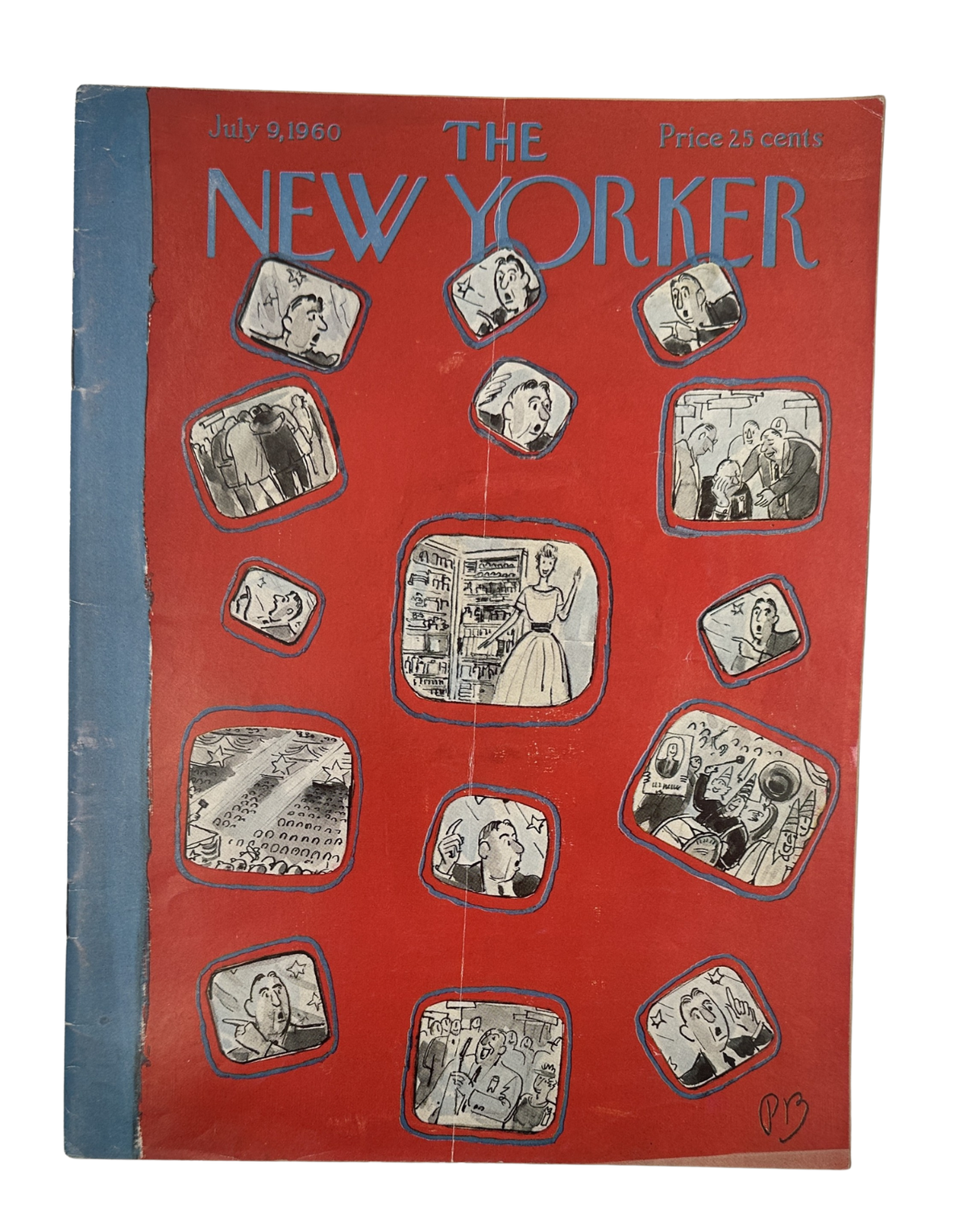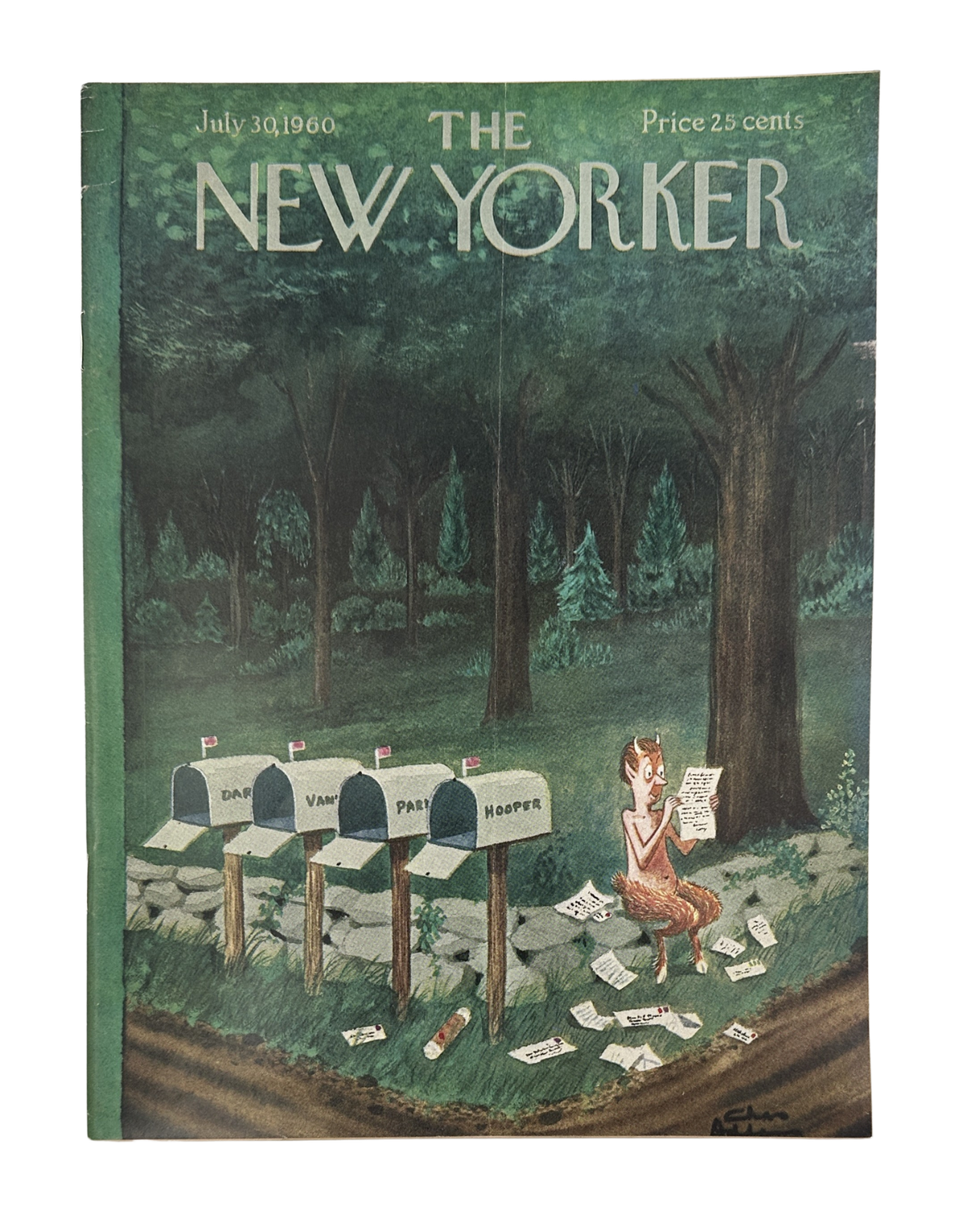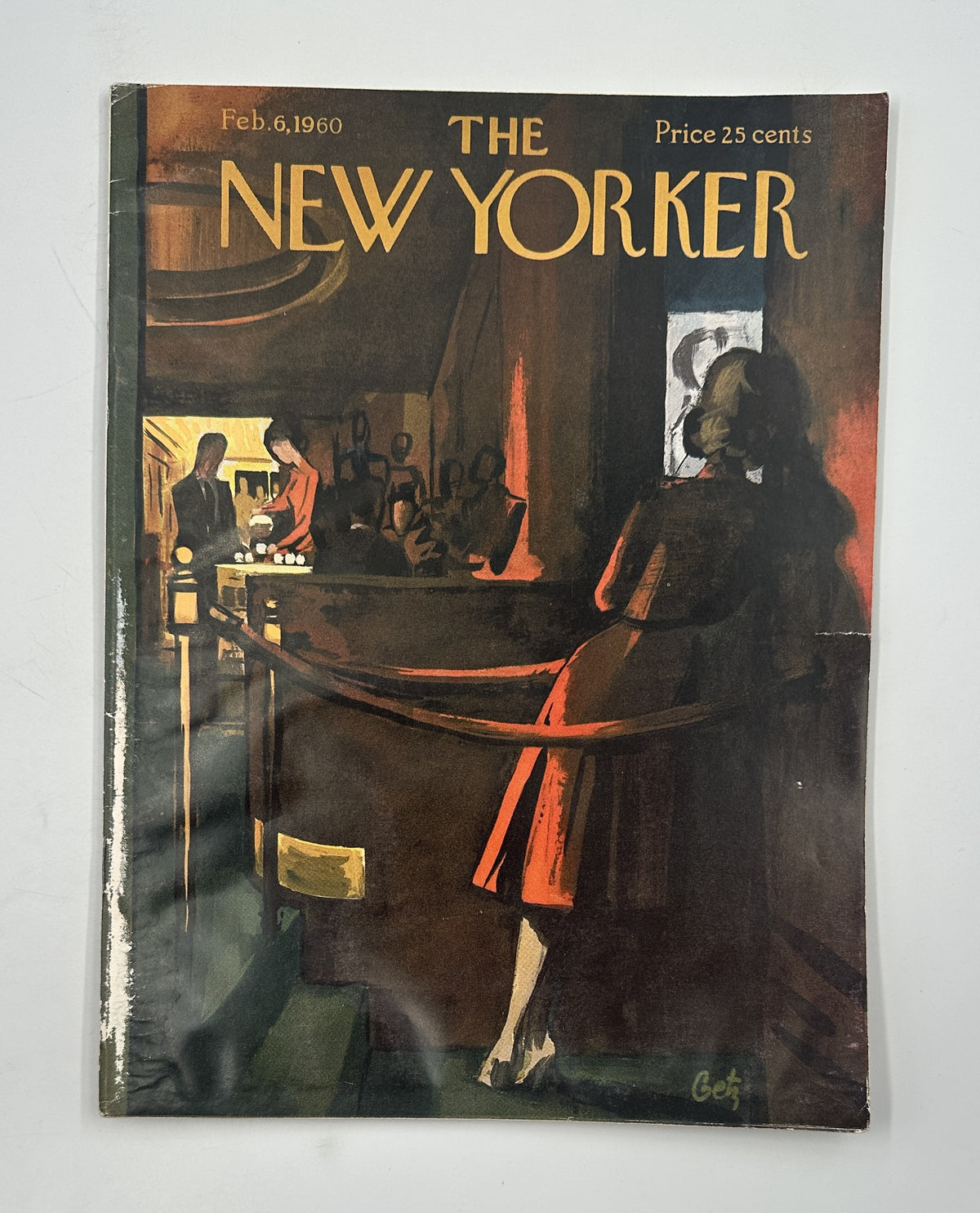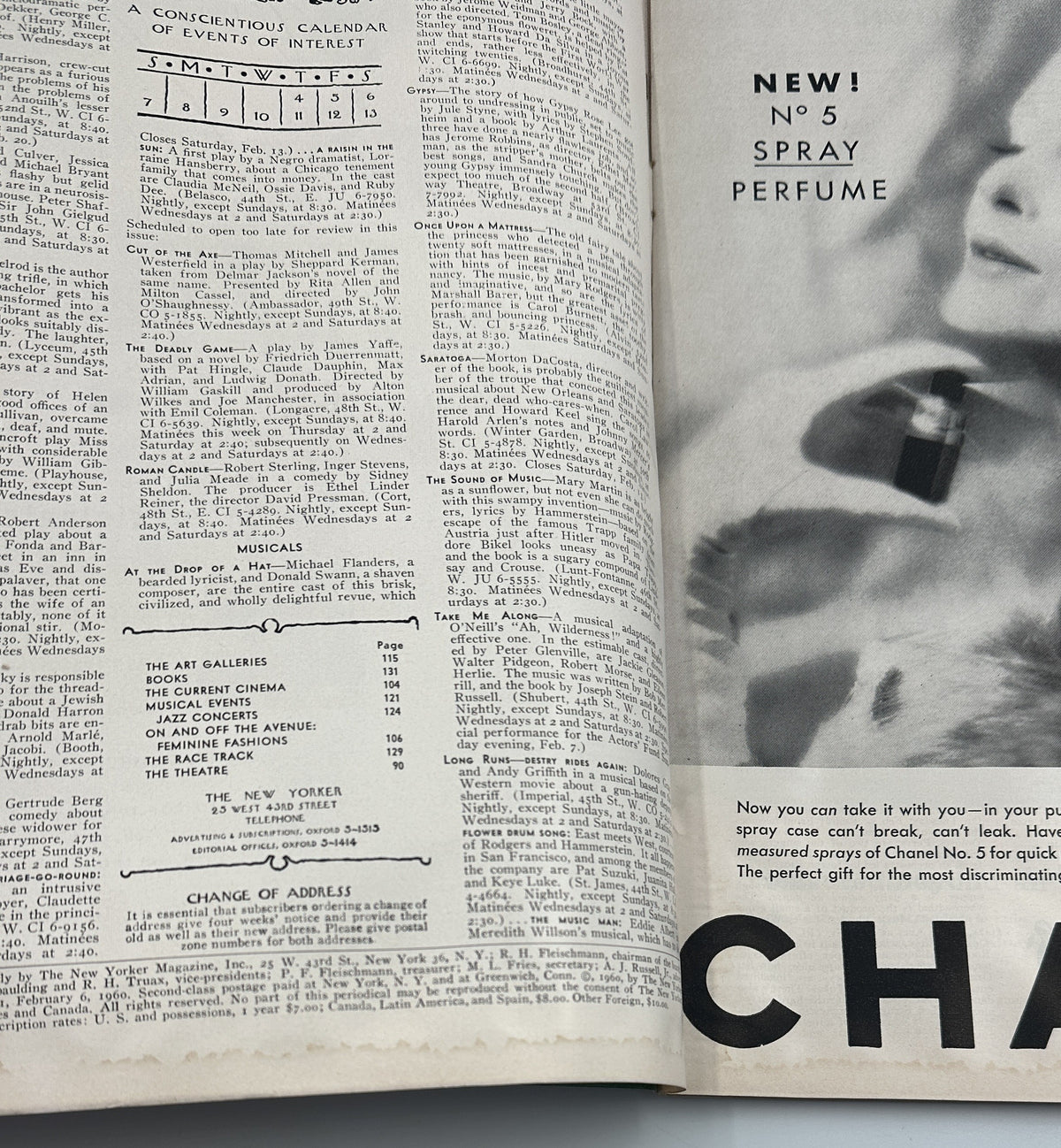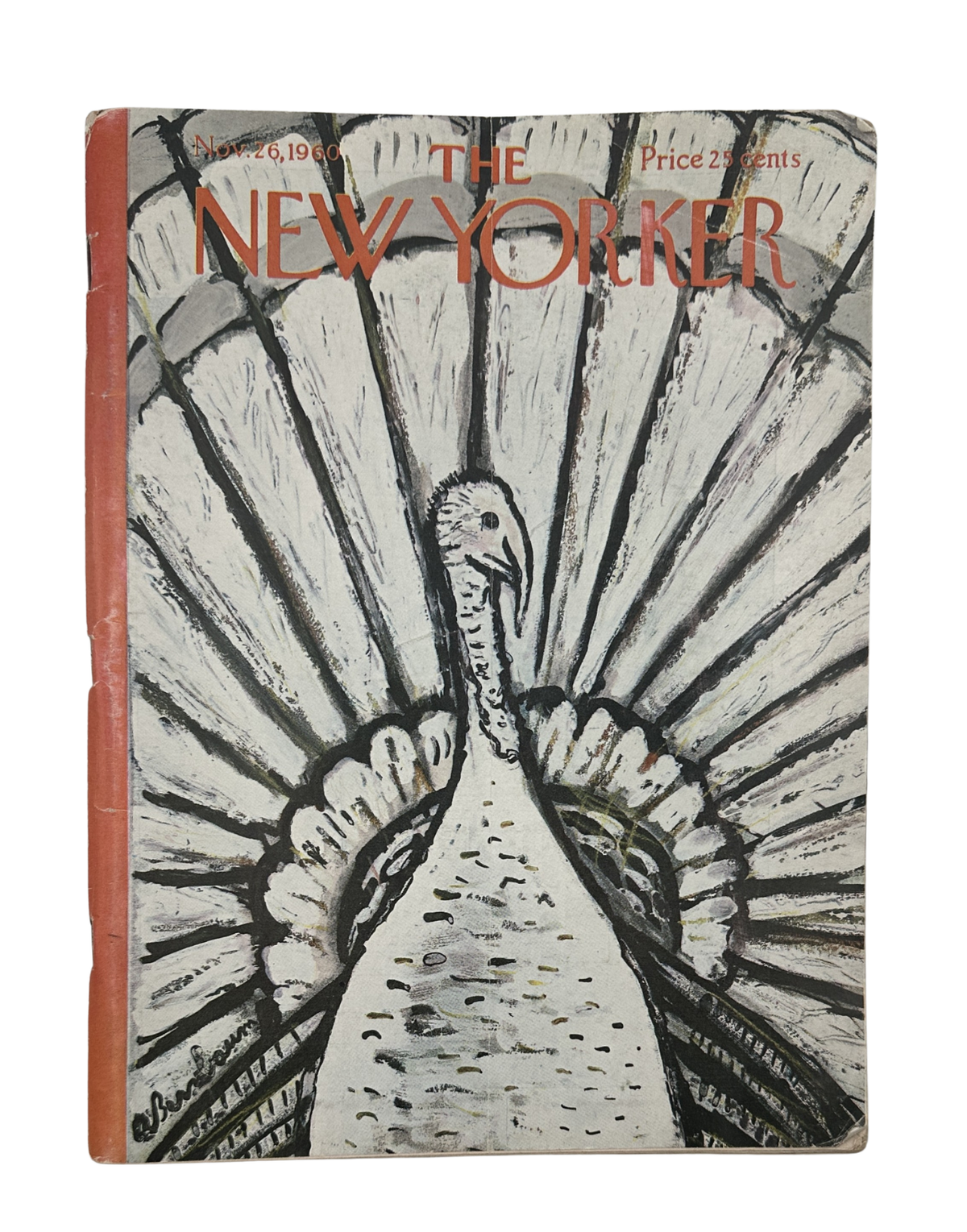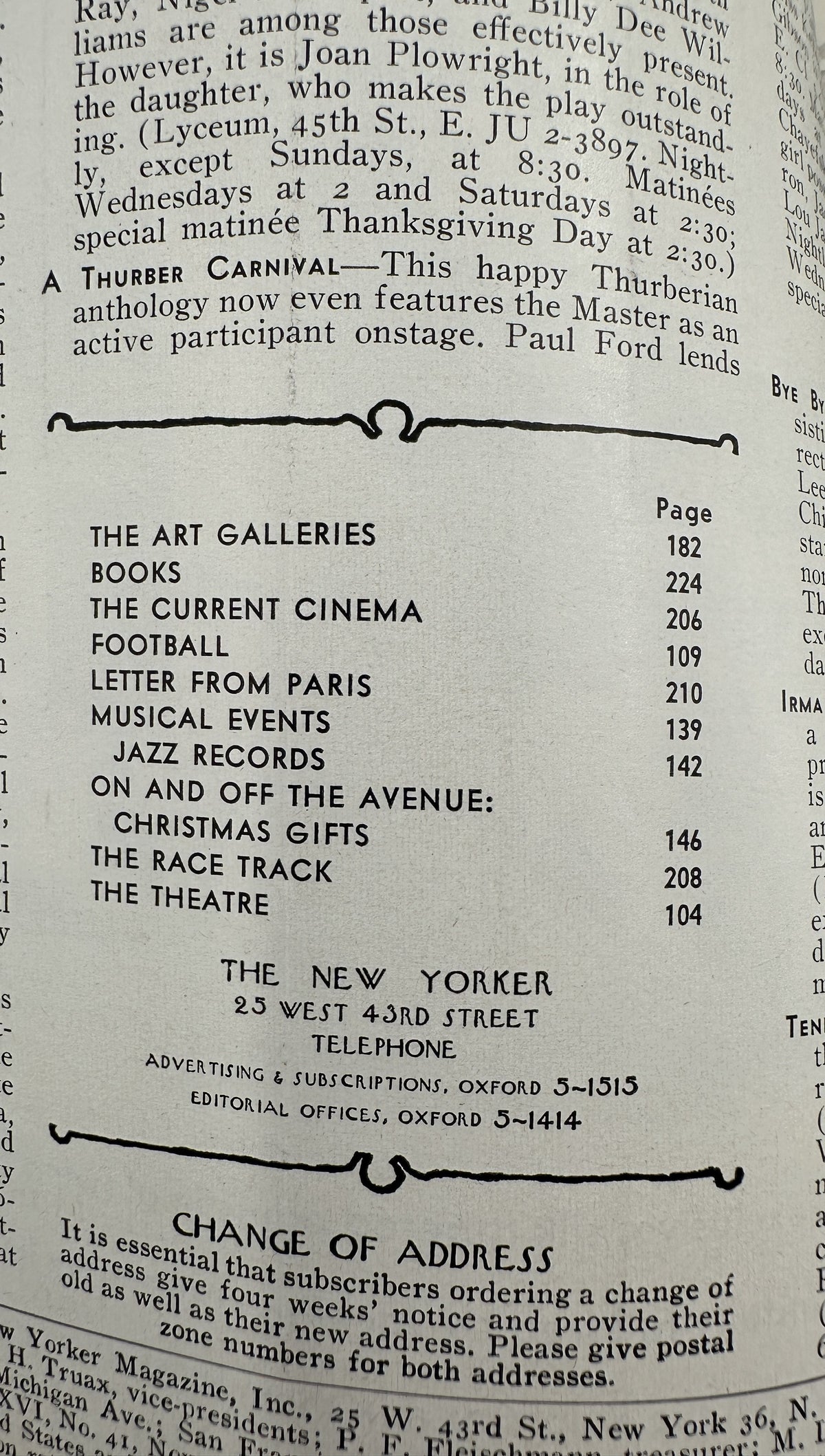
📖 About this Collection
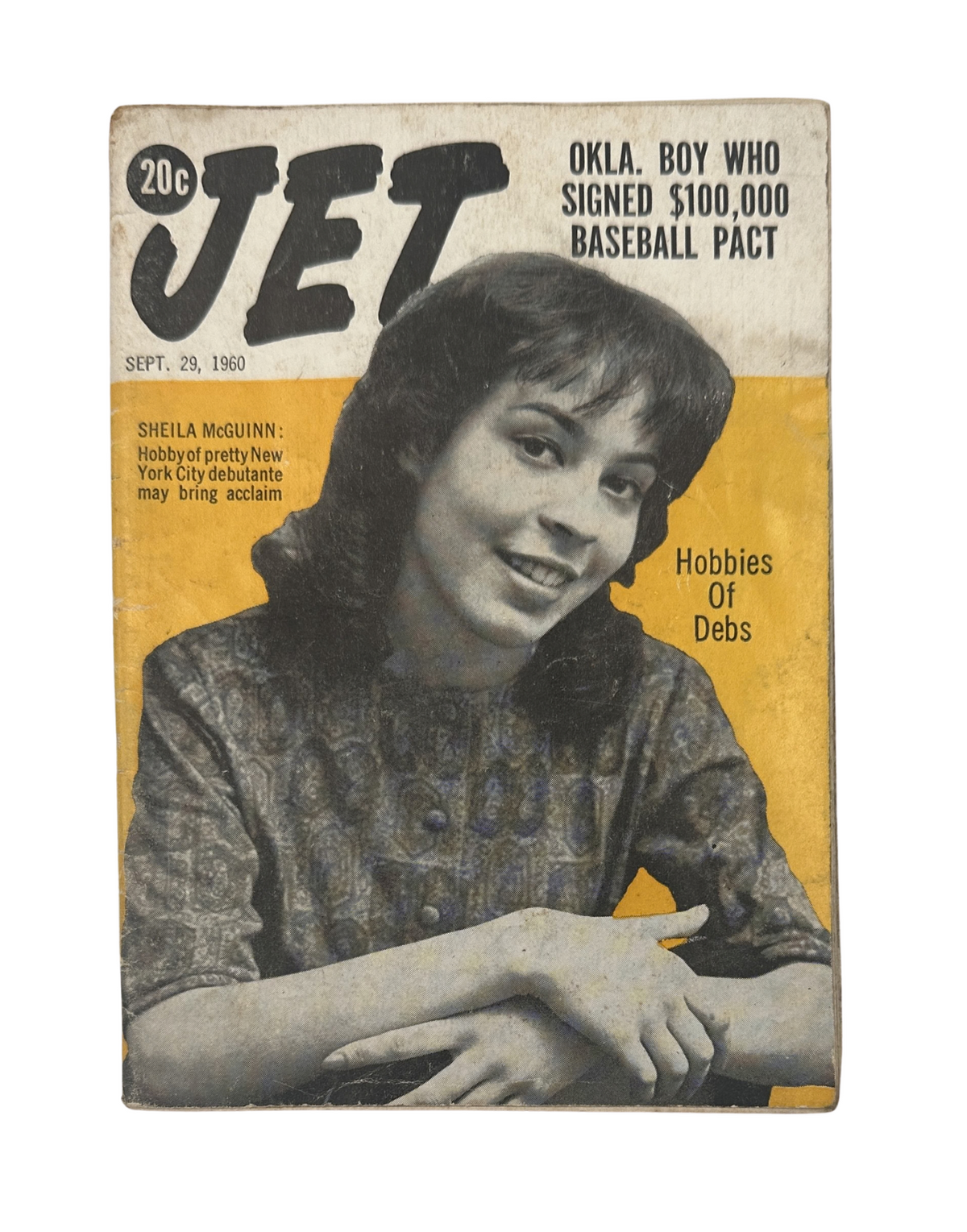
1960: The Year America Turned On Its Television
The nation held its breath in 1960, watching history unfold on screens that had become the new American hearth. On September 26th, seventy million viewers witnessed the first televised presidential debate between John F. Kennedy and Richard Nixon—a moment that forever changed political campaigning as Kennedy's telegenic confidence outshone Nixon's five o'clock shadow. But the year's transformation began quietly on February 1st, when four African American students sat down at a segregated Woolworth's lunch counter in Greensboro, North Carolina, refusing to leave until served. Their peaceful protest ignited sit-ins across the South, chronicled in the pages of Life and Look magazines with photographs that seared the nation's conscience. In May, the FDA's approval of Enovid-10—the first oral contraceptive pill—handed women unprecedented control over their futures, a revolution whose implications filled the editorial columns of Harper's Bazaar and Mademoiselle. This was the world your loved one entered, where the personal became political and every living room became a window to change.
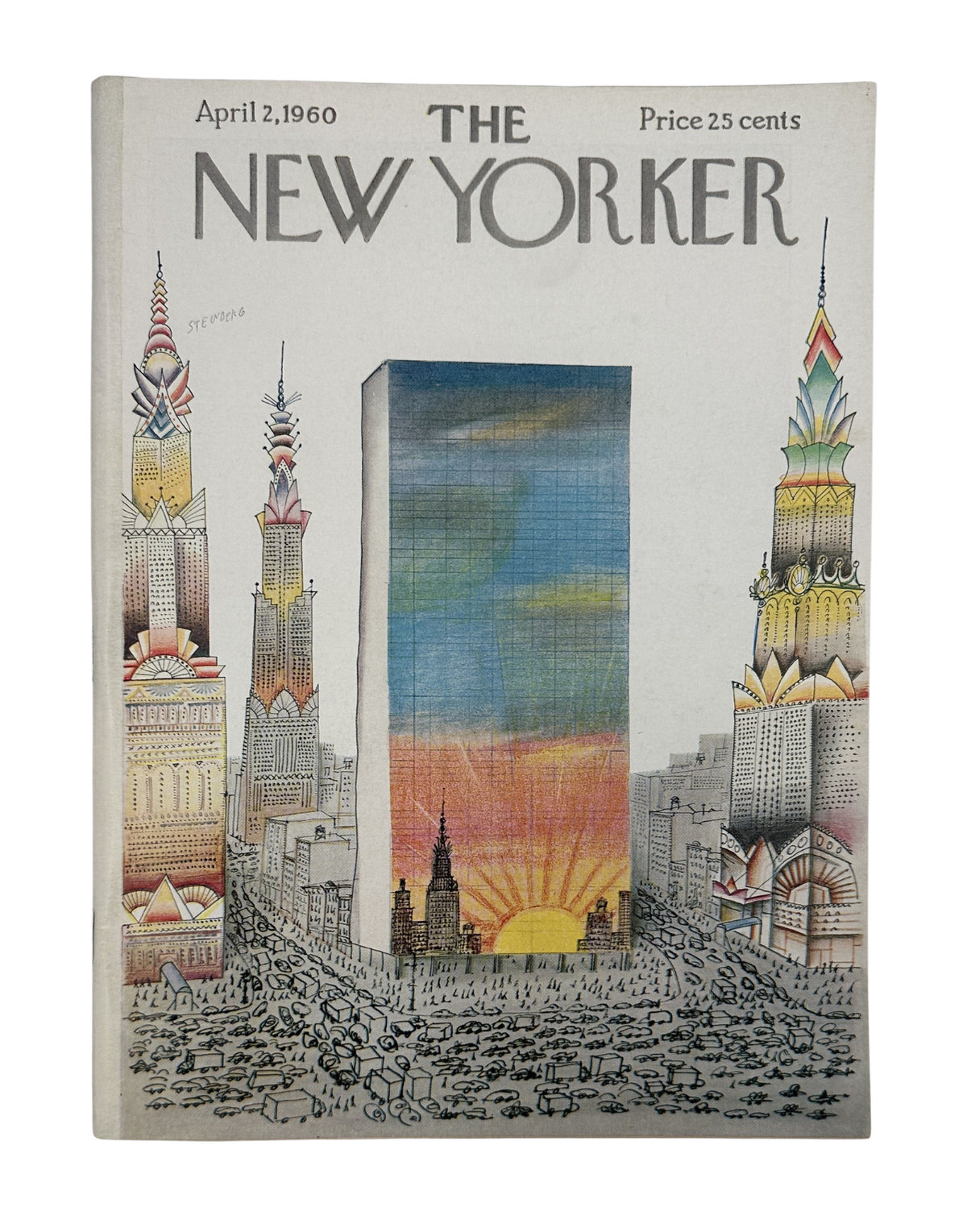
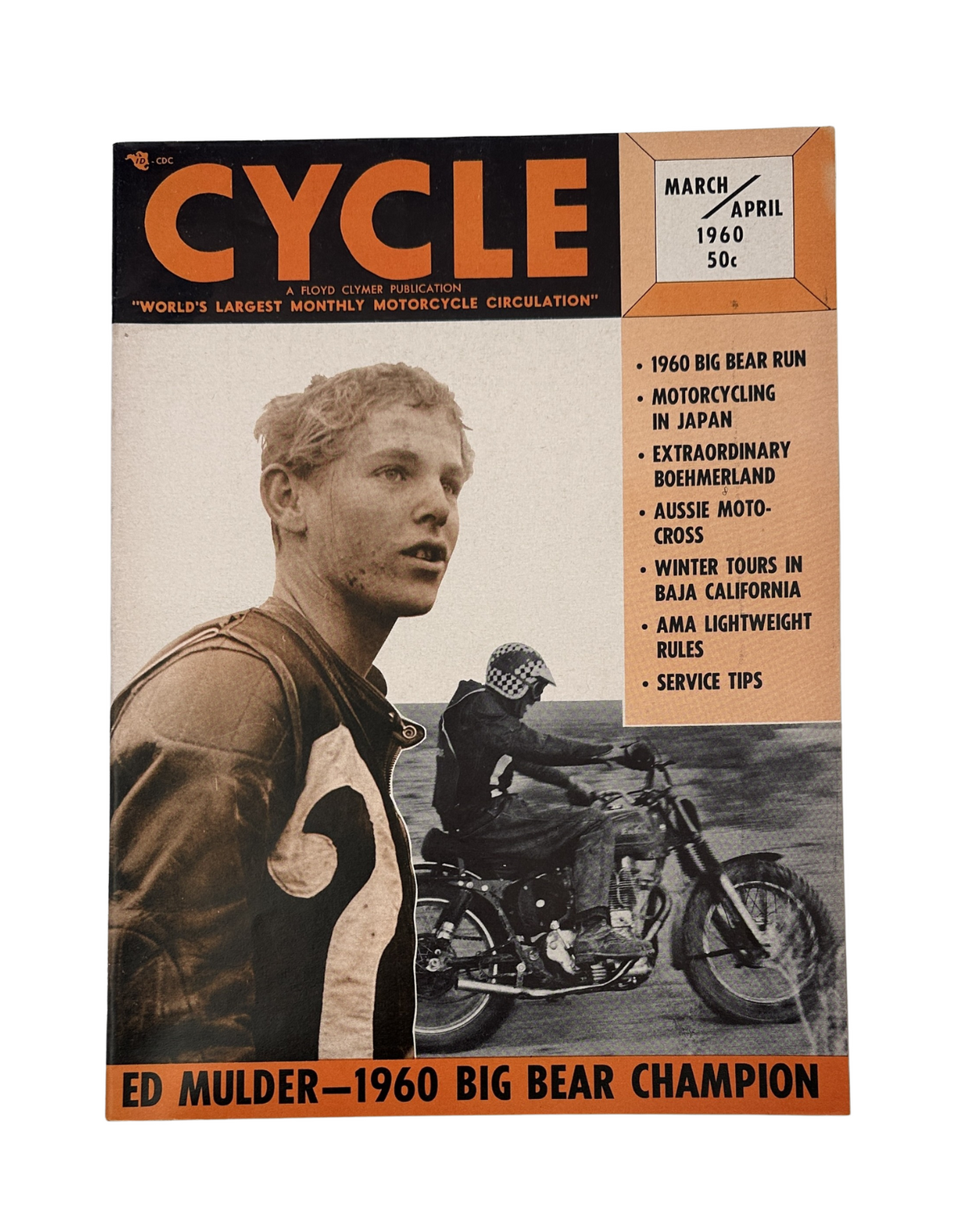
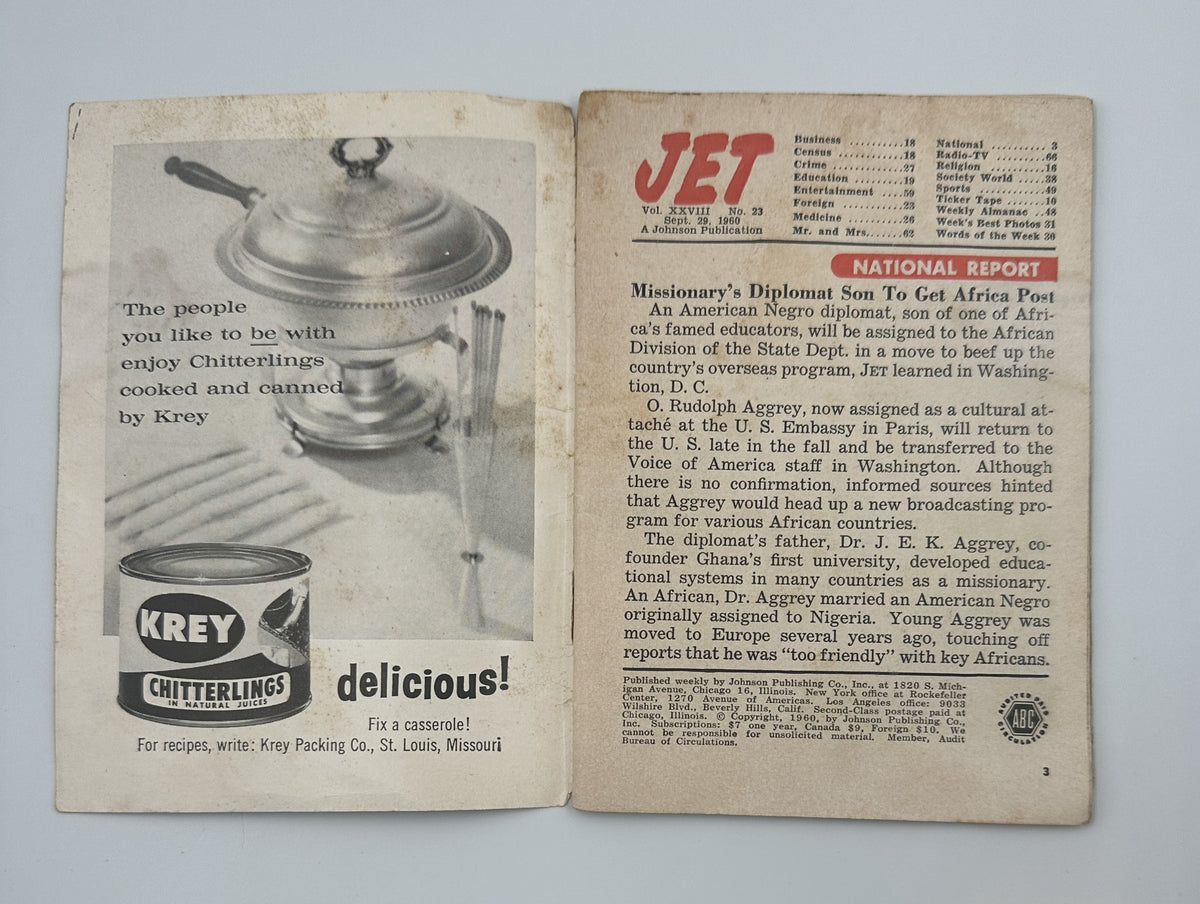
Alfred Hitchcock's Psycho slashed across movie screens in June, terrifying audiences with its infamous shower scene and proving that a low-budget black-and-white thriller could dominate the box office. Television continued its conquest of American leisure time, with original magazines from 1960 brimming with advertisements for the newest console models promising sharper pictures and bigger screens. TV Guide chronicled the viewing habits of a nation increasingly organized around prime-time schedules, while Esquire and Sports Illustrated captured the athletic triumphs that brought families together around those glowing sets. Fashion magazines showcased Jackie Kennedy's soon-to-be-iconic pillbox hats and tailored suits, a preview of the elegance that would define the coming decade. The genuine advertisements preserved in these rare magazines reveal a nation at the threshold—caught between Eisenhower's complacency and Kennedy's call to vigor, between Jim Crow and justice, between the constraints of the past and the possibilities flickering to life on screens across America.
What You'll Find in Vintage Magazines from 1960
-
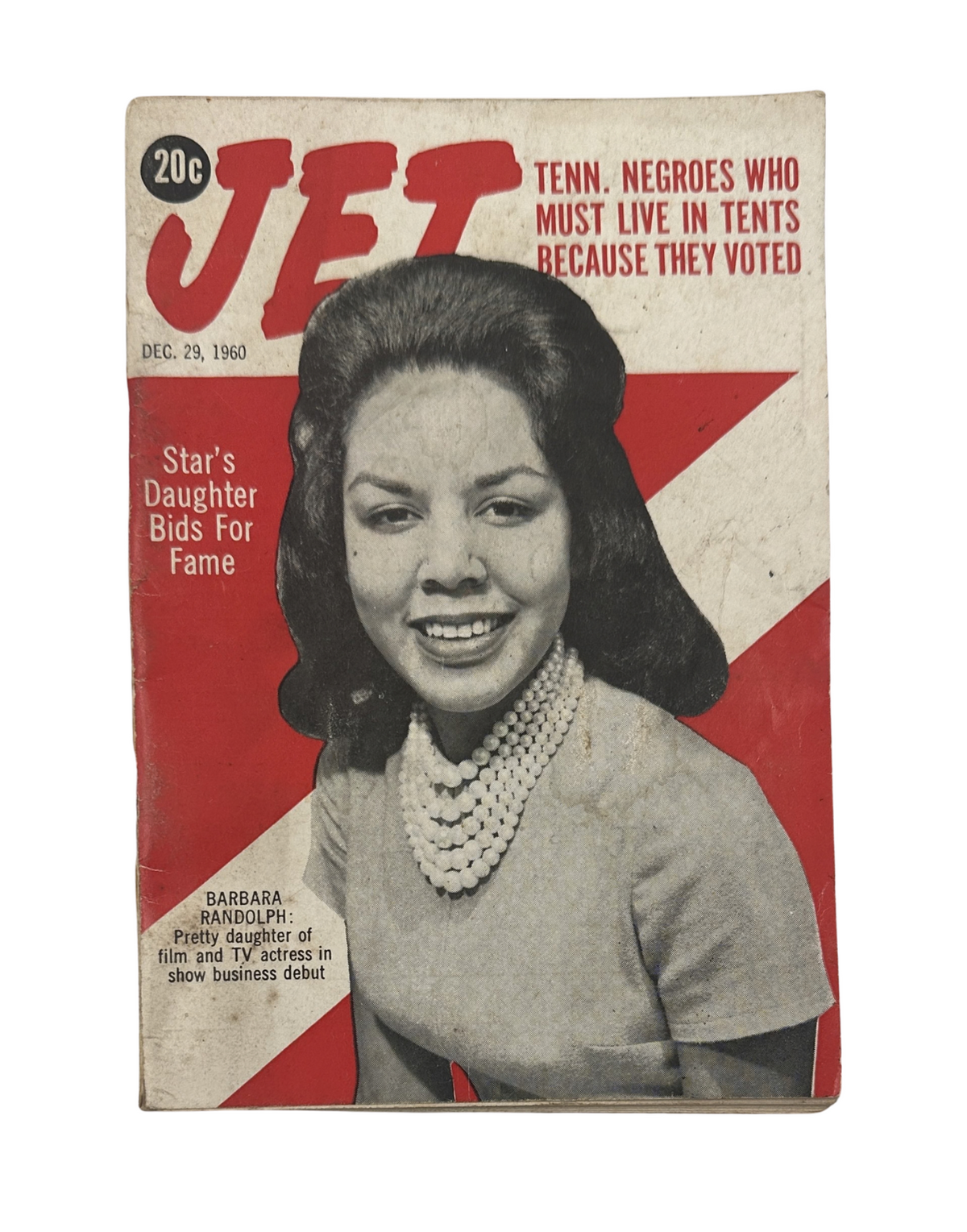
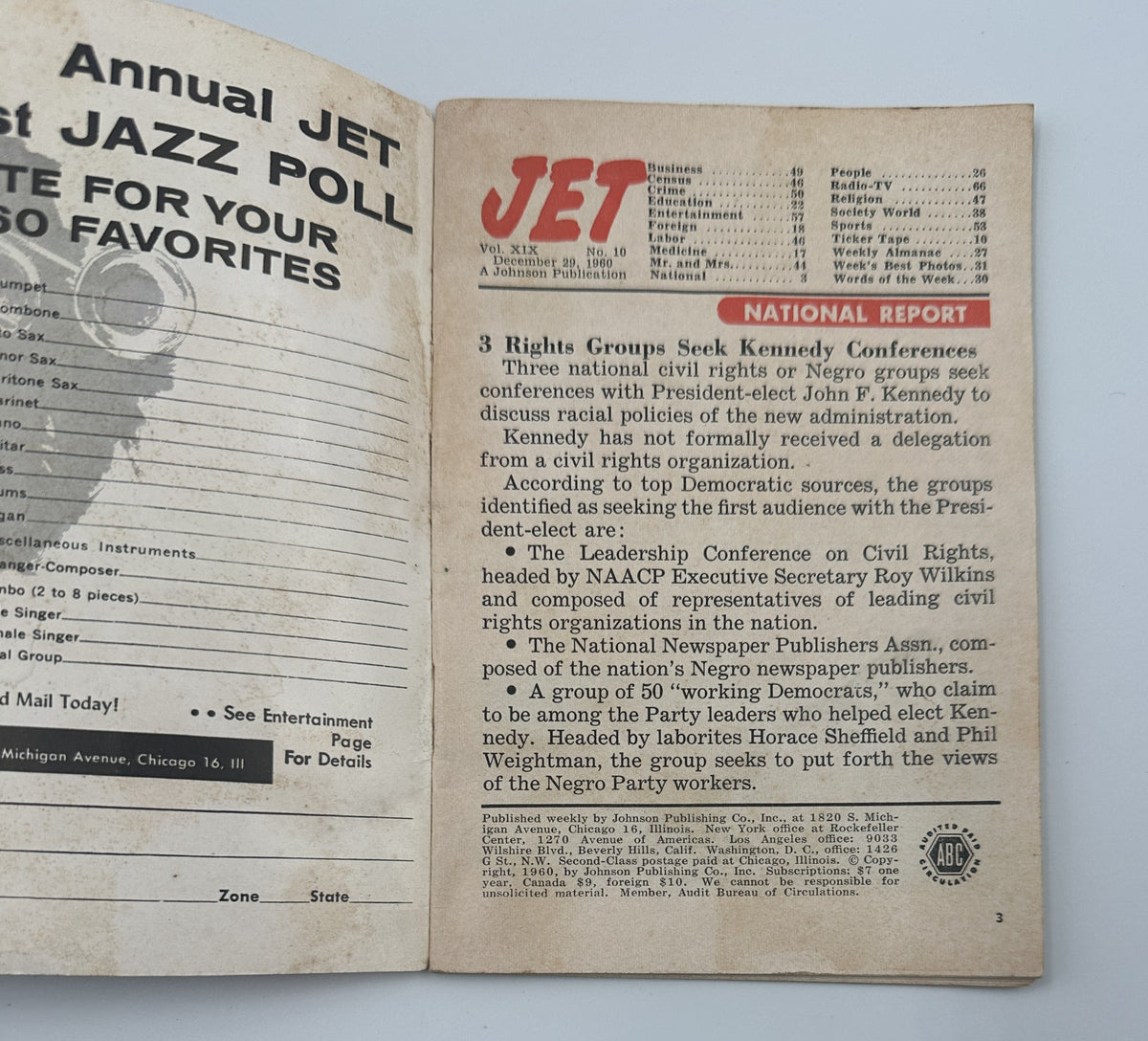
The Greensboro Sit-Ins: News magazines like Time, Life, and Newsweek featuring powerful photojournalism of the peaceful protests, often with editorial commentary on the growing civil rights movement and the changing landscape of the American South
-
The Kennedy-Nixon Debates: Television coverage analysis in TV Guide and general interest magazines, showcasing the historic broadcast's impact alongside advertisements for the television sets that brought politics into living rooms nationwide
-
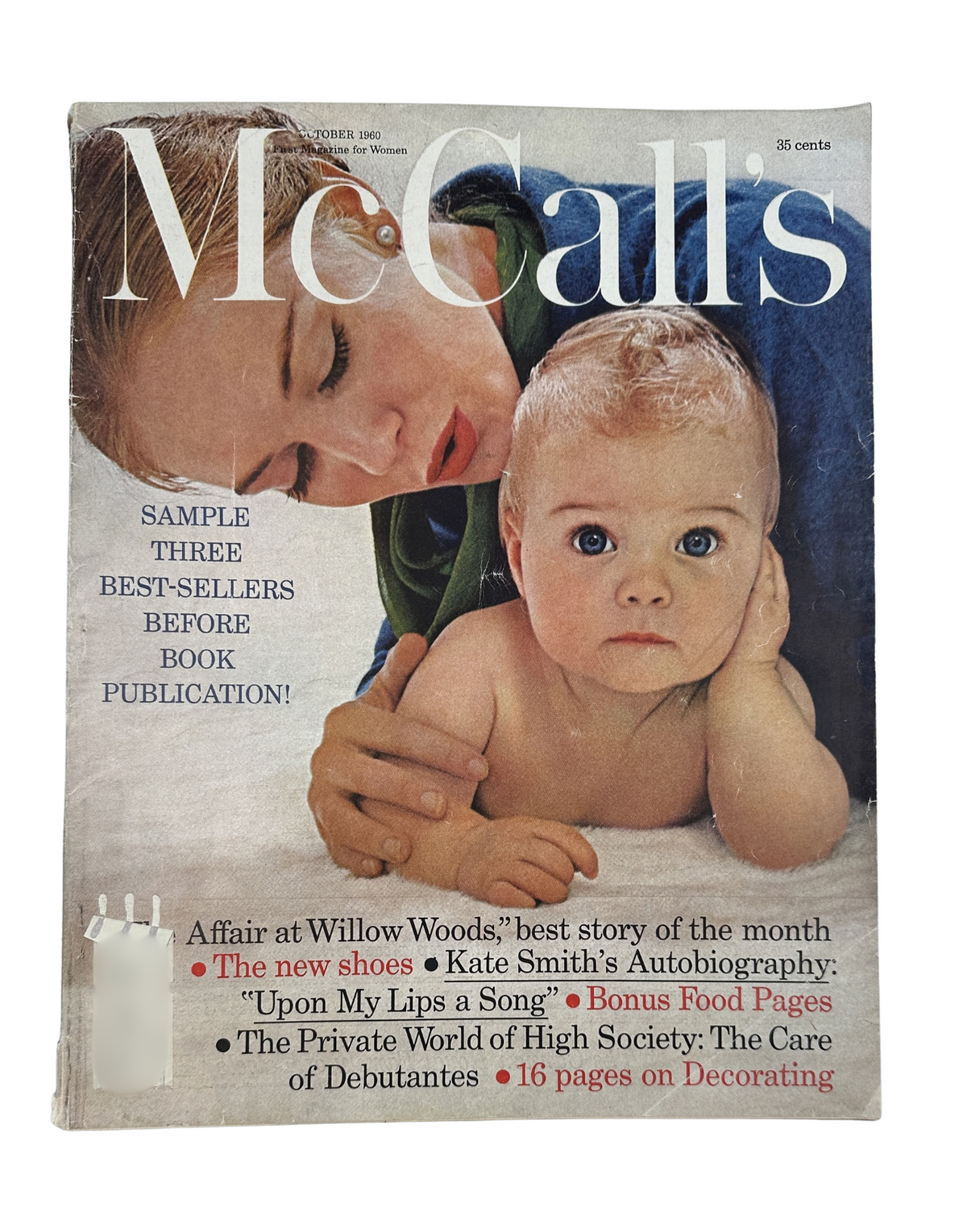
The Birth Control Pill: Women's magazines including Vogue and Mademoiselle running cautious yet groundbreaking discussions about the FDA's approval of Enovid-10, paired with pharmaceutical advertising that hints at the coming social transformation
-
Psycho's Release: Entertainment coverage in Variety and feature spreads in general magazines chronicling Hitchcock's masterpiece, complete with movie theater advertisements warning audiences about the shocking content and strict "no late seating" policies
-
Fashion at the Decade's Turn: Style magazines showcasing the transition from 1950s full skirts to the streamlined sophistication that Jackie Kennedy would make synonymous with the New Frontier, illustrated with department store advertisements for pillbox hats and structured suits
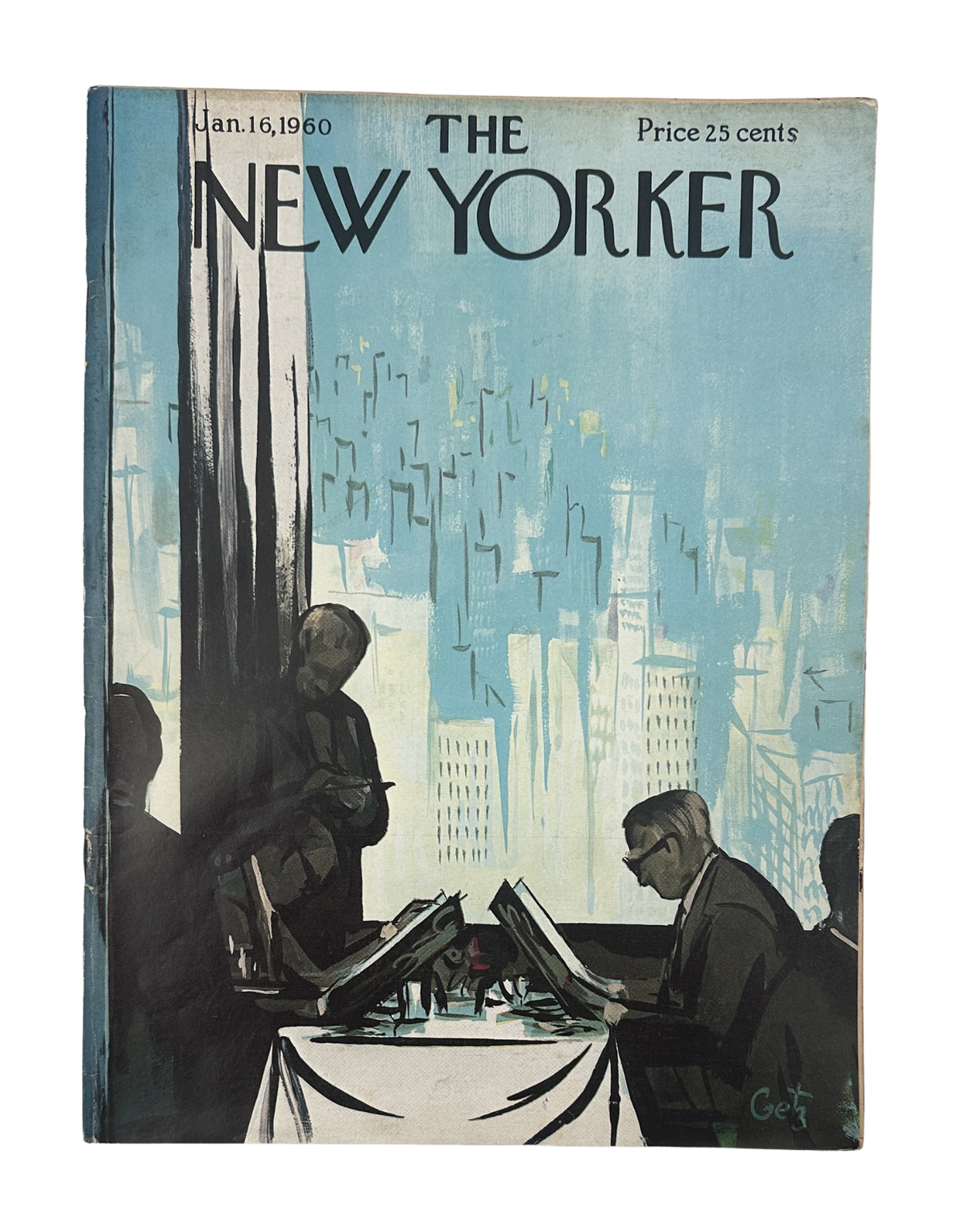
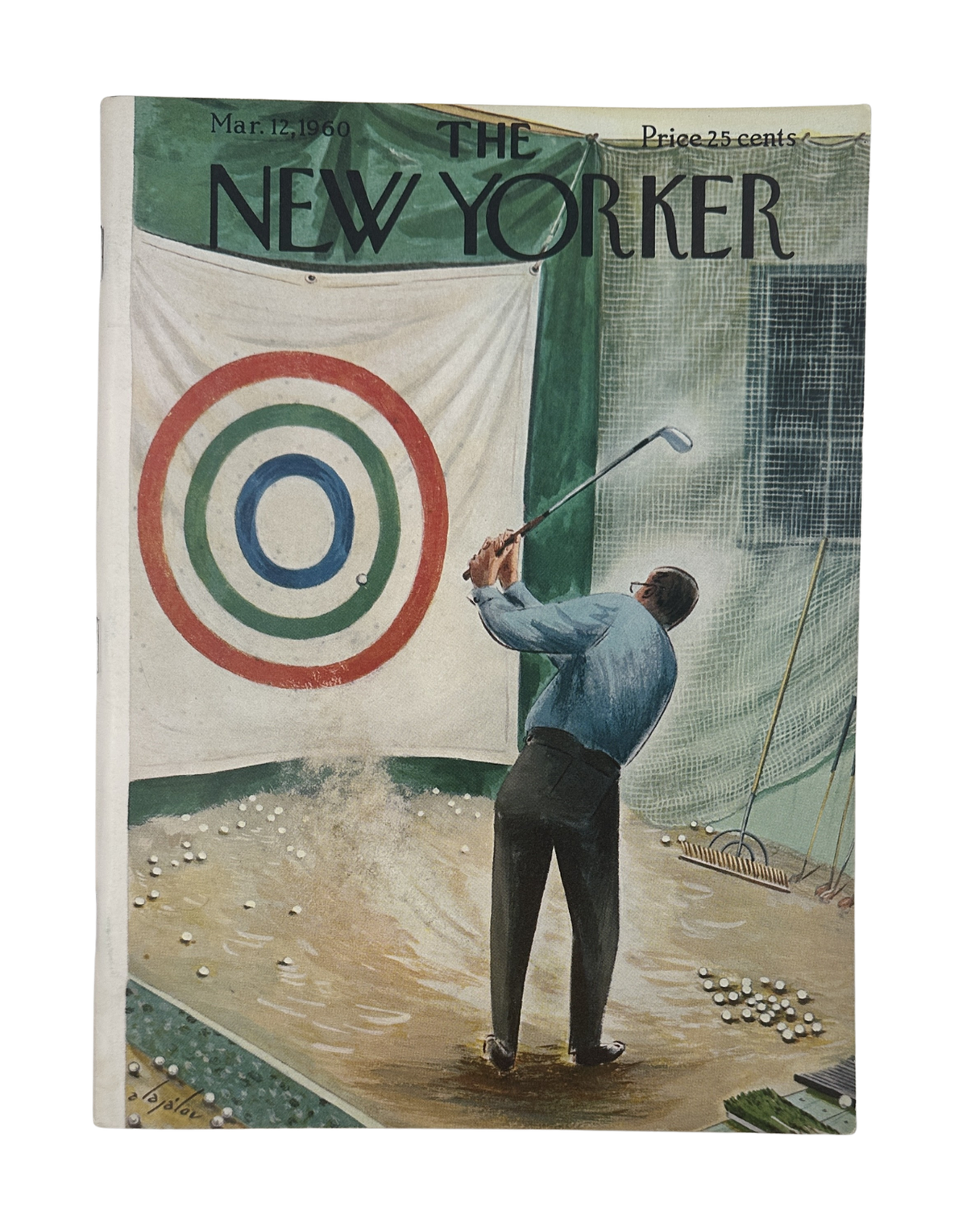
The Perfect Gift
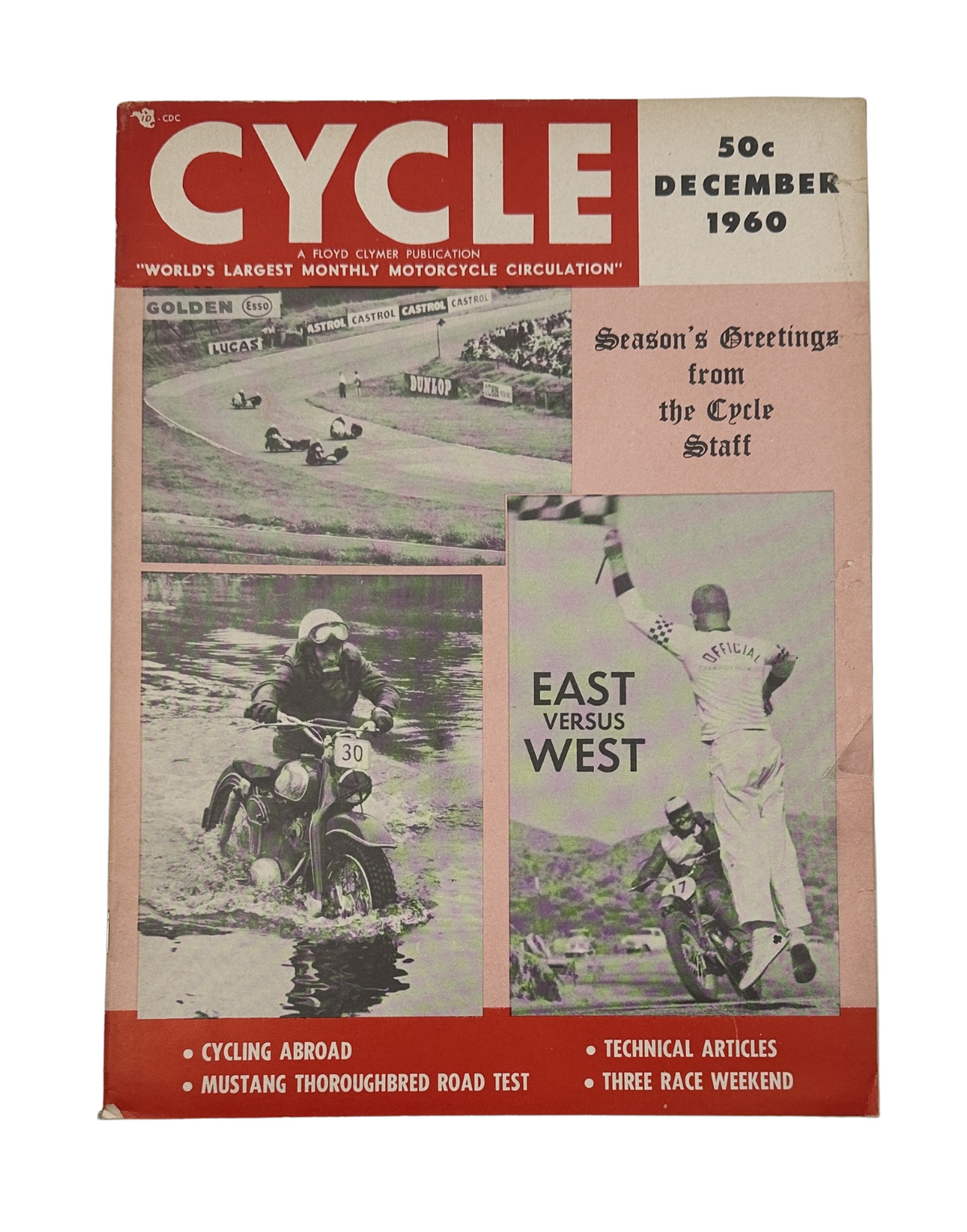
For someone born in 1960, an original magazine from this watershed year isn't just a collectible—it's an authenticated time capsule from the moment America's living rooms became stages for revolution, preserved in genuine advertisements, photography, and headlines that museums simply cannot replicate.