📖 About this Collection
1962: The Year the World Held Its Breath
The autumn of 1962 crackled with a tension unknown to previous generations—the very real possibility that human civilization might end not with a whimper, but with mushroom clouds blooming across continents. In October, American reconnaissance flights over Cuba revealed Soviet nuclear missile installations just ninety miles from Florida, triggering a thirteen-day standoff that brought the superpowers to the edge of annihilation. President John F. Kennedy addressed the nation on television, his words measured but grave, while Americans stockpiled canned goods and schoolchildren practiced duck-and-cover drills that would prove futile against thermonuclear weapons. Behind closed doors at the White House, the ExComm deliberated options ranging from diplomatic pressure to full-scale invasion, ultimately choosing a naval blockade that forced Soviet Premier Khrushchev to blink first. This was the world your loved one entered in 1962—a year when humanity stared into the nuclear abyss and somehow stepped back, forever changed by the experience.
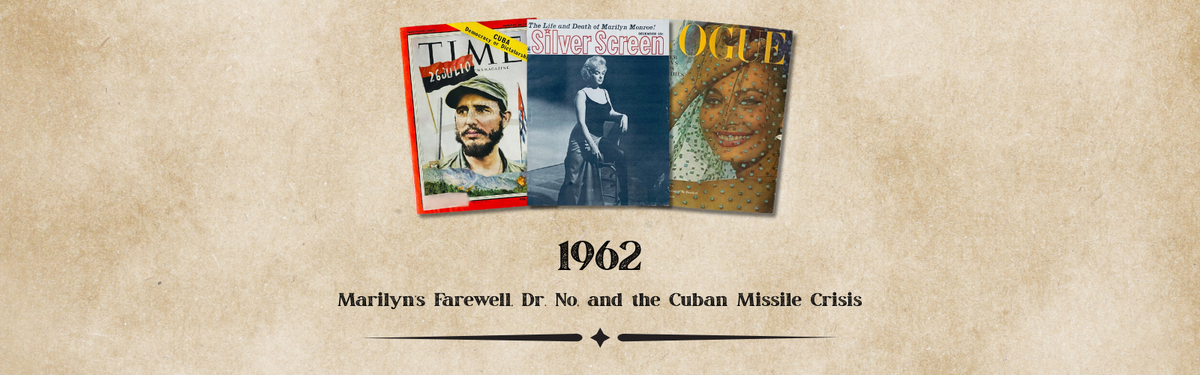
Yet even as geopolitical drama dominated the front pages of Time and Newsweek, American popular culture surged forward with remarkable creative energy. Movie theaters beckoned audiences with the haunting psychological terror of "What Ever Happened to Baby Jane?" while a teenage wall-crawler named Spider-Man swung into comic book history in August, bringing relatable anxieties to the superhero genre. Television underwent its own transformation when Johnny Carson settled into the host's chair of The Tonight Show on October 1st, beginning a cultural institution that would define late-night entertainment for three decades. The year also witnessed tragedy that would fuel speculation for generations: Marilyn Monroe's death in August sent shockwaves through a nation that had elevated her to goddess status, her image preserved in countless magazine covers and photo spreads. Original magazines from 1962 capture this peculiar duality—advertisements for fallout shelters appearing alongside fashion spreads in Vogue, civil defense pamphlets mixed with features on Hollywood glamour, a society simultaneously terrified and determinedly optimistic.
Curator's Checklist: What to Look for in 1962 Vintage Magazines
-
Cuban Missile Crisis Coverage: Issues of Life and Look featuring dramatic aerial reconnaissance photographs of Soviet installations, maps charting the naval blockade, and haunting images of Kennedy's televised address, often accompanied by civil defense advertisements that now read as chilling historical artifacts
-
Marilyn Monroe Tributes: Special memorial editions in numerous publications showcasing the star's most iconic photo sessions, career retrospectives, and the genuine shock captured in editorial coverage of Hollywood's most luminous figure, preserved in pages that chronicle America's complicated relationship with celebrity
-
The Tonight Show Transition: TV Guide and entertainment magazines documenting Johnny Carson's debut with behind-the-scenes features, interviews about his vision for late-night television, and the changing landscape of American broadcasting illustrated through network advertisements and programming guides
-
Spider-Man's Arrival: Rare magazines and comic book publications featuring early appearances of Marvel's revolutionary teenage superhero, alongside advertising for the comic book boom that would reshape American youth culture throughout the decade
-
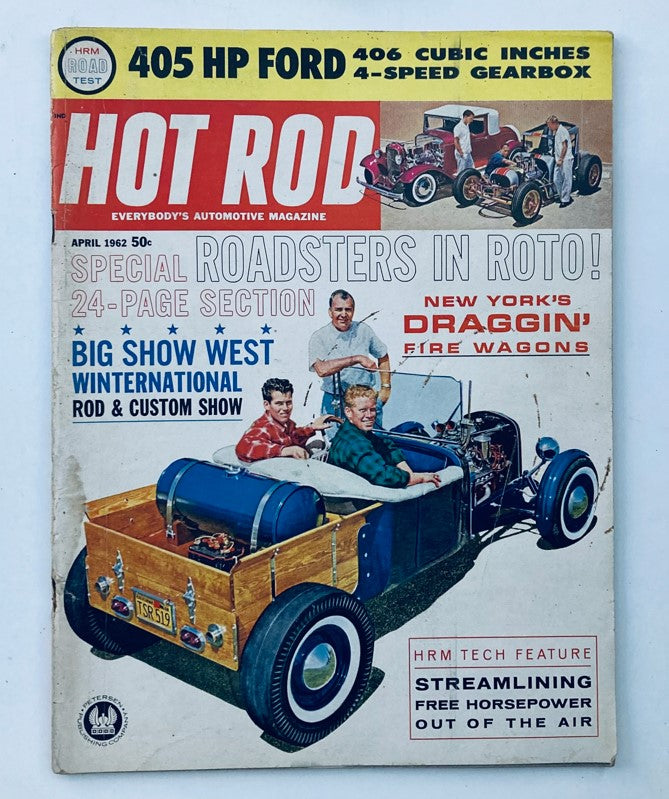
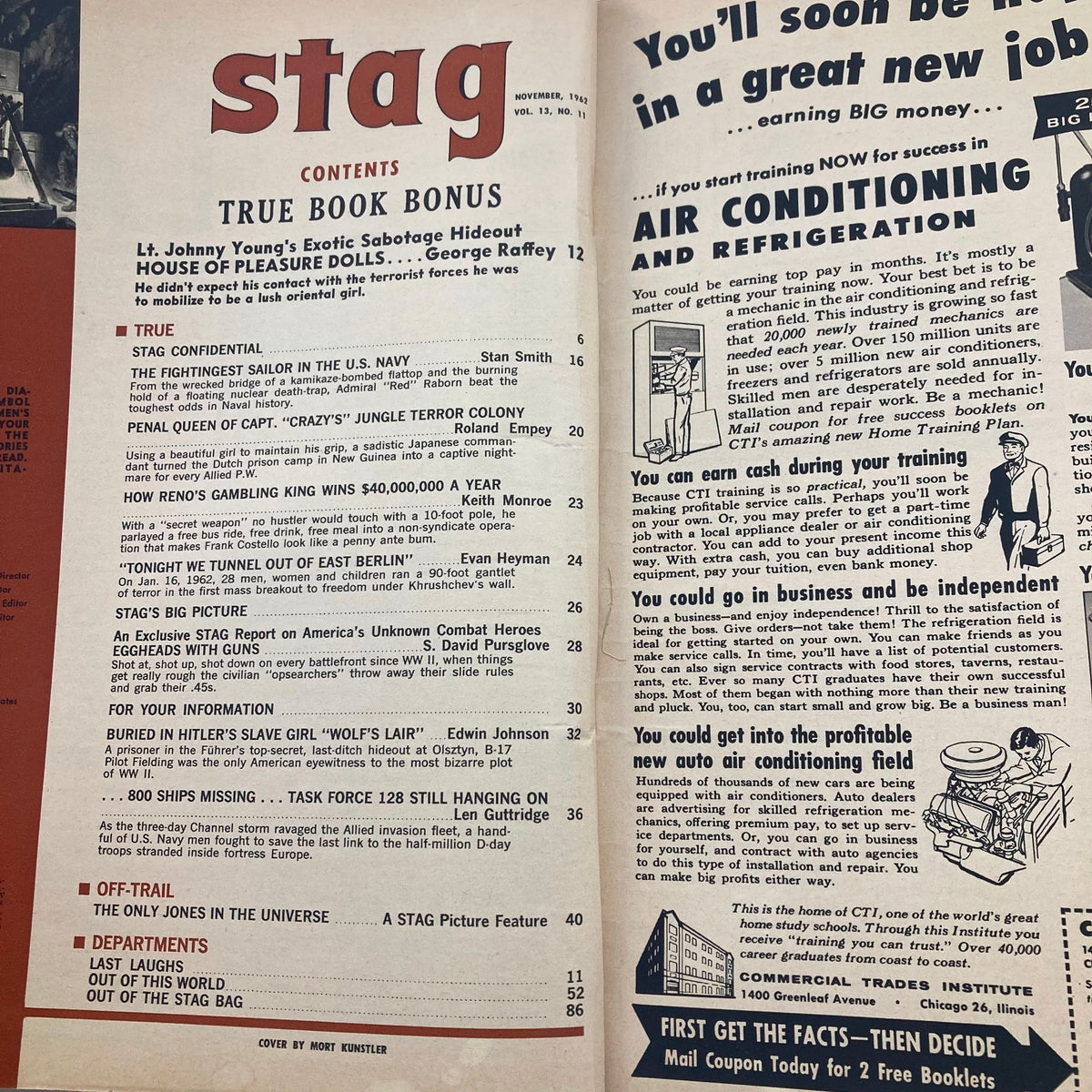
Cold War Consumer Culture: Authentic period advertising in Saturday Evening Post and women's magazines revealing the paradox of 1962—fallout shelter construction companies marketed alongside new kitchen appliances, civil defense messaging woven into the fabric of everyday consumption
The Perfect Gift
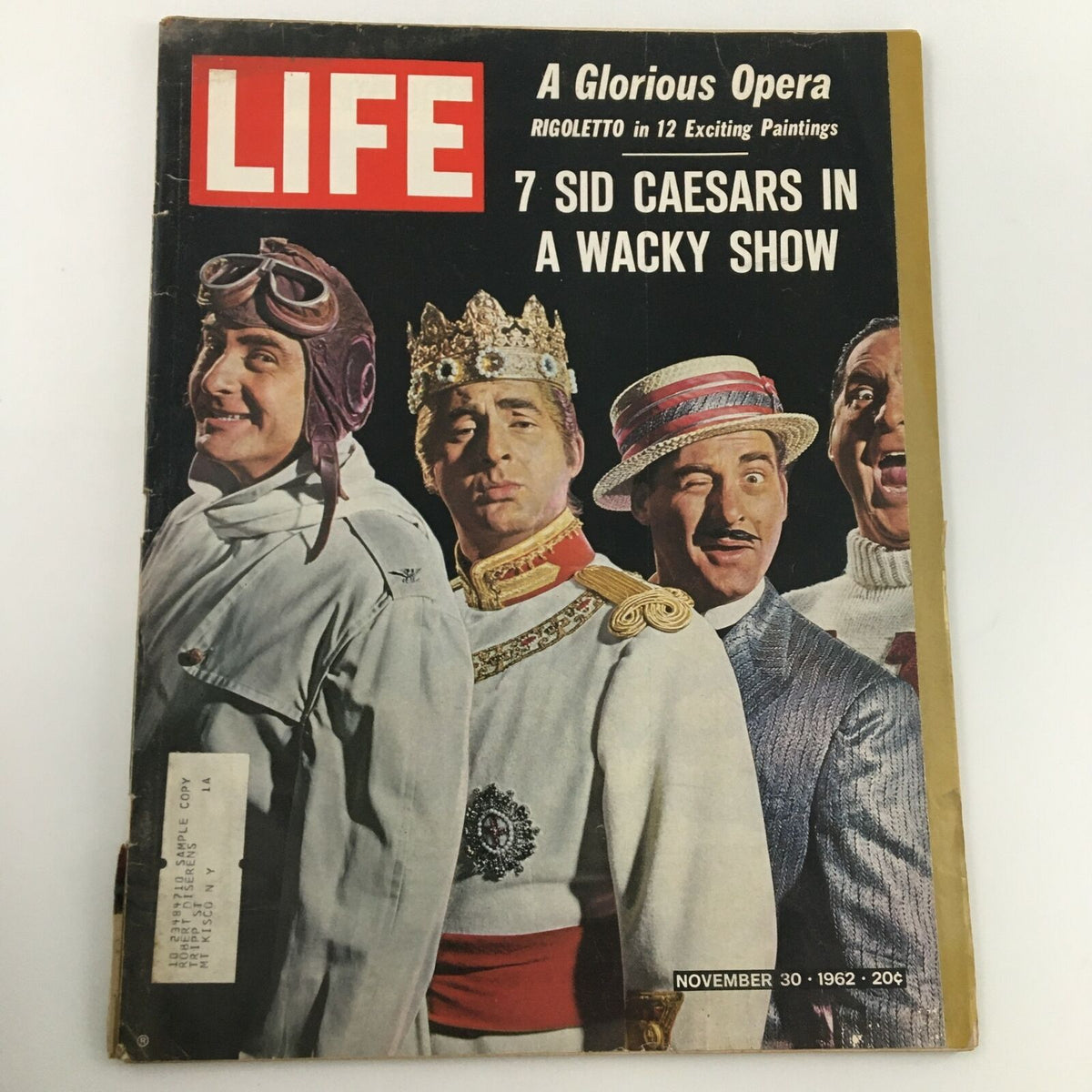
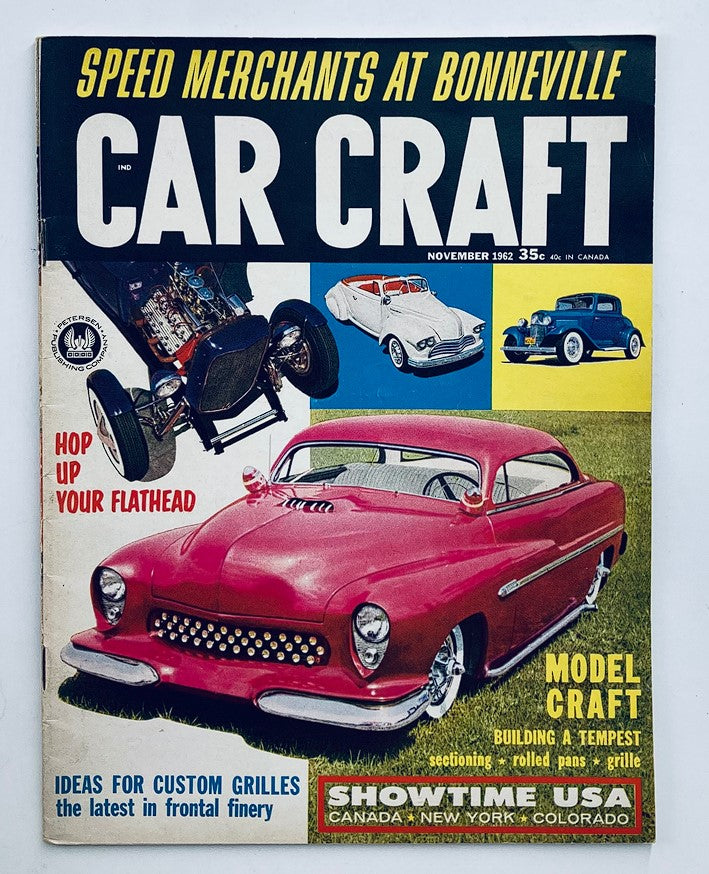
For someone born in 1962, an original magazine from this pivotal year isn't just a nostalgic keepsake—it's a time capsule from the moment when the world came closest to ending, preserved in genuine headlines, advertisements, and photography that museums simply cannot replicate.