📖 About this Collection
1970: The Year America Came Apart
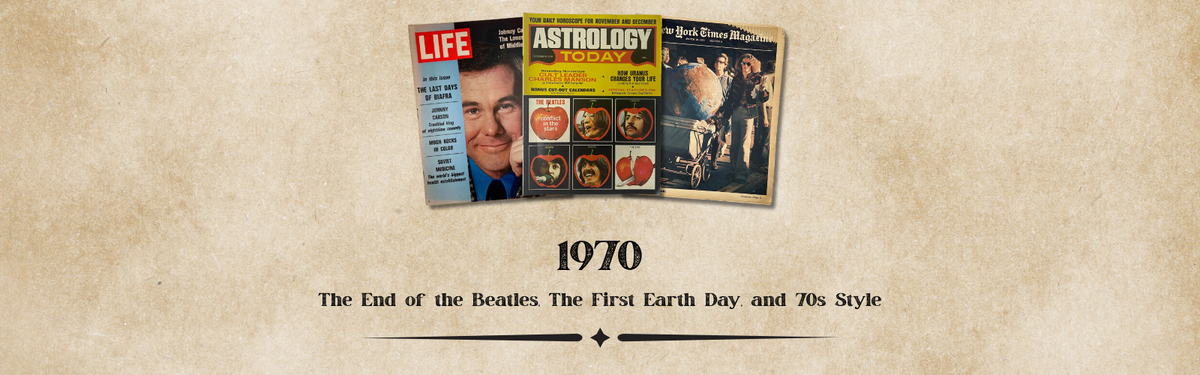
The world held its breath in April as Apollo 13's crippled spacecraft limped home from space, three astronauts fighting for survival after an oxygen tank explosion turned a moon mission into a desperate rescue. James Lovell's calm voice—"Houston, we've had a problem"—became the year's most haunting phrase as millions watched the drama unfold on television. But 1970 brought crises closer to home as well. That same month, Paul McCartney shattered hearts worldwide by announcing his departure from The Beatles, ending rock's most revolutionary partnership. Then, on May 4th, the Vietnam War's violence came to an American campus when National Guardsmen opened fire on student protesters at Kent State University, killing four young people and igniting a firestorm of grief and rage that swept the nation. Amid the turmoil, 20 million Americans gathered for the first Earth Day on April 22nd, channeling their anxiety into hope for the planet's future. This was the world your loved one entered in 1970—a year of endings and beginnings, when the optimism of the 1960s collided with harder realities.
Pop Culture & What You'll Find Inside
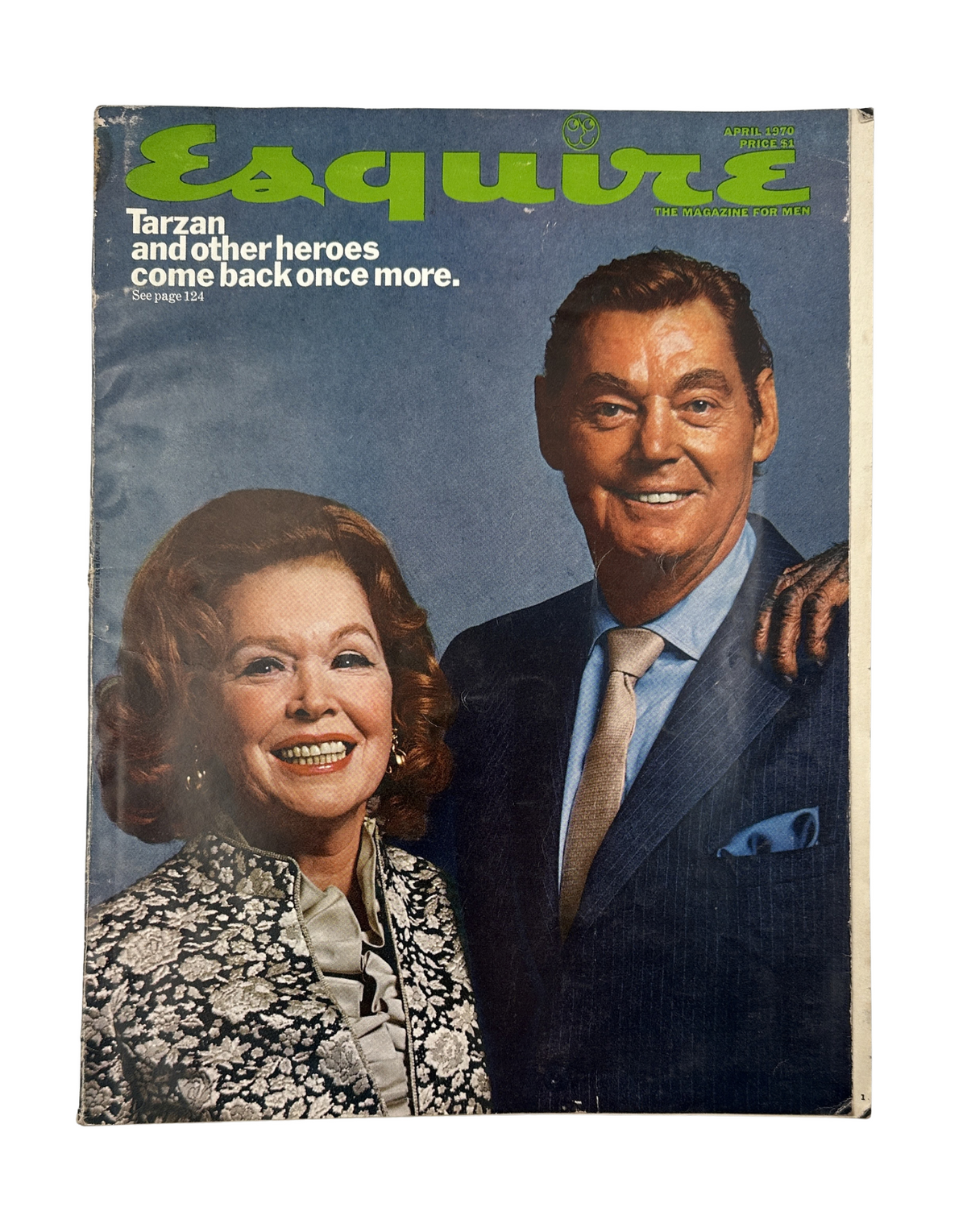
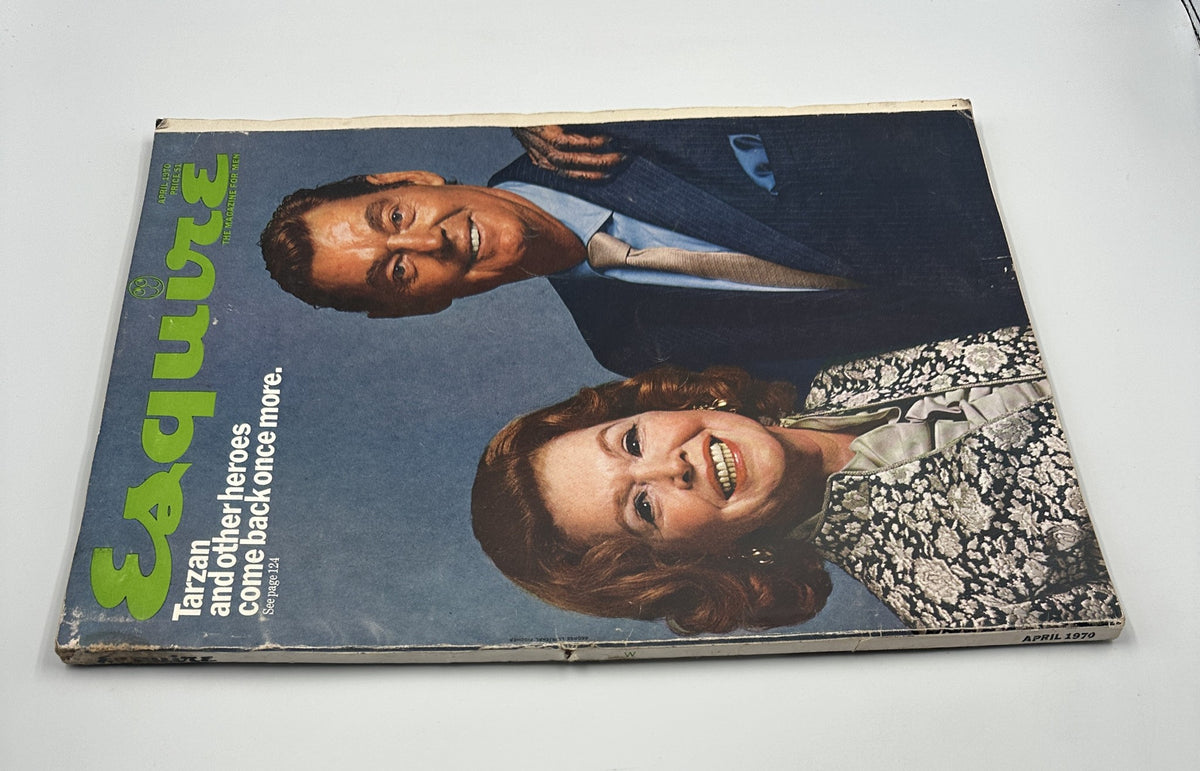
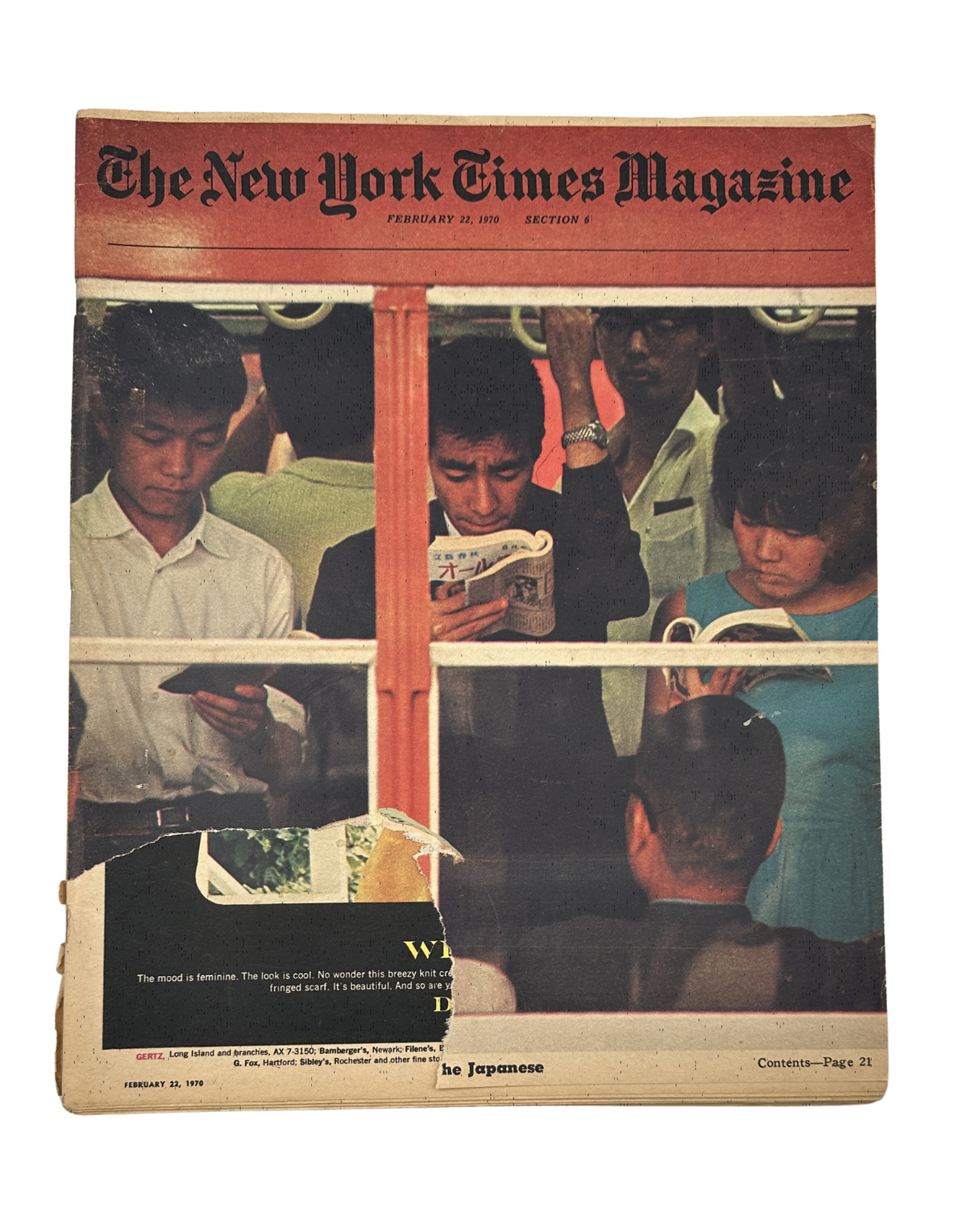
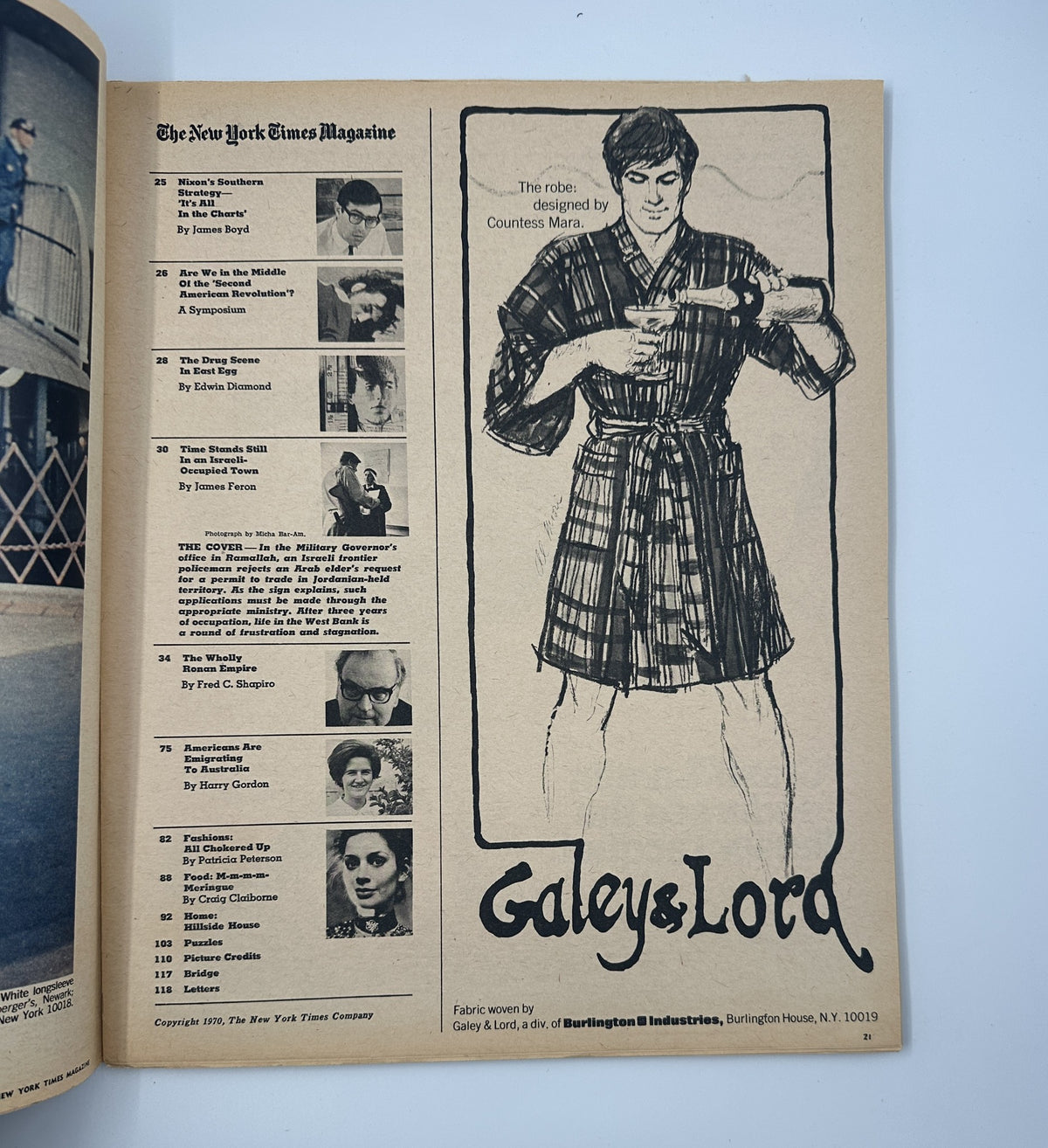
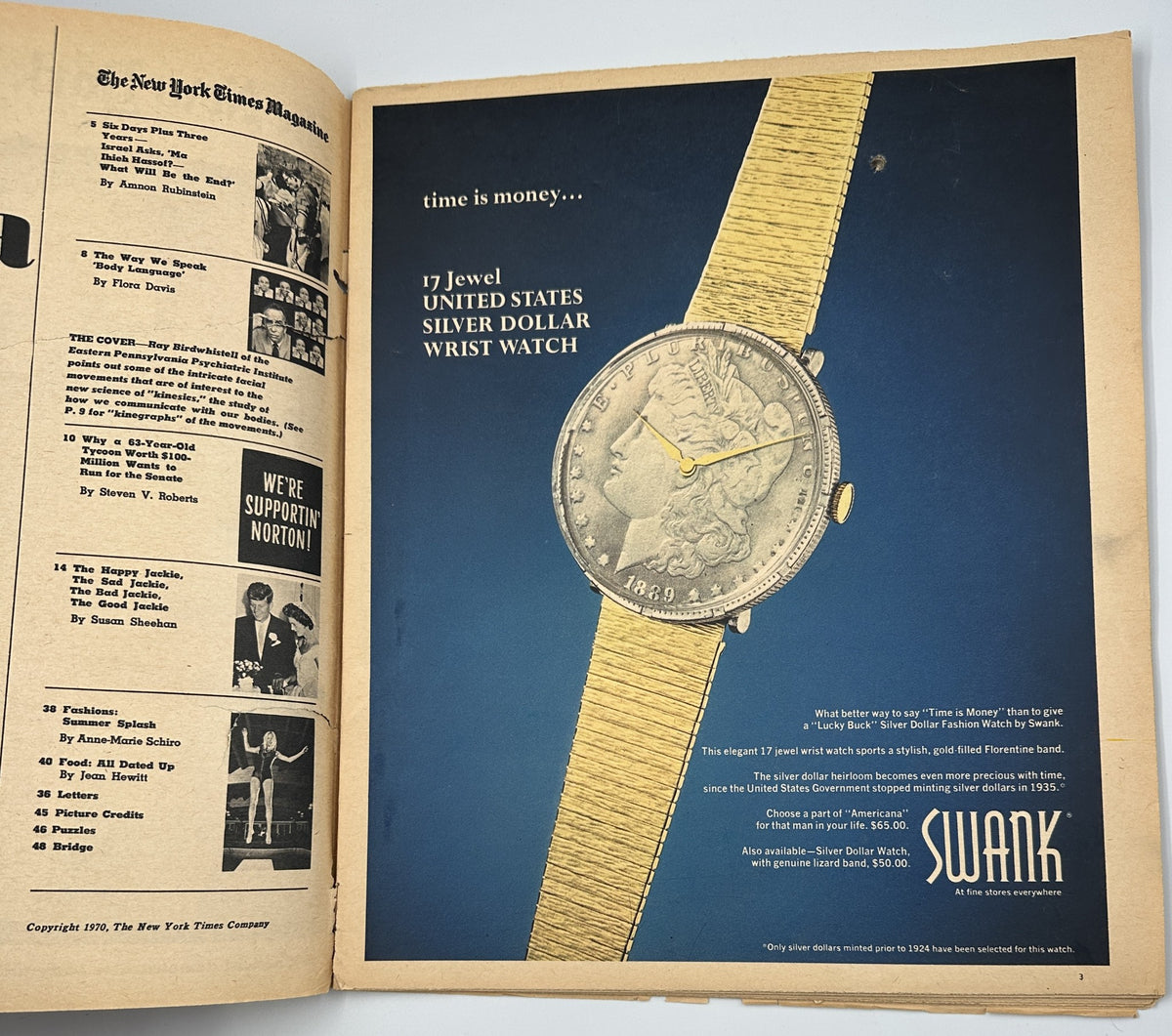
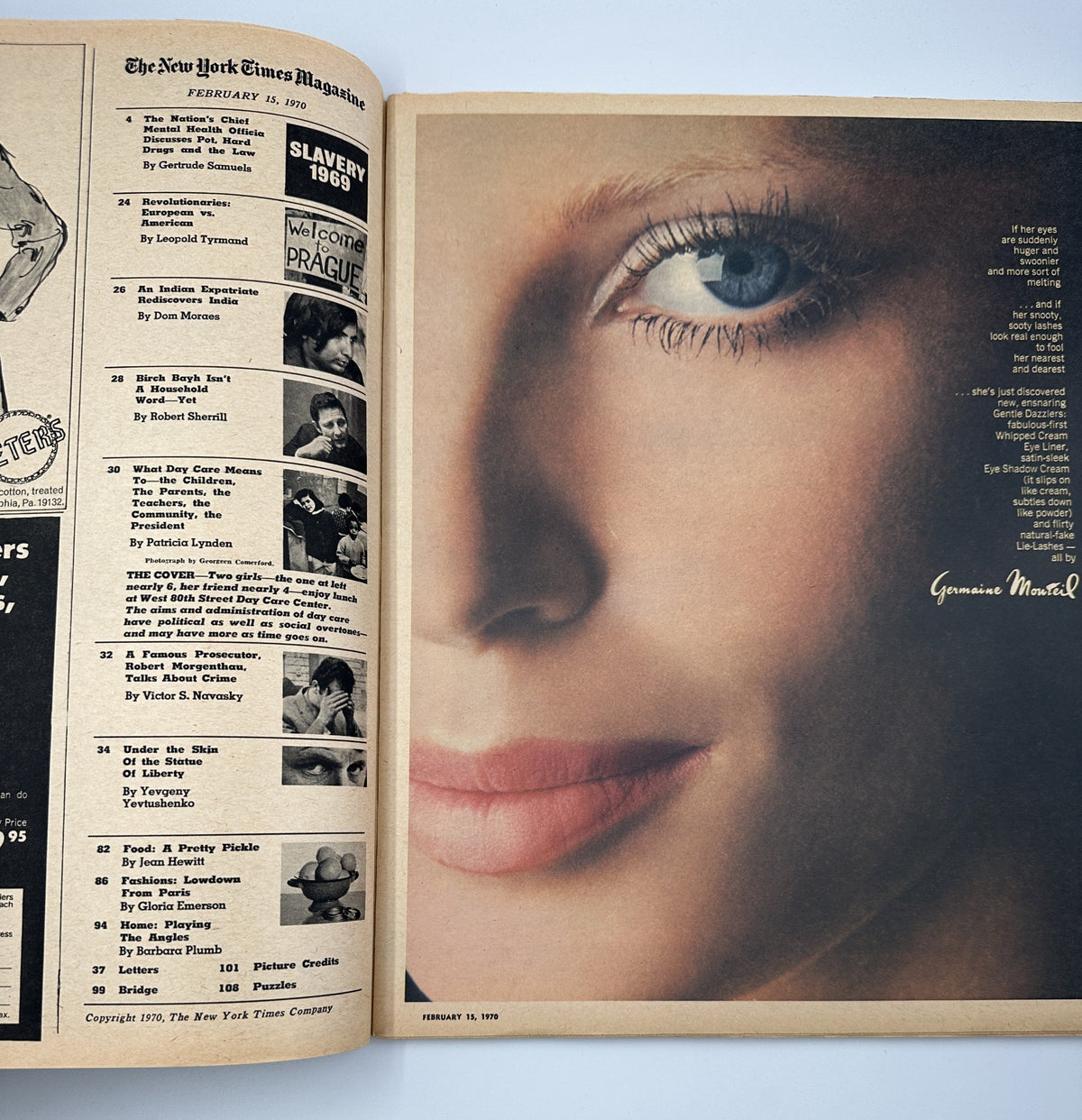
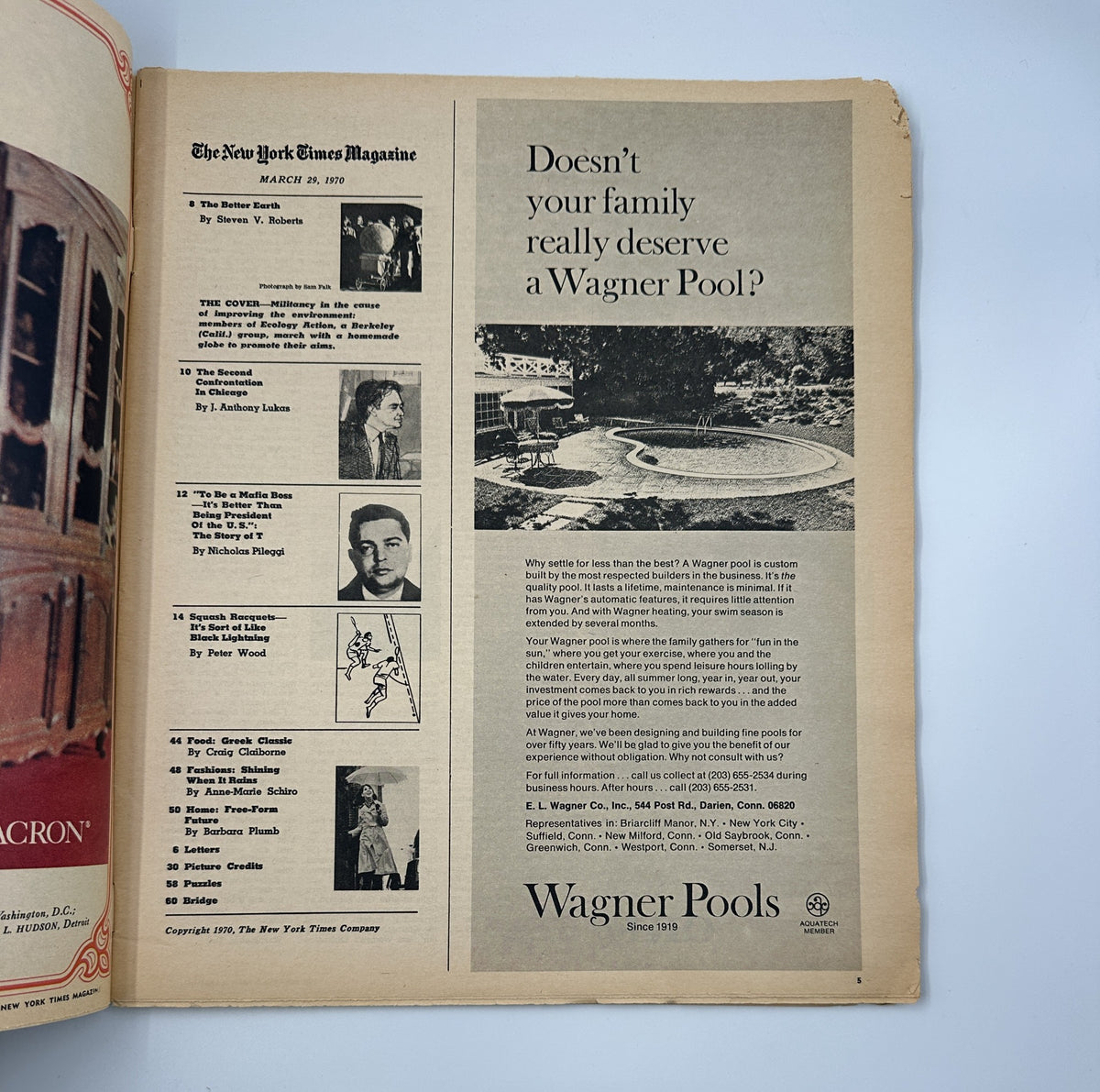
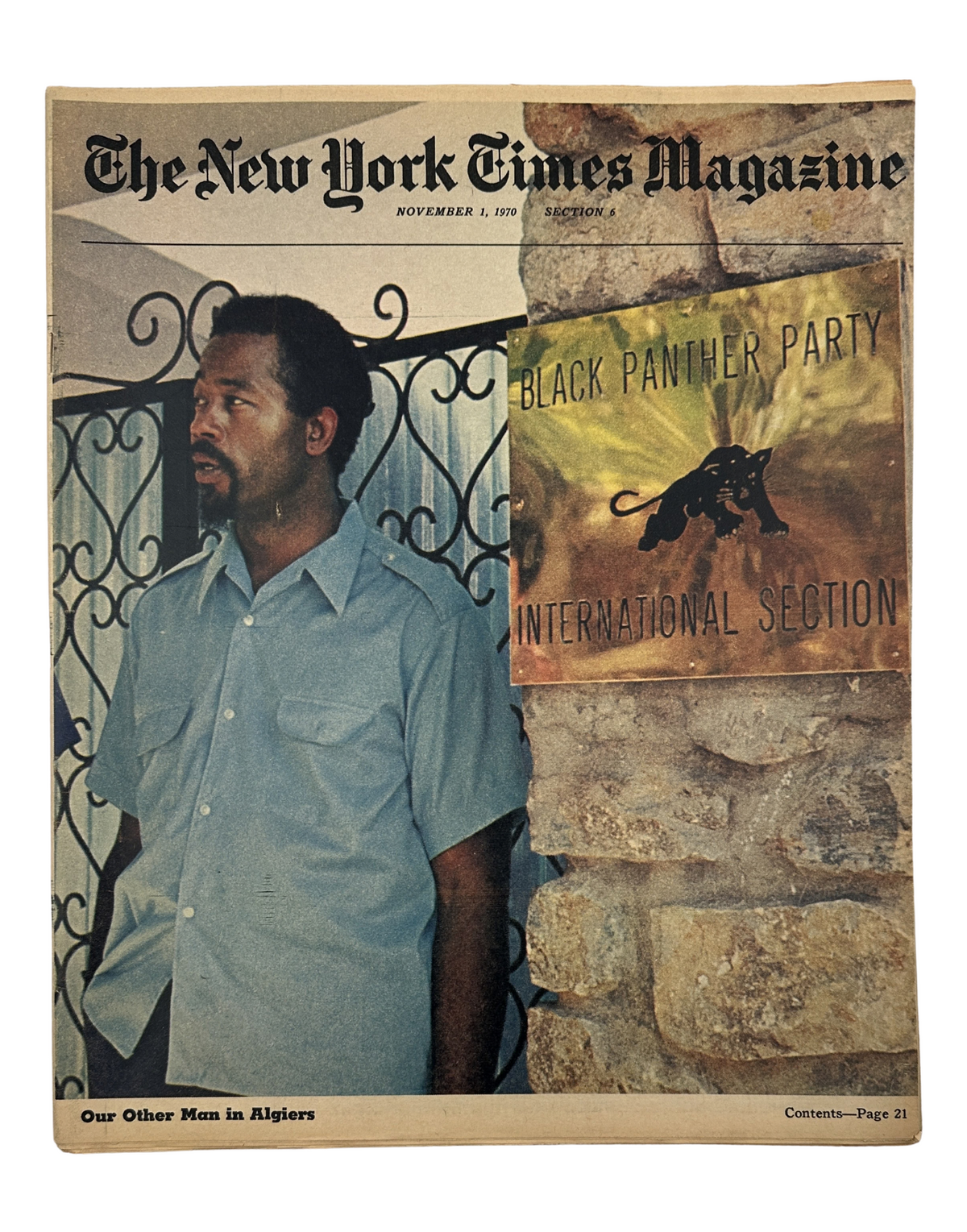
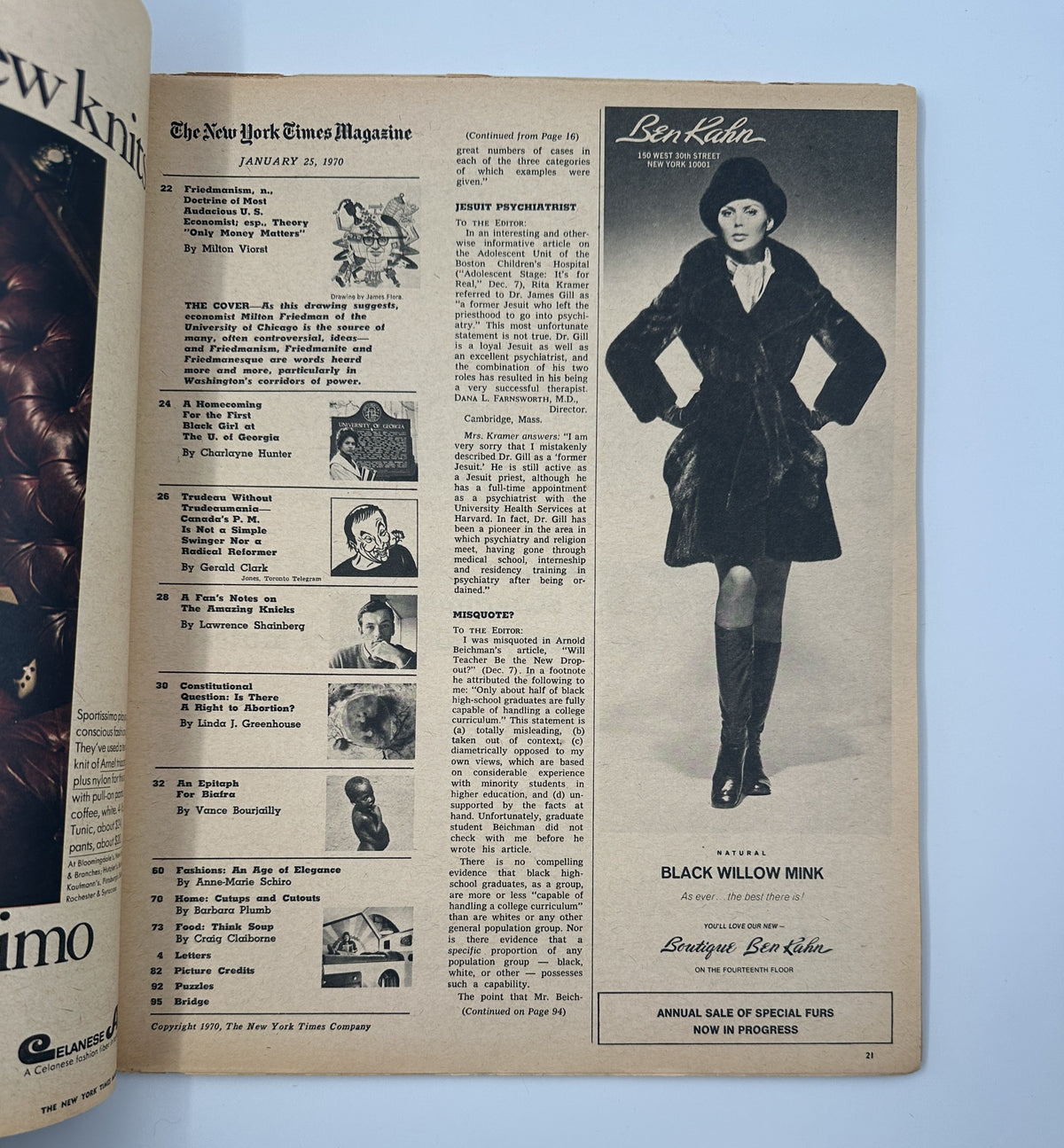
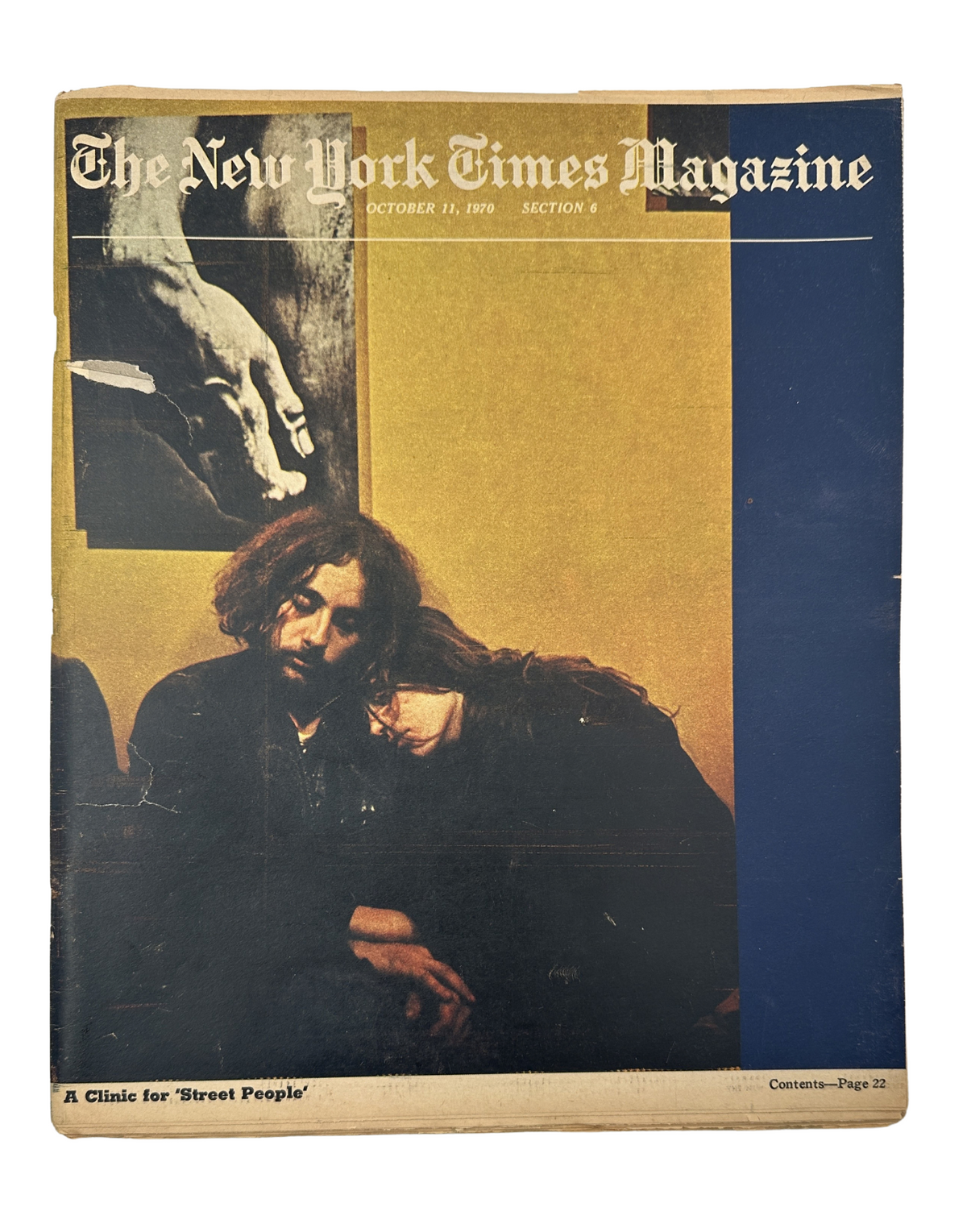
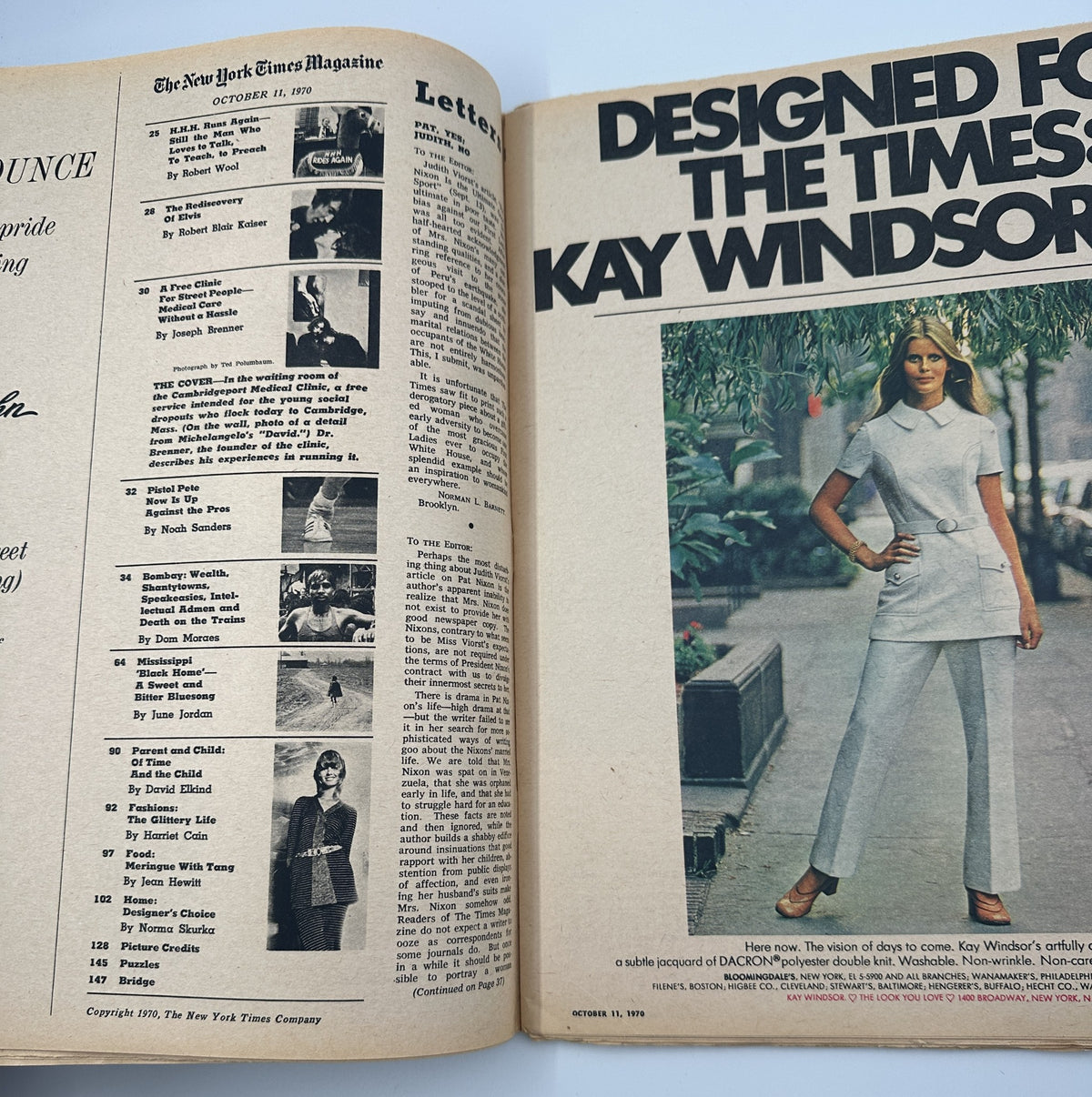
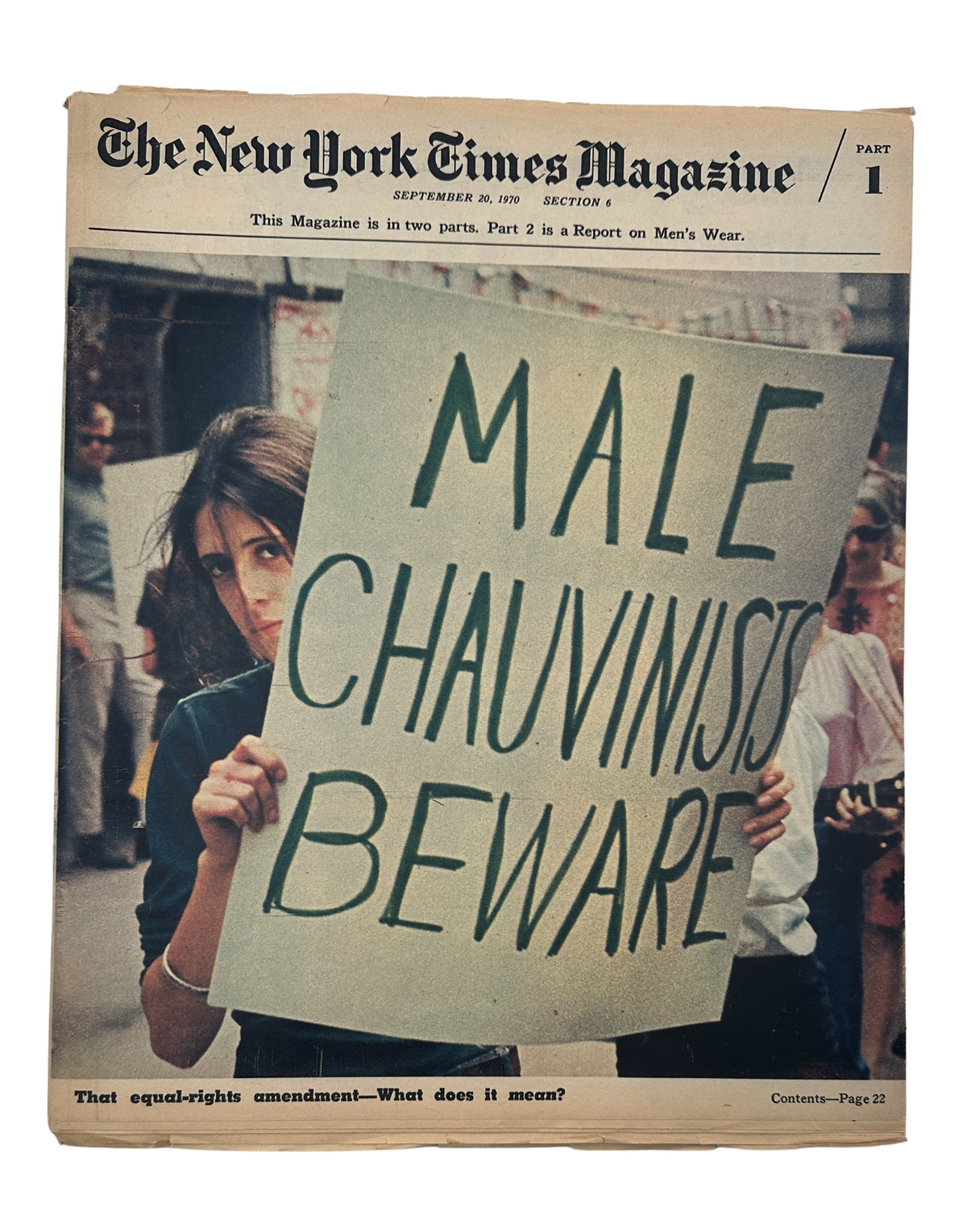
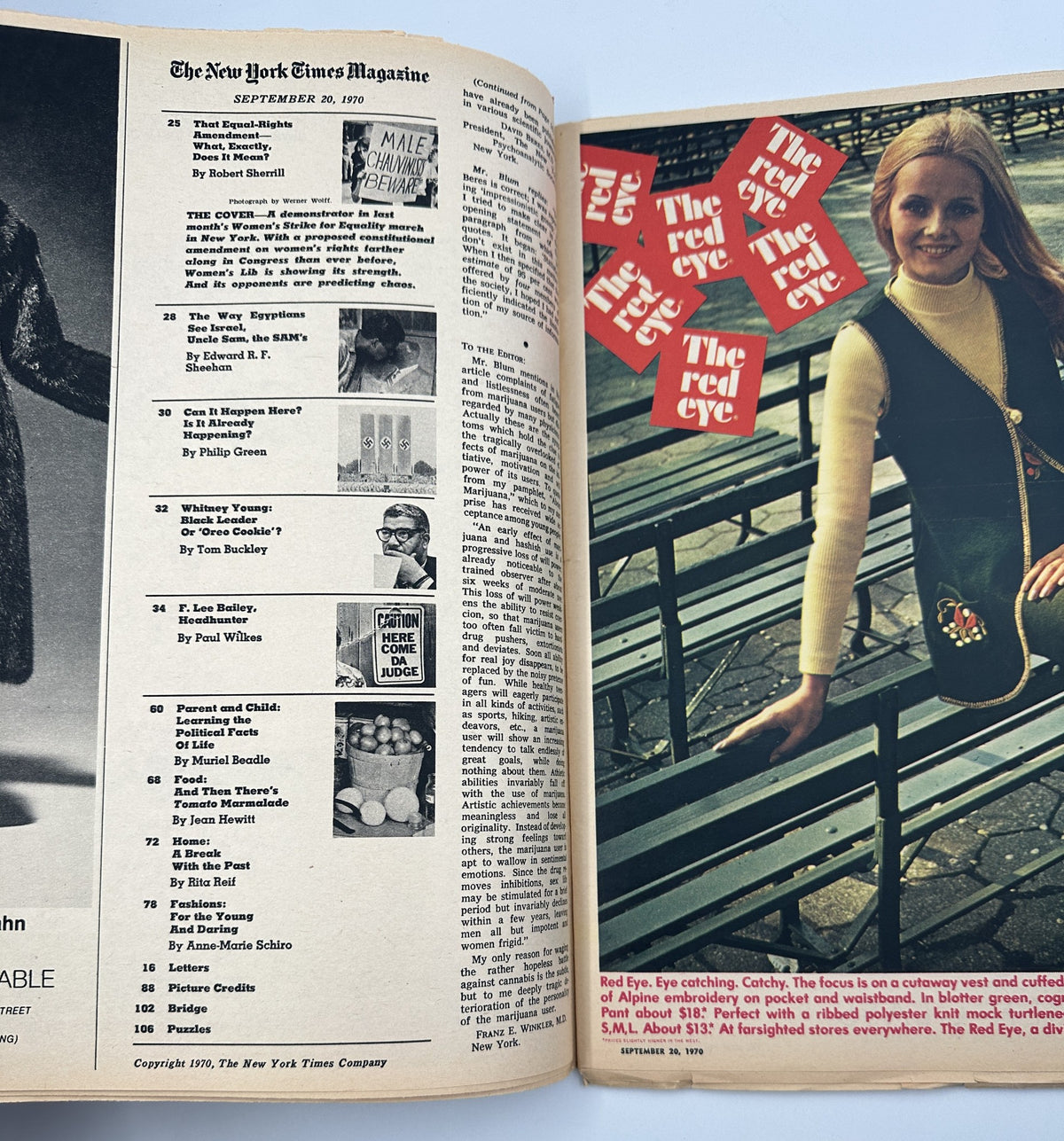
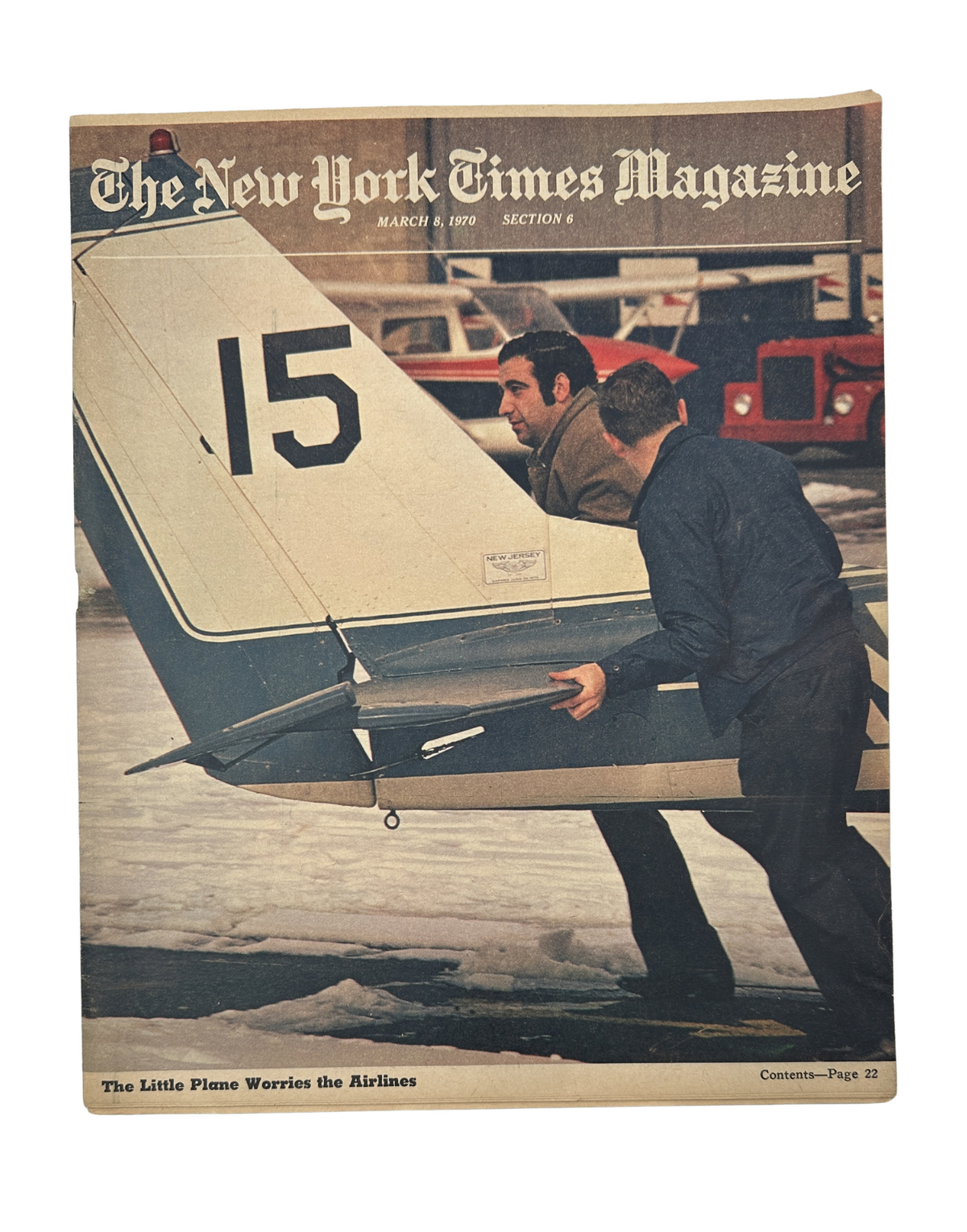
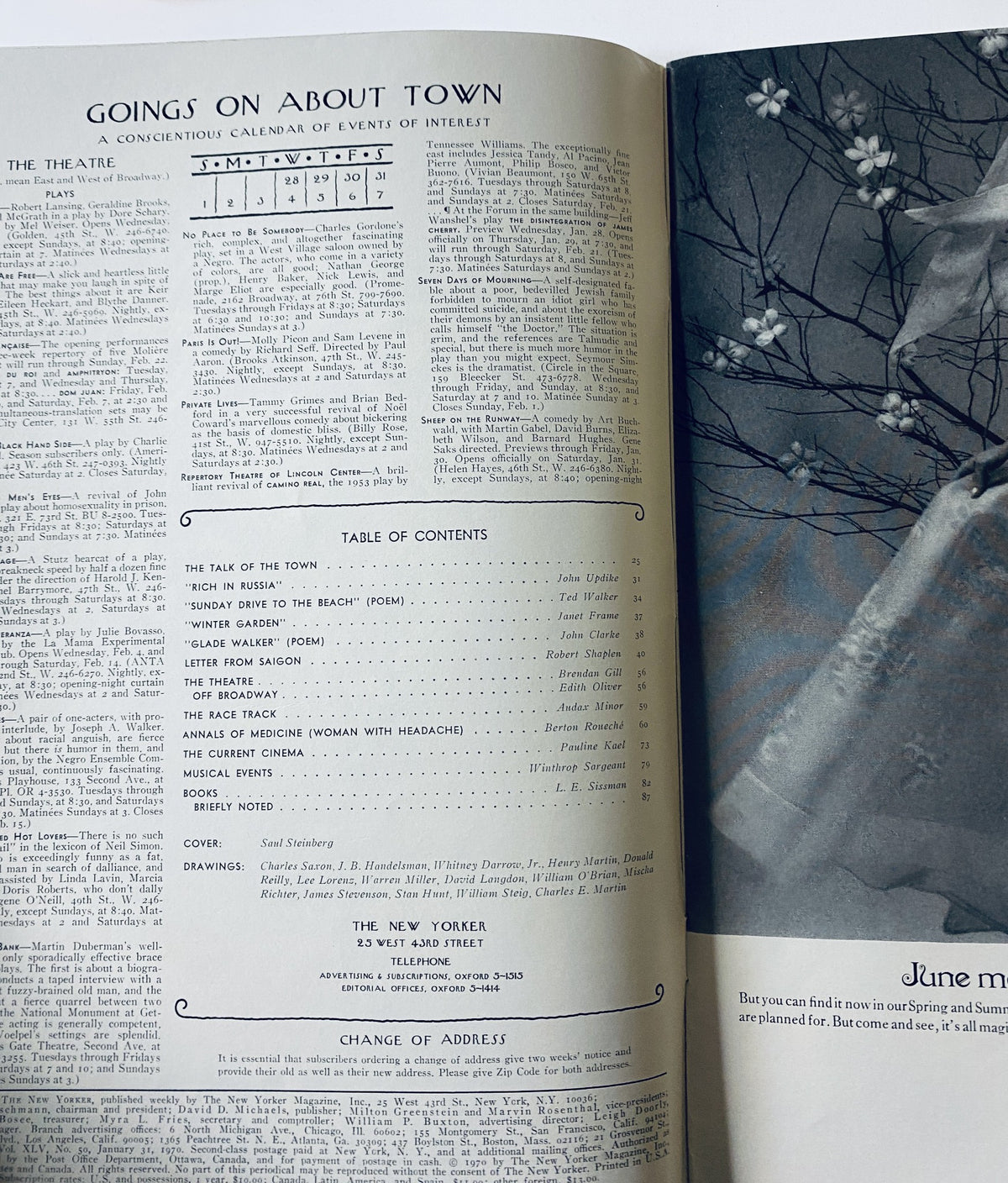
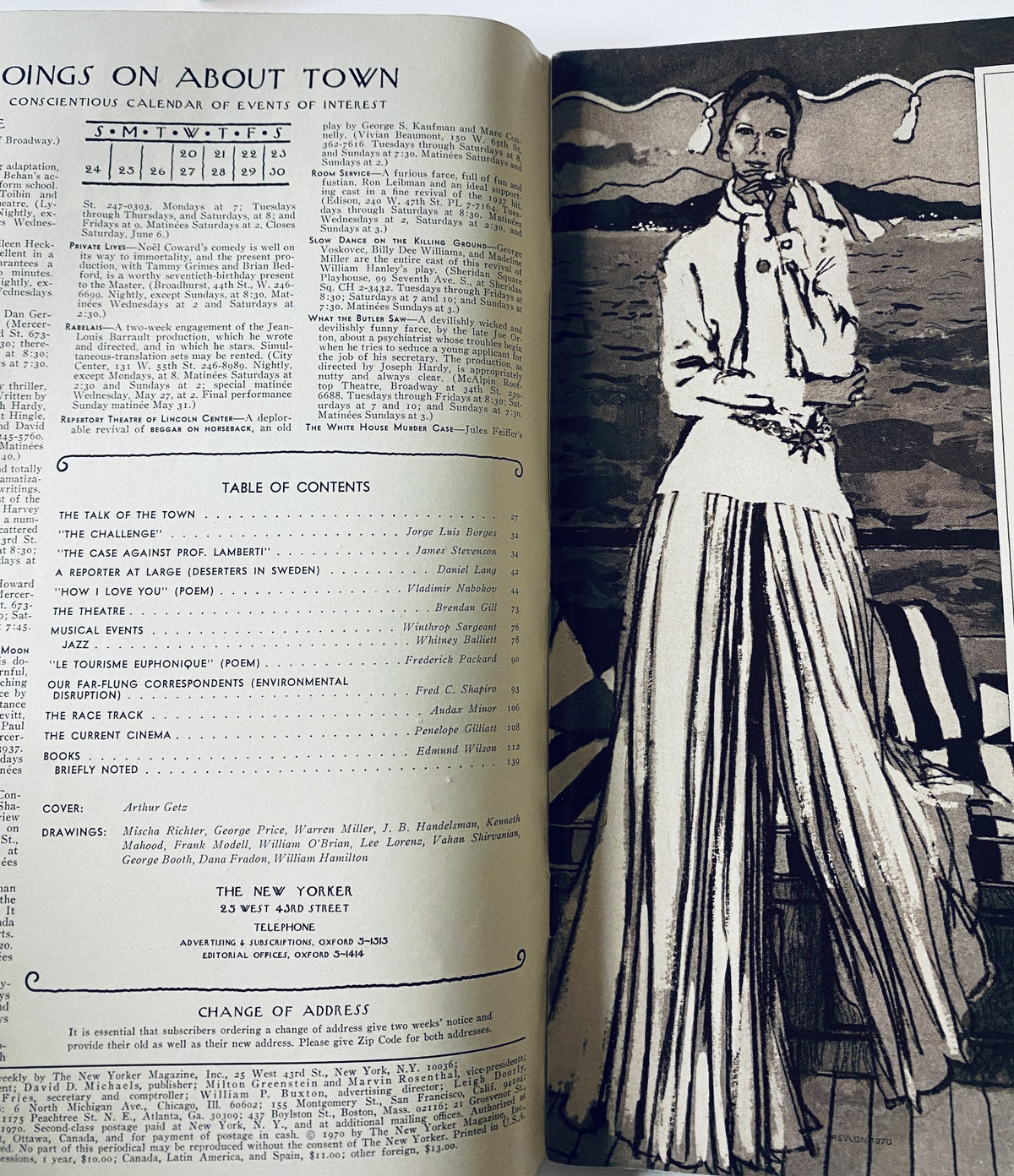
While news magazines like Life and Look documented the year's upheavals with powerful photography—Kent State's fallen students, Apollo 13's safe return—entertainment and lifestyle publications offered glimpses of a culture in transition. Movie theaters premiered Patton and MASH*, films that grappled with war's complexities in ways that resonated deeply with audiences questioning Vietnam. Television brought a new edge to primetime with The Mary Tyler Moore Show debuting in September, offering a fresh vision of independent womanhood that felt revolutionary. The sports world watched the Baltimore Colts clash with the Dallas Cowboys in Super Bowl V, while original magazines from 1970 captured the era's fashion shift—hemlines dropping, bell-bottoms widening, and a more relaxed, earthy aesthetic replacing the mod looks of the late sixties. Advertisements in these vintage magazines reveal the everyday details: color television sets becoming standard, ecology suddenly fashionable, and a nation trying to make sense of rapid change through the things it bought, wore, and watched.
Curator's Checklist: What to Look For
-
Apollo 13 Crisis Coverage: Time and Newsweek featuring dramatic NASA photography of the damaged spacecraft and Mission Control's tense rescue efforts, often with technical diagrams explaining the improvised carbon dioxide filter that saved the crew's lives
-
Kent State Tragedy: News magazines chronicling the student protests and their violent end, illustrated with John Filo's Pulitzer Prize-winning photograph and eyewitness accounts that divided the nation over campus unrest and the war
-
The Beatles' Final Chapter: Music and entertainment publications showcasing the band's breakup announcement, featuring interviews, retrospectives of their seven-year journey, and speculation about solo careers preserved in the pages of Rolling Stone-era journalism
-
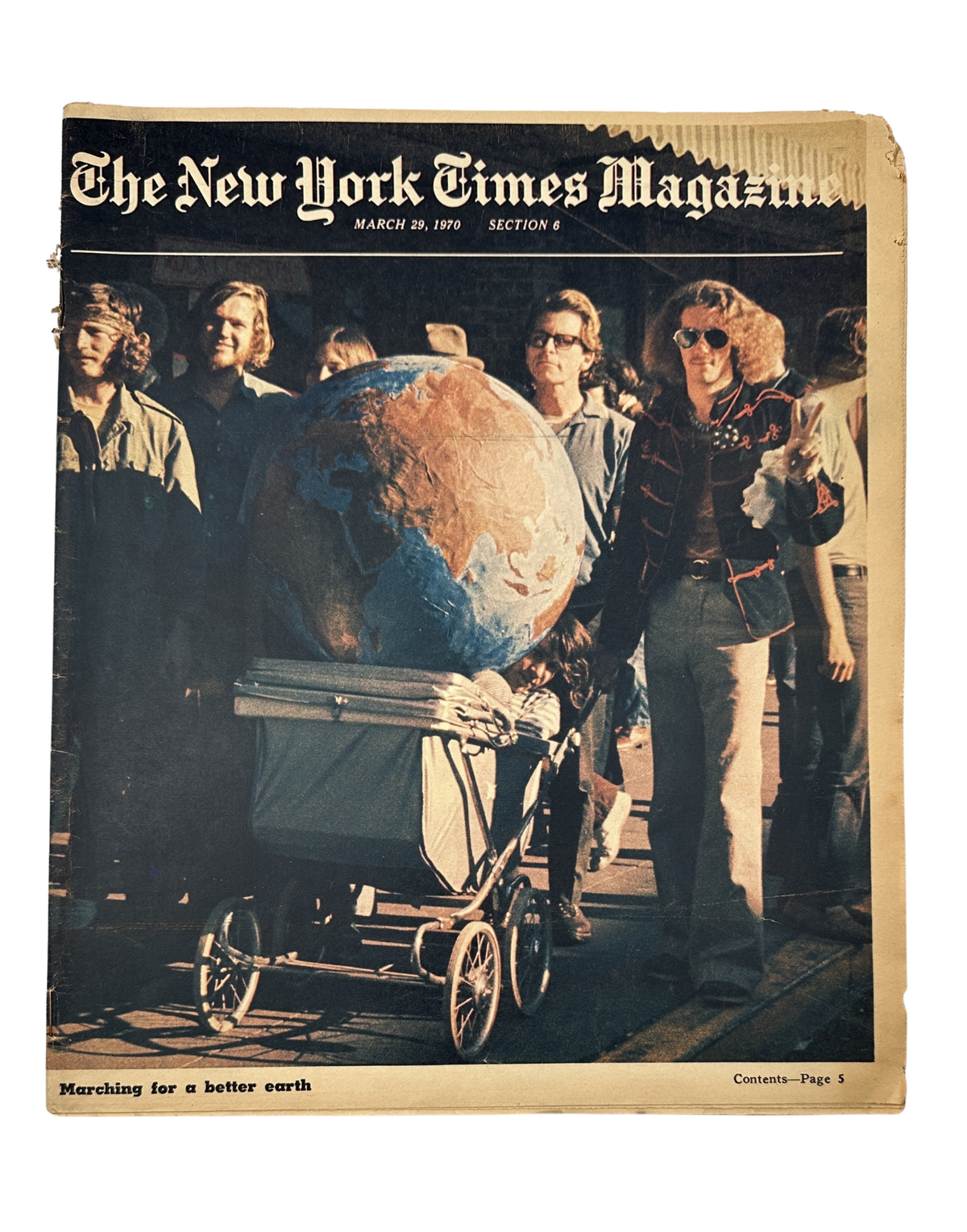
Environmental Awakening: Rare magazines documenting the first Earth Day celebration, with photographs of massive demonstrations, Senator Gaylord Nelson's environmental platform, and the emerging ecology movement that would reshape American politics and consumer culture
-
Cultural Shift Advertising: Vogue, Harper's Bazaar, and Esquire revealing 1970's aesthetic transition through genuine advertisements for bell-bottoms, platform shoes, color TVs, and eco-friendly products—authentic snapshots of how Americans were reimagining their relationship with style and consumption
The Perfect Gift
For someone born in 1970, an original magazine from this turbulent year isn't just a reproduction—it's an authenticated time capsule of the moment when space-age dreams met earthbound protests, preserved in genuine advertisements, photography, and headlines that museums cannot replicate.