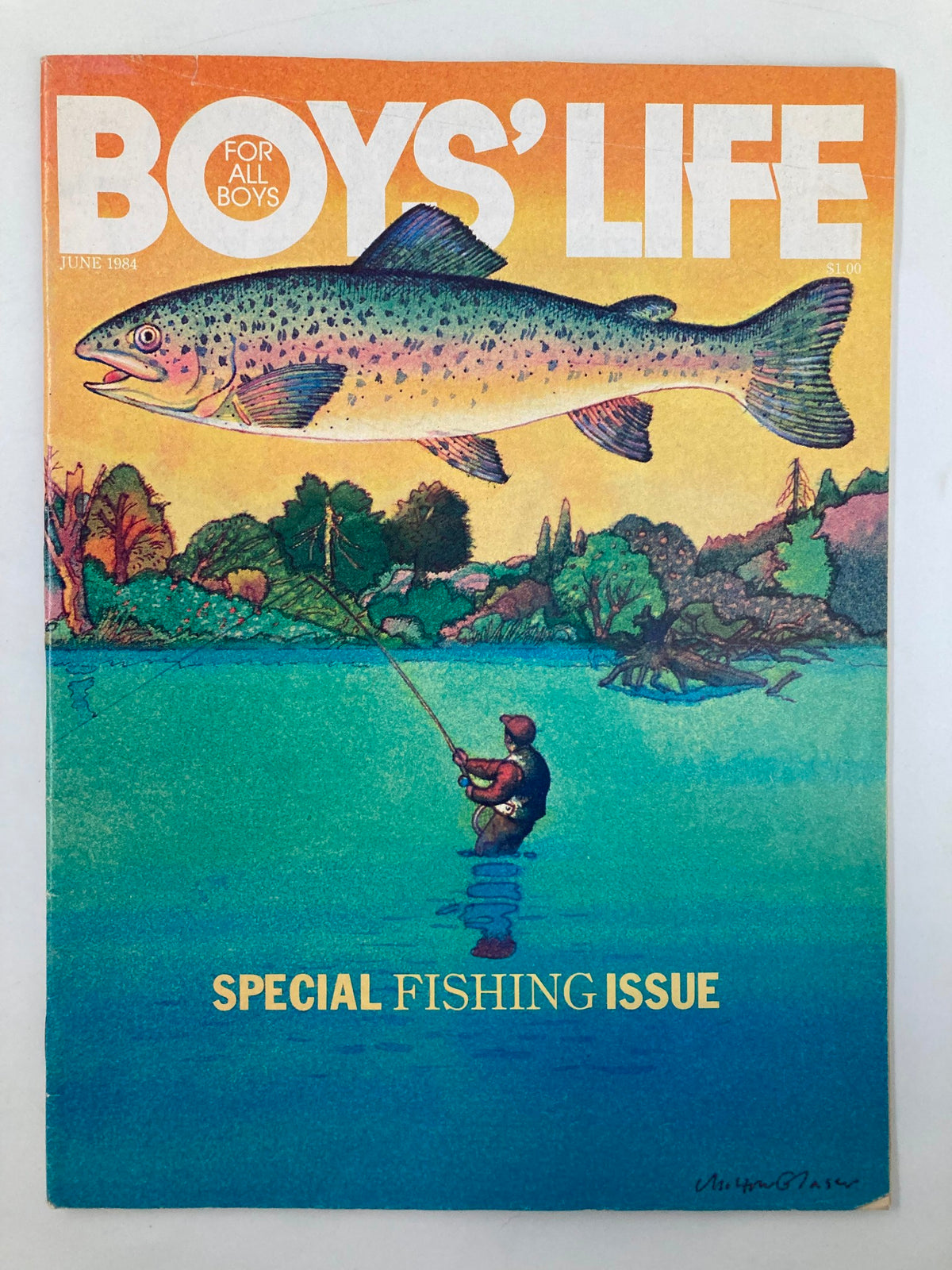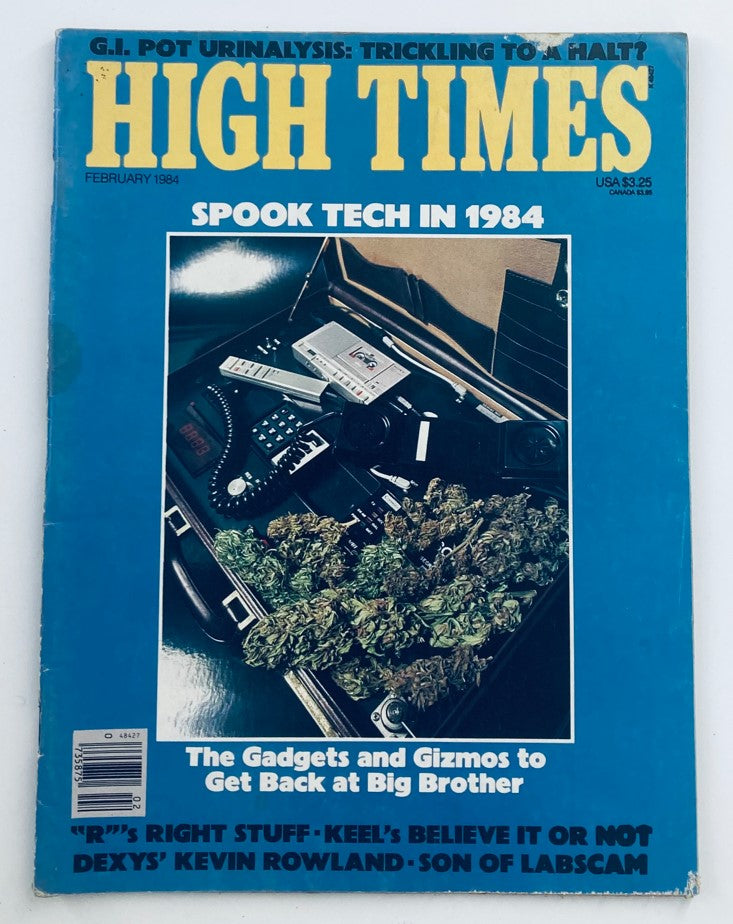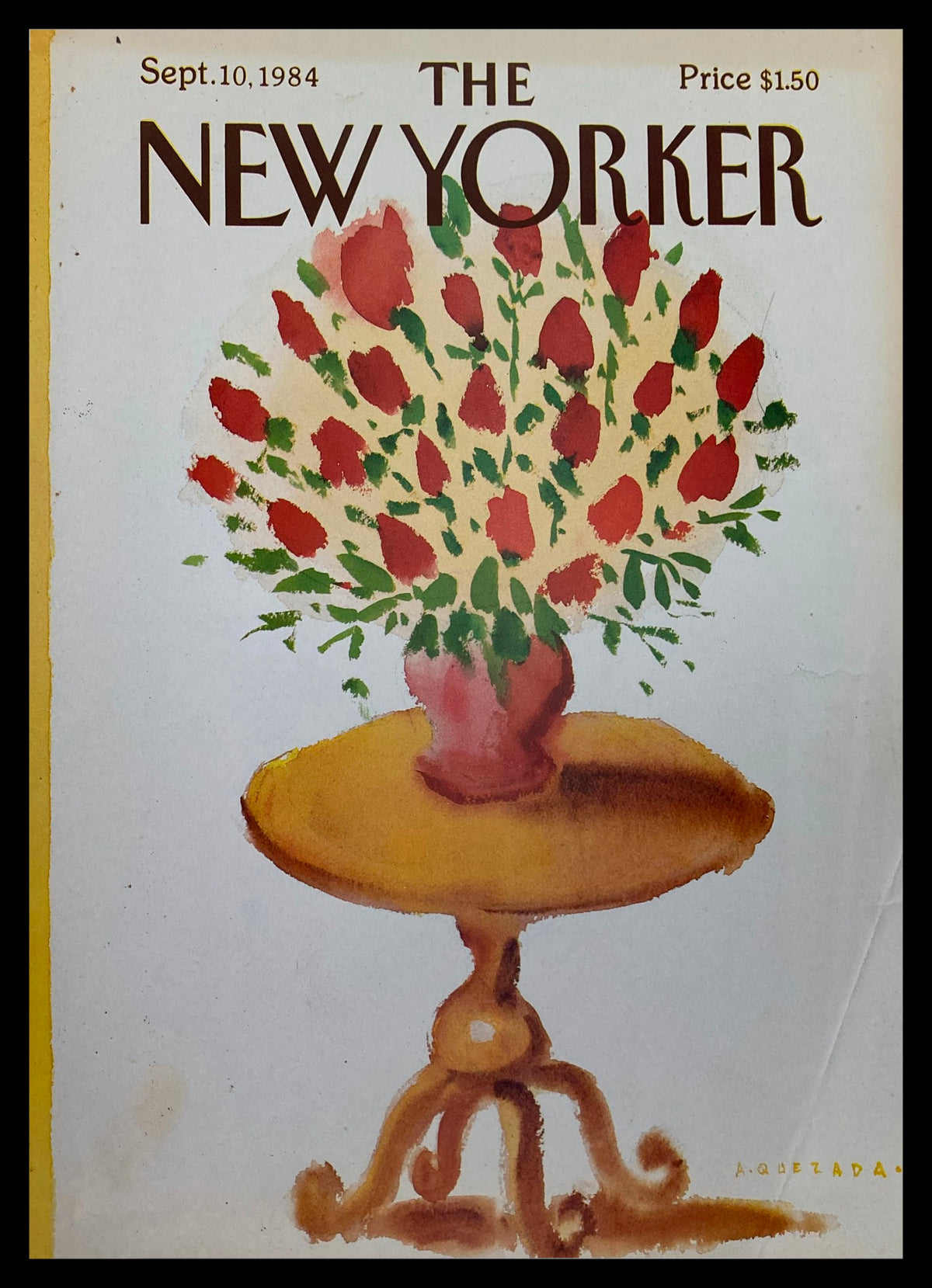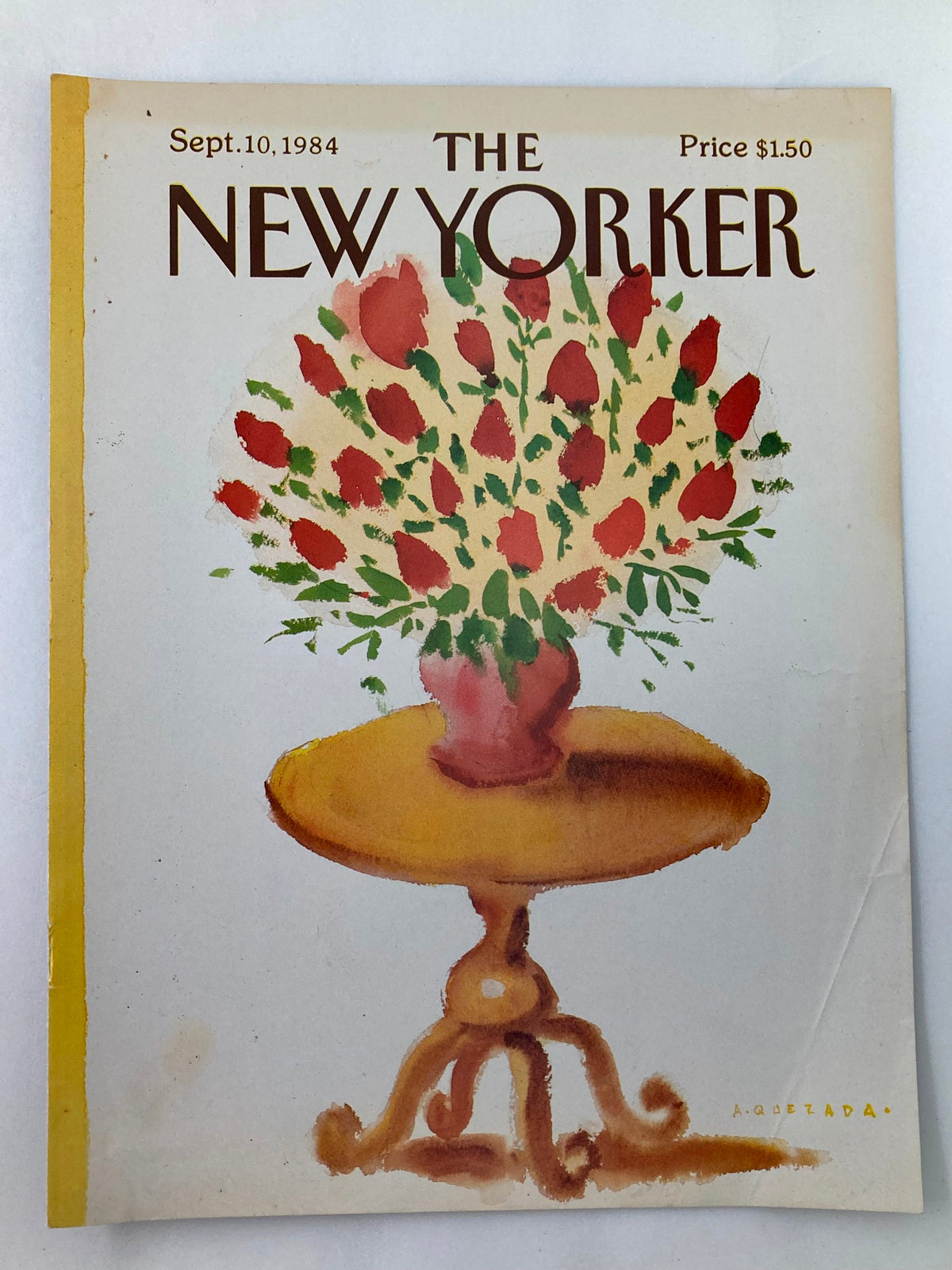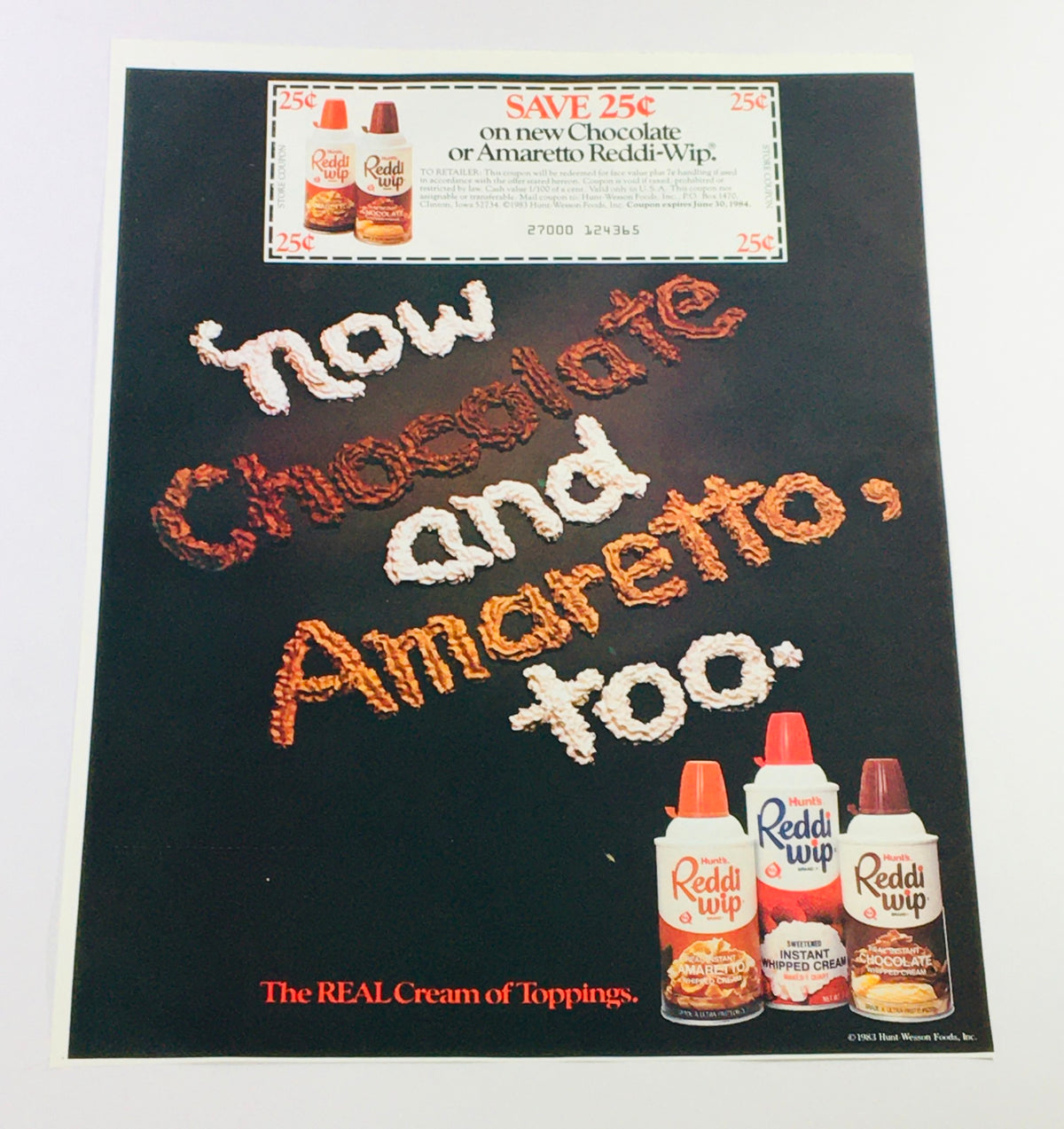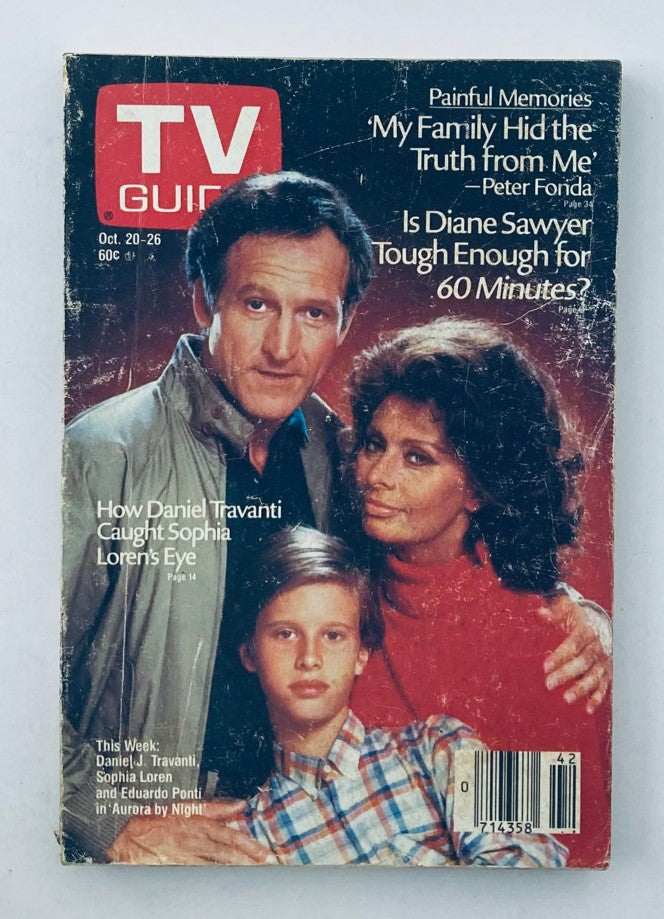
📖 About this Collection
1984: The Year Tomorrow Arrived
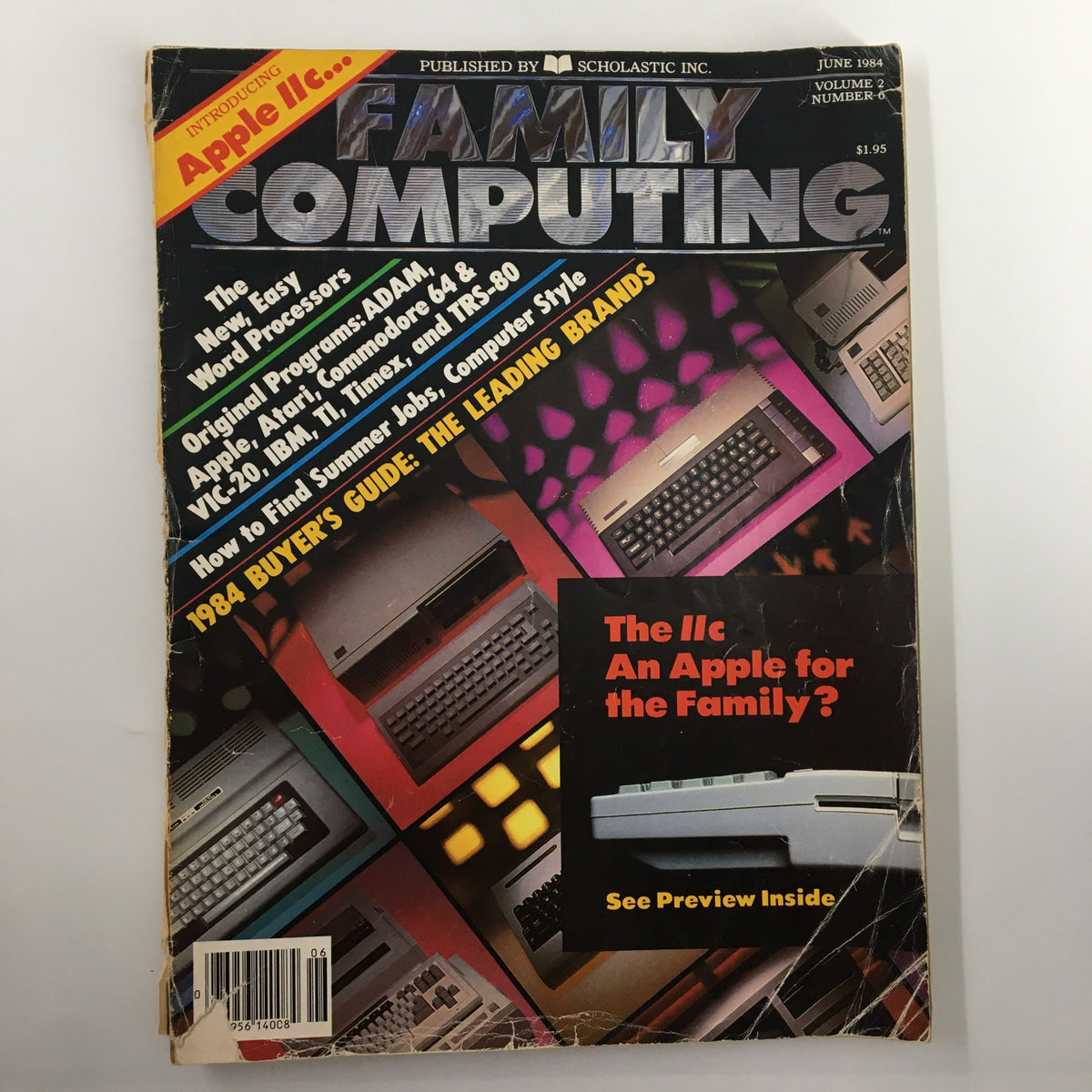
The world balanced on a technological precipice in 1984. Ronald Reagan's America surged with confidence while Cold War tensions simmered beneath the surface—the Soviet Union boycotted the Los Angeles Olympics in a stark reminder that global divisions ran deep. On January 24th, a single television commercial during the Super Bowl would herald a revolution: Apple's Macintosh arrived with a graphical interface that promised to democratize computing, transforming bulky machines into tools for everyone. Reagan's November landslide—capturing 49 of 50 states against Walter Mondale—cemented conservative optimism, while Carl Lewis became the Olympics' undisputed hero with four track and field golds. This was the world your loved one entered in 1984, a year when the future stopped being science fiction and started appearing in living rooms, record stores, and magazine advertisements.
Pop Culture & Everyday Life
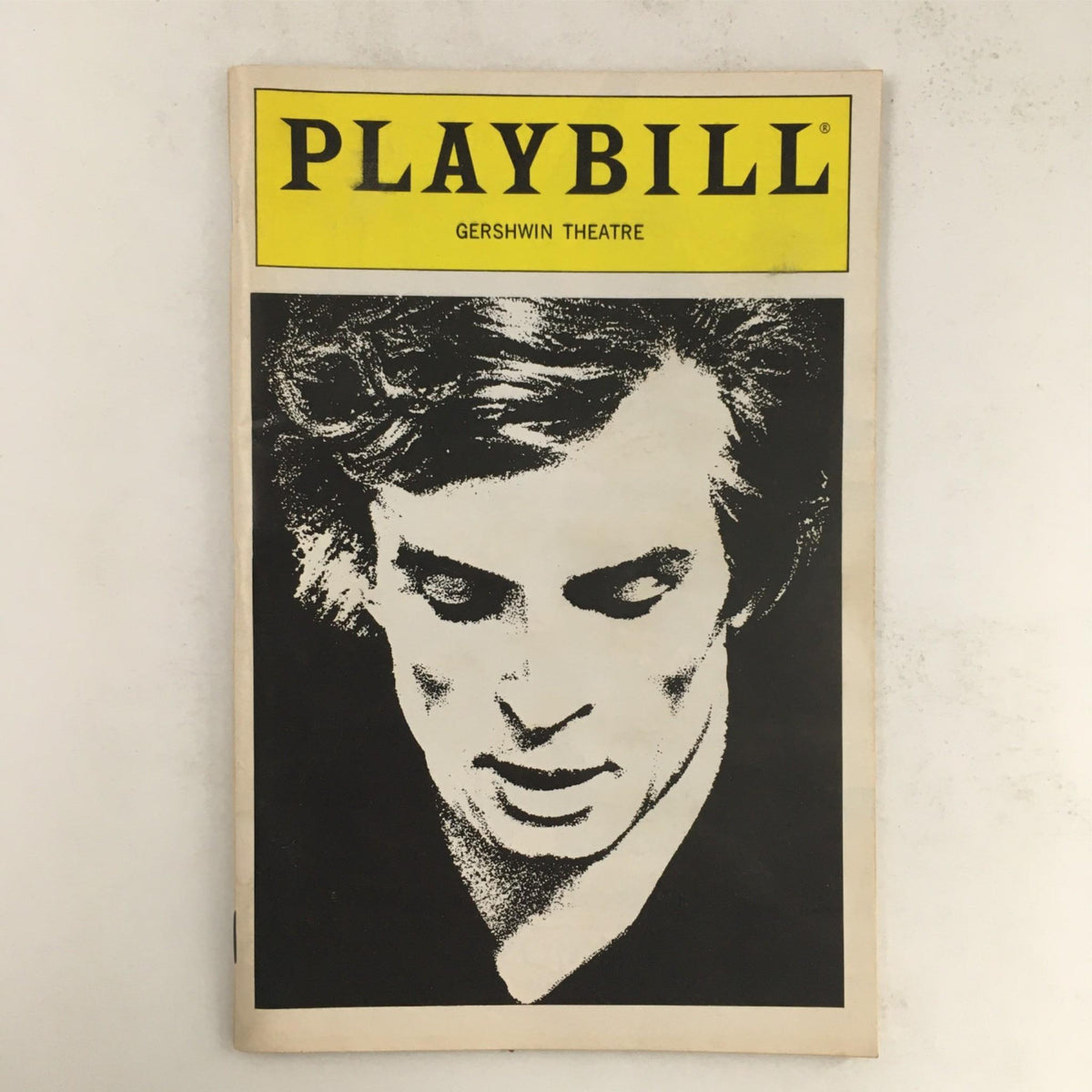
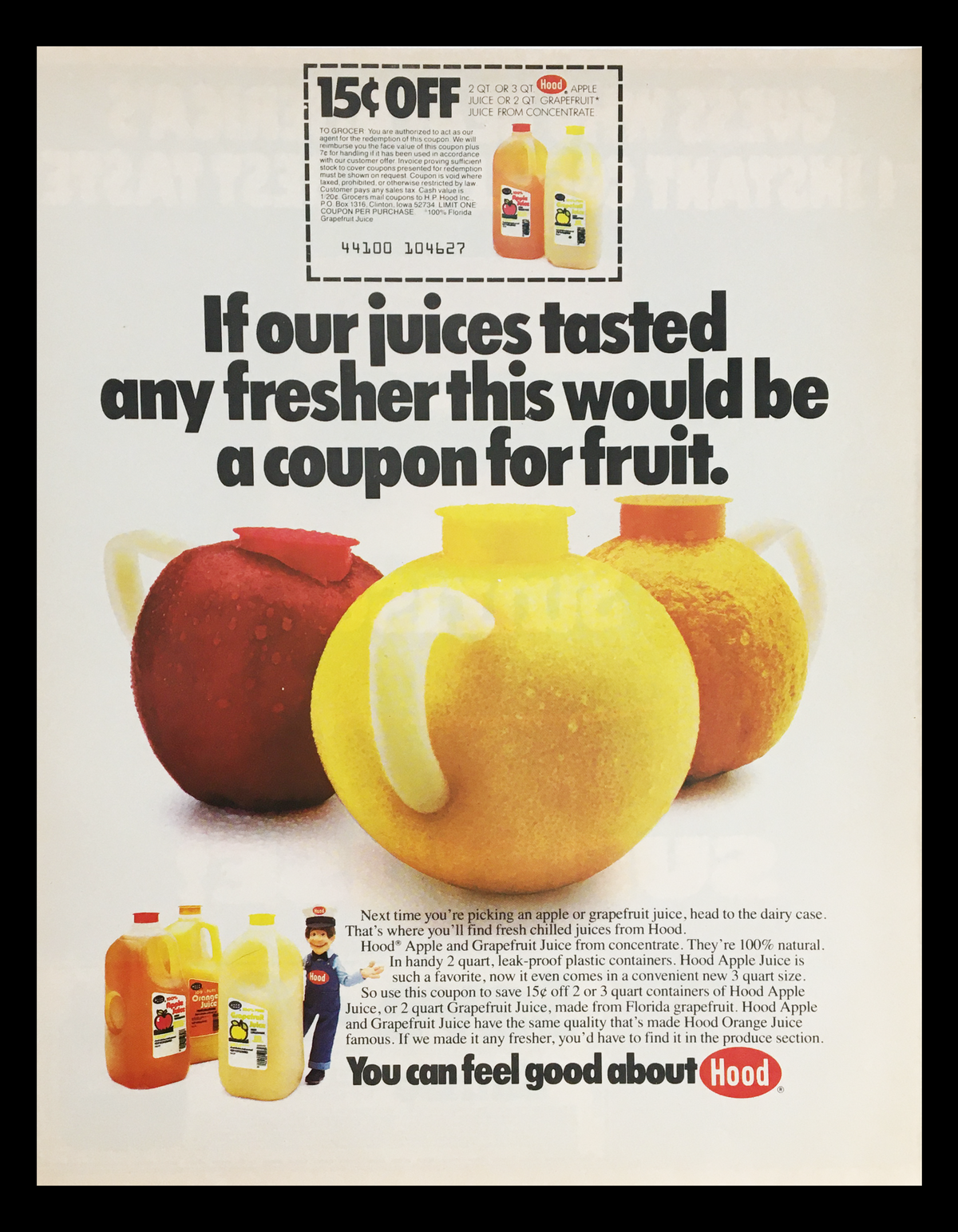
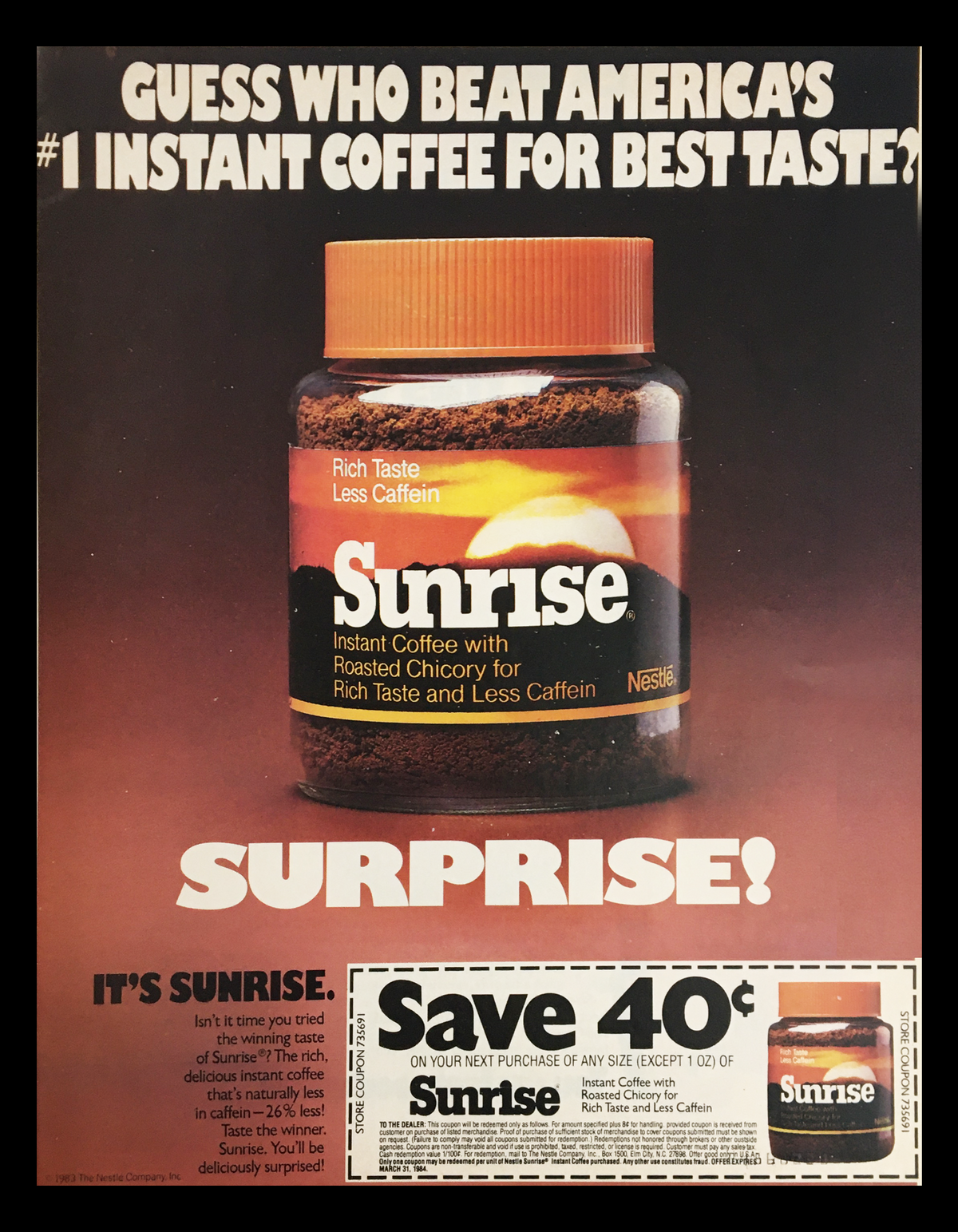
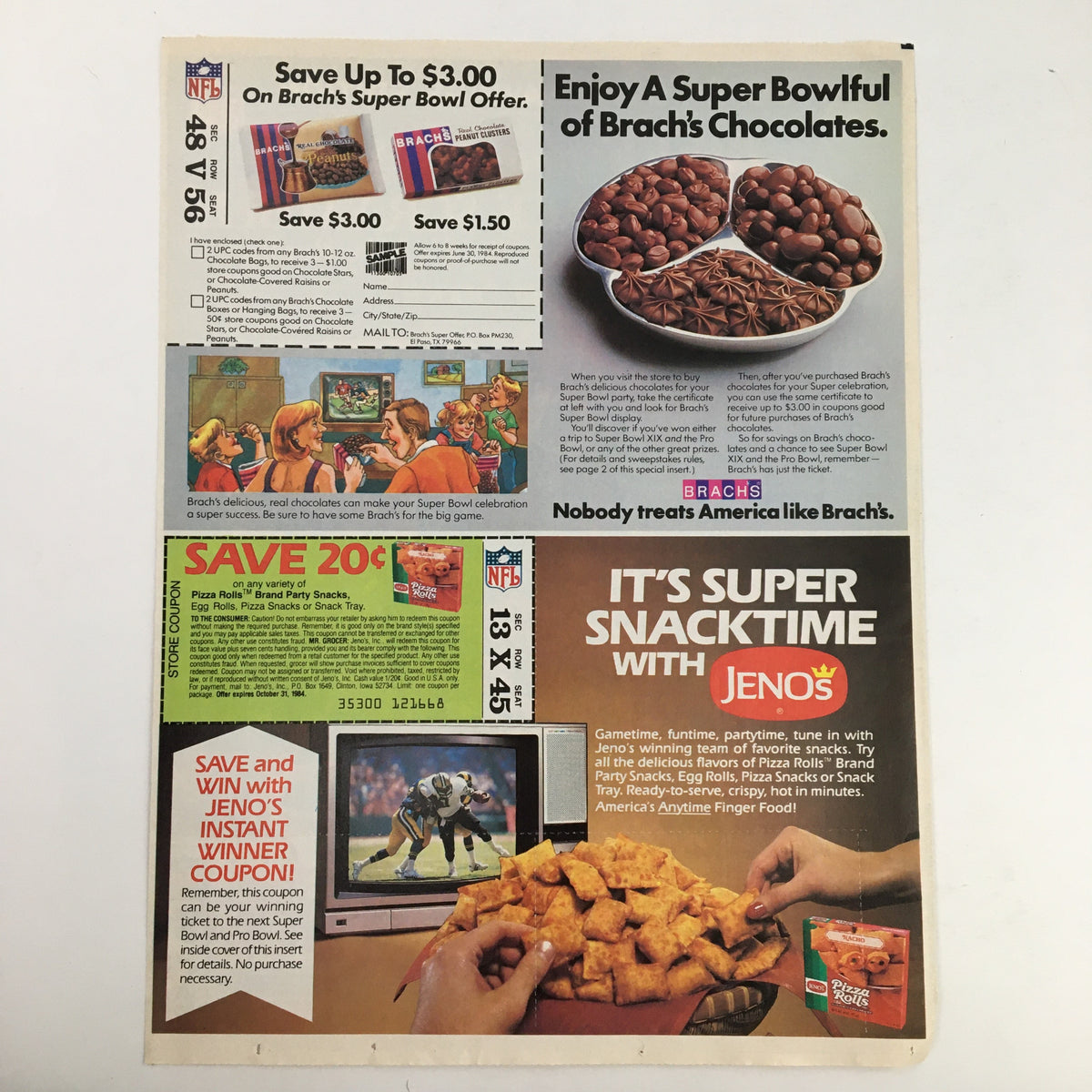
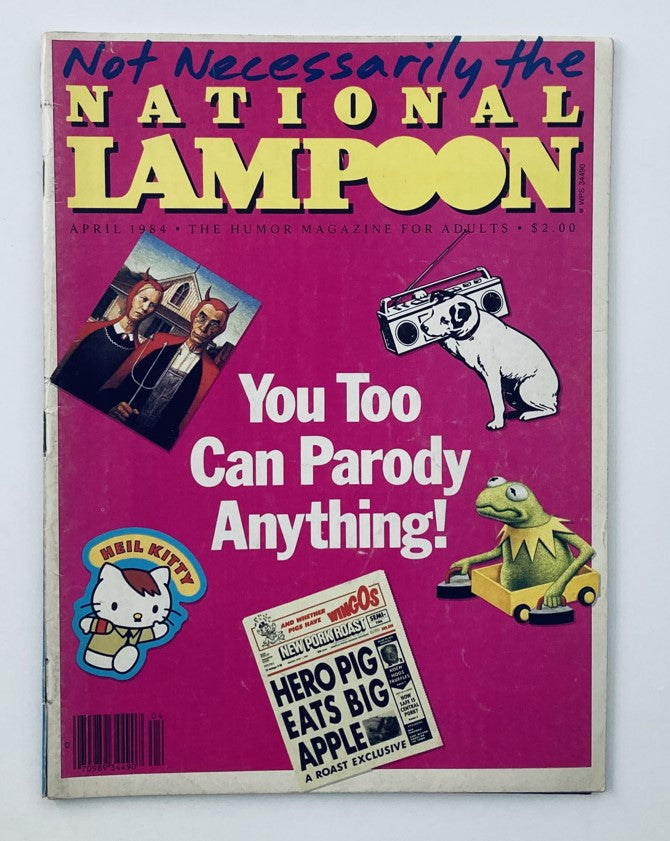
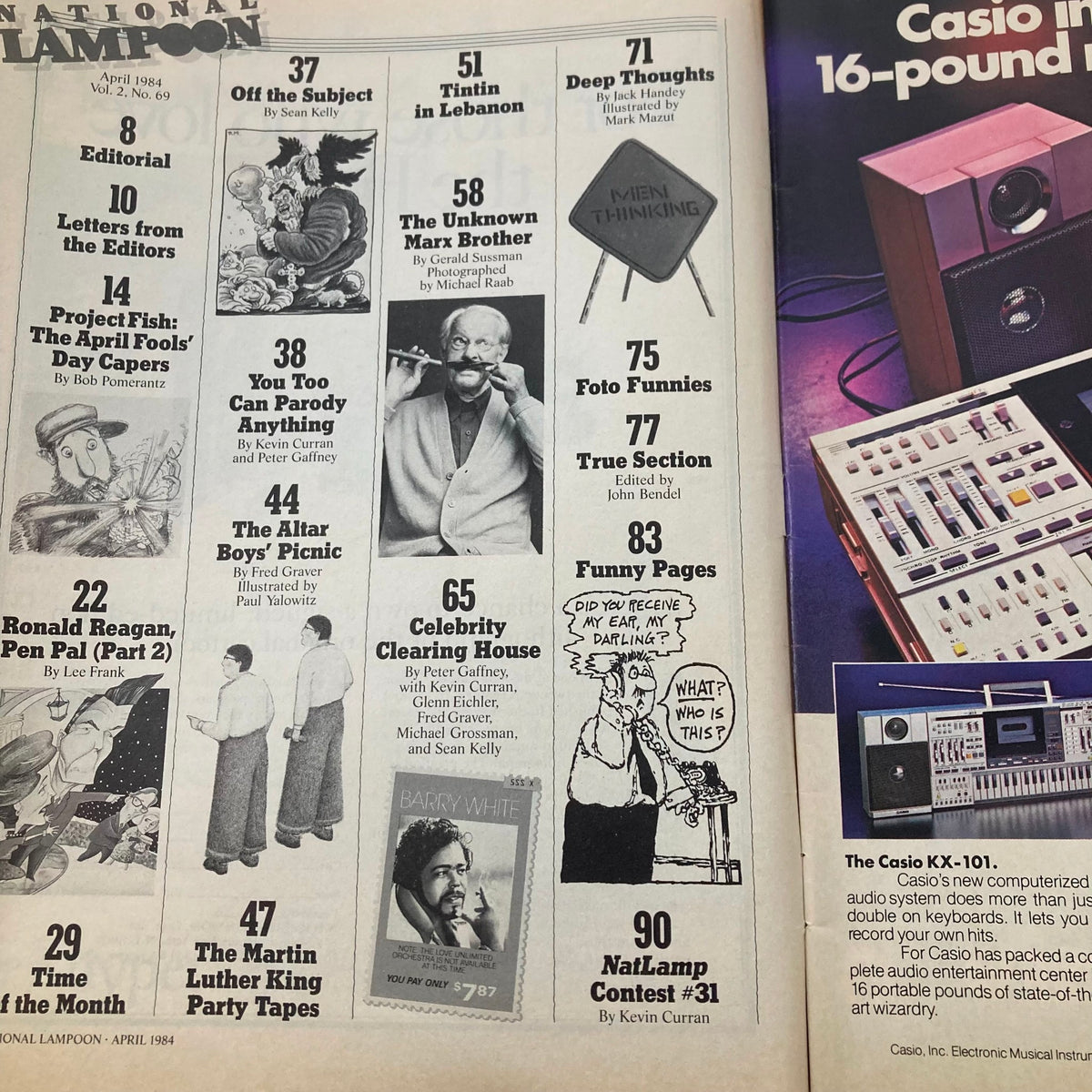
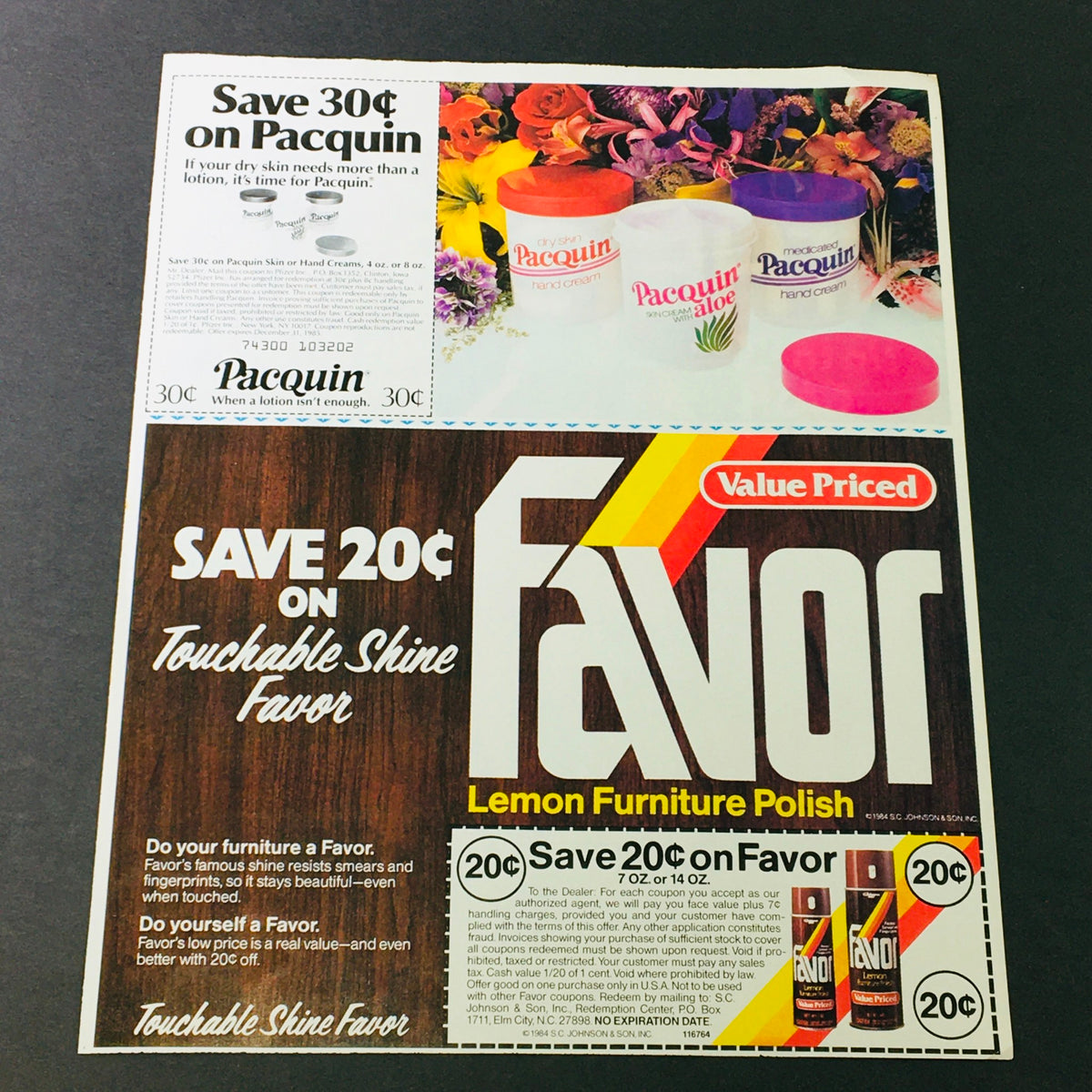
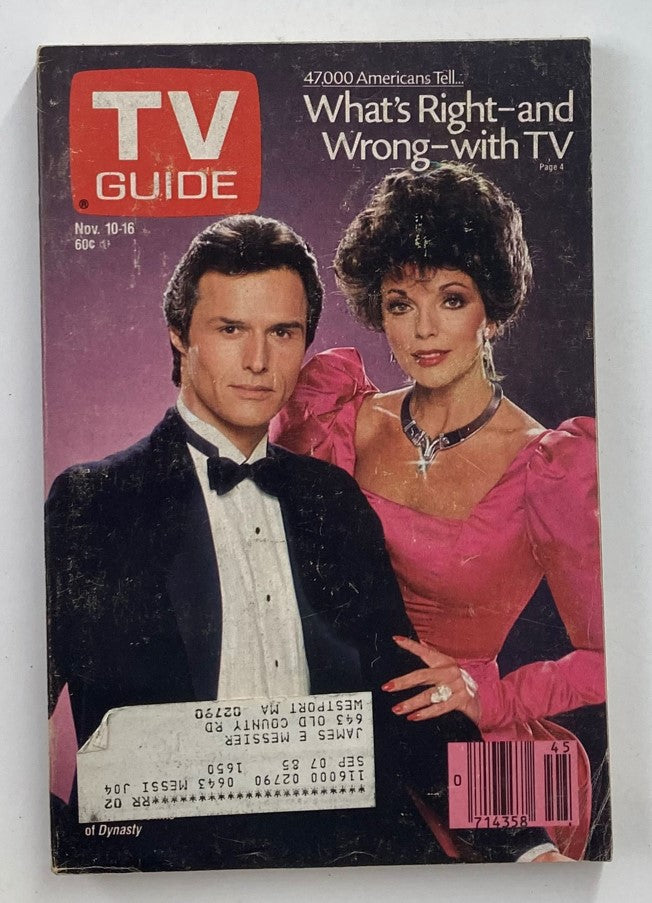
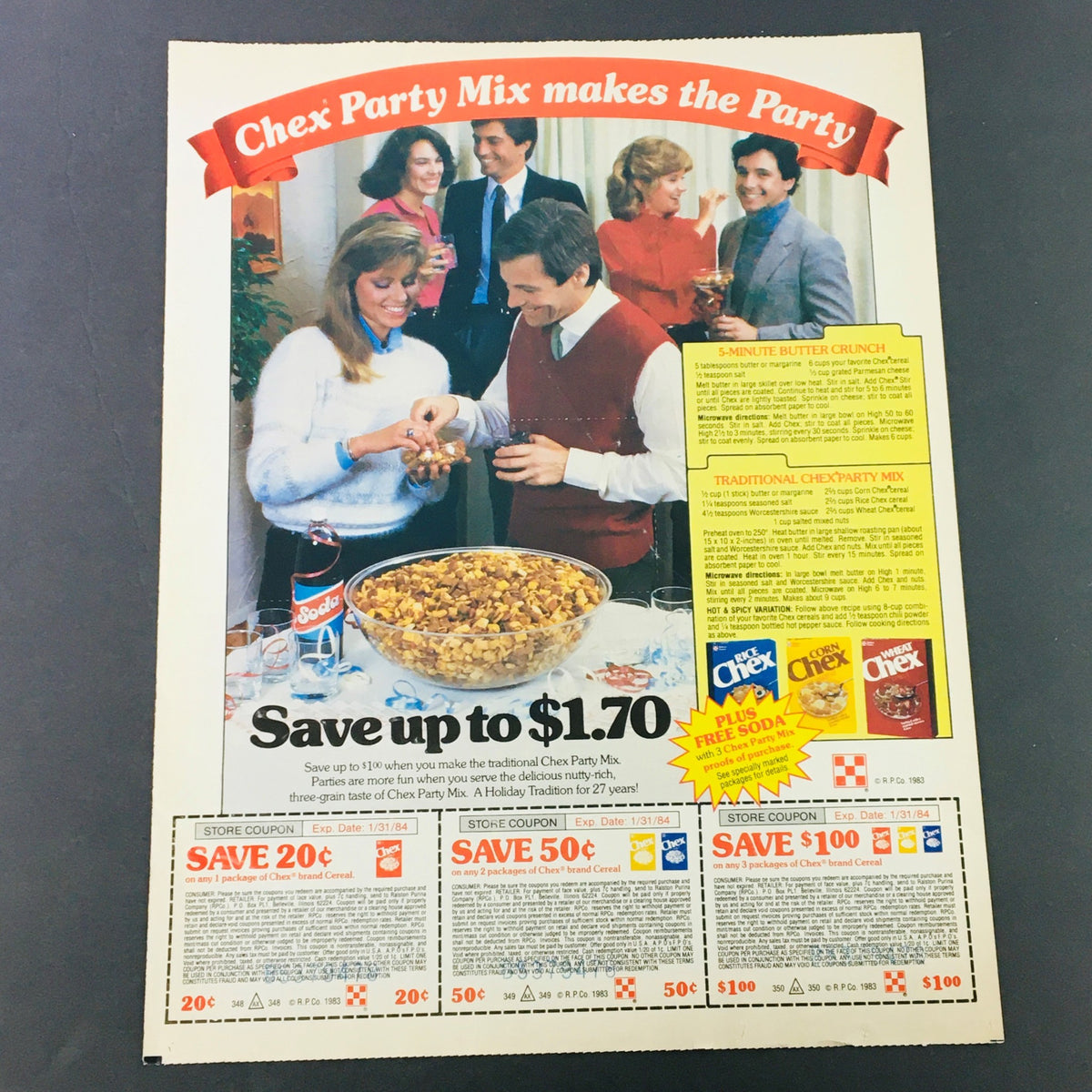
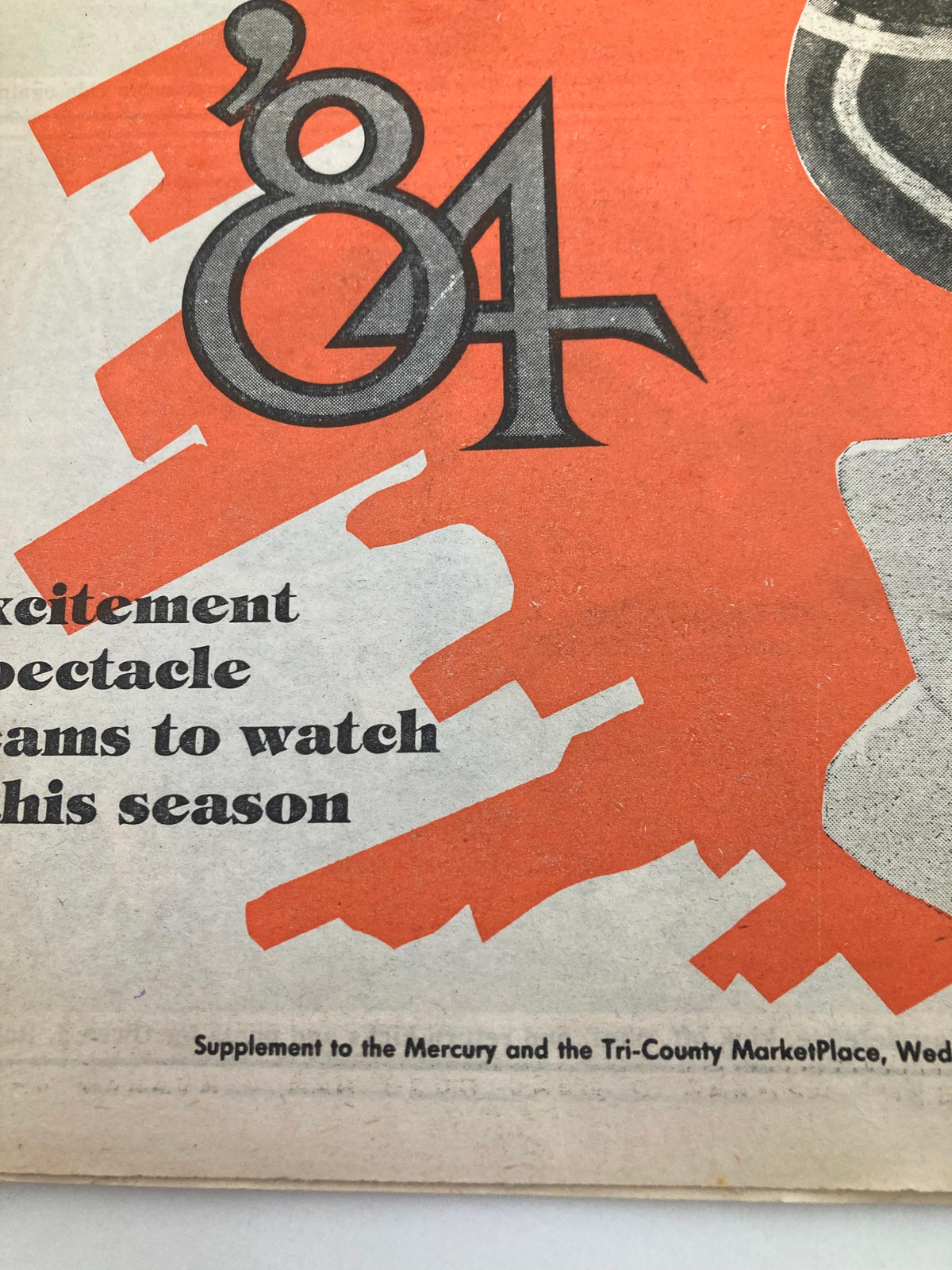
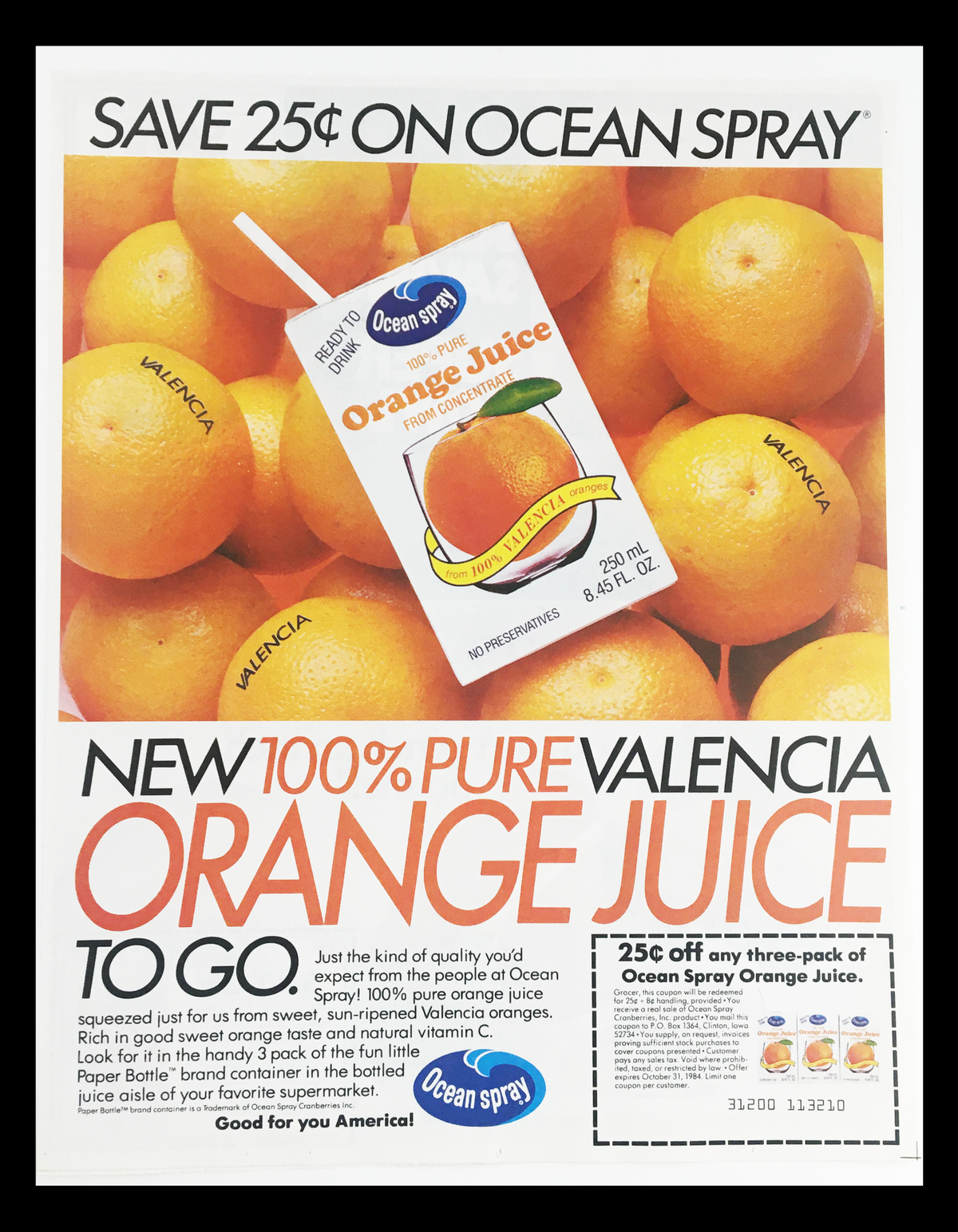
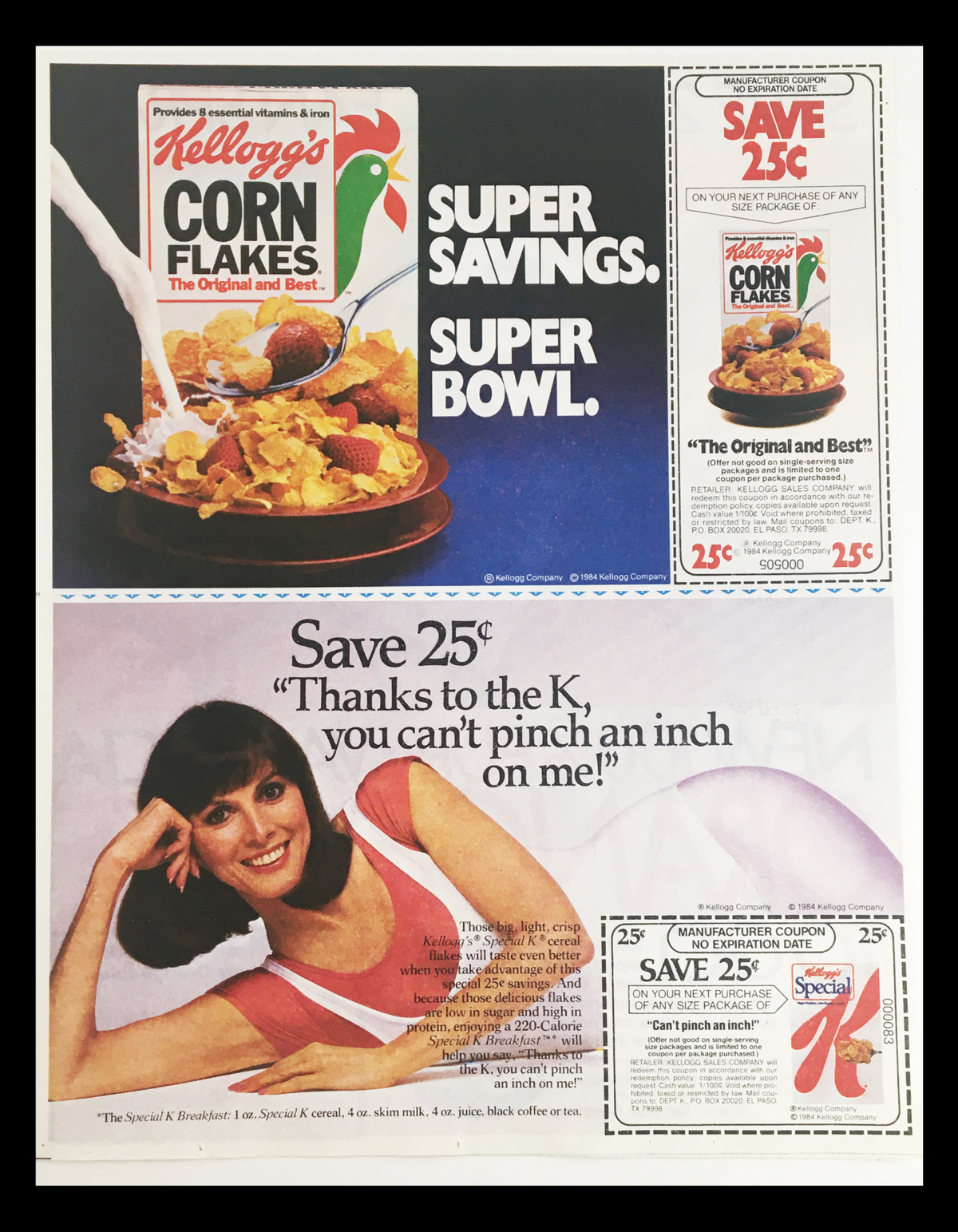
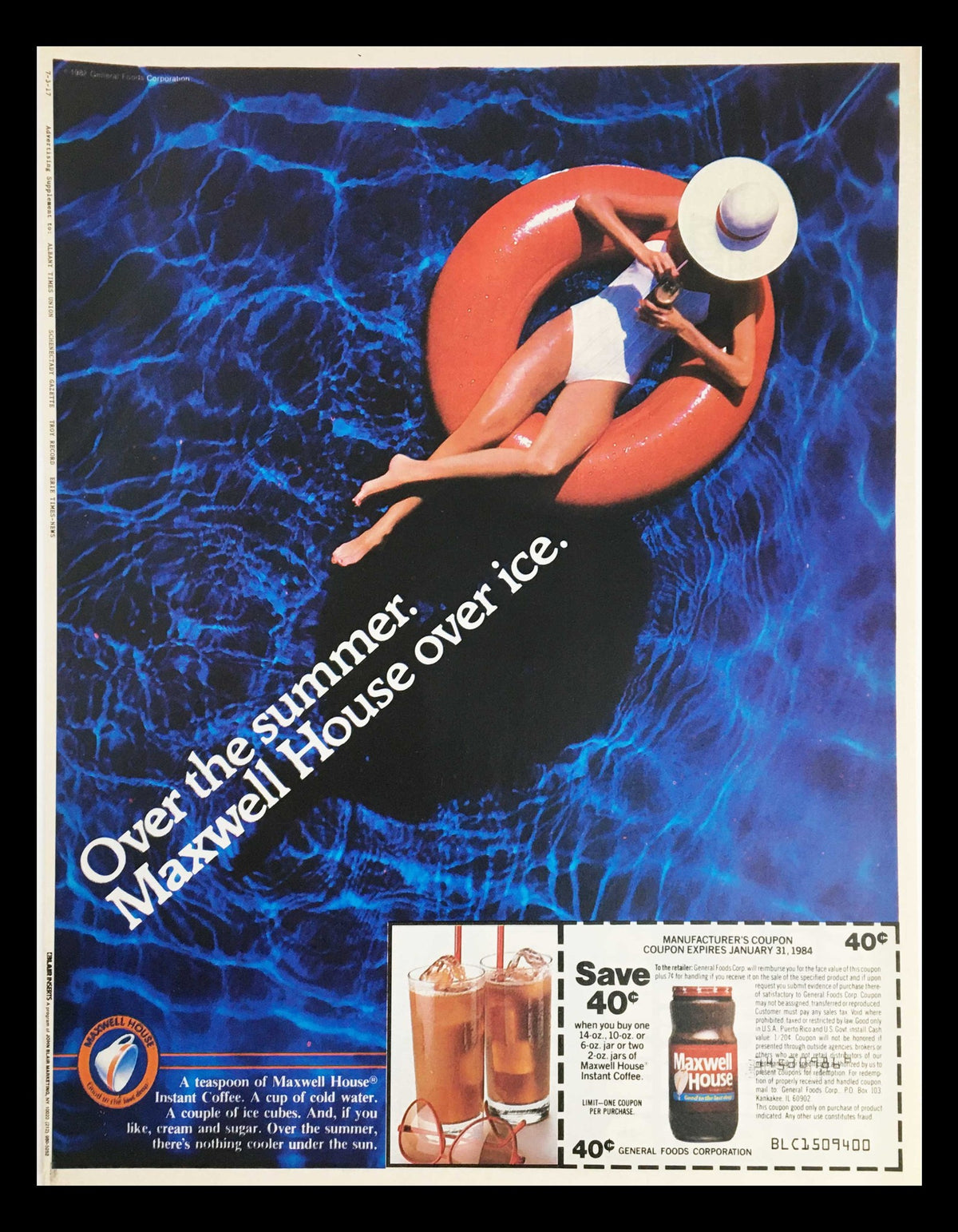
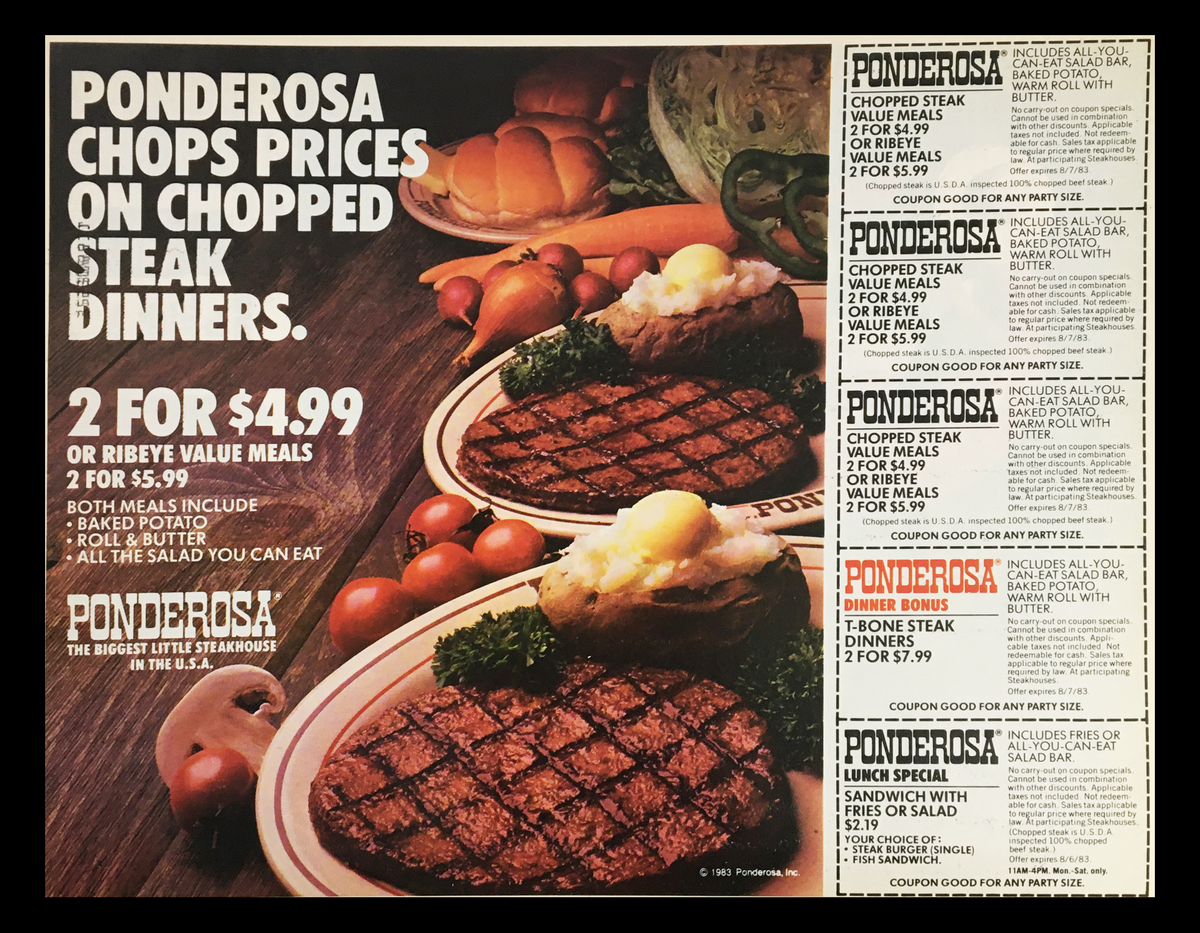
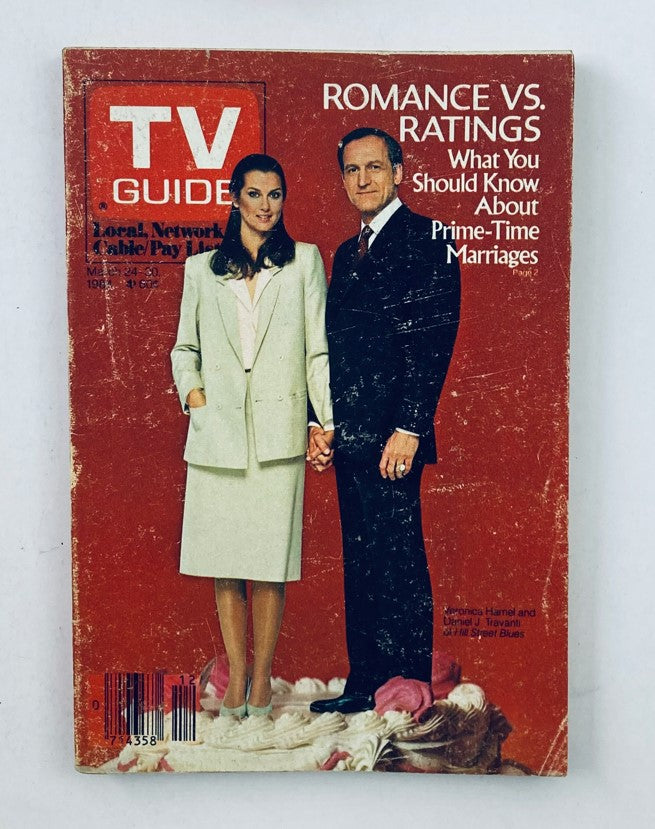
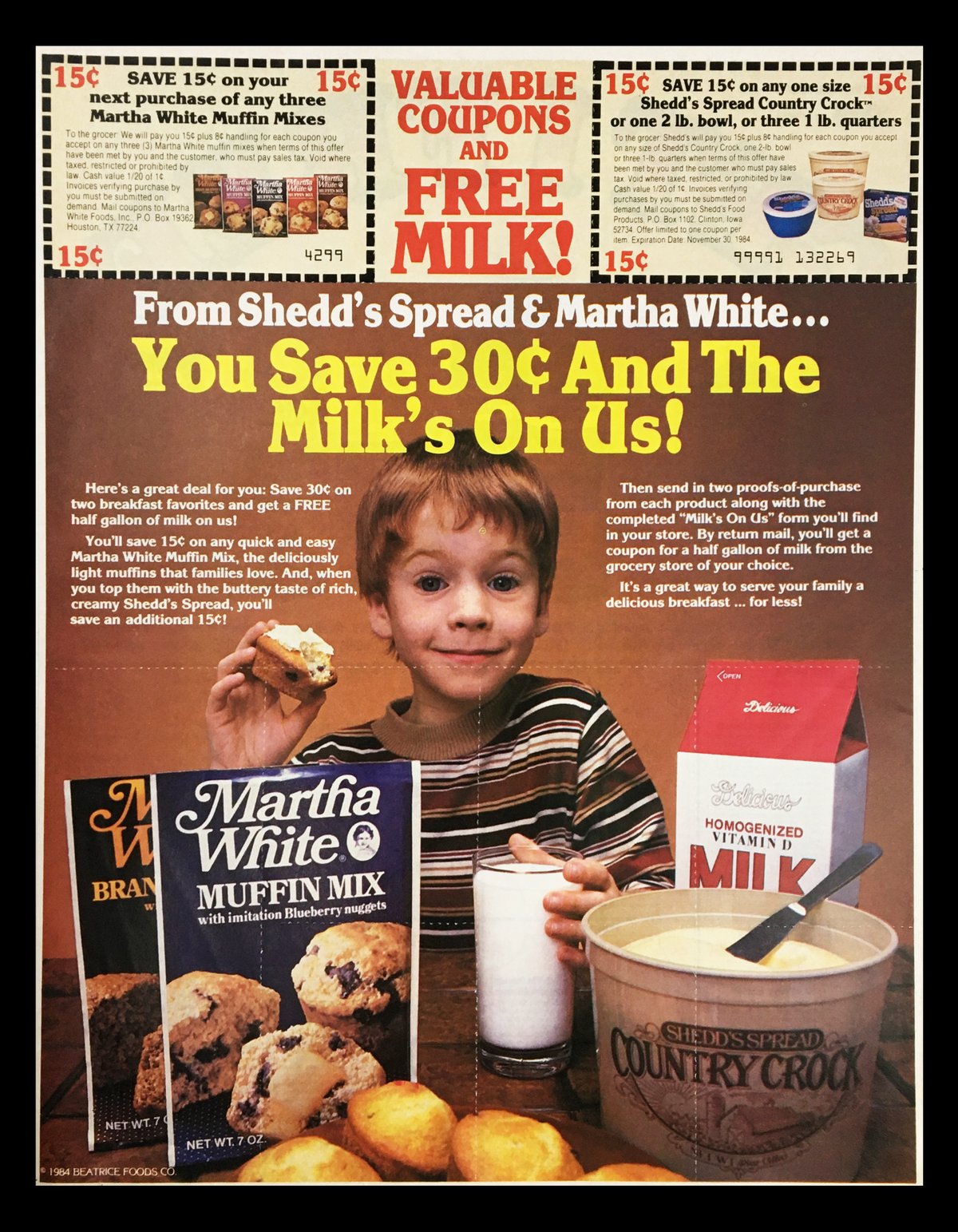
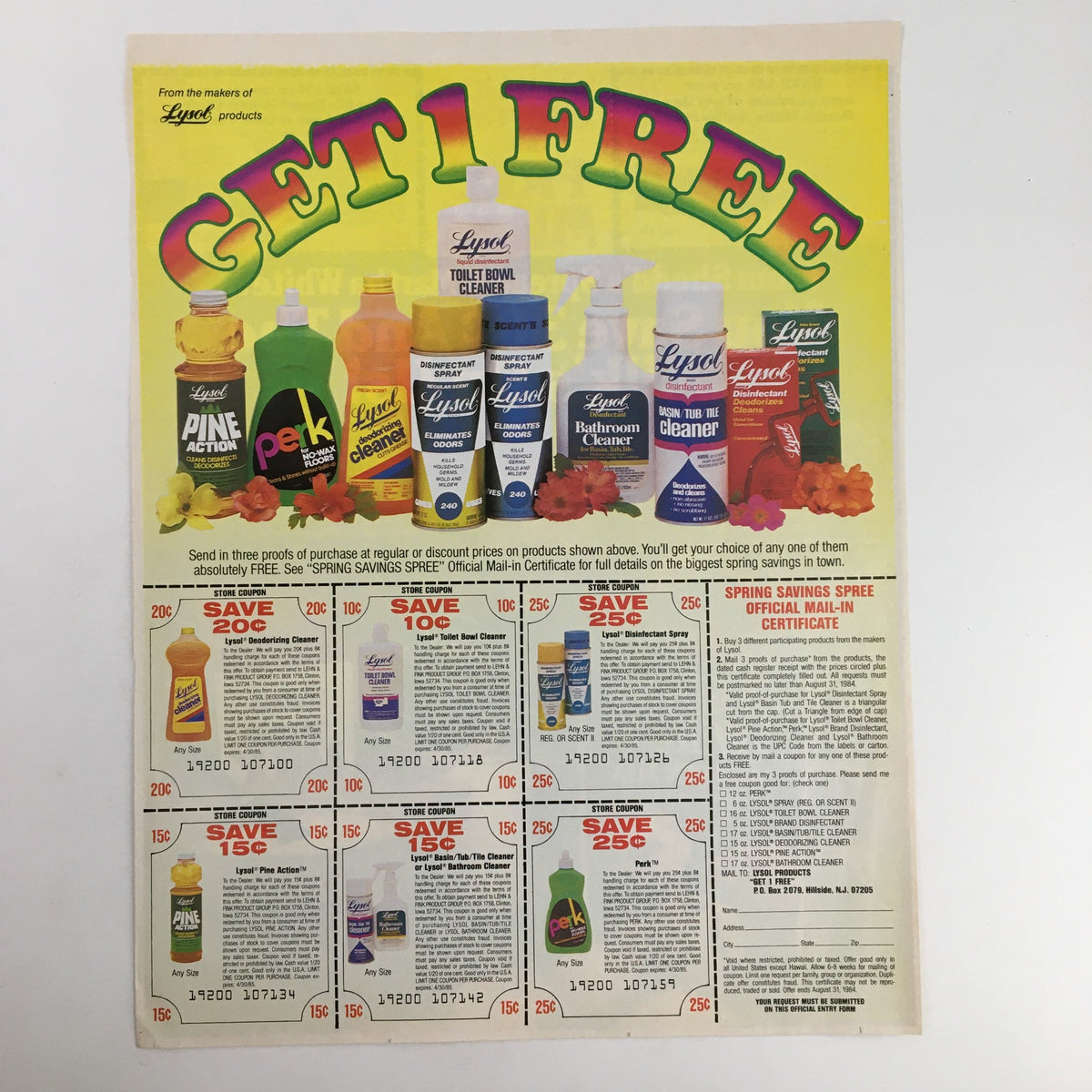
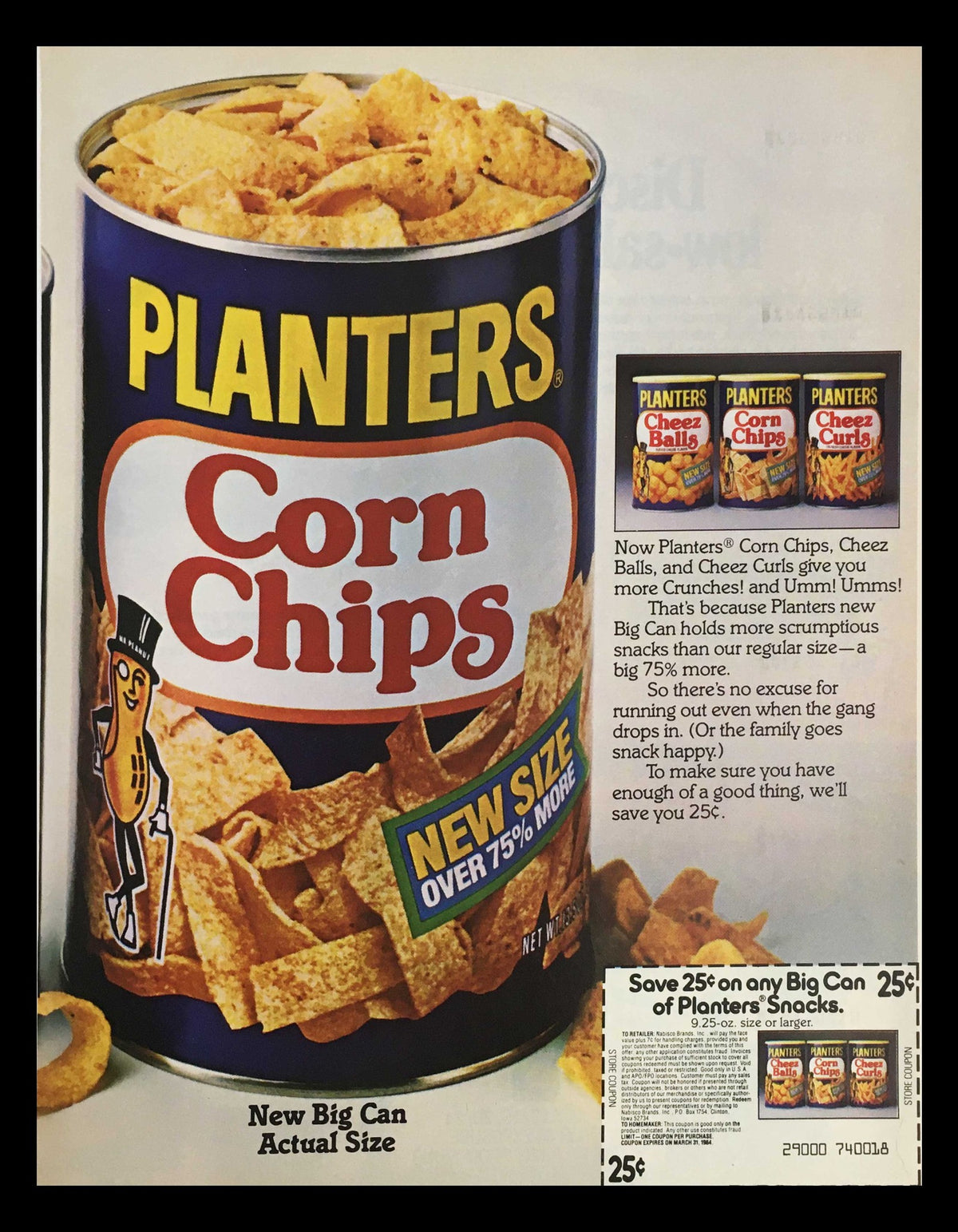
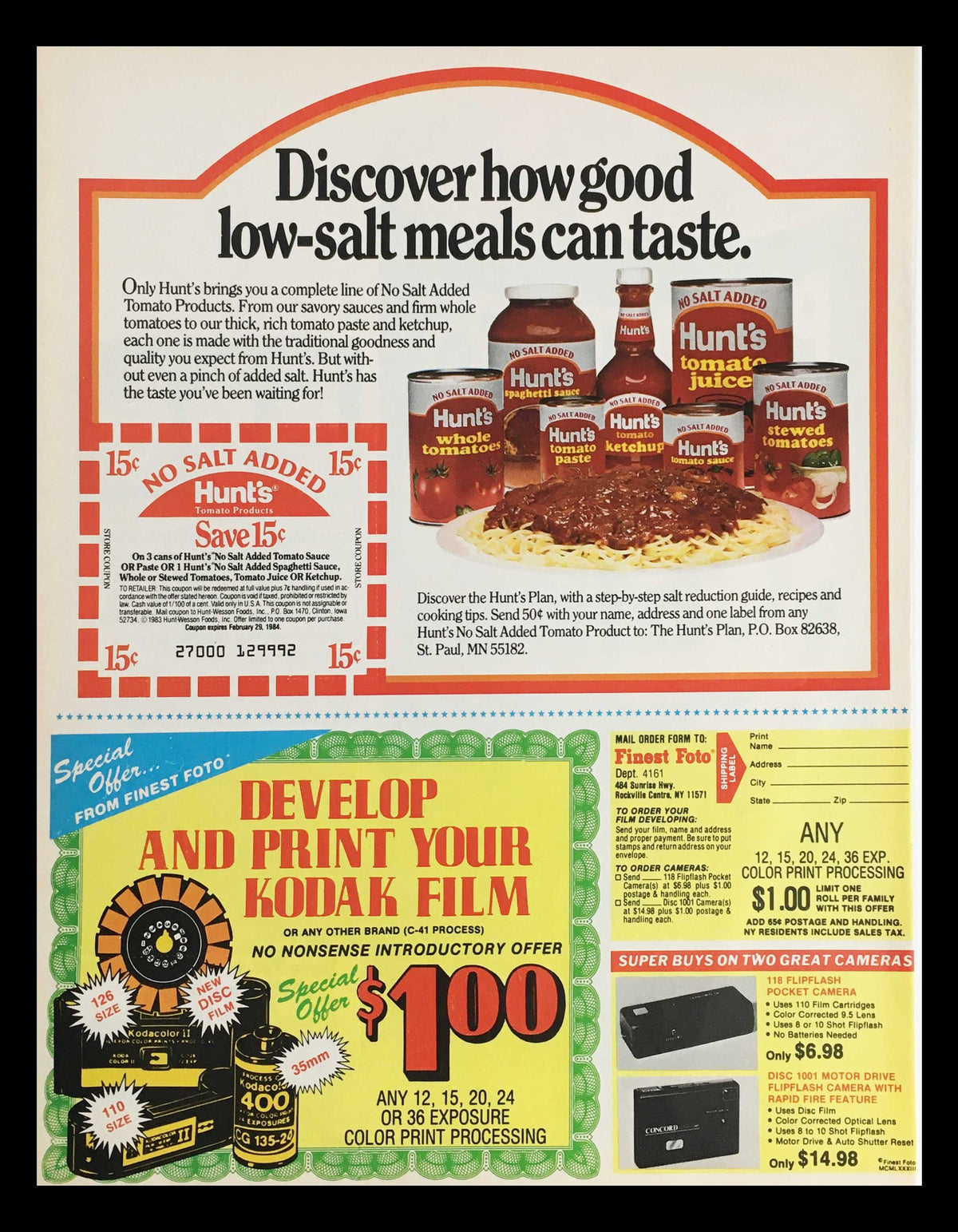
America's cultural landscape crackled with new energy in 1984. Run-D.M.C.'s March debut album shattered barriers, earning hip-hop's first gold certification and proving rap belonged on mainstream radio—magazines from Variety to Rolling Stone chronicled this seismic shift. The Los Angeles Olympics dominated summer headlines, with Carl Lewis's quadruple-gold performance gracing the covers of Sports Illustrated and Life, his achievements captured in stunning photographic spreads. Meanwhile, the Macintosh's launch flooded publications with futuristic advertisements showing families gathered around beige computers with friendly icons—a stark contrast to the dystopian imagery of Apple's "1984" commercial itself. Fashion magazines showcased power dressing with padded shoulders and bold silhouettes, while original magazines from 1984 preserve Reagan's campaign promises, breakdancing culture, and the genuine excitement of technology's dawn in their authentic pages, advertisements, and photo essays.
The Curator's Checklist: What to Look for in 1984 Magazines
-
The Macintosh Revolution: Technology and business publications like Popular Mechanics and Newsweek featuring early Apple advertisements with the friendly "hello" screen, often positioned against IBM's corporate dominance in full-page spreads celebrating user-friendly design.
-
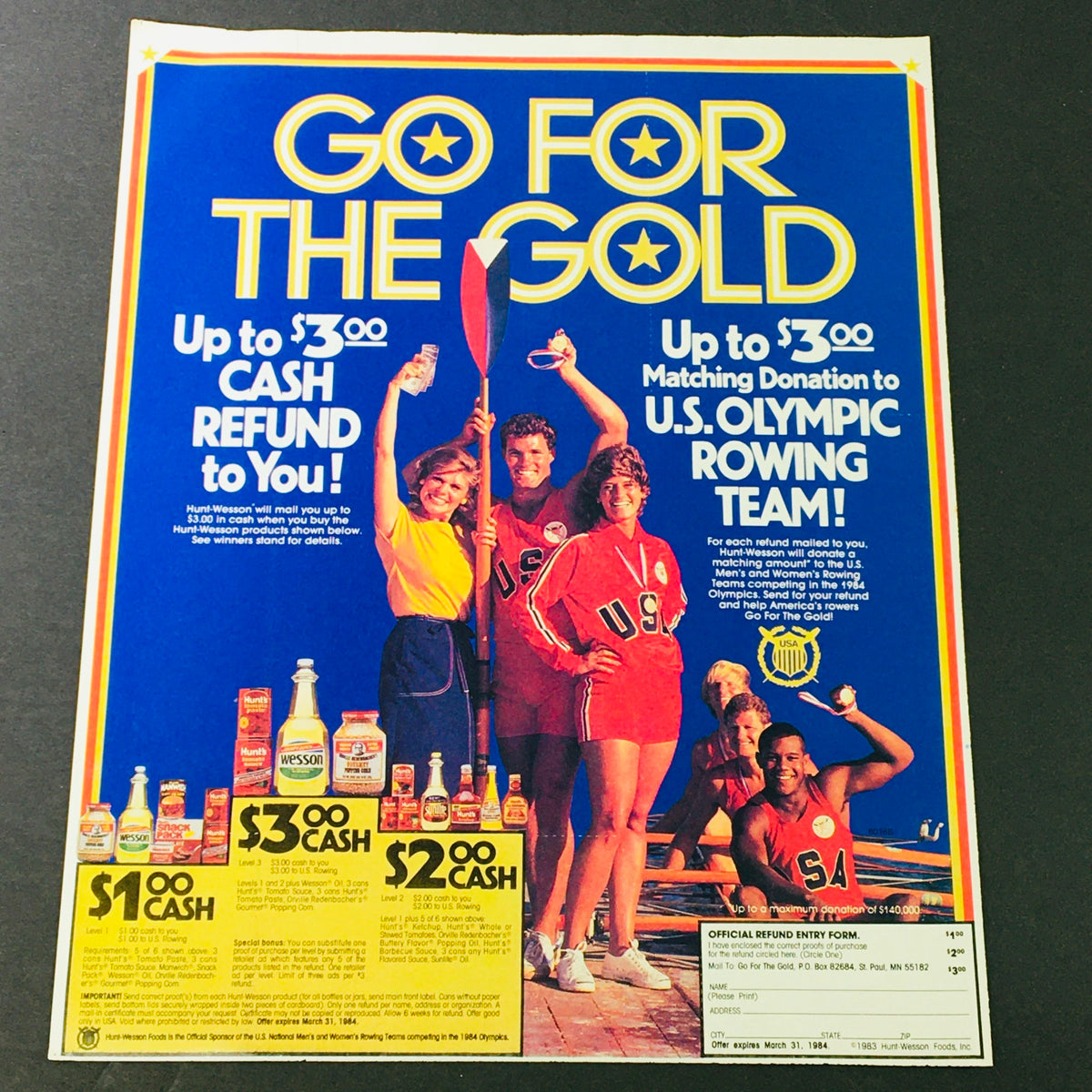
Olympic Glory Without the Soviets: Sports Illustrated and Life magazines showcasing Carl Lewis's historic four-gold performance through dramatic action photography, with feature stories explaining how the Soviet boycott created both controversy and American dominance.
-
Reagan's 49-State Sweep: News weeklies like Time, Newsweek, and U.S. News & World Report chronicling the most lopsided presidential victory in modern history, illustrated with electoral maps drowning in Republican red and analysis of Mondale's Minnesota-only win.
-
Hip-Hop Goes Gold: Music and entertainment vintage magazines documenting Run-D.M.C.'s breakthrough with album reviews, artist profiles, and advertisements for the self-titled record that legitimized rap as commercial music, not just underground culture.
-
Cold War Tensions at Play: International news coverage in Look and illustrated weeklies examining the Soviet Olympic boycott through political cartoons, diplomatic analysis, and comparisons to the 1980 U.S. boycott of Moscow—rare magazines preserving both sides of the athletic Cold War.
The Perfect Gift
For someone born in 1984, an original magazine from this transformative year isn't just a nostalgic keepsake—it's an authenticated portal to the precise moment when personal computers, hip-hop culture, and American optimism collided, preserved in genuine advertisements, headlines, and photography that no reproduction can replicate.