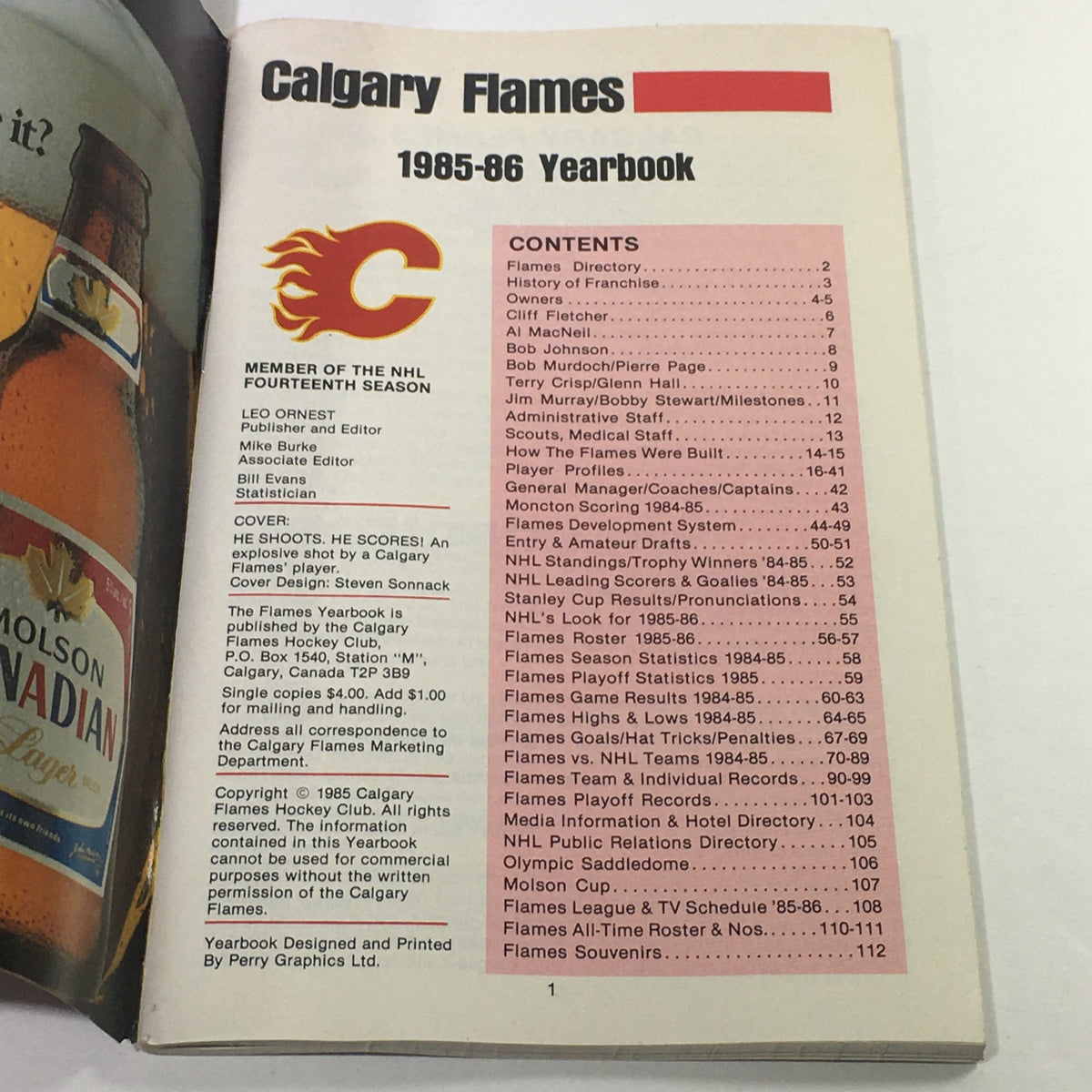
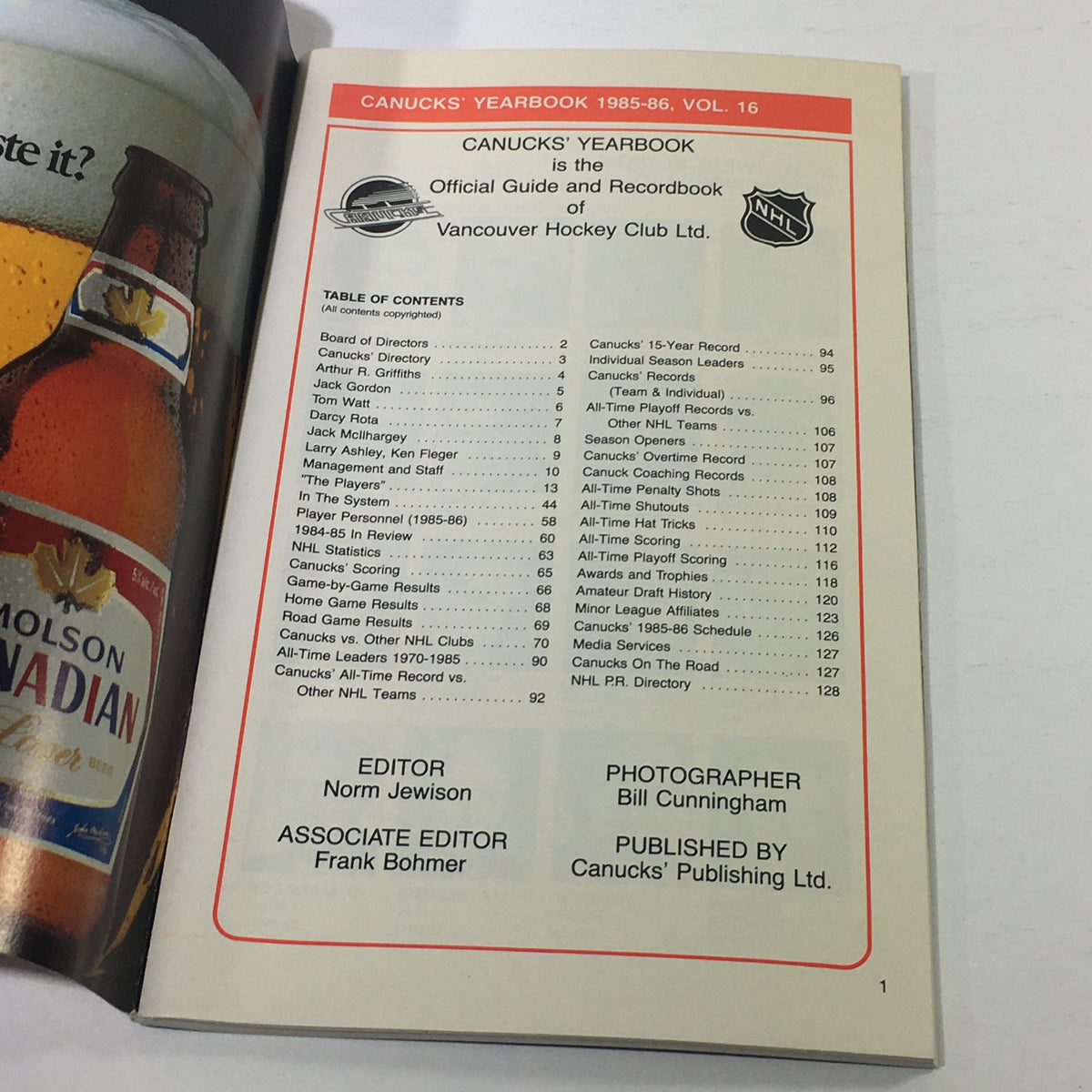
📖 About this Collection
1986: The Year the World Watched in Shock
1986 arrived with optimism but soon became defined by tragedy and transformation that gripped television audiences worldwide. On January 28, millions of Americans—many of them schoolchildren gathered in classrooms—watched in horror as the Space Shuttle Challenger disintegrated 73 seconds after liftoff, killing all seven crew members including teacher Christa McAuliffe. The disaster shattered the nation's confidence in the space program and dominated magazine covers for months. In April, the world confronted another technological catastrophe when a reactor at the Chernobyl nuclear power plant in Ukraine exploded, releasing massive amounts of radiation and forcing the evacuation of Pripyat. The disaster's radioactive plume drifted across Europe, making international headlines and raising urgent questions about nuclear safety that filled the pages of newsmagazines throughout the spring. Even Halley's Comet, returning in February for its once-every-76-years appearance, felt like a cosmic witness to earthly turmoil. This was the world into which your loved one was born—a year when humanity confronted the fragility of its greatest technological achievements.
Pop Culture & The American Living Room
While tragedy marked 1986's first half, the year also witnessed seismic shifts in entertainment that would reshape American culture. On September 8, The Oprah Winfrey Show began broadcasting nationally, transforming daytime television and launching Winfrey toward becoming the richest African American of the 20th century. Her confessional style and focus on personal transformation would dominate the format for decades. Movie theaters drew crowds with Top Gun, Platoon, and Ferris Bueller's Day Off, while television audiences followed The Cosby Show at its ratings peak. The New York Mets staged a miraculous World Series comeback, and fashion embraced power dressing with shoulder pads that could rival any linebacker's. Original magazines from 1986 captured this cultural moment in vivid detail—from Challenger memorial issues to celebrity profiles of the era's rising stars, preserved in authentic newsprint and advertisements.
Curator's Checklist: What to Look For
-
The Challenger Tragedy: News magazines like Time, Life, and Newsweek featuring somber memorial covers, detailed technical diagrams of the disaster, and profiles of the seven astronauts, often with full-page tributes to Christa McAulille's mission to teach from space.
-
Chernobyl Coverage: International news publications showcasing maps of the radiation plume's spread across Europe, photographs of the abandoned city of Pripyat, and analysis of Soviet nuclear safety protocols that dominated spring issues.
-
Oprah's National Debut: Entertainment magazines and TV Guide chronicling the rise of talk show television, featuring early profiles of Winfrey and the confessional format that would revolutionize daytime programming.
-
Space Age Interrupted: Science and technology magazines examining NASA's future after Challenger, illustrated with technical cutaways of shuttle design and emotional photojournalism from the tragedy's aftermath.
-
Mid-80s Lifestyle: Vintage magazines displaying power-suit fashion spreads, advertisements for emerging VCR technology, and pop culture coverage of the year's blockbuster films and championship sports moments.
The Perfect Gift
For someone born in 1986, an original magazine from this pivotal year isn't just a nostalgic keepsake—it's an authenticated time capsule from a moment when the world stopped to watch, preserved in genuine headlines, photography, and period advertisements that no reproduction can replicate.