📖 About this Collection
August 1955: The Month America's Conscience Awakened
The Historical Context
The nation stood at a crossroads in August 1955, poised between the comfortable prosperity of the postwar boom and the moral reckoning that would define the coming decade. While families along the Eastern Seaboard braced against back-to-back hurricanes Connie and Diane—storms that would claim nearly 500 lives and cause unprecedented billion-dollar damage—a far more devastating tempest was gathering in the Mississippi Delta. On August 28th, the brutal murder of fourteen-year-old Emmett Till in Money, Mississippi, sent shockwaves through a nation that could no longer ignore its festering racial wounds. His killers would be acquitted, but the images published in magazines like Jet and newspapers nationwide ignited a movement that would transform America. Meanwhile, Cold War tensions simmered as the USSR conducted nuclear tests and President Eisenhower authorized $46 million for CIA headquarters construction. This was the world your loved one entered—one standing on the precipice of profound change.
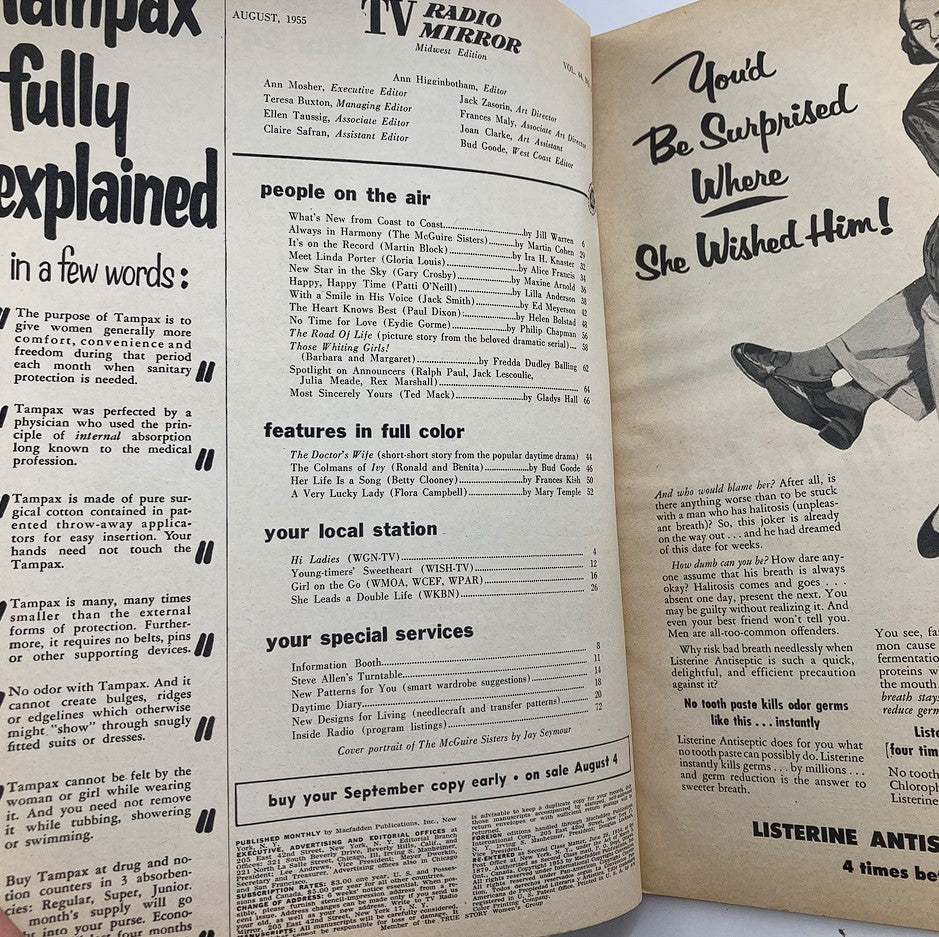
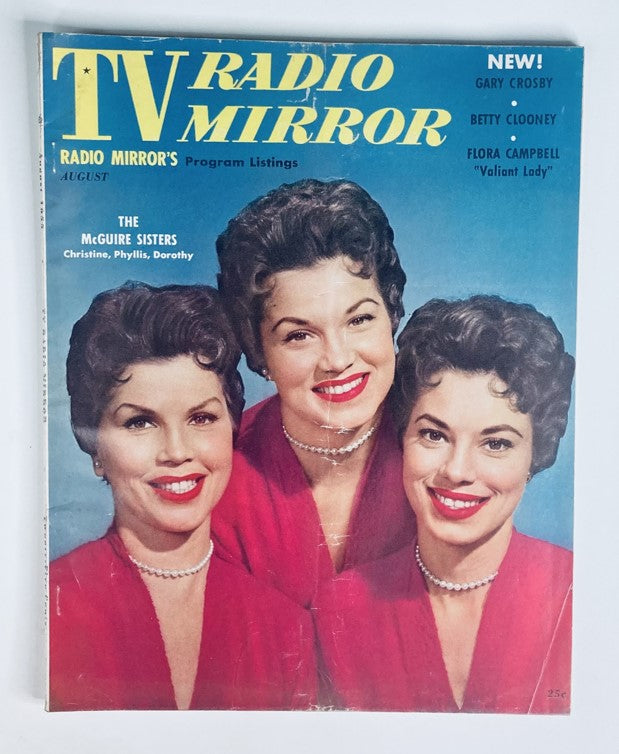
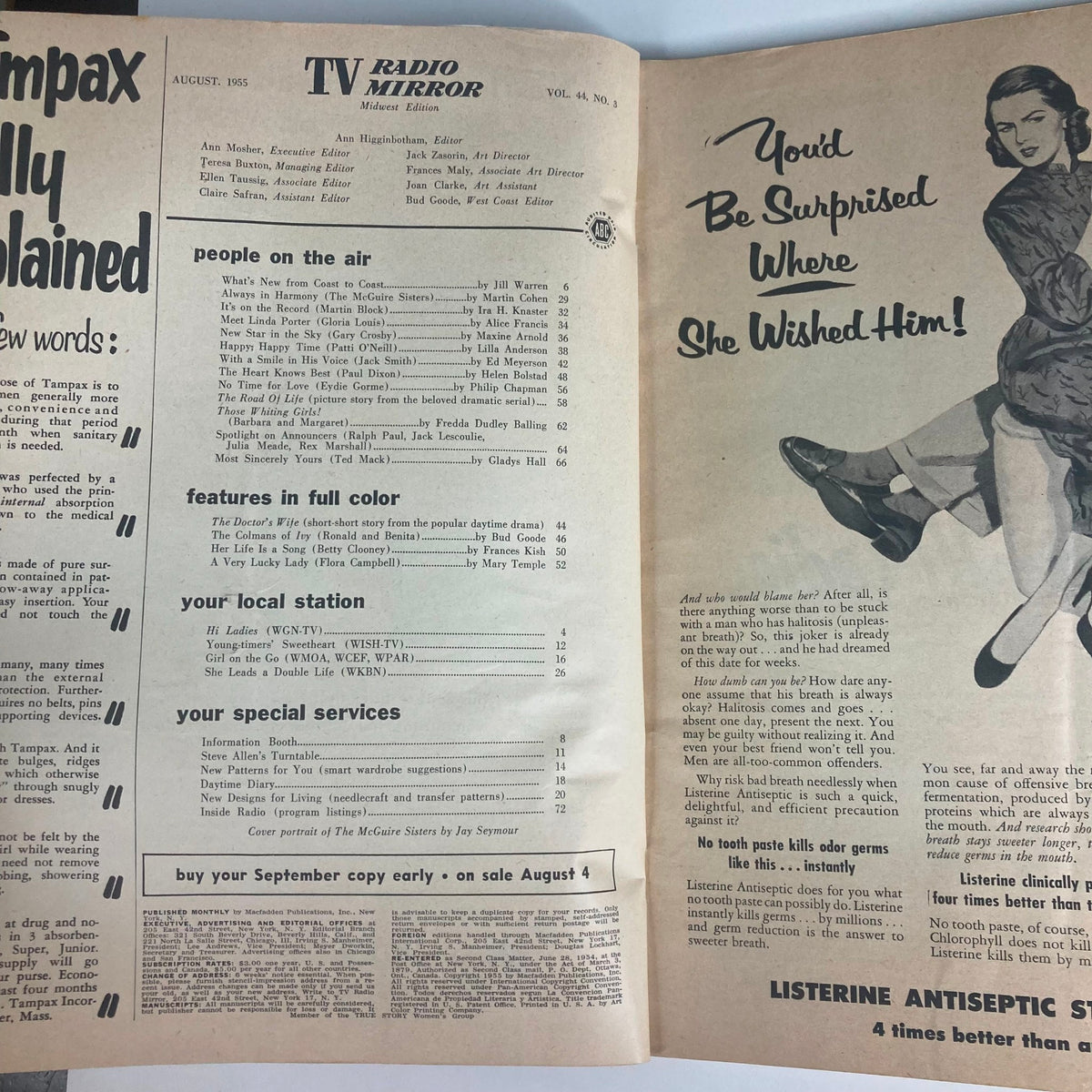
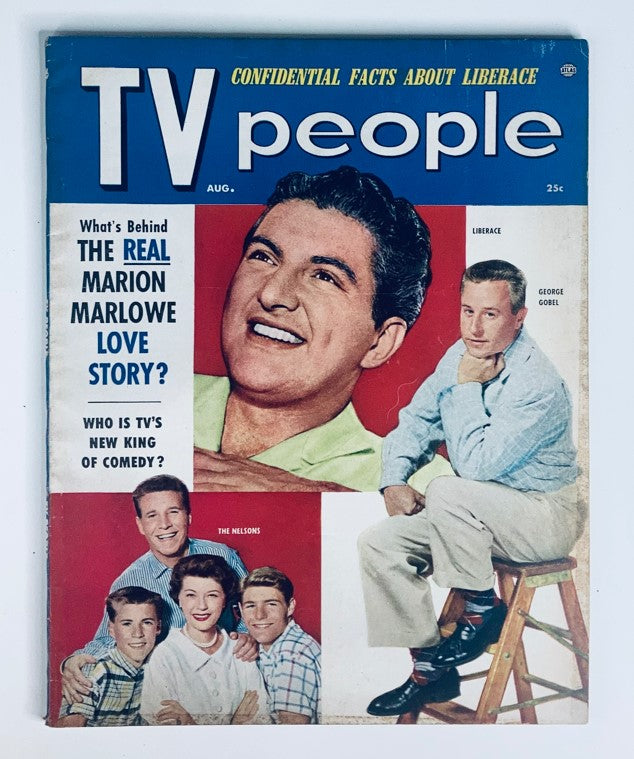
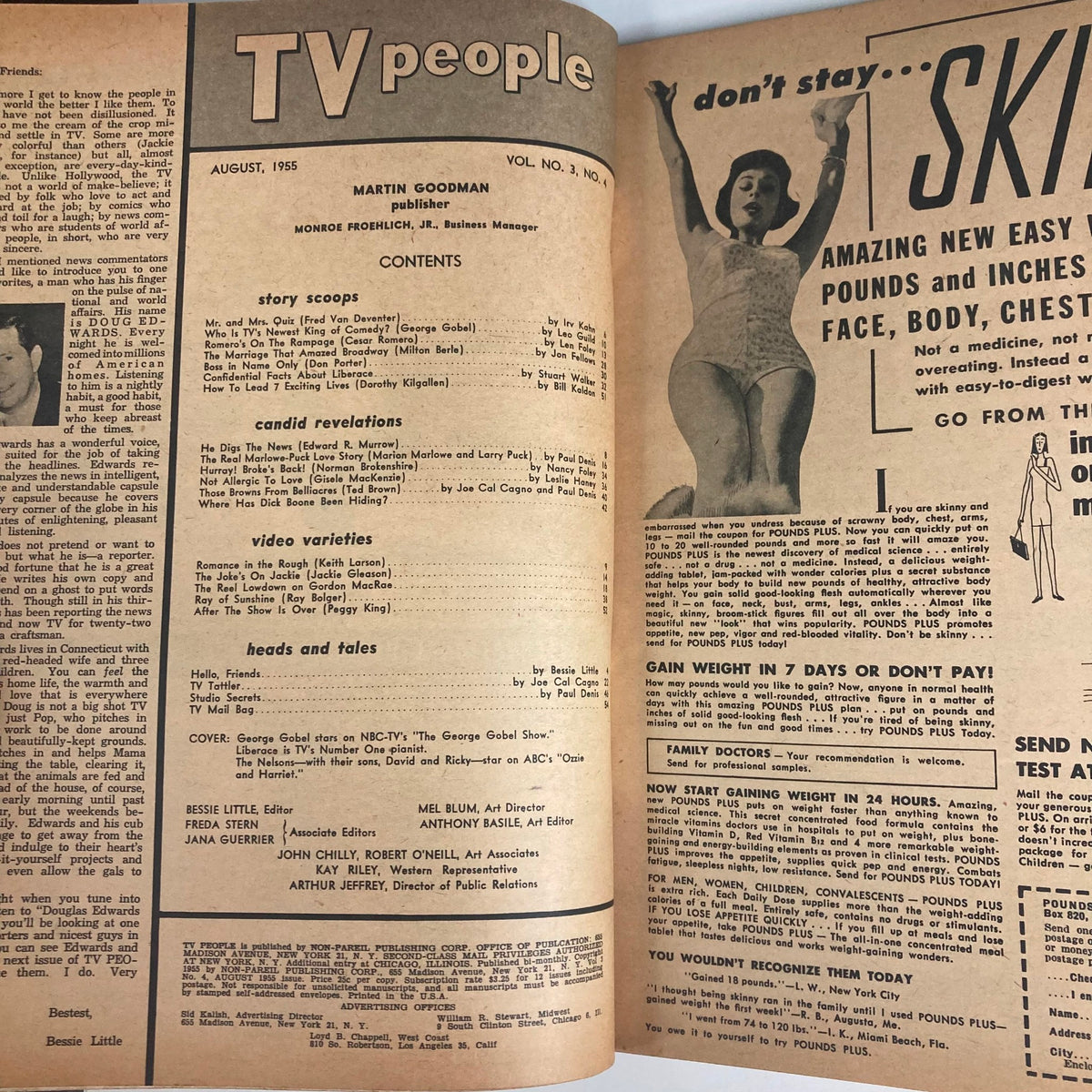
Original magazines from August 1955 captured a nation still enchanted by the trappings of modern life, even as darker currents ran beneath. Tokyo Telecommunications Engineering (soon to become Sony) began selling transistor radios in Japan, heralding the portable electronics revolution that would transform American leisure. On August 27th, the first Guinness Book of World Records appeared in print, instantly becoming a cultural phenomenon. Sports Illustrated and other periodicals chronicled baseball's summer glory, including Sandy Koufax's electrifying 14-strikeout performance. The entertainment landscape shifted as WINS radio in New York made headlines by refusing to play white cover versions of R&B records, choosing Fats Domino's authentic "Ain't That A Shame" over Pat Boone's sanitized version. Fashion and lifestyle magazines showcased the era's optimistic consumerism—the first sun-powered automobile demonstrated in Chicago promised a gleaming technological future, while advertisers hawked everything from new television sets to the latest household appliances.
What to Look For in Vintage Magazines from August 1955
-
Hurricane Disaster Coverage: News magazines like Life and Look featuring dramatic photography of the Connie-Diane double strike, with illustrated weather maps showing the unprecedented $1.8 billion damage path from North Carolina through Connecticut, often accompanied by Red Cross relief advertisements and survivor testimonials.
-
Cold War Nuclear Anxiety: Time and Newsweek chronicling the Geneva Conference on peaceful atomic uses alongside reports of Soviet nuclear testing, featuring technical diagrams and Pentagon budget allocations, including Eisenhower's $46 million CIA headquarters authorization—rare magazines that documented America's expanding intelligence apparatus.
-
Baseball's Golden Summer: Sports Illustrated and regional sports publications showcasing Sandy Koufax's record-breaking strikeout performance and Larry Doby's 167-game errorless streak ending, with authentic period photography and statistical breakdowns that today's collectors prize.
-
The R&B Revolution: Entertainment and music trade magazines documenting WINS radio's groundbreaking decision to play original R&B recordings over white covers, featuring advertisements for Fats Domino records and articles about the cultural battle over rock and roll's authenticity.
-
Television's Expanding Reach: TV Guide and broadcasting trade journals announcing new PBS and network affiliates launching across America (WPBT Miami, WXEX Richmond, WILL Illinois), with programming schedules and the historic first color telecast of tennis's Davis Cup—technological milestones preserved in period advertising.
The Perfect Gift
For someone born in August 1955, an original magazine from this pivotal month isn't just a nostalgic keepsake—it's authenticated witness to the moment when America's comfortable consensus began to fracture, preserved in genuine advertisements, headlines, and photography that capture both the era's optimism and its gathering storms of change.