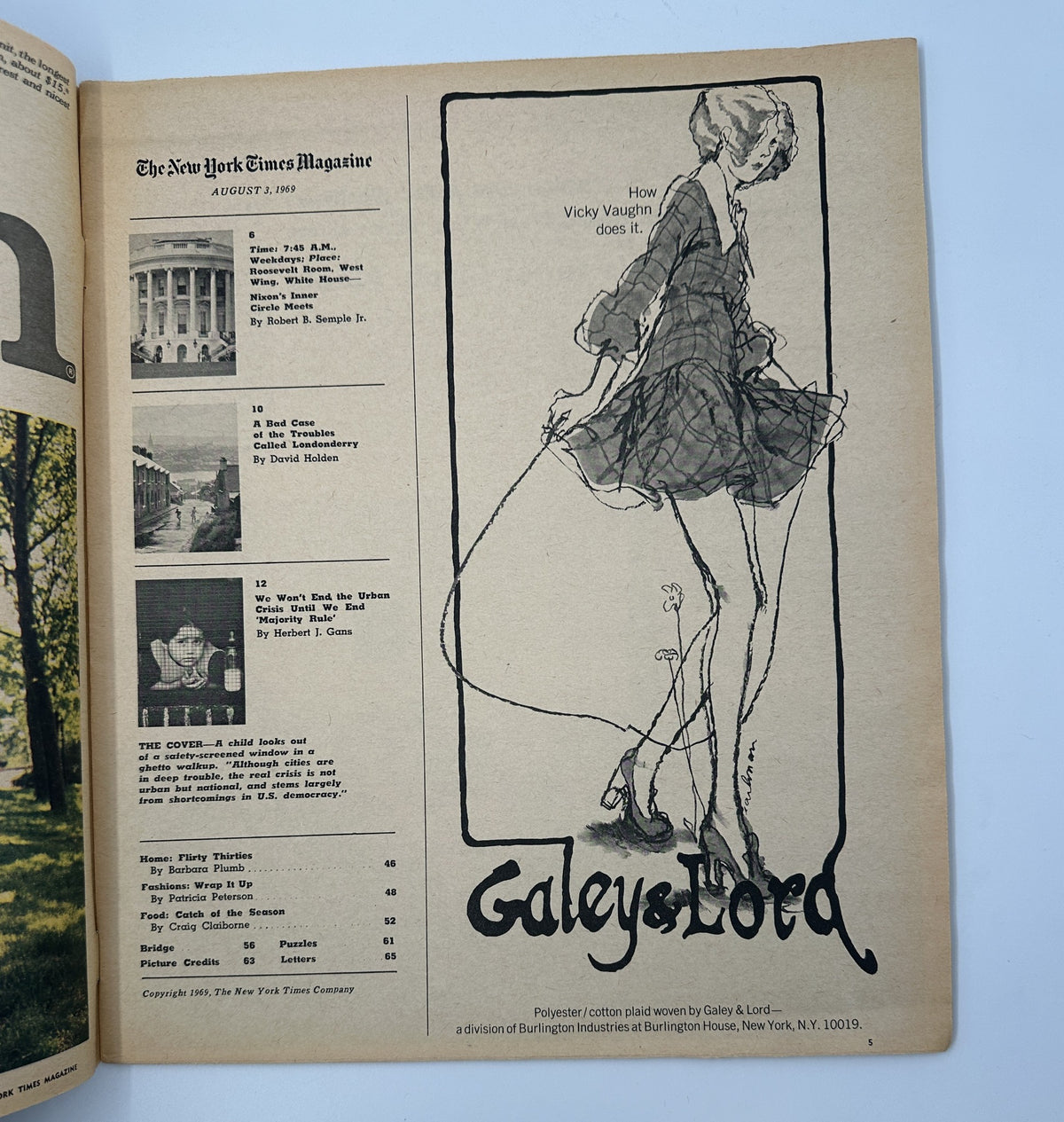
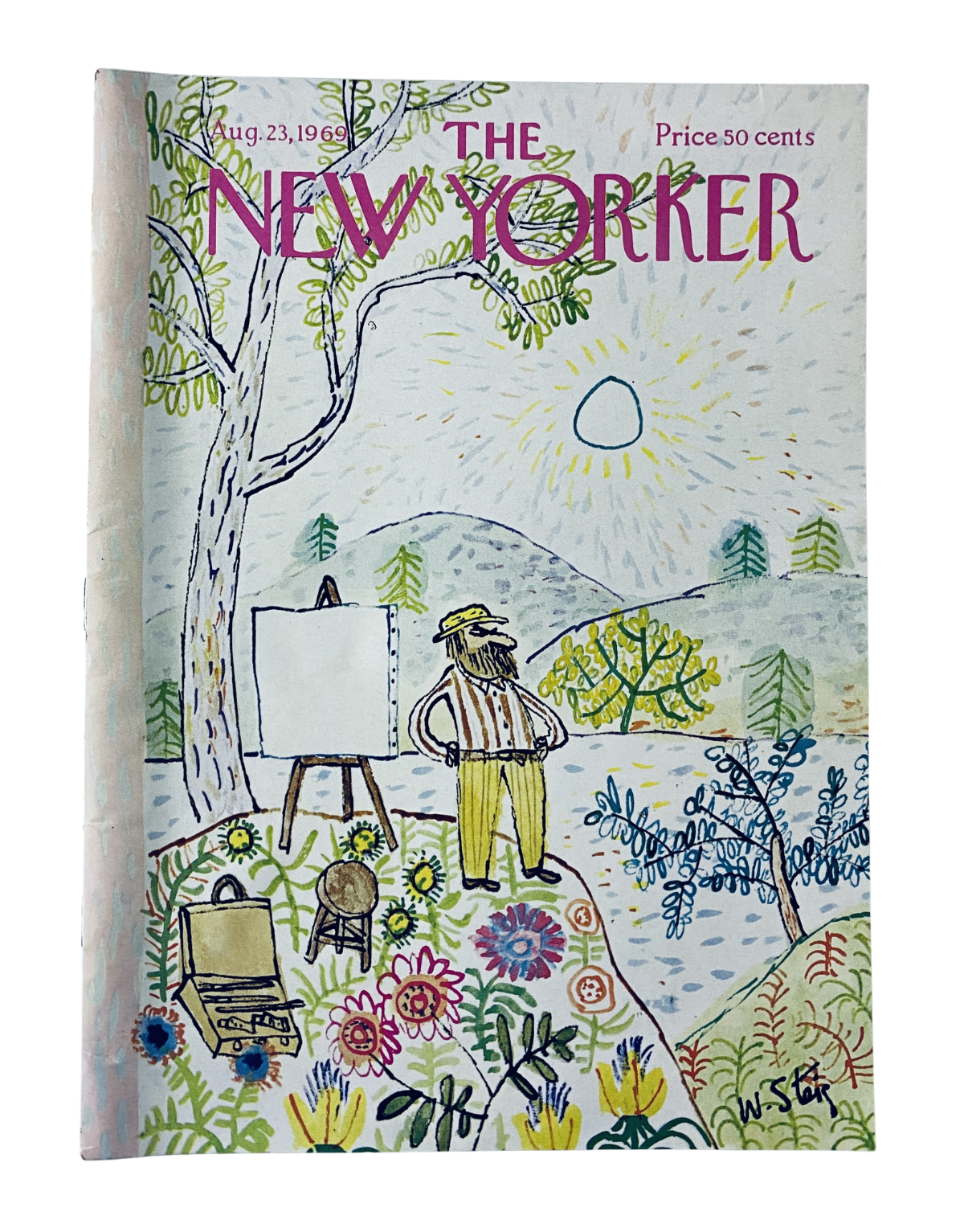
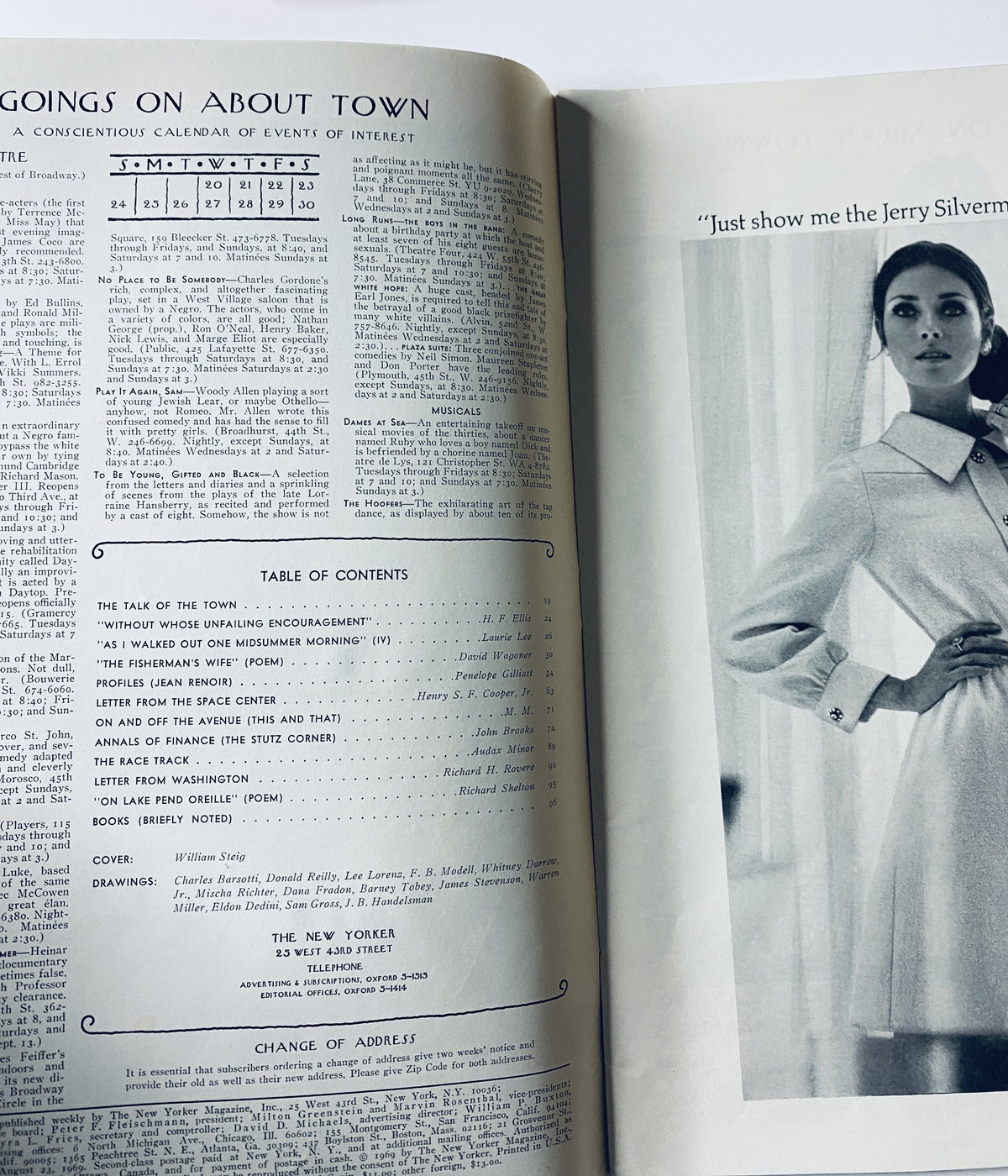
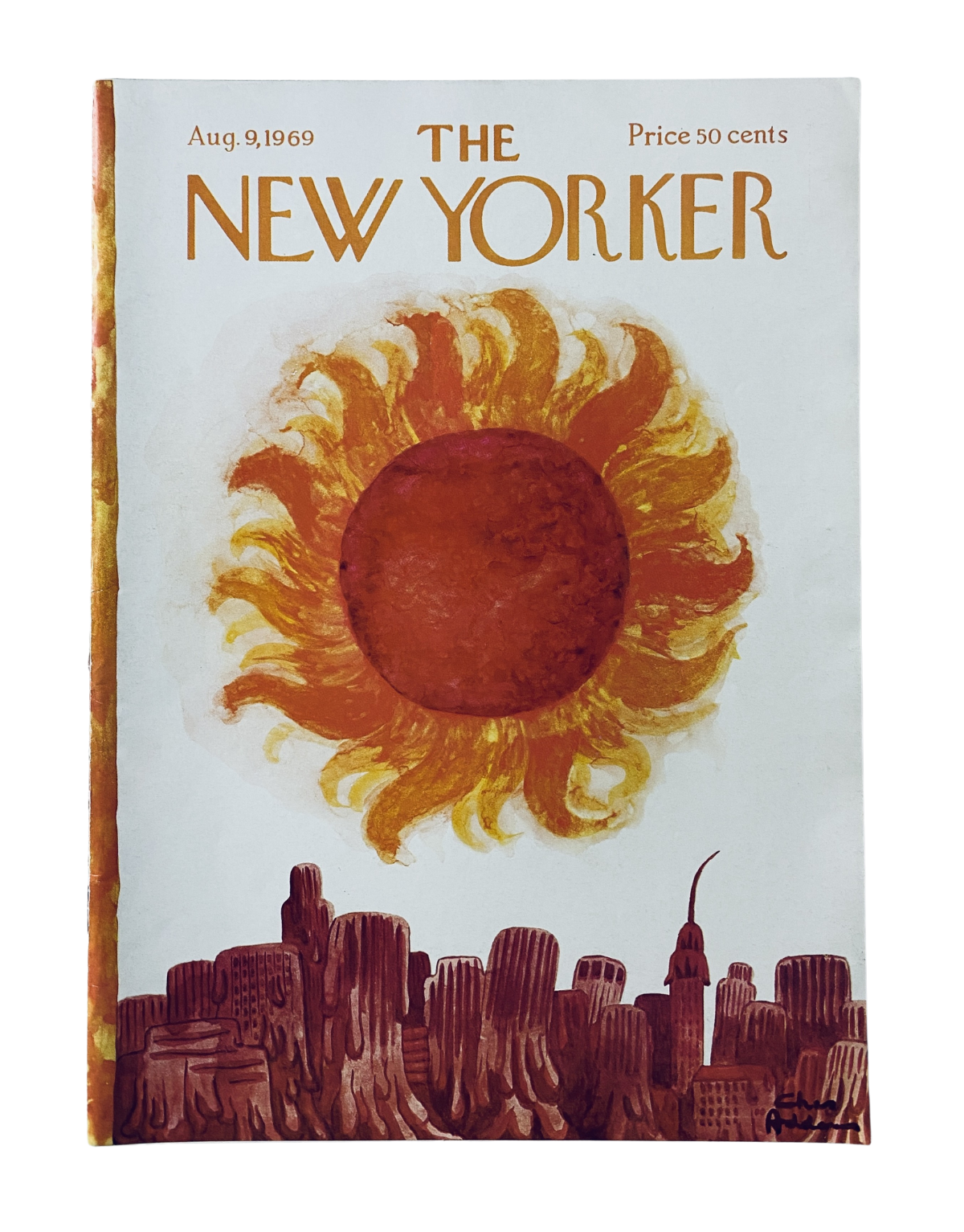
📖 About this Collection
August 1969: The Summer the World Changed
The Historical Context
The world held its breath in August 1969, suspended between the triumph of the moon landing weeks earlier and a cultural revolution erupting across America. The Manson Family murders on August 9th shattered the fading illusion of the "Summer of Love," their brutality dominating headlines in Time, Life, and Newsweek. Just days later, Northern Ireland erupted as British troops deployed to Belfast streets for the first time, beginning Operation Banner—a military presence that would last decades. Hurricane Camille roared ashore mid-month, killing 259 people across the Gulf Coast in what meteorologists would call one of the most intense storms ever recorded. Yet amid the violence and chaos, half a million young people gathered on Max Yasgur's farm for three days that would define a generation. This was the world your loved one entered in August 1969—a month when innocence died and something new, uncertain, and utterly transformative was born.
The Soundtrack of a Generation
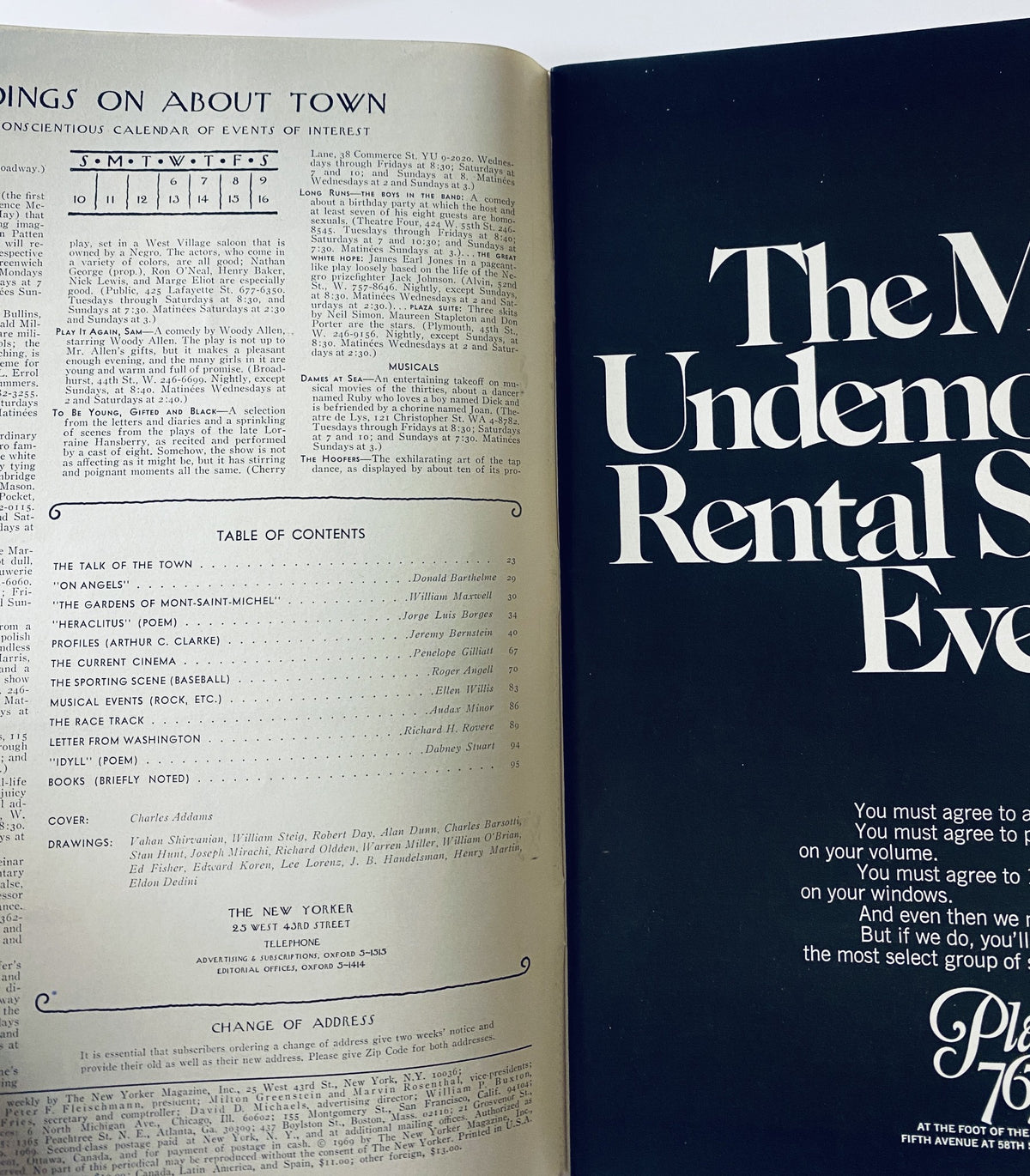
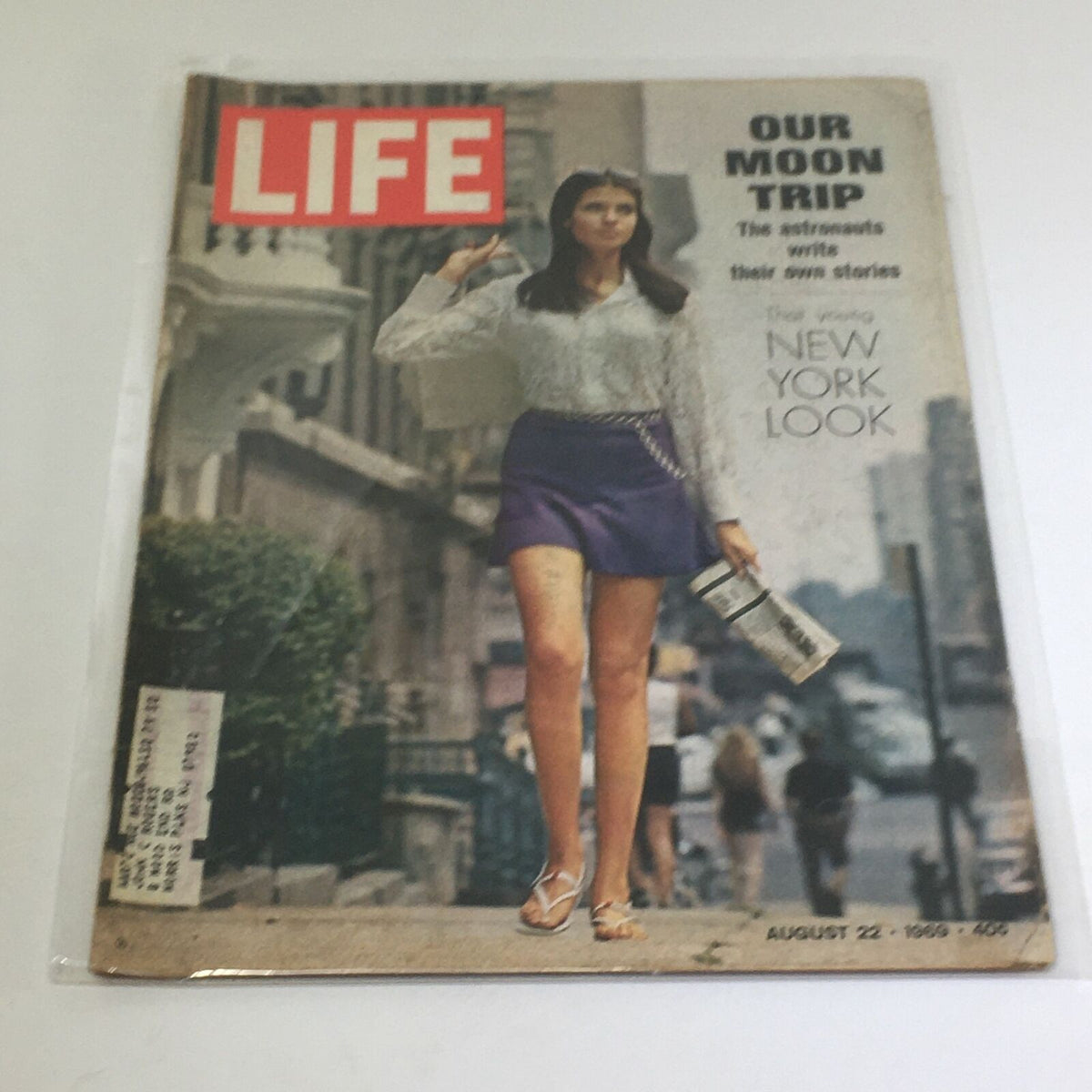
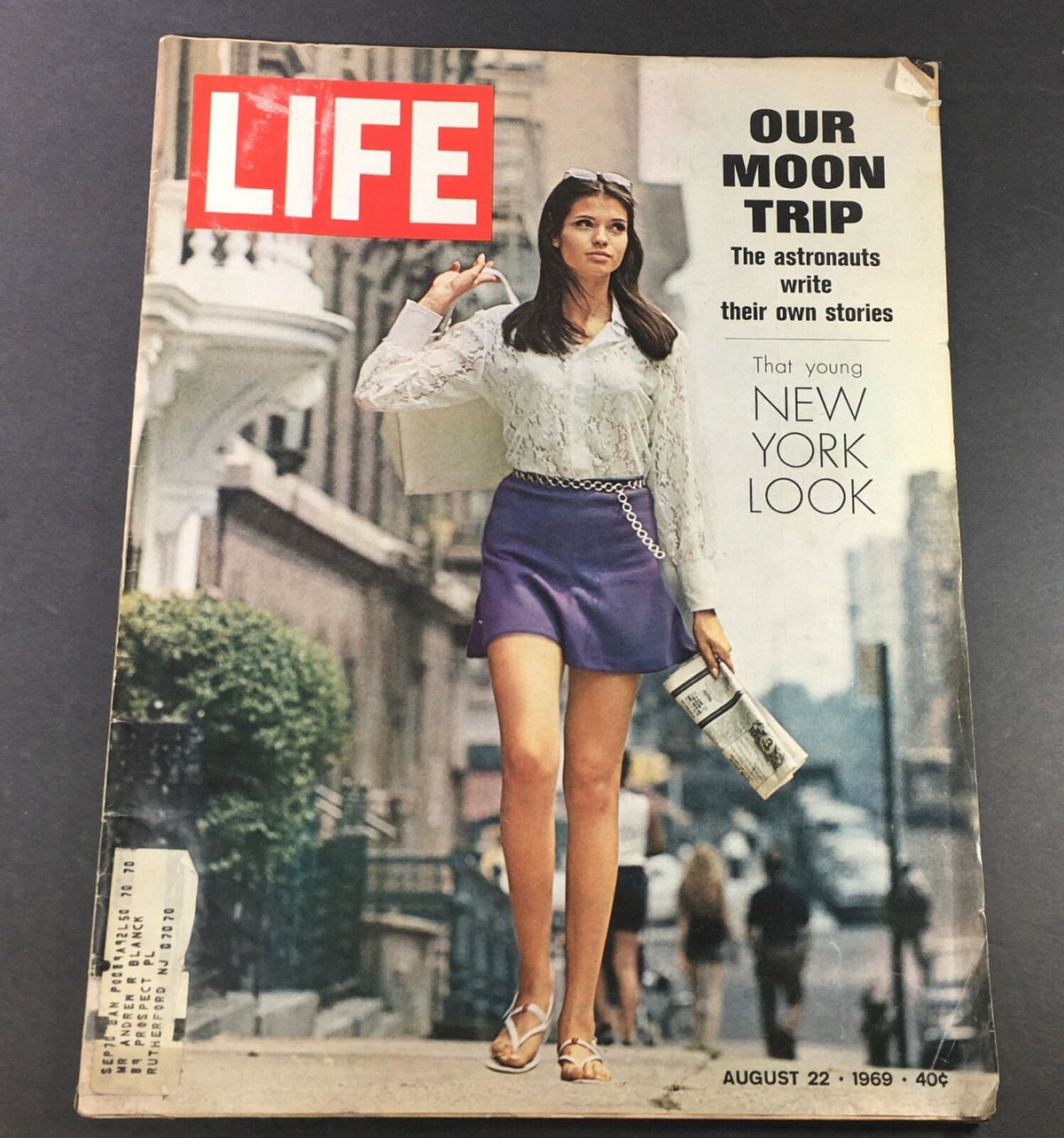
While news magazines chronicled violence and unrest, original magazines from August 1969 captured a cultural explosion that would echo for decades. The Woodstock Festival dominated the month's final two weeks, with Jimi Hendrix closing the legendary gathering at 9 AM on August 18th, his distorted "Star-Spangled Banner" becoming the era's defining moment. But Woodstock wasn't alone—the Atlantic City Pop Festival opened August 1st with Janis Joplin, Jefferson Airplane, and Creedence Clearwater Revival, while the Texas International Pop Festival drew 125,000 fans to hear Led Zeppelin and B.B. King. The Beatles walked across Abbey Road on August 8th for their iconic album cover, while Bob Dylan surprised his high school reunion in Hibbing, Minnesota. On baseball diamonds, Willie Stargell launched a 506-foot home run out of Dodger Stadium, and Don Drysdale—the last Dodger to play in Brooklyn—retired with a damaged shoulder. Fashion spreads in Vogue and Harper's Bazaar showcased the era's bold prints and bell-bottoms, the same styles visible in Woodstock's muddy fields.
What You'll Discover in These Vintage Magazines
-
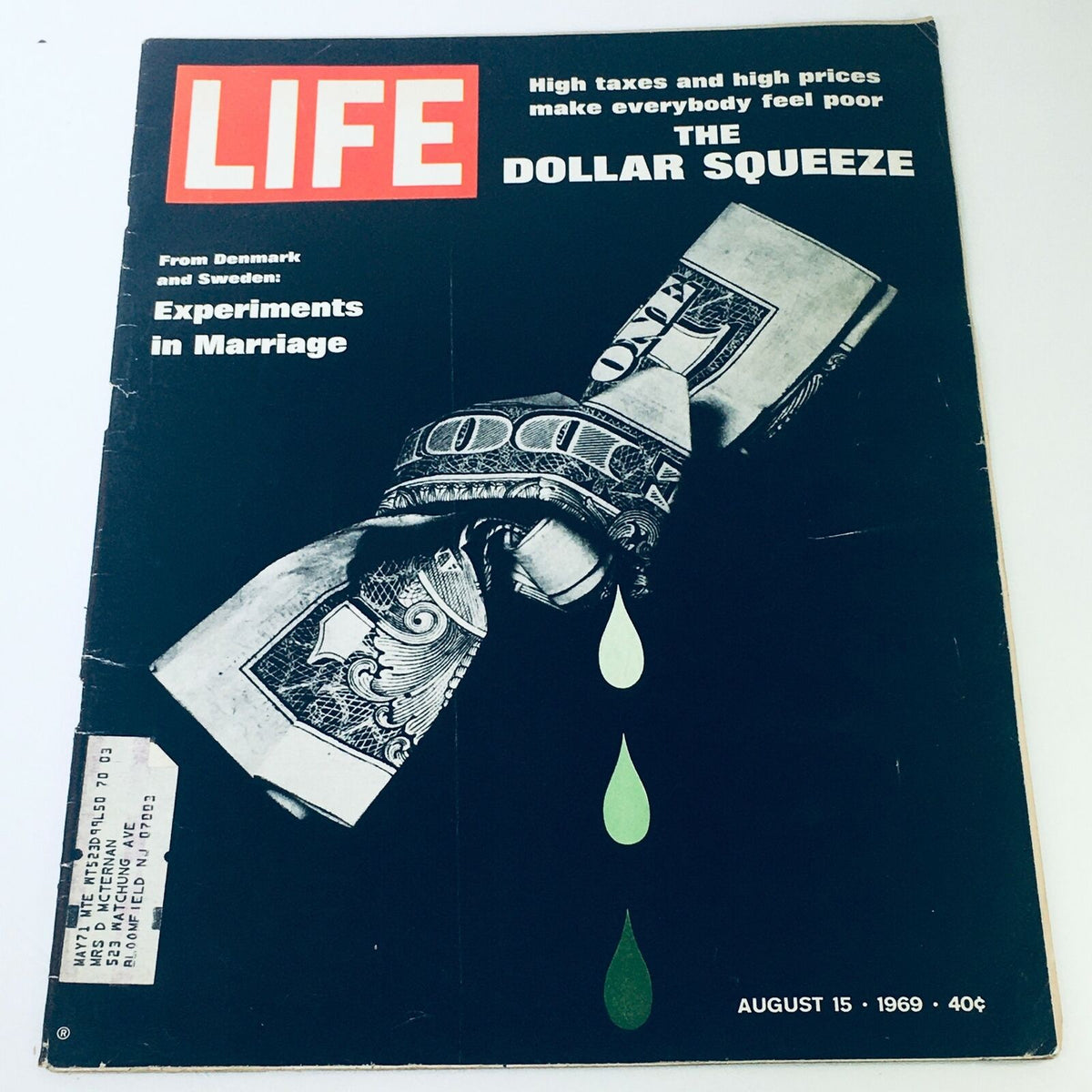
The Manson Murders: News weeklies featuring crime scene photographs, neighborhood interviews, and the investigation that would expose Charles Manson's cult, often illustrated with aerial shots of the Tate residence and shocked reactions from Hollywood's elite.
-
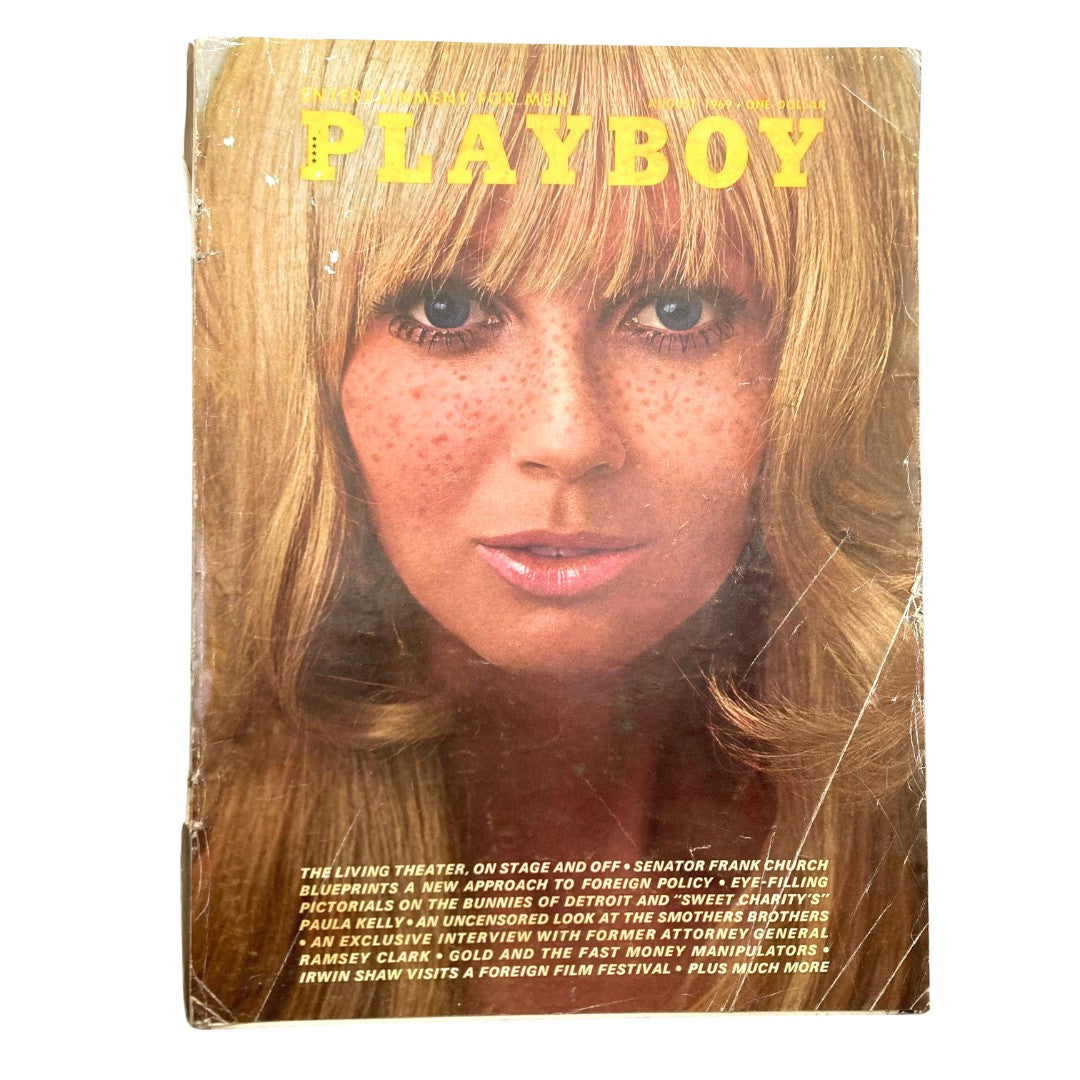
Woodstock Coverage: Music and lifestyle magazines showcasing festival photography, artist interviews, and advertisements for the counterculture brands that sponsored the "three days of peace and music," capturing the mud, music, and masses that defined the generation.
-
The Troubles Begin: International editions of rare magazines chronicling the Battle of the Bogside and British troop deployment in Northern Ireland, featuring dramatic street photography and maps showing the nationalist Bogside neighborhood where history turned violent.
-
Rock's Golden Summer: Entertainment publications documenting Creedence Clearwater Revival's "Green River" release, Jimi Hendrix's Woodstock finale, and Mick Jagger's accidental shooting on the "Ned Kelly" set, often featuring exclusive band photography and tour advertisements.
-
Natural Disaster: Regional and national magazines covering Hurricane Camille's devastating Gulf Coast landfall, illustrated with before-and-after photographs of Mississippi and Louisiana coastal towns, weather maps, and survivor testimonies from America's second-most-intense hurricane.
The Perfect Gift
For someone born in August 1969, an original magazine from this turbulent summer isn't just a nostalgic keepsake—it's an authenticated witness to the month when America's cultural consensus shattered forever, preserved in genuine advertisements, headlines, and photography that museums simply cannot replicate.