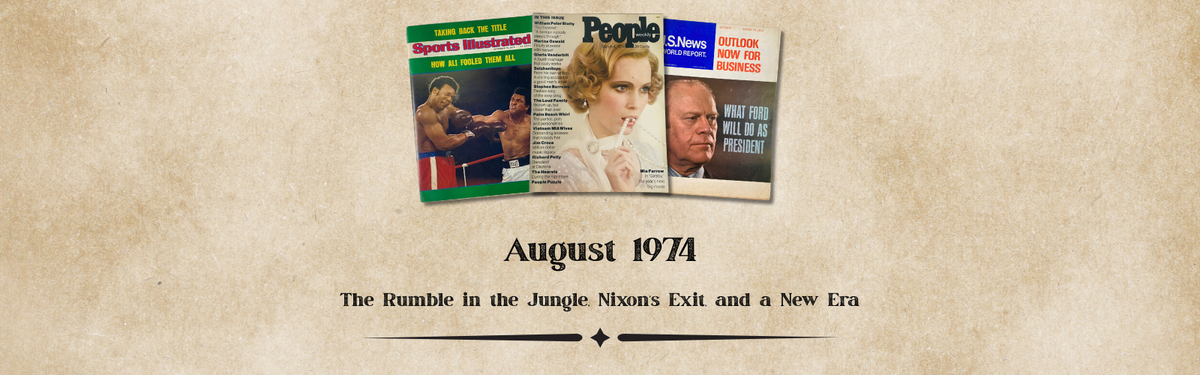
📖 About this Collection
August 1974: The Month America Reinvented Itself
The Historical Context
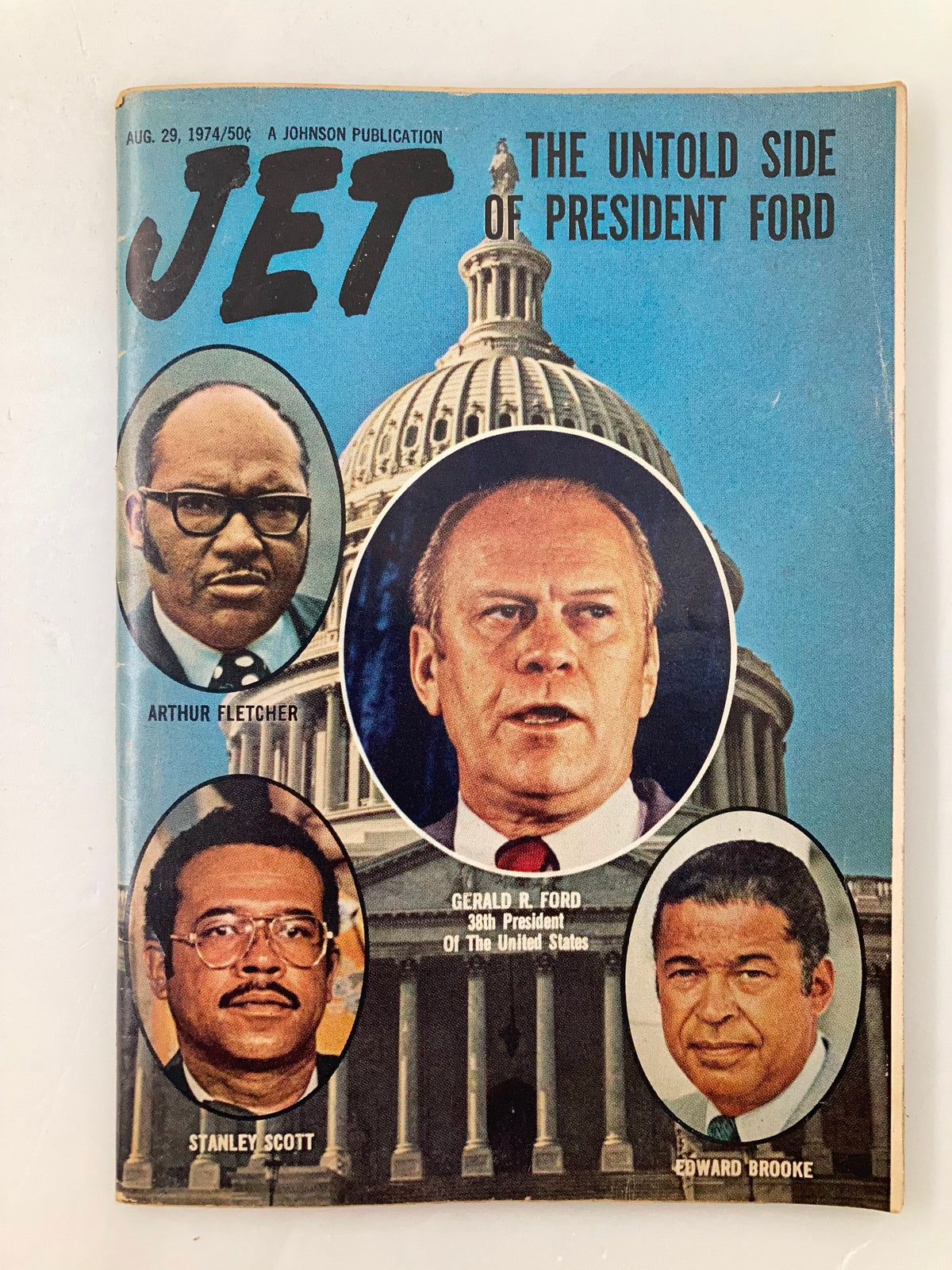
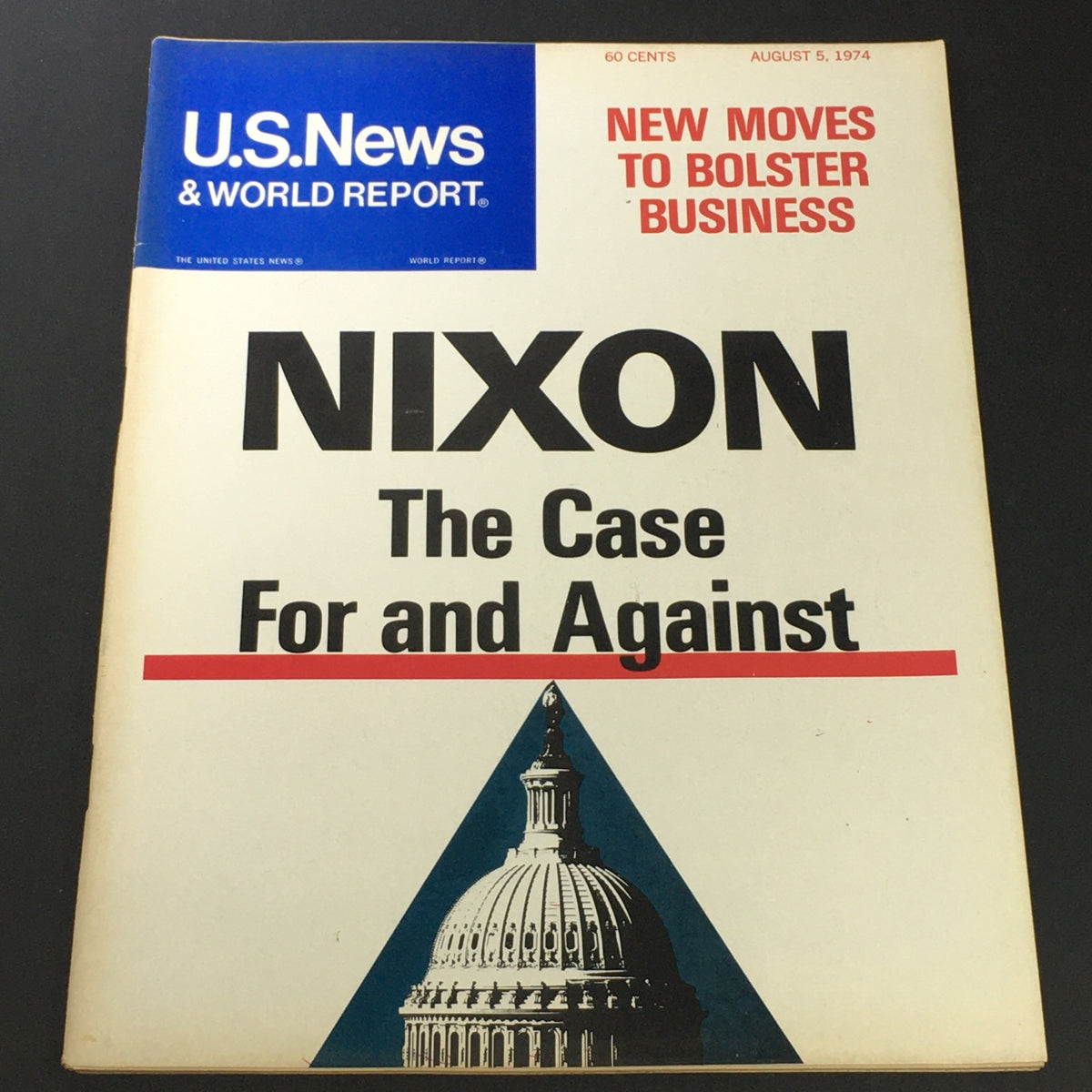
The nation held its breath as constitutional crisis reached its climax. On August 9th, Richard Nixon became the first U.S. President to resign from office, ending the Watergate scandal that had paralyzed Washington for two years. Gerald Ford's oath of office at noon that day marked not just a transfer of power, but a collective exhale—a moment when Americans could finally turn the page. Yet even as Ford selected Nelson Rockefeller as Vice President and promised to heal the nation, the world kept spinning: Bangladesh mourned 4,000 dead from catastrophic floods, Turkish forces attacked Cyprus, and Philippe Petit defied gravity on a tightrope between the Twin Towers. In the baseball world, legends Mickey Mantle and Whitey Ford entered Cooperstown together, while Nolan Ryan's fastball shattered records at 100.4 mph. This was the world your loved one entered in August 1974—a month balanced between crisis and rebirth, where the old order crumbled and something new struggled to emerge.
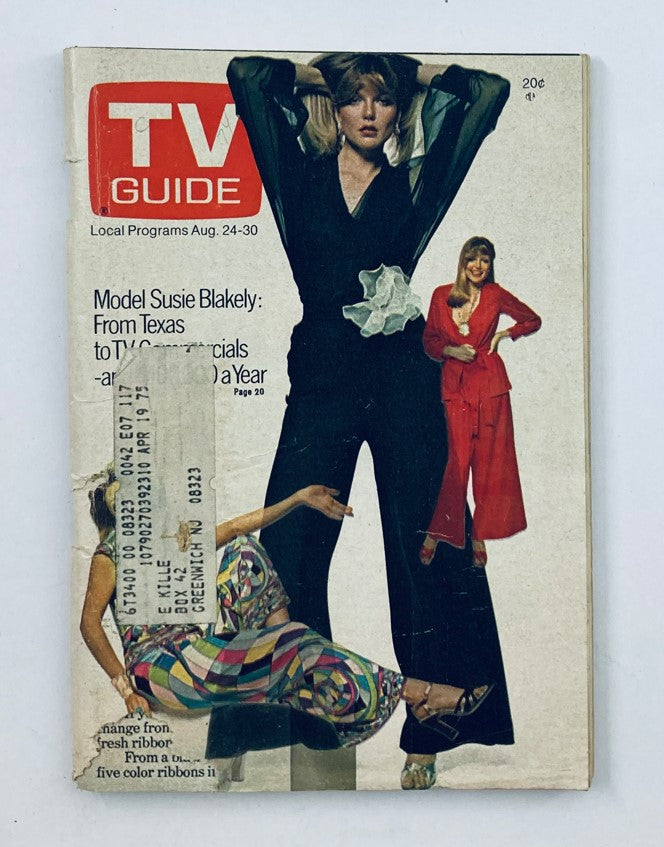
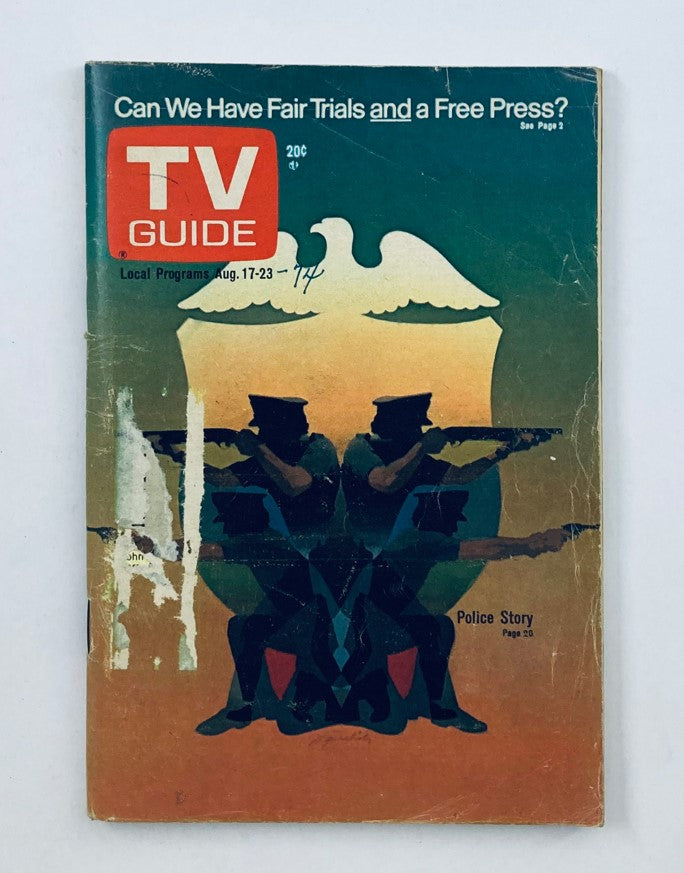
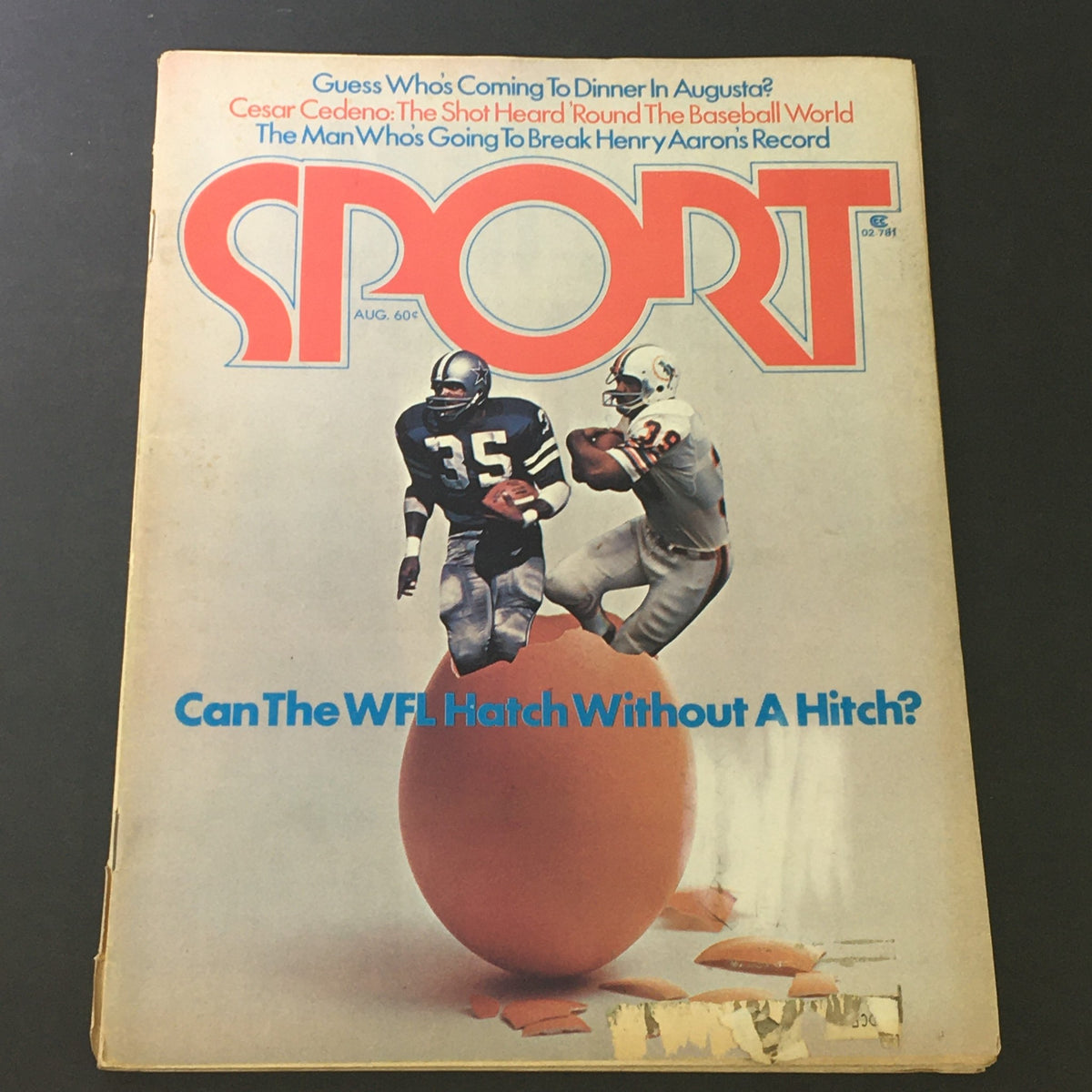
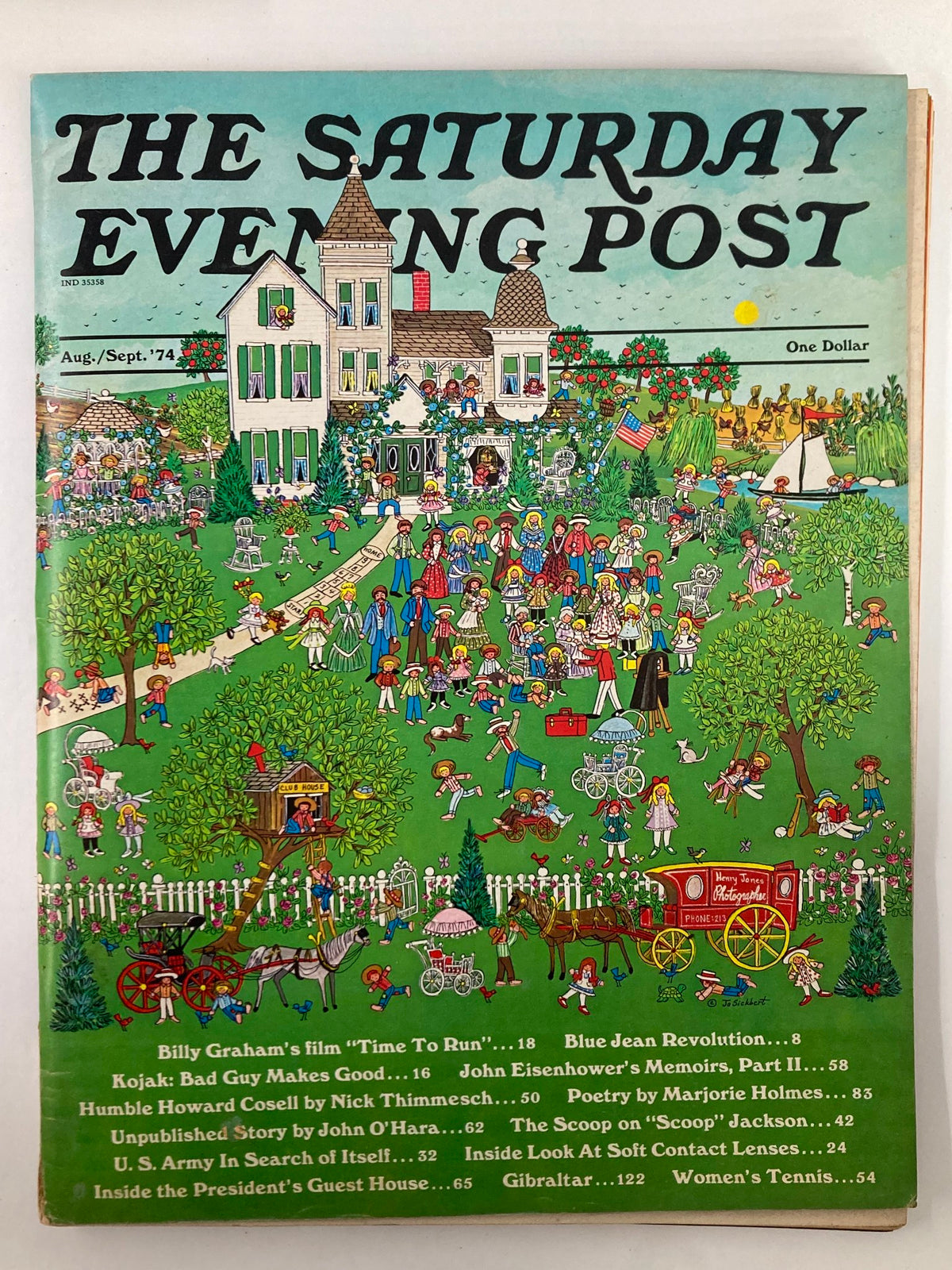
Newsstands in August 1974 reflected a nation desperate for distraction and renewal. On August 16th, a scrappy punk band called The Ramones debuted at CBGB, launching a musical revolution that wouldn't hit mainstream consciousness for years—but music fans were already embracing Roberta Flack's sultry "Feel Like Makin' Love," which topped the charts on August 10th. Joan Jett formed The Runaways on August 5th, while Steely Dan lost guitarist Jeff Baxter to the Doobie Brothers on August 3rd. Stephen Sondheim's "A Little Night Music" closed on Broadway after 601 performances and six Tony Awards, its sophisticated melodies still echoing through theater districts. Lee Trevino claimed the PGA Championship at Tanglewood Park, edging out Jack Nicklaus by a single stroke. Original magazines from August 1974 captured these cultural crosscurrents in real-time—TV Guide profiling summer's hottest shows, Sports Illustrated chronicling baseball's record-breaking season, Life and Look grappling with the presidential transition through powerful photojournalism.
What to Look for in Your Vintage Magazines
-
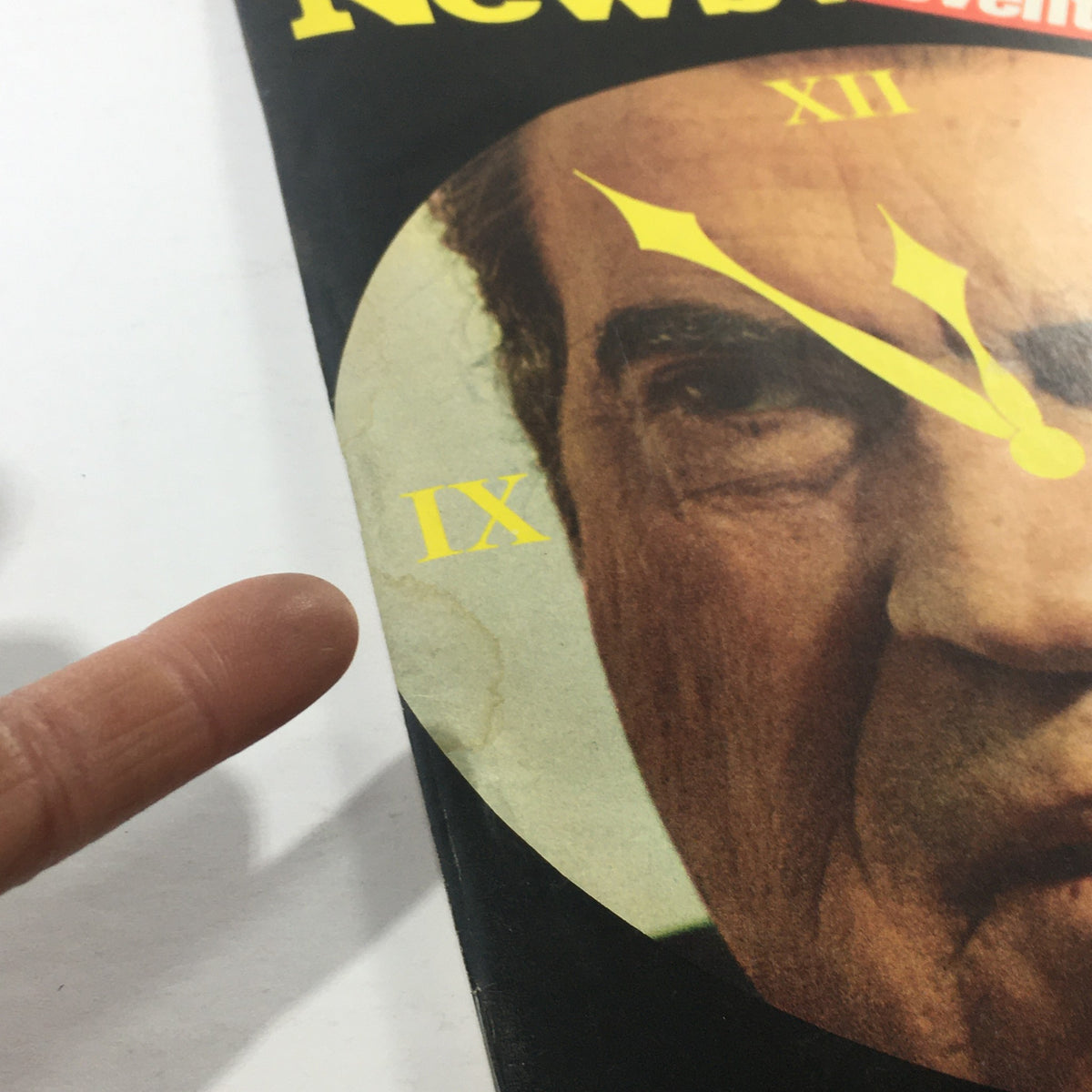
Nixon's Resignation: Time, Newsweek, and Life featuring dramatic cover photography of the final days, illustrated with behind-the-scenes images of the Marine One departure, Gerald Ford's swearing-in ceremony, and editorial cartoons capturing the national mood of relief and uncertainty.
-
Philippe Petit's Twin Towers Walk: Rare magazines showcasing the French tightrope artist's death-defying August 7th performance at 1,350 feet, often featuring dramatic wire-service photography and essays on the audacity of the "artistic crime of the century."
-
Baseball's Hall of Fame Ceremony: Sports Illustrated and general interest magazines chronicling Mickey Mantle and Whitey Ford's historic joint induction on August 12th, the first teammates enshrined together, featuring career retrospectives and Yankee Stadium nostalgia.
-
Music Revolution: Rolling Stone, Creem, and entertainment magazines documenting the early punk scene's emergence, with coverage of CBGB's underground acts, alongside mainstream features on Roberta Flack, Harry Nilsson's John Lennon-produced "Pussy Cats" album, and the summer's chart battles.
-
Fashion Mid-Decade: Vogue, Harper's Bazaar, and Mademoiselle advertisements revealing the transitional style of mid-70s America—polyester leisurewear, platform shoes, earth-tone palettes—captured in authentic department store ads and designer editorials that defined the era's aesthetic.
The Perfect Gift
For someone born in August 1974, an original magazine from this watershed month isn't just a nostalgic keepsake—it's an authenticated window into the exact moment when American history pivoted, preserved in genuine headlines, advertisements, and photography that no reproduction can replicate.