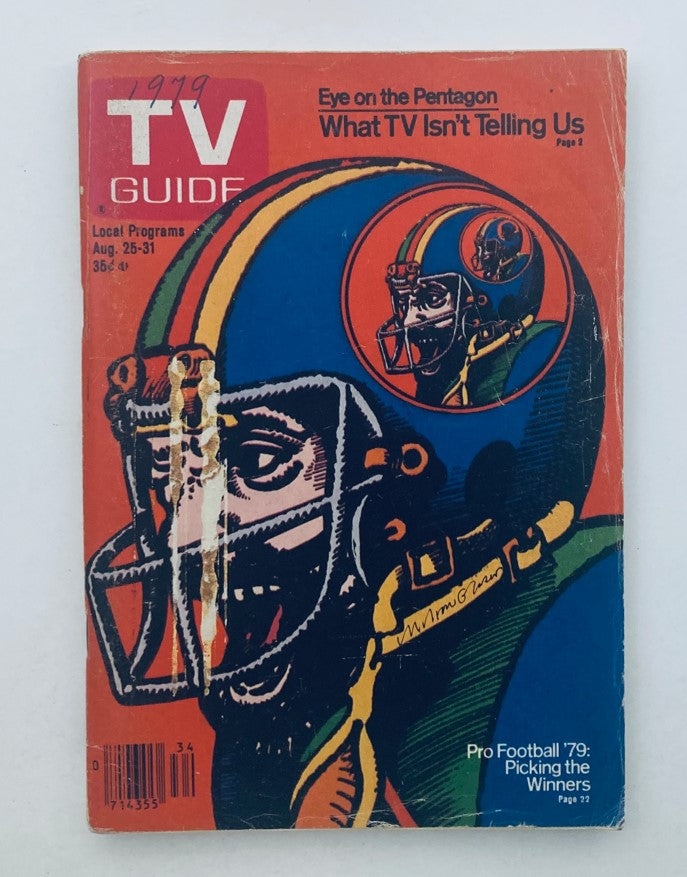
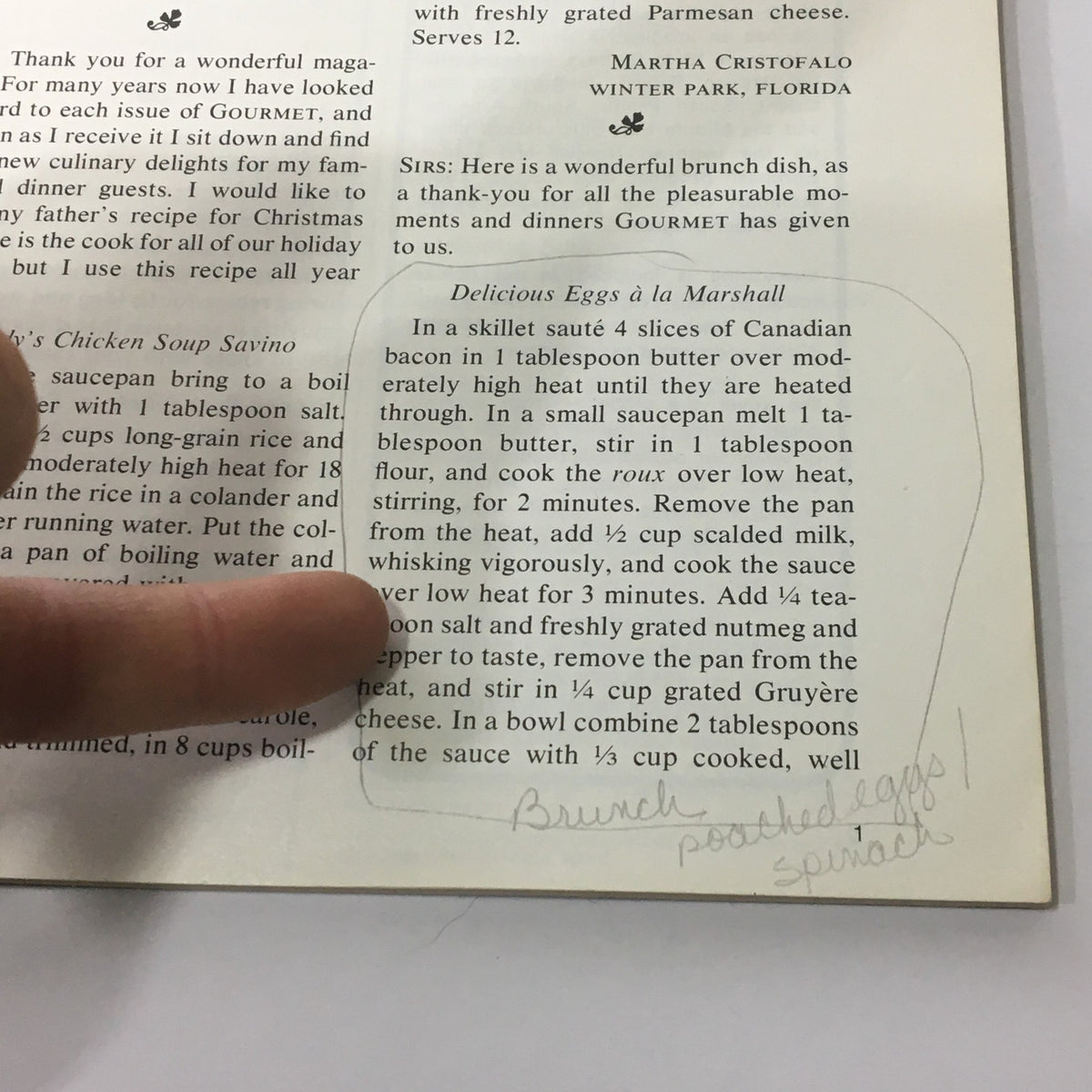
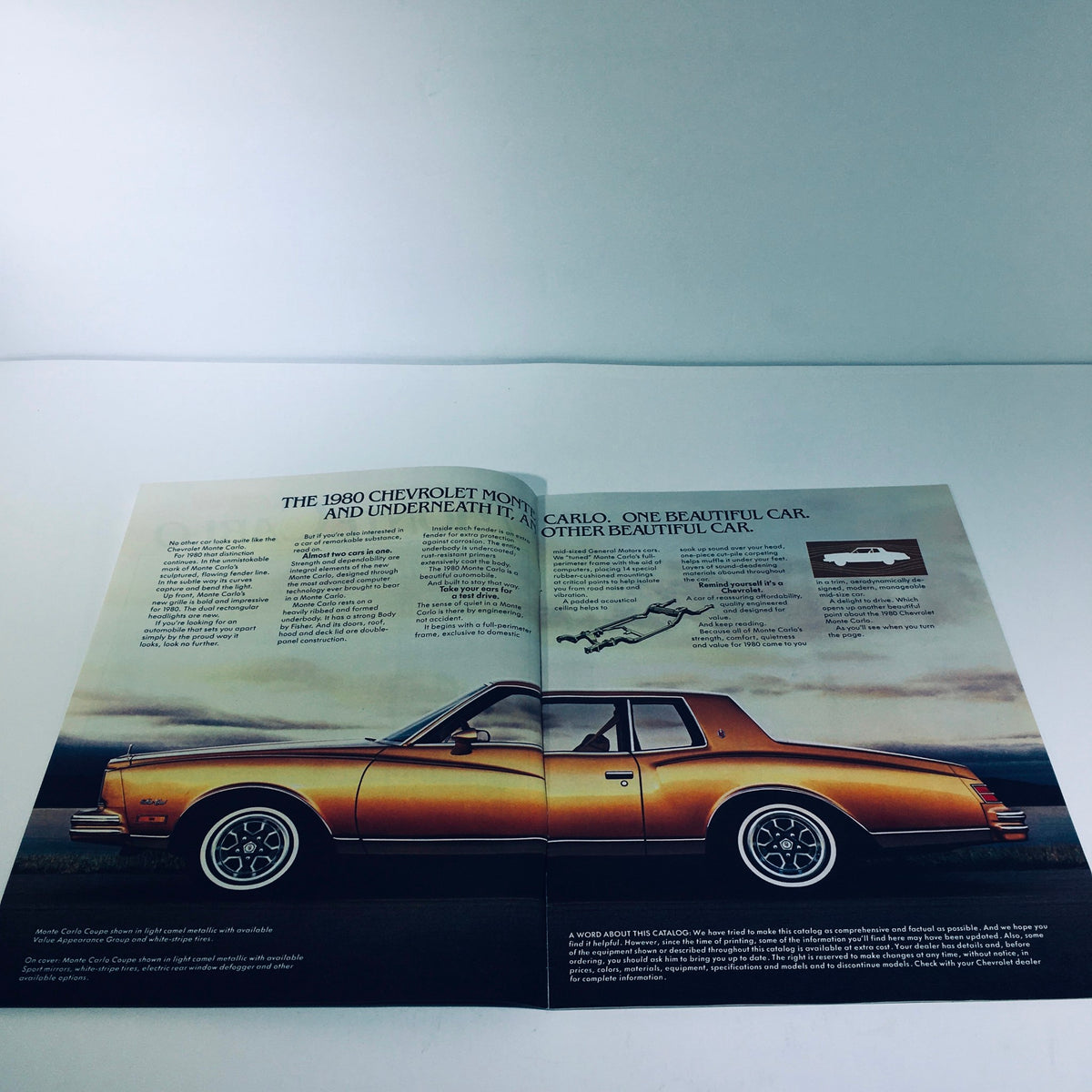
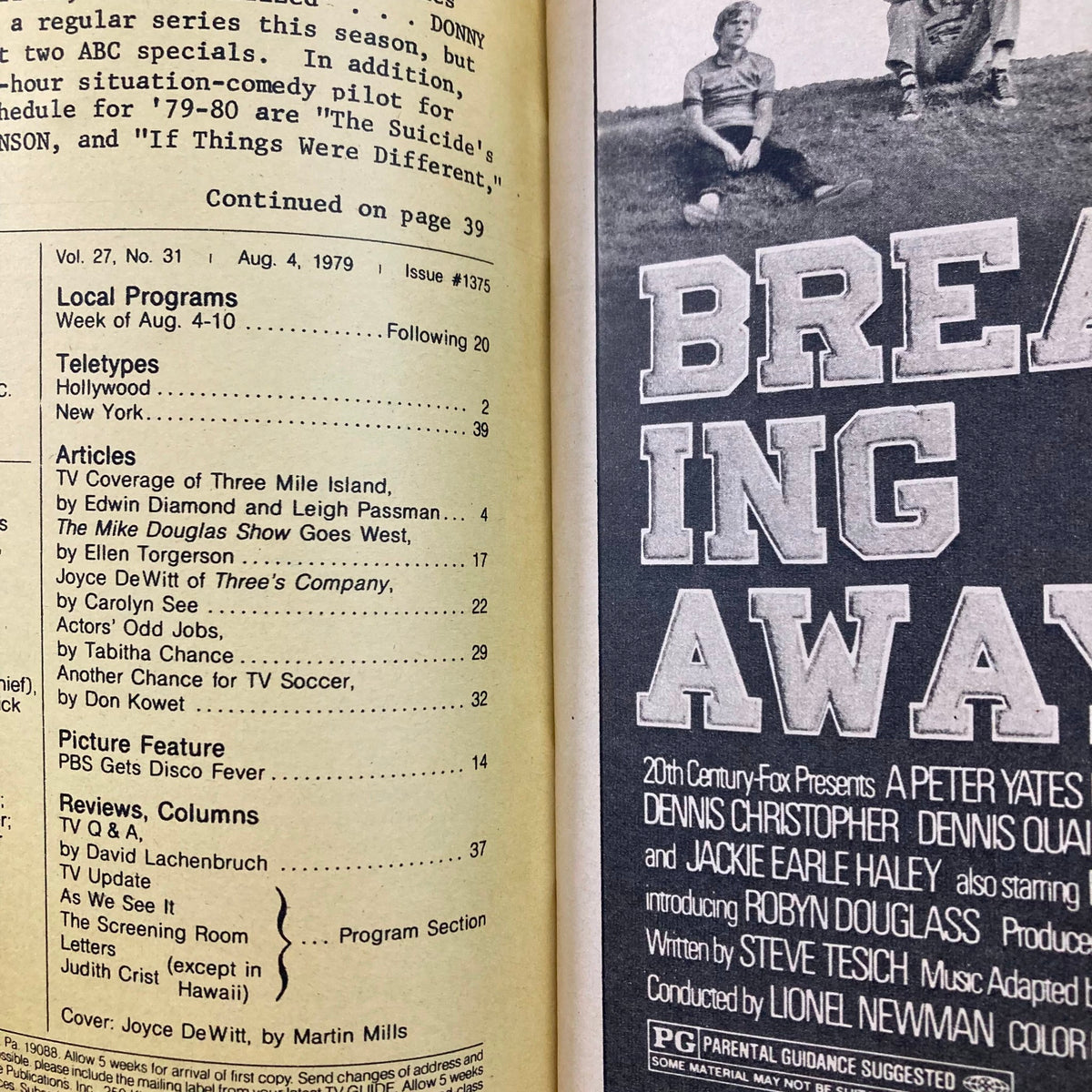
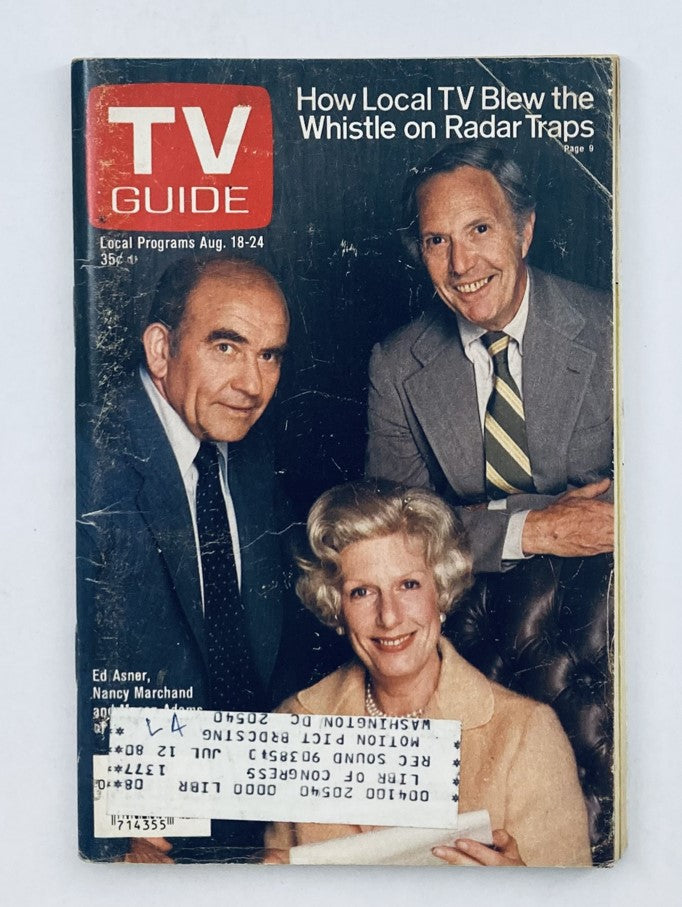
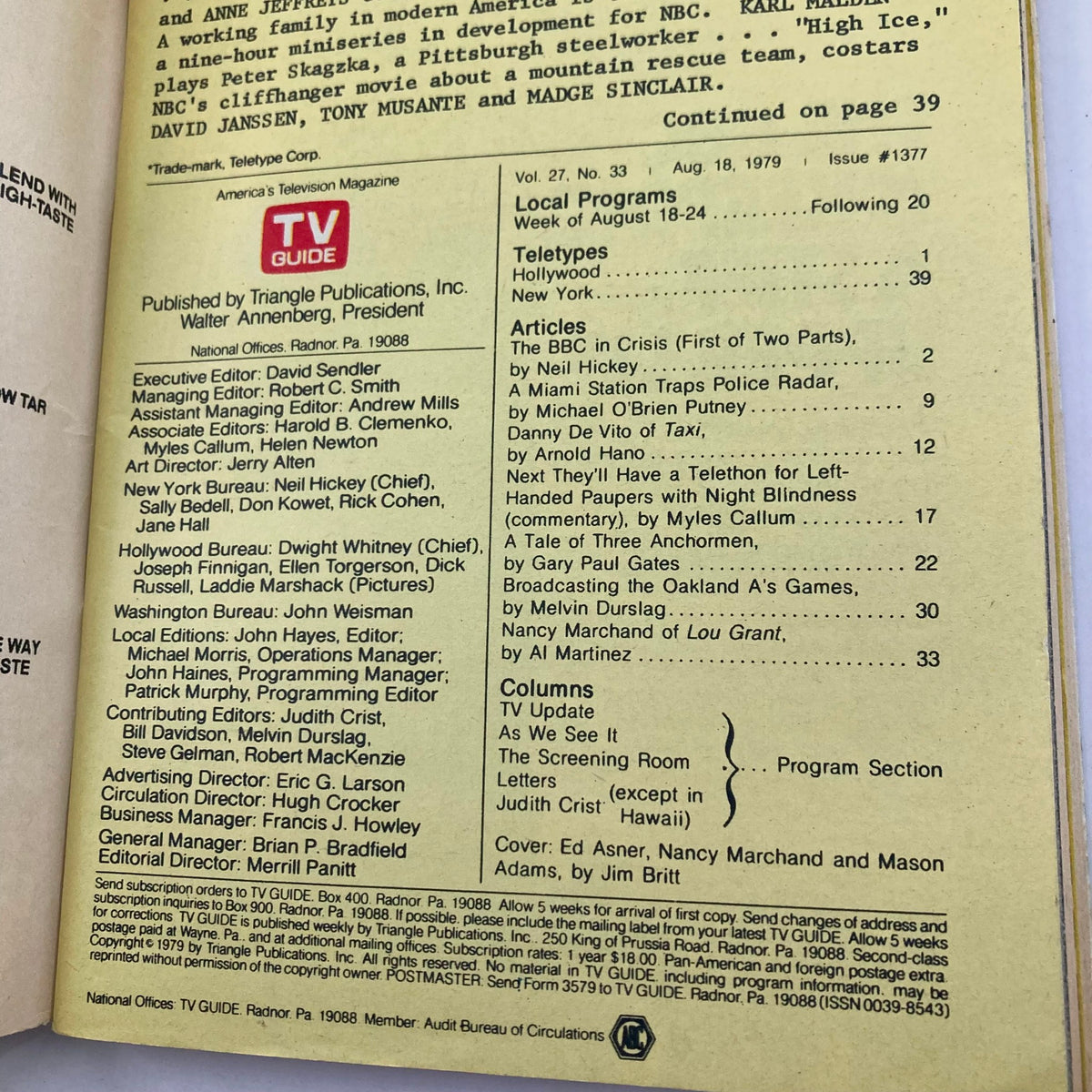
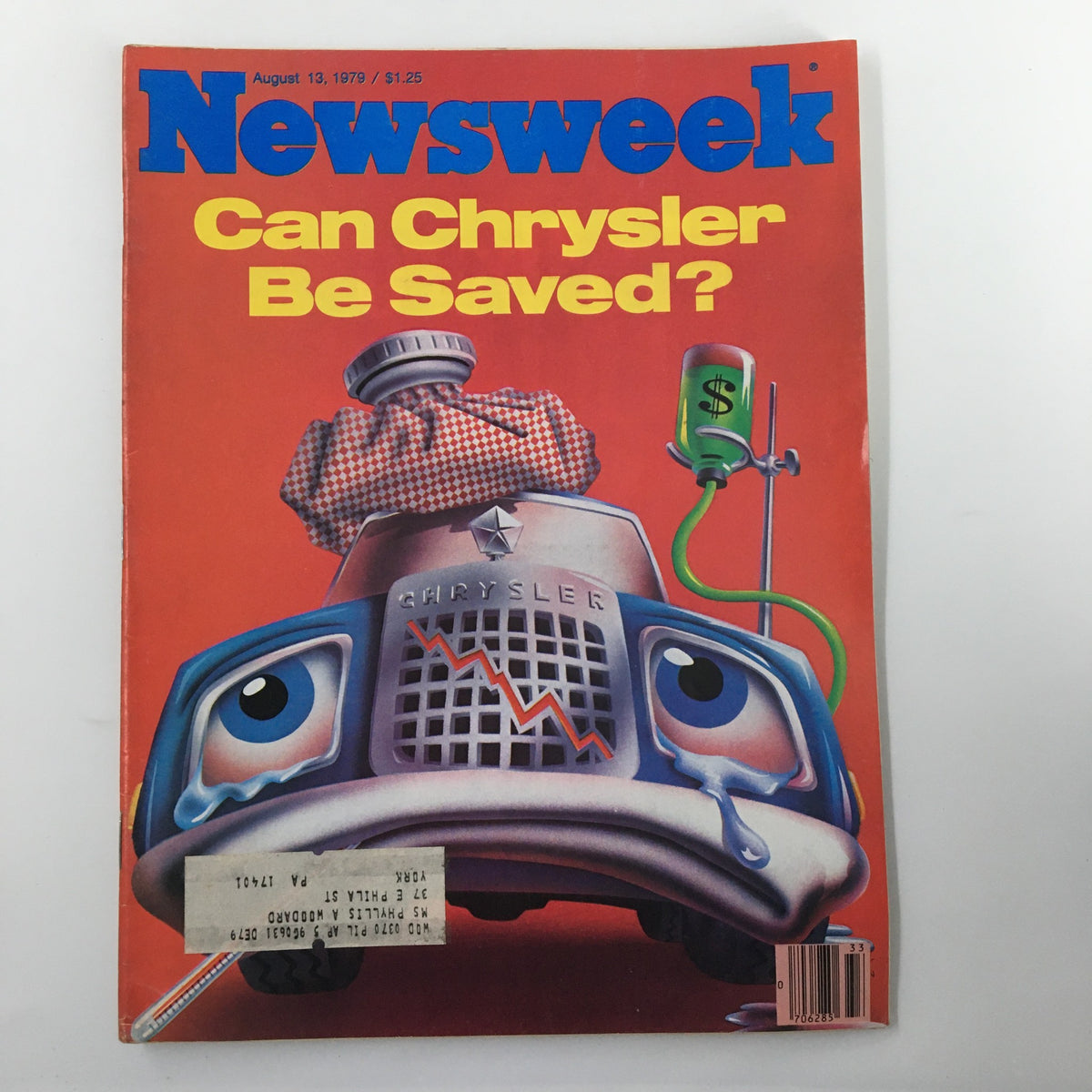
📖 About this Collection
August 1979: The Summer of Shattered Peace
The Historical Context
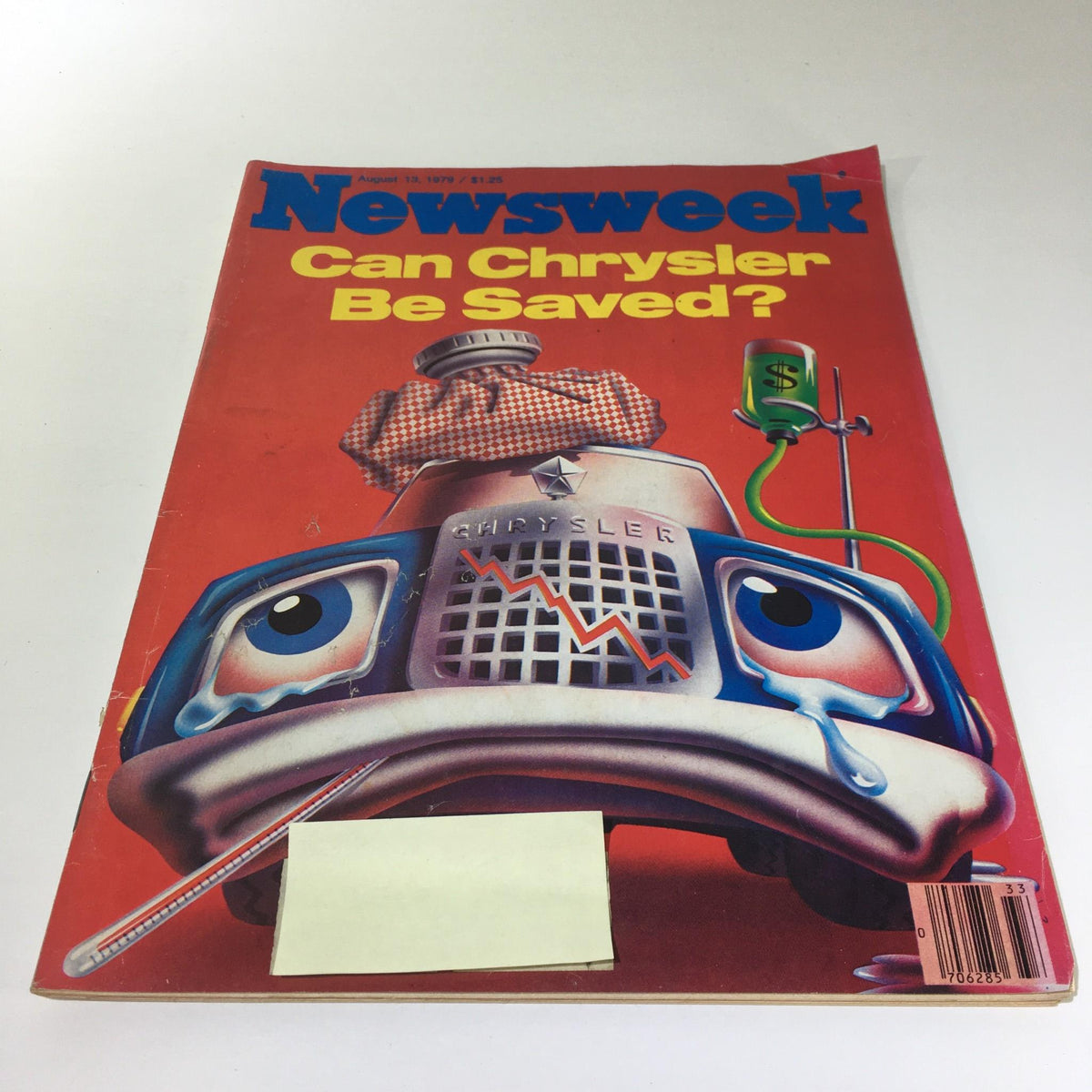
August 1979 opened with one of the most consequential economic appointments in modern American history—Paul Volcker's Senate confirmation as Federal Reserve Chairman, a decision that would reshape monetary policy for decades. But this month's headlines would soon be dominated by bloodshed. On August 27th, the world recoiled as Lord Mountbatten, cousin to Queen Elizabeth II and the last Viceroy of India, was assassinated by the IRA off the Irish coast along with three companions including two children. The same day, eighteen British soldiers died in the Warrenpoint ambush, marking one of the deadliest days in the Troubles. In the Middle East, Saddam Hussein executed twenty-two political opponents, while Ayatollah Khomeini called for jihad against Kurdish separatists as tensions across the region escalated. Hurricane David tore through the Caribbean and Florida, killing over 1,200 people. This was the world your loved one entered—a summer when global stability fractured across multiple continents, preserved in the urgent headlines and somber photography of genuine vintage magazines from this turbulent month.
While the news carried stories of violence and upheaval, American culture pushed forward with defiant energy. Francis Ford Coppola's Apocalypse Now premiered on August 15th, bringing the Vietnam War's psychological horror to screens alongside Marlon Brando's haunting performance. Days later, Monty Python's irreverent Life of Brian arrived in U.S. theaters, funded by George Harrison and sparking controversy that would dominate newsstands for weeks. Michael Jackson's Off the Wall dropped on August 10th, launching the album that would crown him King of Pop. Television welcomed Hart to Hart, the glamorous mystery series created by Sidney Sheldon that would define Friday nights. The Knack's "My Sharona" dominated radio for six straight weeks, while Led Zeppelin performed their final concert on English soil before 200,000 fans at Knebworth Park. On baseball diamonds, Willie Mays entered the Hall of Fame and Pete Rose set a National League singles record. These cultural moments filled the pages of original magazines from August 1979, their advertisements showcasing everything from disco fashion to the dawn of personal computing, each issue a genuine artifact of this electrifying, unsettling summer.
What to Look for in Your August 1979 Magazines
-
Mountbatten Assassination Coverage: News magazines like Time, Newsweek, and Life featuring dramatic coverage of the IRA attack, with photographs of the shattered fishing boat and tributes to the royal family's grief, often paired with analysis of escalating violence in Northern Ireland.
-
Apocalypse Now Premiere: Entertainment publications and rare magazines showcasing Coppola's epic, illustrated with behind-the-scenes production stories, reviews of Brando's performance, and advertisements for the film's theatrical run that captured Hollywood's obsession with Vietnam narratives.
-
Paul Volcker's Fed Appointment: Financial and news periodicals chronicling this pivotal economic moment, featuring analysis of inflation-fighting strategies and photographs of Volcker's Senate confirmation—a decision that would define 1980s monetary policy.
-
Off the Wall Launch: Music and lifestyle magazines showcasing Michael Jackson's transformation from child star to solo phenomenon, with album reviews, concert photographs, and the disco-funk aesthetic that dominated August newsstands.
-
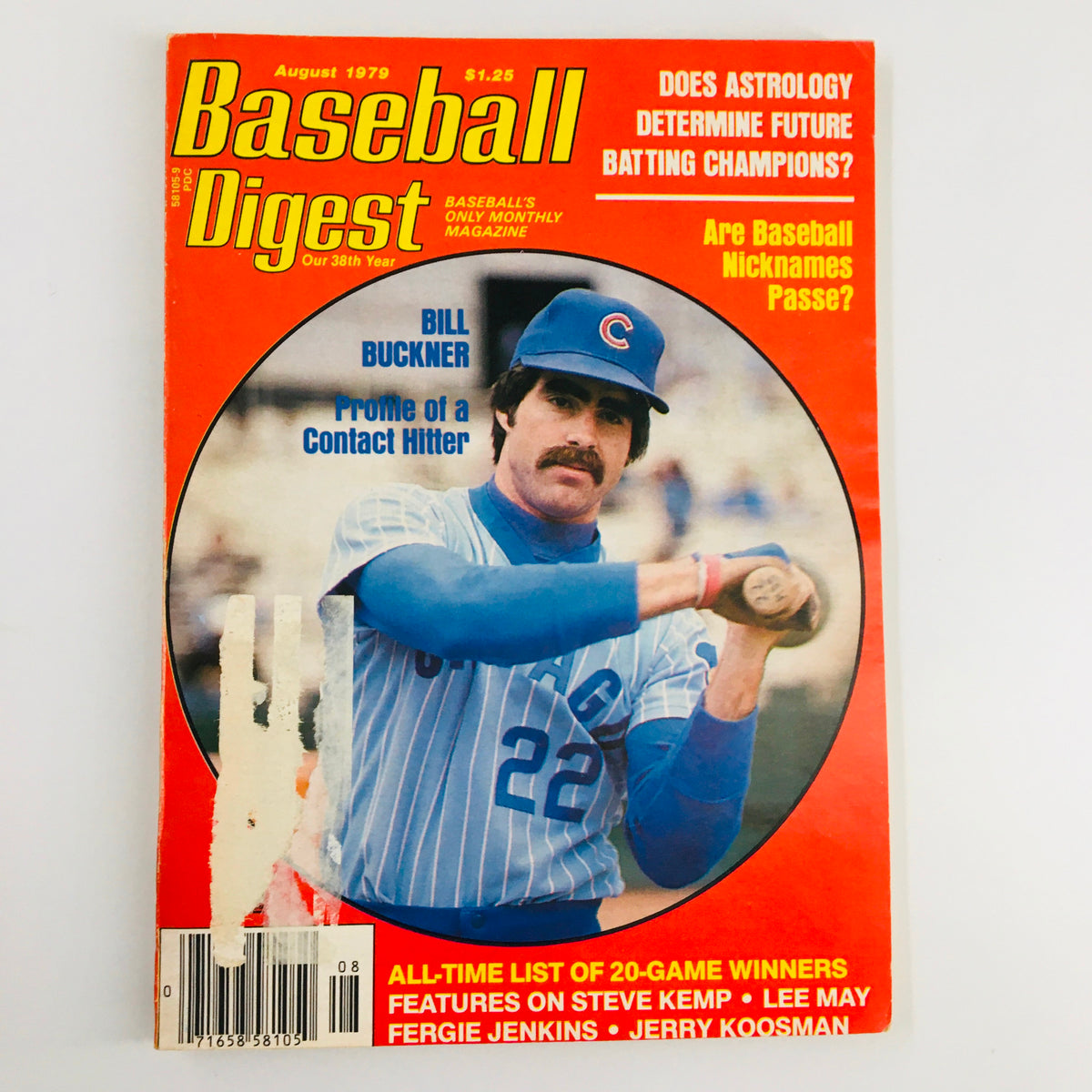
Baseball Hall of Fame Inductions: Sports publications and Sports Illustrated celebrating Willie Mays's enshrinement alongside Warren Giles and Hack Wilson, featuring retrospectives on Mays's legendary career and the ceremony at Cooperstown.
The Perfect Gift
For someone born in August 1979, an original magazine from this fractured summer isn't just a reproduction—it's an authenticated time capsule capturing the precise moment when global peace shattered across continents, preserved in genuine headlines, advertisements, and photography that museums cannot replicate.