📖 About this Collection
August 2003: The Summer the World Held Its Breath
The Historical Context
August 2003 arrived with the world still raw from war and terrorism. The occupation of Iraq dominated global consciousness, and the month's darkest headlines confirmed that the conflict was far from over. On August 19th, a car bomb tore through the United Nations headquarters in Baghdad, killing the agency's top envoy, Sergio Vieira de Mello, and 21 of his colleagues — a devastating blow to the international community's hope for peaceful reconstruction. Ten days later, nearly 100 worshippers were killed alongside Ayatollah Sayed Mohammed Baqir al-Hakim outside a mosque in Najaf, deepening the sectarian dread that hung over the region. Meanwhile, on August 5th, a car bomb outside the Marriott Hotel in Jakarta killed 12 and wounded 150, evidence that terror networks were operating with global reach. Back in North America, on August 14th, a widespread power blackout plunged the northeastern United States and Canada into darkness — a staggering reminder of the fragility beneath modern life. This was the world humming with tension, heat, and uncertainty in the month your loved one was born.
What the World Was Watching, Wearing, and Talking About
The pop culture of August 2003 crackled with energy even as the news weighed heavily. On August 27th, Mars made its closest approach to Earth in nearly 60,000 years, and the astronomical event seized imaginations everywhere. That same night, the 20th MTV Video Music Awards lit up screens across the country, with Beyoncé, Missy Elliott, and Justin Timberlake dominating — a snapshot of an era when pop, hip-hop, and R&B were rewriting American music. On the sports pages, an 18-year-old named Cristiano Ronaldo made his debut for Manchester United on August 16th, and original magazines from August 2003 capture the first breathless accounts of a footballing legend's arrival. Annika Sörenstam claimed the Women's British Open at Royal Lytham & St Annes to complete her career Grand Slam, while Shaun Micheel won the PGA Championship at Oak Hill in one of golf's most unexpected upsets. Time, Newsweek, and Sports Illustrated all had reason to reach for their most dramatic cover photography that month. The 60th Venice Film Festival opened, and on August 29th, a little-known company called Skype released its pioneering video-conferencing software — the quiet beginning of something that would change everything.
Curator's Checklist: What to Look For in August 2003 Magazines
-
The Iraq Crisis and UN Bombing: News magazines including Time, Newsweek, and Life featuring urgent photojournalism from Baghdad, often with front-page coverage of Sergio Vieira de Mello and the devastating UN headquarters attack that shocked the international community.
-
The Great Blackout of 2003: Vintage magazines chronicling the August 14th northeastern power outage, illustrated with aerial photography of darkened city skylines and firsthand accounts from millions of Americans and Canadians left without electricity.
-
Mars at Its Closest: Science and general interest publications, including Popular Mechanics and Life, showcasing rare telescope imagery and feature spreads on the red planet's historic approach — some of the most striking astronomical photography of the decade.
-
Cristiano Ronaldo's Premier League Debut: Sports Illustrated and British sports publications featuring early profiles and action photography of the teenage Portuguese winger, now rare magazines documenting the very first chapter of one of football's greatest careers.
-
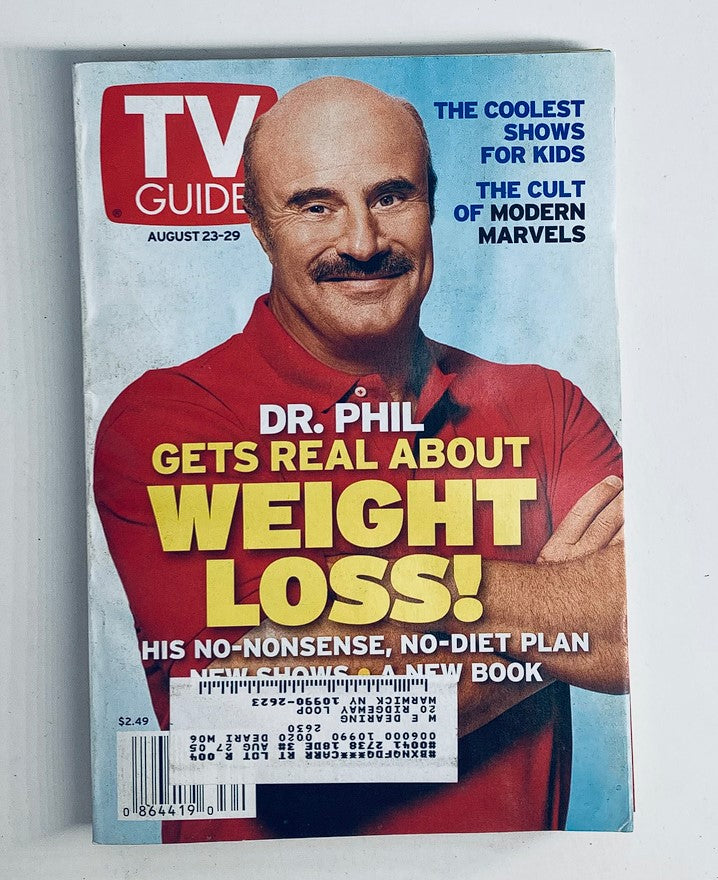
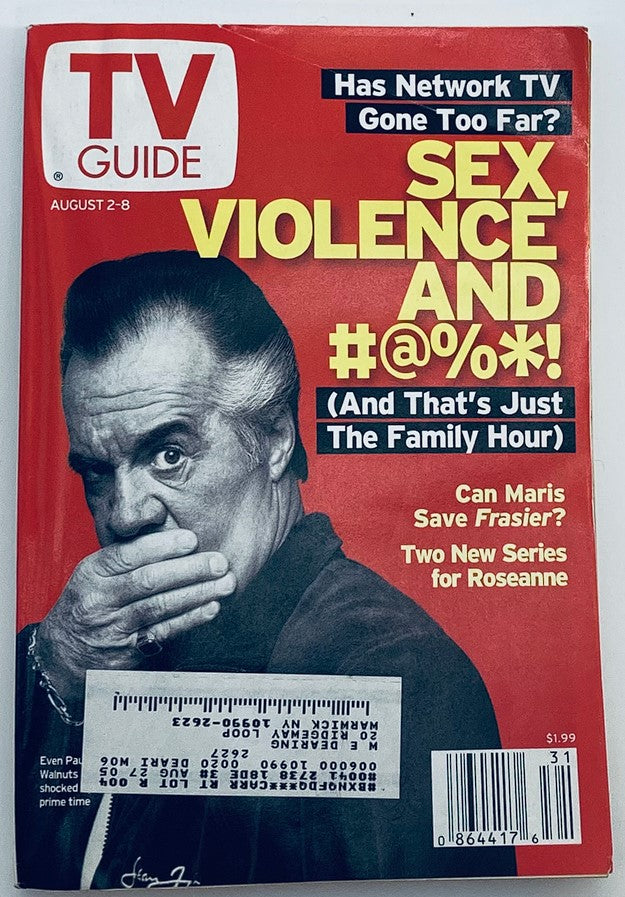
MTV VMAs and the Pop Moment: Entertainment titles including TV Guide and Variety showcasing authentic advertisements and editorial spreads around Beyoncé, Missy Elliott, and Justin Timberlake — a genuine time capsule of early 2000s pop culture preserved in original print.
The Perfect Birthday Gift
For someone born in August 2003, an original magazine from this turbulent and electric month isn't just a piece of old paper — it's an authentic window into the precise world they entered, preserved in genuine headlines, period advertisements, and photography that no digital archive can replicate.