📖 About this Collection
Bob Hope: America's Jester, the World's Soldier
The Legend & The Legacy
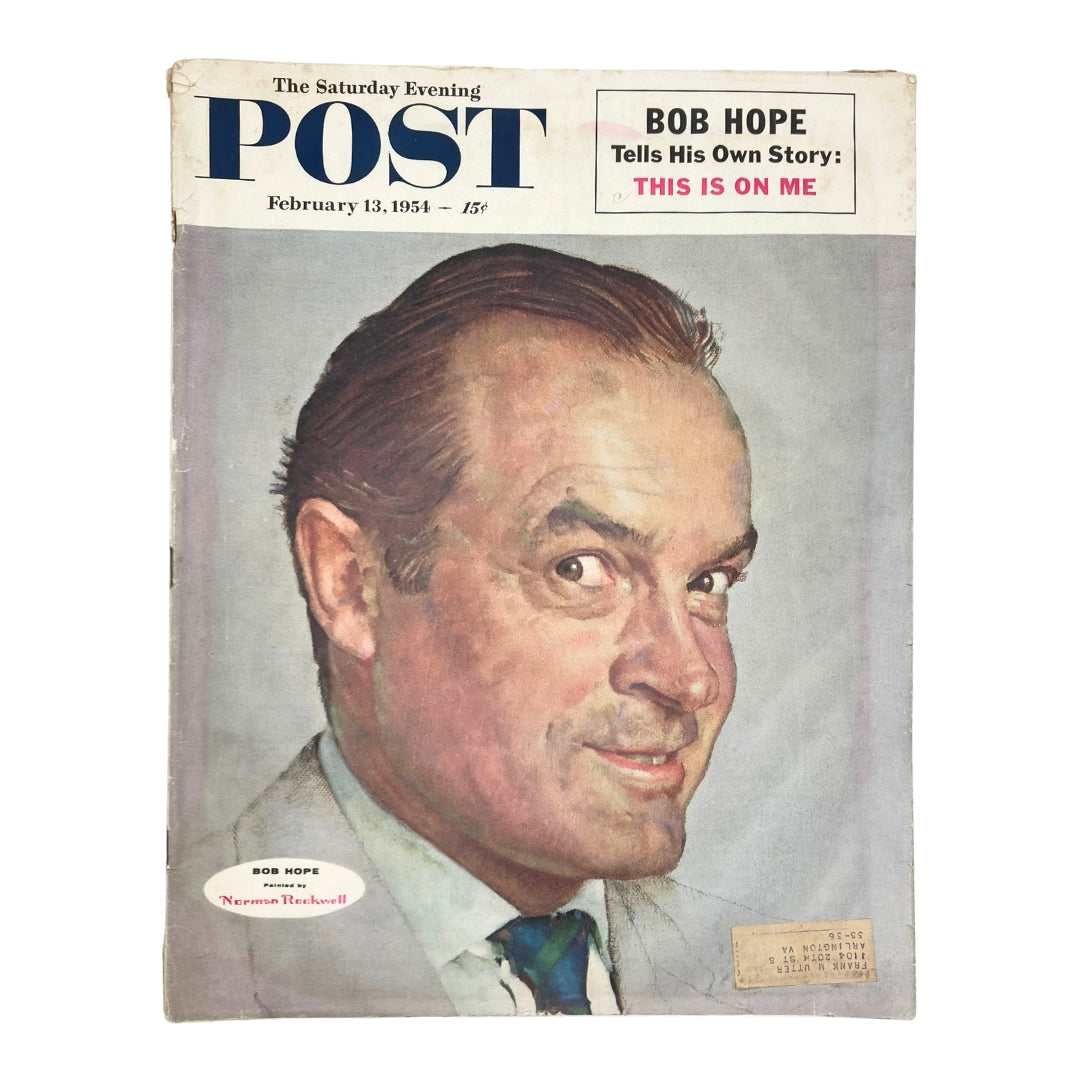
For more than half a century, Bob Hope was not merely an entertainer — he was a national institution, a living symbol of American wit, warmth, and resilience. From his vaudeville beginnings and his rapid conquest of radio in the 1930s, through his golden reign as one of Hollywood's most bankable stars, to his legendary USO tours that carried laughter into the most brutal theaters of World War II, Korea, Vietnam, and beyond, the man was omnipresent in the cultural imagination of a nation. In an era before streaming, before social media, before the 24-hour news cycle, the American public encountered their beloved comedian through two primary vessels: the silver screen and the printed page. Magazines were the living record of his life — the glossy, tangible dispatches from Hollywood, from military bases abroad, from the stages of NBC specials that gathered entire families around a single television set. To hold a vintage magazine featuring Hope is to hold a dispatch from that vanished world, a world in which a joke told on the radio could unite a continent.
Inside the Archive
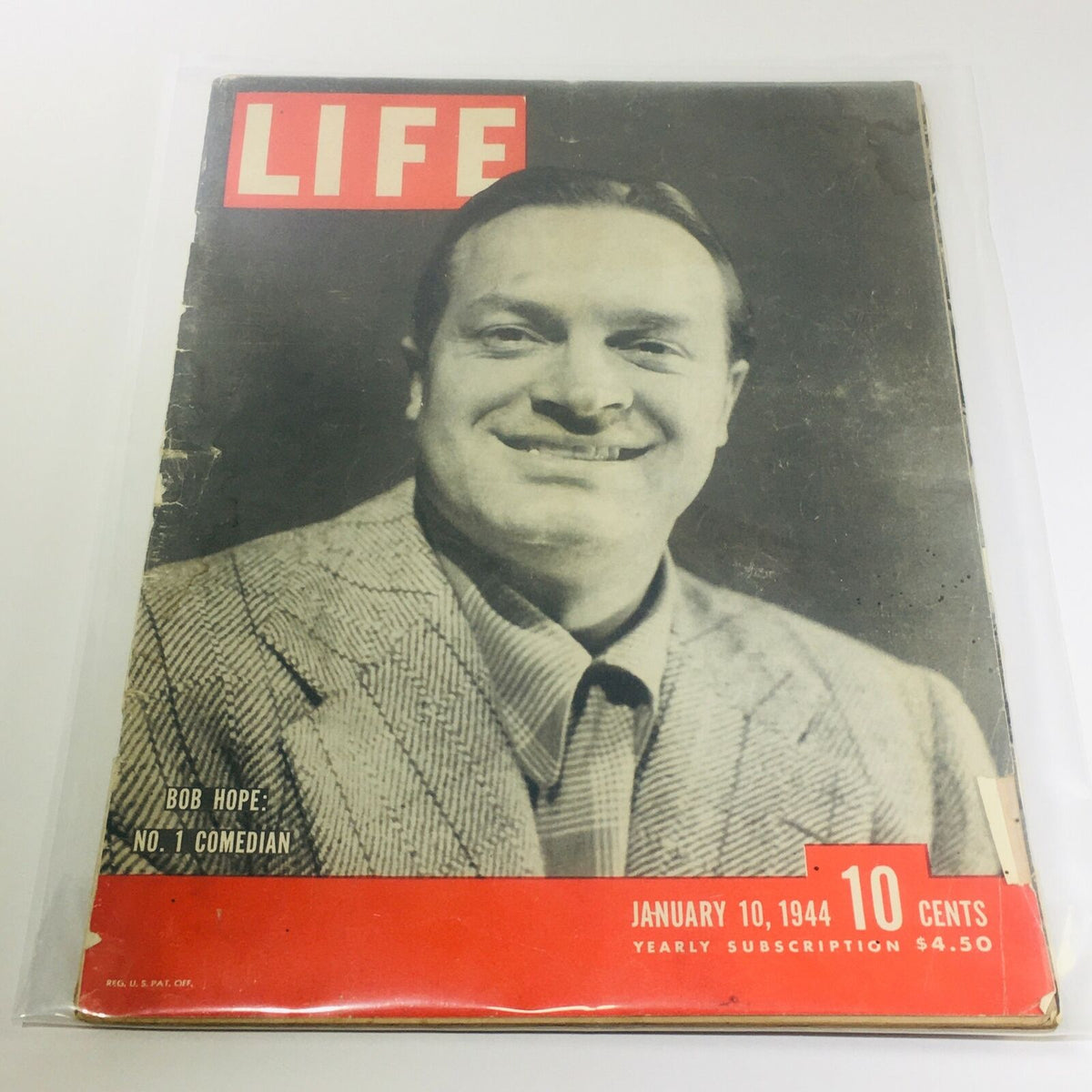
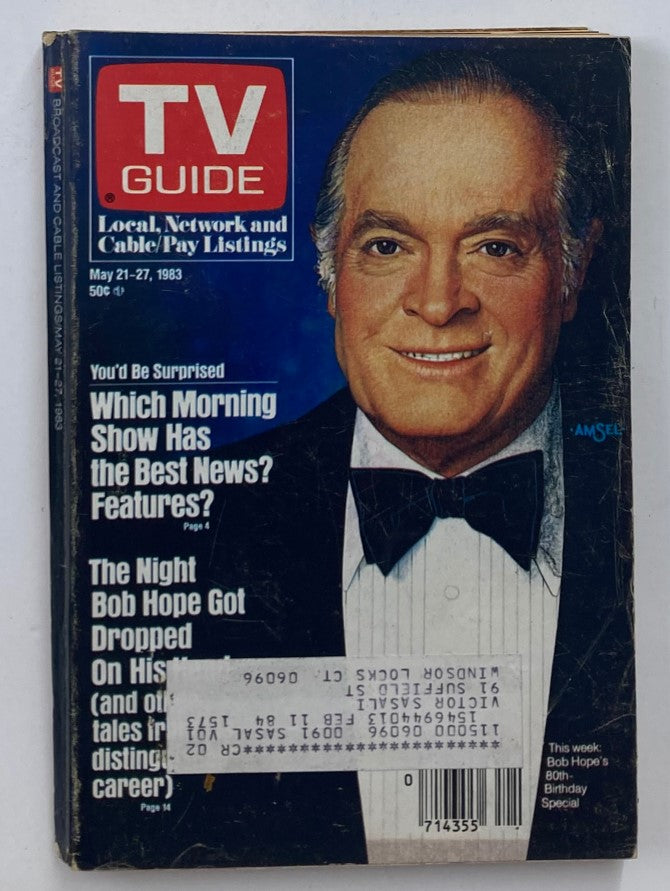
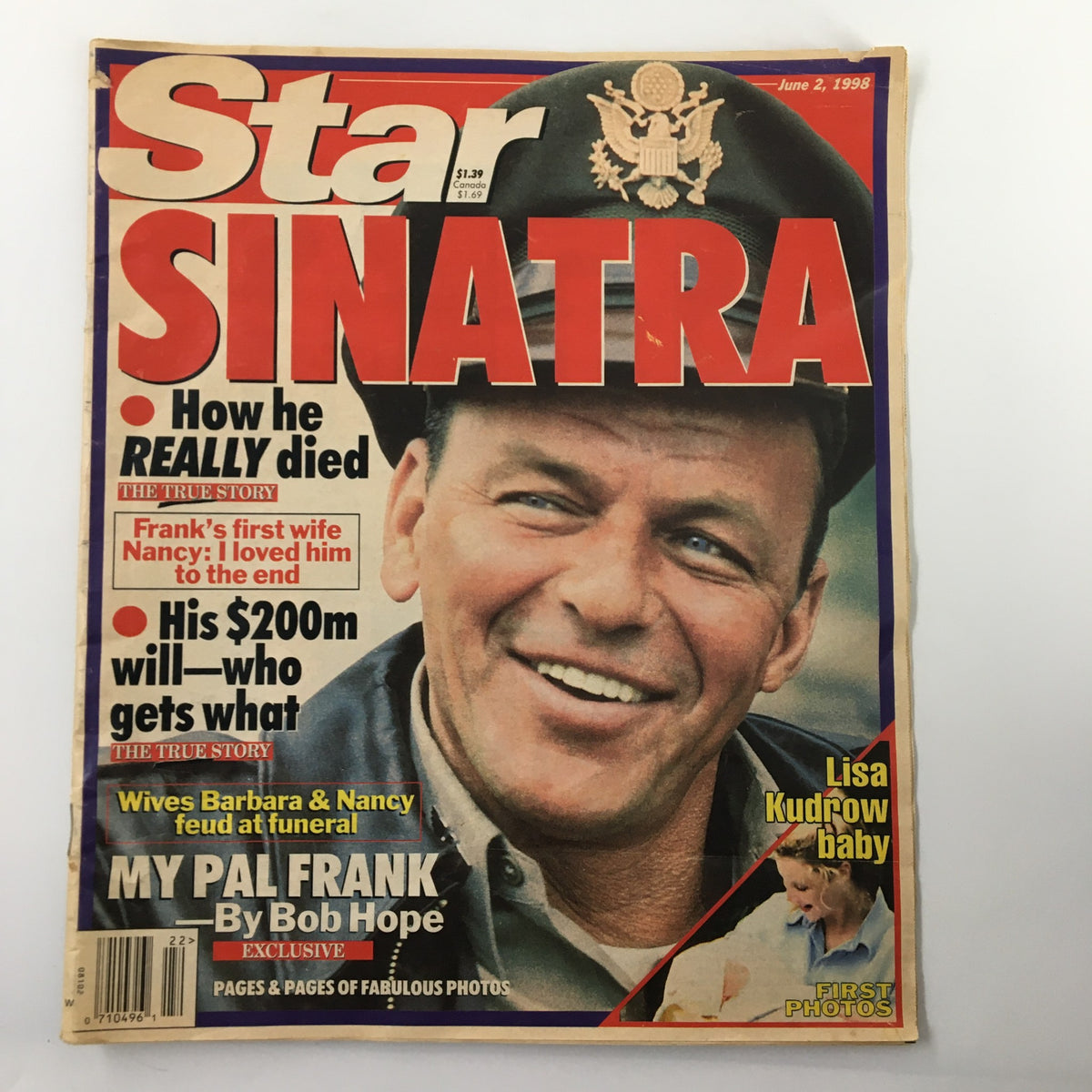
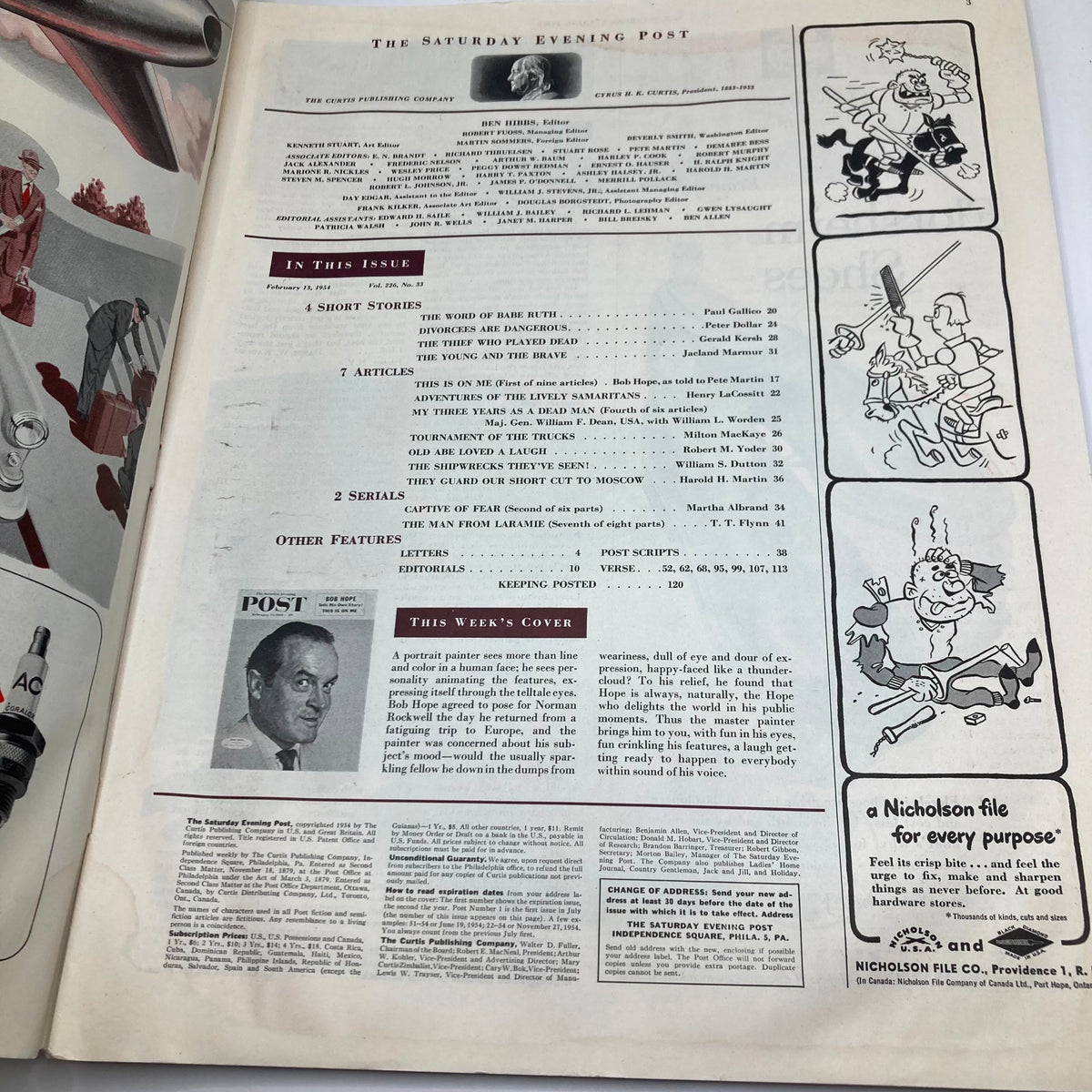
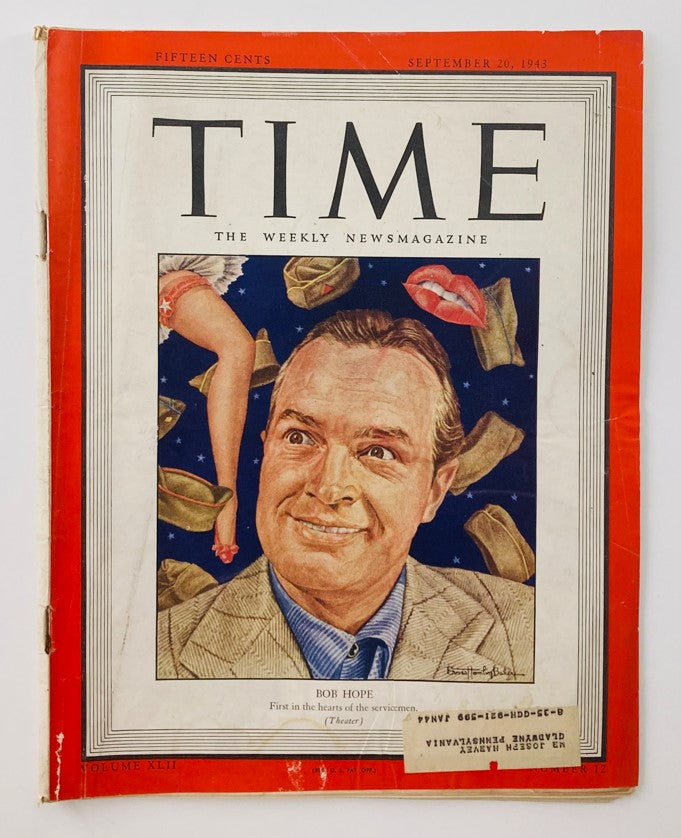
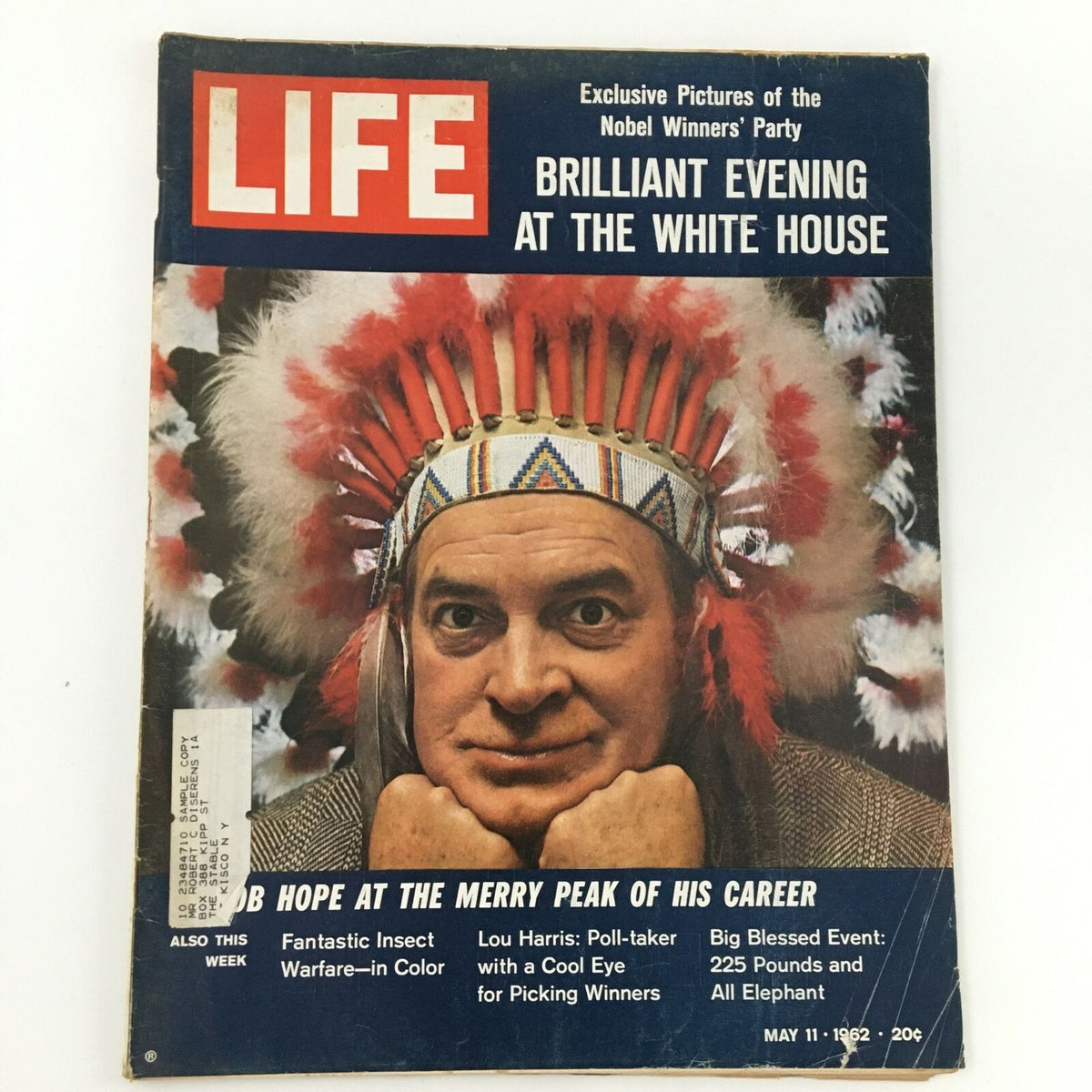
The vintage press adored Bob Hope with a consistency rare even for the most celebrated entertainers of the twentieth century. Publications like Life magazine — that great weekly chronicle of American life — returned to him again and again, running full-page photographic spreads from USO performances in the Pacific and later in Southeast Asia, capturing the comedian mid-quip before crowds of thousands of servicemen, their laughter almost audible through the ink. TV Guide, which became one of the most widely circulated periodicals in American history, placed the comedian on its cover with remarkable frequency during the 1950s and 1960s, testament to his unrivalled dominance of the television landscape and his annual NBC holiday specials. Look magazine, Life's great rival in the world of illustrated journalism, offered more intimate, humanizing portraits — Hope at Toluca Lake, Hope with Dolores and the children, Hope as the unlikely patriarch of a dynasty built entirely on charm. The photography across these decades tends toward the candid and the luminous: wide grins, open collars, the easy physicality of a man who understood that the camera, like an audience, rewarded generosity.
Curator's Checklist: Highlights Often Include
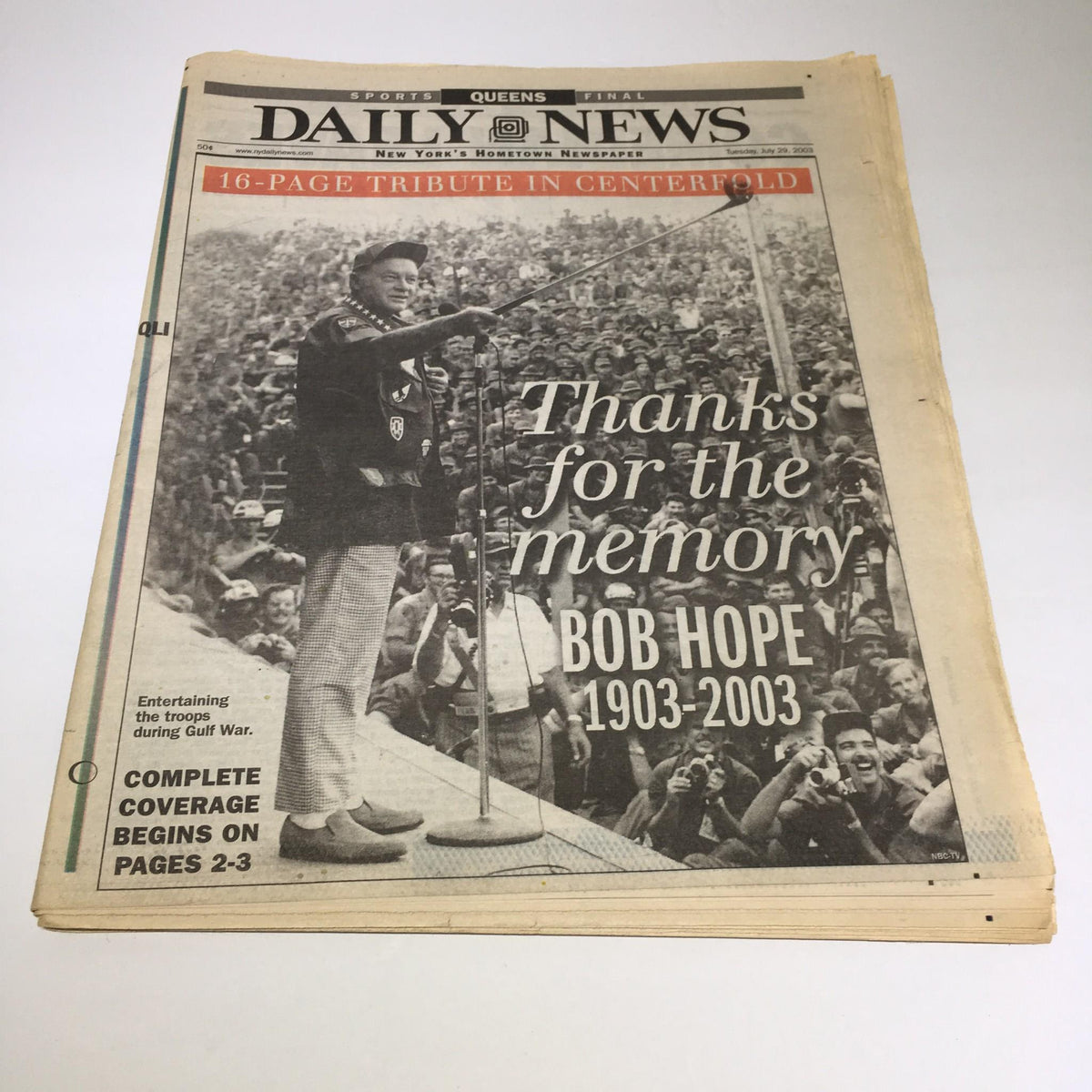
- USO & Military Coverage: Wartime and post-war issues frequently document his legendary tours, with photographs from the front lines of World War II, Korea, and Vietnam — among the most historically significant entertainment journalism of the era.
- Hollywood's Golden Age: Coverage from the height of his Paramount "Road" picture era alongside Bing Crosby and Dorothy Lamour, including studio publicity features and fan magazine profiles from the 1940s and early 1950s.
- Television Milestones: Issues tied to his NBC specials and landmark broadcasts, particularly the annual Christmas specials that became a ritual for American households across four decades.
- Presidential & Political Access: As a confidant of every president from Franklin Roosevelt to Ronald Reagan, he appeared in news-adjacent coverage that documented his unique role at the intersection of entertainment and American power.
- International & Forces Publications: Collectors occasionally encounter issues from military and overseas editions — Stars and Stripes supplements and international titles — that captured his performances for the very audiences he traveled the globe to reach.
The Collector's Value
There is something irreplaceable about receiving history through paper. When you open a vintage magazine from the 1940s or 1960s, the experience is fully sensory — the slight resistance of aged coated stock beneath your fingertips, the faintly sweet, woody perfume of decades-old ink, the crackling authority of a page that has outlived the era it documented. Surrounding the feature on America's favorite comedian are the advertisements of a lost world: a gleaming Chevrolet, a bottle of Brylcreem, a full-page spread for a long-defunct airline. These are not reproductions or archival PDFs — they are primary sources, unadulterated artifacts of the moment in which they were printed. For collectors of Golden Age Hollywood memorabilia, mid-century Americana, or USO and military history, these publications offer an unmatched window into one of the most beloved careers in the history of entertainment — told in the voice, the design language, and the cultural context of the time itself. Browse the current inventory below and discover which pieces of this extraordinary legacy are available today.