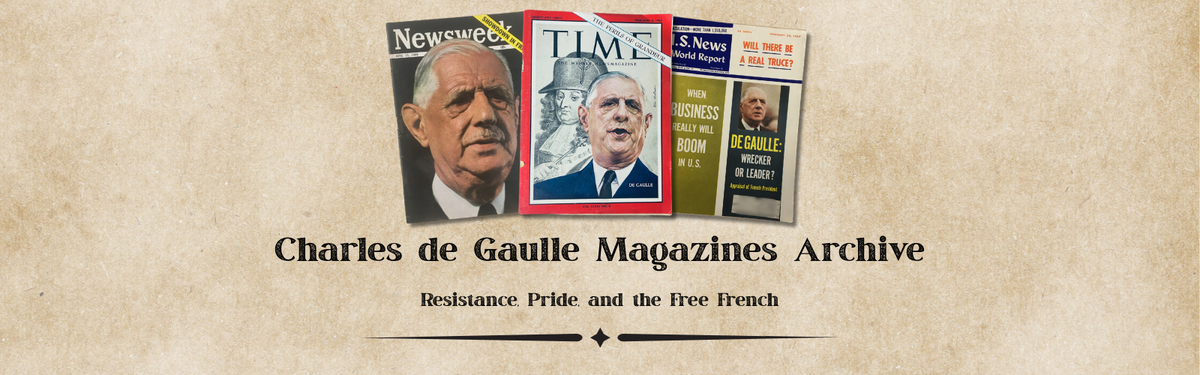
📖 About this Collection
Charles de Gaulle: The General Who Refused to Let France Fall
The Legend & The Legacy
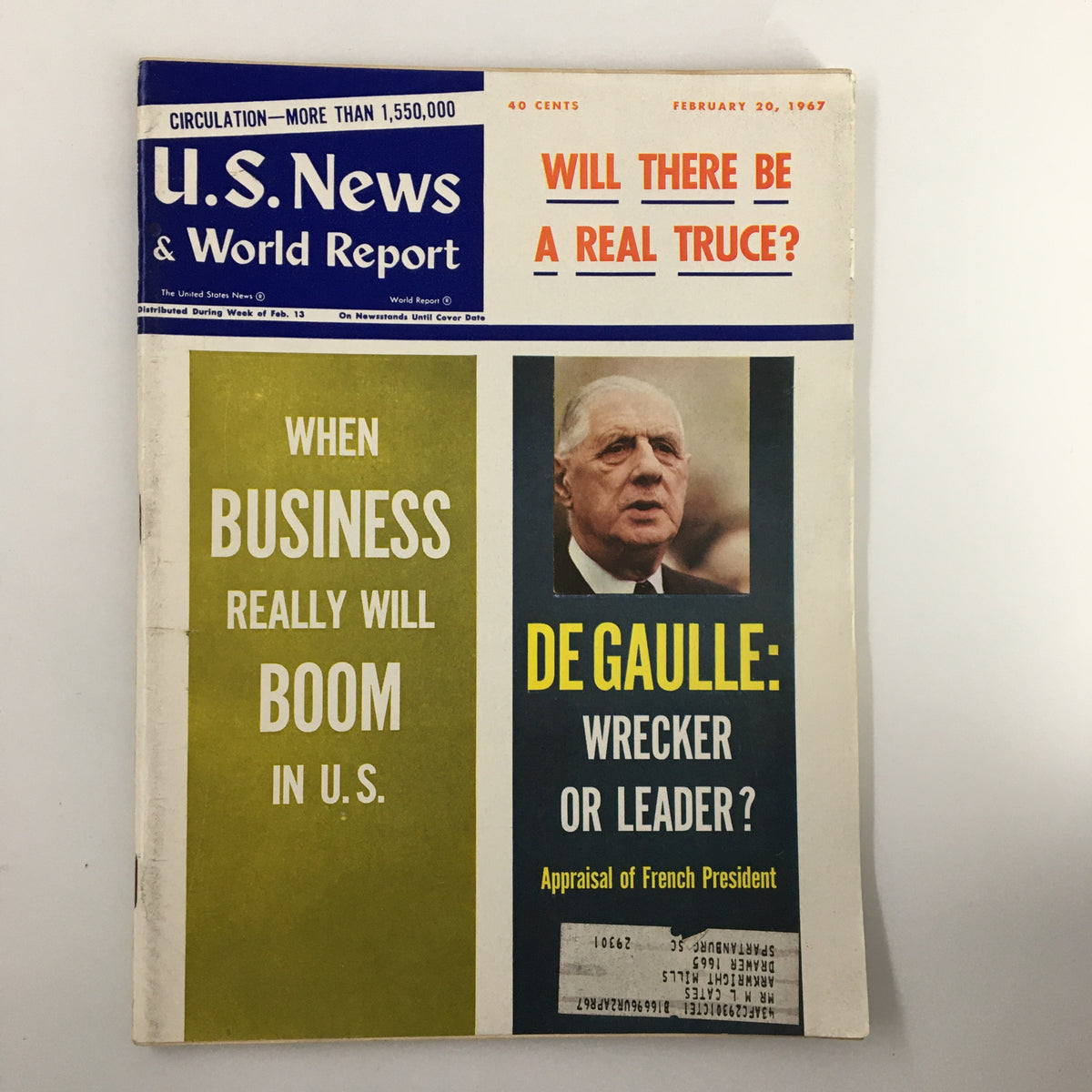
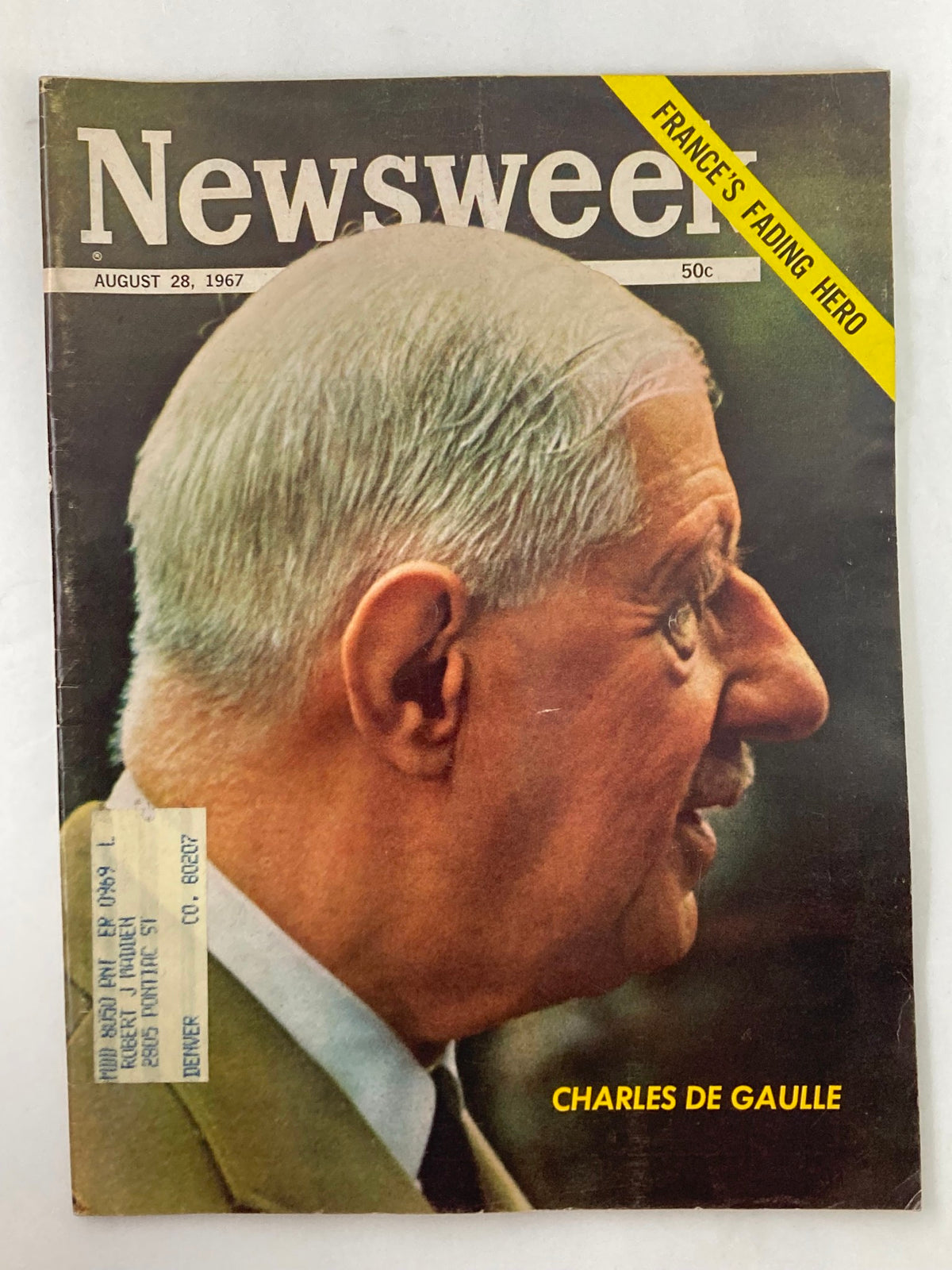
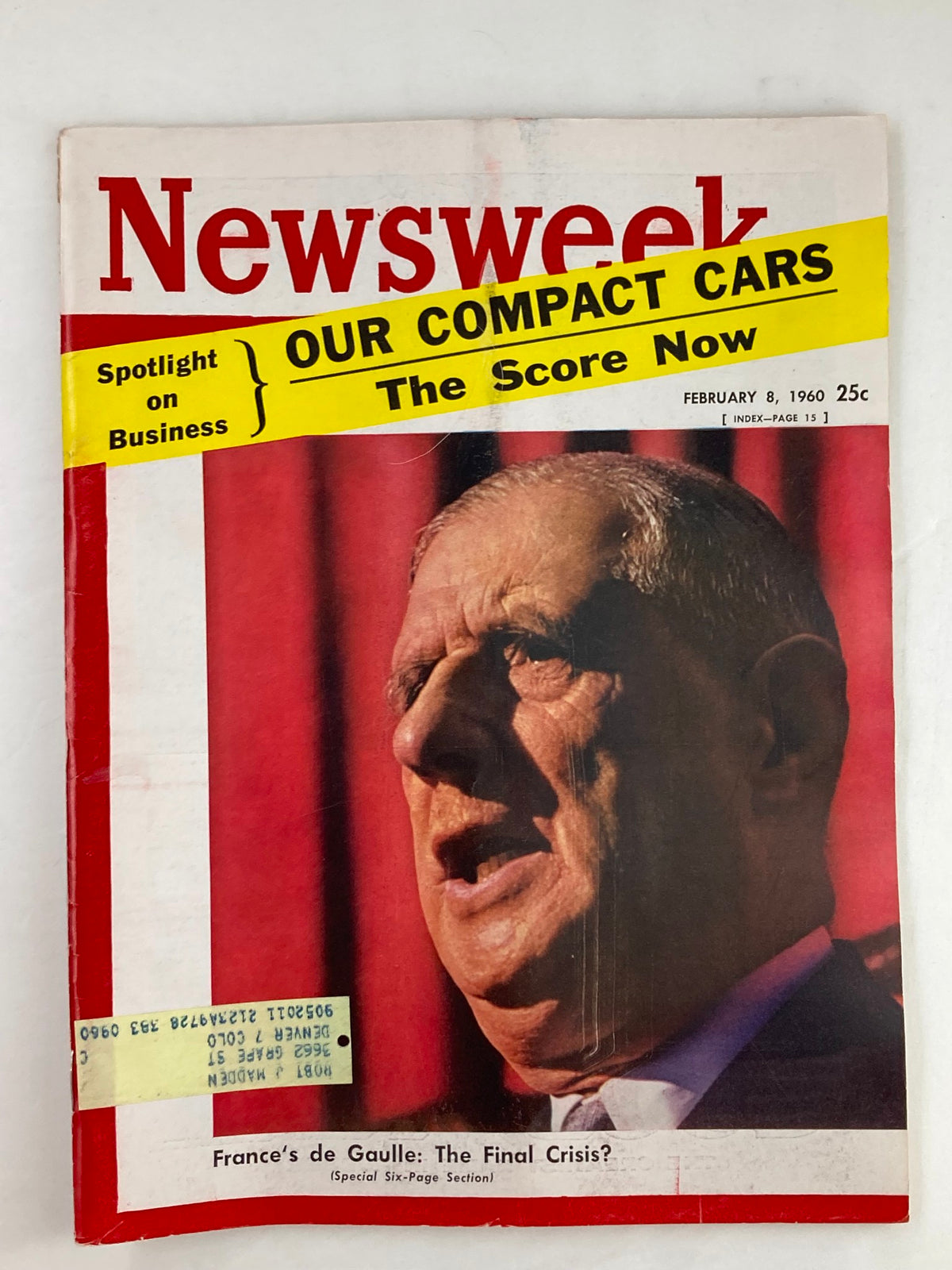
Few figures in modern history carried the weight of an entire nation's honor on a single pair of shoulders the way Charles de Gaulle did. From his defiant BBC broadcast of June 18, 1940 — delivered from exile while his country lay under Nazi occupation — to his towering presidency of the Fifth Republic, the General was not merely a political leader; he was a living myth, a human embodiment of French sovereignty and pride. In an era before satellite news and social media, the world followed his extraordinary arc almost entirely through the printed page. When he marched down the Champs-Élysées on August 26, 1944, liberating Paris in a moment of almost cinematic grandeur, it was the newspapers and weekly magazines that brought that image into living rooms from Bordeaux to Beirut, from New York to Nairobi. His long years of political exile in the 1950s, his dramatic return to power during the Algerian Crisis of 1958, his construction of a new constitutional republic, and his final resignation in 1969 — each chapter was a press event of the highest order, consumed by millions through glossy covers, sweeping photographic essays, and the measured, reverential prose of a generation of journalists who understood they were writing for history.
Inside the Archive
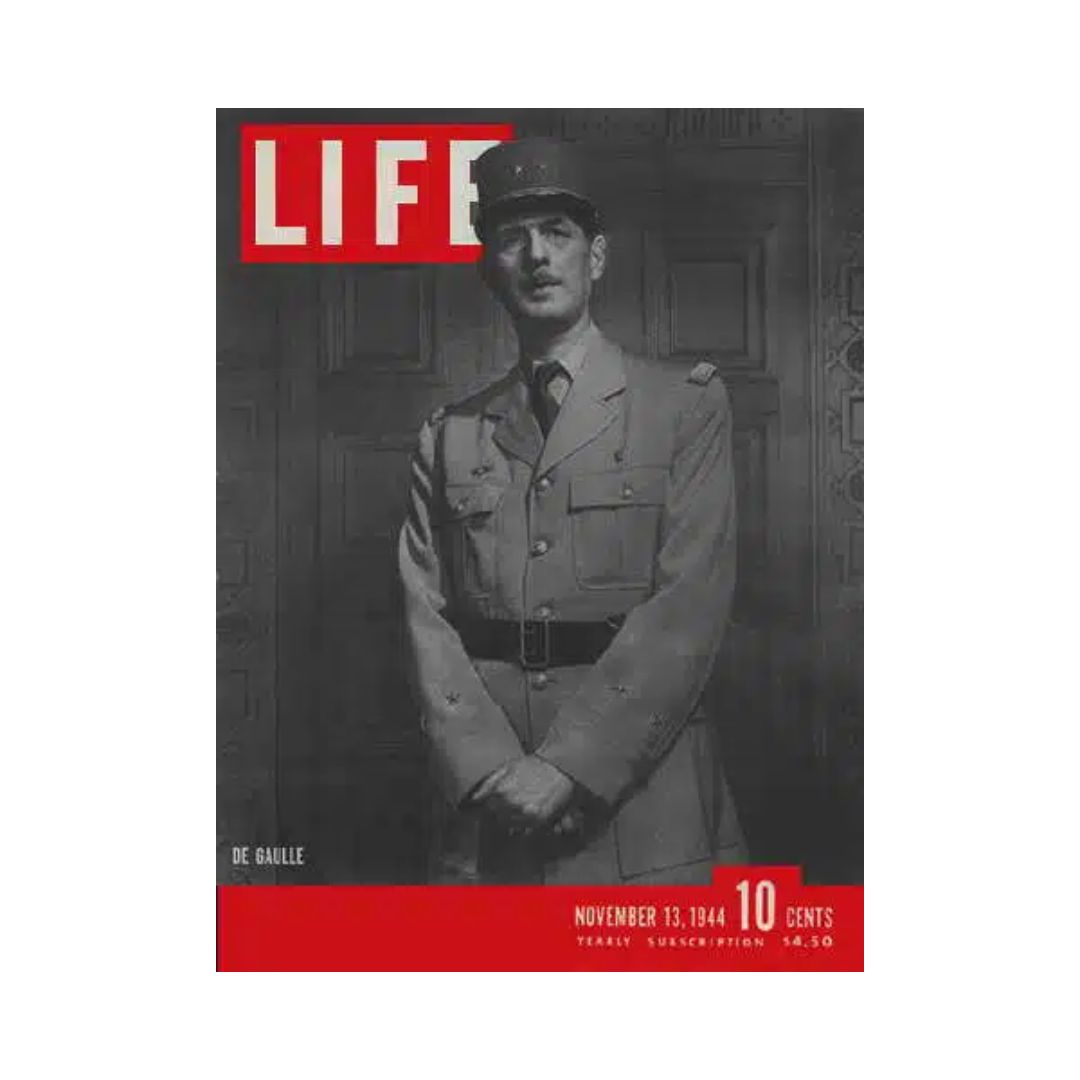
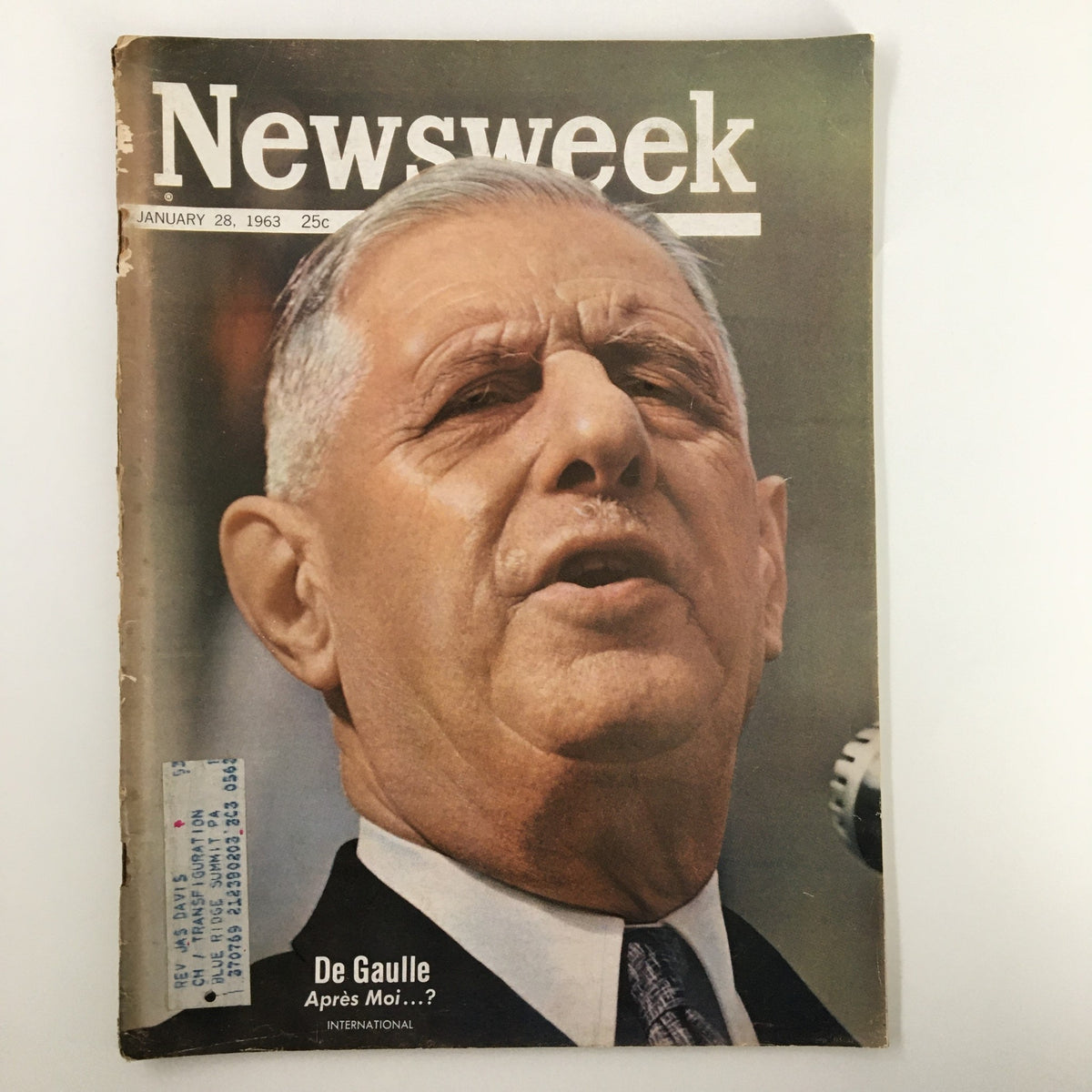
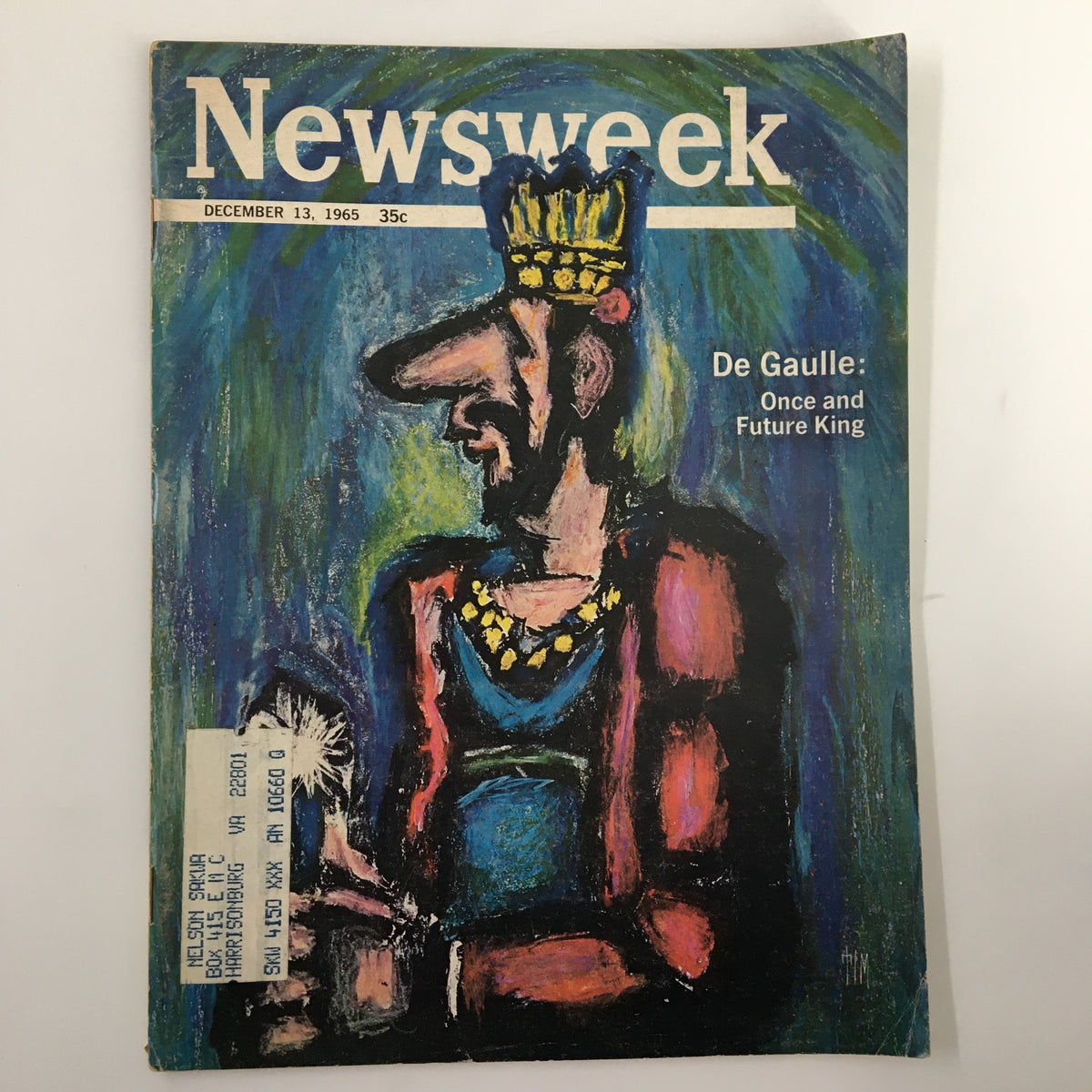
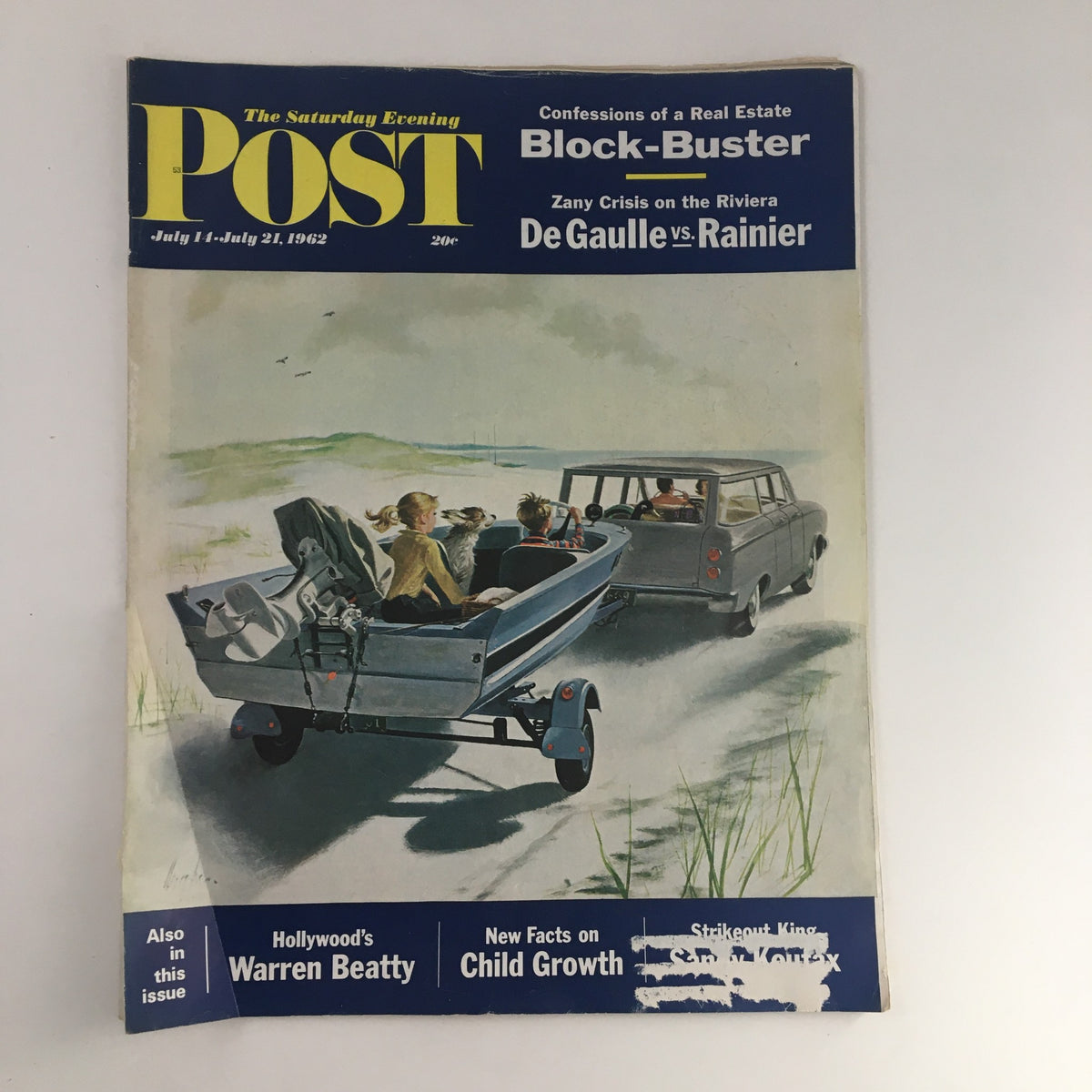
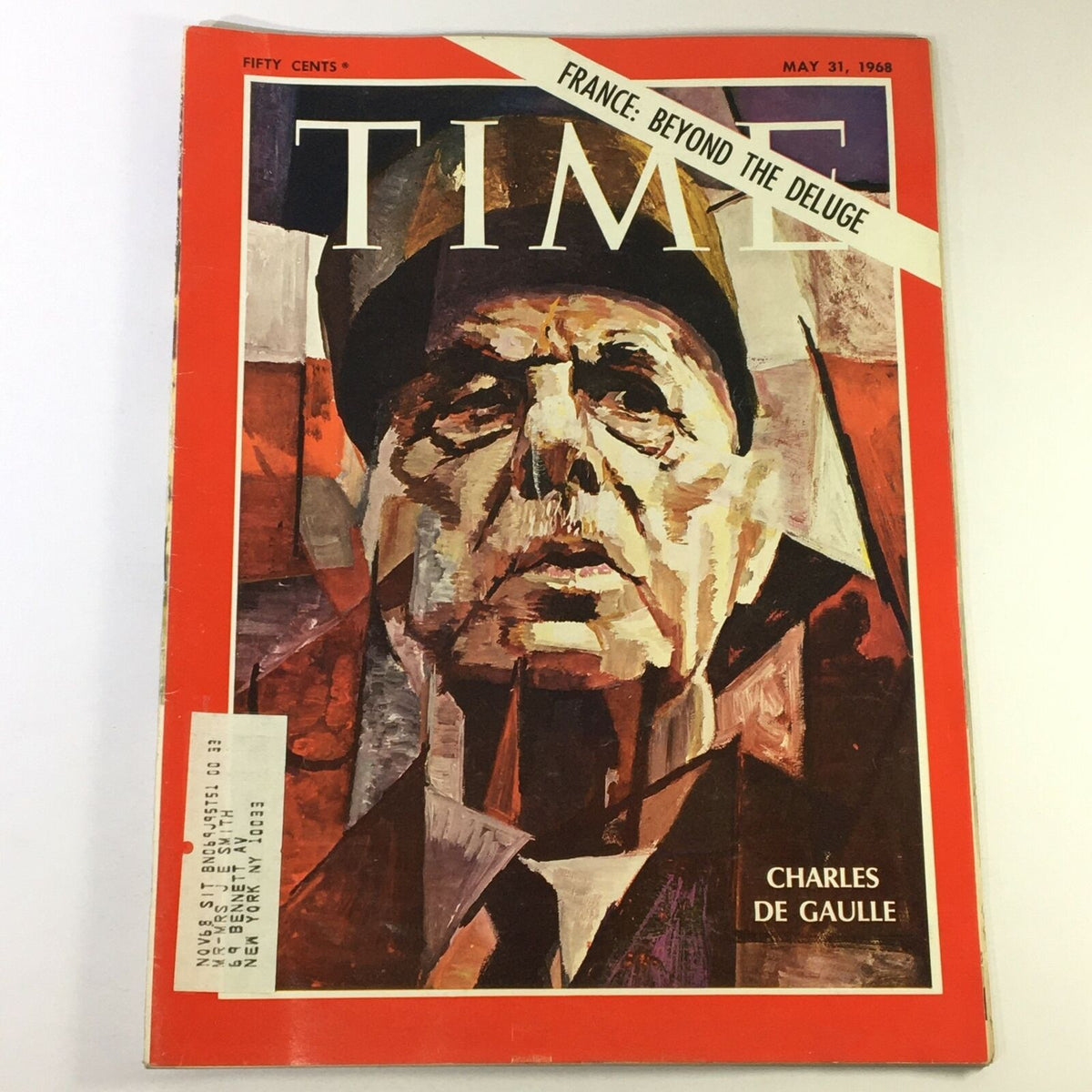
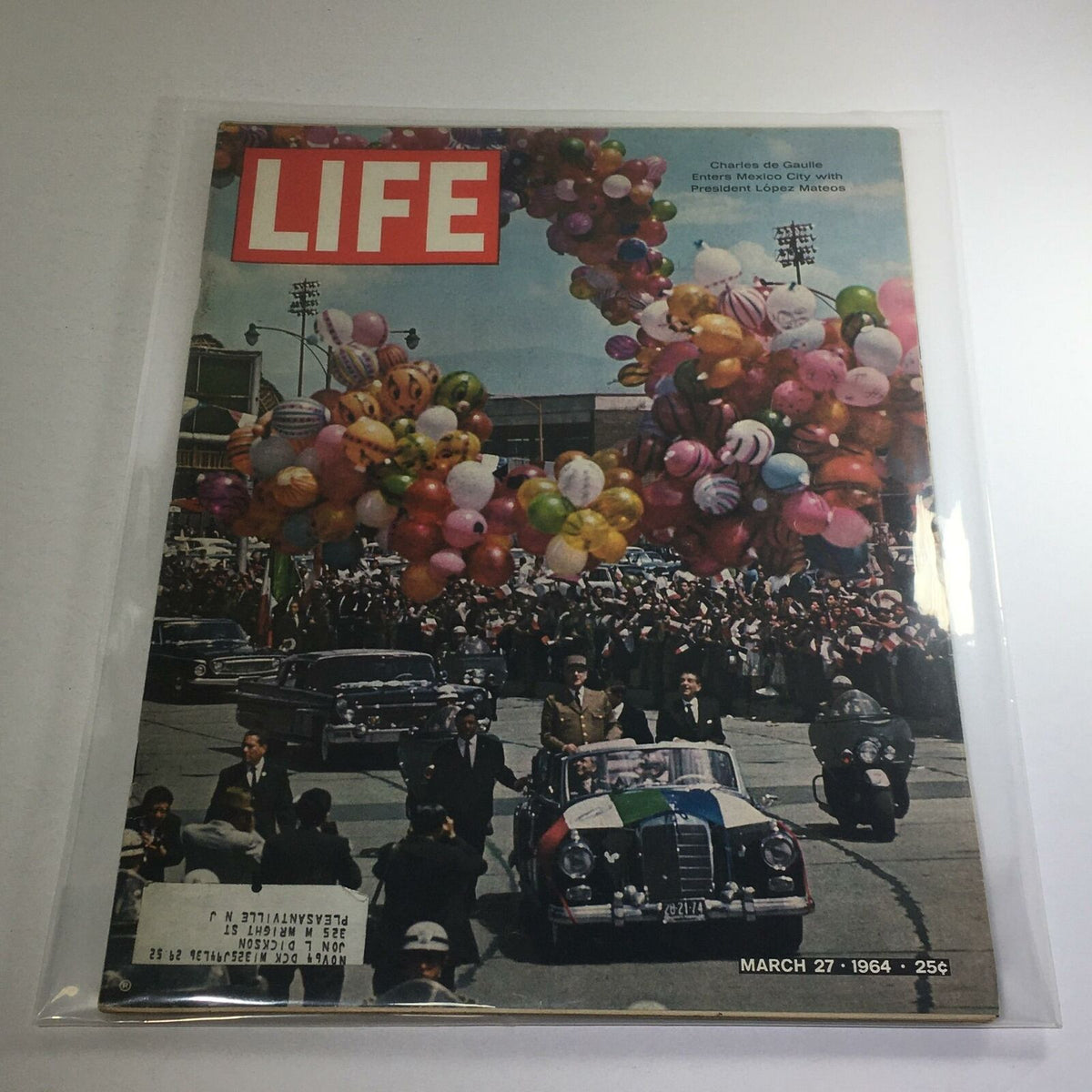
The visual iconography of de Gaulle was uniquely powerful — a towering, angular figure in military uniform or the sober suit of a statesman, almost always photographed with a gravity that lesser leaders could not command. Editorial photographers who covered him understood the drama inherent in his bearing: the upward tilt of the chin, the arms raised in his signature double-V salute above a sea of euphoric crowds, the solitary silhouette against the grandeur of the Élysée Palace. Paris Match, the great French pictorial weekly, treated him with near-reverential coverage throughout his career, dedicating sweeping photo essays to his wartime heroism, his political resurrection, and his statesman's tours across a decolonizing world. Life magazine brought his story to American audiences with the editorial authority it reserved only for world-historical figures, particularly during the liberation of Paris and the tense years of the Cold War, when France's independent nuclear posture made the General a figure of both admiration and anxiety in Washington. L'Express, the sharp-edged French newsweekly, offered a more critical and intellectually rigorous lens — capturing not just the triumphs but the controversies, the student uprisings of May 1968, and the referendum defeat that finally ended his reign.
Curator's Checklist: Highlights Often Include
- Liberation & Wartime Issues (1940–1945): Coverage of the Free French movement, the BBC appeals, the North African campaigns, and the unforgettable images of the Liberation of Paris — among the most sought-after and historically significant issues in any European political archive.
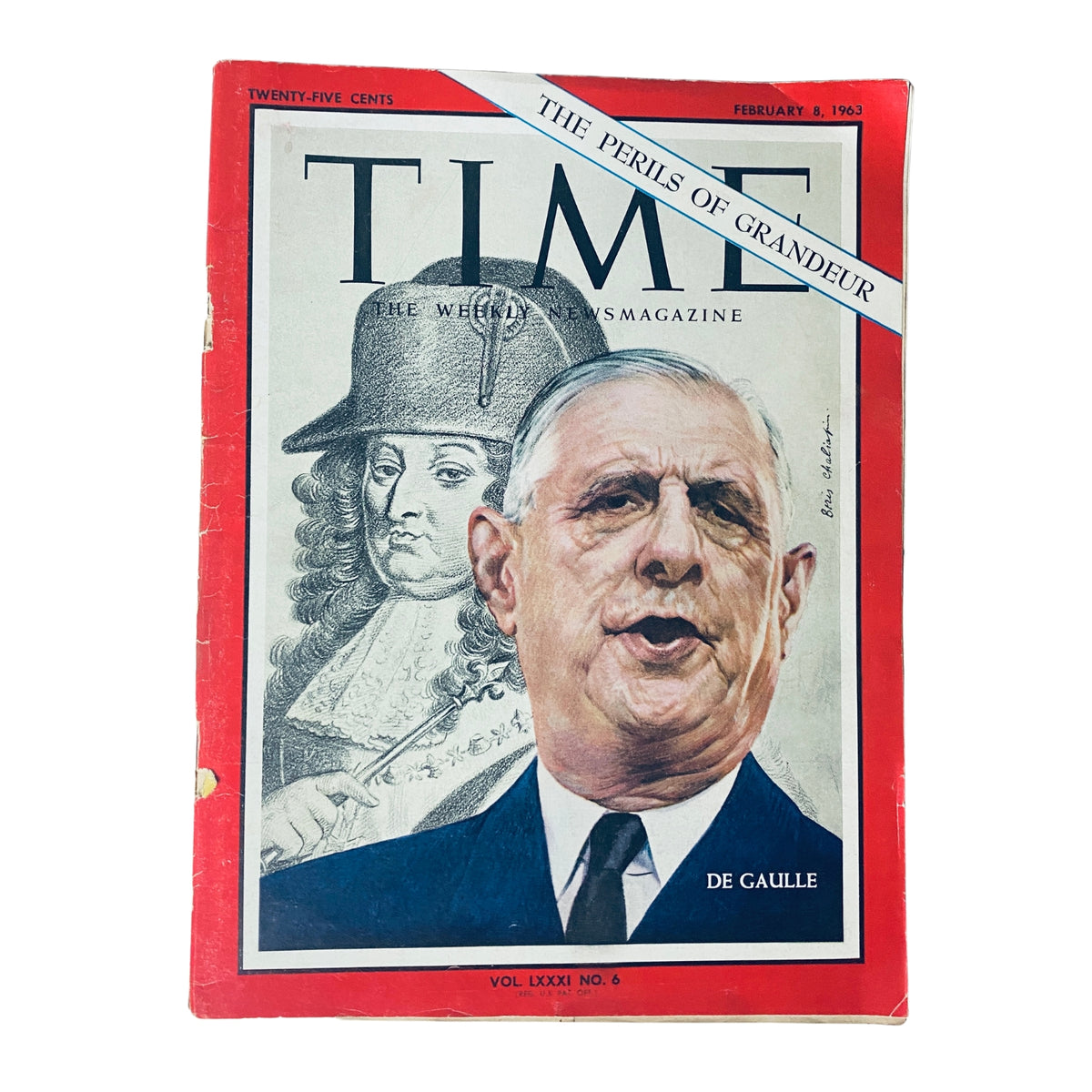
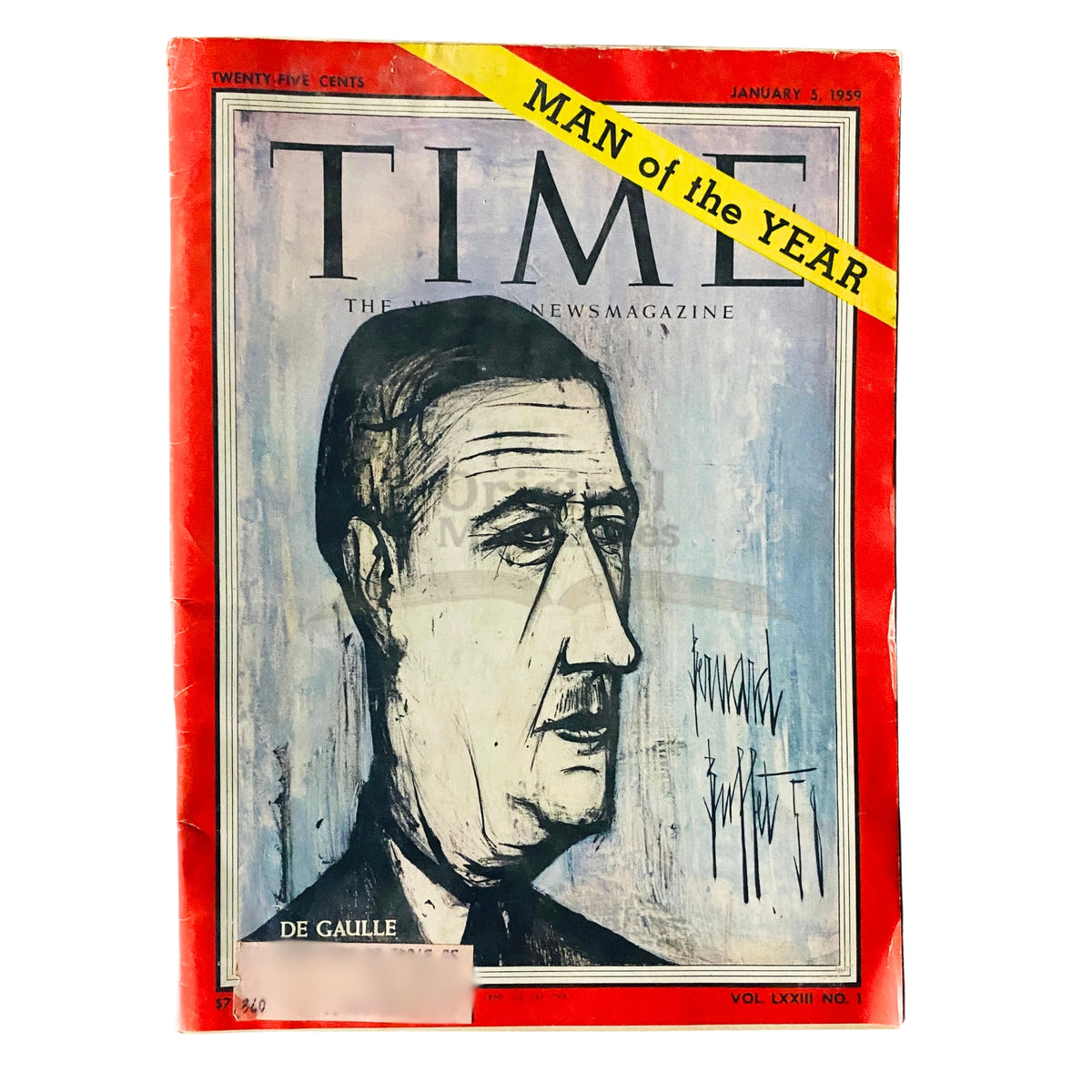
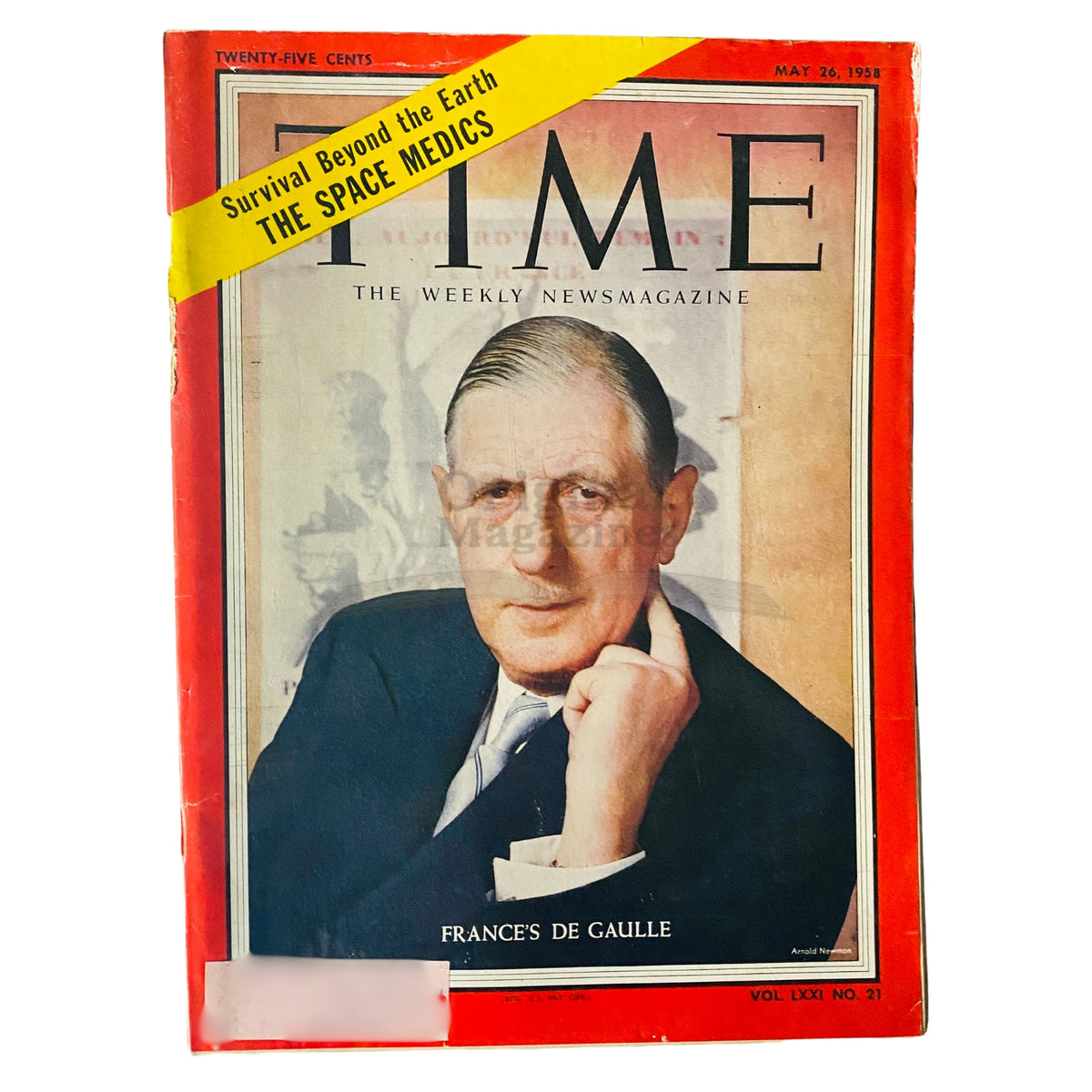
- The Return to Power (1958): Issues documenting the Algerian Crisis, the dramatic call to govern, and the birth of the Fifth Republic — a constitutional revolution covered with urgency and gravitas by both French and international press.
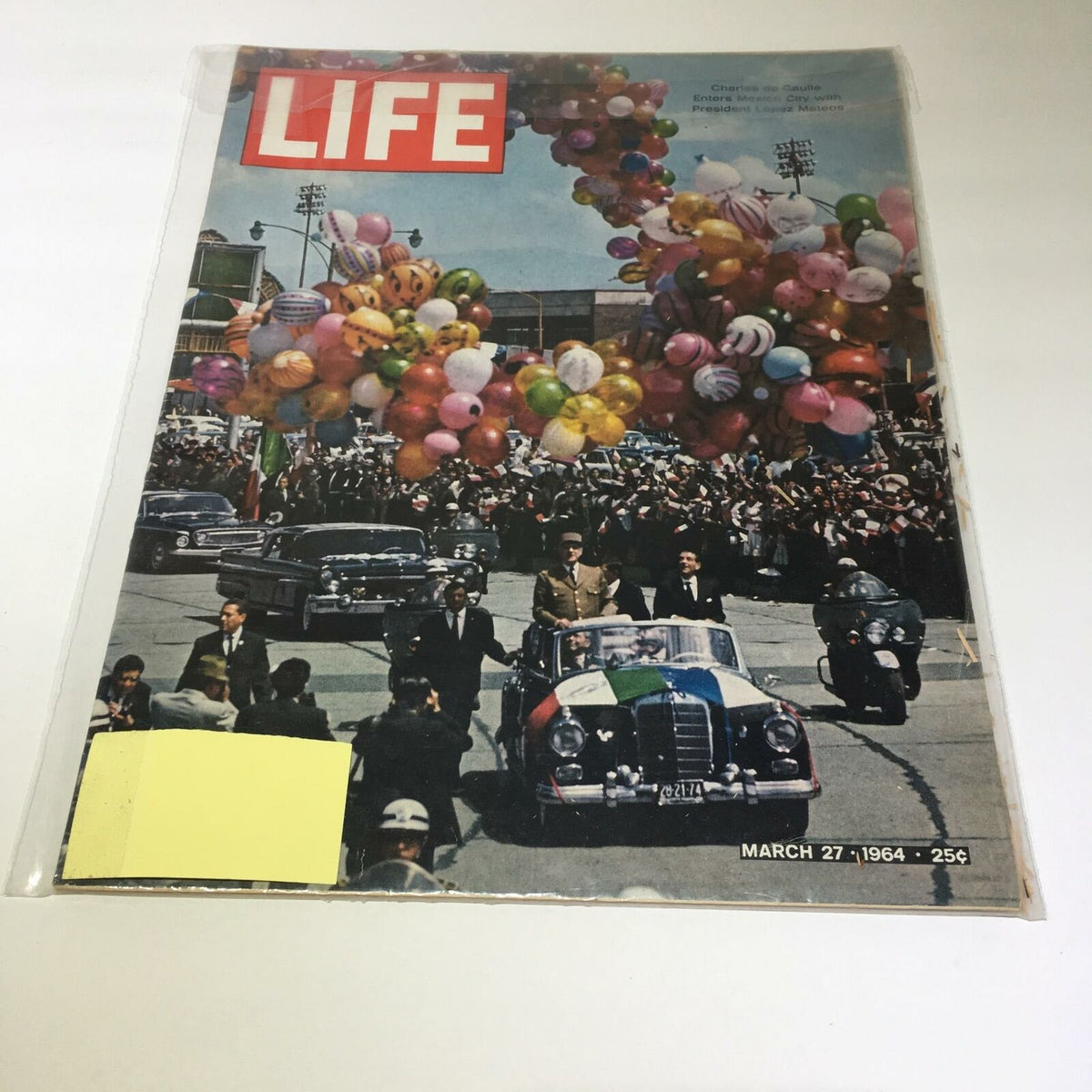
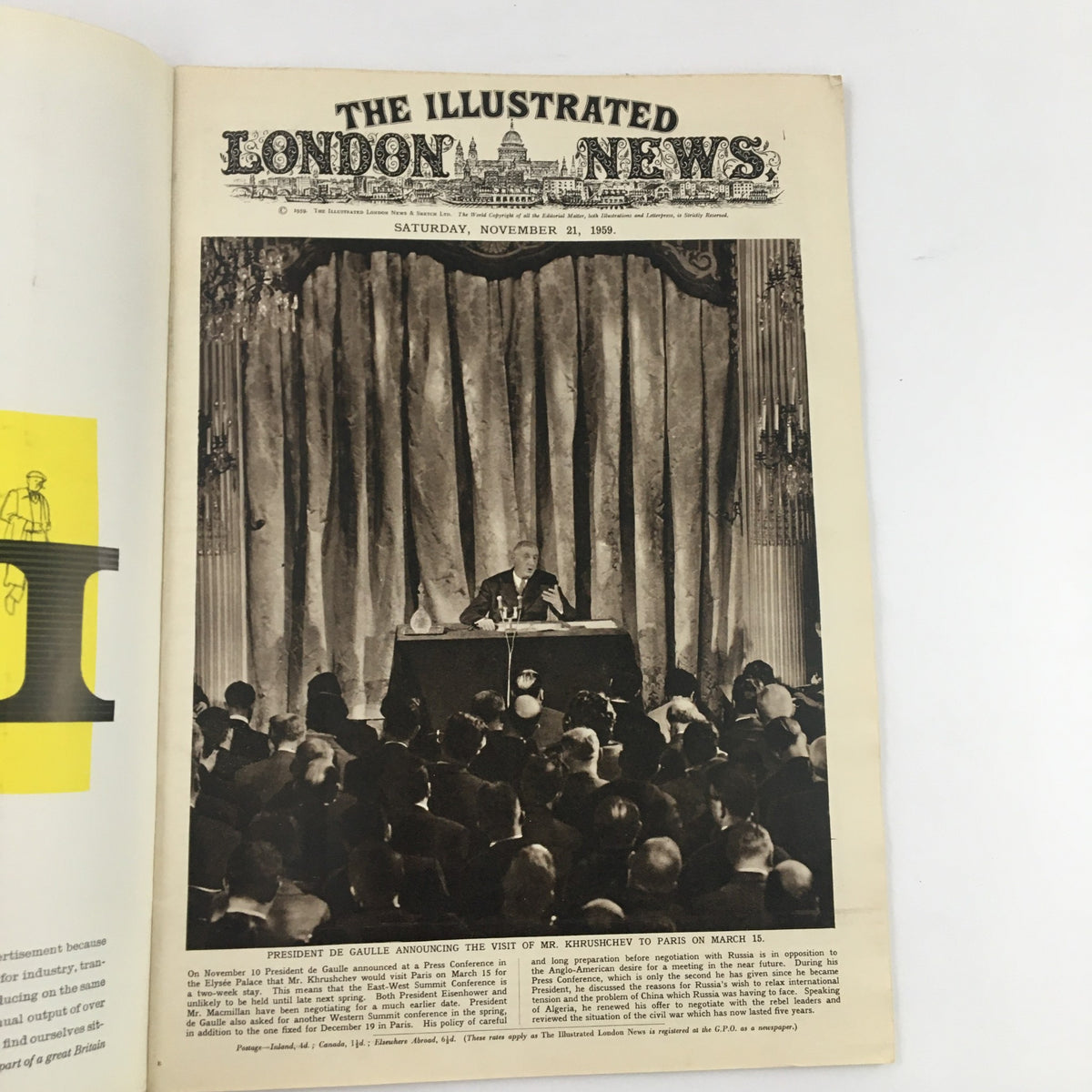
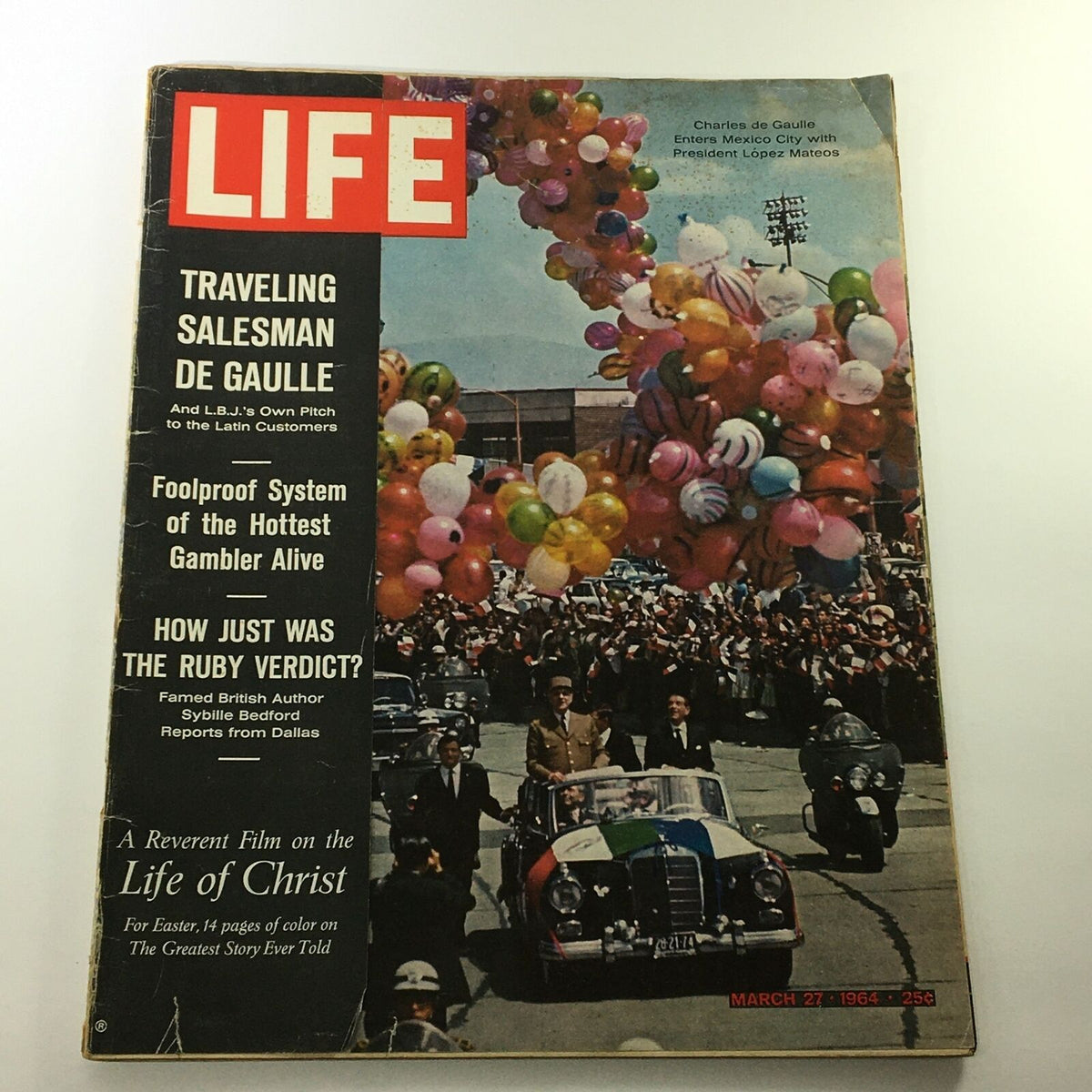
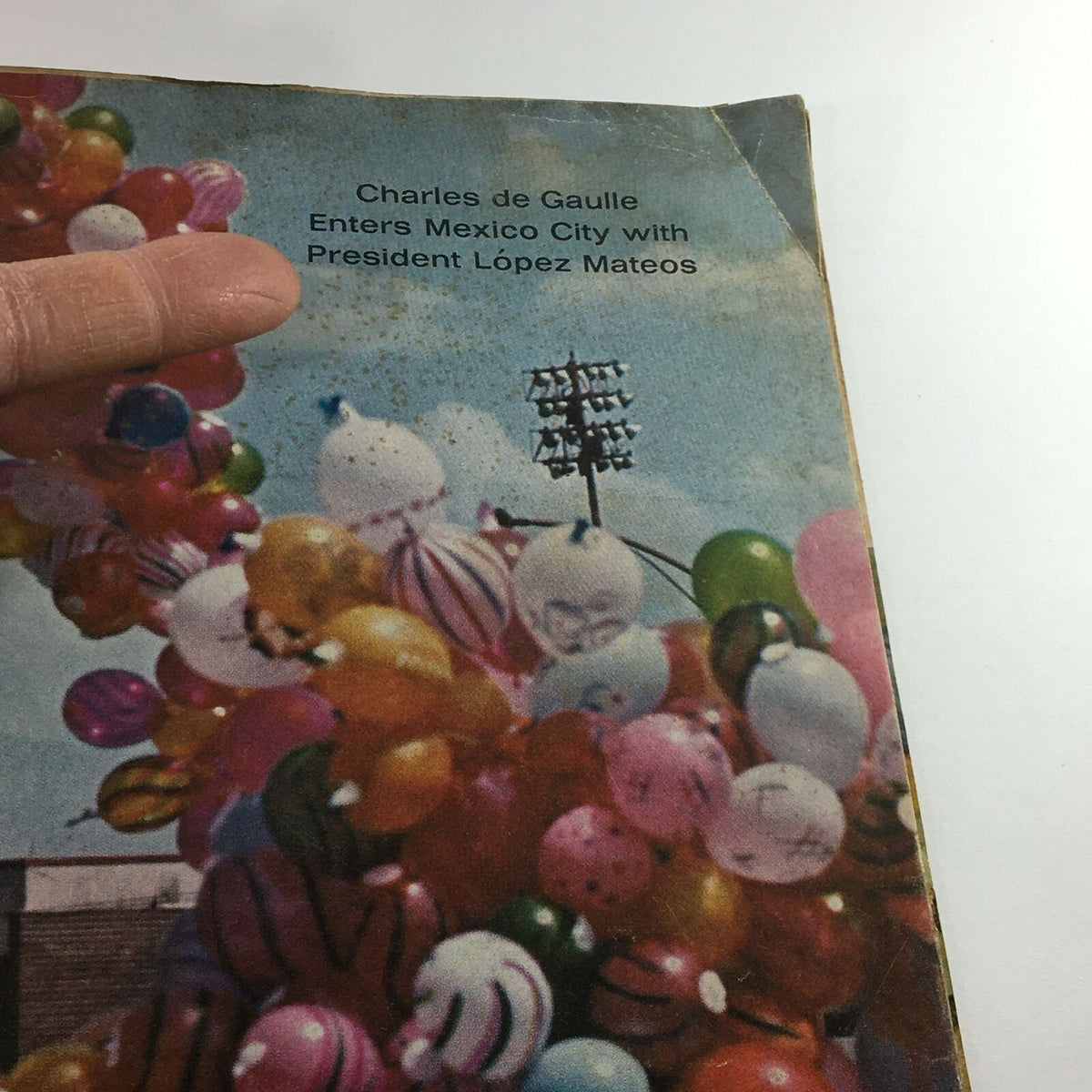
- Presidential State Visits & Cold War Diplomacy: Photo-rich spreads from the General's landmark visits to the United States, the Soviet Union, Latin America, and his controversial trip to Quebec, where his "Vive le Québec libre!" declaration sent shockwaves through the diplomatic world.
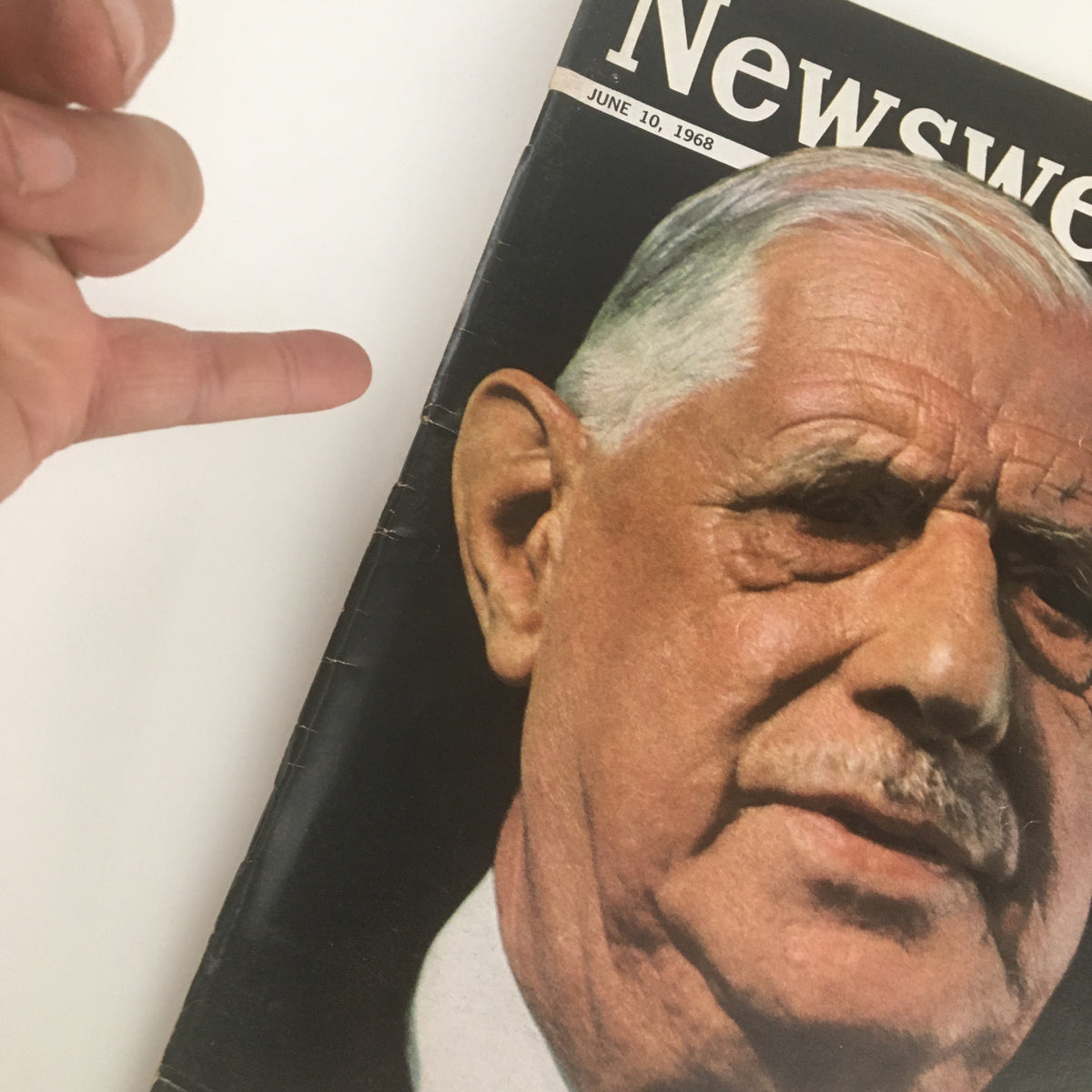
- May 1968 & Civil Unrest: Rare and visually electric coverage of the student and worker uprisings that shook the Fifth Republic — a moment where the invincible image of the General suddenly appeared mortal, captured in stark, immediate photography.
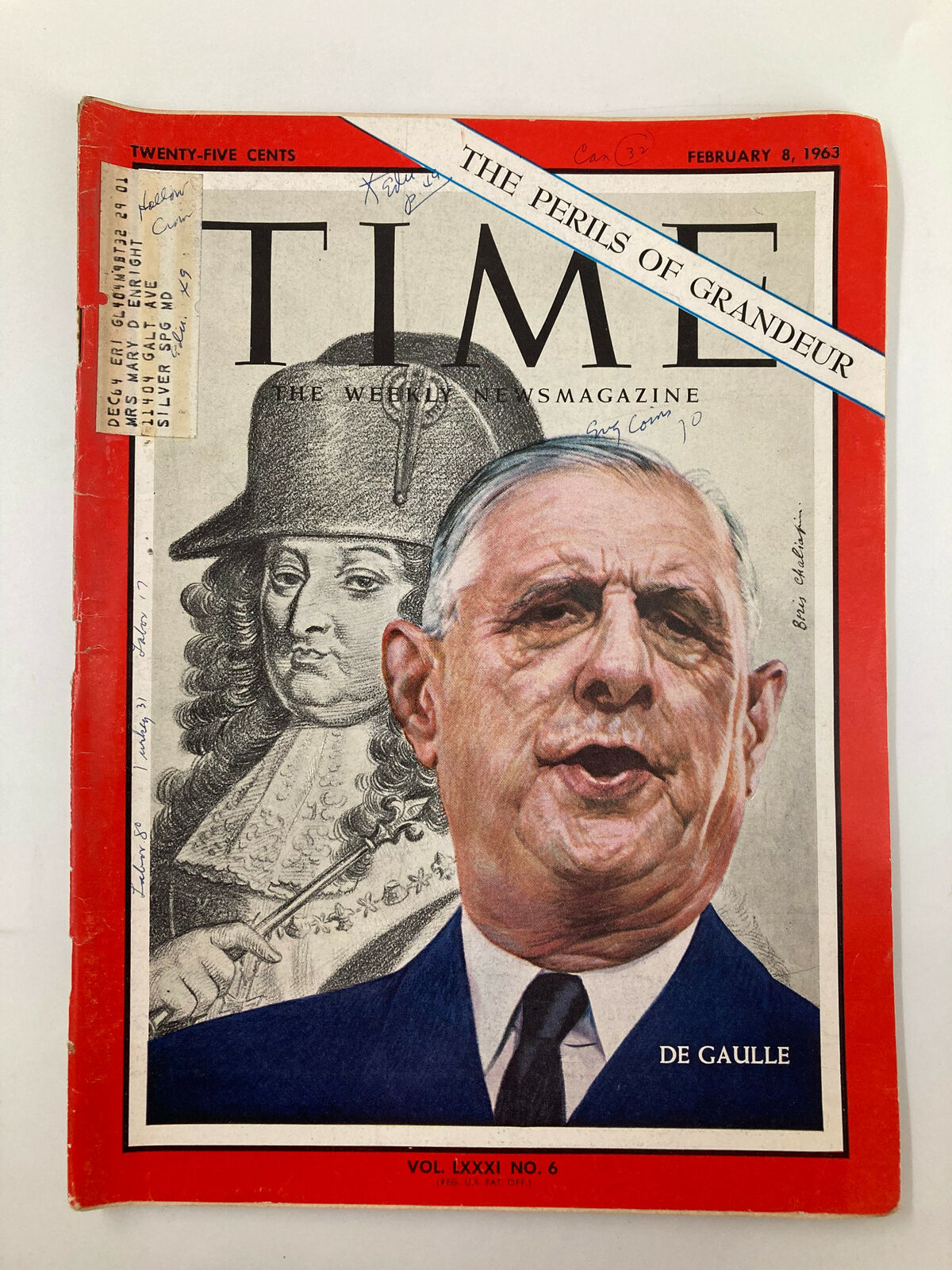
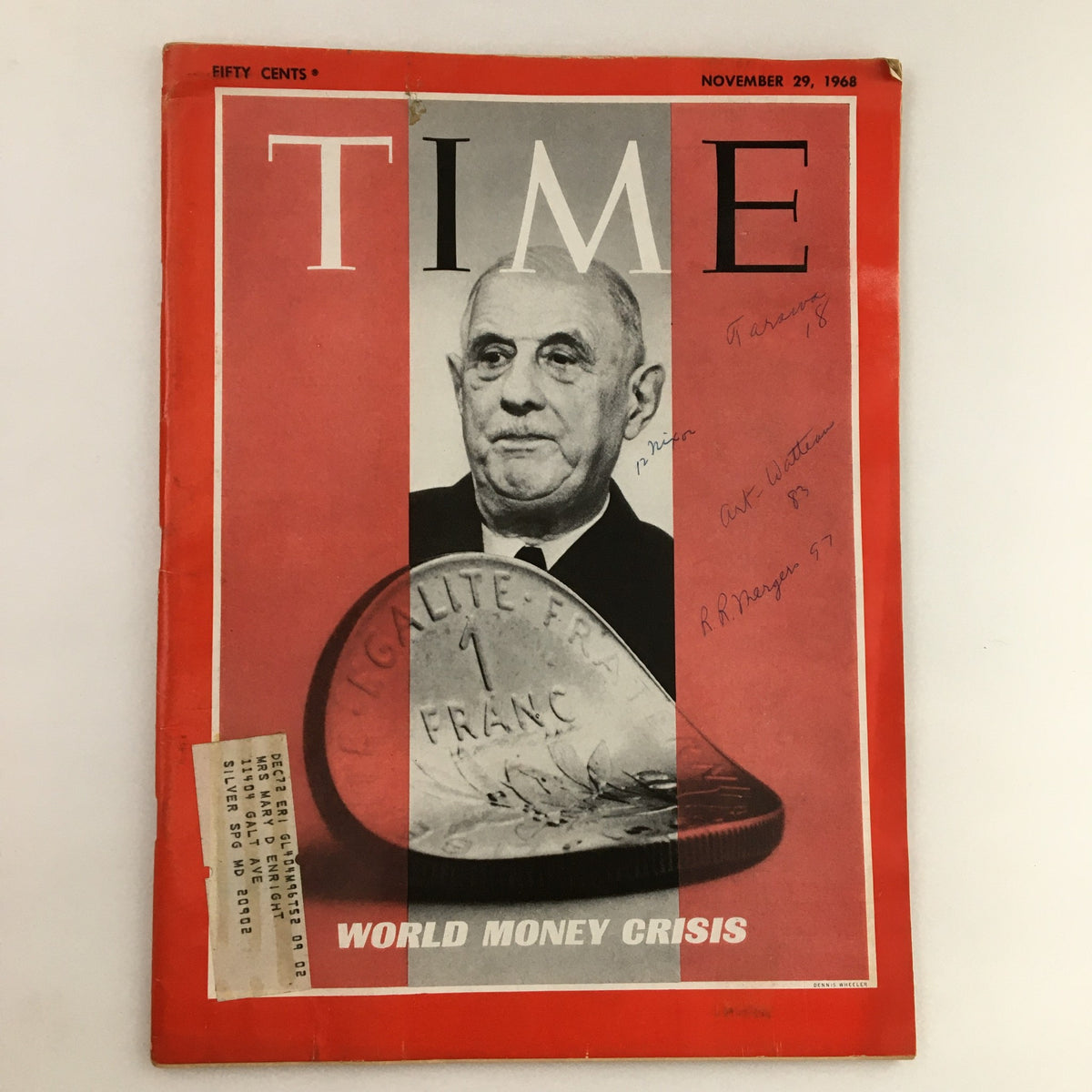
- Death & National Mourning (1970): Memorial issues from Paris Match, Le Figaro, Time, and international publications paying tribute to the passing of a titan — deeply emotional collector's items that mark the close of an era in French and world history.
The Collector's Value
To hold one of these original issues is to hold a fragment of the twentieth century's most turbulent and consequential decades. The paper itself tells a story — the slightly brittle, cream-toned pages of a French weekly from 1944 carry a texture and a scent, that faint, unmistakable perfume of aged ink and time, that no digital archive can replicate. The vintage advertisements surrounding the editorial content — for Citroën automobiles, French perfumeries, postwar luxury goods — place the reader viscerally inside the moment, reminding us that this news was consumed by real people, in real time, with no knowledge of how the story would end. These are not reprints or commemorations; they are primary sources, the very same objects that shaped public perception of one of history's most commanding statesmen as events unfolded. For collectors of wartime and resistance history, French political and cultural heritage, or mid-century press photography and photojournalism, these publications offer an irreplaceable window into the living legend of de Gaulle — his glory, his contradictions, and his enduring grip on the French national imagination. Explore the current available inventory below and discover which pieces of this remarkable story are waiting to find their next custodian.