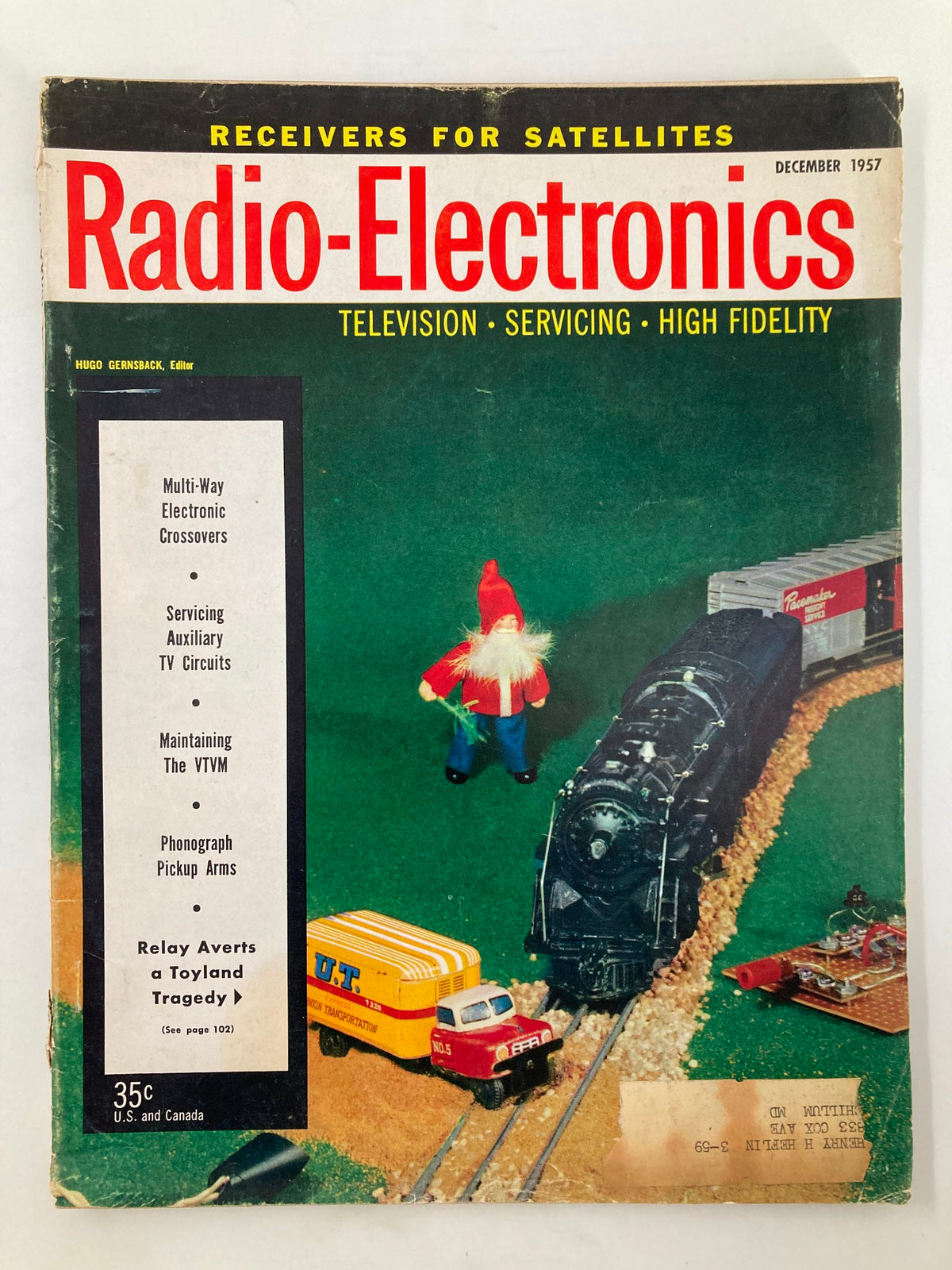
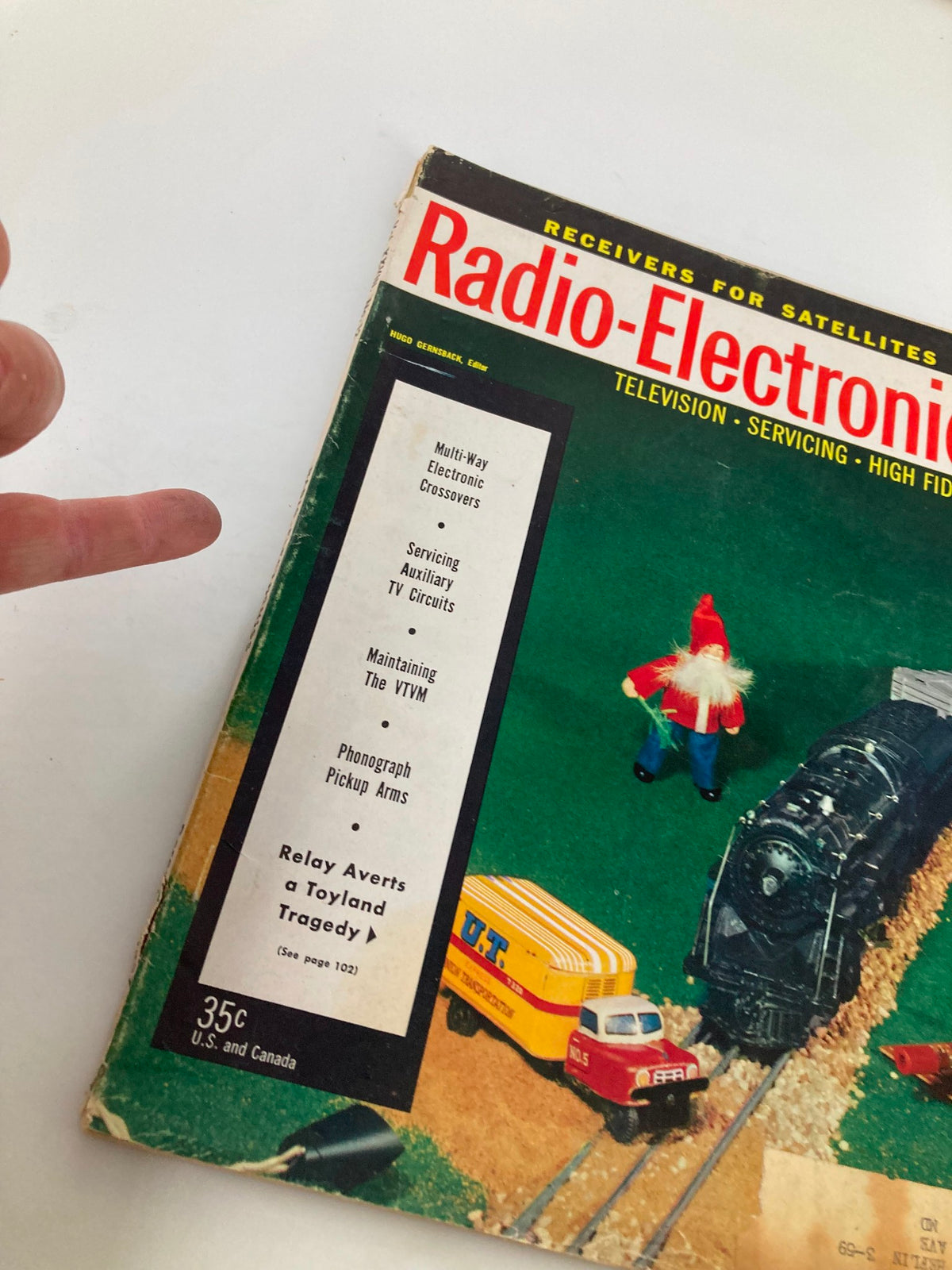
📖 About this Collection
December 1957: The Month America Held Its Breath
The Historical Context
The nation crackled with Cold War tension as December 1957 opened with a humiliating failure and closed with a cautious triumph. On December 6th, the world watched America's first satellite launch attempt explode on the launchpad—the Vanguard rocket collapsing in flames just two seconds after ignition, a stark contrast to the Soviet Union's Sputnik success months earlier. Yet by month's end, redemption arrived: the Shippingport Atomic Power Station in Pennsylvania became the world's first full-scale nuclear power plant dedicated entirely to peacetime use, generating electricity on December 18th and symbolizing America's determination to lead through innovation rather than military might alone. Between these bookends, President Sukarno expelled all Dutch citizens from Indonesia, escalating post-colonial tensions, while the AFL-CIO voted to expel the powerful Teamsters union amid corruption scandals. This was the world your loved one entered—a moment when technological ambition collided with geopolitical uncertainty, and the future felt simultaneously thrilling and precarious.
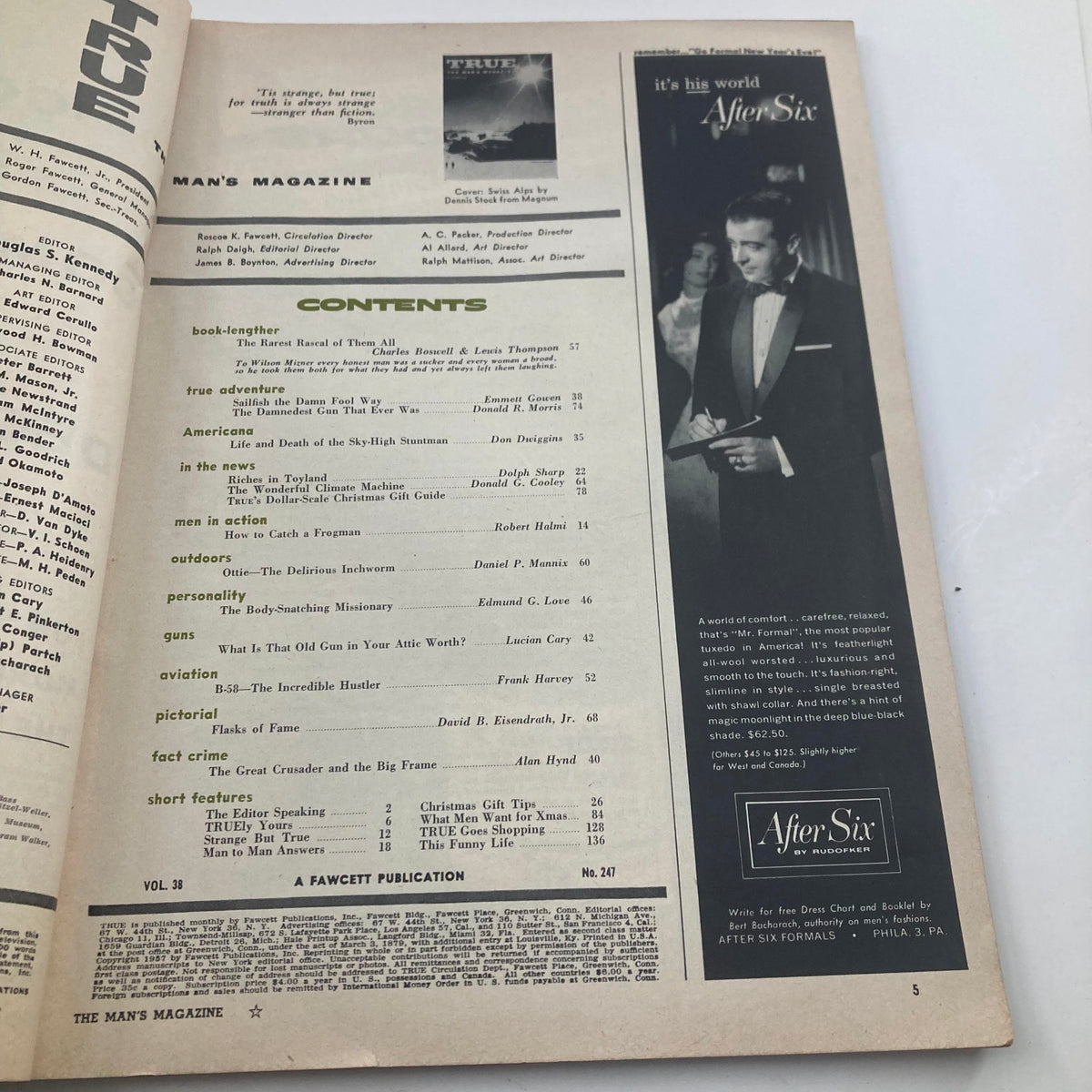
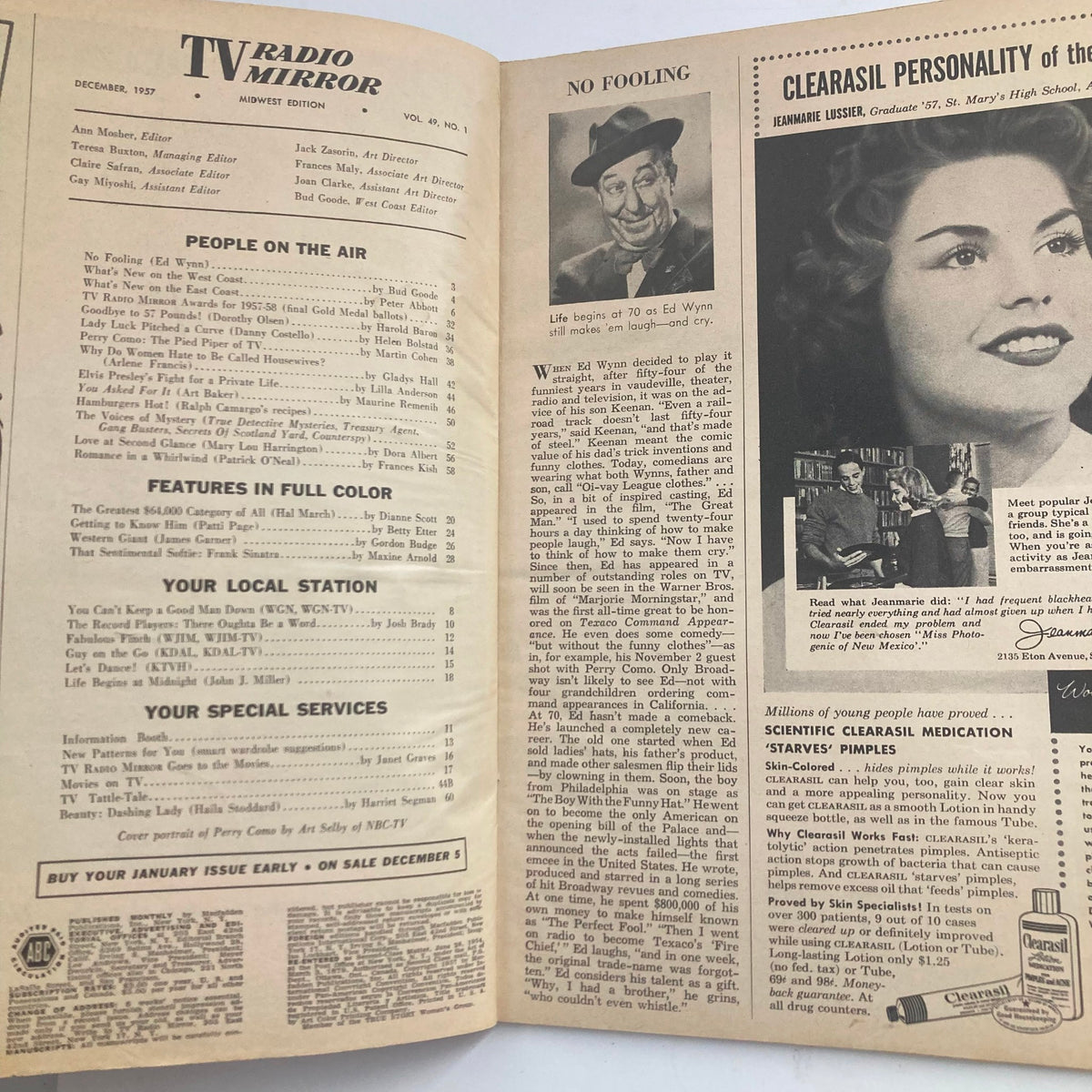
The nation's living rooms witnessed cultural history this December, as entertainment pushed boundaries and broke barriers. CBS broadcast "The Sound of Jazz" on December 8th, capturing an unrepeatable moment: the final collaboration between Billie Holiday and Lester Young performing "Fine and Mellow," preserved forever alongside Count Basie, Thelonious Monk, and other legends. On December 1st, Buddy Holly and The Crickets made their "Ed Sullivan Show" debut with "That'll Be the Day" and "Peggy Sue," while Sam Cooke—who'd been bumped the previous month—finally performed "You Send Me," which hit #1 the very next day. Movie theaters premiered "Peyton Place" on December 13th, the scandalous adaptation that made Lana Turner and Hope Lange household names, while Broadway welcomed "The Music Man" on December 19th, destined for 1,375 performances. Original magazines from December 1957 captured Elvis Presley receiving his draft notice on December 20th—a cultural earthquake—alongside advertisements for the era's chrome-finned optimism and Cold War anxieties, from Borazon (harder than diamonds, announced December 12th) to the atomic age's promises and perils.
What to Look for in Vintage Magazines from This Month
-
The Vanguard Disaster: News magazines like Time, Life, and Newsweek featuring dramatic photography of the failed satellite launch, often paired with somber editorials about America's space race standing and illustrated comparisons to Soviet achievements that dominated front covers and photo essays.
-
Elvis's Draft Notice: Entertainment and general interest publications showcasing the December 20th announcement that sent shockwaves through teenage America, with TV Guide and fan magazines chronicling the King's impending military service alongside advertisements for his final pre-Army recordings and concert appearances.
-
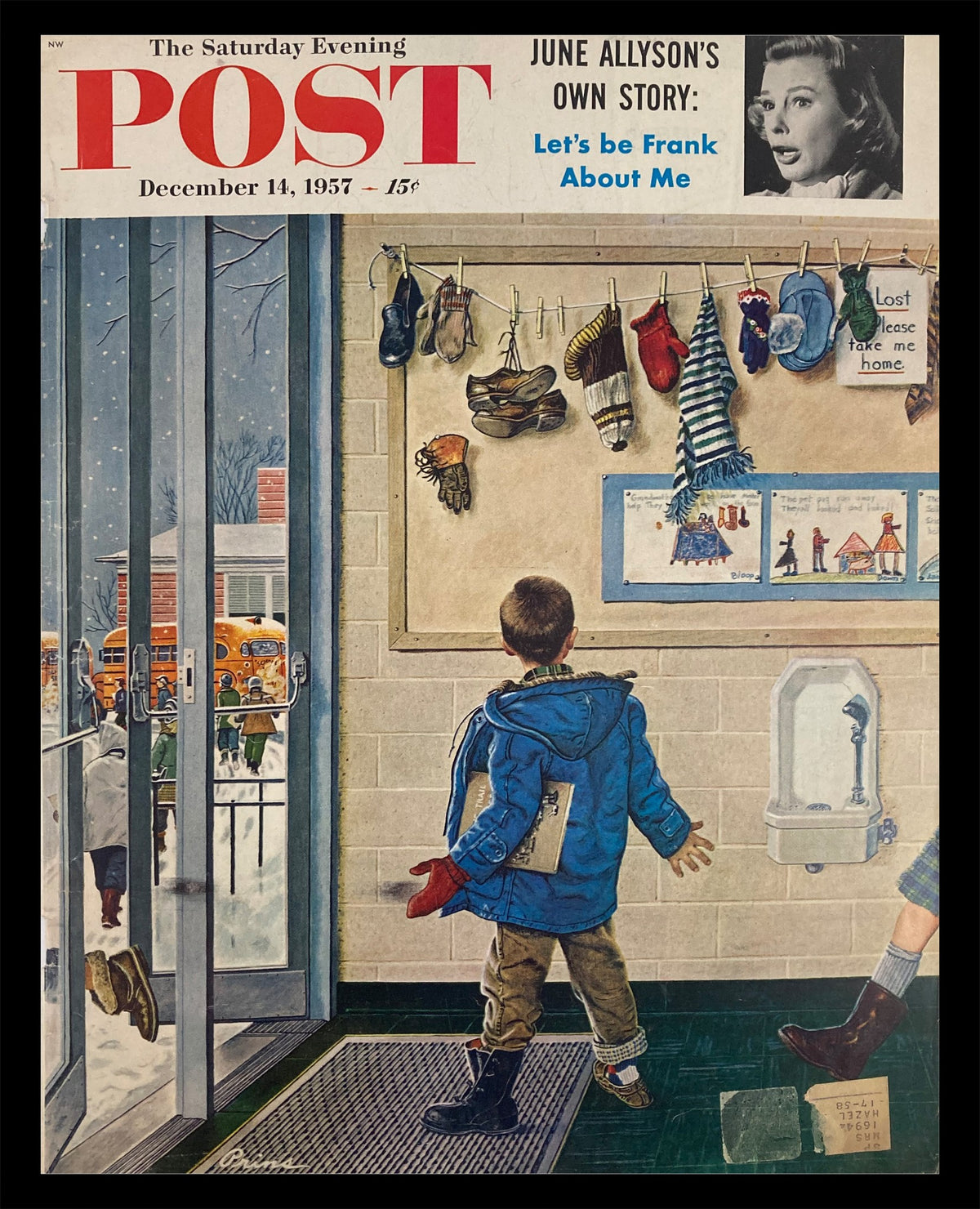
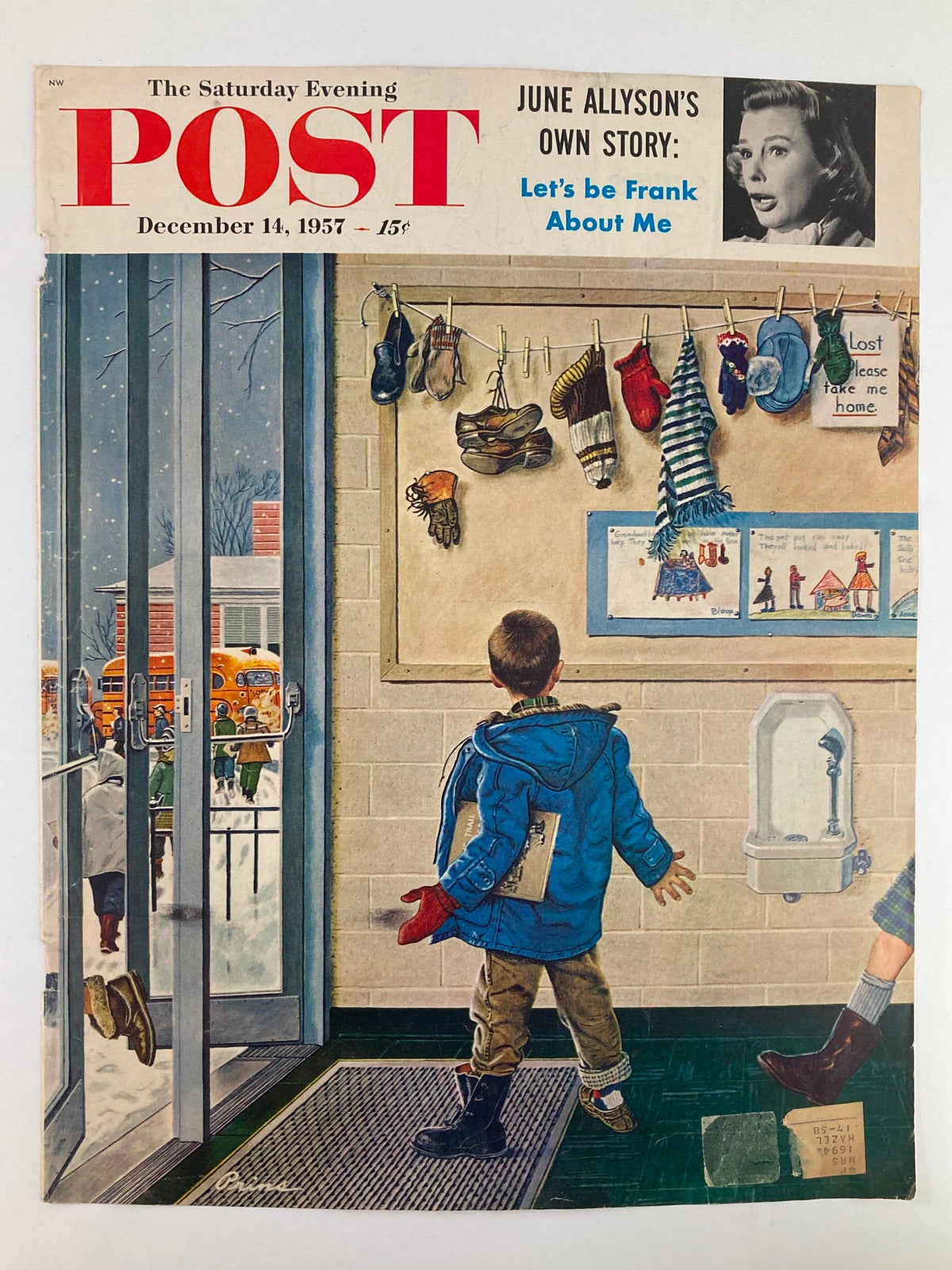
Nuclear Age Optimism: Popular Mechanics, Saturday Evening Post, and news weeklies celebrating Shippingport's December 18th activation with cutaway diagrams of reactor technology, featuring genuine period advertisements for "atoms for peace" initiatives and the consumer products promising an electrified future.
-
Jazz's Televised Moment: Variety and entertainment trade publications reviewing CBS's groundbreaking "Sound of Jazz" broadcast, often featuring rare photographs of Billie Holiday and Lester Young's reunion, with authentic tobacco and alcohol advertising that sponsored these cultural milestones.
-
Broadway's Golden Season: Theater sections in rare magazines documenting "The Music Man" opening alongside "The Most Happy Fella" closing after 678 performances, preserved with original ticket pricing, cast advertisements, and the glamorous nightlife imagery that defined New York's entertainment dominance.
The Perfect Gift
For someone born in December 1957, an original magazine from this pivotal month isn't just a reproduction—it's an authenticated time capsule from when America stumbled in space yet surged forward with atomic innovation, preserved in genuine advertisements, headlines, and photography that no museum archive can replicate.