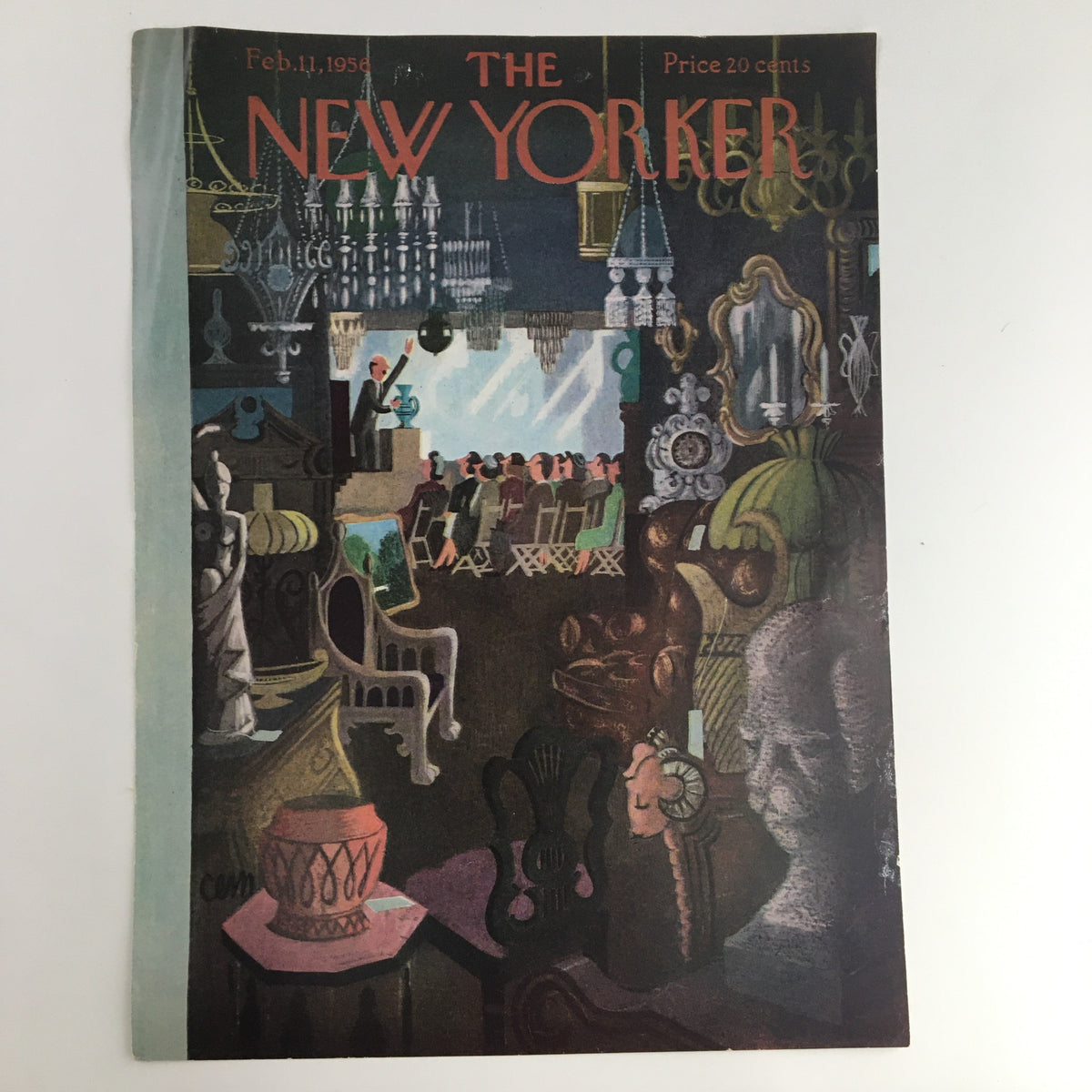
📖 About this Collection
February 1956: The Month the Cold War Cracked Open
The Historical Context
February 1956 arrived wrapped in Olympic glory and winter chill, yet beneath the pageantry of the Cortina d'Ampezzo Games, the foundations of the postwar world were shifting. On February 25, behind closed doors in Moscow, Soviet Premier Nikita Khrushchev delivered his "Secret Speech" denouncing Stalin—four hours of revelations that would send shockwaves through communist parties worldwide and mark the beginning of de-Stalinization. The world was simultaneously watching American figure skaters Hayes Alan Jenkins and Tenley Albright claim gold medals for the United States, their triumphs splashed across magazine covers while diplomatic cables hummed with news of the Khrushchev bombshell. In Alabama, Autherine Lucy's brief admission to the University of Alabama ended in suspension after campus riots, a painful preview of the civil rights battles that would intensify throughout the decade. President Eisenhower announced his bid for a second term on February 29, positioning himself as the steady hand in an increasingly uncertain era. This was the world your loved one entered in February 1956—a month when Olympic idealism collided with Cold War realities.
The Cultural Landscape
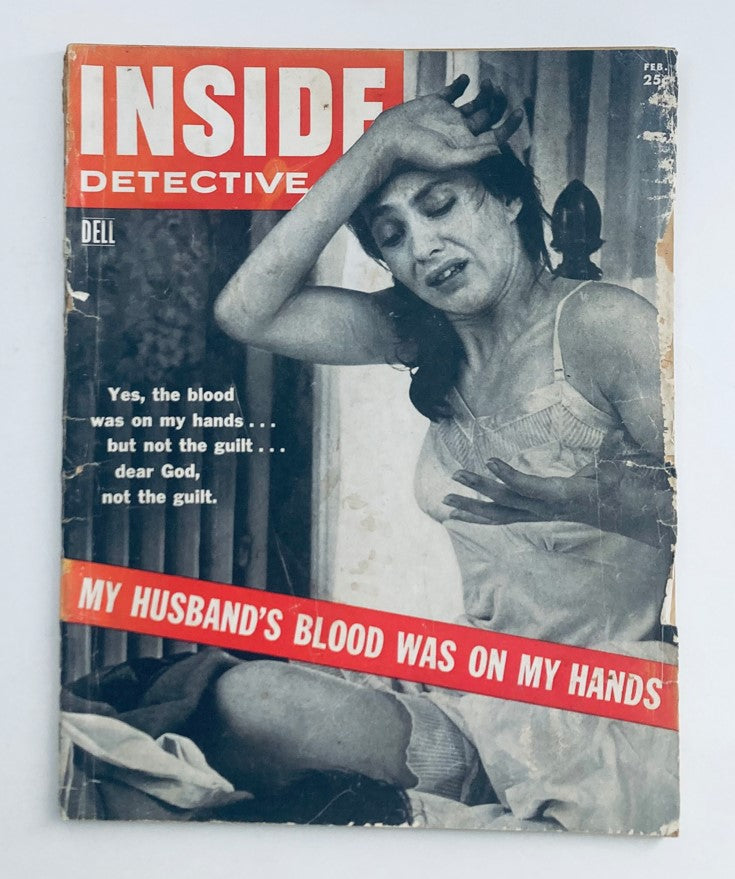
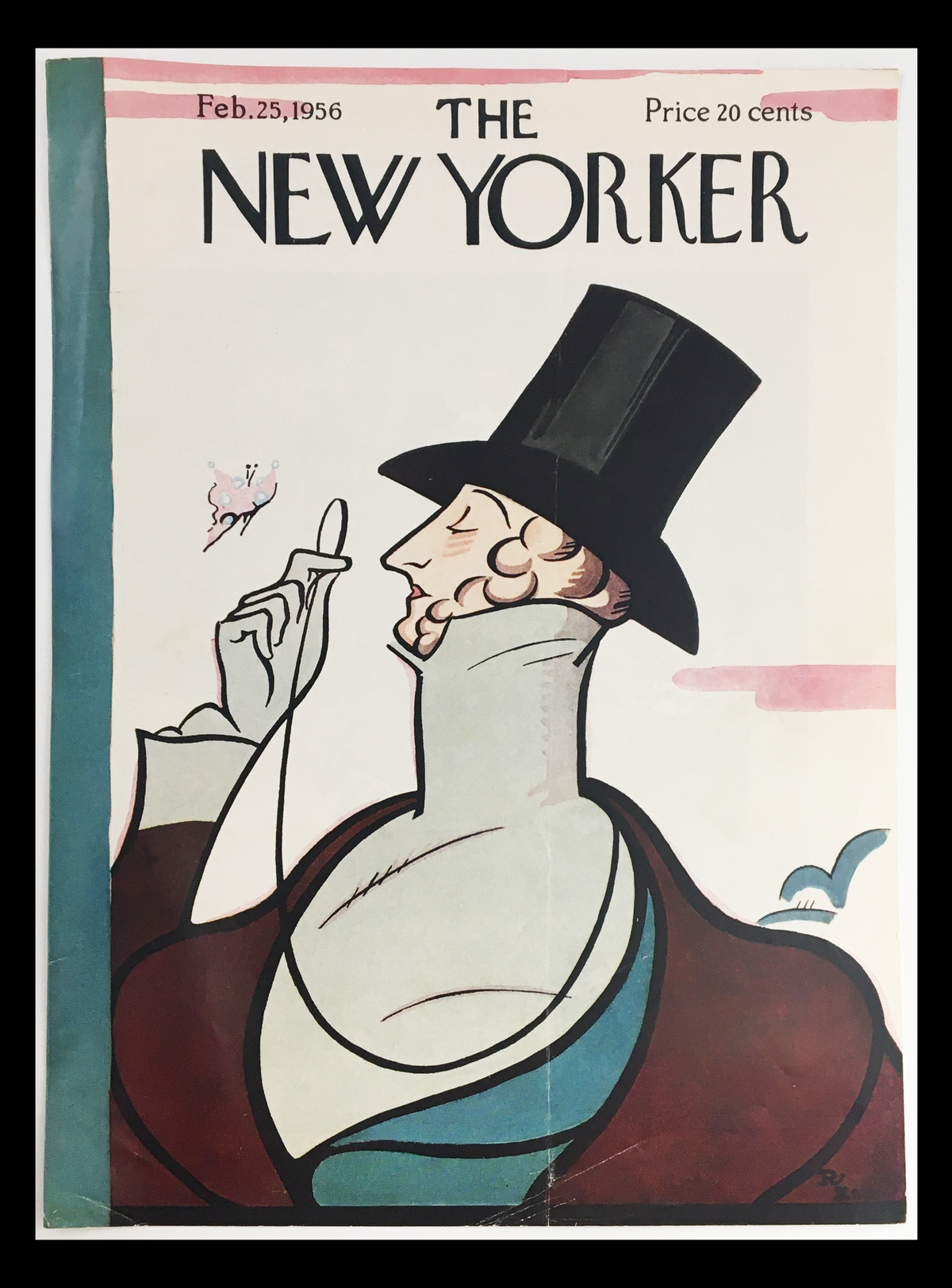
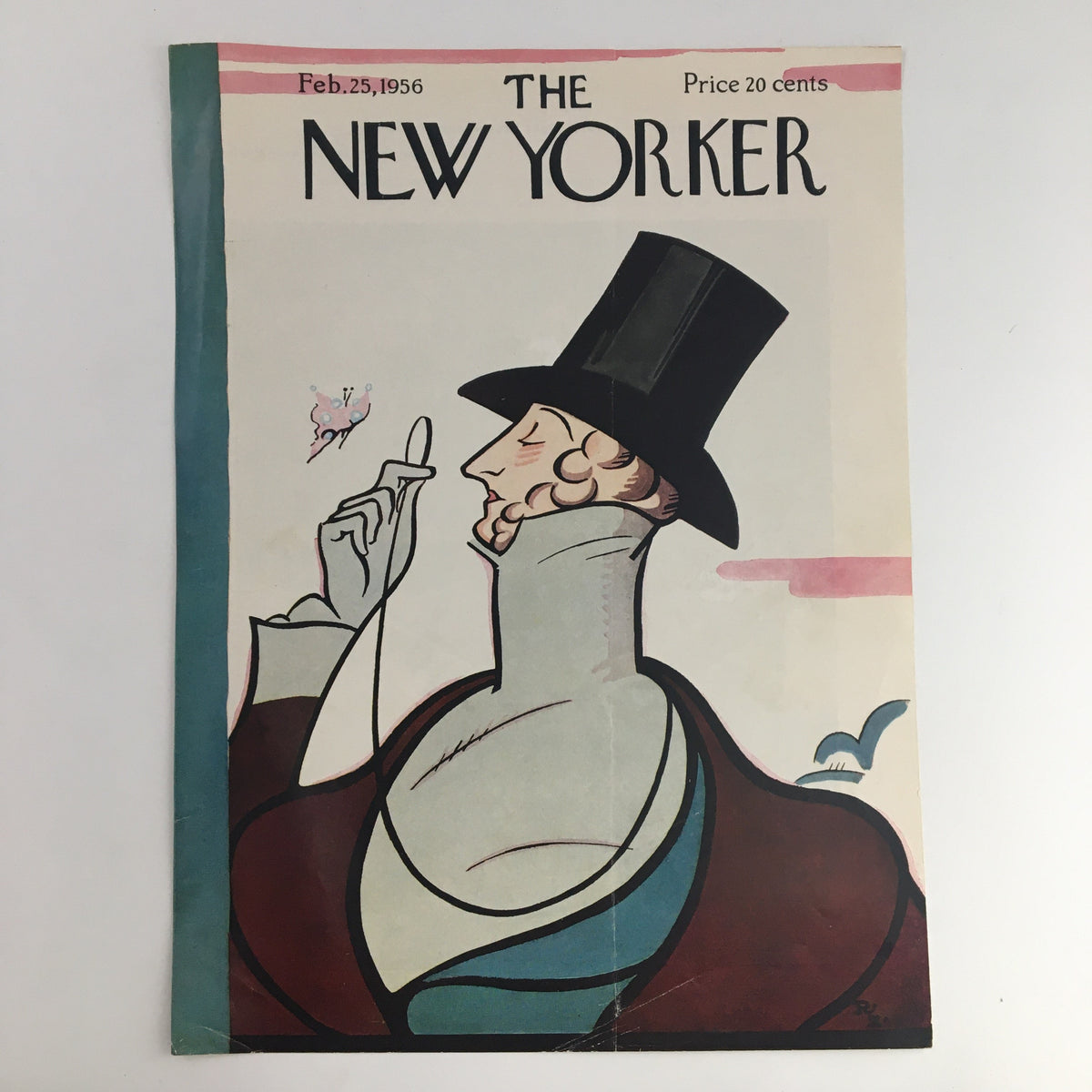
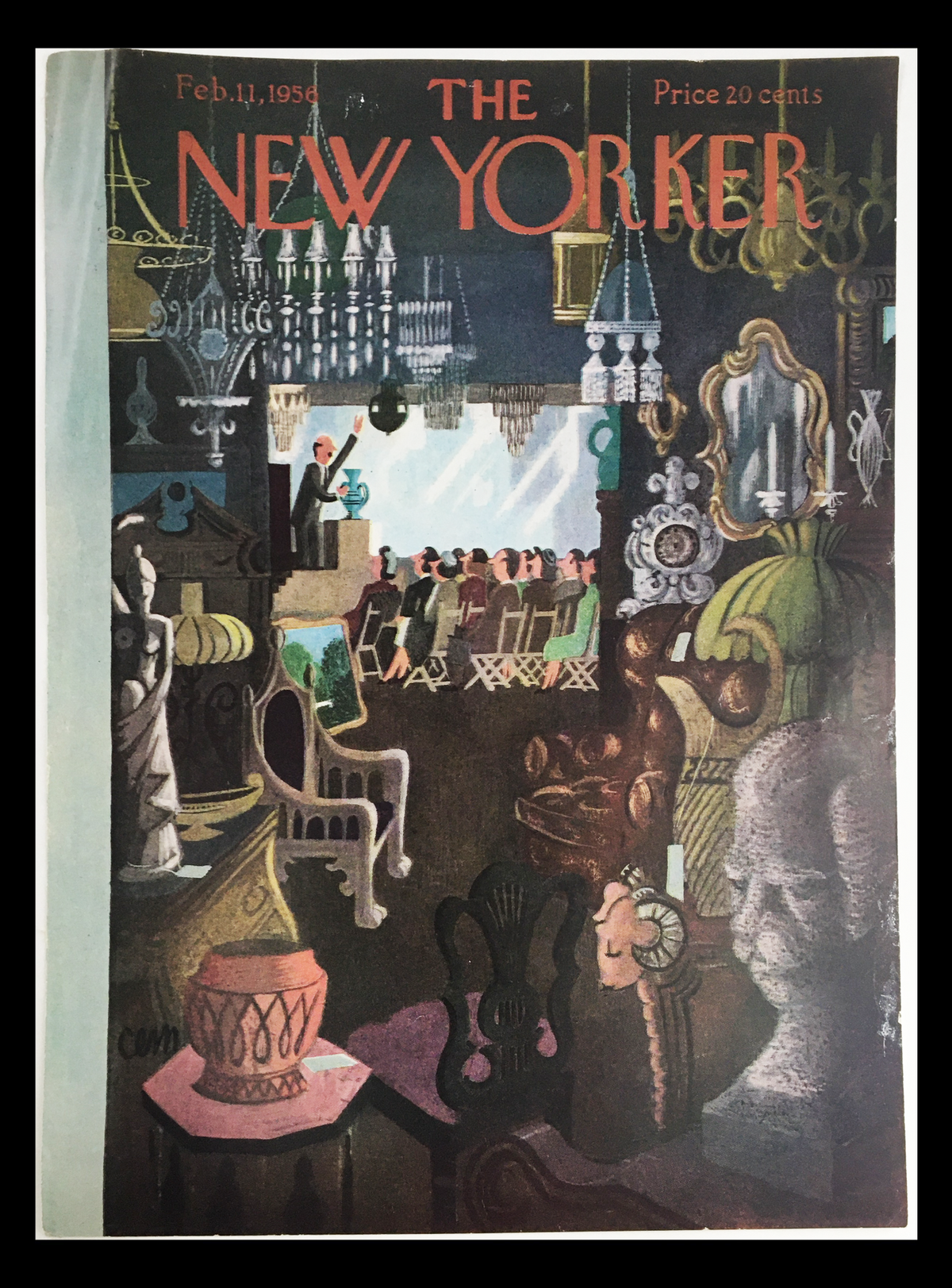
While headlines chronicled global tensions, American popular culture was finding its voice in unexpected places. In a New Haven church basement, The Five Satins recorded "In the Still of the Nite" on February 19, a doo-wop masterpiece that would become one of the genre's most enduring love songs. Television welcomed "My Friend Flicka" to CBS on February 10, bringing wholesome frontier storytelling to living rooms across America. The Golden Globes on February 23 honored "East of Eden" and performances by Ernest Borgnine and Anna Magnani, celebrating Hollywood's embrace of grittier, more realistic storytelling. Sports Illustrated and Life captured Austrian skier Toni Sailer's historic sweep of all three alpine events at Cortina—the first athlete ever to accomplish this feat. Original magazines from February 1956 chronicle these cultural moments alongside advertisements for television sets and Ford's latest models, preserving the precise moment when Cold War anxiety and domestic prosperity existed in peculiar tension. Fashion magazines like Vogue documented the elegant silhouettes of mid-decade style, while news weeklies tracked every twist in the integration crisis unfolding in Tuscaloosa.
Curator's Checklist: What to Look For in February 1956 Issues
-
Cortina d'Ampezzo Winter Olympics: Sports Illustrated and Life vintage magazines featuring dramatic photography of American figure skating victories, Toni Sailer's alpine skiing dominance, and the Soviet Union's first Olympic hockey gold—often showcasing the glamorous Italian resort backdrop and Cold War medal count tallies.
-
Khrushchev's Secret Speech: Time and Newsweek rare magazines chronicling the seismic shift in Soviet politics with analytical pieces on de-Stalinization, accompanied by stern portraits of Khrushchev and retrospectives on Stalin's 30-year reign—a collector's gateway to understanding the thaw in the Cold War.
-
Autherine Lucy Crisis: Look and Ebony featuring photojournalism documenting the University of Alabama integration attempt and subsequent riots, preserving the raw tensions of the civil rights movement's early battles in the Deep South with powerful black-and-white imagery.
-
Eisenhower's Reelection Announcement: News weeklies presenting the popular president's February 29 declaration with analysis of his health (recovering from a heart attack), Democratic challengers, and America's prosperity narrative—often illustrated with campaign photography and political cartoons.
-
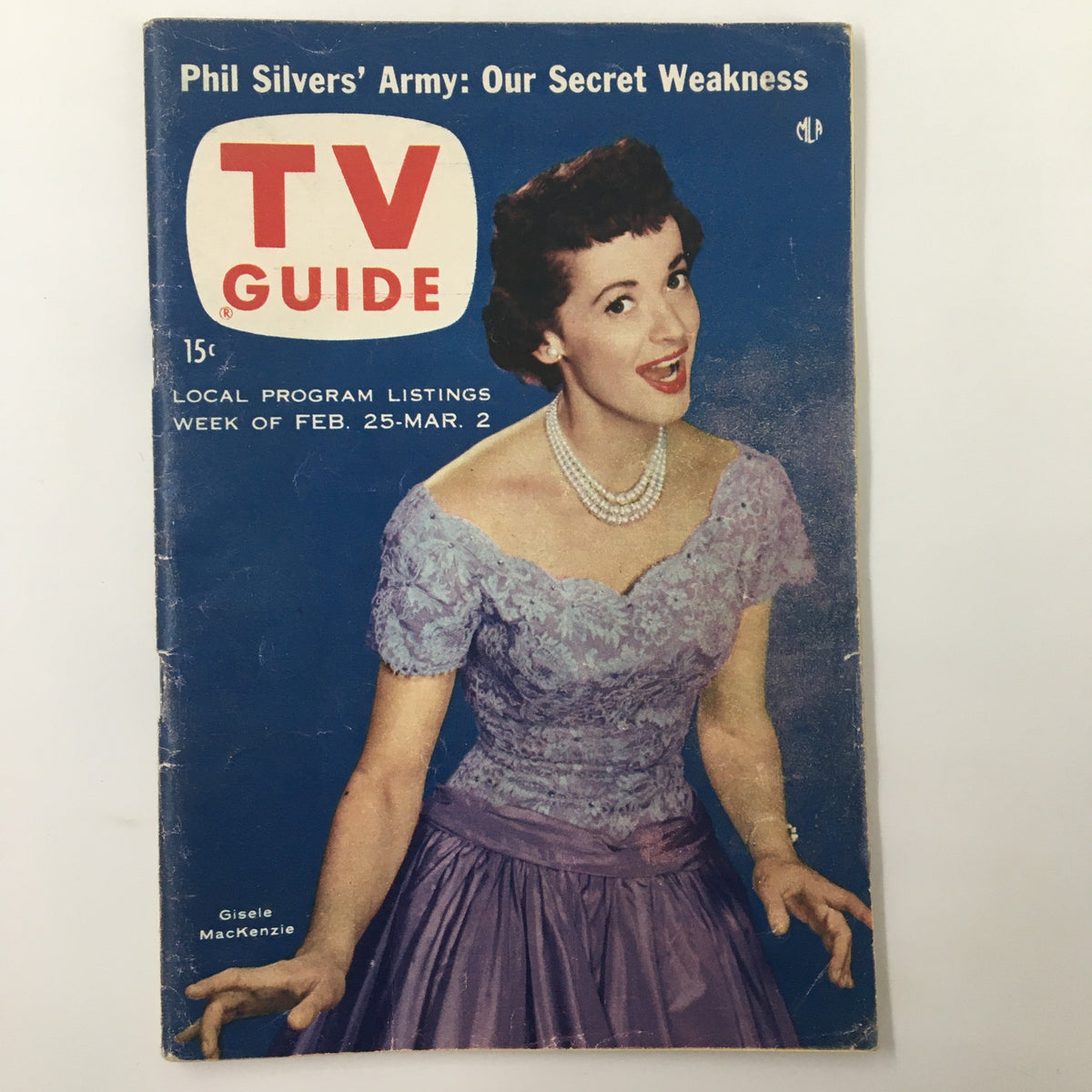
Entertainment and Music Coverage: Variety and TV Guide (then three years old) showcasing television's expanding influence with "My Friend Flicka" premiere coverage, while Saturday Evening Post advertisements captured the consumer optimism of mid-1950s America with authentic period styling and aspirational imagery.
The Perfect Birthday Gift
For someone born in February 1956, an original magazine from this historic month isn't just a collectible—it's an authenticated time capsule from the precise moment when Olympic triumph, Cold War revelation, and civil rights courage converged, preserved in genuine advertisements, headlines, and photography that no reproduction can replicate.