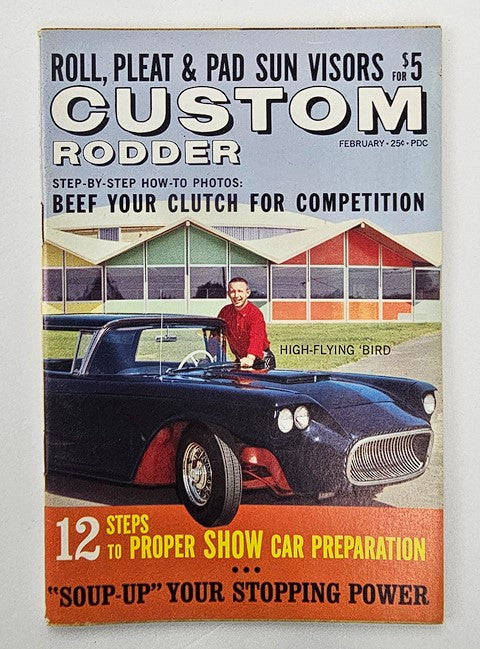
📖 About this Collection
February 1962: The Month America Reached for the Stars
The Historical Context
The world held its breath on February 20, 1962, as John Glenn circled the Earth three times aboard Friendship 7, making him the first American to orbit our planet. This triumph came against the backdrop of escalating Cold War tensions—President Kennedy had just days earlier imposed a complete trade embargo on Cuba, while the USSR continued nuclear testing at Semipalatinsk. In Paris, protests over Algerian independence turned deadly, claiming eight lives, even as French President Charles de Gaulle moved toward granting the colony its freedom. The cosmos itself seemed to acknowledge February's historic significance: on February 5th, seven celestial bodies—Sun, Moon, Mercury, Venus, Mars, Jupiter, and Saturn—aligned within 16 degrees, a rare astronomical event. This was the world your loved one entered in February 1962, when humanity's gaze shifted permanently skyward, even as earthbound conflicts demanded resolution.
Pop Culture & The American Scene
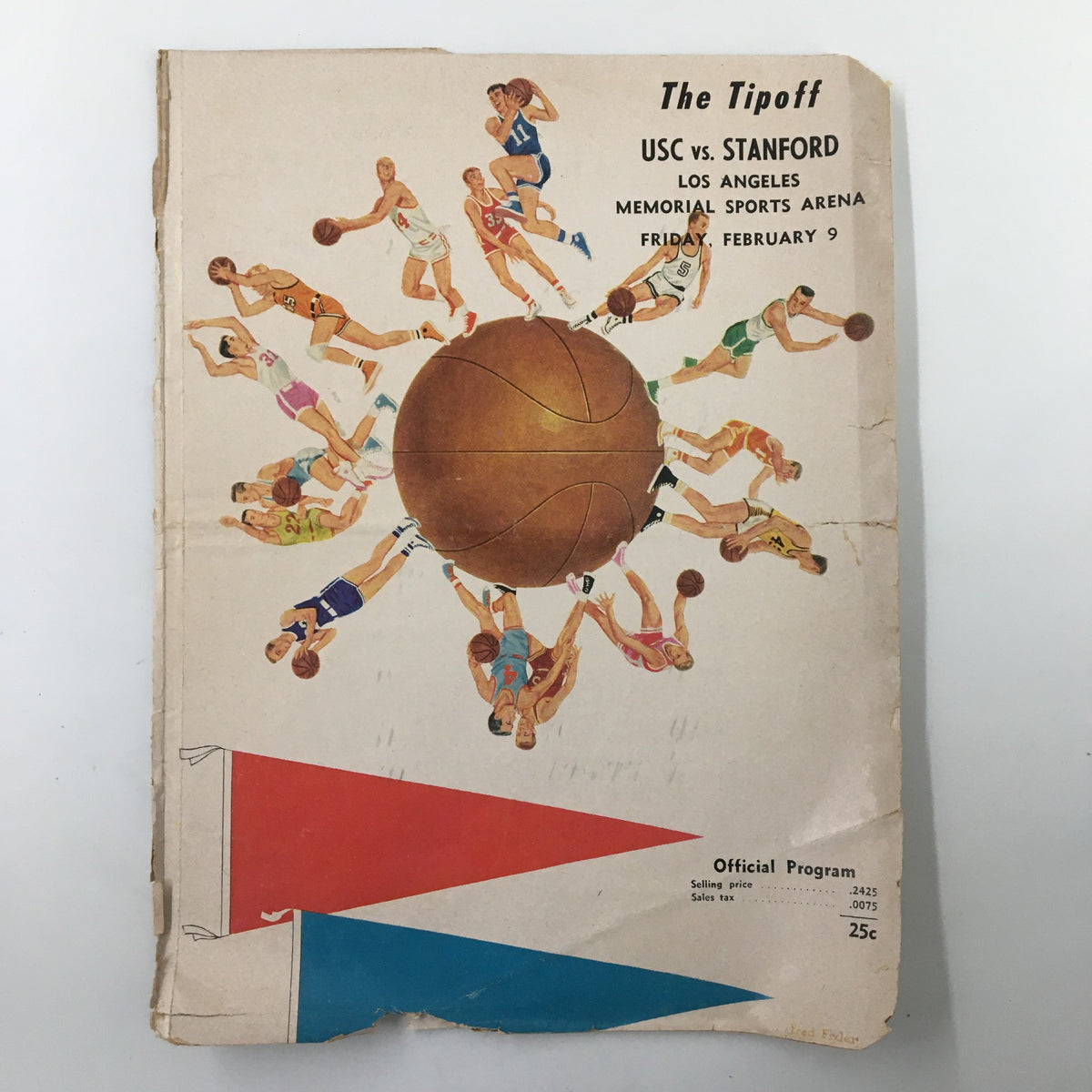
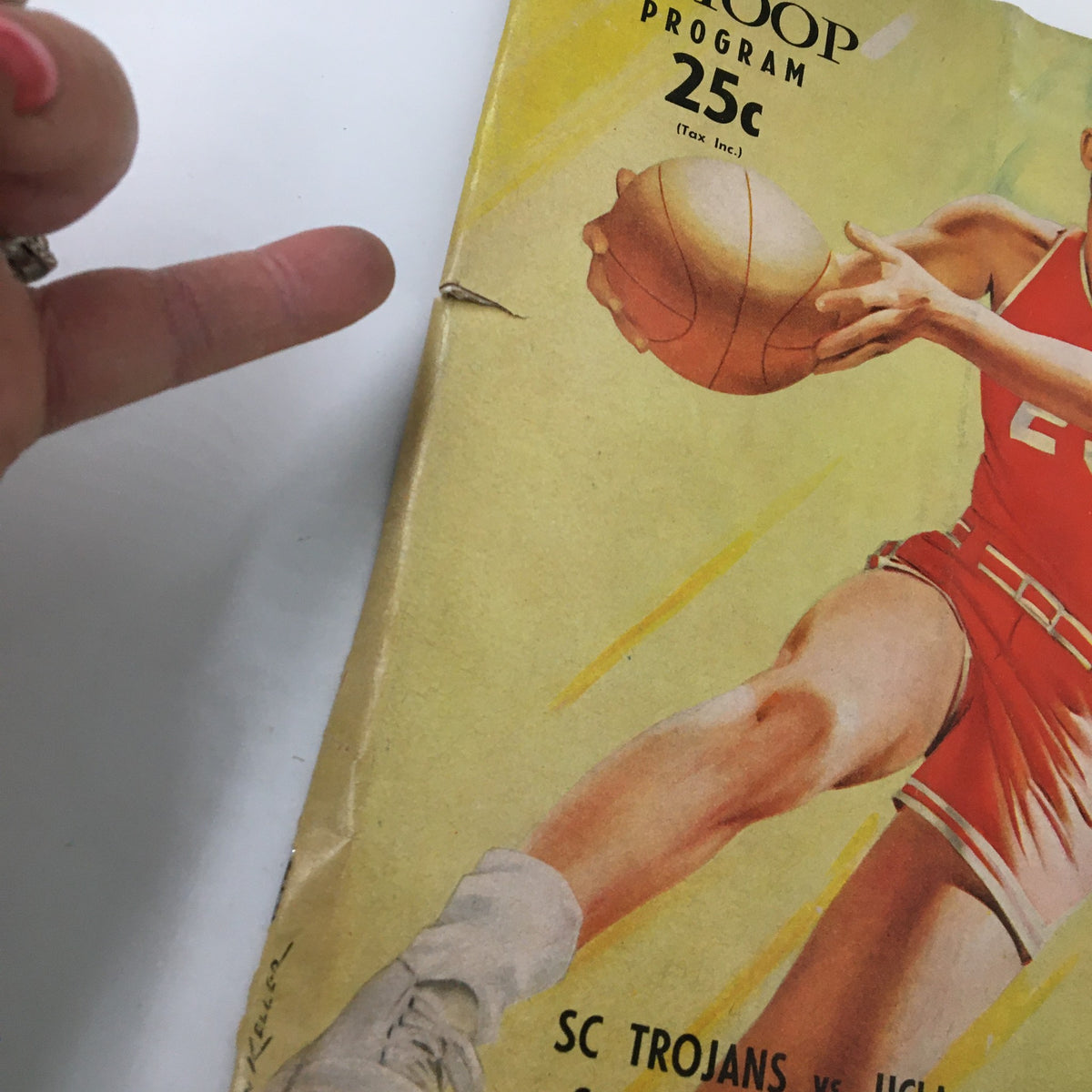
On basketball courts, Wilt Chamberlain was rewriting the record books, attempting an unprecedented 34 free throws in a single game and scoring 67 points against the Knicks for the second consecutive year at Philadelphia Civic Center. Fireball Roberts dominated the fourth Daytona 500, leading 144 of 200 laps to victory. Ken Kesey's groundbreaking debut novel "One Flew Over the Cuckoo's Nest" hit bookstores via Viking Press on February 1st, destined to become a cultural touchstone. Broadway audiences could catch Arthur Kopit's audaciously titled "Oh Dad, Poor Dad, Mamma's Hung You in the Closet and I'm Feelin' So Sad," which premiered late in the month. On Valentine's Day, millions watched as First Lady Jacqueline Kennedy conducted an elegant televised tour of the White House, showcasing her restoration efforts. Meanwhile, the experimental French film "La Jetée" premiered, a science fiction meditation that would inspire decades of filmmakers. These moments—from sports heroics to literary debuts—filled the pages of original magazines from February 1962, their advertisements and photography capturing an era balanced between space-age optimism and cultural transformation.
Curator's Checklist: What to Look for in February 1962 Issues
-
John Glenn's Historic Orbit: Life, Look, and Time vintage magazines featured dramatic cover photography of Glenn entering Friendship 7, with inside spreads showcasing NASA mission control, orbital trajectory maps, and the national celebration that followed America's answer to Soviet space dominance.
-
Kennedy's Cuba Embargo: News weeklies like Newsweek and Time chronicling the February 7th trade ban announcement, illustrated with photographs of Cuban ports, Kennedy administration policy debates, and Cold War tension visualized through stark photojournalism that defined early 1960s political coverage.
-
Wilt Chamberlain's Dominance: Sports Illustrated and major newspapers featuring action photography from Chamberlain's record-setting performances, capturing the raw athleticism and statistical supremacy that made February 1962 a watershed month in professional basketball history.
-
Jackie Kennedy's White House: Rare magazines and TV Guide covering the First Lady's February 14th televised tour, showcasing her restoration work with elegant interior photography that set new standards for presidential home presentation and influenced American decorating trends throughout the decade.
-
Algerian Independence Movement: International news coverage in prestige publications documenting the violent February 8th Paris protests and de Gaulle's historic call for independence, featuring photojournalism that captured one of decolonization's pivotal moments as the French empire transformed.
The Perfect Gift
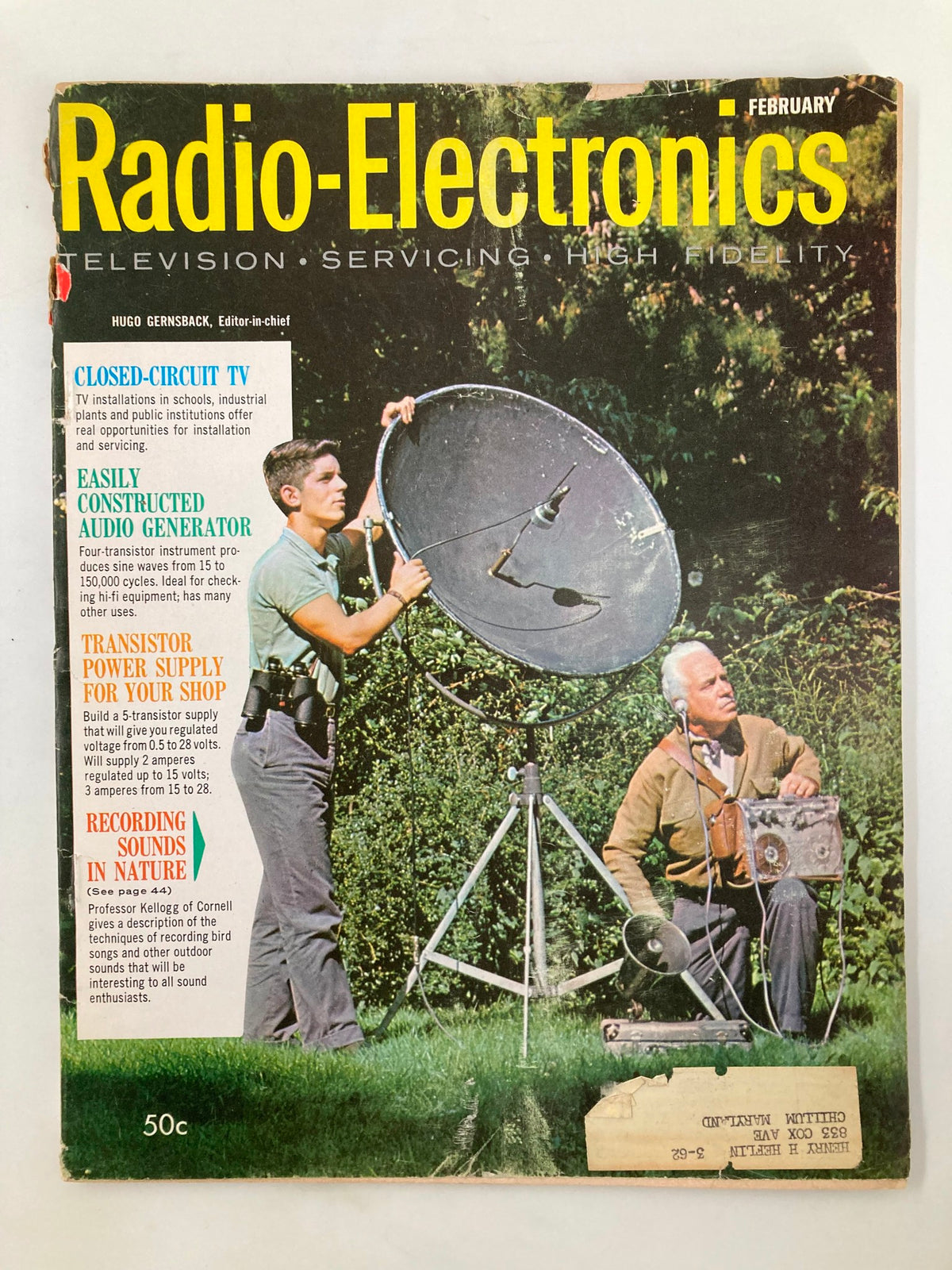
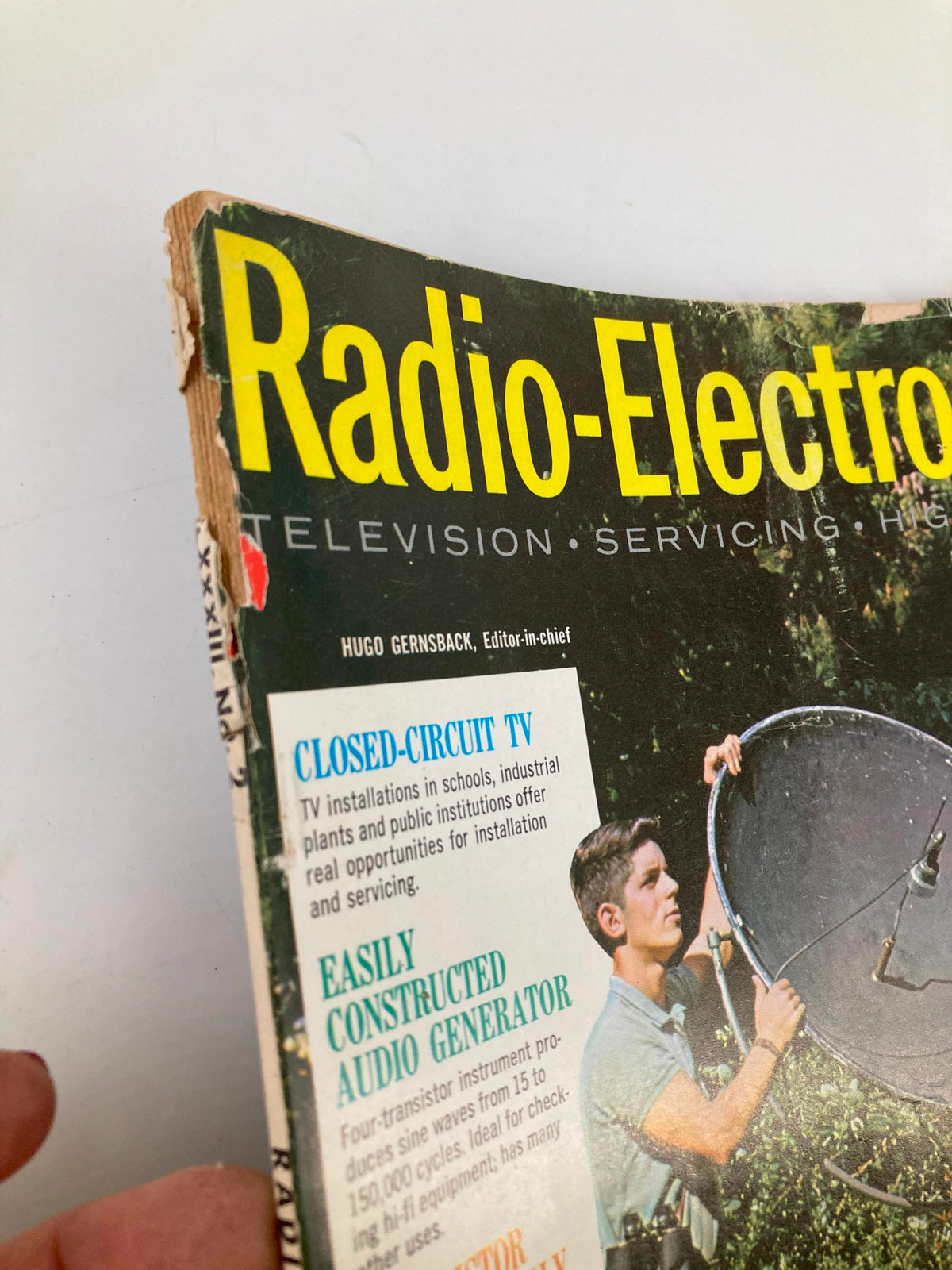
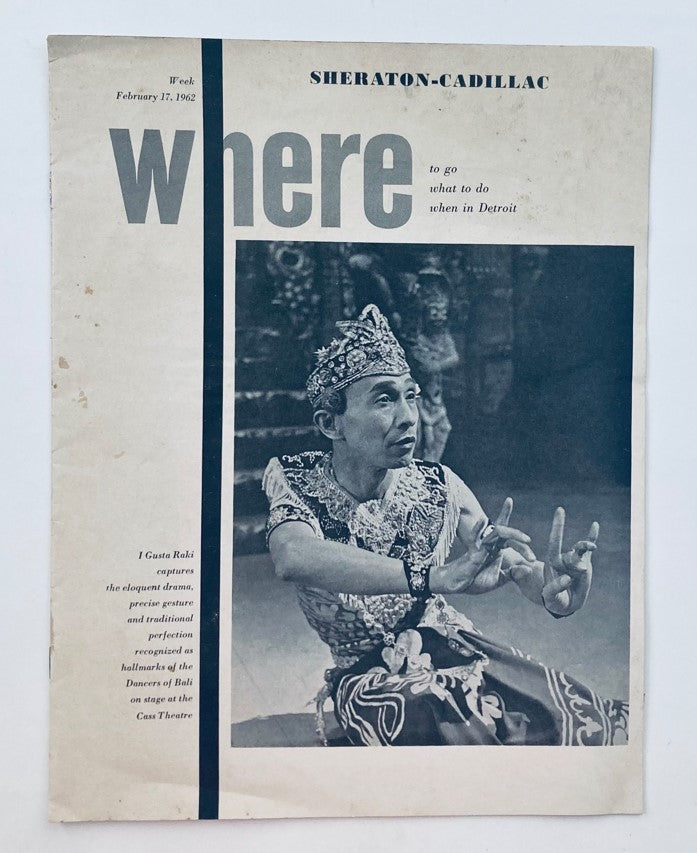
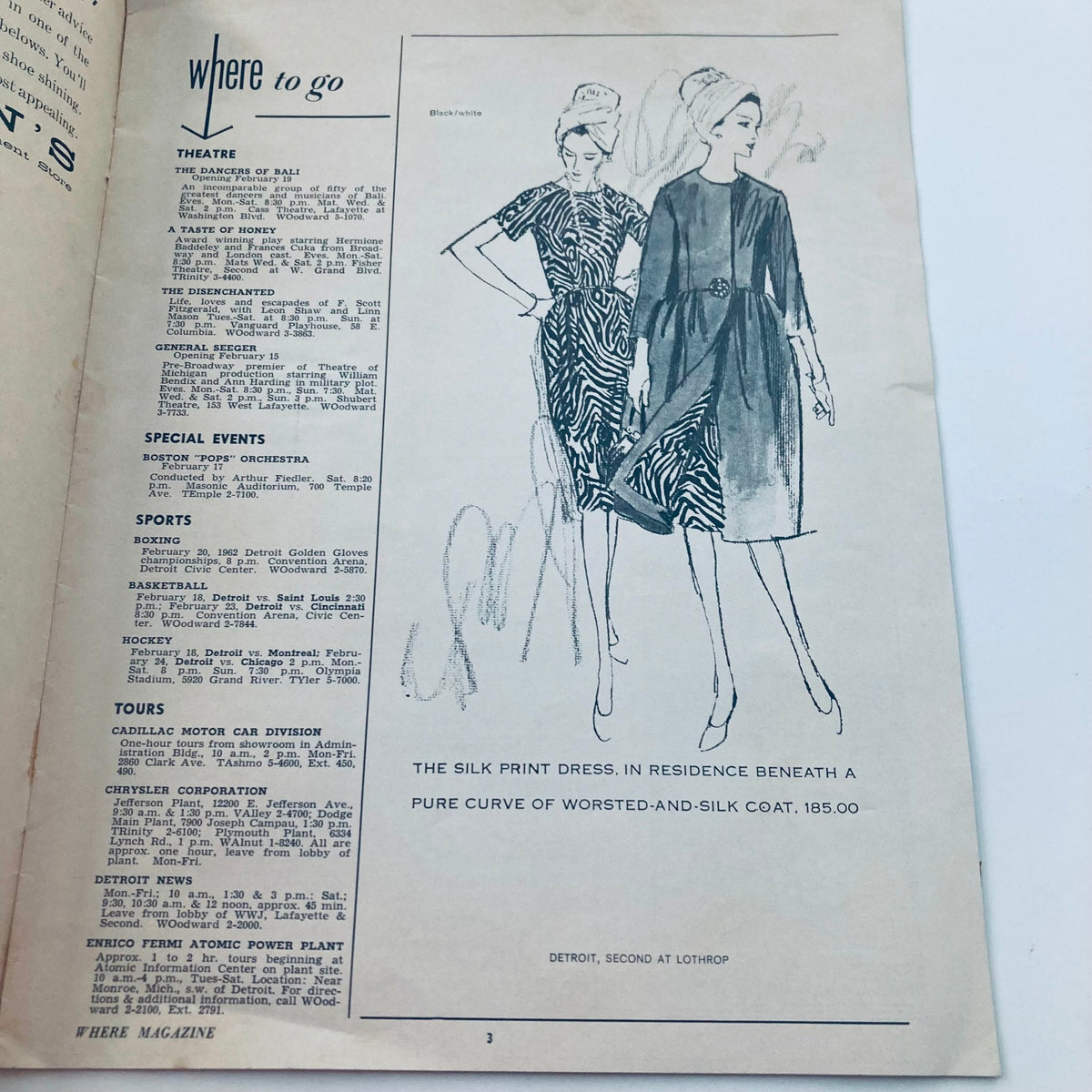
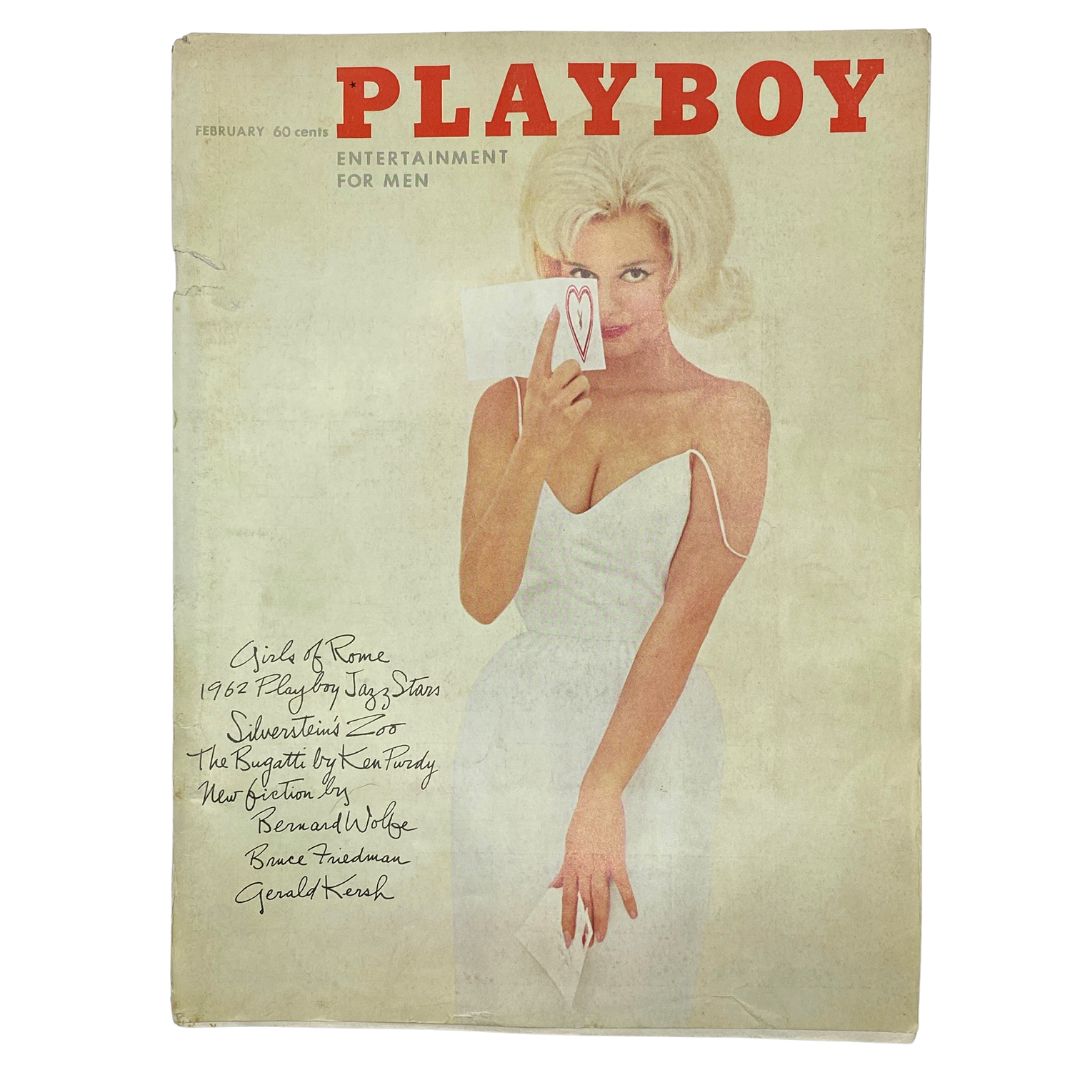
For someone born in February 1962, an original magazine from this transformative month isn't just a gift—it's an authenticated window into the day American astronauts first orbited Earth, preserved in genuine advertisements, headlines, and photography that no reproduction can replicate.