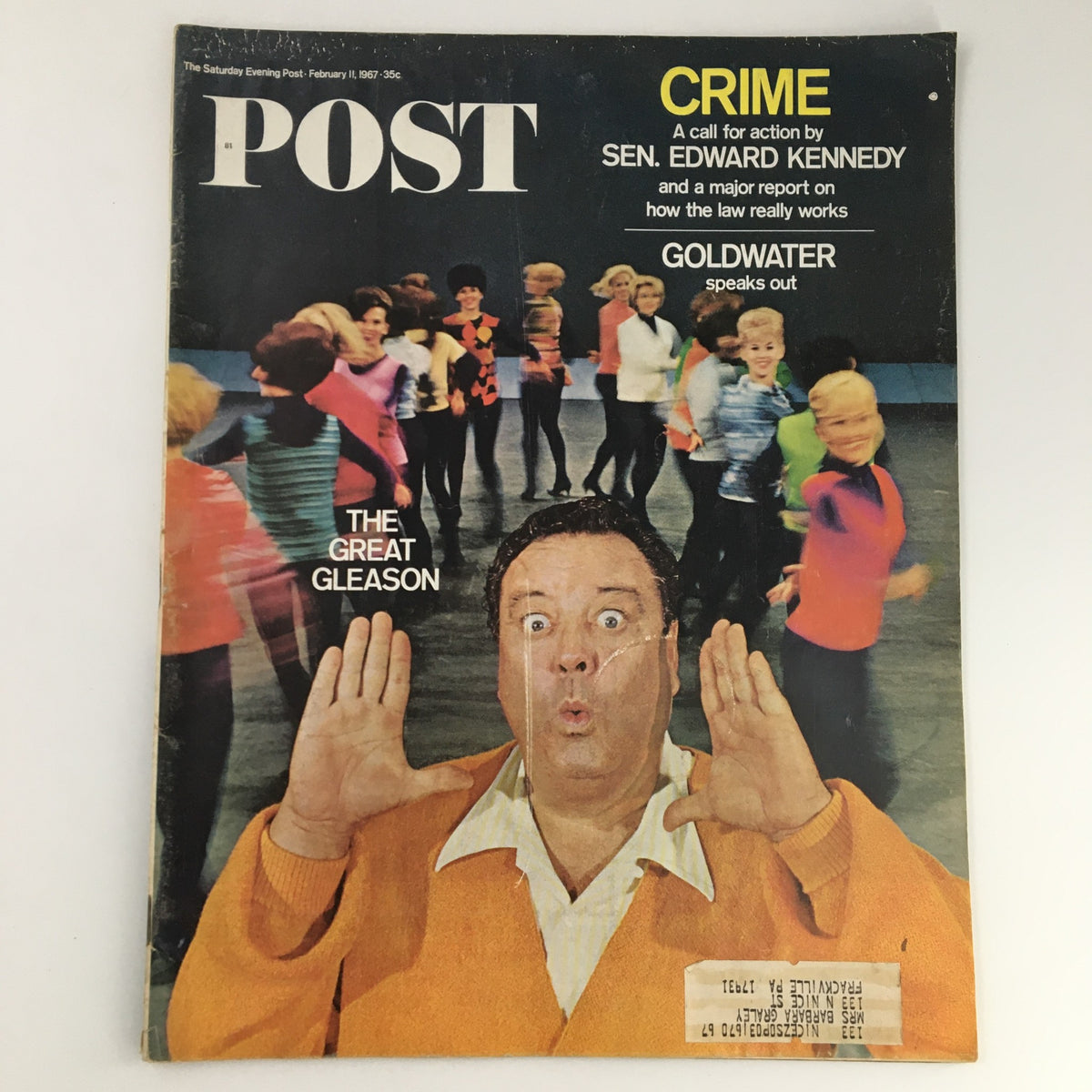
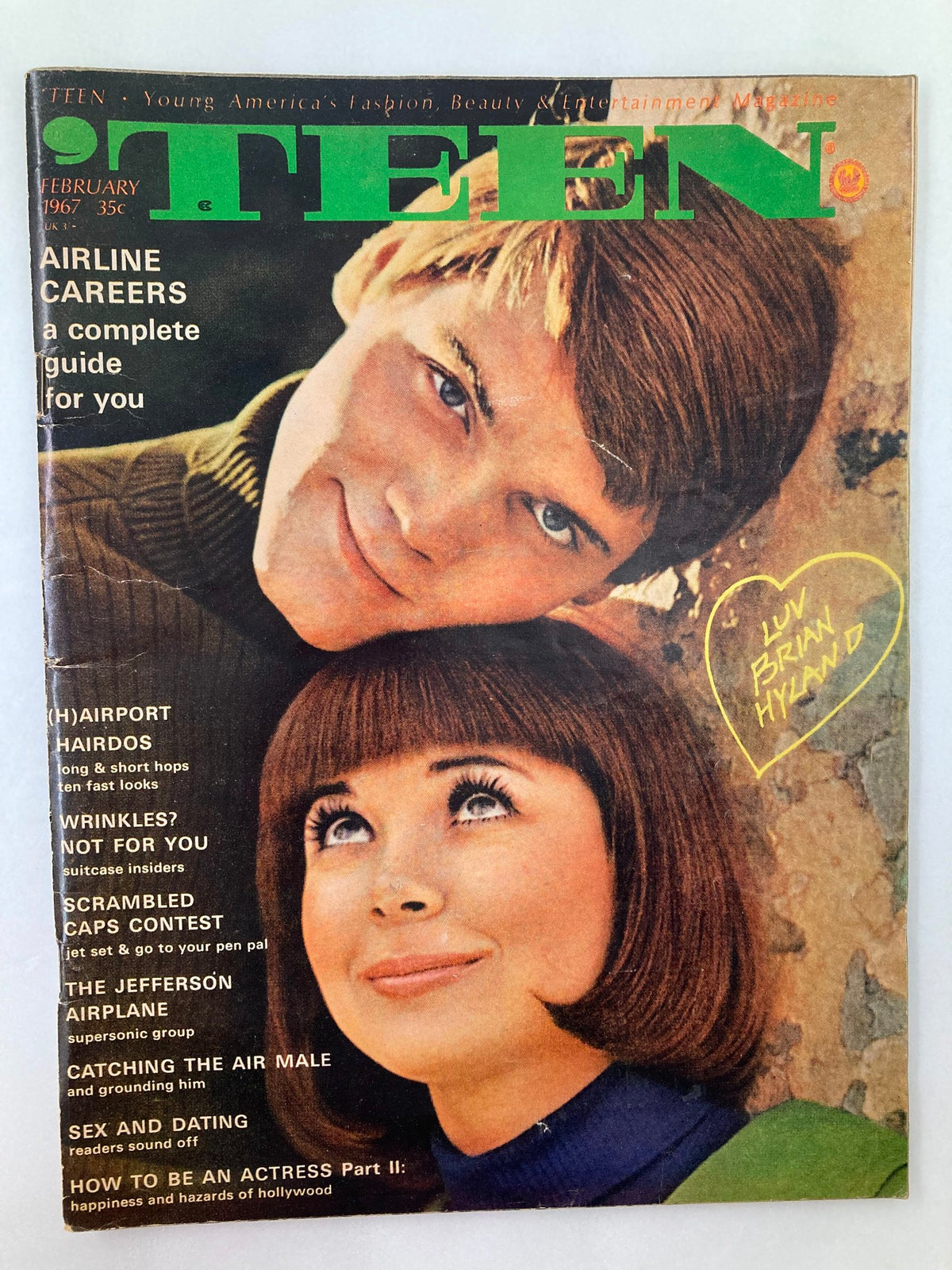
📖 About this Collection
February 1967: The Month America's Revolution Turned Electric
The Historical Context
February 1967 crackled with tensions both global and cultural. The month's defining moment arrived on February 22nd, when 25,000 U.S. and South Vietnamese troops launched Operation Junction City—the largest American airborne assault since World War II—into the heart of Viet Cong territory. Yet while military escalation dominated headlines, the war was also being fought in courtrooms and recording studios. On February 23rd, linguist Noam Chomsky's searing anti-war essay "The Responsibility of Intellectuals" appeared in the New York Review of Books, crystallizing the growing intellectual opposition. The month's cultural earthquake struck on February 12th when British authorities raided Keith Richards' Sussex estate, busting the Rolling Stones guitarist alongside Mick Jagger and Marianne Faithfull on drug charges—a scandal that would grip tabloids for months. Meanwhile, the 25th Amendment addressing presidential succession was ratified on February 10th, a constitutional safeguard born from Kennedy's assassination three years earlier. This was the world your loved one entered: a nation simultaneously expanding its war abroad while fracturing along generational and political fault lines at home.
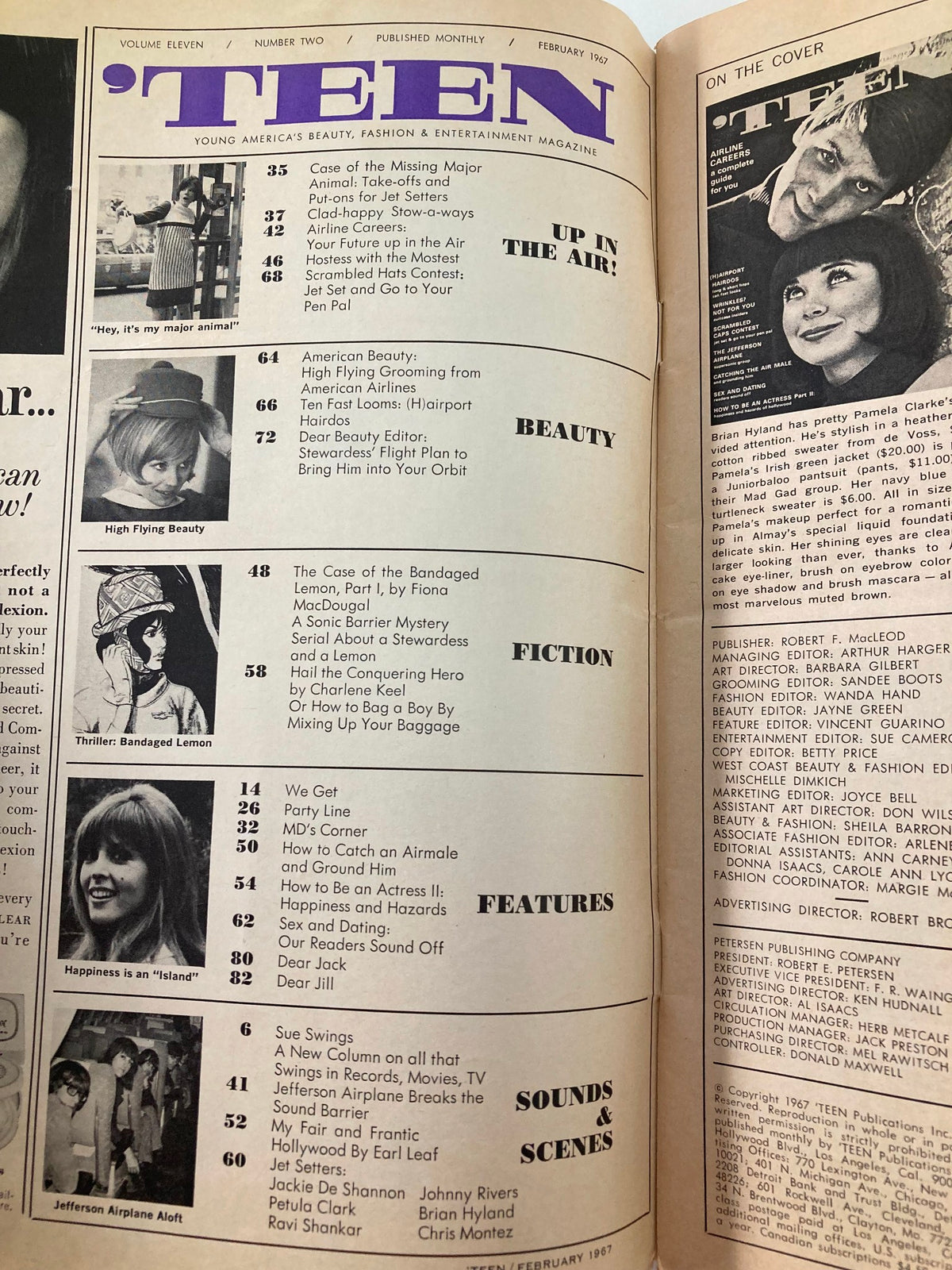
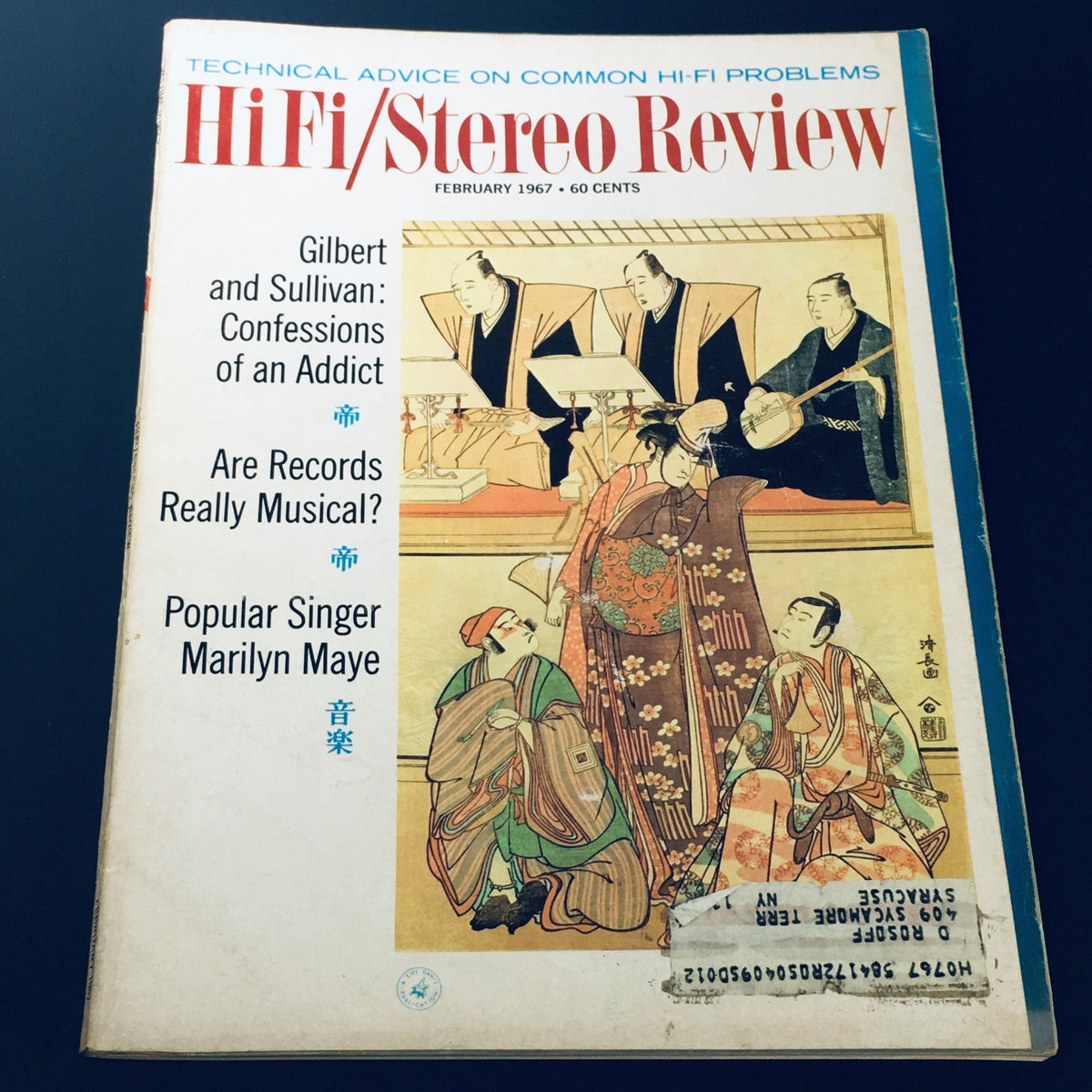
The recording studios of February 1967 produced sounds that would define the decade. At Olympic Studios in London on February 3rd, Jimi Hendrix added vocals and overdubs to "Purple Haze," while across the Atlantic on February 14th, Aretha Franklin recorded her transformative rendition of "Respect" at Atlantic Studio in New York—Otis Redding's composition reimagined as an anthem of empowerment. The Beatles continued their psychedelic evolution: promotional films (the era's first true music videos) for "Penny Lane" and "Strawberry Fields Forever" debuted on The Ed Sullivan Show on February 12th, with Capitol Records releasing the double A-side single the following day. Sports fans witnessed boxing history on February 6th when Muhammad Ali retained his heavyweight crown by pummeling Ernie Terrell for fifteen brutal rounds at the Houston Astrodome. On the fashion pages and lifestyle sections of original magazines from February 1967, advertisements reflected an America caught between traditional values and counterculture rebellion—conservative menswear shared space with increasingly bold mod fashions, while Detroit promoted powerful muscle cars alongside the newest color television sets.
What to Look for in Vintage Magazines from February 1967
-
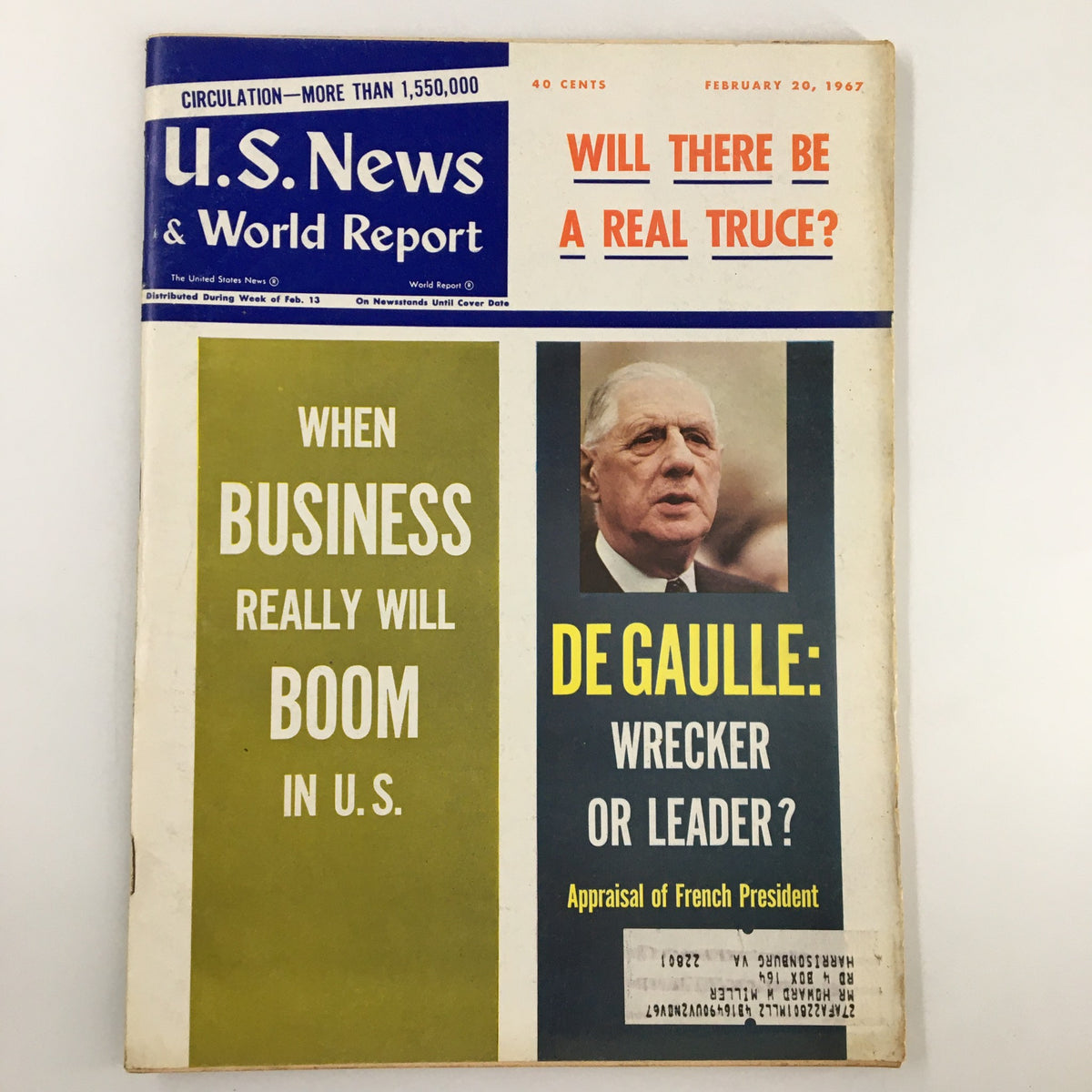
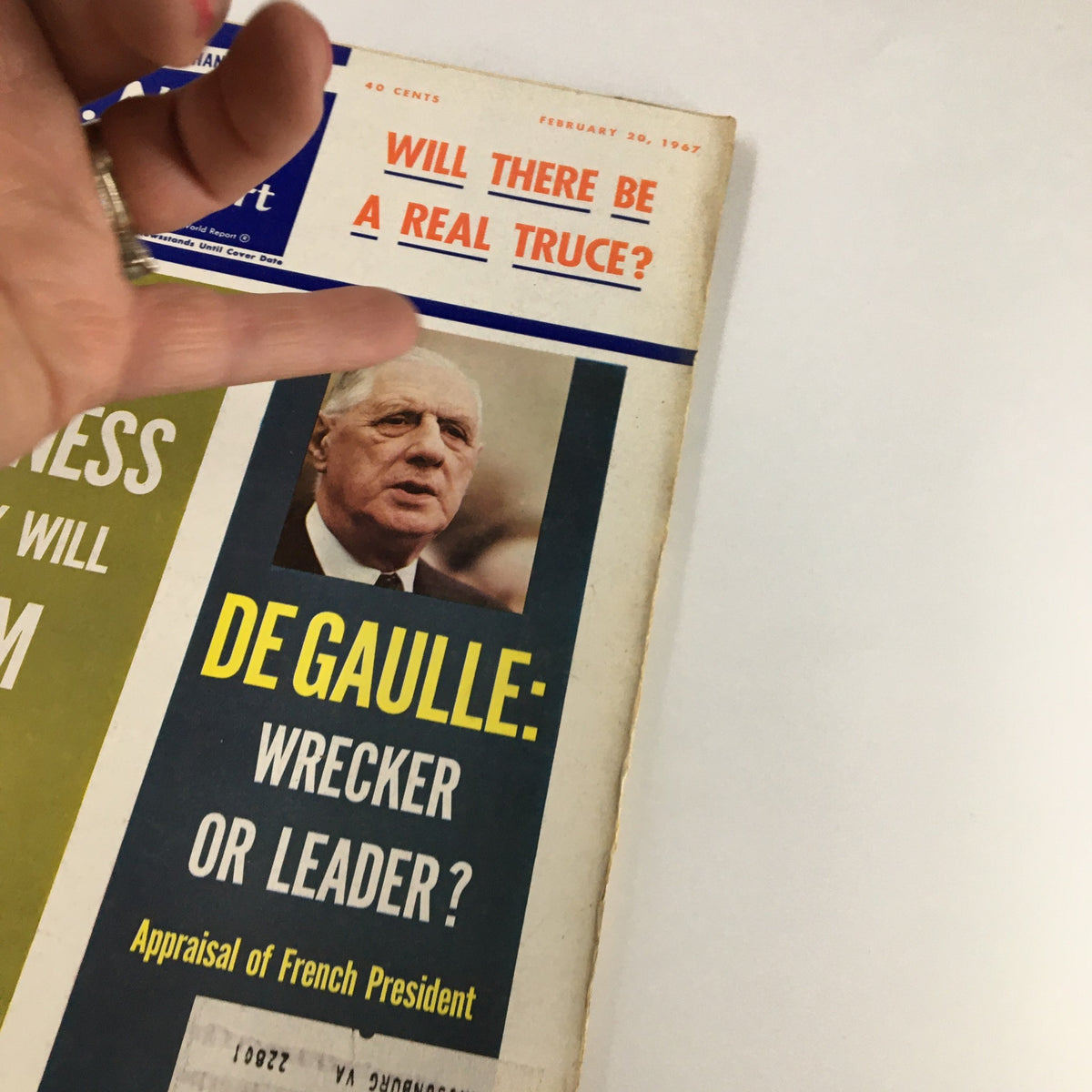
Operation Junction City Coverage: News weeklies like Time, Newsweek, and Life featuring dramatic photography of airborne troops and armored divisions, often illustrated with fold-out battlefield maps and embedded journalist accounts of the Vietnam conflict's escalation.
-
The Rolling Stones Drug Bust: Entertainment and news publications chronicling the Redlands raid scandal, showcasing the era's moral panic over rock culture with sensational headlines and courtroom photography that dominated British tabloids and American music magazines.
-
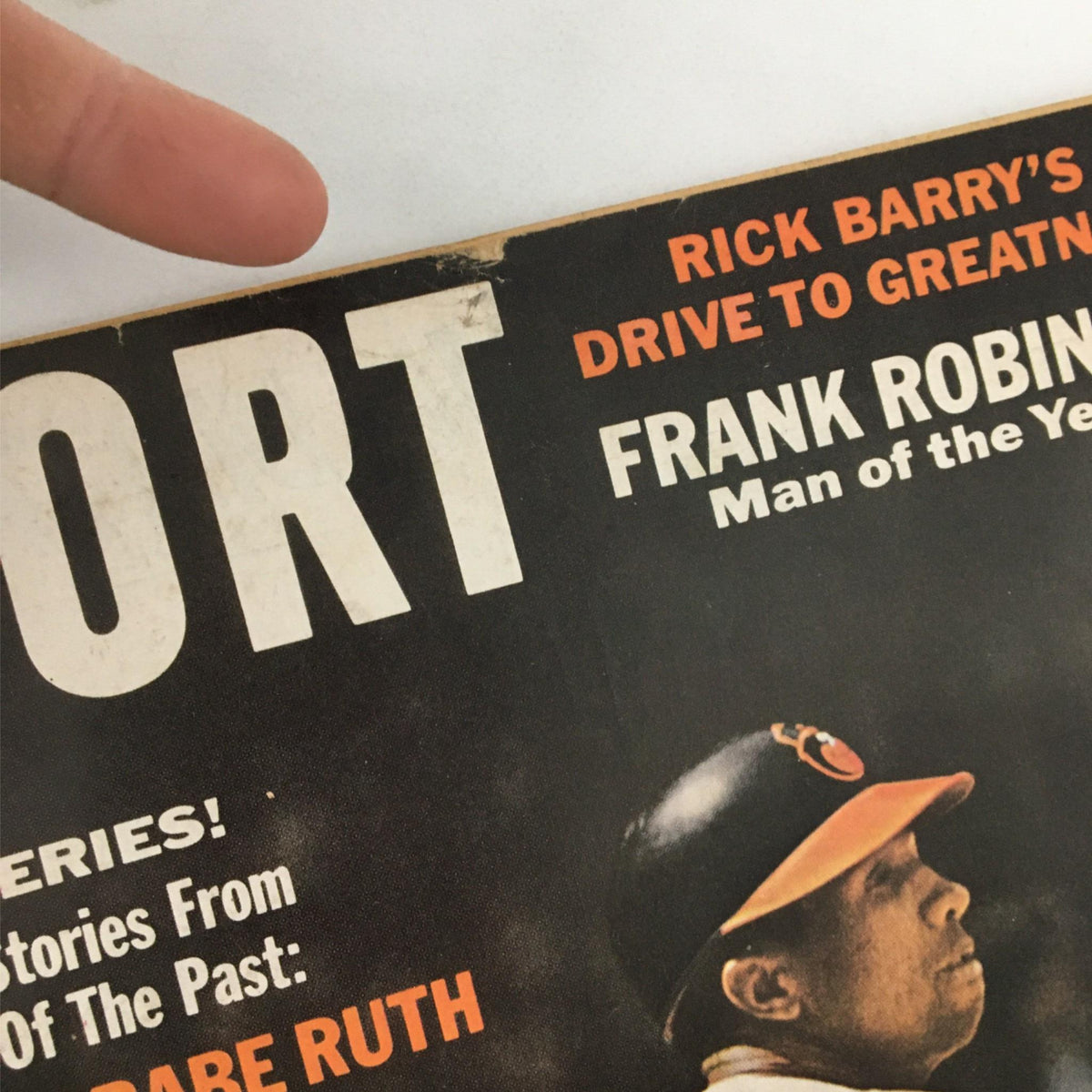
Muhammad Ali's Heavyweight Defense: Sports magazines and general interest periodicals featuring ringside photography of the Ali-Terrell bout, capturing the champion at his physical peak during a year when his refusal to serve in Vietnam would soon cost him his title.
-
Aretha Franklin's Breakthrough: Music trade publications like Variety and lifestyle magazines documenting the "Queen of Soul's" emergence, with rare magazines from this month capturing the exact moment "Respect" entered the cultural consciousness before becoming 1967's Song of the Year.
-
The Beatles' Psychedelic Turn: Entertainment weeklies and teen magazines featuring stills from the "Penny Lane" and "Strawberry Fields Forever" promotional films, authentic advertisements for the double A-side single, and breathless coverage of the band's radical new visual aesthetic.
The Perfect Gift
For someone born in February 1967, an original magazine from this revolutionary month isn't just a nostalgic keepsake—it's an authenticated portal to the precise moment when American culture split between the establishment and the emerging counterculture, preserved in genuine advertisements, unfiltered headlines, and photography that no reproduction can replicate.