📖 About this Collection
February 1973: The Month America Came Home
The Historical Context
The nation exhaled. After years of division and anguish, February 1973 marked the beginning of America's long-awaited return from Vietnam as the first prisoners of war touched Philippine soil on February 12th. But this month of cautious hope carried contradictions—while 116 POWs flew toward freedom, the U.S. dollar devalued by 10% on February 13th, signaling economic turbulence ahead. The Watergate investigation formally began as the Senate created its Select Committee on Presidential Campaign Activities, a decision that would unravel a presidency. Meanwhile, at Wounded Knee, South Dakota, the American Indian Movement began a 71-day occupation on February 27th, demanding recognition and rights. This was the world your loved one entered—a nation simultaneously healing and fracturing, reaching for peace while confronting uncomfortable truths.
What People Were Watching, Hearing, and Talking About
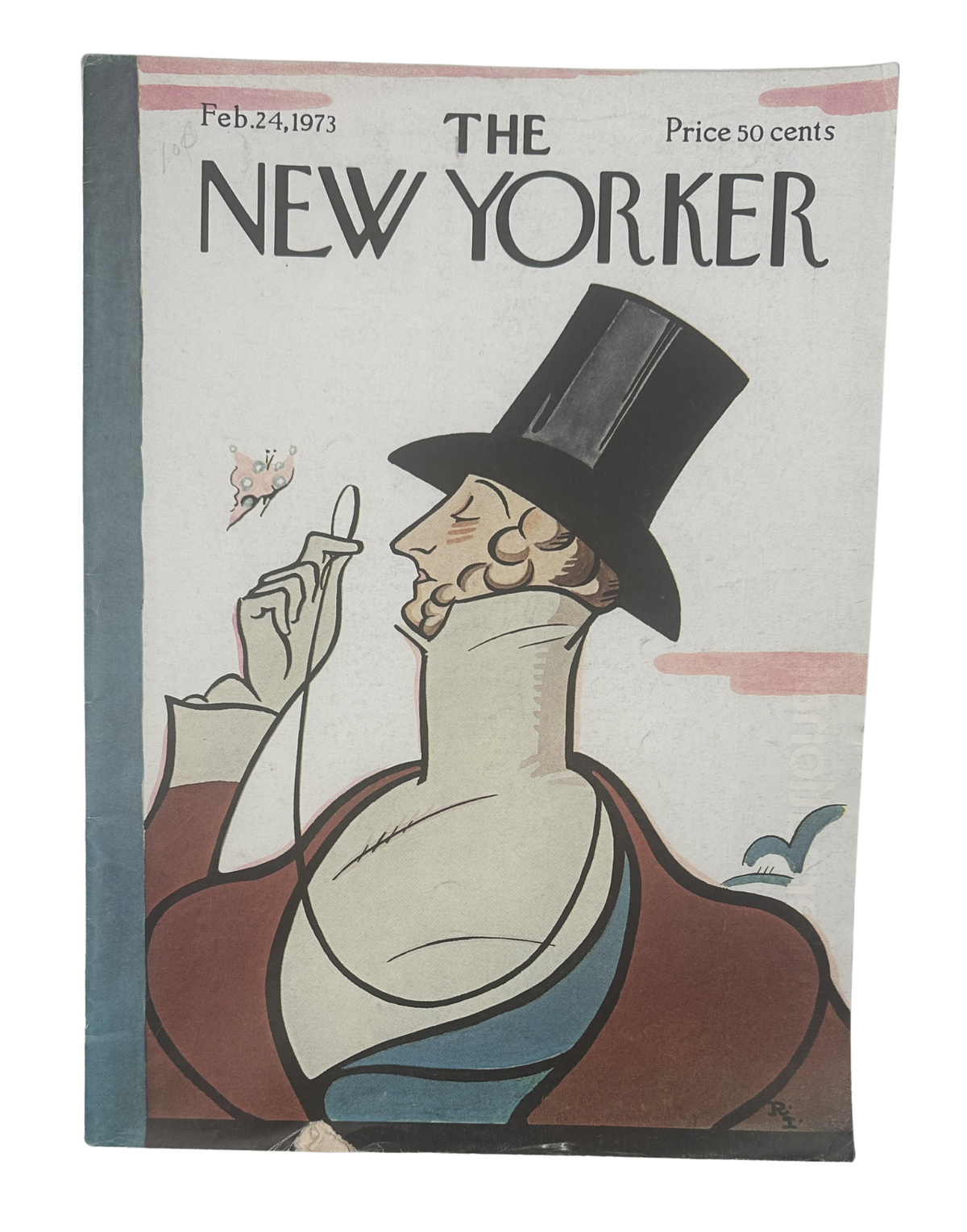
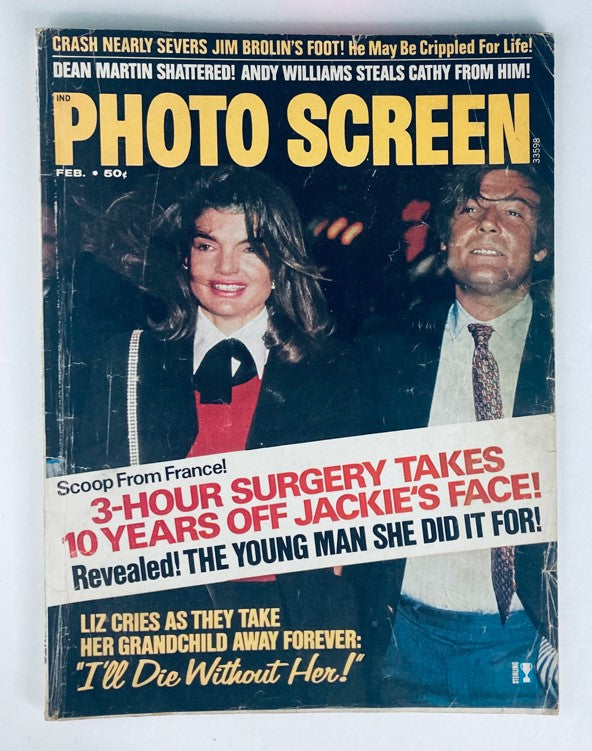
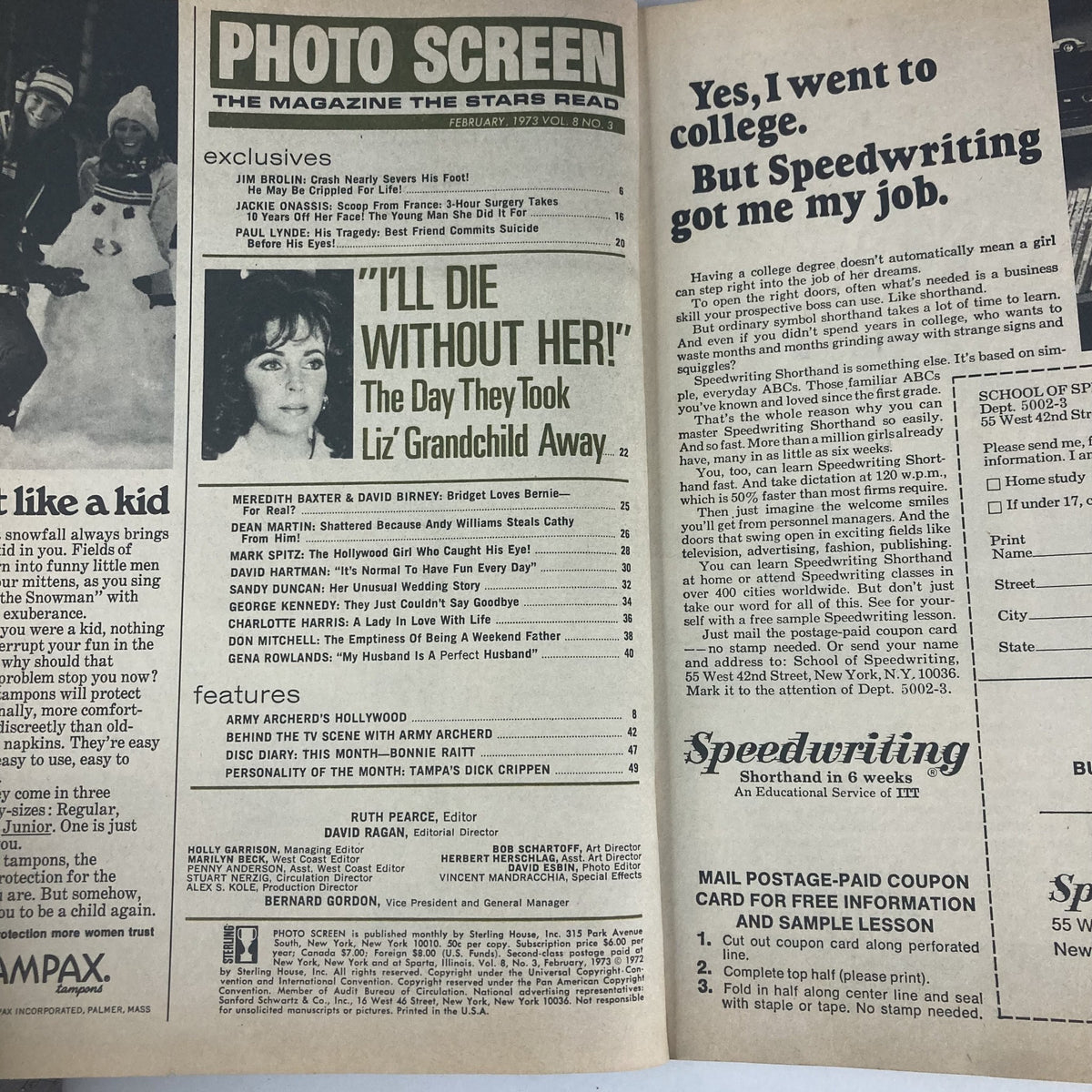
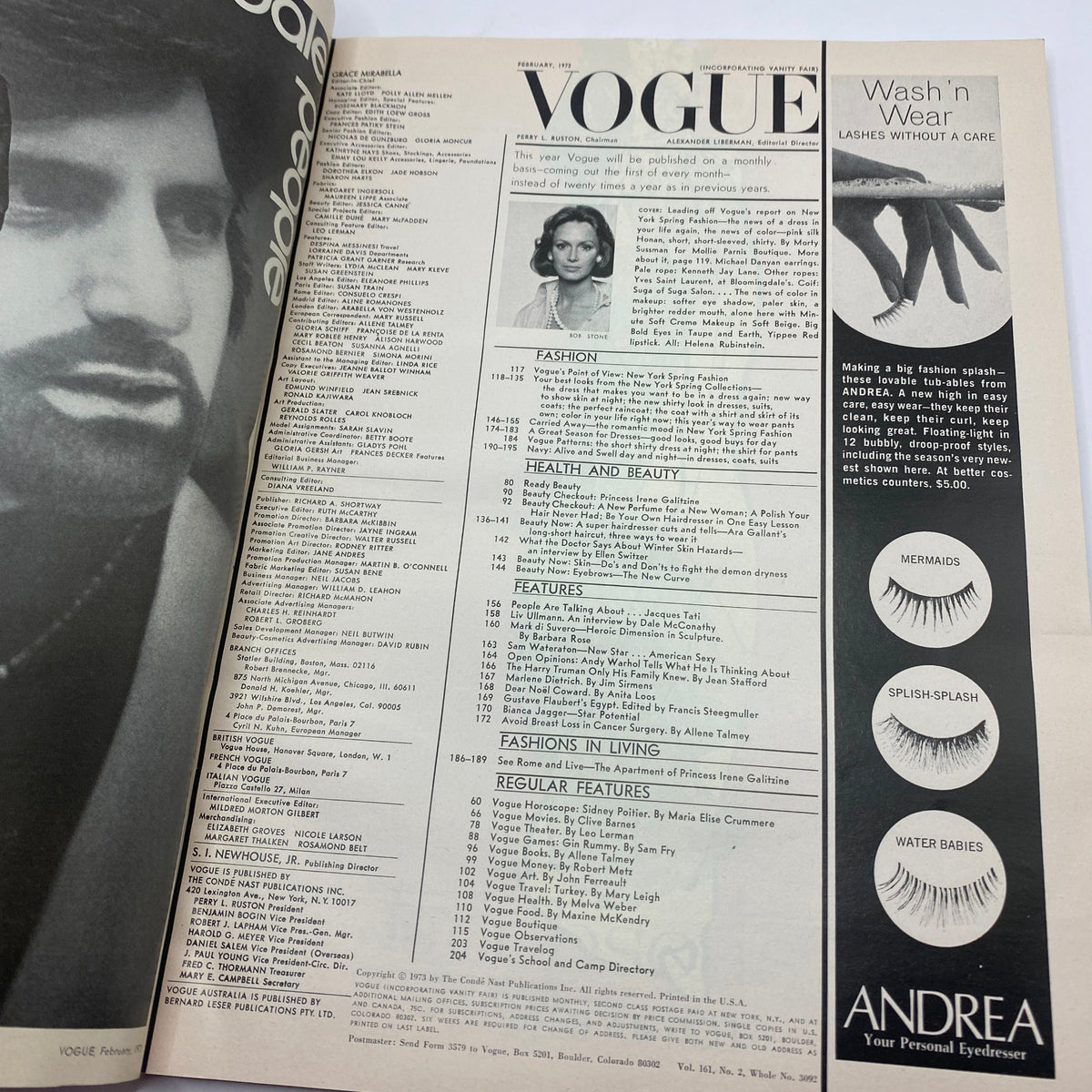
"Tie a Yellow Ribbon Round the Ole Oak Tree" by Tony Orlando and Dawn was released on February 19th, destined to become the year's biggest hit and an anthem for the POW homecoming. Television audiences discovered "The Midnight Special" on February 2nd, NBC's late-night showcase featuring Ike and Tina Turner, Curtis Mayfield, and the Byrds bringing rock music into living rooms after Carson signed off. Broadway welcomed Stephen Sondheim's sophisticated "A Little Night Music" on February 25th, which would capture six Tony Awards with its elegant score. Sports fans witnessed Muhammad Ali outpoint Joe Bugner in Las Vegas on Valentine's Day, while Richard Petty claimed his fourth Daytona 500 on February 18th. Original magazines from February 1973 captured all of this—the POW homecoming photos in Life, the television listings announcing rock's new late-night home, the advertisements reflecting an America ready to move forward while reckoning with its recent past.
Curator's Checklist: What to Look for in February 1973 Issues
-
POW Homecoming Coverage: News magazines like Time, Newsweek, and Life featuring powerful photography of returning prisoners, often illustrated with emotional reunion scenes and detailed accounts of captivity and release that dominated front pages nationwide.
-
Watergate's Formal Beginning: Political coverage in prestige publications chronicling the Senate's creation of the investigation committee, featuring early portraits of the seven senators and analysis that would seem prescient by summer, buried among other Washington news.
-
Economic Anxiety Indicators: Business and lifestyle magazines showcasing the dollar devaluation's impact through currency exchange charts, gold price surges to $95 an ounce, and advertisements reflecting inflation concerns in a changing economy.
-
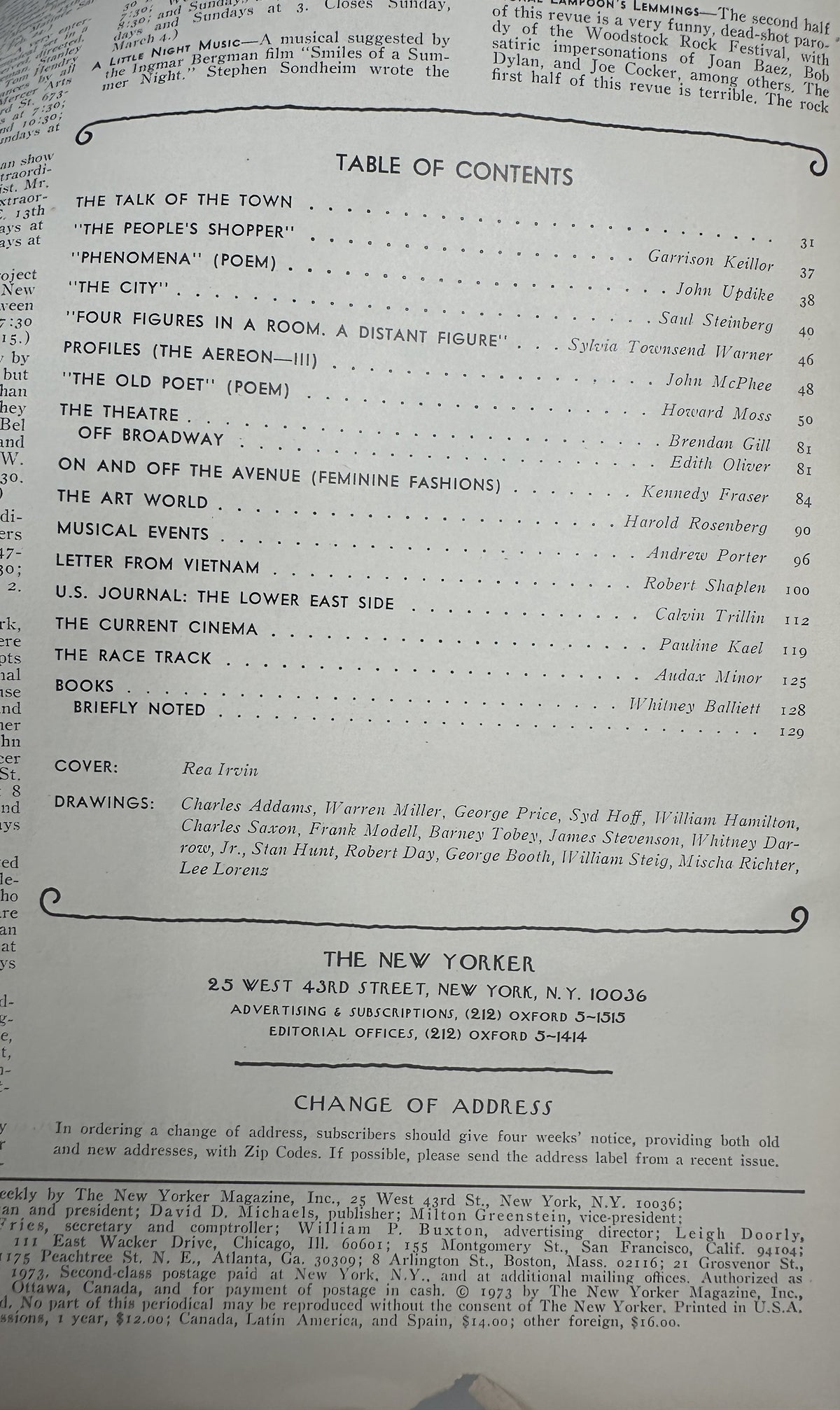
Musical Theater Renaissance: Entertainment and culture magazines with vintage advertisements for "A Little Night Music," featuring Sondheim's artistry and the sophisticated adult musical that contrasted sharply with rock-era youth culture, often with original artwork and reviews.
-
Sports Milestones and Records: Sports Illustrated and newspaper sports sections documenting Ali's comeback fight, Petty's Daytona dominance, and baseball's Dick Allen signing a groundbreaking $750,000 contract, alongside coverage of Australian swimmer Shane Gould's world record.
The Perfect Gift
For someone born in February 1973, an original magazine from this pivotal month isn't just a reproduction—it's an authenticated witness to America's transition from war to uncertain peace, preserved in genuine advertisements, headline typography, and photography from the precise moment history turned a corner.