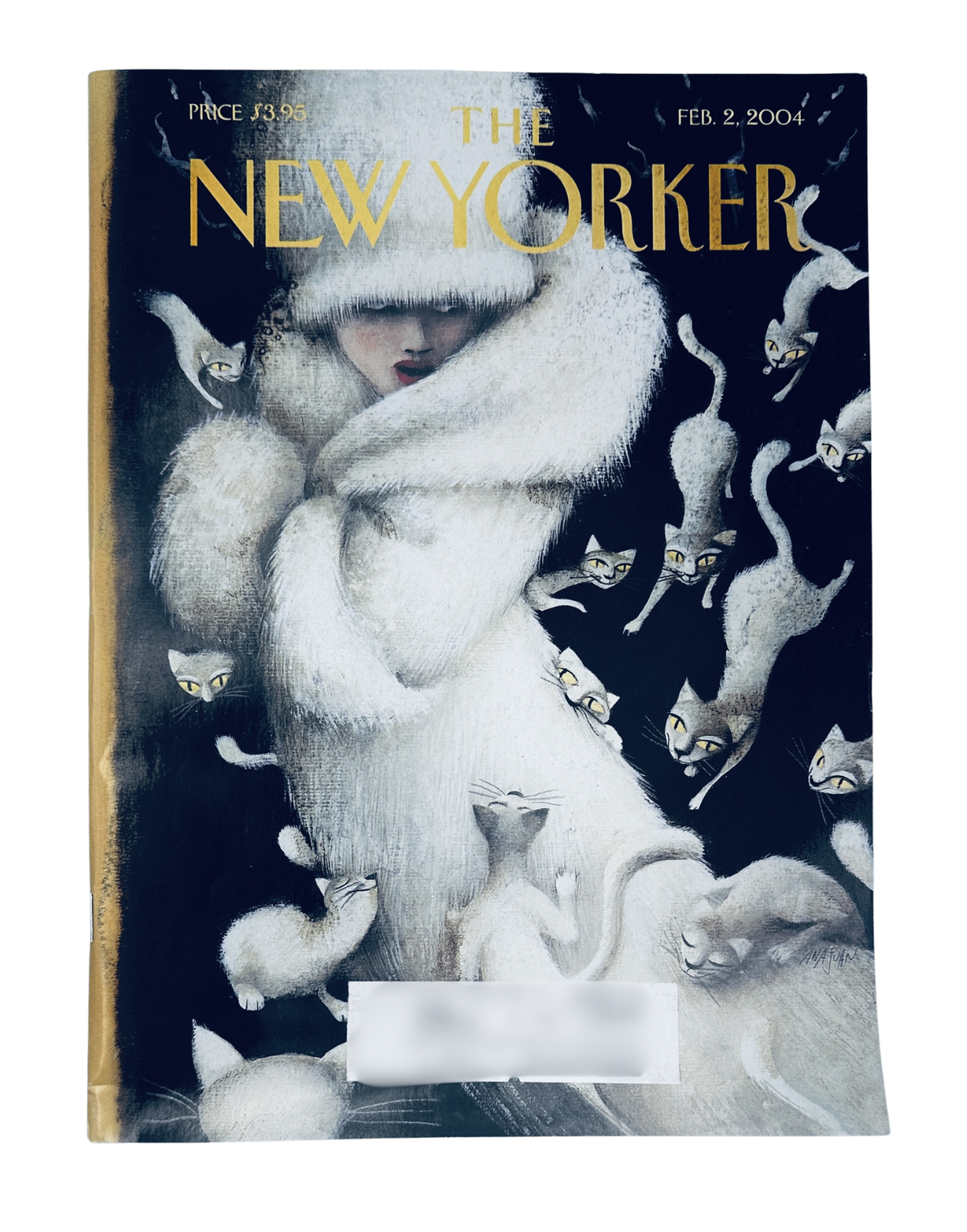
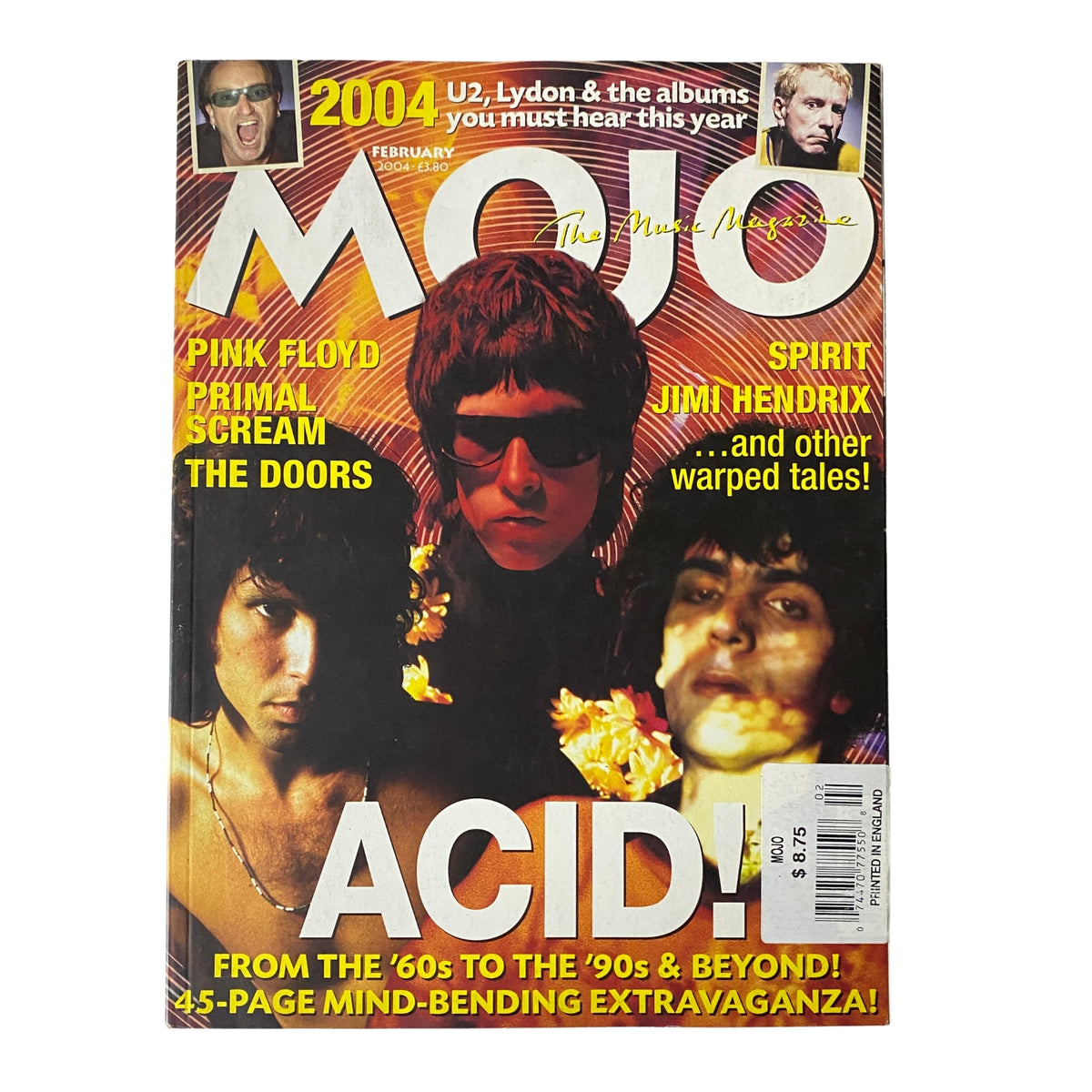
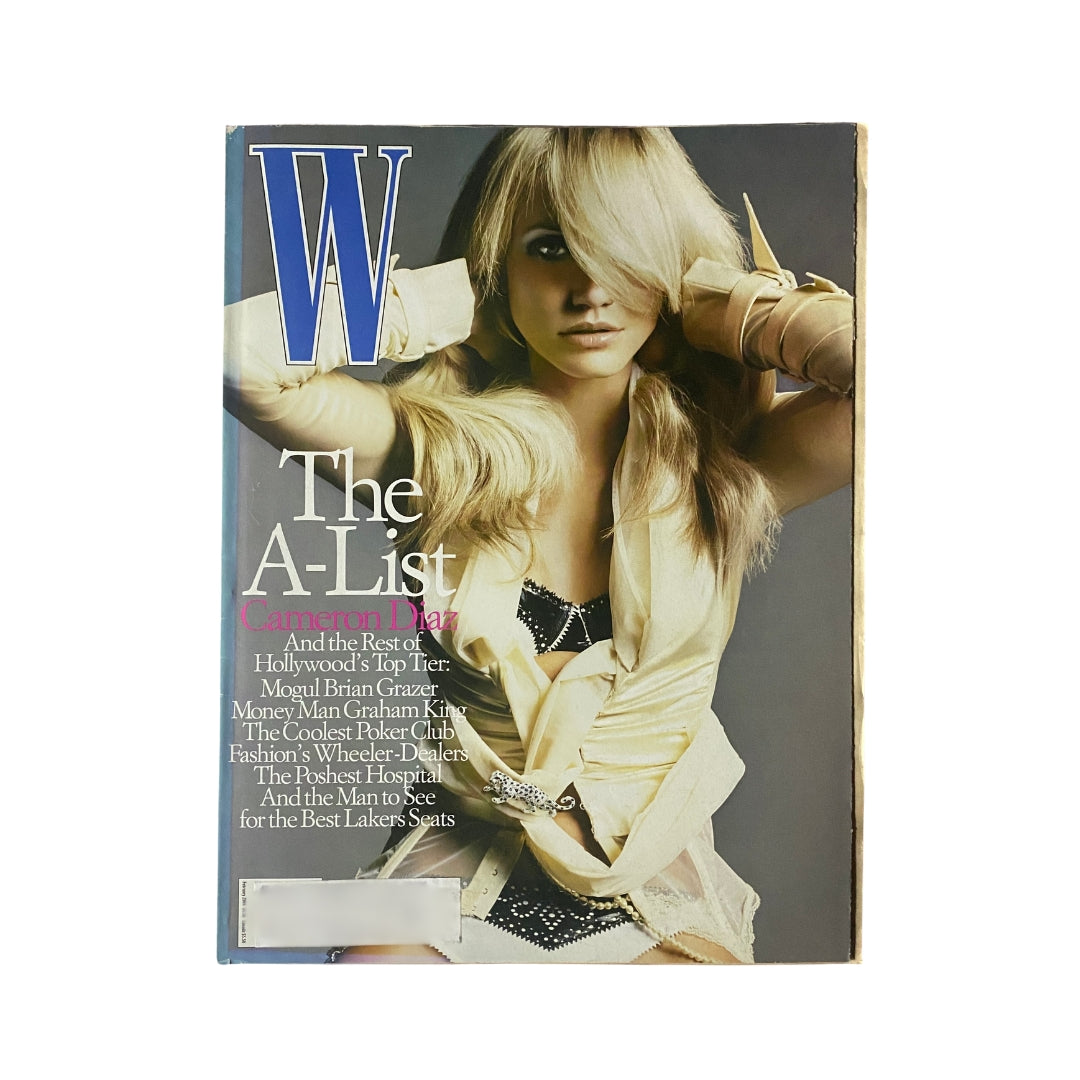
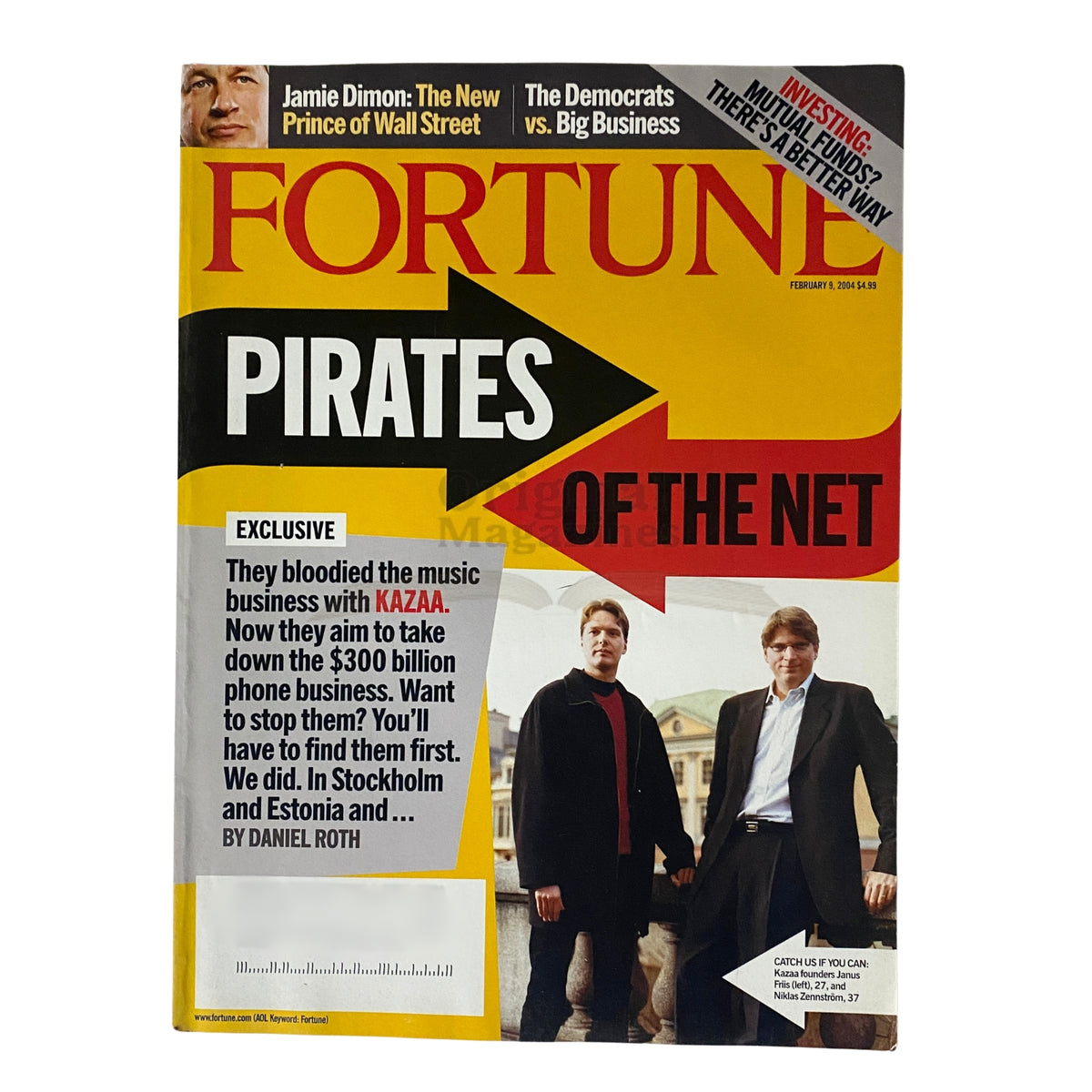
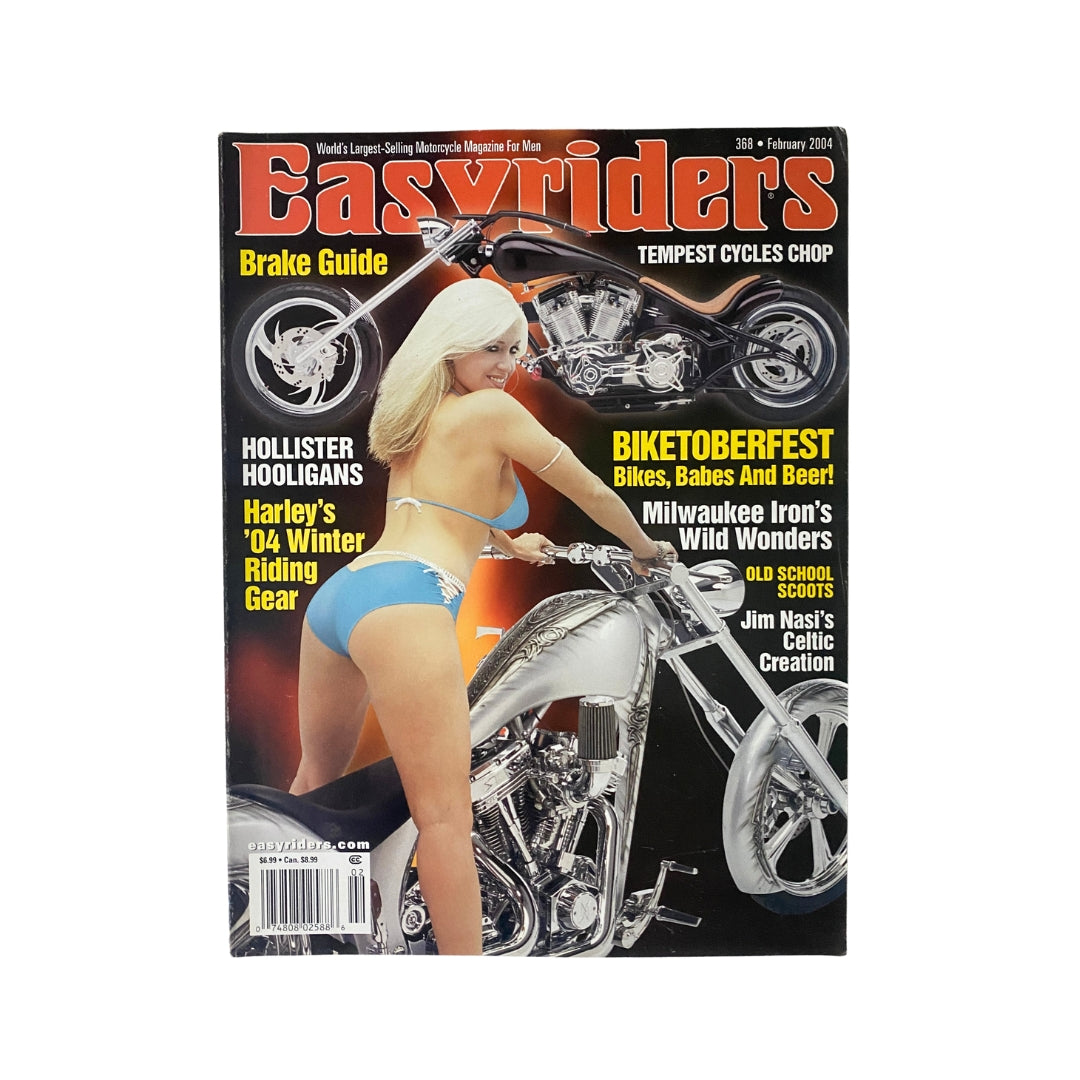
📖 About this Collection
February 2004: When the World Logged On and Looked Up
The Historical Context
February 2004 arrived with the thunder of 90,000 fans packed into Reliant Stadium in Houston, where the New England Patriots edged the Carolina Panthers 32-29 in one of the most gripping Super Bowl finishes in memory. Tom Brady claimed his MVP honors, but the halftime show would generate far more lasting controversy—Janet Jackson's wardrobe malfunction sent shockwaves through American broadcasting, prompting the FCC to fundamentally tighten its censorship standards. It was a moment that crystallized a nation still navigating the uneasy border between spectacle and propriety.
Beyond the stadium, February 2004 carried genuine weight. A devastating stampede at the Hajj pilgrimage in Saudi Arabia killed 251 people, while a rebel uprising in Haiti culminated in President Jean-Bertrand Aristide's resignation on the final day of the month. A bombing of a Philippine Superferry by Abu Sayyaf—the deadliest terrorist attack in the country's history—claimed 116 lives. This was the world in full, complicated motion—the world your loved one witnessed at the start of the year.
Pop Culture, Sports, and the Birth of a New Era
Four days into February 2004, a Harvard sophomore named Mark Zuckerberg launched a website called Facebook from his dormitory room. Few noticed at the time. They were too busy talking about the Grammys—Coldplay's "Clocks" and Evanescence's breakthrough took the spotlight at the 46th Annual Grammy Awards on February 8th. That same week, Kanye West released The College Dropout, a debut album that would reshape hip-hop and win the Grammy for Best Rap Album the following year. Alicia Keys released "If I Ain't Got You," a song that Billboard would name its Song of the Year.
On the sporting front, original magazines from February 2004 captured a remarkable emotional story: Dale Earnhardt Jr. won the Daytona 500 exactly six years to the day his father had claimed his first and only victory at the same race. Roger Federer claimed his first Australian Open title. Sports Illustrated, Time, and Life all had extraordinary material to work with—a convergence of athletic triumph, cultural earthquake, and historic firsts that made this one of the most magazine-worthy months in recent memory.
Curator's Checklist: What to Look For
-
Super Bowl XXXVIII Coverage: Sports Illustrated and Newsweek issues featuring in-depth coverage of the Patriots' victory and Tom Brady's MVP performance, often illustrated with action photography and extensive post-game analysis that captures the electricity of a one-score finish.
-
The Facebook Launch: Time and Newsweek issues from this period offer fascinating early tech culture advertising and editorial coverage, preserving the consumer landscape of a world on the cusp of the social media age—genuine artifacts before everything changed.
-
Kanye West & Grammy Season: Music and entertainment coverage in Look and general interest publications showcasing the cultural moment when hip-hop was asserting new mainstream dominance, with vintage magazines preserving original record advertisements and editorial photography from the era.
-
The Daytona 500 and Earnhardt Legacy: Rare magazines from motorsport and general sports publications chronicling Dale Earnhardt Jr.'s emotionally charged victory, featuring the kind of human-interest storytelling and period racing photography that defined American sports journalism in 2004.
-
Academy Awards — The Return of the King Sweep: Variety and entertainment publications from late February documenting the 76th Academy Awards, where The Lord of the Rings: The Return of the King swept to Best Picture glory alongside wins for Sean Penn and Charlize Theron—preserved in original print layouts no digital archive can replicate.
The Perfect Gift
For someone born in February 2004, an authentic magazine from this extraordinary month isn't just a piece of paper—it's a genuine time capsule of a world crackling with change, preserved in original headlines, period advertising, and the ink of journalists who had no idea what was coming next.