📖 About this Collection
Gerald Ford: The Accidental President Who Steadied a Nation
The Legend & The Legacy
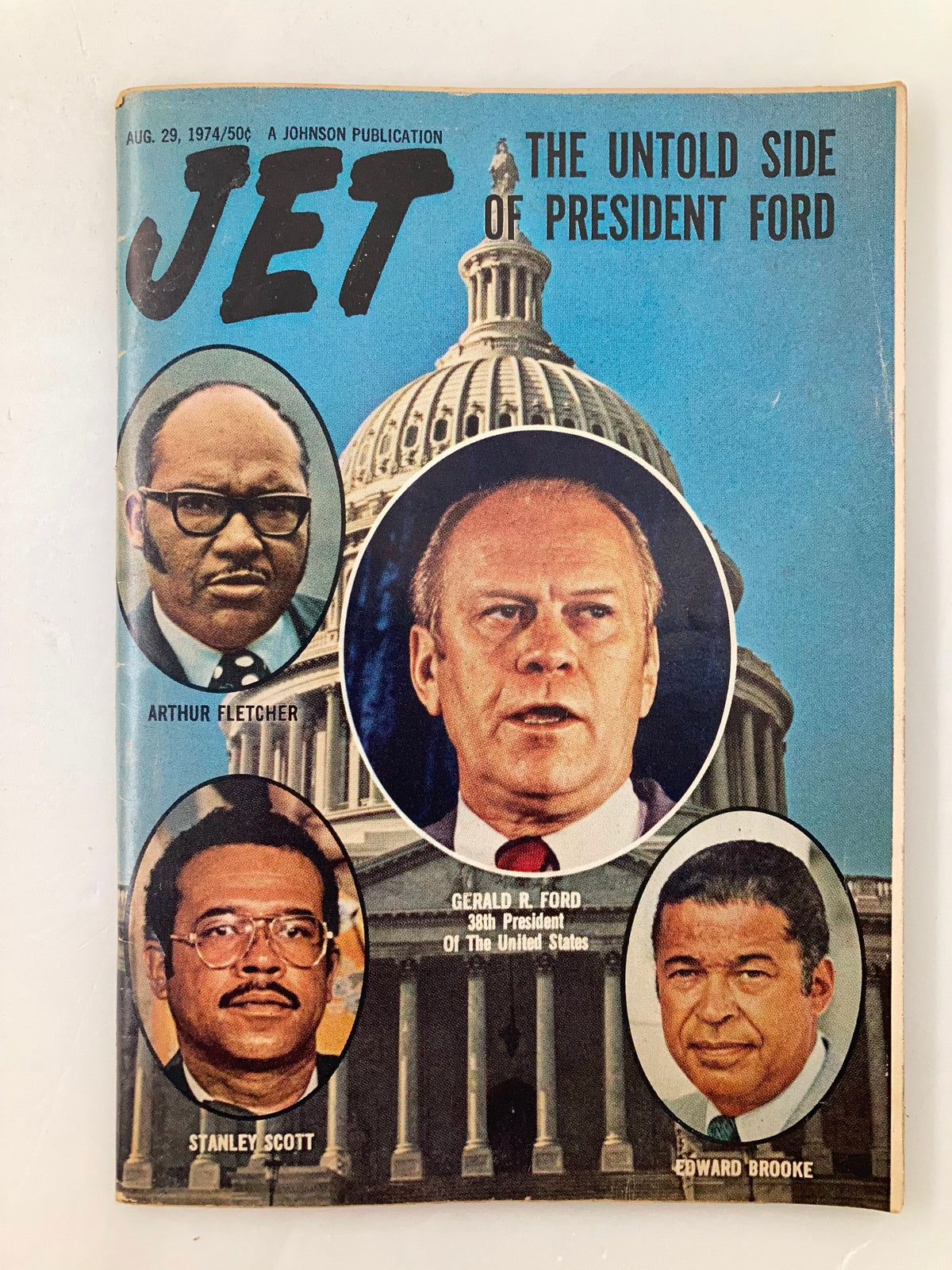
Gerald Ford assumed the presidency under circumstances unlike any other in American history — unelected, unannounced by any ballot, stepping into the Oval Office in the summer of 1974 as the nation still smoldered from the Watergate inferno. In an era before the internet collapsed the distance between event and reaction, the American public turned, as they always had, to their magazines to make sense of it all. Weekly and monthly publications became the national conversation — the place where columnists wrestled with Nixon's pardon, photographers captured the quiet dignity of a man who called himself "a Ford, not a Lincoln," and editors attempted to define what healing might look like for a deeply fractured republic. From his improbable swearing-in on a humid August morning to his narrow loss to Jimmy Carter in 1976, the 38th President lived his entire tenure in the full, measured gaze of print journalism, at a moment when a magazine cover still carried the weight of cultural consensus.
Inside the Archive
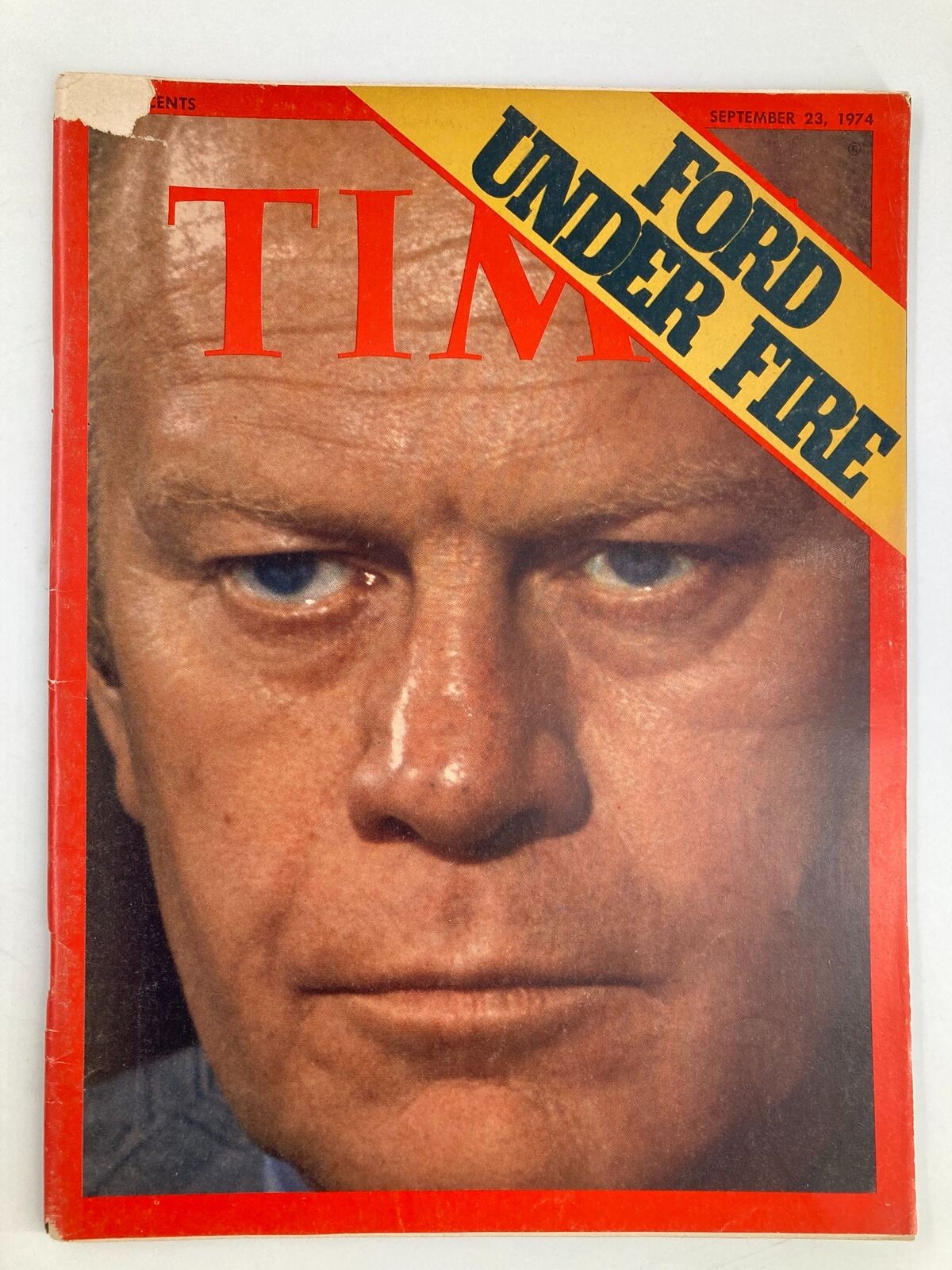
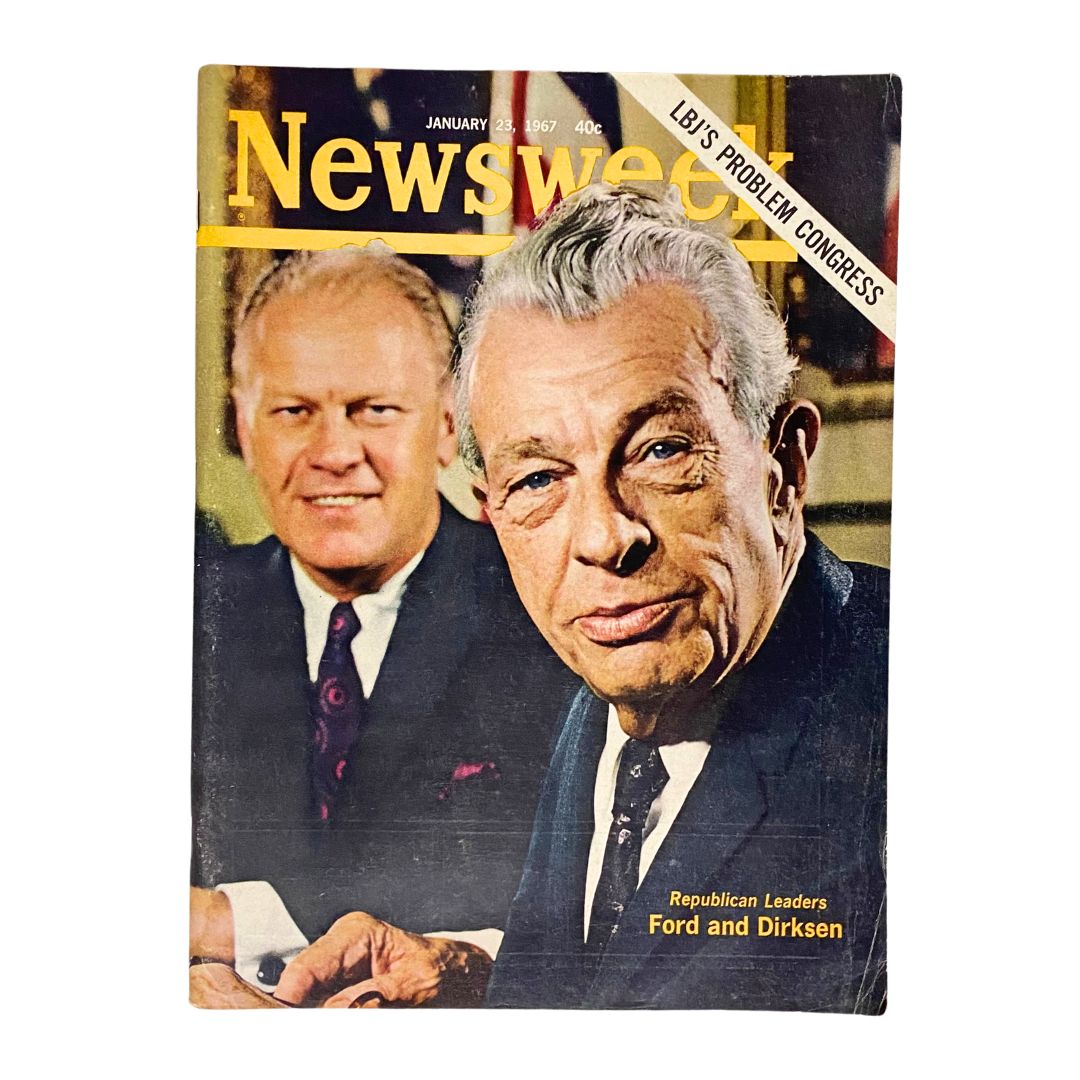
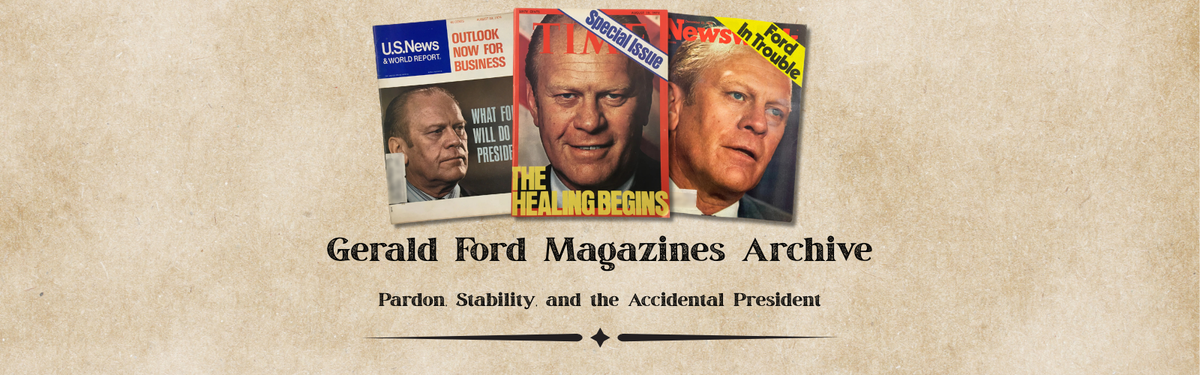
Vintage magazine coverage of the Ford presidency reflects the particular tension of its moment — sober and searching, yet frequently warmed by the genuine affection the press held for a man widely regarded as decent to his core. Time and Newsweek were the era's dominant chroniclers, their covers cycling through the defining crises of his term: the Nixon pardon, the fall of Saigon, WIN (Whip Inflation Now) buttons, and the remarkable spectacle of two assassination attempts within seventeen days in September 1975. Life, in its revived form, brought its signature photographic intimacy to the Ford White House, capturing Betty Ford's candor about her mastectomy and addiction with a humanity that felt revolutionary for its time. Meanwhile, U.S. News & World Report delivered the policy-dense analyses that Washington insiders consumed, placing Ford's caretaker presidency within the broader sweep of Cold War geopolitics. The photography of the era favored accessibility over grandeur — a deliberate editorial choice that mirrored the man himself, often pictured making his own breakfast, skiing the slopes of Vail, or striding across the South Lawn with a golden retriever at his heel.
Curator's Checklist: Highlights Often Include
- Nixon Pardon Coverage — Among the most sought-after issues are those from September 1974, when Ford's unconditional pardon of Richard Nixon detonated across the press. Collectors frequently encounter editorial pages crackling with outrage, disbelief, and reluctant understanding, capturing one of the most controversial single decisions in modern presidential history.
- The Fall of Saigon — Coverage from April and May 1975 often includes haunting photographic essays on the chaotic evacuation of South Vietnam, a defining foreign policy moment of the Ford term that magazines treated with the gravity of a civilization-altering event.
- Betty Ford Features — Issues spotlighting the First Lady are particularly prized. Her unprecedented public discussion of breast cancer surgery and, later, substance dependency made her one of the most written-about and admired women of the decade, with profiles appearing across publications from Ladies' Home Journal to People in its earliest years.
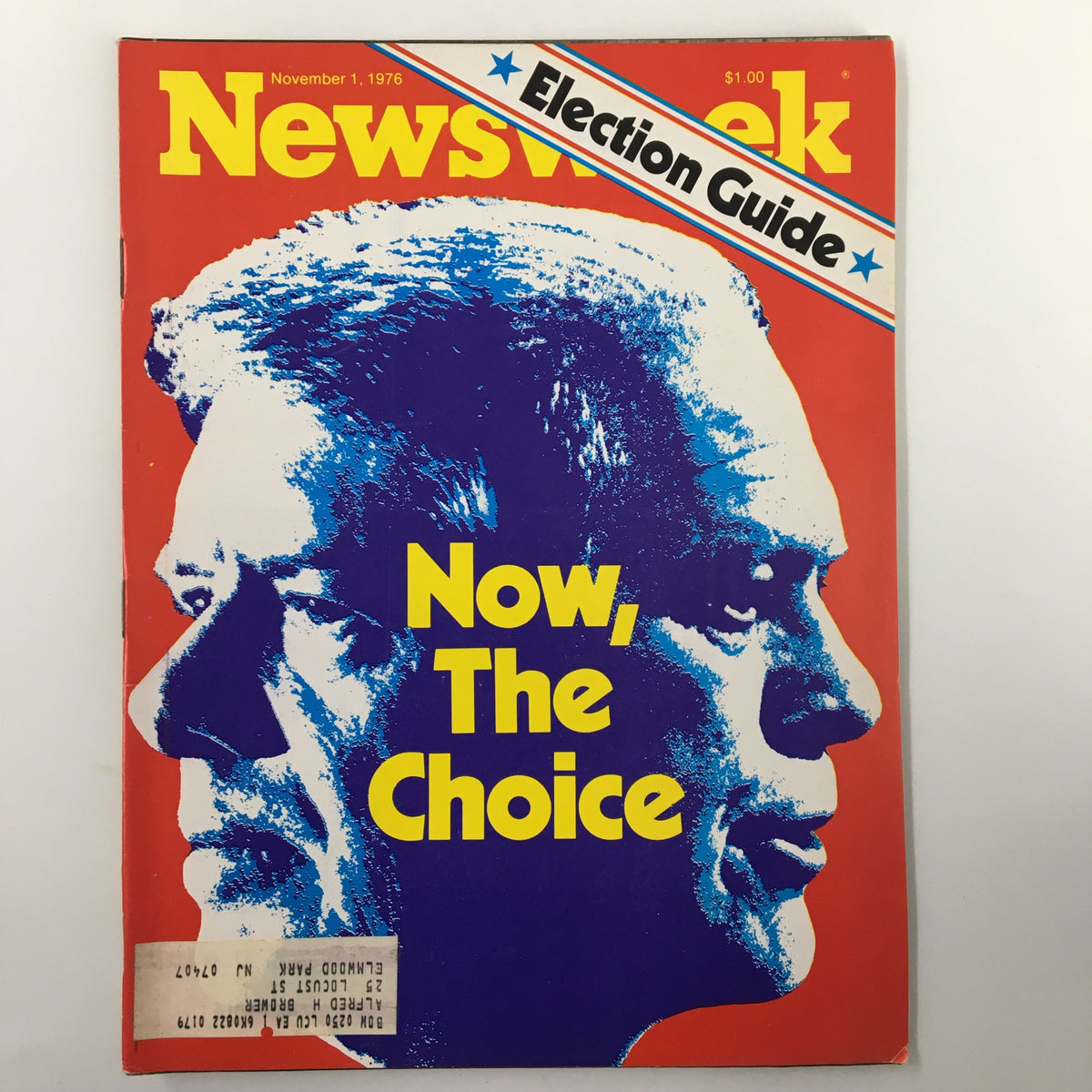
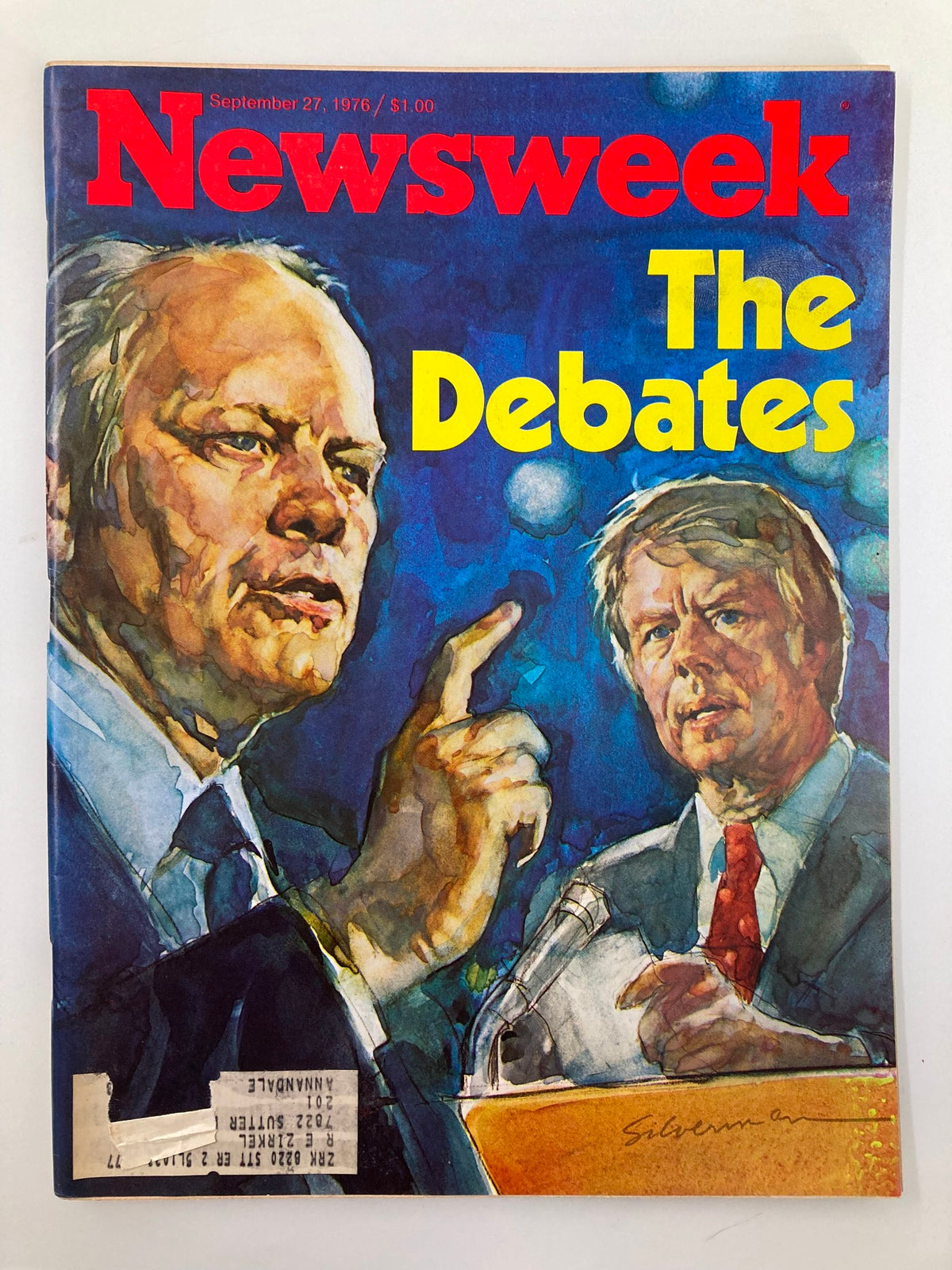
- The 1976 Presidential Campaign — The bruising Republican primary battle against Ronald Reagan, followed by the general election contest with Jimmy Carter, generated sustained and dramatic campaign coverage. Collectors often look for issues capturing the floor fight at the Kansas City convention, where the party's future identity hung visibly in the balance.
- Assassination Attempt Reporting — The twin attempts on Ford's life by Lynette "Squeaky" Fromme and Sara Jane Moore in California generated an extraordinary burst of coverage examining security, political violence, and the psychological toll of the post-Kennedy era on the American presidency.
The Collector's Value
To hold one of these magazines today is to hold the unfiltered pulse of an America in genuine crisis — and tentative recovery. The paper stock of a mid-1970s Newsweek carries its own testimony: slightly yellowed at the margins, the ink settled deep into the grain, the smell of decades lending every page a gravity that no digital archive can replicate. Thumb past the Ford coverage and you encounter the era in full surround — advertisements for AMC Gremlins and Polaroid cameras, cigarette copy still running in color on the back pages, the graphic design vocabulary of a decade wrestling between idealism and exhaustion. These are not reproductions or commemorations; they are primary sources, as authentic as anything housed behind museum glass. For collectors of presidential history and political memorabilia, 1970s Americana and Cold War culture, or First Lady and women's history ephemera, these publications offer an irreplaceable window into a presidency defined by conscience over calculation, and into a nation learning, slowly, to trust again. Browse the current available inventory below and discover which pieces of that extraordinary moment are waiting to be reclaimed.