📖 About this Collection
Harry S. Truman: The Man from Missouri Who Inherited a World at War
The Legend & The Legacy
When Franklin Delano Roosevelt died on April 12, 1945, a haberdasher from Independence, Missouri found himself holding the weight of the world — quite literally. Harry S. Truman had been Vice President for just 82 days when he was thrust into the presidency at the most consequential moment of the twentieth century. Within months, he would authorize the use of atomic weapons, ending the Pacific War in a flash of blinding light, and then spend the next seven years navigating the treacherous early decades of the Cold War, the birth of Israel, the Marshall Plan, the Berlin Airlift, and the Korean conflict. In an age before rolling cable commentary or social media, Americans followed every seismic decision through the printed page — waiting for their weekly copies of Life or Time to arrive, poring over newsprint photographs of a plain-spoken man in thick-rimmed glasses who had somehow become the most powerful figure on earth. His story was consumed in ink and paper, in the crinkle of a turned page, in cover images that froze history at its most electric moments.
Inside the Archive
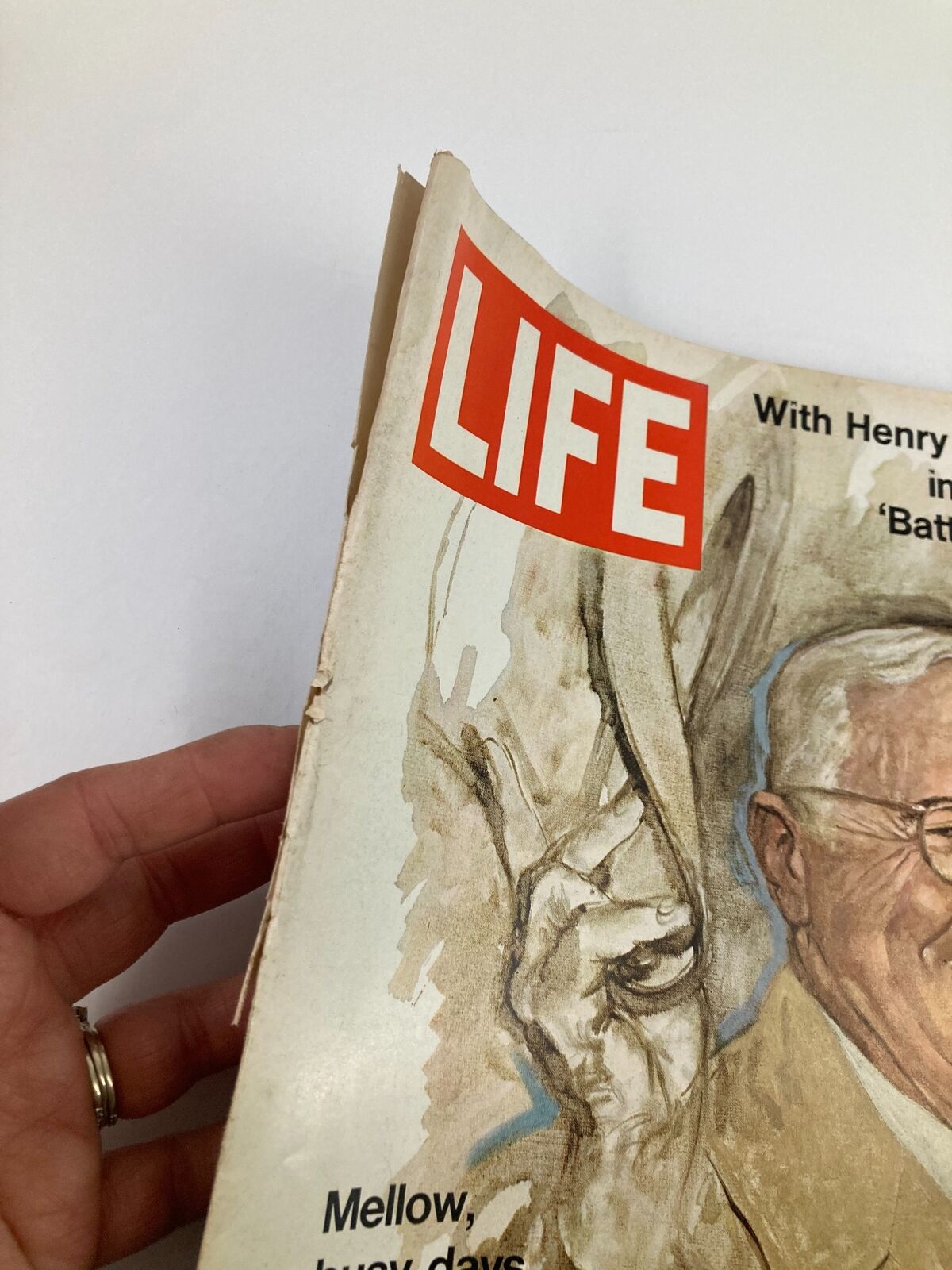
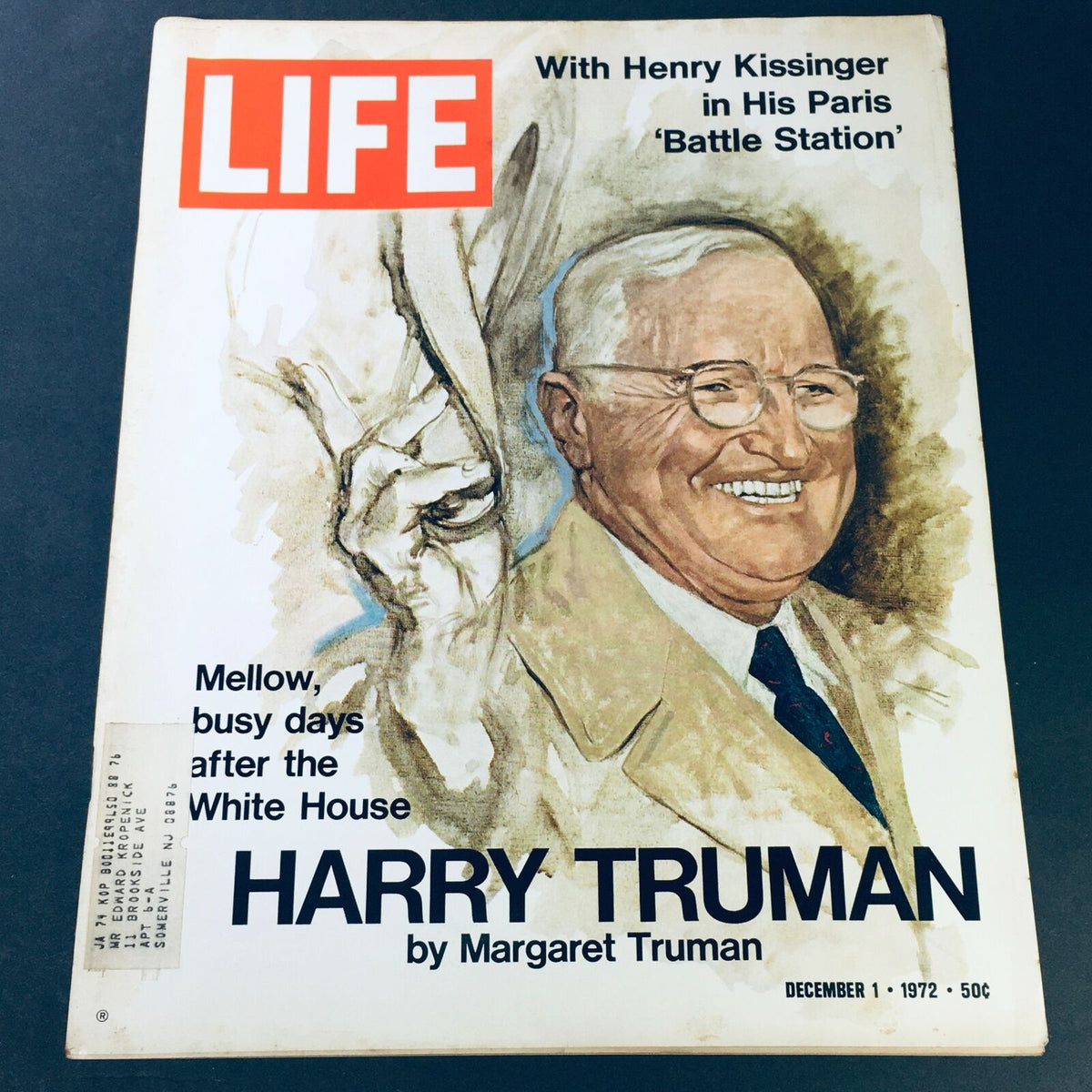
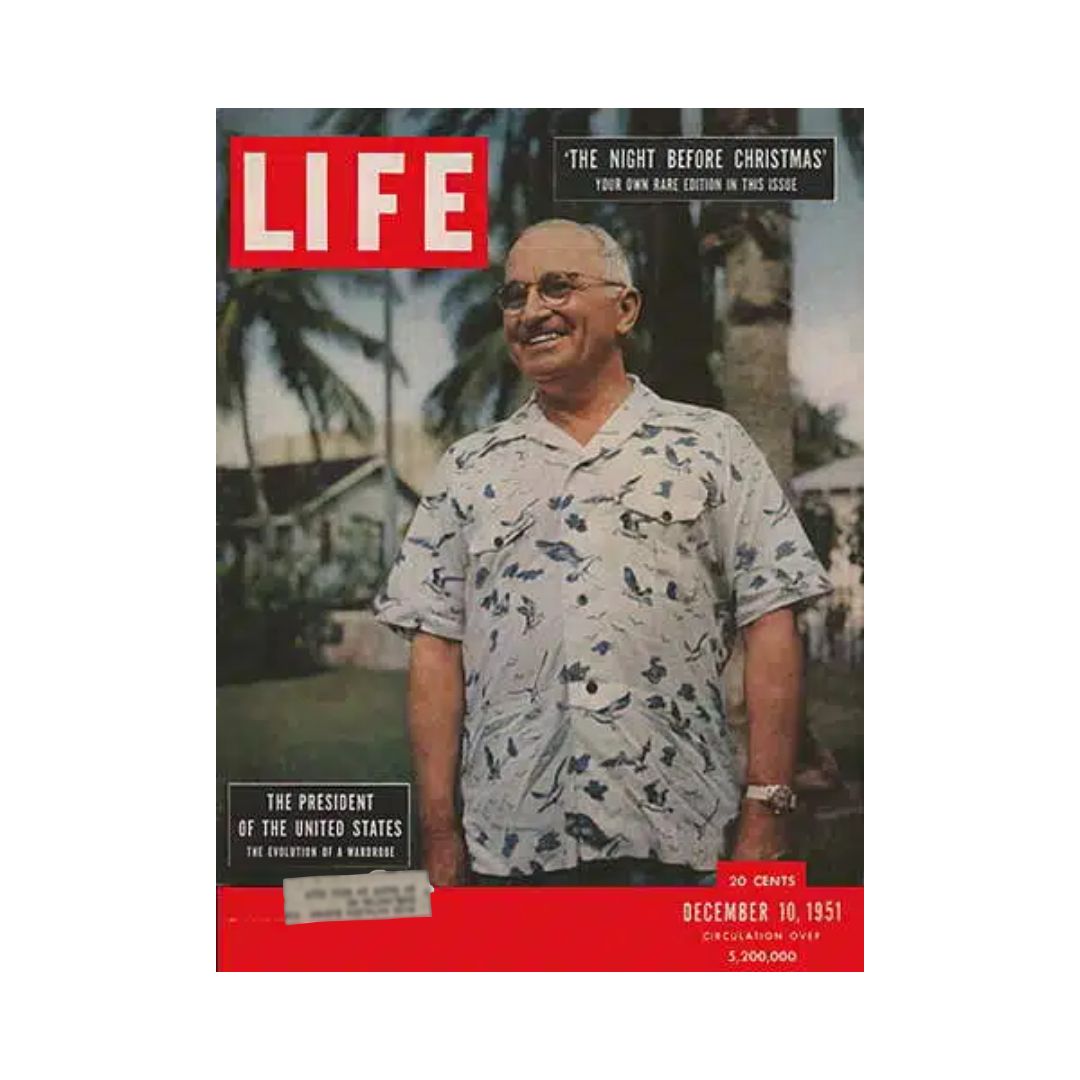
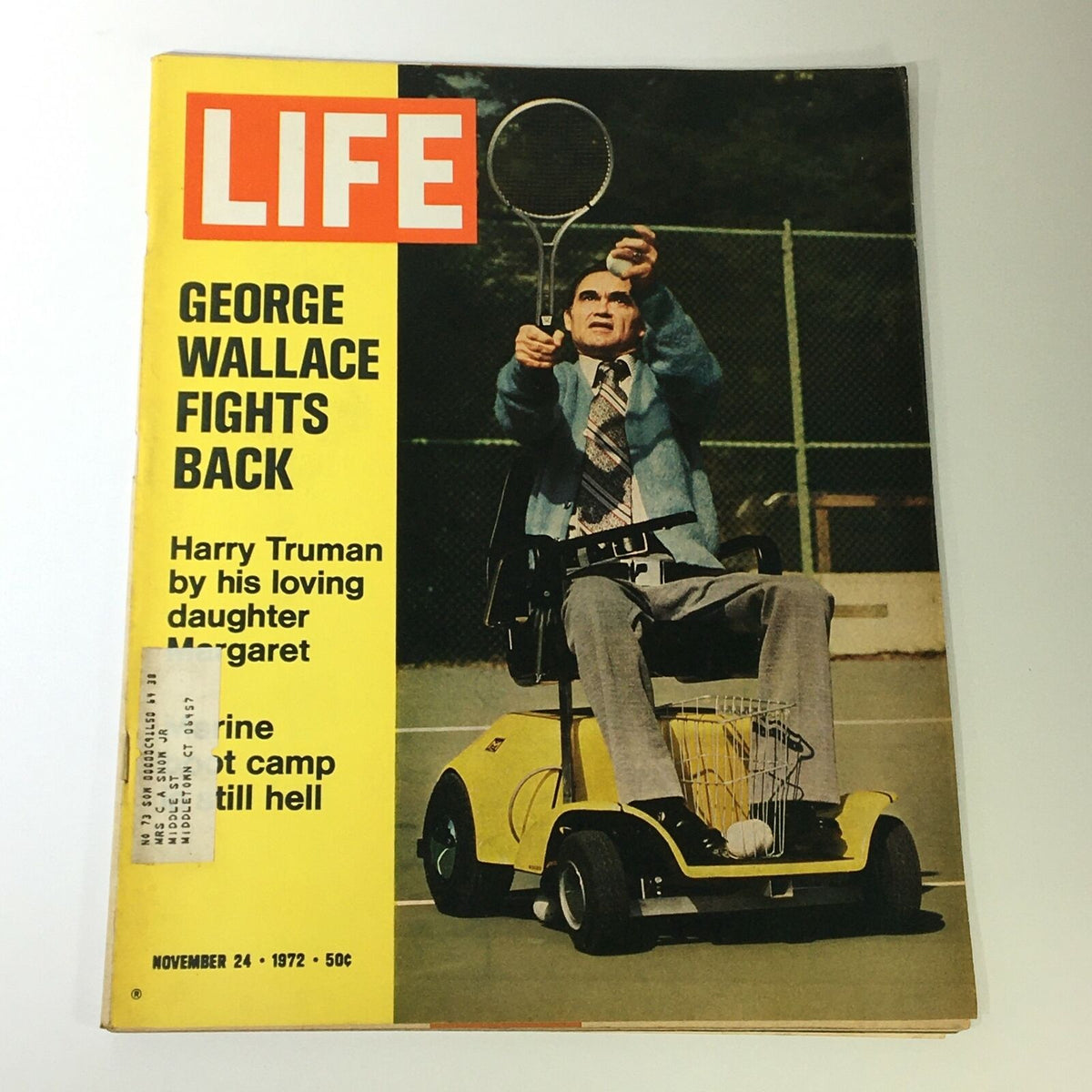
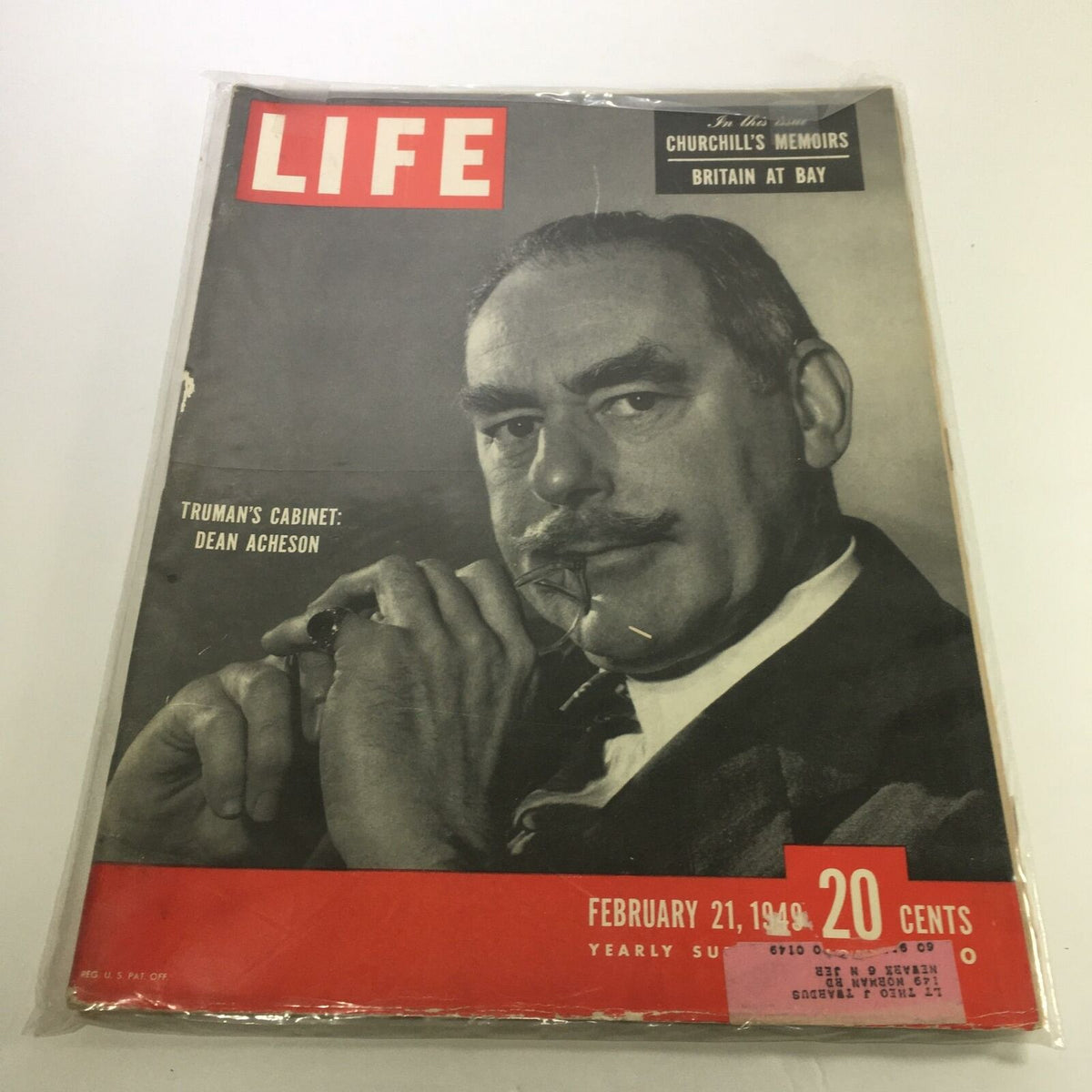
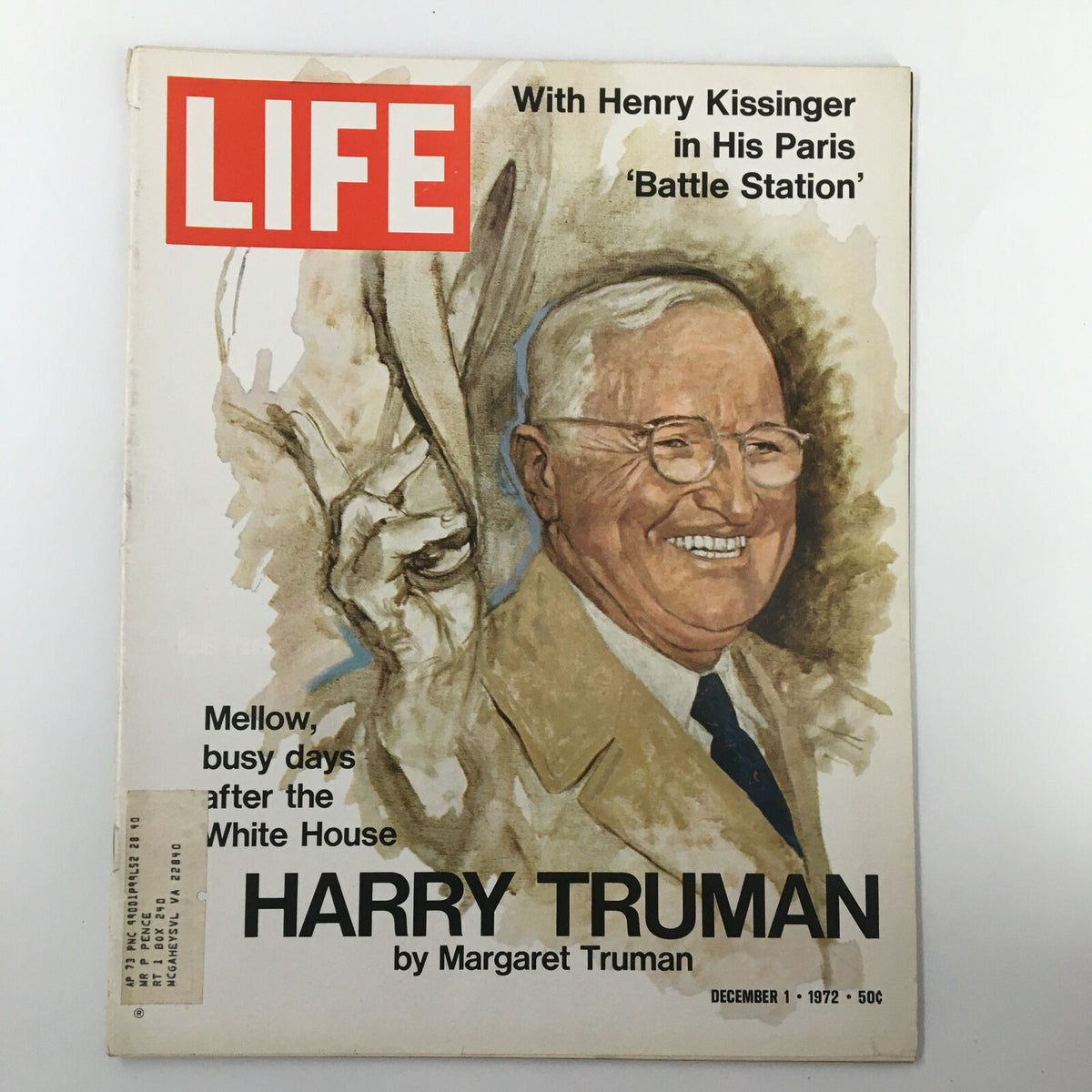
Vintage magazines of the Truman era reflect a nation simultaneously exhausted by war and crackling with post-war possibility. Photographers shot the thirty-third president with a directness that suited the man himself — no theatrical glamour, but an honest, sometimes stern dignity that communicated plainspoken authority. Life magazine, the great visual chronicle of mid-century America, returned to him repeatedly: from the shock of his accession in 1945 to the legendary triumph of the 1948 election, when he held aloft the Chicago Tribune's infamous "DEWEY DEFEATS TRUMAN" headline in one of the most reproduced images in American press history. Time placed him on its cover multiple times, charting every Cold War confrontation and domestic battle with its characteristically precise, slightly combative editorial voice. Overseas, publications such as Picture Post in Britain and Paris Match in France tracked the Missouri president with keen international interest, well aware that his decisions rippled from the Elbe River to the 38th Parallel. Niche political and affairs journals of the period, including The Nation and Newsweek, offered pointed editorial perspectives on the Truman Doctrine and the dawn of the nuclear age, creating a remarkable tapestry of contemporary opinion now impossible to replicate.
Curator's Checklist: Highlights Often Include
- Victory & Transition Issues (1945): Coverage surrounding Roosevelt's death and the sudden elevation of his successor, capturing the raw national emotion of a country mid-war and suddenly leaderless — among the most historically charged issues of the entire decade
- Atomic Age Headlines: Publications from August and September 1945 processing the devastation of Hiroshima and Nagasaki, framing a debate about modern warfare and American power that defined the rest of the century
- The Upset of the Century (1948): Election night and post-election issues documenting one of the greatest political comebacks in democratic history, a moment the press itself had spectacularly failed to predict
- Cold War & Korean Conflict Features: In-depth editorial spreads on the Truman Doctrine, NATO's formation, the Berlin Airlift, and the grinding early years of the Korean War, offering a window into how ordinary citizens understood the Iron Curtain in real time
- Post-Presidential Retrospectives: Issues from the late 1950s through the 1970s revisiting his legacy as historical reassessment began to elevate the once-underestimated president to genuine stature
The Collector's Value
To hold a copy of Life from November 1948 — its ink still dark against paper that has grown warm and amber with decades — is to hold a primary source that no digital archive can replicate. These are objects that existed in the world when the events they describe were still unfolding, passed from hand to hand in drugstores and barbershops and kitchen tables across a nation trying to make sense of the atomic age. The slightly rough texture of mid-century magazine stock, the faint sweetness of aged ink, the surrounding advertisements for refrigerators and Lucky Strikes and U.S. Savings Bonds — all of it creates an immersive time capsule that a screen can only approximate. For collectors of presidential history, Cold War Americana, or twentieth-century print ephemera, these publications offer something extraordinary: unmediated access to the public consciousness of a defining era, frozen at the very moment history was being made. Explore the current rotating inventory below and discover which extraordinary pieces of that world are available today.