📖 About this Collection
January 1951: The World at War's Crossroads
The Historical Context
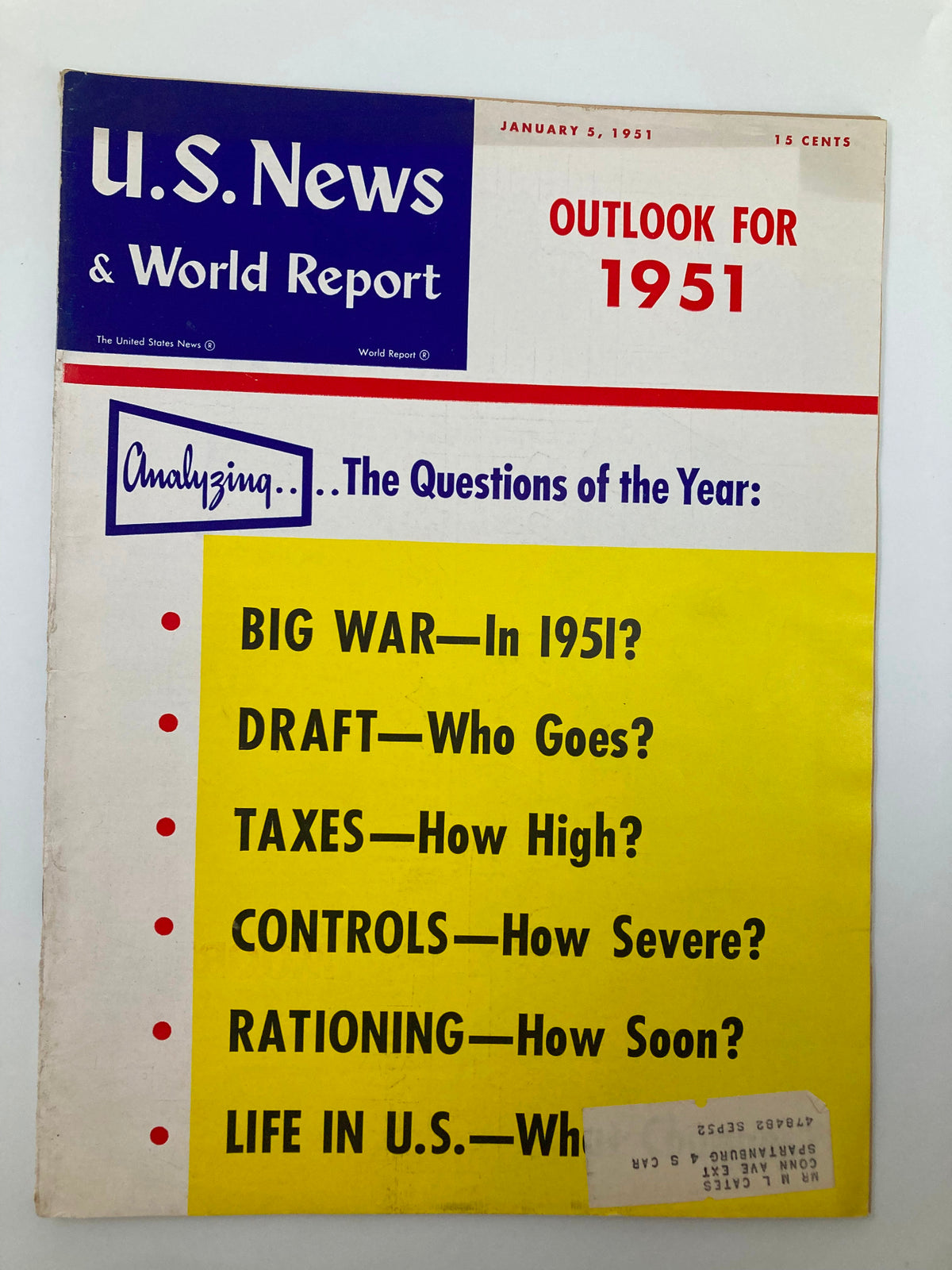
As 1951 opened, Americans confronted the grim reality of a widening Asian conflict that threatened to eclipse the fragile peace won just five years earlier. The Korean War dominated every headline when Chinese and North Korean forces launched a massive New Year's Day assault that would recapture Seoul within days, sending shockwaves through Washington and UN headquarters—which had just opened its gleaming new Manhattan building on January 10th. The Truman administration faced mounting pressure as China rejected ceasefire proposals on January 17th, while domestically, Cold War paranoia reached fever pitch when Soviet authorities "exposed" nine Jewish Kremlin physicians as Western agents. Against this backdrop of international tension, America sought normalcy: the Nevada Test Site began its nuclear testing program on January 27th, Detroit crowned its first Pro Bowl champions, and families gathered around radio sets to hear Paul Harvey's inaugural broadcast of his soon-to-be-iconic news commentary program. This was the world your loved one entered—a nation simultaneously building its future and bracing for an uncertain tomorrow.
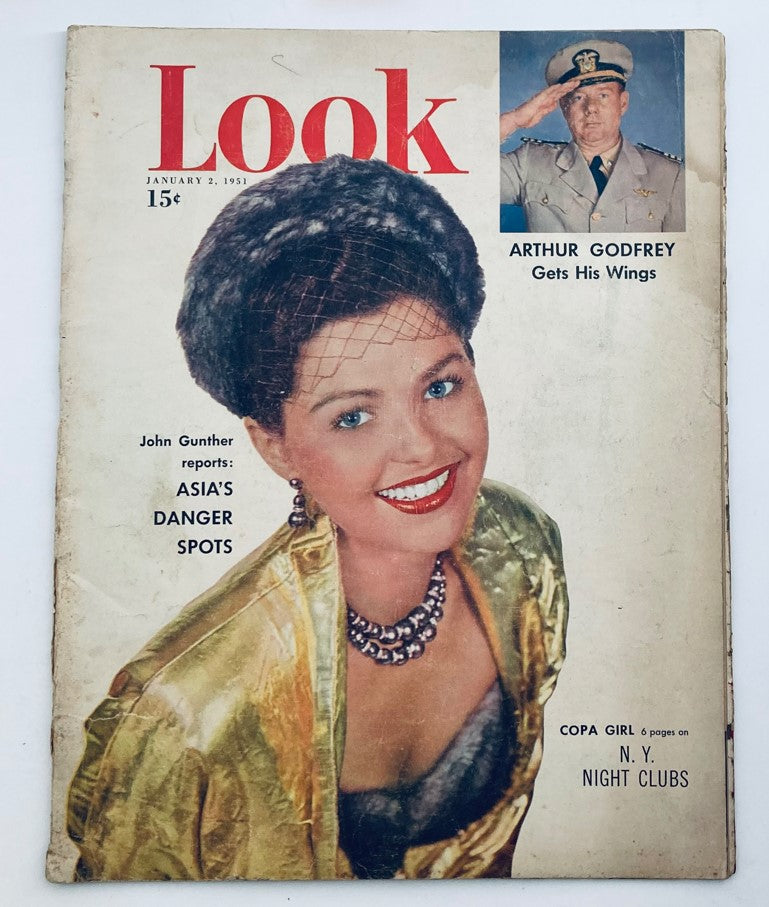
While newsreels flickered with combat footage, Americans found escape in their magazines and entertainment. Leonard Bernstein's whimsical "Peter Pan" closed at Broadway's Imperial Theater after 320 performances starring Boris Karloff, while London audiences queued for "La Vie Commence Demain," the first X-rated film depicting artificial insemination—a controversy that Time and Newsweek couldn't resist covering. Sports fans witnessed history when the Indianapolis Olympians and Rochester Royals battled through six overtimes in the longest NBA game ever played, and baseball immortalized Mel Ott and Jimmie Foxx with Hall of Fame inductions on January 26th. The 3rd Emmy Awards honored television's rising stars, with Alan Young and Gertrude Berg taking home top prizes. Original magazines from January 1951 captured these moments in vivid detail—from Look's photography of Seoul's fall to Sports Illustrated's predecessor publications chronicling Maurice Richard's record-breaking hat trick. Fashion magazines like Vogue showcased the era's post-war elegance, while detective magazines sensationalized Ilse Koch's life imprisonment sentence, forever branding her "The Bitch of Buchenwald."
What to Look For in Vintage Magazines from January 1951
-
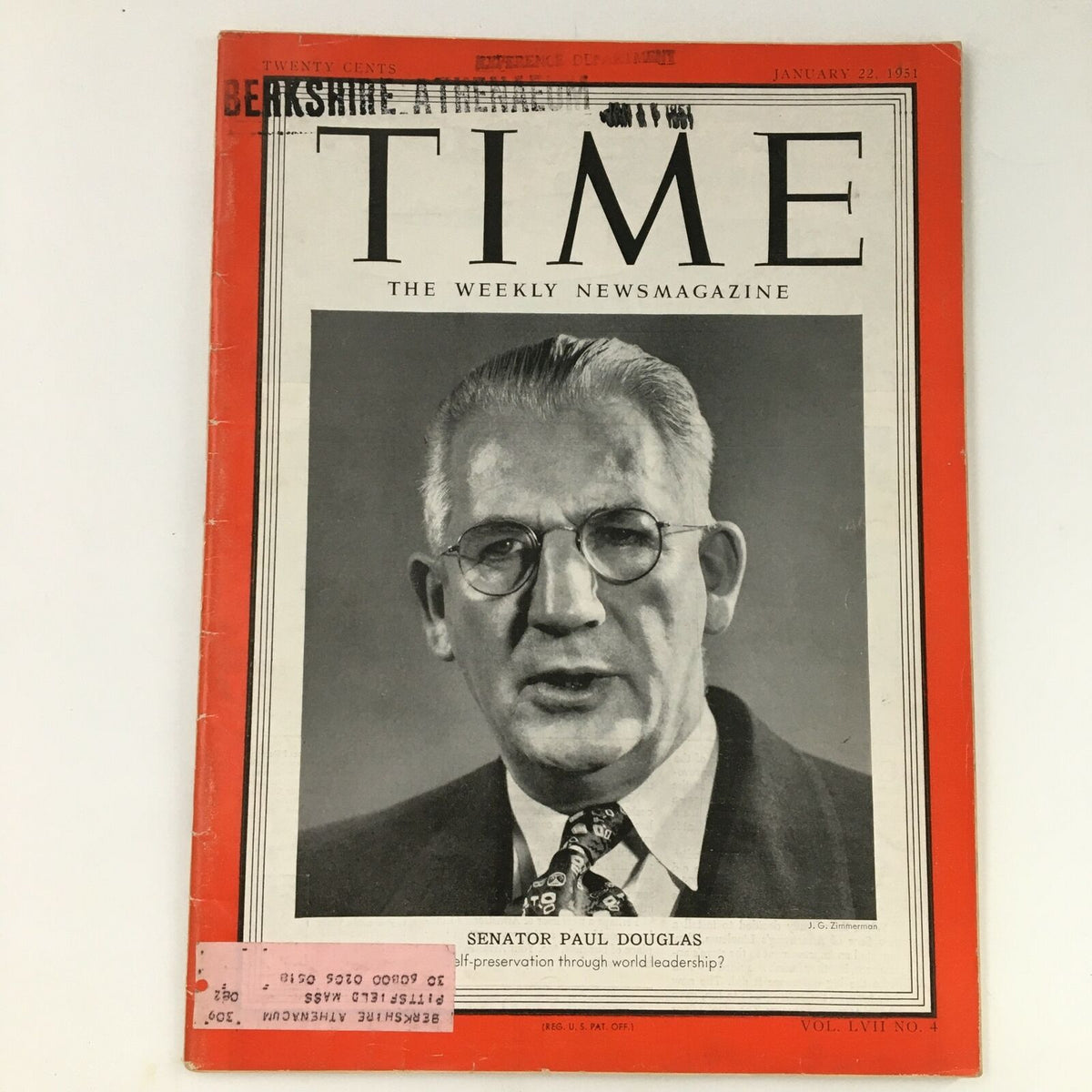
Korean War Coverage: News weeklies like Time, Life, and Newsweek featuring dramatic photography of Chinese forces recapturing Seoul, often with maps tracking the UN retreat and anxious analysis of potential American casualties.
-
Cold War Paranoia: Rare magazines and mainstream press alike chronicling the Soviet physician conspiracy allegations, illustrated with stark portraits and reflecting the era's deep-seated fears about communist infiltration.
-
Nuclear Age Documentation: Popular Mechanics and general interest publications showcasing the Nevada Test Site's inauguration, complete with mushroom cloud photography and optimistic civilian defense advertisements that now seem hauntingly naïve.
-
Sports History Preservation: Authentic magazines capturing Mel Ott and Jimmie Foxx's Hall of Fame inductions, the inaugural Pro Bowl featuring Otto Graham, or that extraordinary six-overtime NBA marathon—preserved exactly as readers first discovered these legends.
-
Entertainment Transitions: Variety and entertainment weeklies documenting the closing of Bernstein's "Peter Pan" and television's Emmy winners, capturing that pivotal moment when TV began overtaking Broadway as America's preferred escape from wartime anxiety.
The Perfect Gift
For someone born in January 1951, an original magazine from this turbulent month isn't just a nostalgic keepsake—it's an authenticated portal to the Cold War's most uncertain hour, preserved in genuine advertisements, unfiltered headlines, and the photographs that defined a generation's awakening.