📖 About this Collection
January 1967: The Month America Stepped Into Tomorrow
The Historical Context
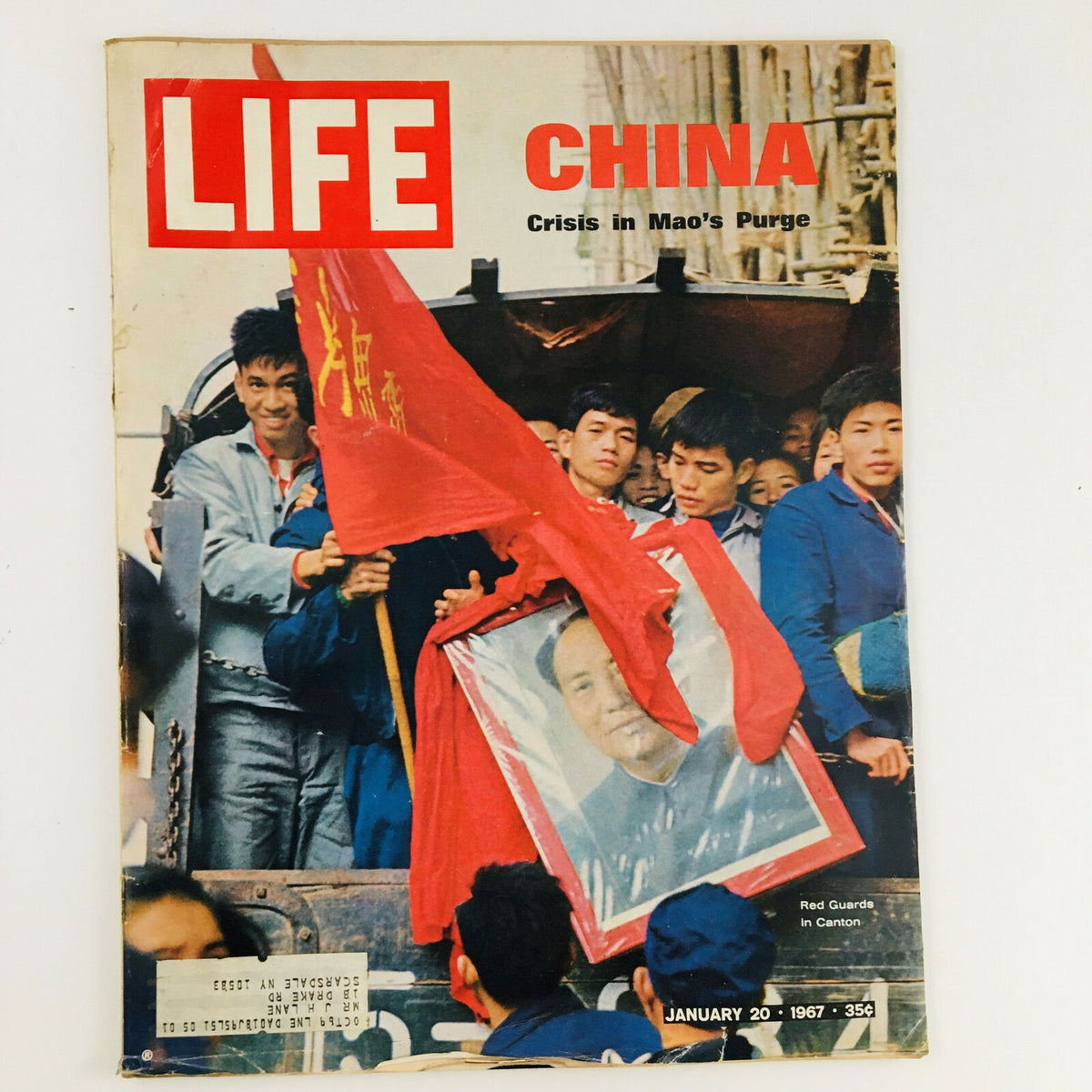
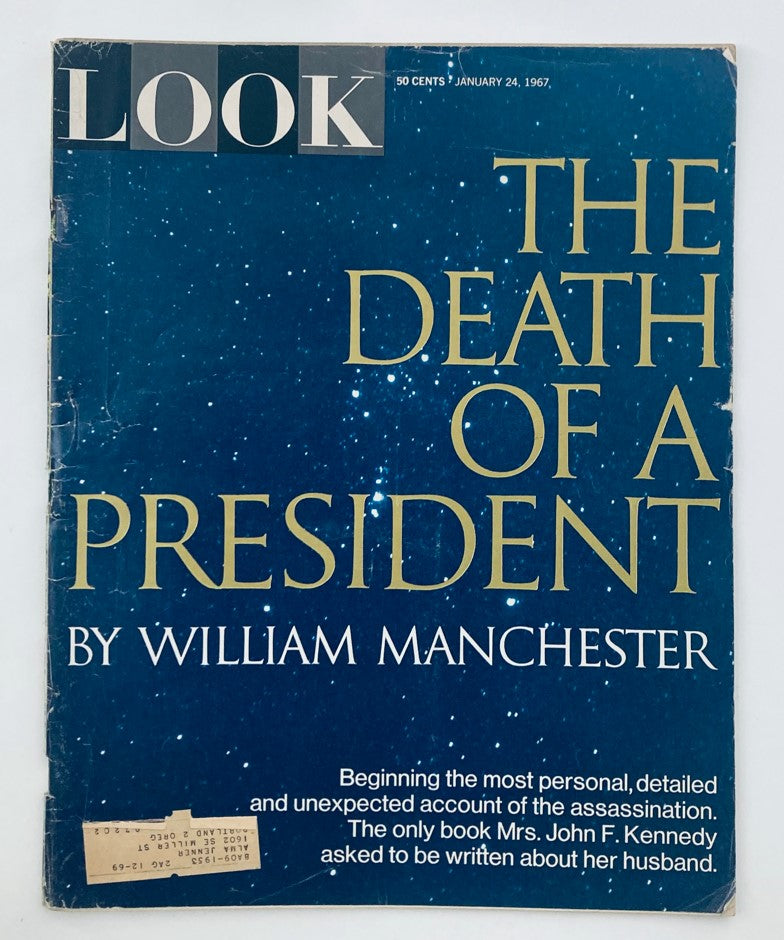
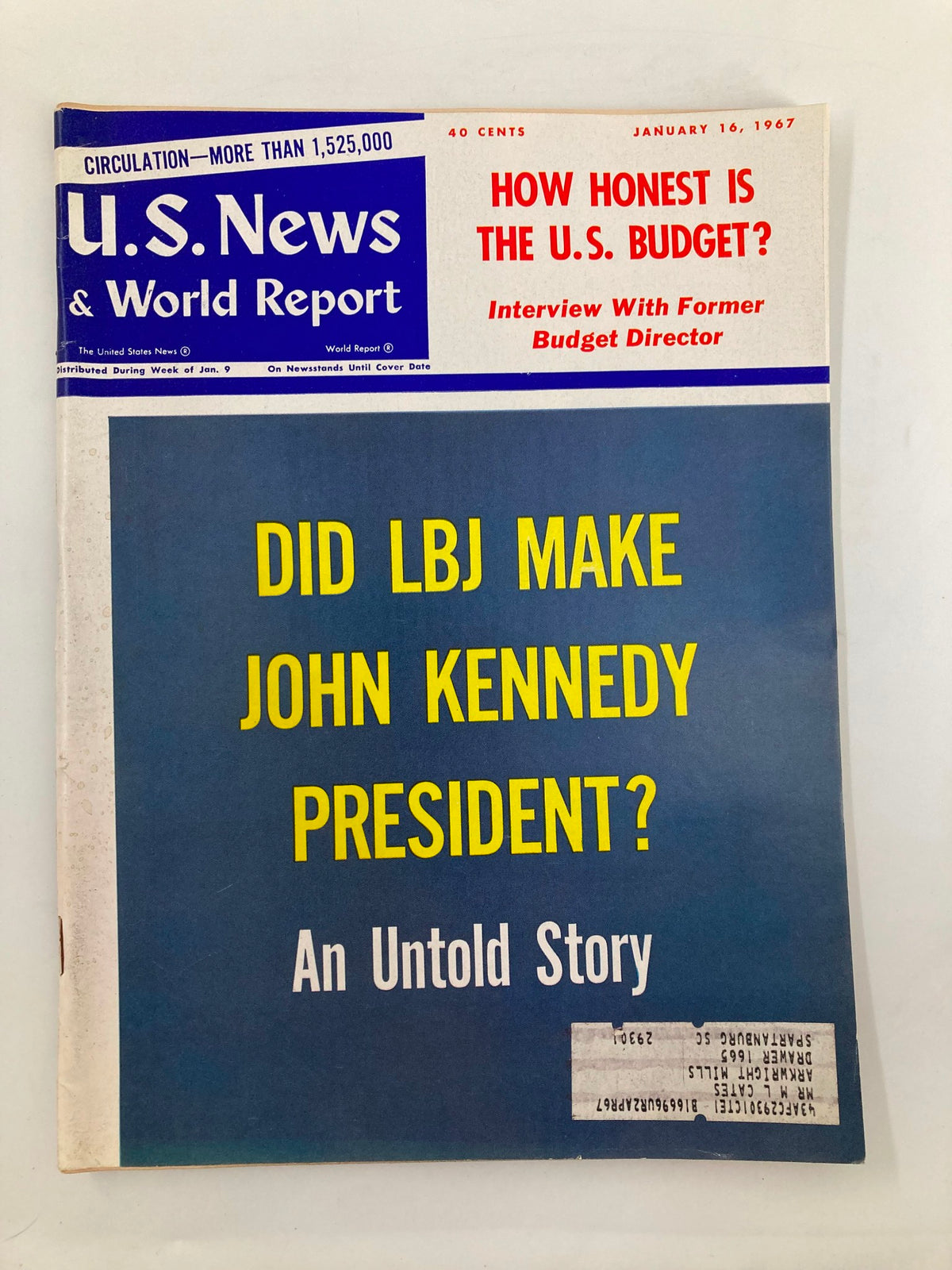
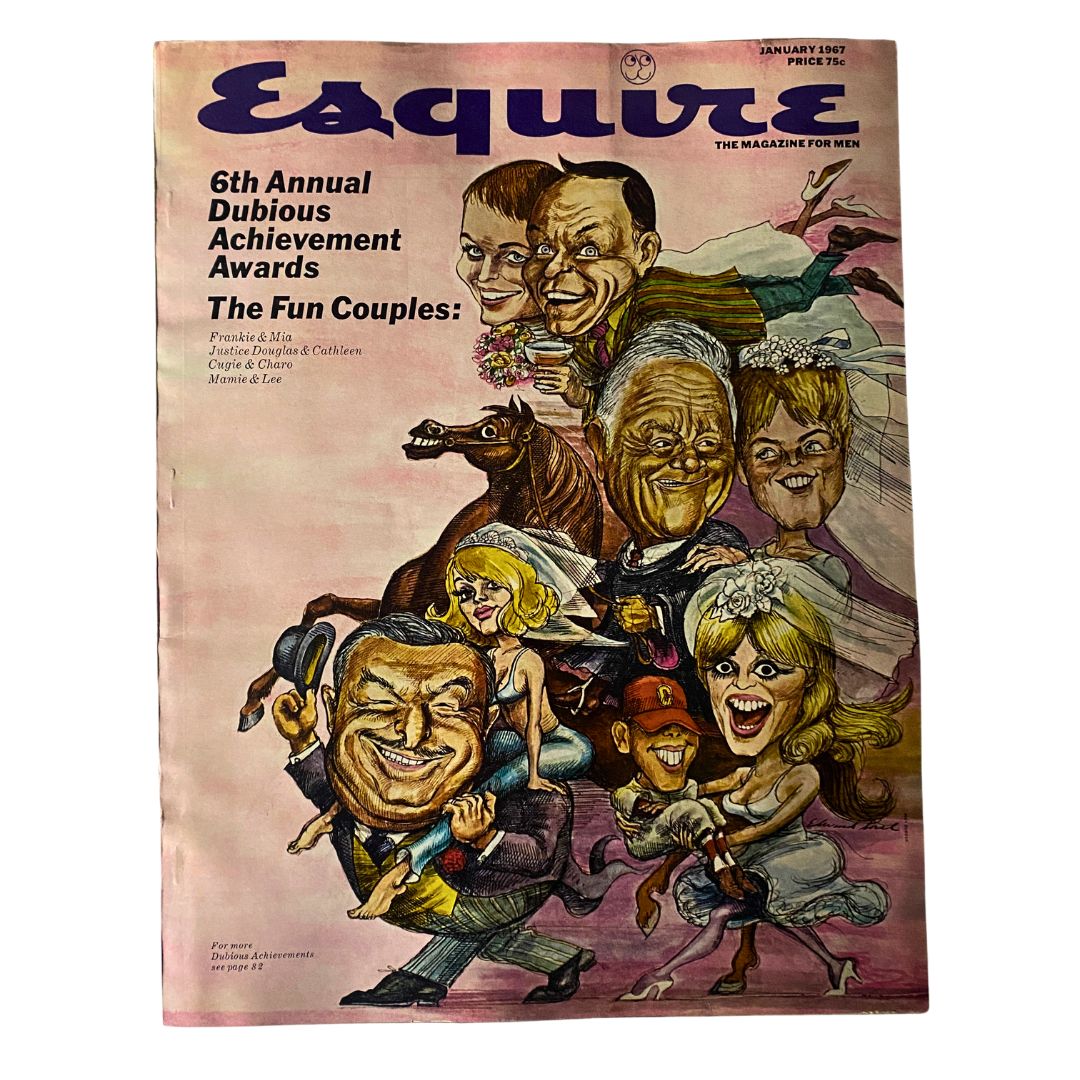
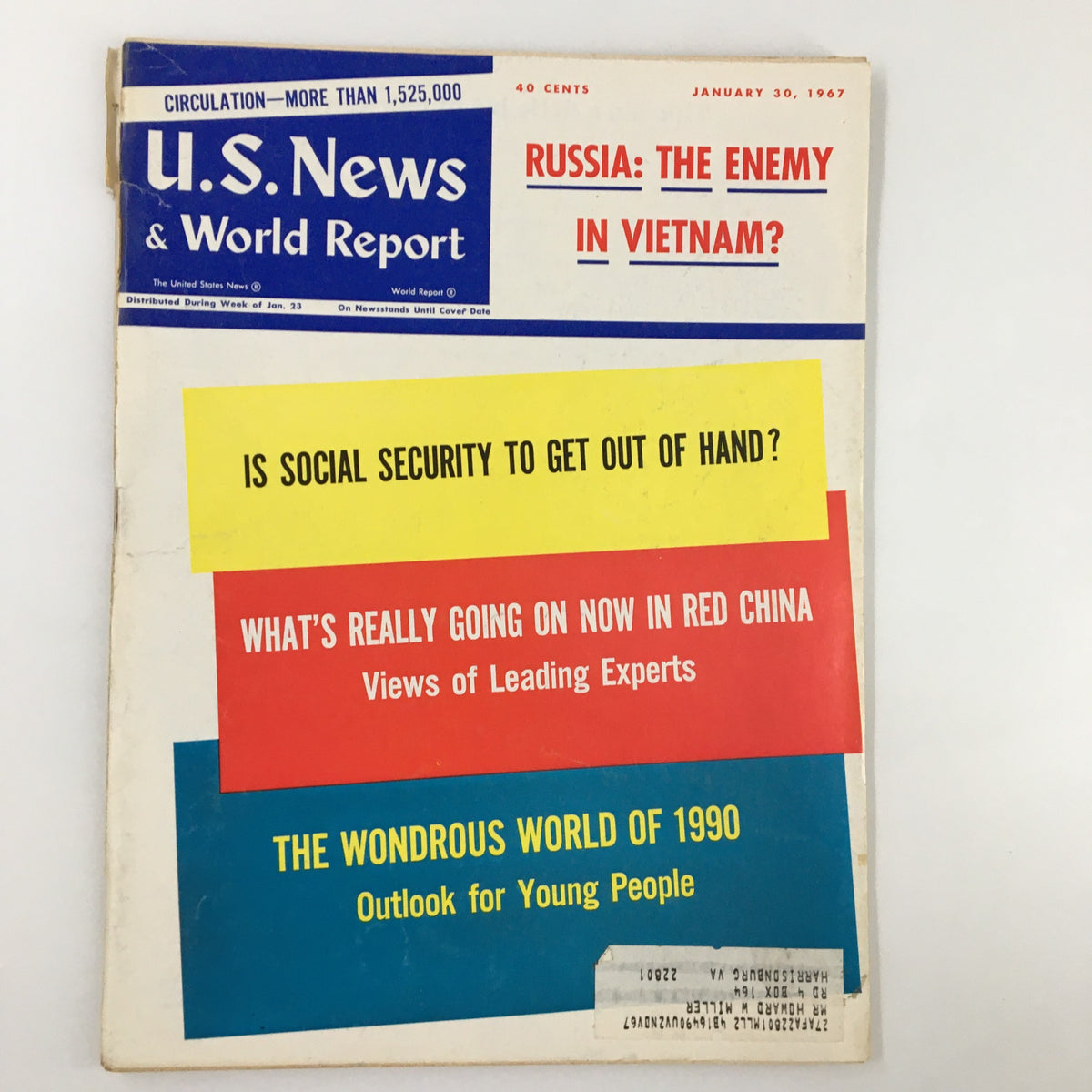
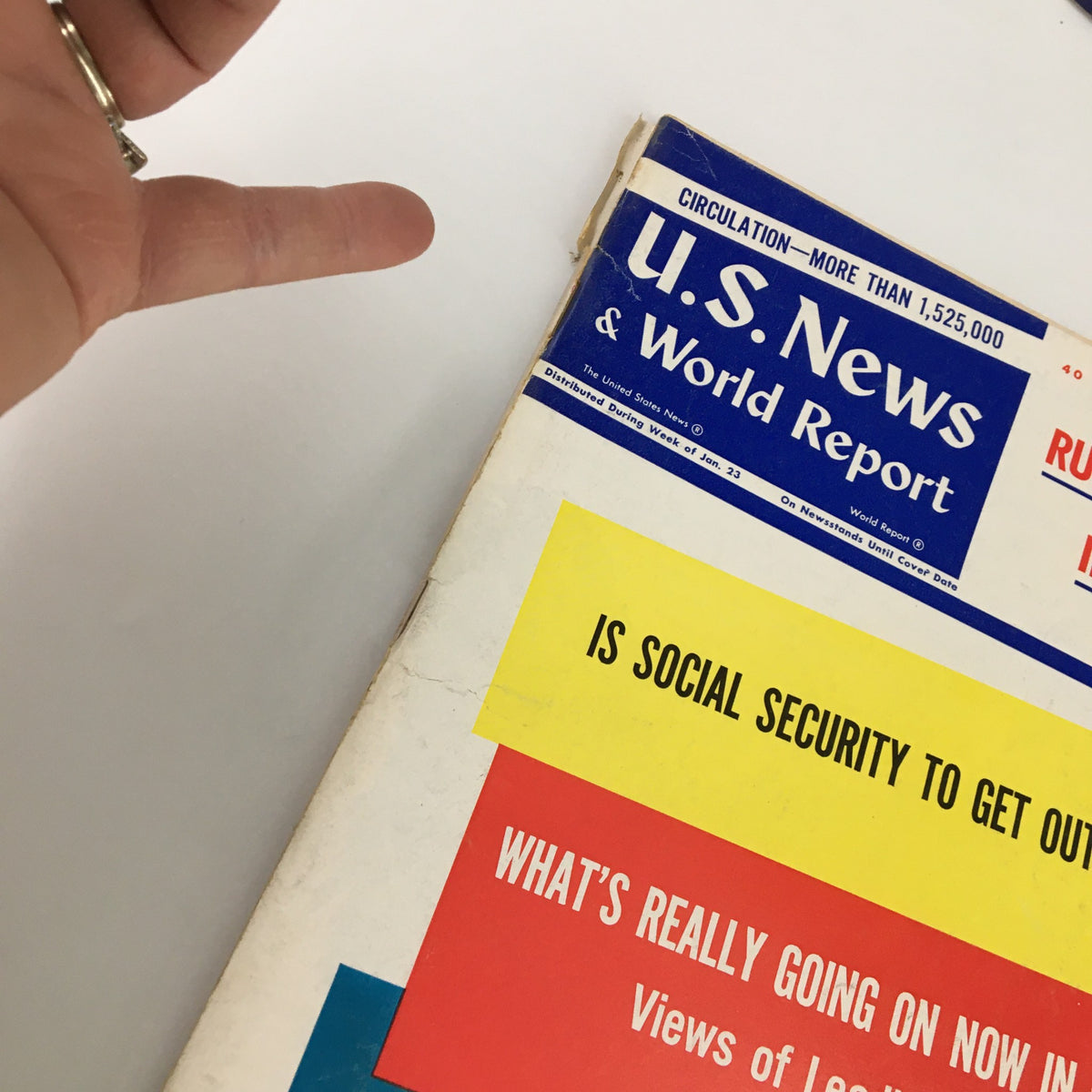
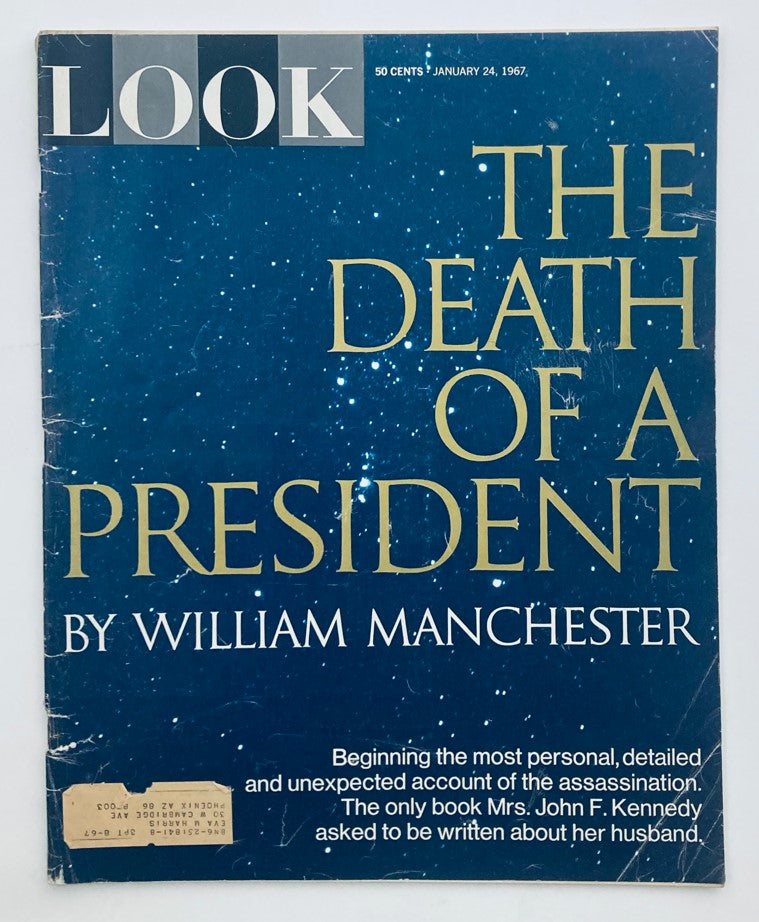
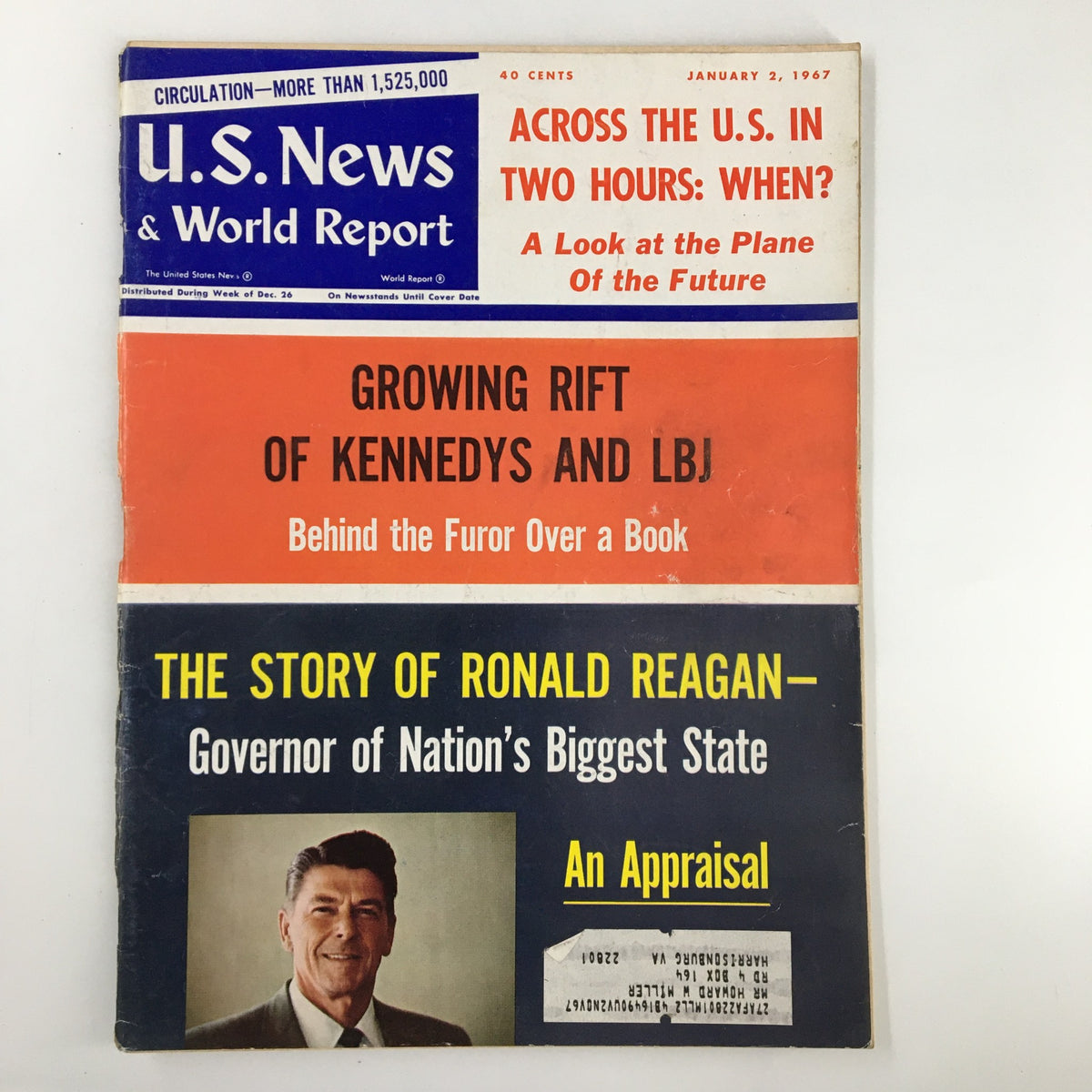
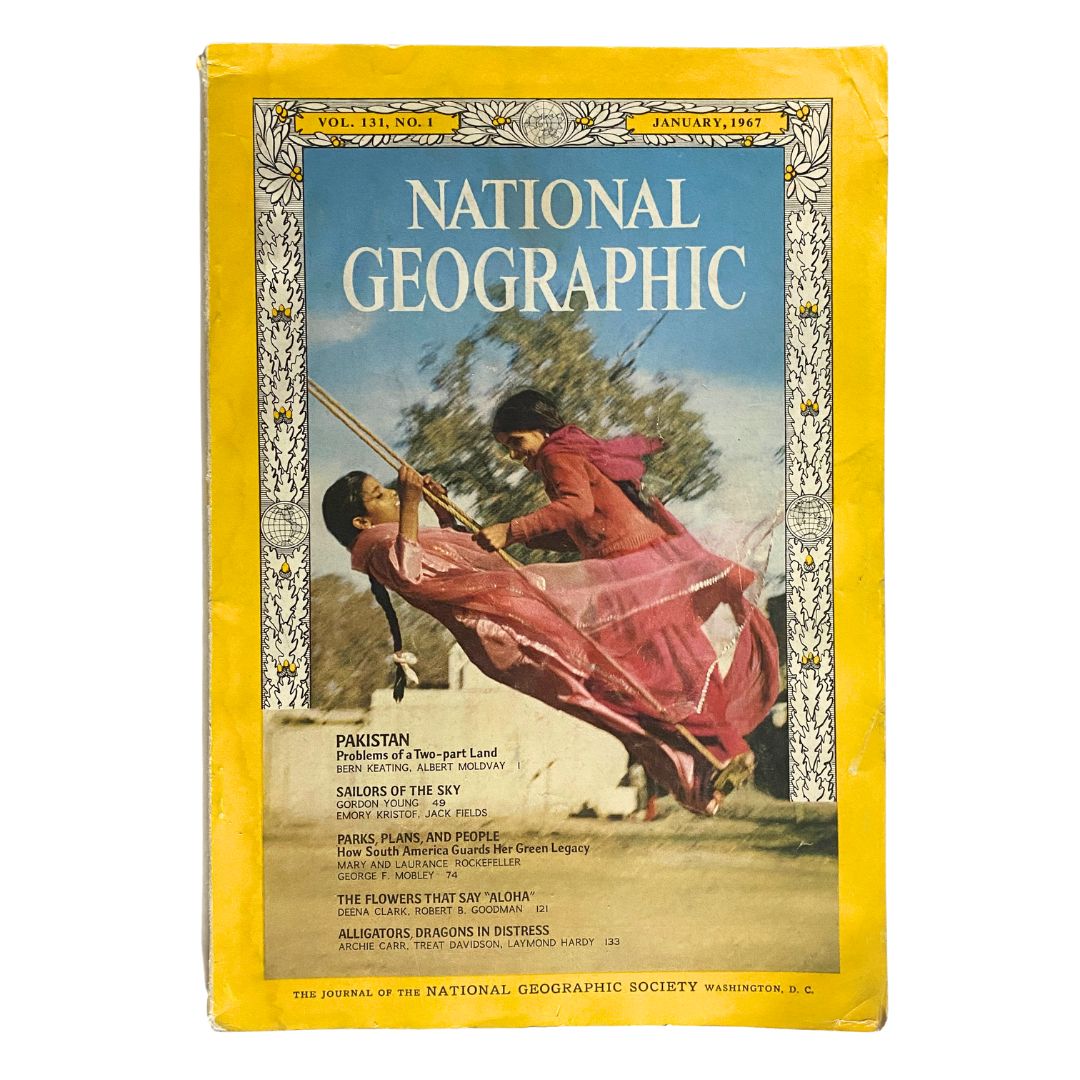
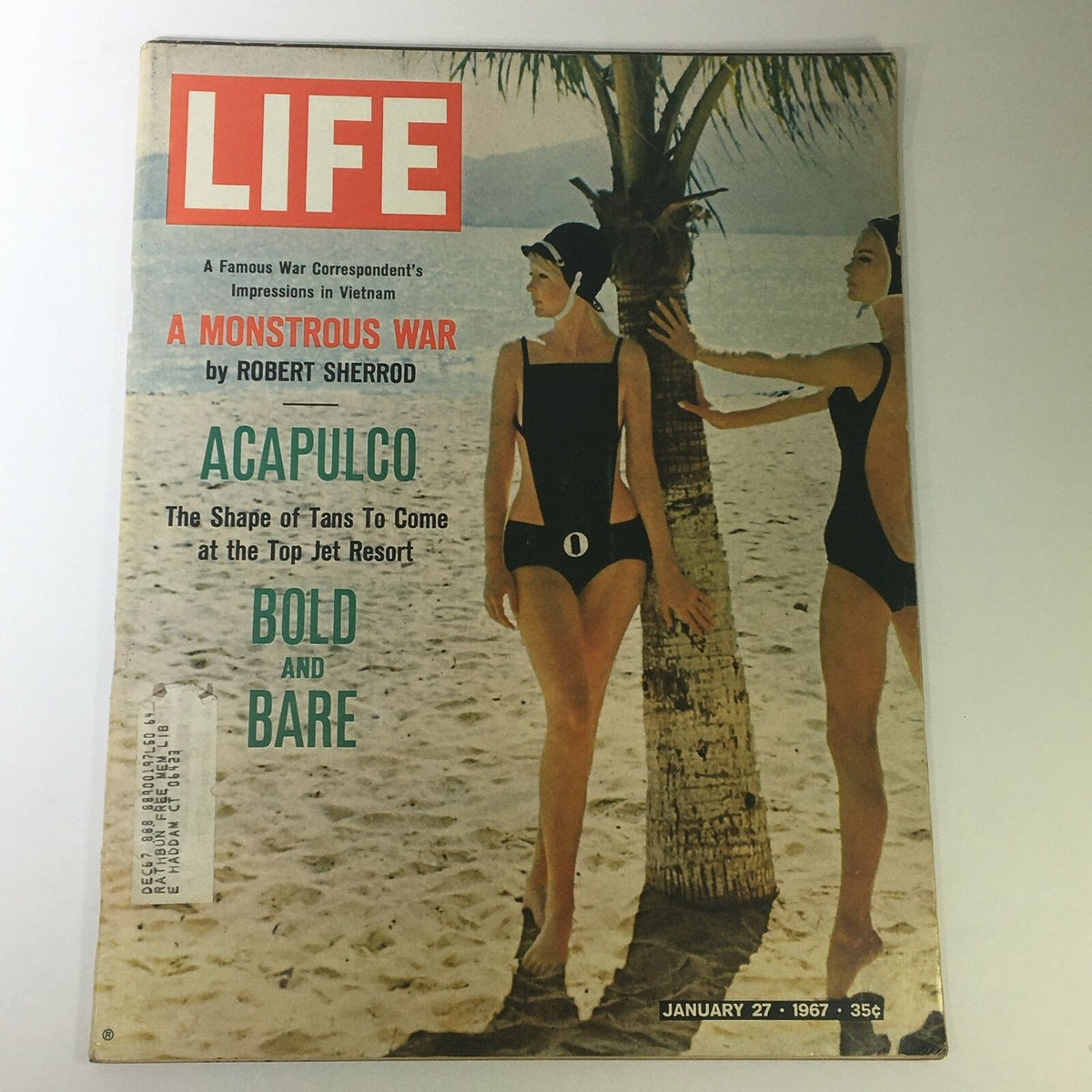
The world crackled with anticipation in January 1967—a month when the space race collided with tragedy, the first Super Bowl redefined American sports, and the counterculture announced itself to the nation. The Apollo 1 fire on January 27th brought NASA's moon mission to a devastating halt when astronauts Gus Grissom, Ed White, and Roger Chaffee perished during a launch rehearsal, casting a shadow across the nation's boldest dreams. Yet America pushed forward: the Green Bay Packers claimed victory in the first-ever AFL-NFL World Championship Game (later known as Super Bowl I), defeating the Kansas City Chiefs 35-10 before 61,946 fans at the Los Angeles Memorial Coliseum. Edward W. Brooke took his seat as the first African American popularly elected to the U.S. Senate, Muhammad Ali's draft exemption was refused by his Louisville board, and 20,000 gathered for the Human Be-In in San Francisco—the gathering that would define the Summer of Love. For someone born in January 1967, these vintage magazines captured a nation balanced between triumph and tragedy, tradition and revolution.
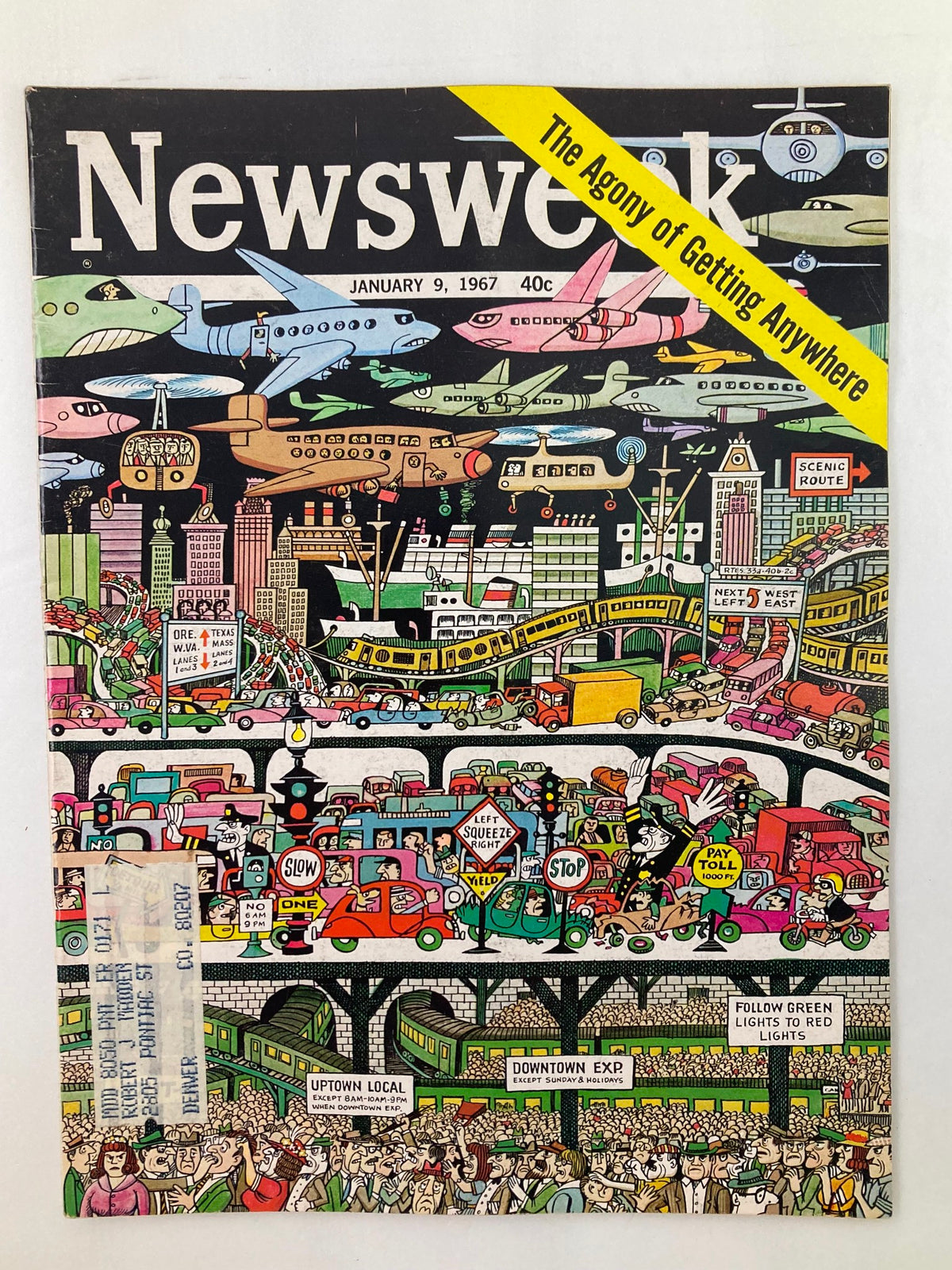
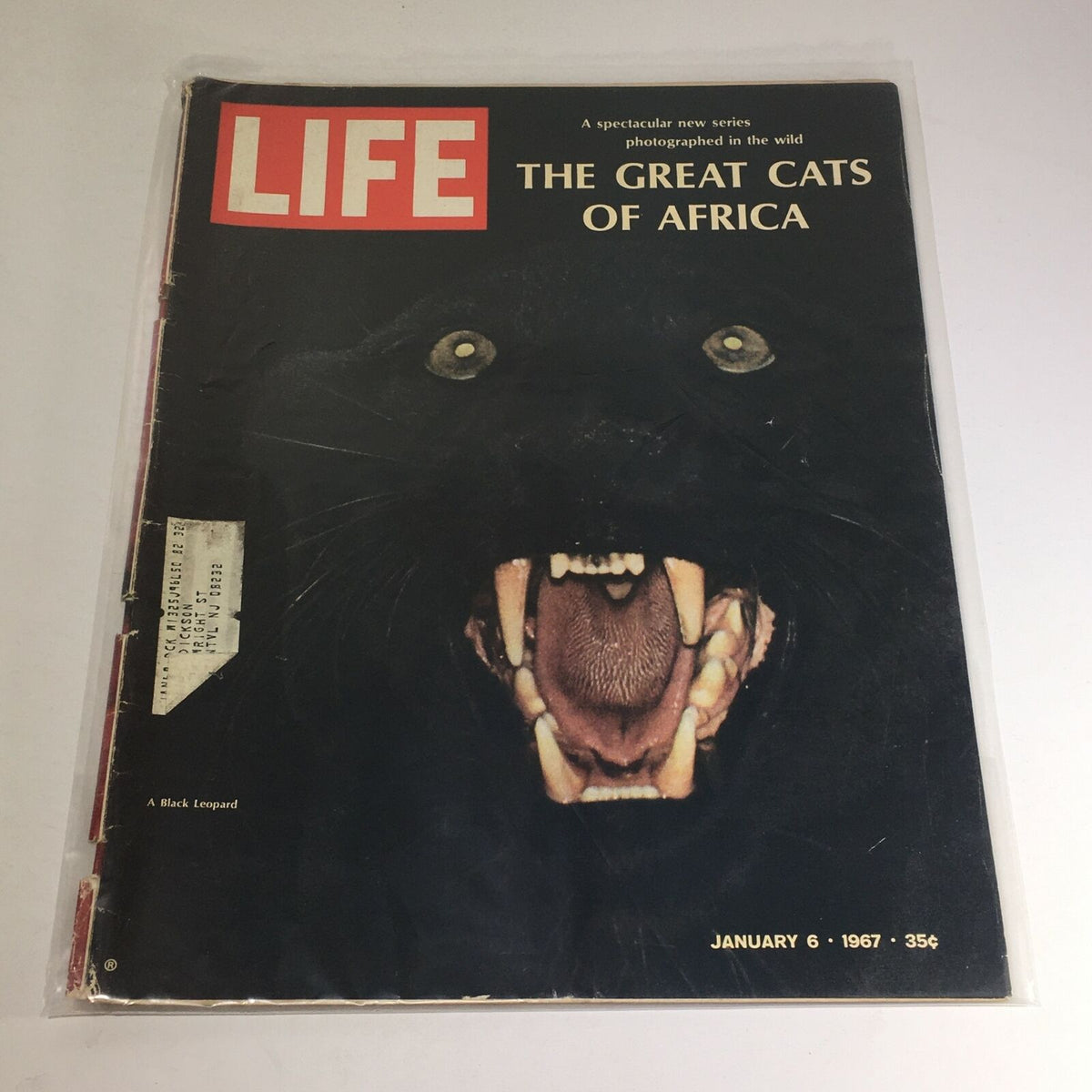
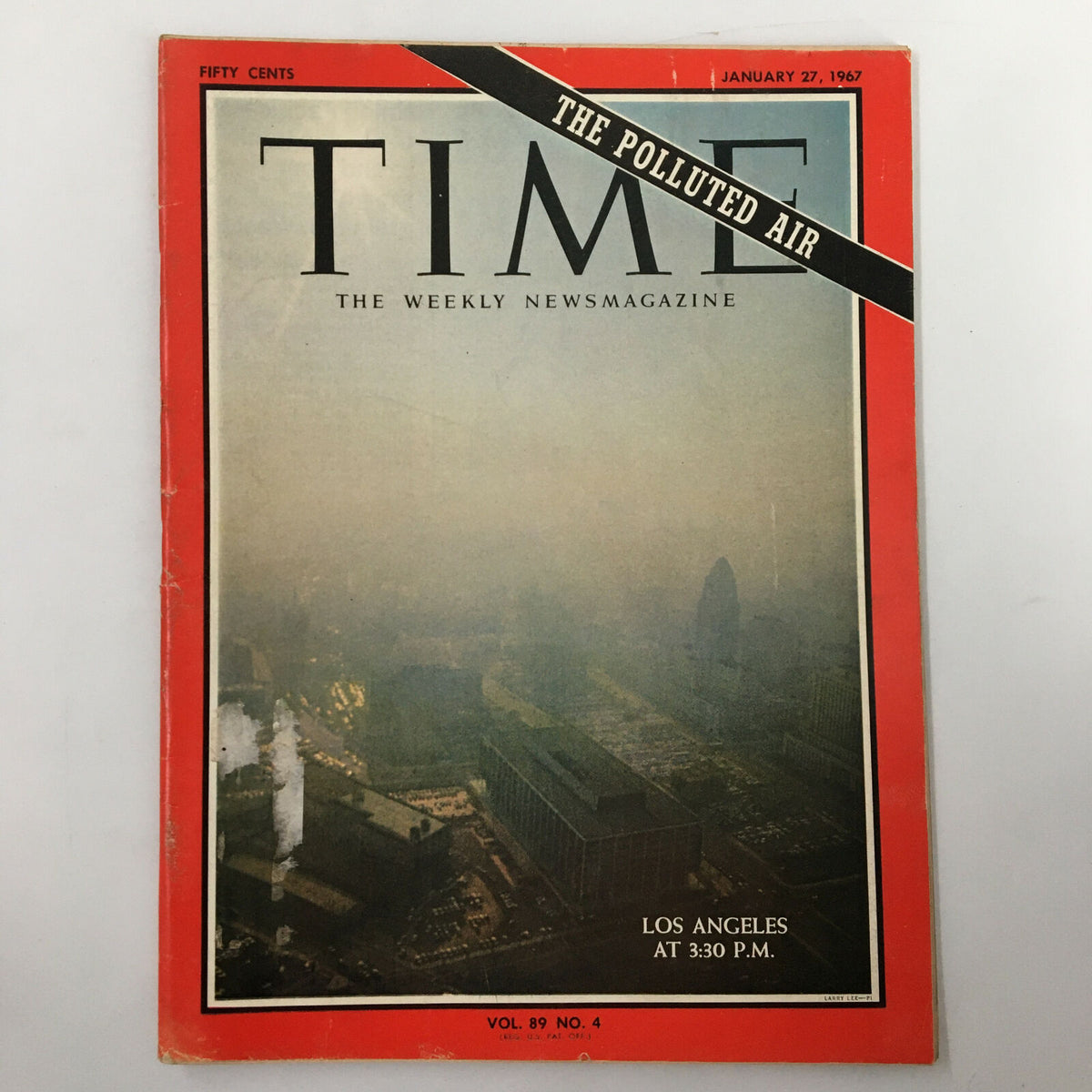
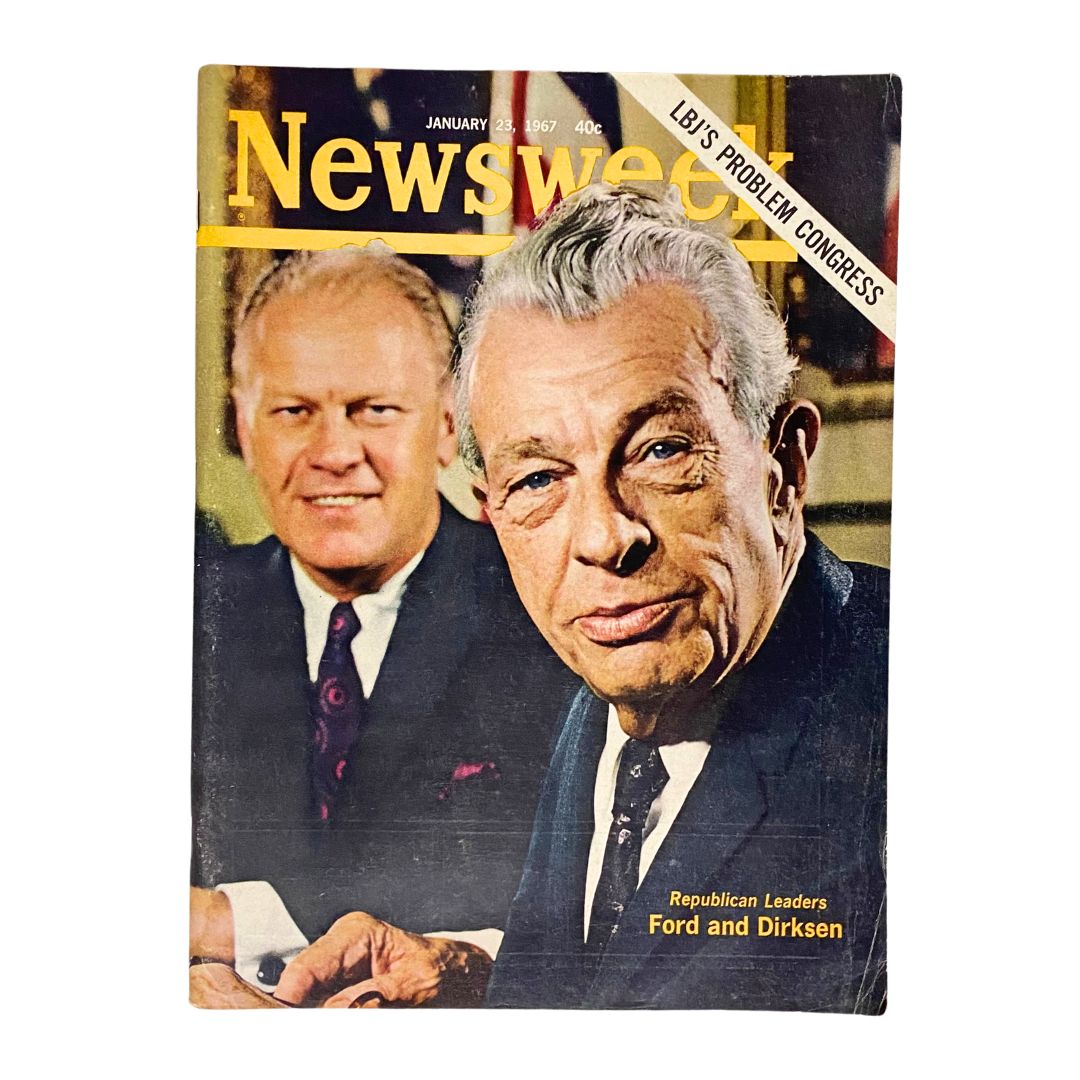
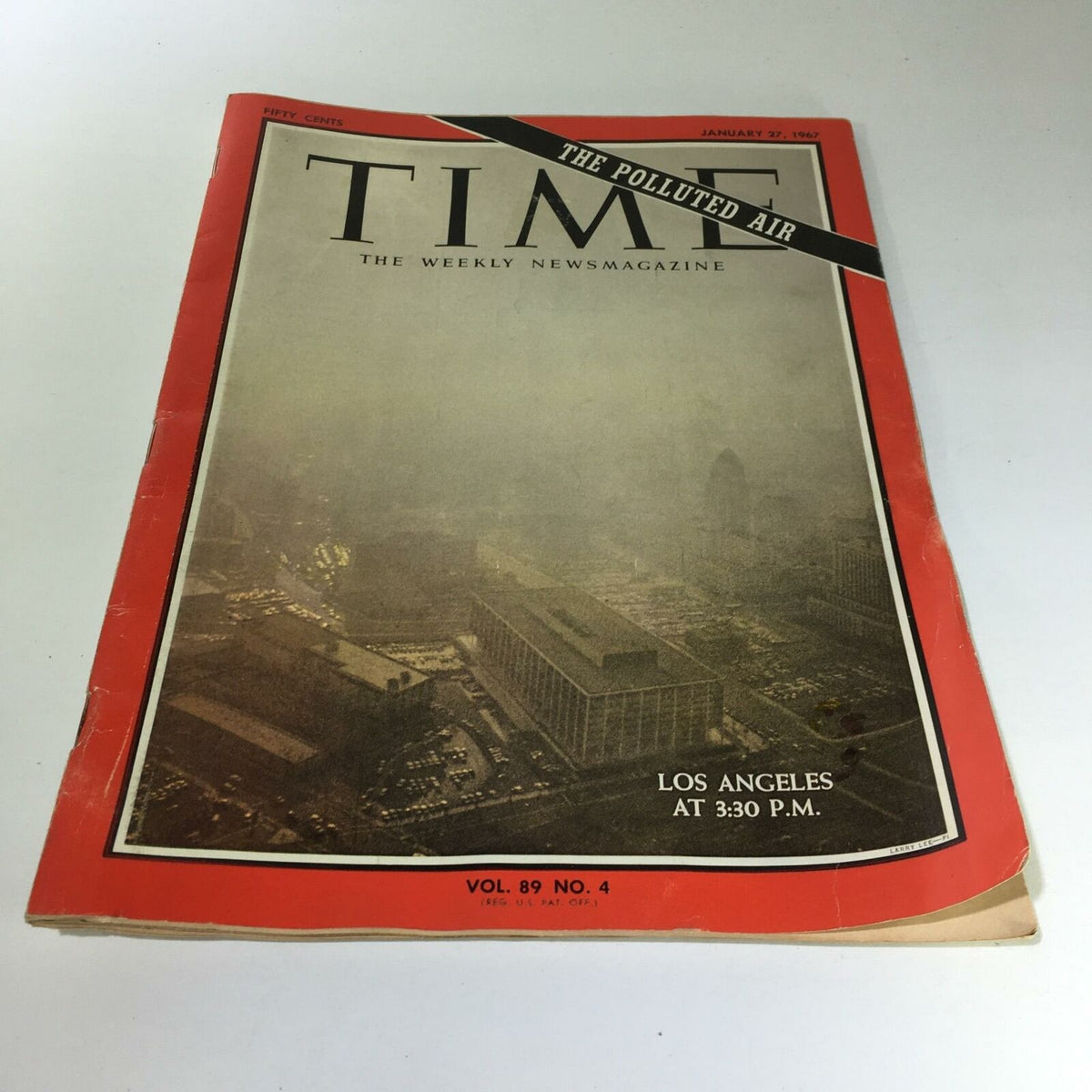
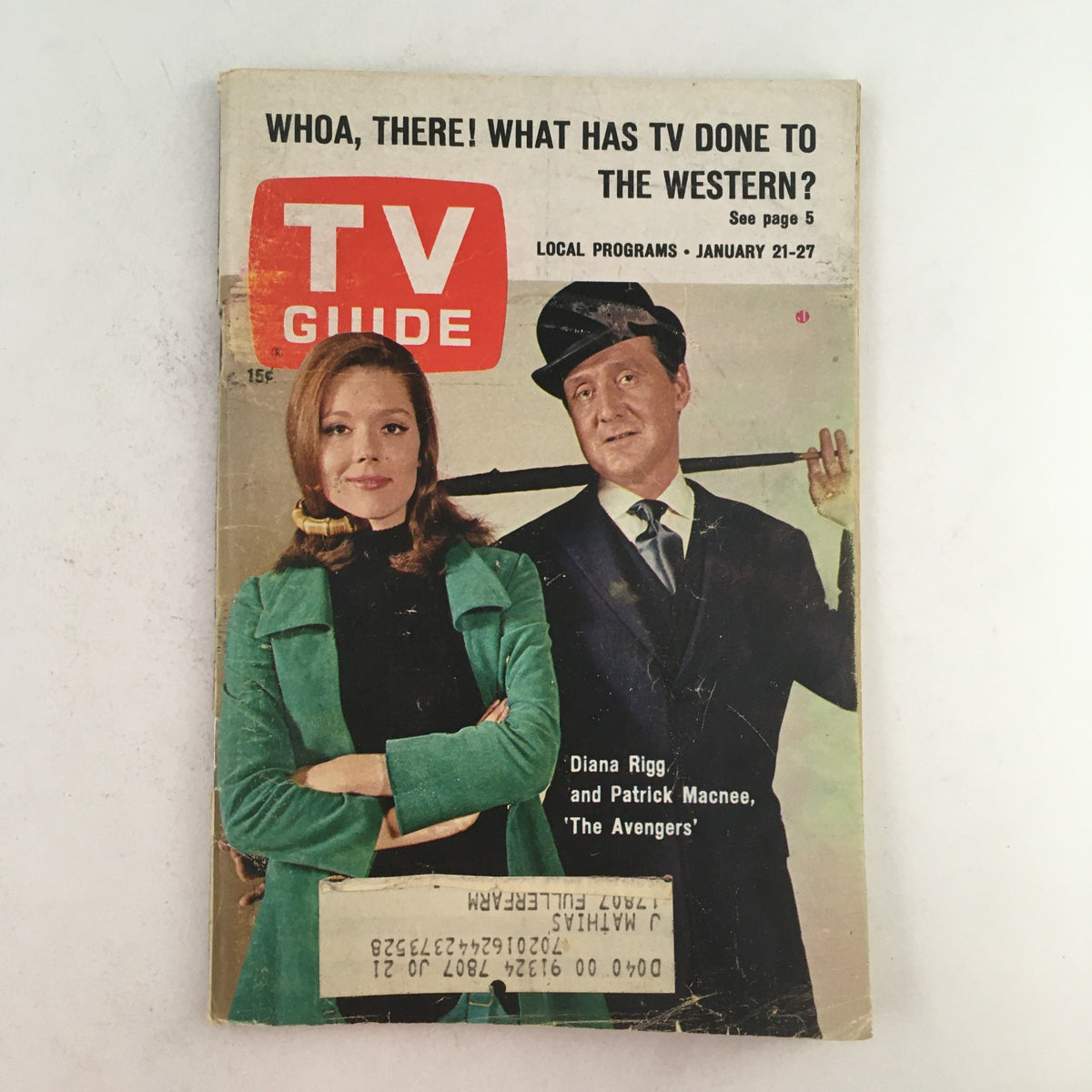
The cultural landscape dominated newsstands with entertainment that would define a generation. NBC's revival of Dragnet debuted in color on January 12th, bringing Jack Webb's police procedural into modern American living rooms for a new era. The Monkees released their second album, "More of the Monkees," on January 9th, displacing their own debut from the top of the charts—a feat magazines from TV Guide to Variety chronicled with fascination. The Rolling Stones made their fifth appearance on The Ed Sullivan Show on January 15th, reluctantly agreeing to alter the lyrics of "Let's Spend the Night Together" to appease network censors, while Sonny & Cher released "The Beat Goes On" three days earlier. In sports, Wilt Chamberlain made NBA history on January 20th when he sank all 15 field goal attempts in a single game, and figure skater Peggy Fleming claimed her U.S. championship. Original magazines from January 1967 preserved these moments in glossy pages—Life and Look featured Apollo program coverage alongside Hollywood glamour, while Sports Illustrated captured the Super Bowl spectacle, and Time and Newsweek documented the nation's conflicted soul.
What You'll Find in January 1967 Magazines
-
Apollo 1 Tragedy: News magazines like Time, Life, and Newsweek featuring dramatic coverage of the January 27th command module fire, often illustrated with NASA photographs, technical diagrams of the capsule, and memorial tributes to the three astronauts who died pursuing America's moon mission.
-
Super Bowl I Coverage: Rare magazines and sports publications showcasing the first AFL-NFL Championship Game, featuring Bart Starr's MVP performance, Vince Lombardi's Packers dynasty, and advertisers' early attempts to capitalize on what would become America's biggest sporting event—a historic moment captured in real-time.
-
The Monkees Phenomenon: Entertainment and teen magazines chronicling the band's unprecedented chart dominance, often featuring colorful photo spreads, interviews with the Pre-Fab Four, and advertisements for Colgem Records—authentic artifacts of Monkeemania at its absolute peak in vintage magazines.
-
Civil Rights Milestones: Publications documenting Edward W. Brooke's historic swearing-in as the first popularly elected African American U.S. Senator, Muhammad Ali's draft board controversy, and Georgia's seating of Representative Julian Bond, often accompanied by powerful photography and editorial commentary on America's changing social landscape.
-
Counterculture Emergence: Magazines capturing the Human Be-In gathering of 20,000 in San Francisco on January 14th, Haight-Ashbury's transformation, and the emerging psychedelic movement—cultural shifts documented in mainstream publications from Look to Saturday Evening Post as curiosities that would soon reshape American youth culture.
The Perfect Gift
For someone born in January 1967, an original magazine from this transformative month isn't just a nostalgic keepsake—it's an authenticated witness to the moment when America's space age dreams met earthbound reality, preserved in genuine advertisements, headlines, and photography that no reproduction can replicate.