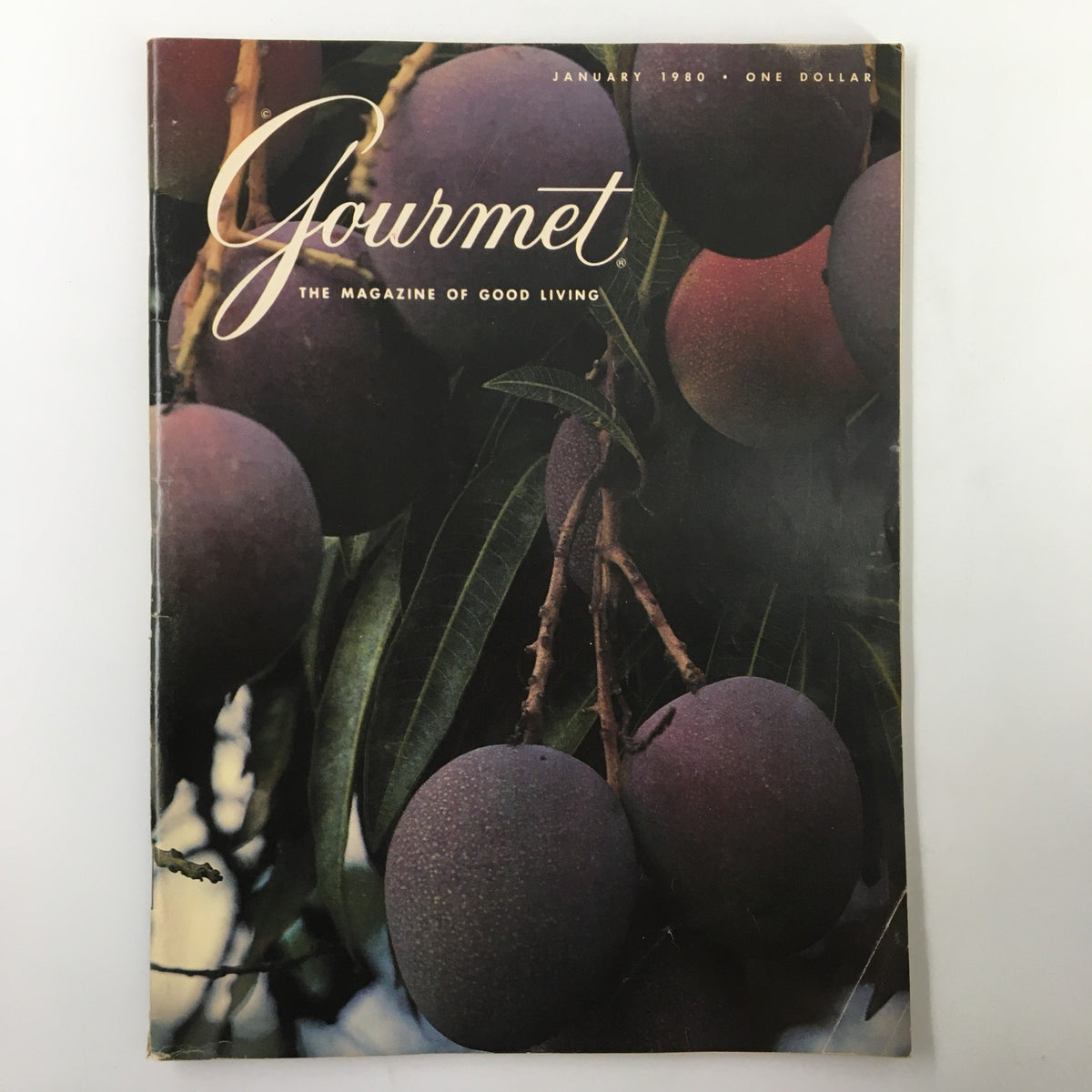
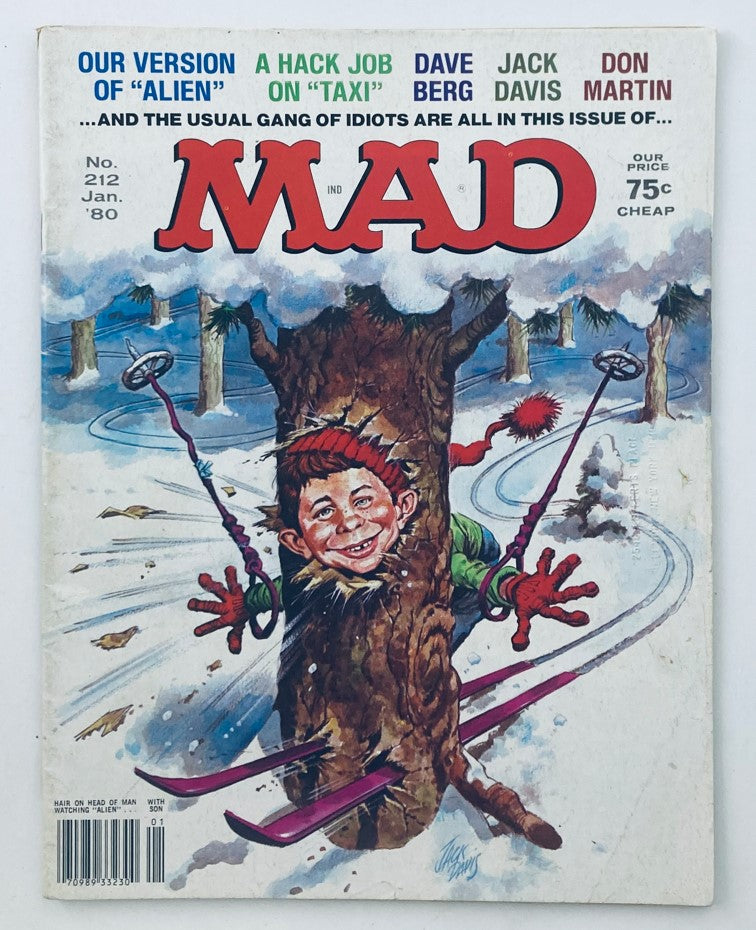
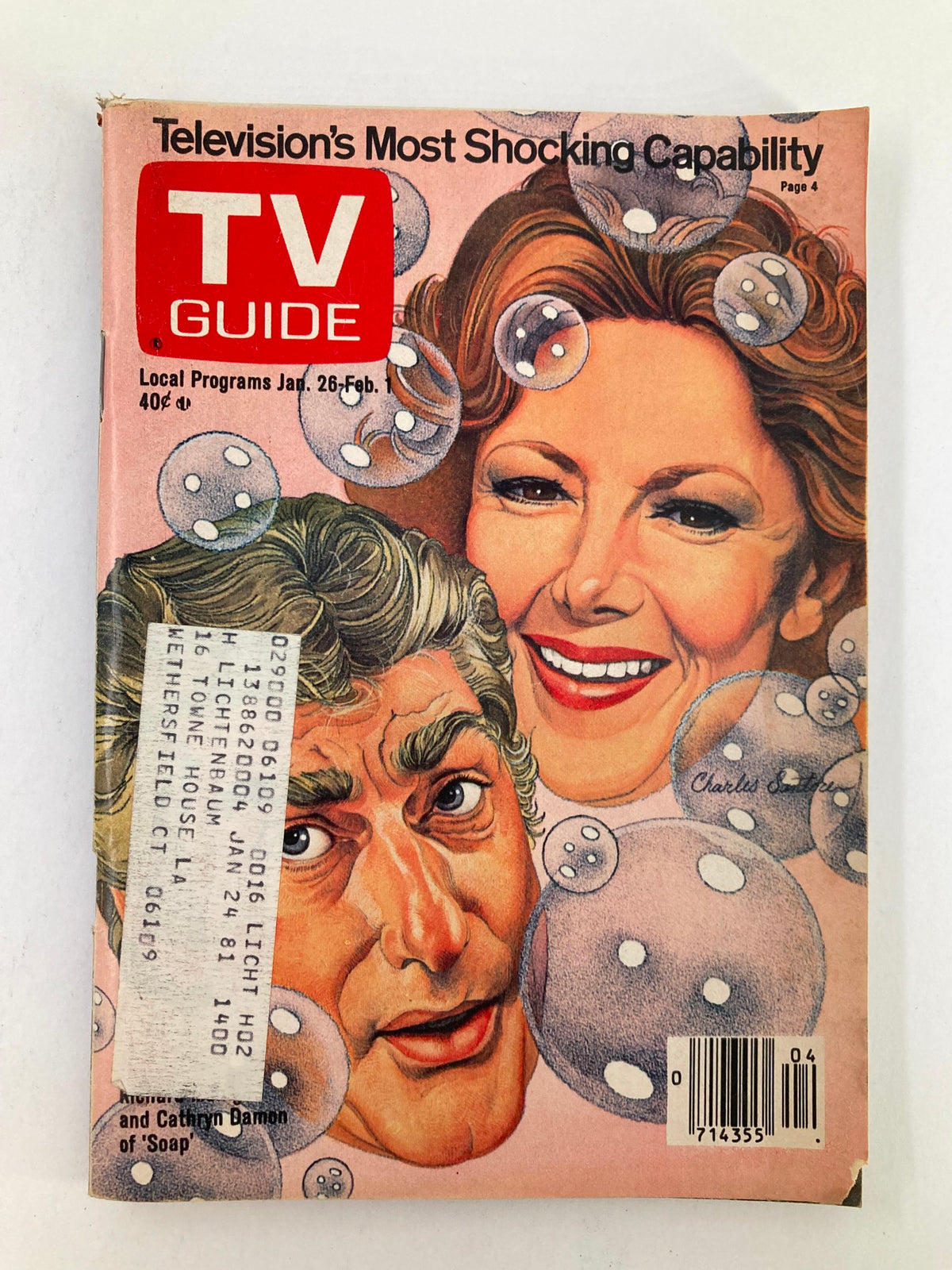
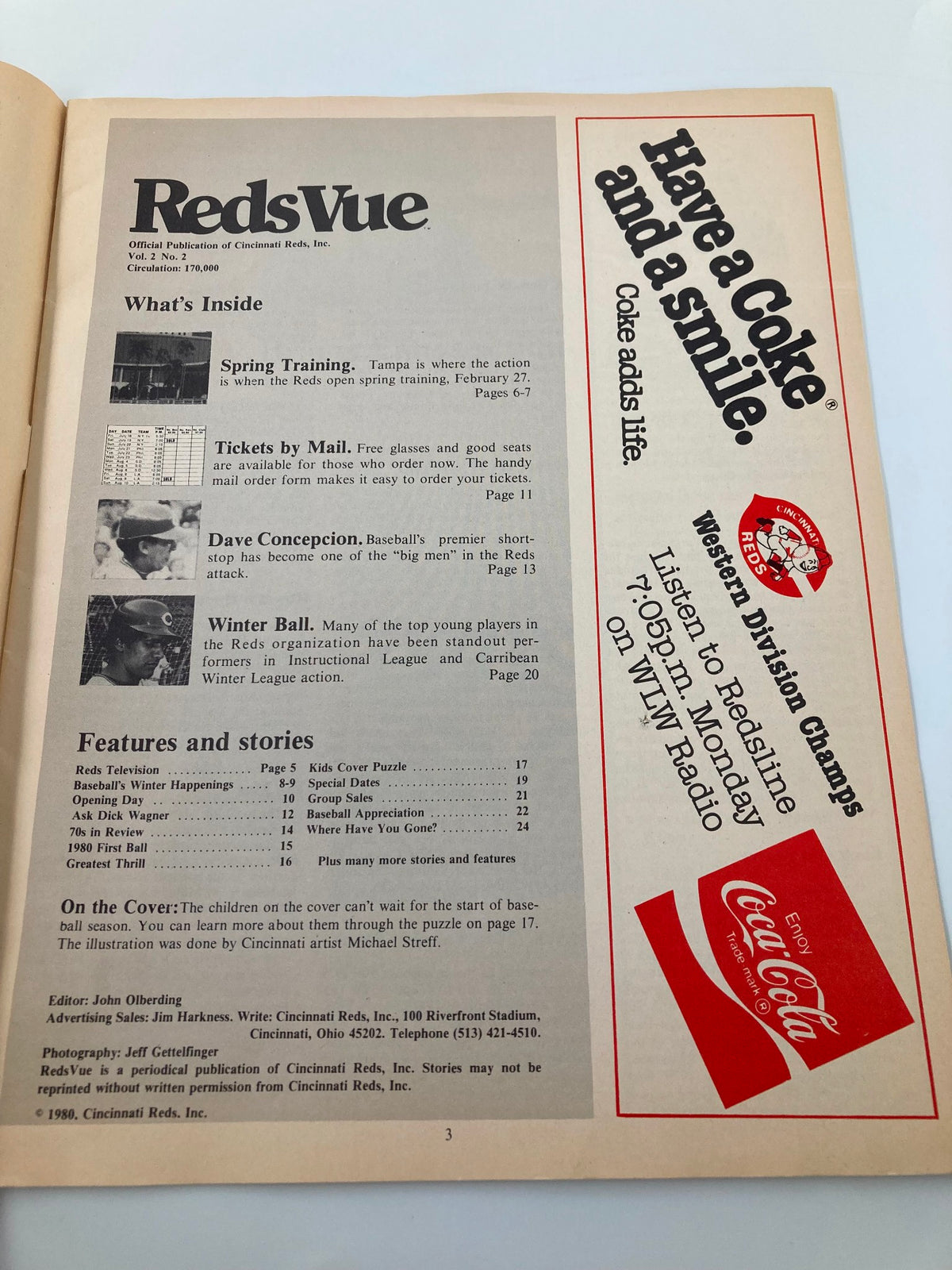
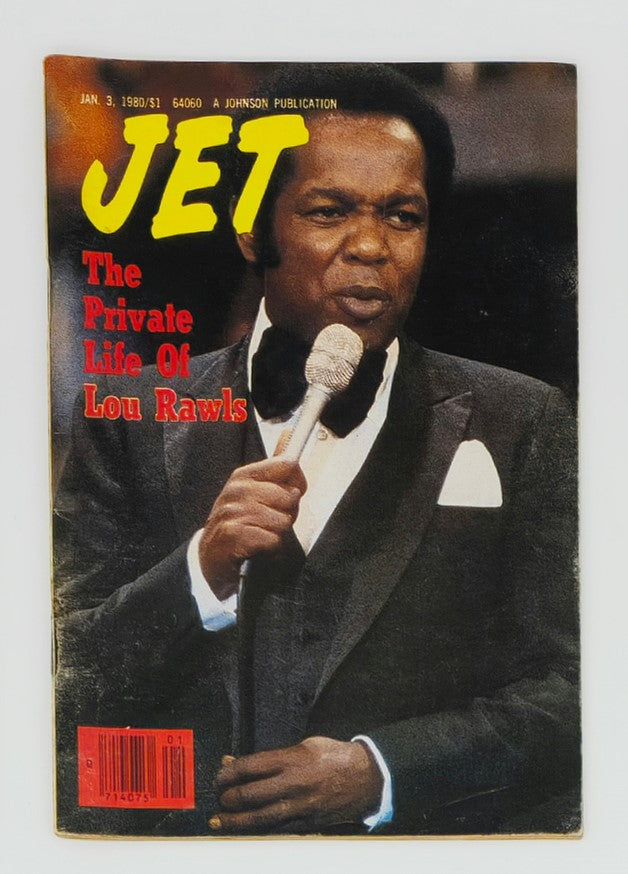
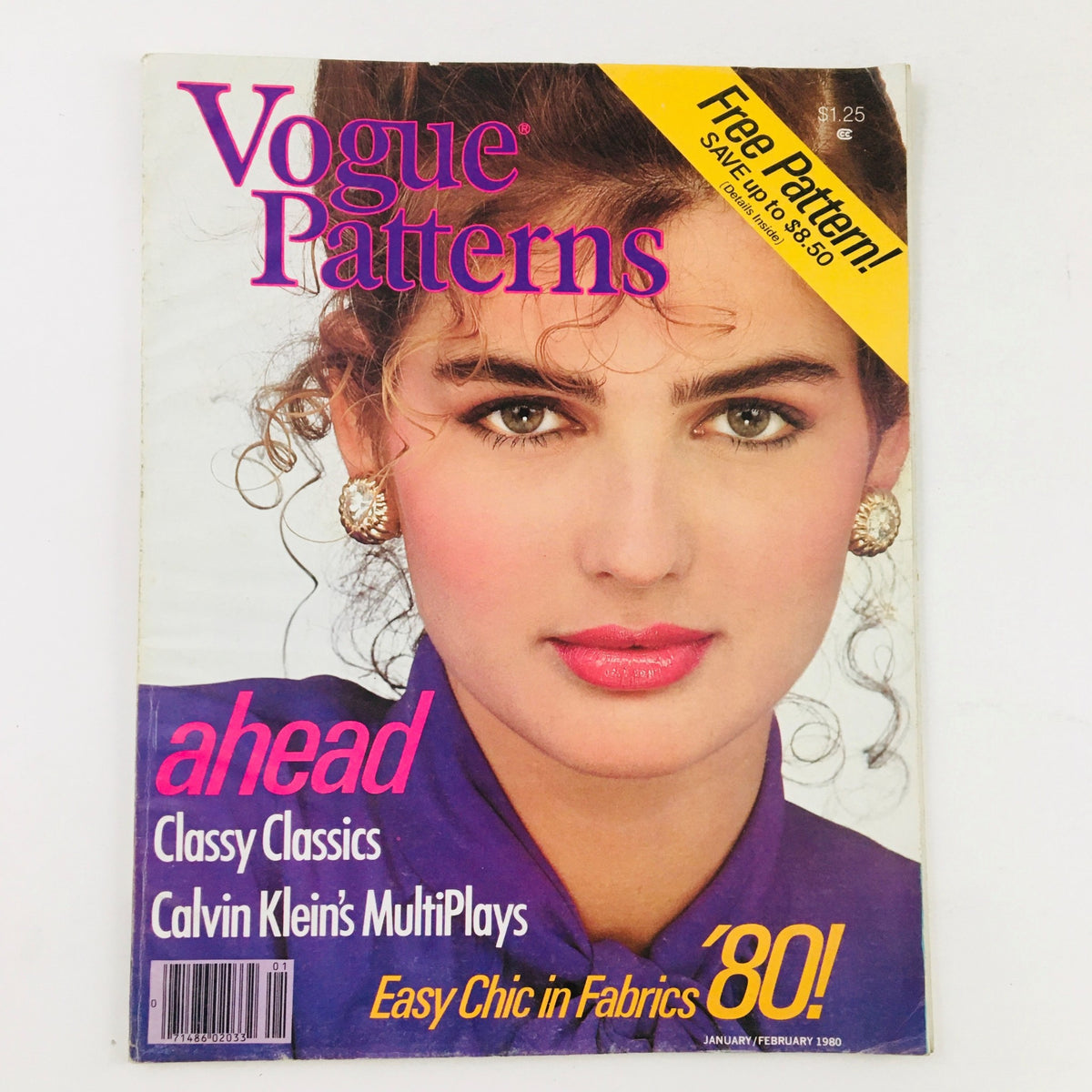
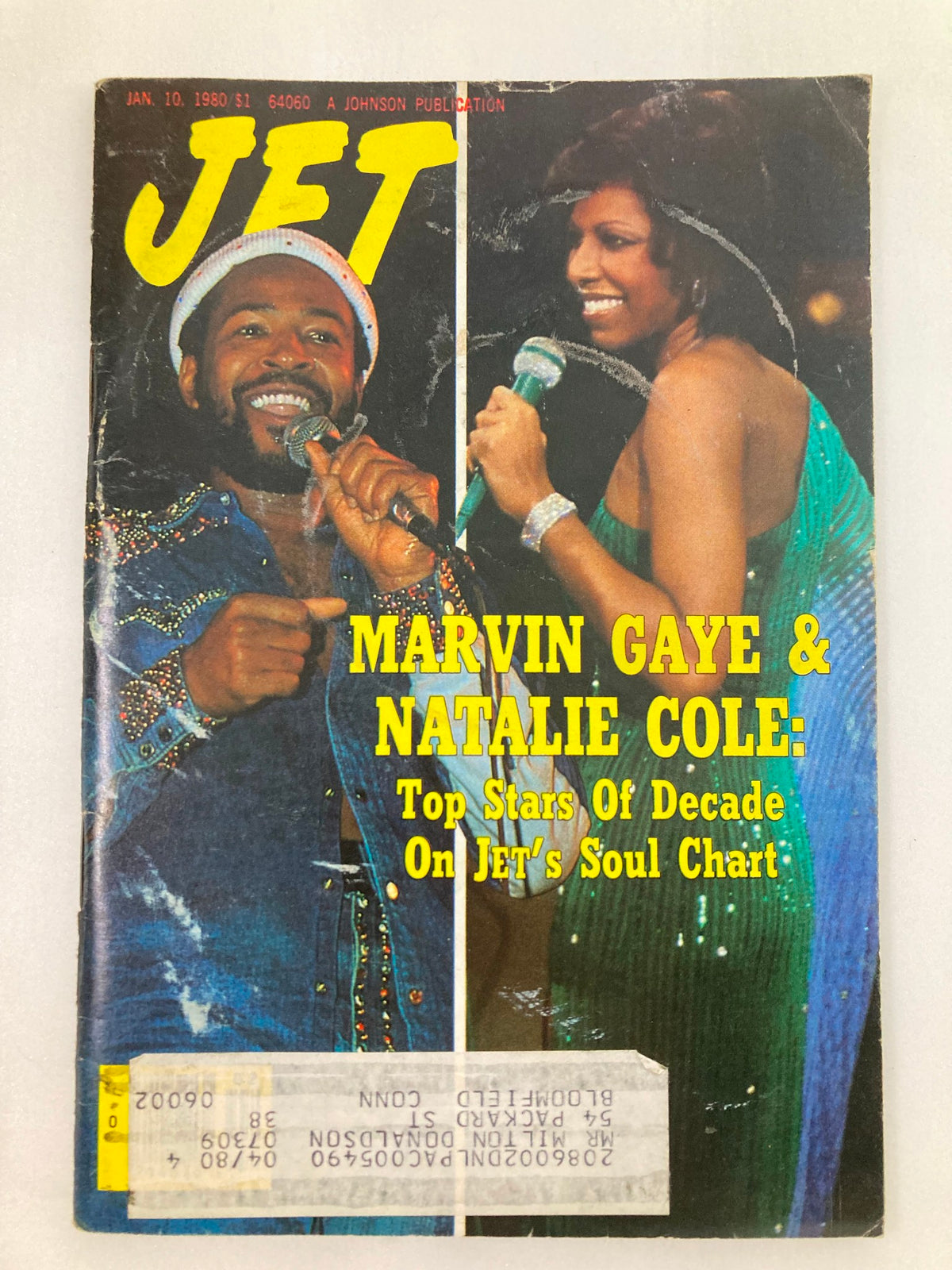
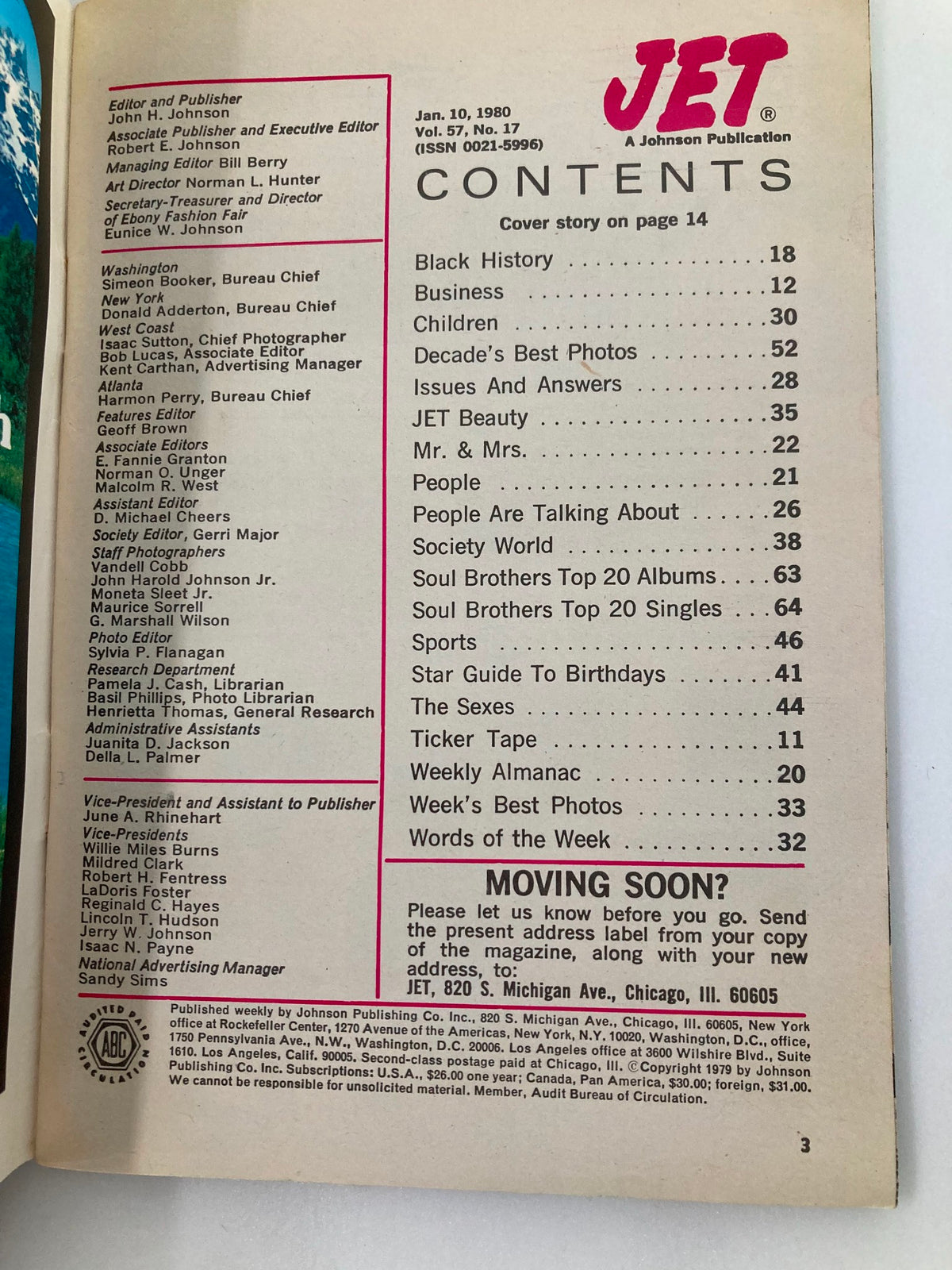
📖 About this Collection
January 1980: The Crisis Month That Changed the Decade
The Historical Context
The world entered the 1980s bracing for turbulence on every front. January 1980 crackled with Cold War tension as Soviet tanks consolidated their grip on Afghanistan, prompting President Jimmy Carter to announce an unprecedented U.S. boycott of the Moscow Summer Olympics—a decision that would define superpower relations for years to come. In Tehran, the American hostage crisis dragged into its third agonizing month, though six Americans managed a daring escape with Canadian help on January 27th. Meanwhile, Russian physicist Andrei Sakharov and his wife Yelena Bonner were arrested and exiled to Gorky, silencing one of the Soviet Union's most prominent dissident voices. Against this backdrop of international crisis, gold prices soared to a record-breaking $850 per ounce as investors sought stability in precious metals. Israel and Egypt established formal diplomatic relations on January 26th, a fragile peace in a volatile region. This was the world your loved one entered on their birth date—a moment poised between the fading 1970s and an uncertain new decade.
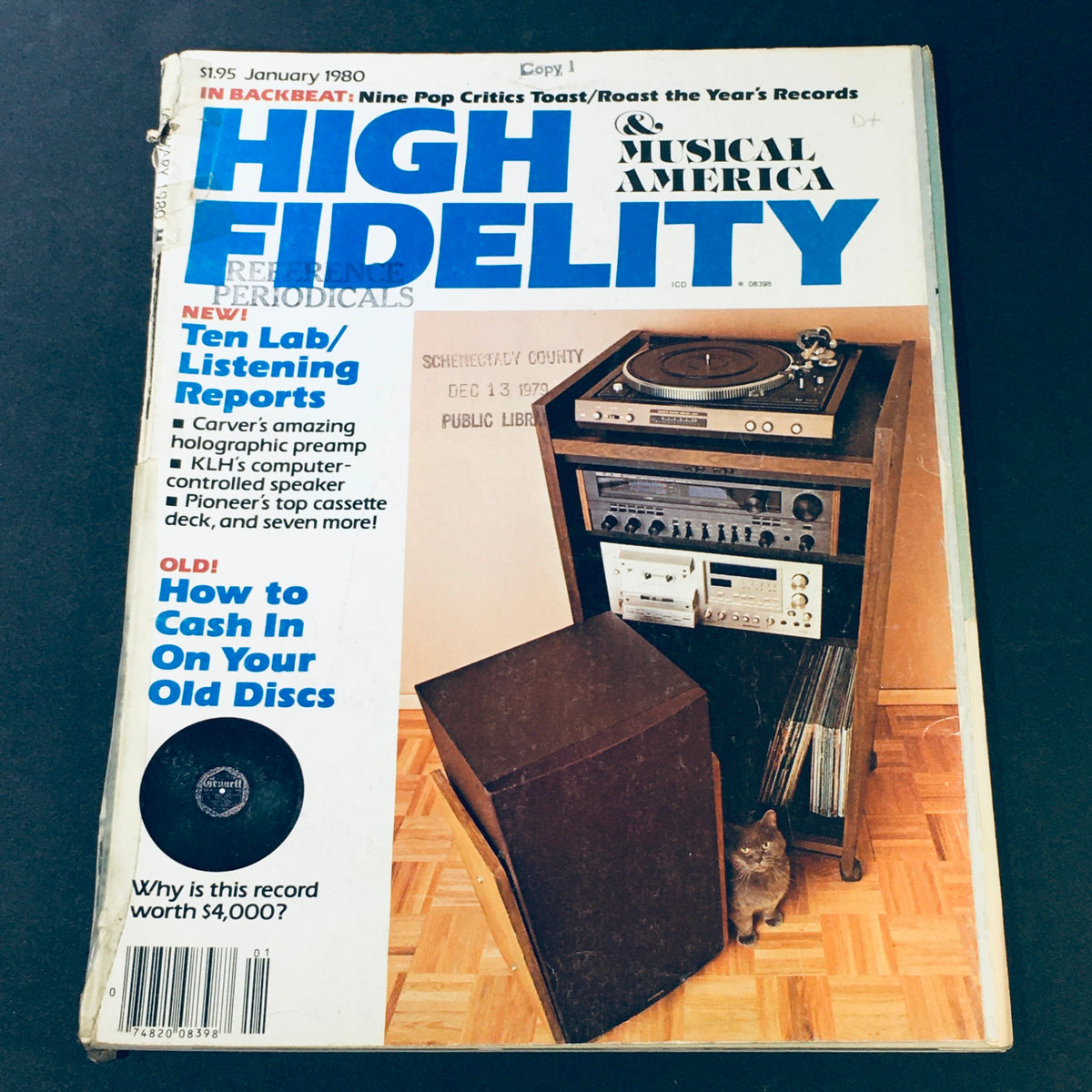
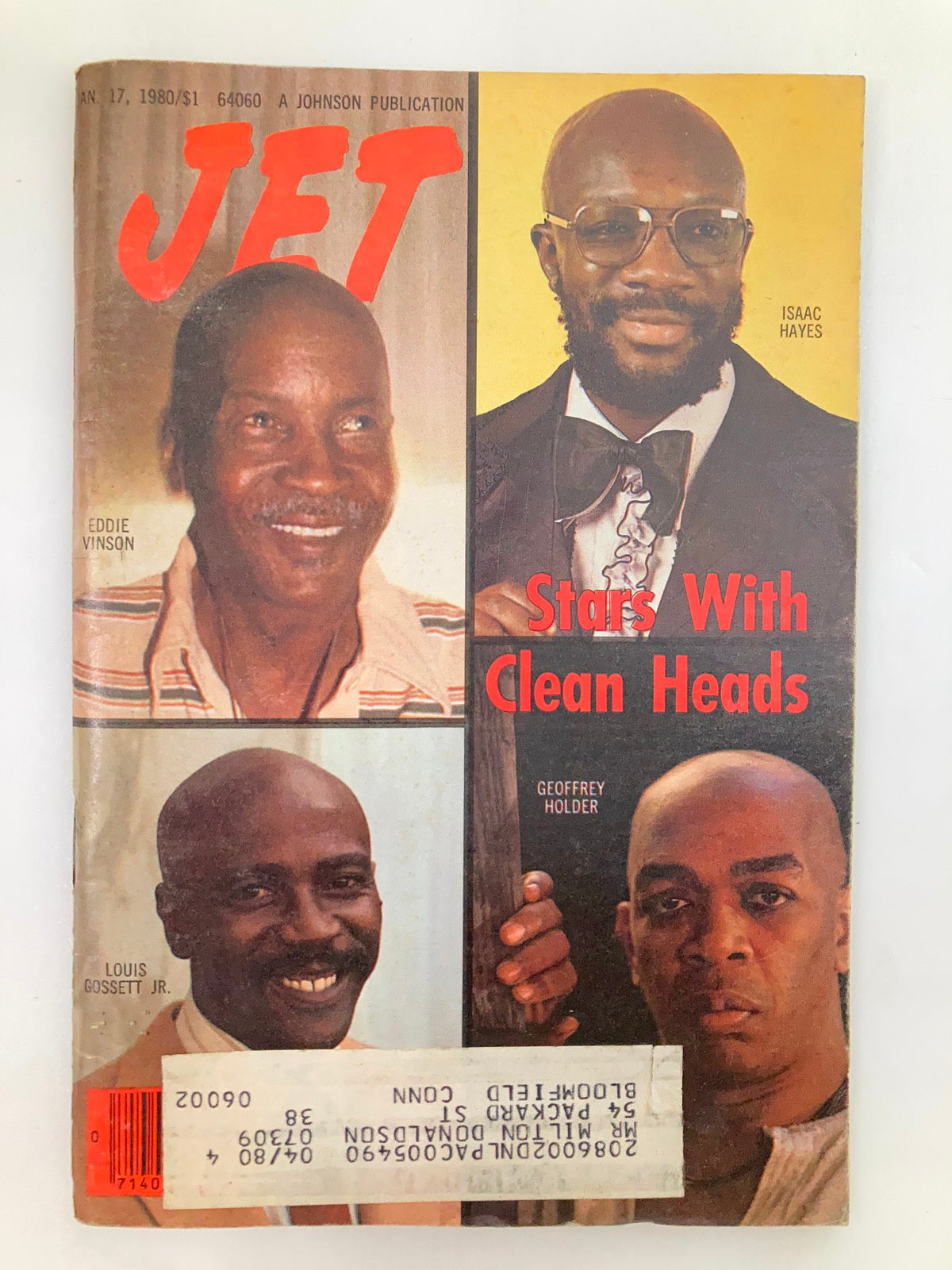
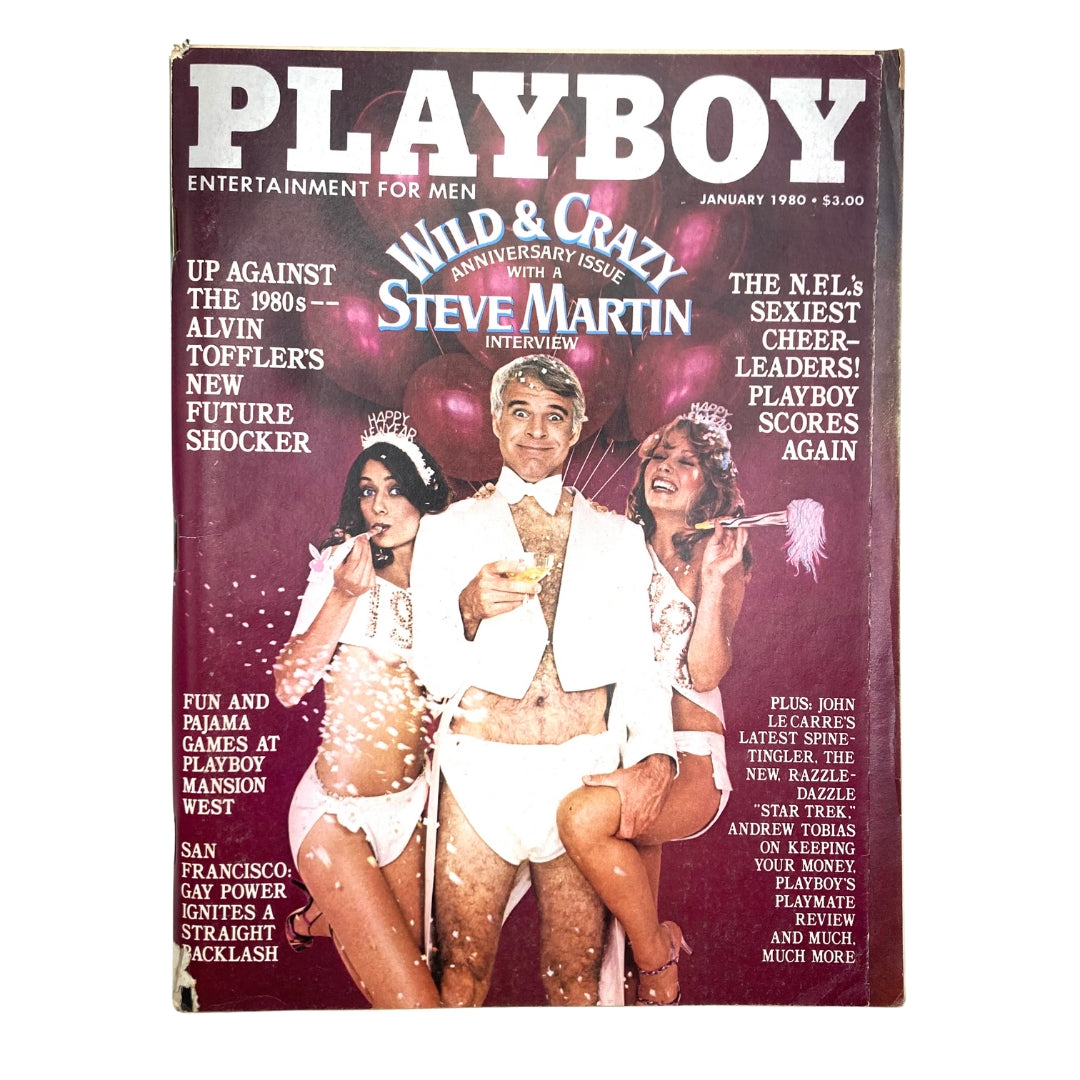
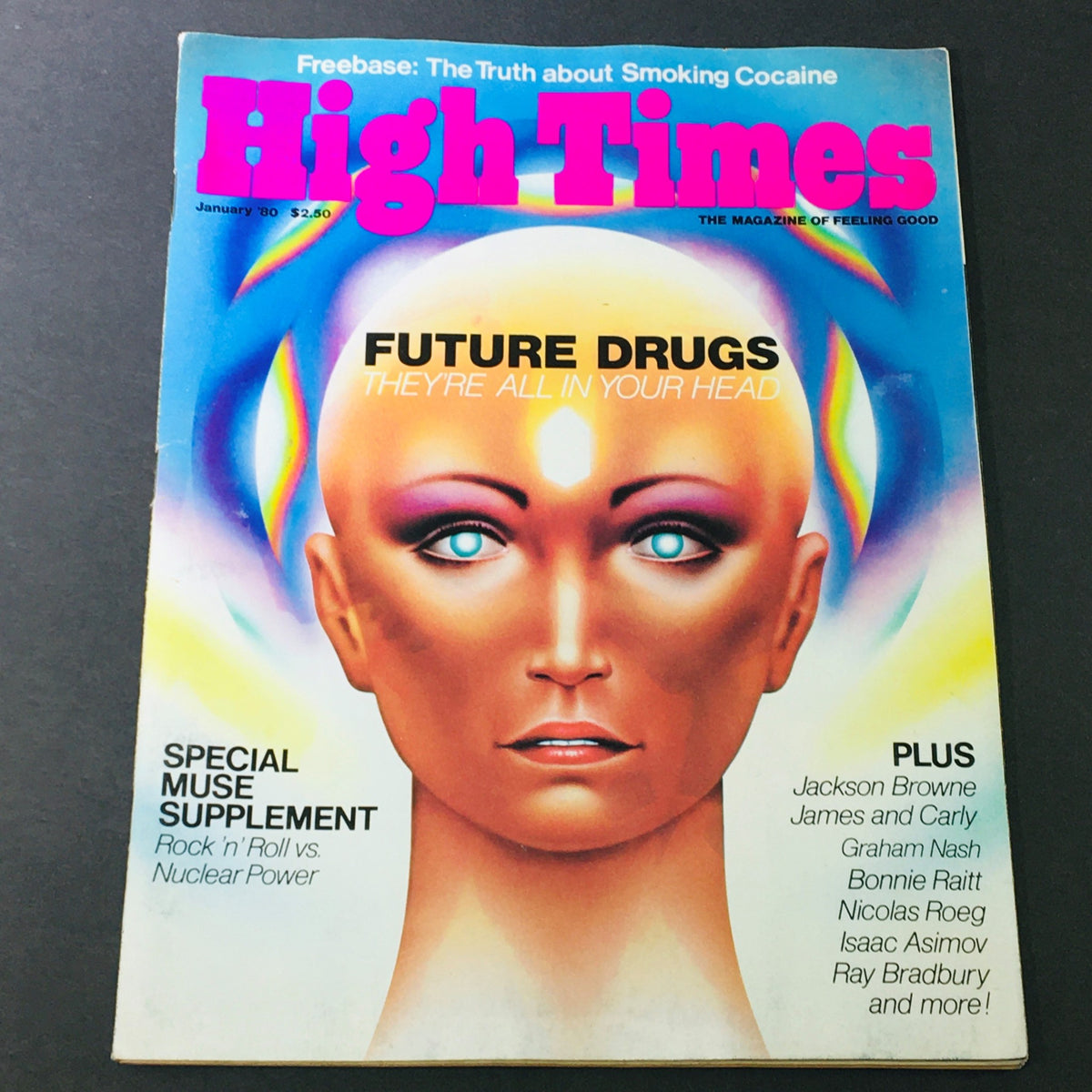
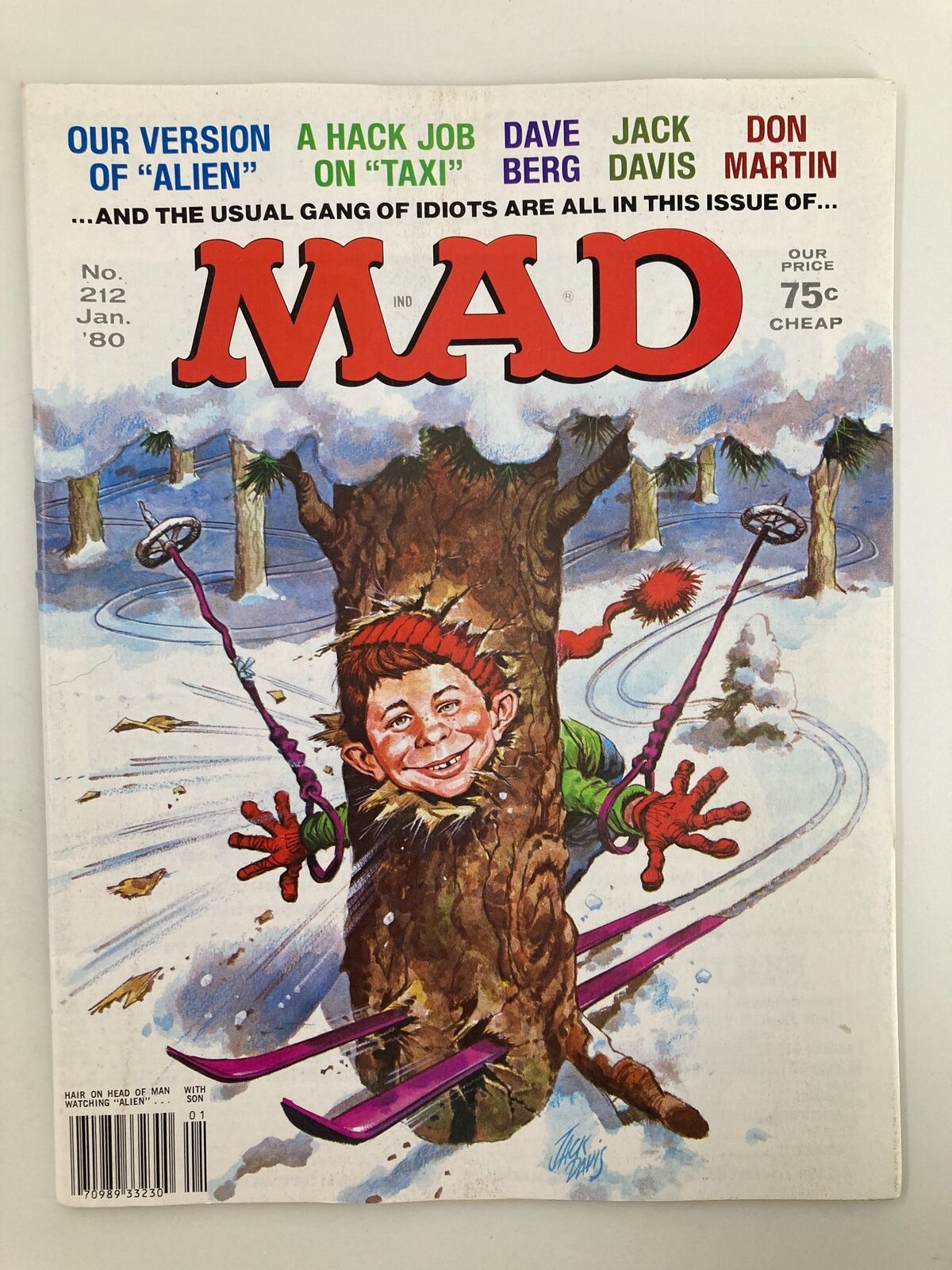
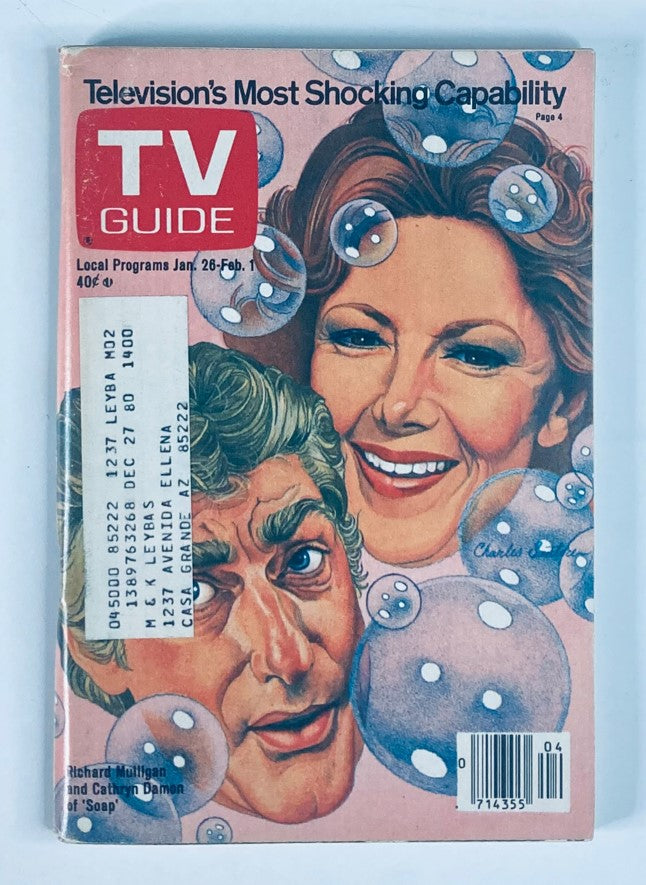
Movie theaters showcased Kramer vs. Kramer, which dominated the 37th Golden Globes with wins for Dustin Hoffman and Sally Field, while Pink Floyd's ambitious double album The Wall hit #1 on the charts. Television audiences said goodbye to The Rockford Files after its final broadcast on January 10th, and comic strip readers discovered a new obsession when Gary Larson's The Far Side debuted in the San Francisco Chronicle on New Year's Day. Sports fans witnessed the Pittsburgh Steelers claim their fourth Super Bowl title, defeating the Los Angeles Rams 31-19 at the Rose Bowl, with Terry Bradshaw earning MVP honors. The Philadelphia Flyers' extraordinary 35-game unbeaten streak finally ended at the hands of the Minnesota North Stars. In tennis, Björn Borg claimed the ATP Masters title while Guillermo Vilas retained his Australian Open crown. Original magazines from January 1980 captured these cultural moments through full-page advertisements for the new Chrysler-Talbot automobiles, illustrated spreads on Olympic preparations (soon to be abandoned), and fashion editorials featuring the bold shoulder-padded silhouettes that would define the decade ahead.
What to Look for in Vintage Magazines from January 1980
-
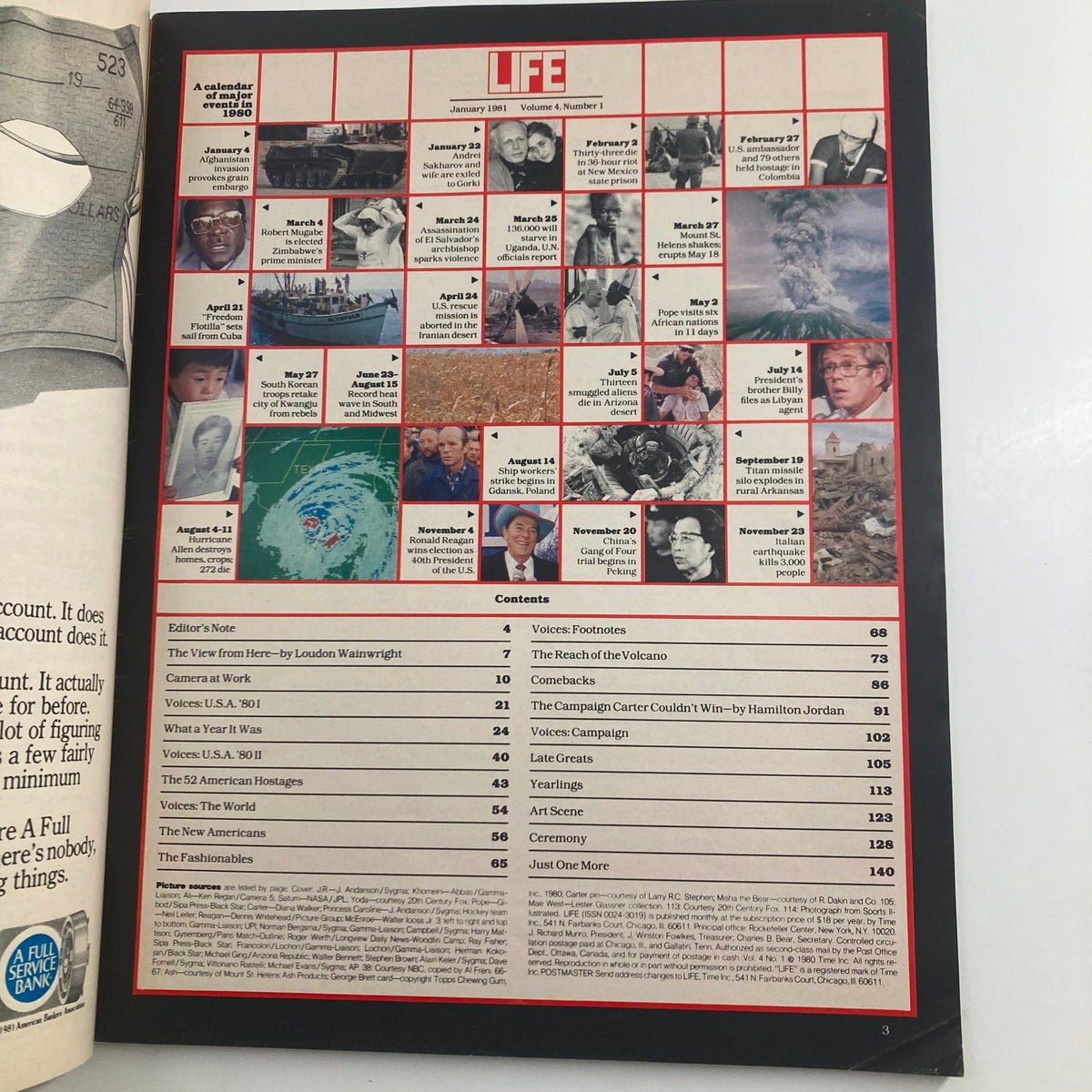
The Olympic Boycott Announcement: News magazines like Time, Newsweek, and Life featuring dramatic coverage of Carter's controversial decision to withdraw from Moscow, with editorial cartoons, expert analysis, and photographs of disappointed athletes who trained for years to compete on the world stage.
-
The Hostage Crisis Coverage: Look for rare magazines with detailed reporting on the six Americans' escape from Tehran, including maps of their covert route and profiles of the Canadian diplomats who risked everything to shelter them during their 79-day ordeal.
-
Super Bowl XIV Commemoratives: Sports publications including Sports Illustrated showcasing the Steelers' dynasty with action photography of Terry Bradshaw's championship performance, team statistics, and authentic advertisements for Coca-Cola, Miller Lite, and the muscle cars that dominated Super Bowl commercials.
-
The Disco's Final Breath: Entertainment magazines capturing the era's musical transition—Pink Floyd's dark concept album displacing Donna Summer and the Bee Gees, with concert photography, album reviews, and advertisements for Pioneer stereo systems and Columbia House record clubs.
-
Paul McCartney's Tokyo Arrest: International celebrity coverage in variety publications detailing the former Beatle's nine-day detention for marijuana possession, including interviews about Japan's strict drug laws and speculation about how this would affect Wings' touring schedule.
The Perfect Gift
For someone born in January 1980, an original magazine from this pivotal month isn't just a birthday card—it's an authenticated chronicle of the precise moment when America confronted Soviet aggression, hostages remained captive abroad, and gold prices shattered records, all preserved in genuine newsprint, advertisements, and photography that no digital archive can replicate.