📖 About this Collection
Jimmy Carter: The Quiet Revolutionary — Farmer, Peacemaker, President
The Legend & The Legacy
In an era still raw from Watergate's wounds and Vietnam's long shadow, a soft-spoken peanut farmer from Plains, Georgia stepped onto the world stage and asked Americans to believe in something they had nearly forgotten: decency. Jimmy Carter's presidency — brief, embattled, and profoundly misunderstood in its own time — was consumed by the public almost entirely through the printed page. Newsweeklies dissected the Iran hostage crisis with a gravity that no scroll or notification could replicate. Sunday supplements explored the peculiar novelty of a born-again Southern Baptist in the Oval Office. And when the Camp David Accords rewrote the map of Middle Eastern diplomacy in 1978, it was magazine photographers and editorial writers — not algorithms — who shaped how the world processed that extraordinary moment. The 39th President existed, in the popular imagination, as ink on paper first, and history second.
Inside the Archive
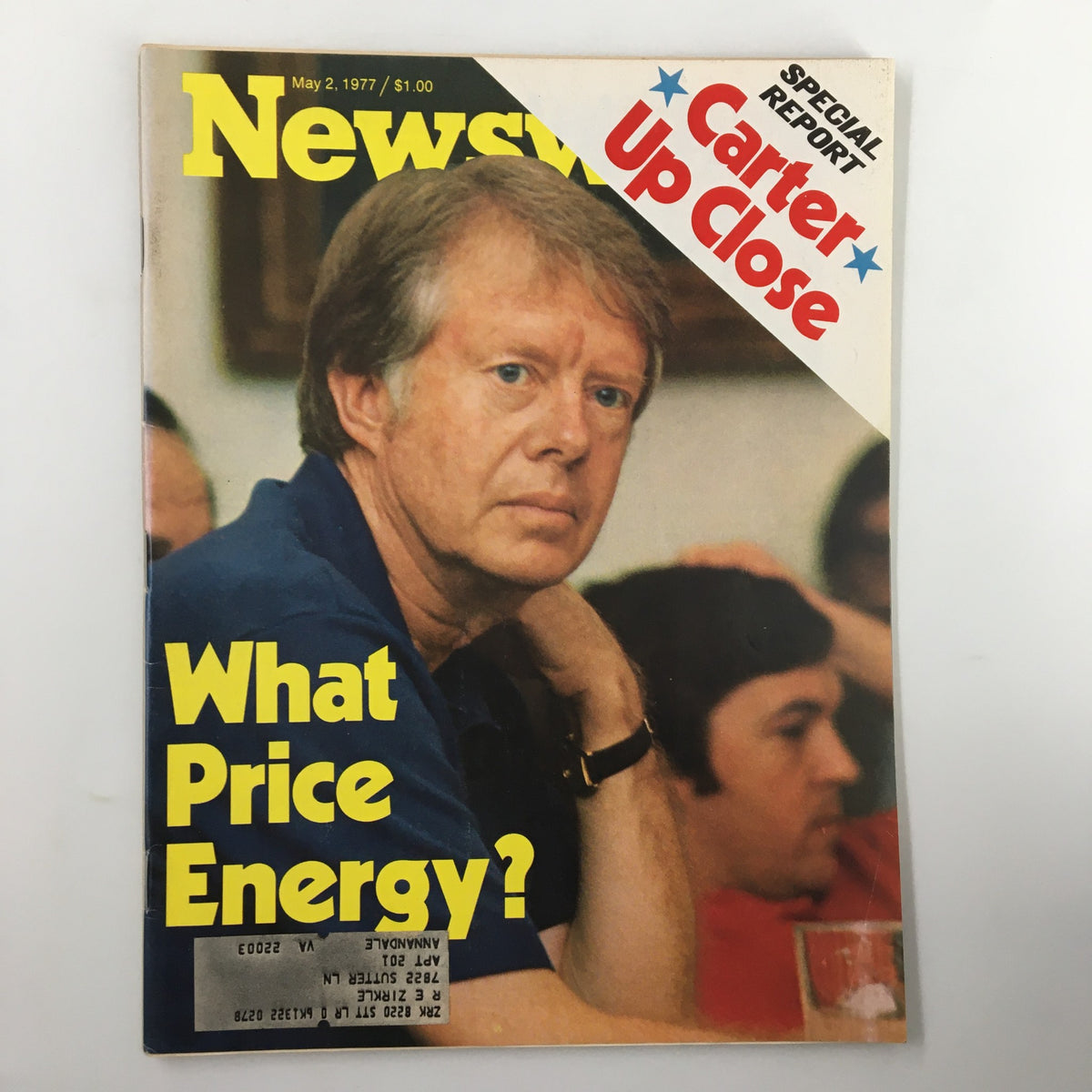
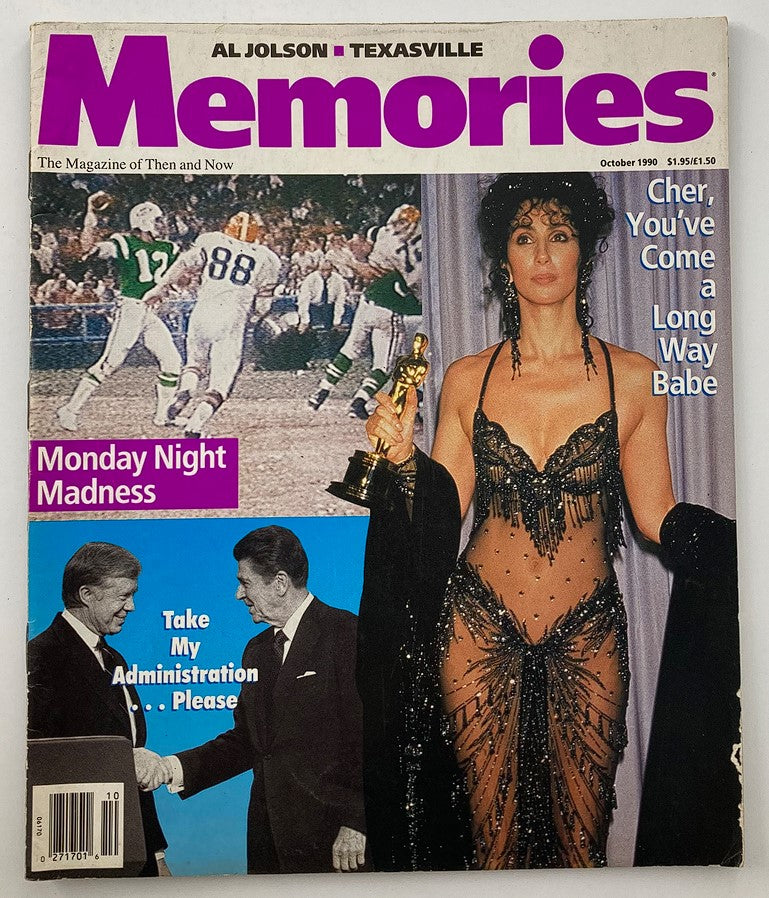
Vintage magazine coverage of the Carter years occupies a fascinating and underappreciated corner of American political photography. Time and Newsweek were his most relentless chroniclers, their covers cycling through the full emotional arc of his presidency — the toothy, optimistic grin of 1976's dark-horse outsider giving way to the careworn statesman of 1980. Life, in its later revival issues, brought its trademark intimacy to the Carter family, photographing Rosalynn, Amy, and the Plains homestead with a warmth that humanized the administration in ways press conferences never could. Internationally, Paris Match and Der Spiegel framed the Georgian as a symbol of American contradiction — idealistic yet impotent, morally serious yet politically fragile — offering foreign perspectives that are invaluable to any serious student of Cold War diplomacy. The editorial photography of the period favored natural light and unguarded moments, a deliberate stylistic counterpoint to the stagecraft of earlier administrations, and those images carry that unscripted authenticity to this day.
Curator's Checklist: Highlights Often Include
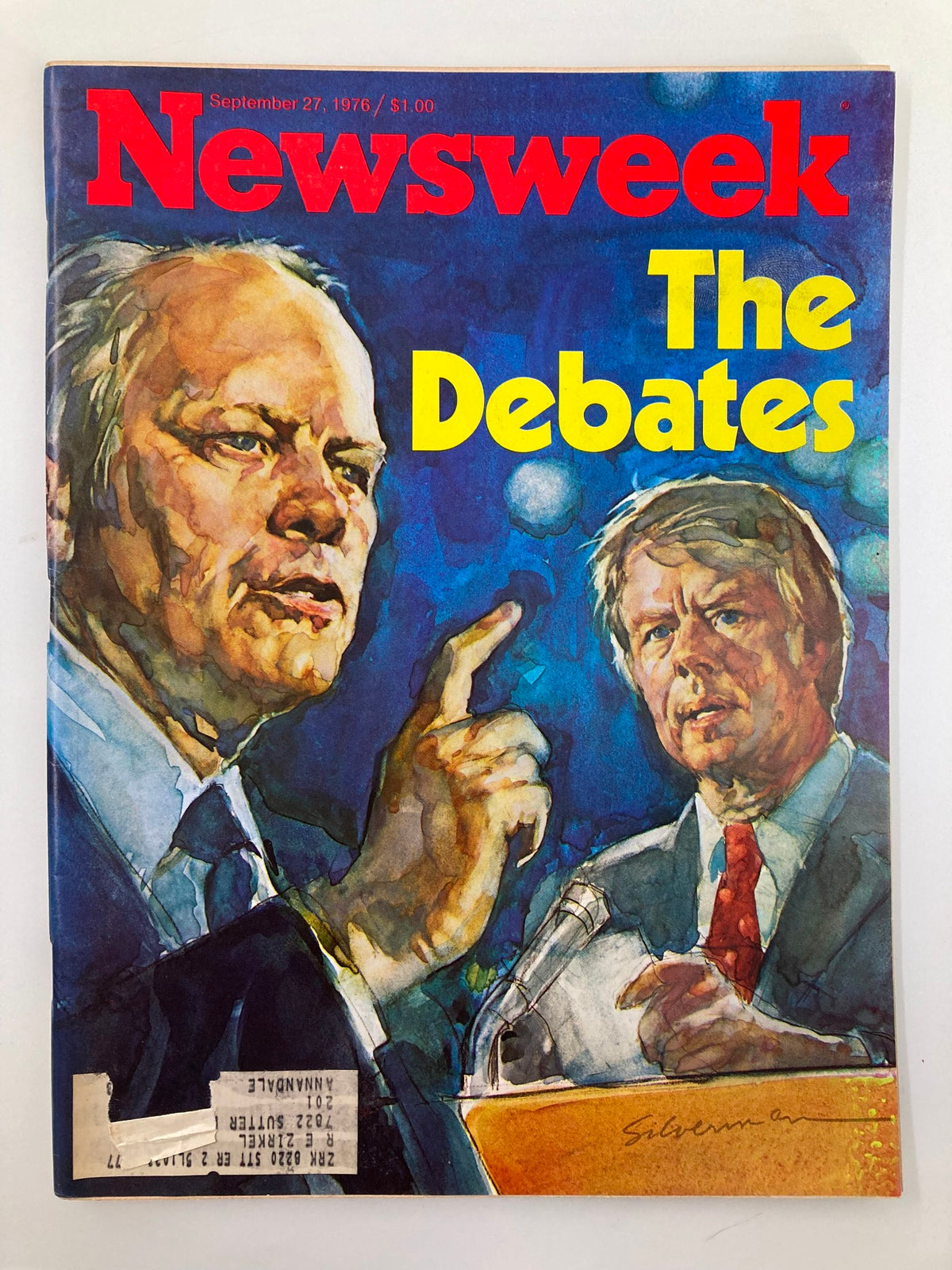
- Campaign & Election Coverage (1976): Issues documenting his improbable rise from governor of Georgia to Democratic nominee, often featuring early portraits that capture the genuine public surprise at his ascent
- The Camp David Accords (1978): Some of the most historically significant political magazine coverage of the decade — issues examining the negotiations between Begin, Sadat, and Carter represent genuine primary-source documentation of a Nobel Peace Prize-worthy achievement
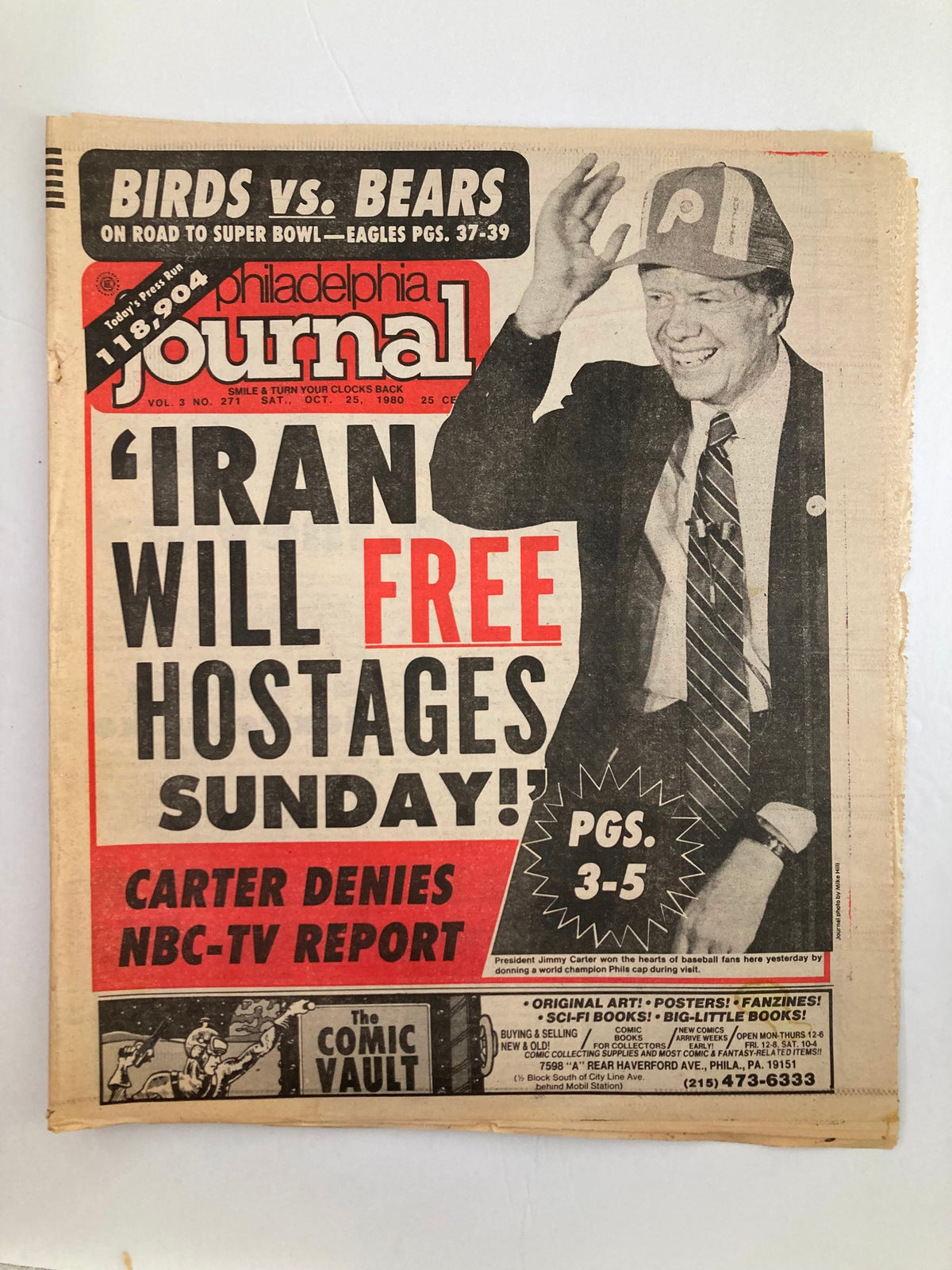
- The Iran Hostage Crisis (1979–1981): A prolonged, agonizing news cycle that produced some of the most visceral and urgent weekly magazine covers of the entire Cold War era, chronicling the 444 days that defined — and ultimately ended — his presidency
- Post-Presidential Humanitarian Work: Coverage from the 1980s onward chronicling his reinvention as global statesman, Habitat for Humanity builder, and international election monitor — a second act that many publications would later argue eclipsed his time in office
- Southern Americana & Cultural Profiles: Feature spreads exploring Plains, Georgia, the Carter family farm, and the broader cultural phenomenon of a proudly rural, deeply religious man occupying the most powerful office on earth
The Collector's Value
To hold a vintage magazine from the Carter years is to hold a particular species of American anxiety and aspiration — you can feel it in the heavier, slightly rough-cut paper stock of a 1979 Newsweek, smell the mineral sharpness of the offset ink that has been slowly curing for nearly half a century, and marvel at the full-page advertisements for AMC Pacers, Kodak film, and Tang that frame the geopolitical drama like a time capsule within a time capsule. These are not reprints or digital facsimiles; they are the exact objects that sat on kitchen tables and barbershop waiting room shelves as history was being made in real time. For collectors of American political history, Cold War–era foreign policy, or 20th-century presidential ephemera, these publications offer an unmediated, tactile connection to one of the most complex and quietly consequential presidencies of the modern age — one that the world is still in the process of reassessing. Browse the current available inventory below, and discover which piece of that unfinished history is waiting for you.