📖 About this Collection
Johnny Carson: The King of Late Night, Preserved in Print
The Legend & The Legacy
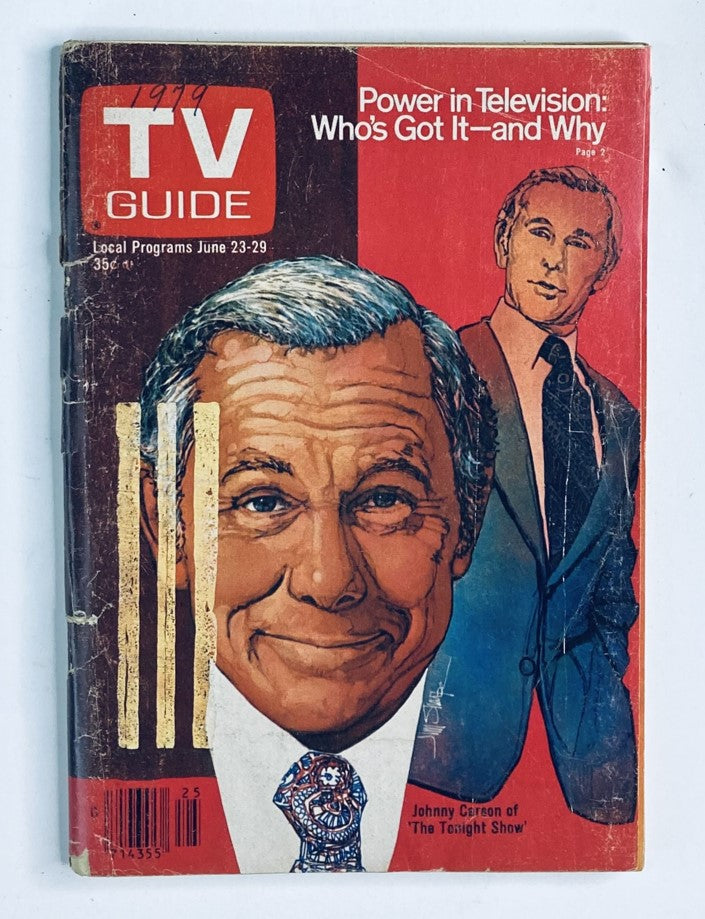
For thirty years, from 1962 to 1992, Johnny Carson was not merely a television host — he was the nightly rhythm of American domestic life. Before the fragmented scroll of the internet and the relentless churn of cable news, the nation synchronized itself to his monologue. To be endorsed by Carson was to be made; to be lampooned by him was to be remembered. He shaped the careers of comedians, politicians, and cultural icons alike, and yet he remained a figure of elegant mystery — accessible but never fully known, beloved but always slightly beyond reach. The press of his era understood this paradox intuitively, and the magazines that chronicled his rise treated him with the dual reverence afforded to both entertainer and institution. Readers didn't just want to watch Carson — they wanted to know him, and the glossy pages of mid-century print media were the only window available.
Inside the Archive
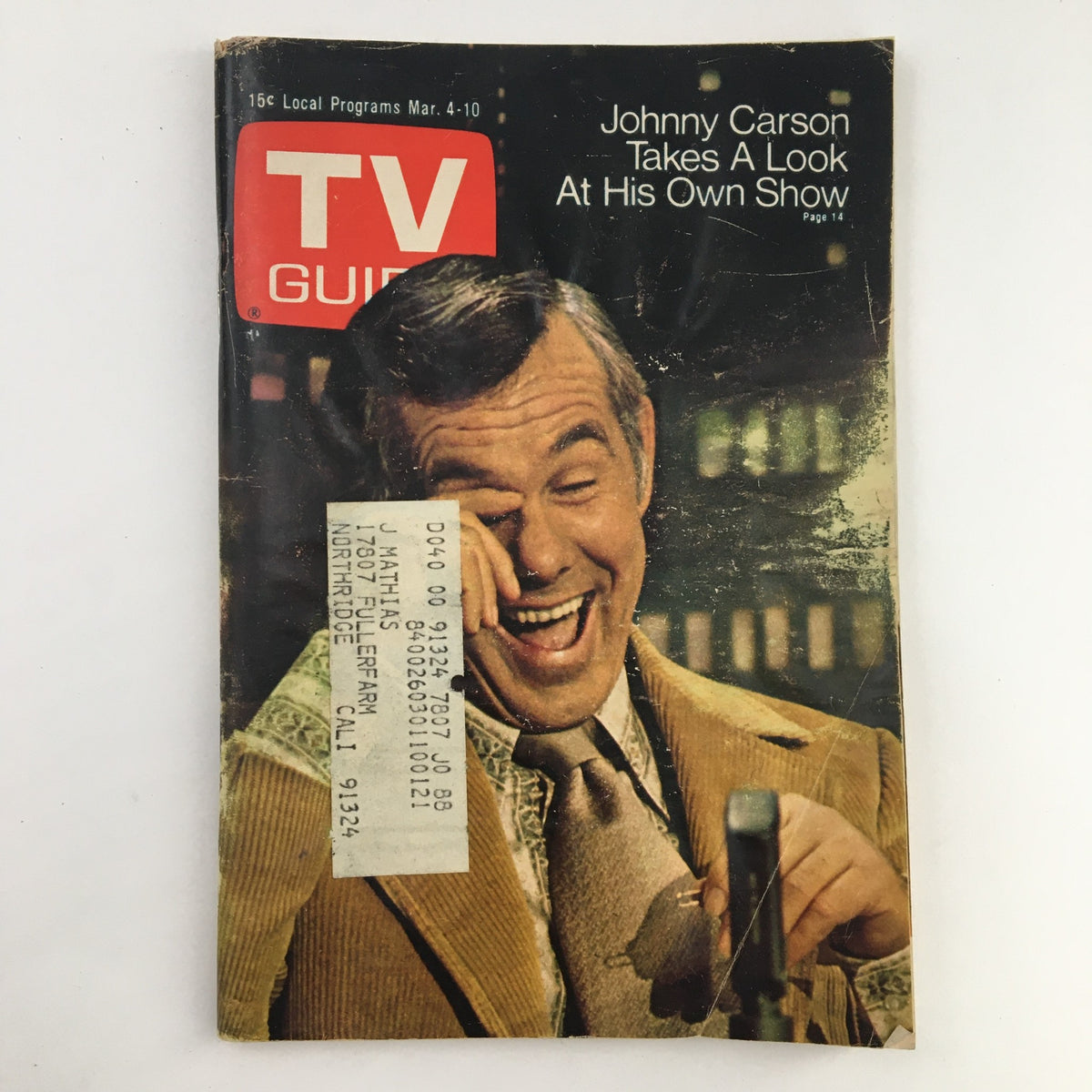
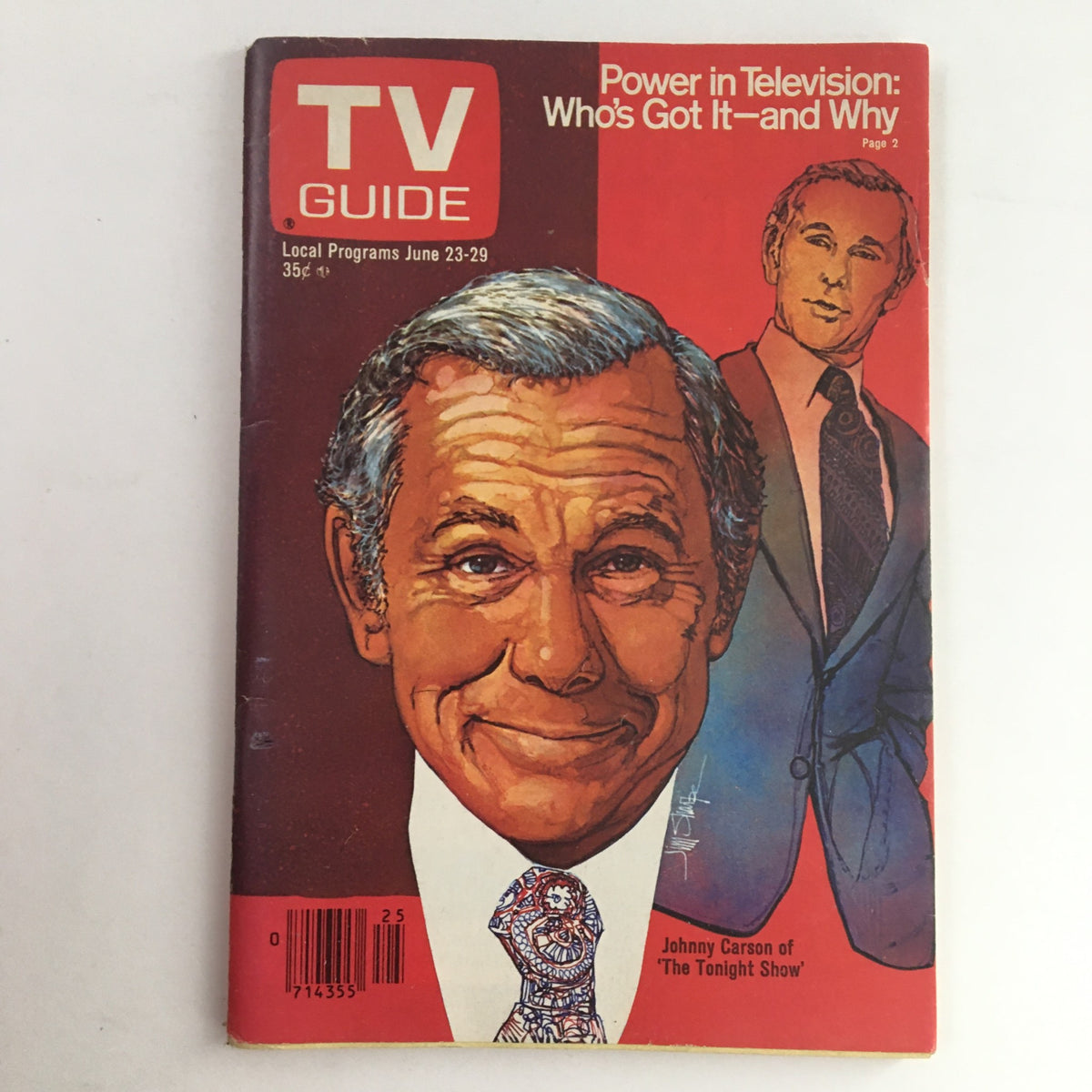
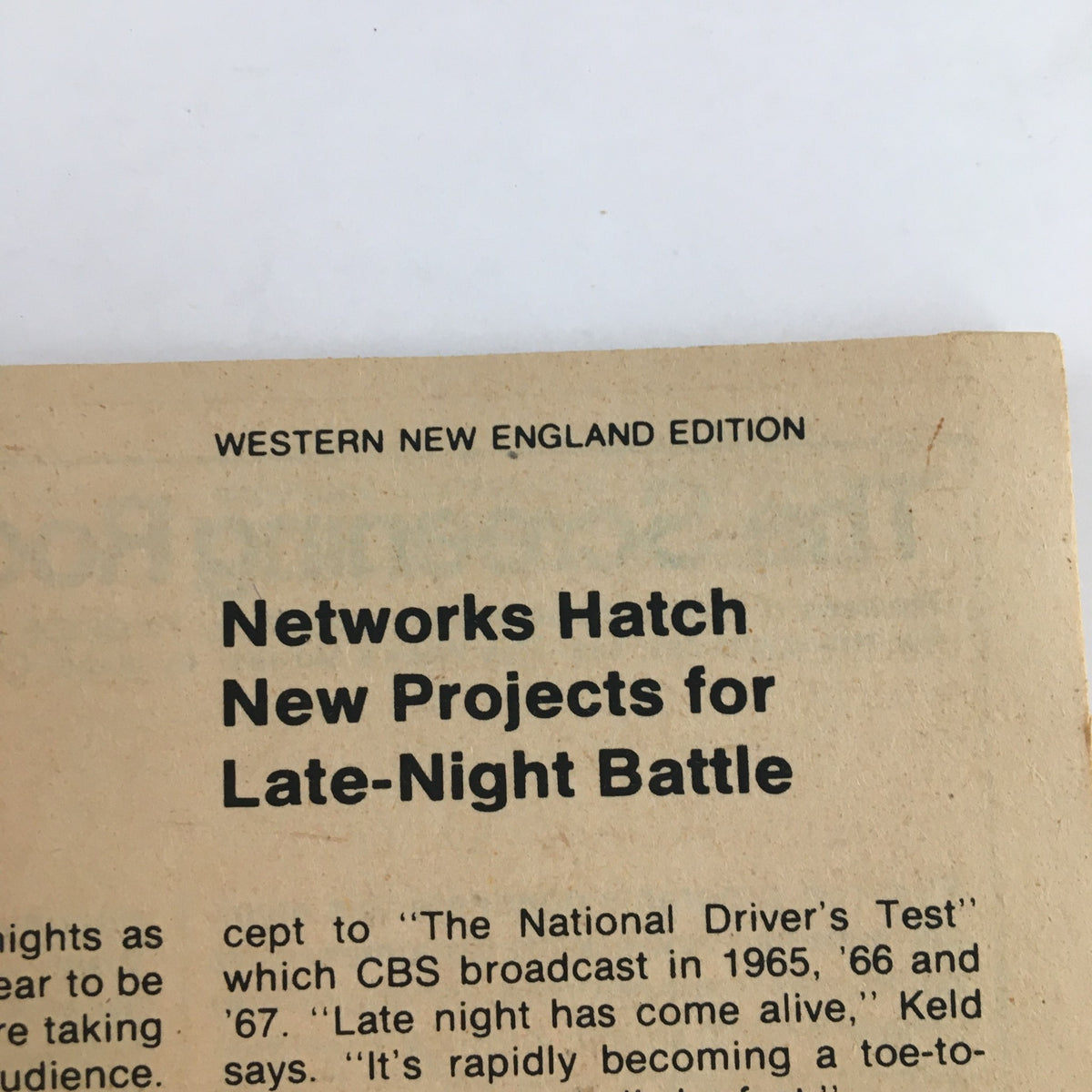
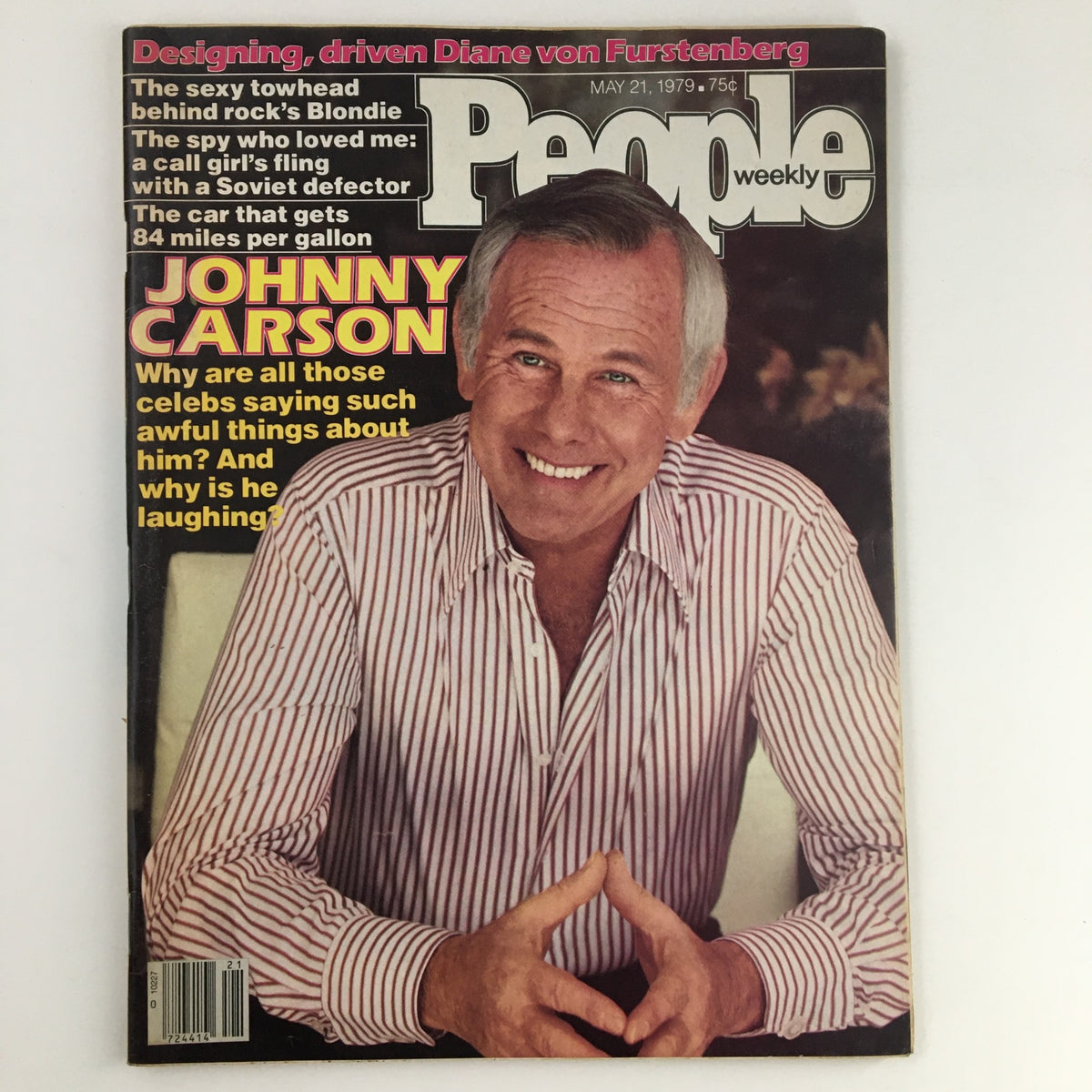
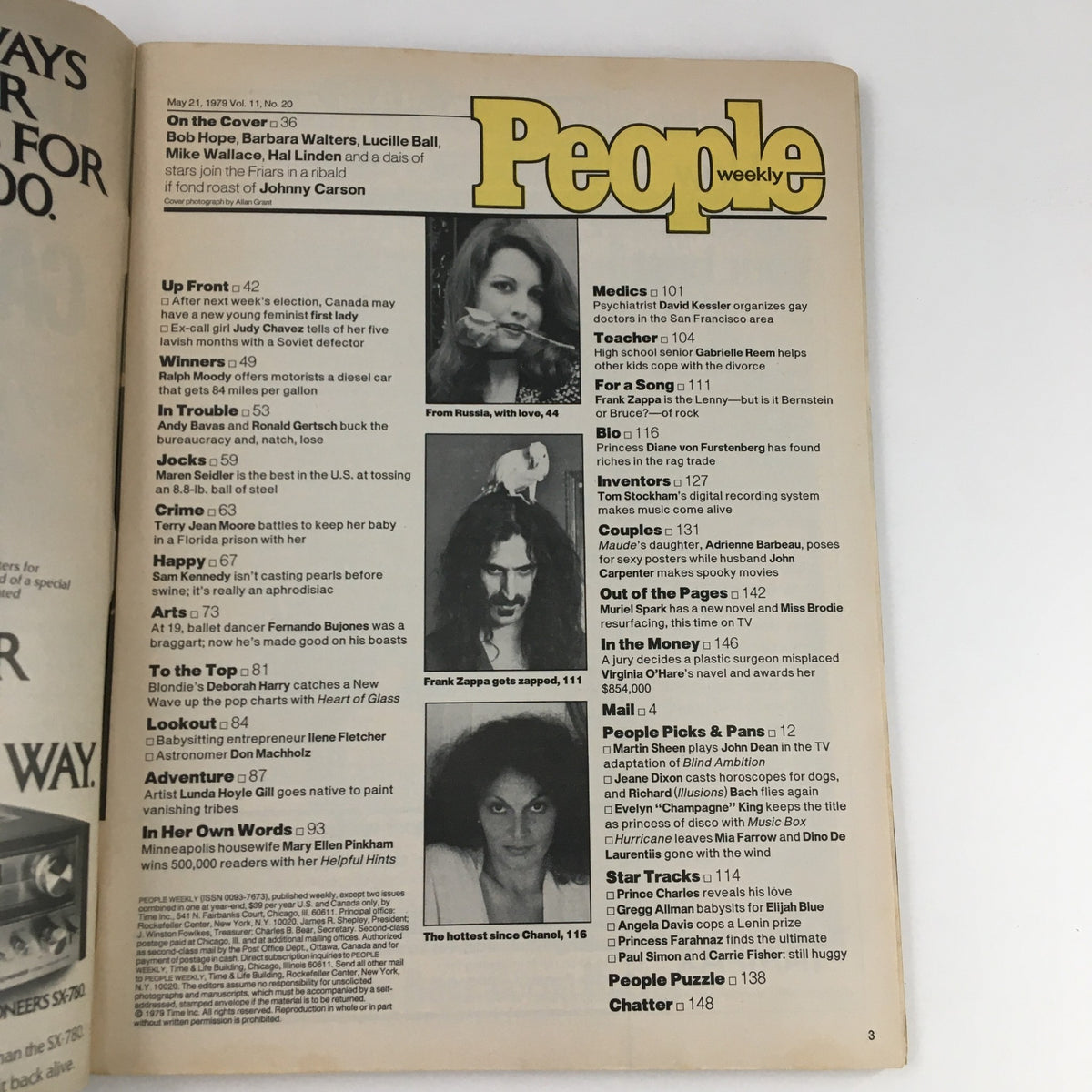
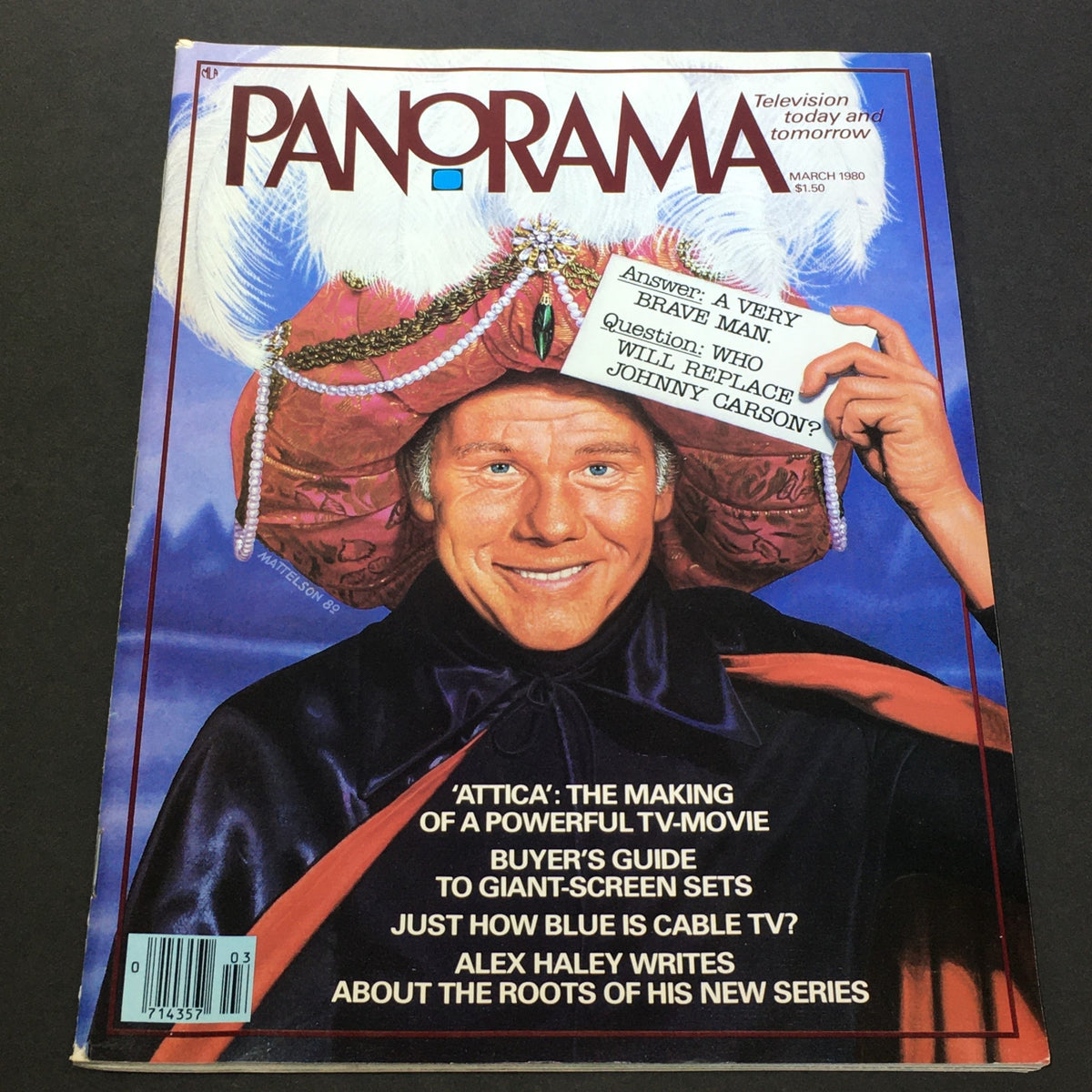
Vintage magazine coverage of the late-night sovereign is a study in controlled mystique. Photographers consistently captured him in the language of cool authority — the tilted grin beneath studio lights, the tailored suit, the desk that functioned as both throne and fortress. TV Guide, the era's most widely read periodical, featured him with a frequency that bordered on dependency, devoting cover after cover to the man who held American insomnia in his palm. Life magazine approached him with the grander lens of cultural portraiture, situating the host within the broader narrative of postwar American entertainment and the transformation of the living room into a theater. People, launched in 1974 at the height of his dominance, treated him as tabloid royalty, probing the private man behind the curtain — his marriages, his Malibu retreats, his infamous off-camera reserve — with the breathless curiosity that only print could sustain before the celebrity gossip cycle devoured itself.
Curator's Checklist: Highlights Often Include
- The Tonight Show milestones: Coverage frequently surfaces around landmark anniversaries, memorable guest appearances, and the cultural debates sparked by his monologues — particularly during the Nixon era, the social upheavals of the 1970s, and the late-career farewell arc of the late 1980s.
- Profile pieces on the private man: Collectors often seek out the rare, in-depth character studies that attempted to reconcile the warm on-screen persona with Carson's famously guarded, solitary private life — pieces that read today as fascinating exercises in journalistic inference.
- Entertainment industry retrospectives: Issues frequently include broader examinations of the late-night television landscape in which he reigned unchallenged, providing rich context on the NBC network, the advertising economy of primetime adjacency, and the comedians whose careers he launched.
- Awards season and Hollywood adjacency: His enduring role as a multiple Emmy-era presence and frequent awards host generated a distinct strand of coverage placing him at the intersection of television and film culture throughout the 1970s and 1980s.
- The farewell and legacy issues: The announcement and execution of his 1992 retirement generated a wave of reflective, elegiac print coverage — some of the most emotionally resonant magazine journalism of the decade — mourning not just a man's career, but an entire mode of collective American attention.
The Collector's Value
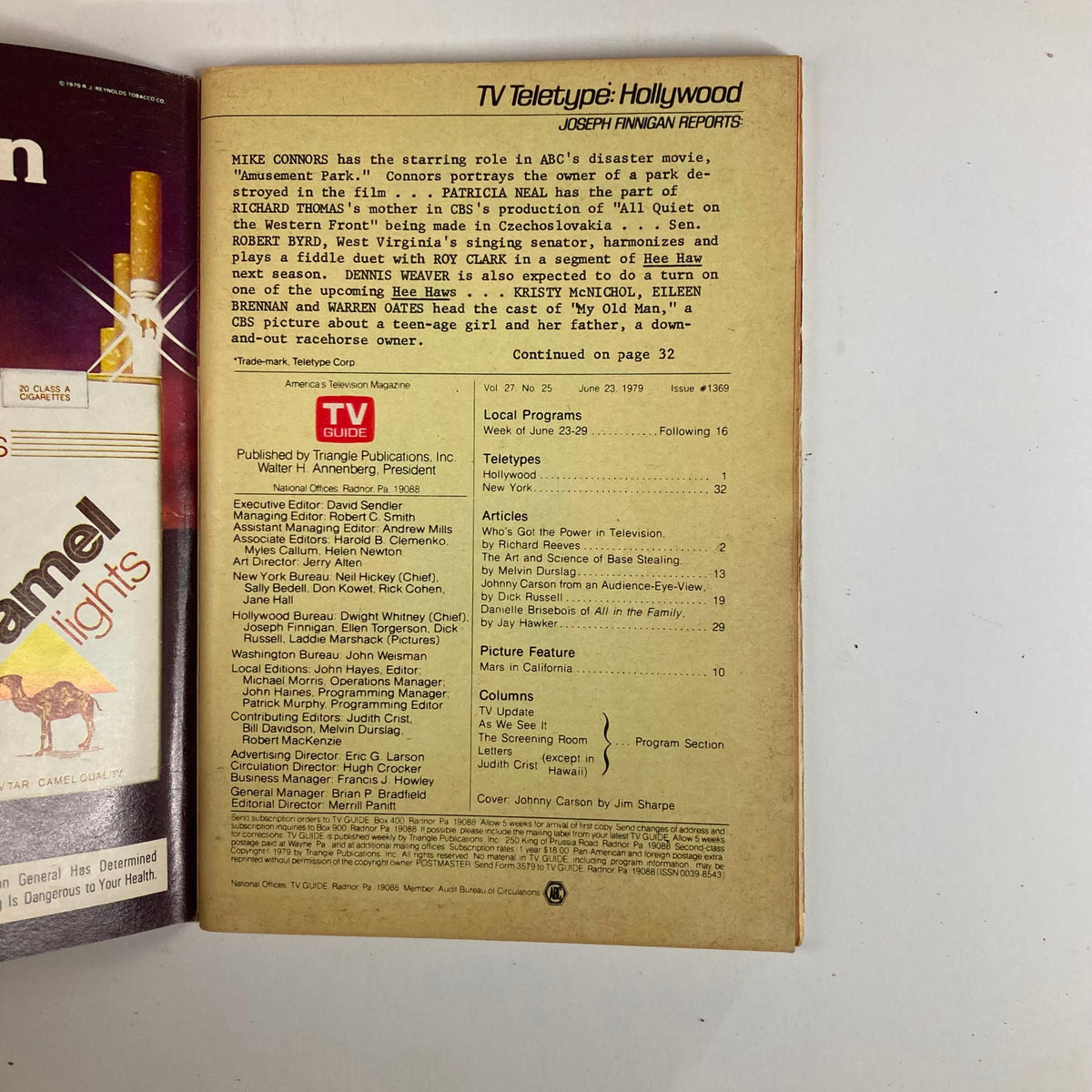
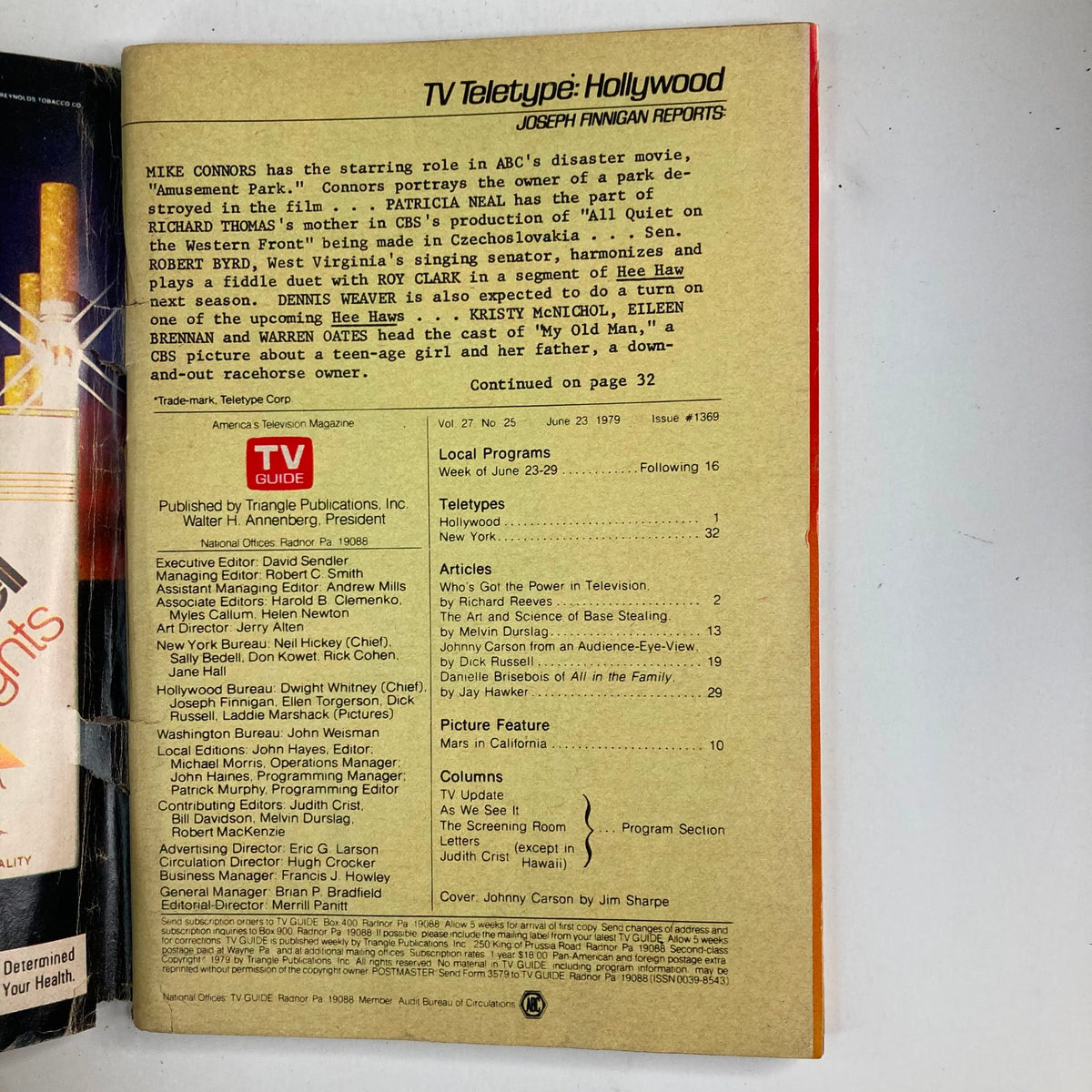
To hold one of these magazines is to hold a conversation across time. The paper stock of a 1970s TV Guide has a particular softness — a slight give under the thumb — that modern glossies cannot replicate, and the faint ink smell of a well-preserved issue carries with it the ghost of a specific American evening. The advertisements alone are a document: the cigarette campaigns, the automobile spreads, the consumer optimism of a nation that watched its favorite host and felt, for ninety minutes, that everything was manageable. These are not reprints or digital scans — they are primary sources, artifacts of a media ecosystem that shaped the very concept of celebrity as we now understand it. For collectors of vintage television memorabilia, Golden Age entertainment history, or mid-century American popular culture, these publications offer something no streaming archive ever could: the tactile, irreproducible proof that the moment was real, that people sat with these pages in their hands and felt exactly what you are feeling now. Explore the current available inventory below and discover which pieces of that extraordinary era are waiting to find their next careful home.