📖 About this Collection
July 1946: The World Remade Itself
The Historical Context
The summer of 1946 crackled with a particular kind of tension—the war was over, but the world had not yet found its new shape. On July 1, the United States detonated an atomic bomb over Bikini Atoll, the fourth such explosion in human history, sending a blinding column of water and fire into the Pacific sky while the world watched and wondered what this terrible new power would mean for civilization. Five days later, a second underwater blast followed, the mushroom cloud reflected in the lagoon's surface. The atomic age wasn't arriving—it had already arrived, and July 1946 forced humanity to reckon with it.
Meanwhile, on the other side of the globe, the Irgun—Menachem Begin's Zionist militant organization—bombed Jerusalem's King David Hotel on July 22, killing 91 people and shattering the brittle peace of British-mandated Palestine. On a more hopeful note, the Philippines celebrated full independence from the United States on July 4, with President Manuel Roxas inaugurated before jubilant crowds in Manila. This was the world in motion: empires loosening their grip while new dangers tightened theirs.
Pop Culture & Everyday Life
Away from the headlines, Americans were finding their footing in peacetime. On July 5, designer Louis Réard unveiled his scandalous two-piece swimsuit at a Paris fashion show—named after the Bikini Atoll test that had transfixed the world just days before. Vogue and Harper's Bazaar were grappling with a postwar woman eager to shed wartime austerity, and the fashion pages of original magazines from July 1946 show a culture hungry for glamour again.
At the 500 Club in Atlantic City on July 25, a lanky crooner named Dean Martin and a rubber-limbed comedian named Jerry Lewis took the stage together for the very first time—an act that would define popular entertainment for a decade. Sports fans celebrated Sam Snead's dominant performance at the British Open at St Andrews, his only Open Championship title, while Wimbledon returned for its first post-war tournament, with Pauline Betz and Yvon Petra claiming the crowns. On bookshelves, Dr. Benjamin Spock's Common Sense Book of Baby and Child Care quietly appeared—a rare magazine review could not have guessed it would shape an entire generation of American parents.
Curator's Checklist: What to Look For in July 1946 Magazines
- Atomic Tests at Bikini Atoll: Life and Time featuring full-page photographic spreads of the mushroom clouds rising over the Pacific, often paired with sober editorial commentary on the implications of nuclear warfare in the postwar era.
- Philippine Independence: Look and Life showcasing the inauguration of President Manuel Roxas, illustrated with photographs of the ceremony at the Independence Grandstand in Manila, marking the end of American colonial rule.
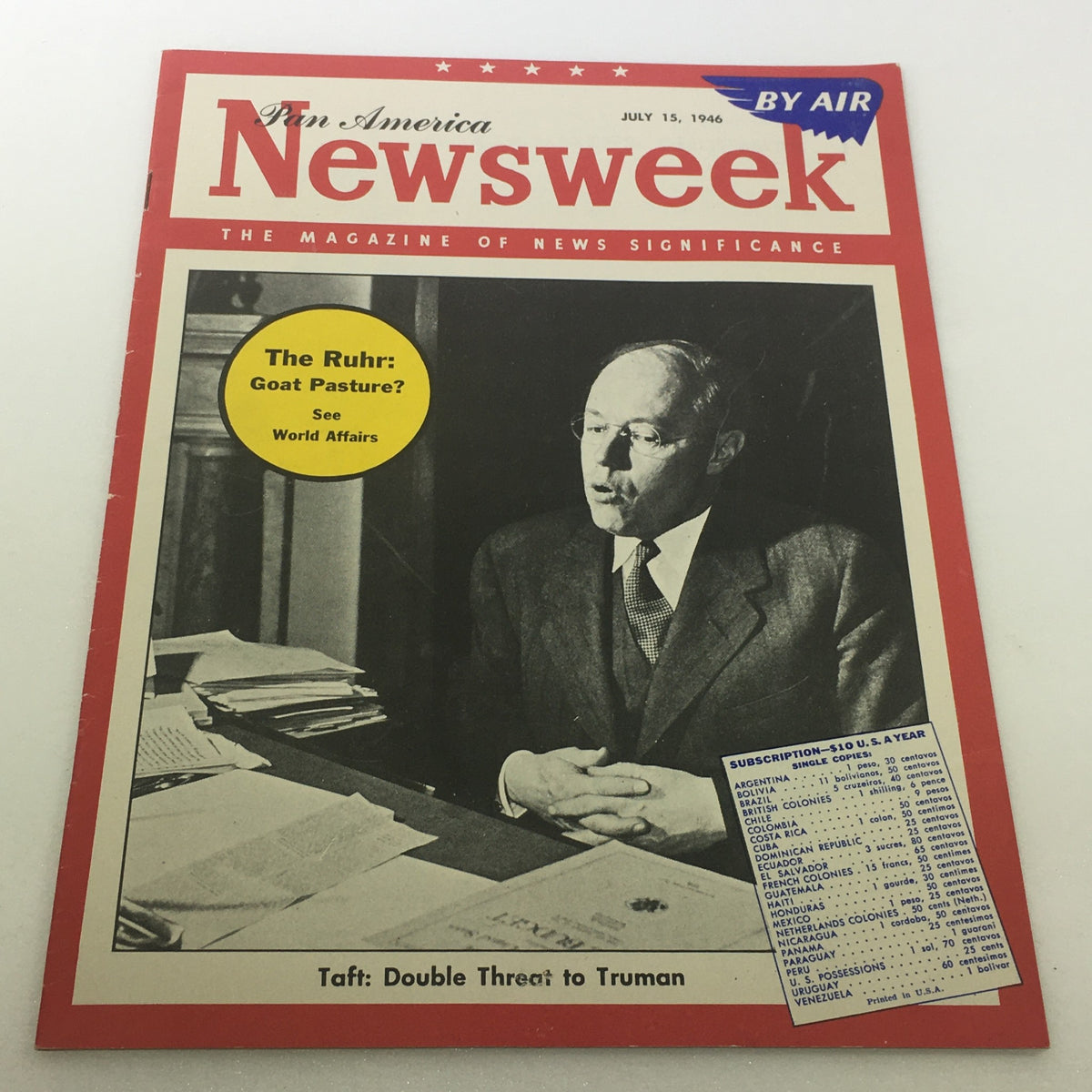
- King David Hotel Bombing: Newsweek and Time chronicling the July 22 attack in Jerusalem, featuring maps of the British Mandate territory and photographs of the devastated hotel facade, capturing a pivotal moment in the birth of modern Israel.
- The Bikini Swimsuit Debut: Vogue and Harper's Bazaar capturing Louis Réard's scandalous new design alongside the season's broader postwar fashion renaissance—vintage magazines from this month offer a vivid window into the return of feminine extravagance after years of wartime restraint.
- Dean Martin & Jerry Lewis: Variety and TV Guide precursors in entertainment press beginning to register the buzz around this new Atlantic City comedy duo, whose July 25 debut would soon make them the most talked-about act in America.
The Perfect Gift
For someone born in July 1946, an original magazine from this watershed month isn't just a piece of paper—it's an authenticated time capsule of the exact world they entered: atomic tests, empire's end, and a new swimsuit that scandalized Paris, all preserved in genuine headlines, photographs, and advertisements that no reproduction can replicate.