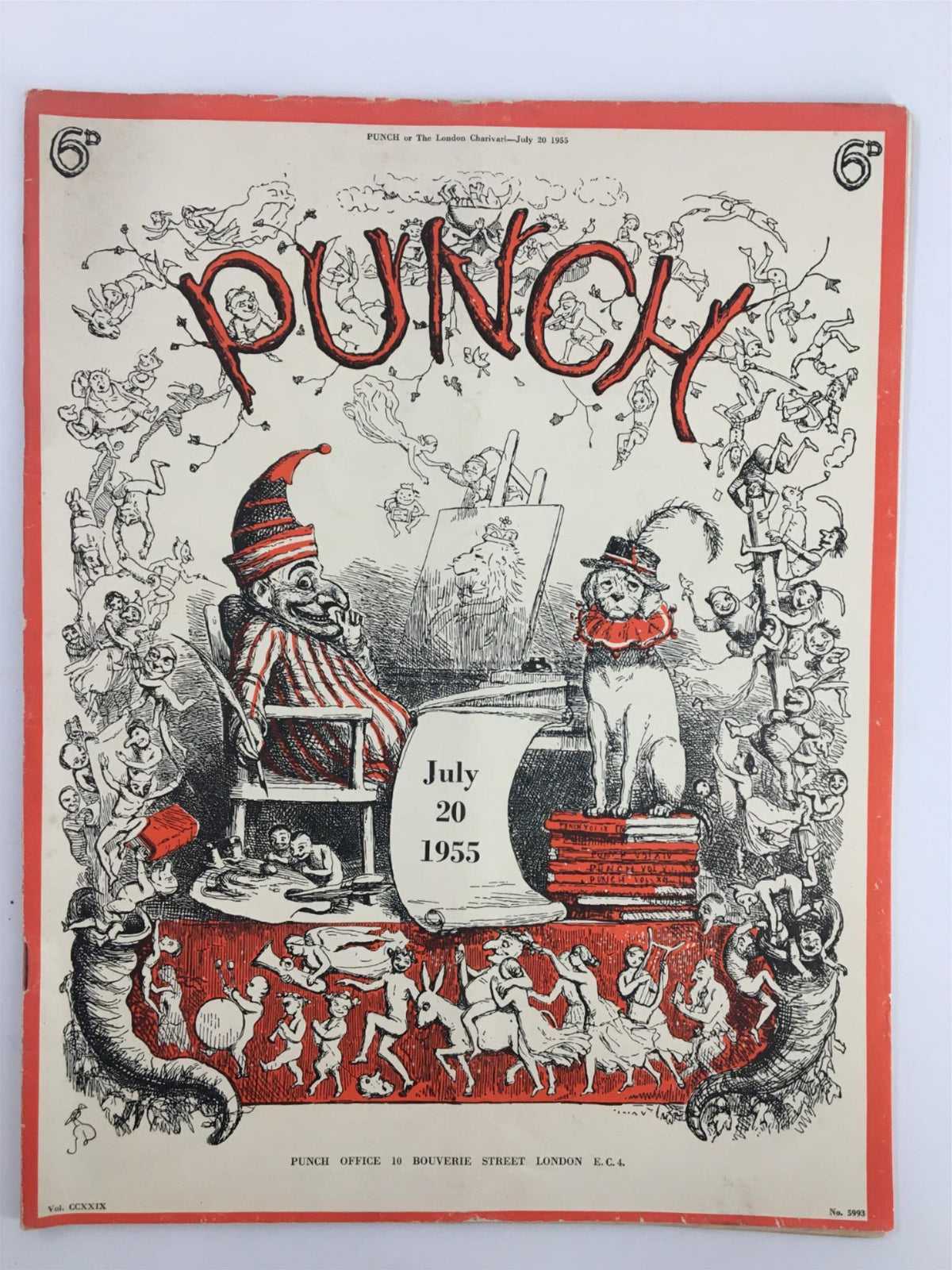
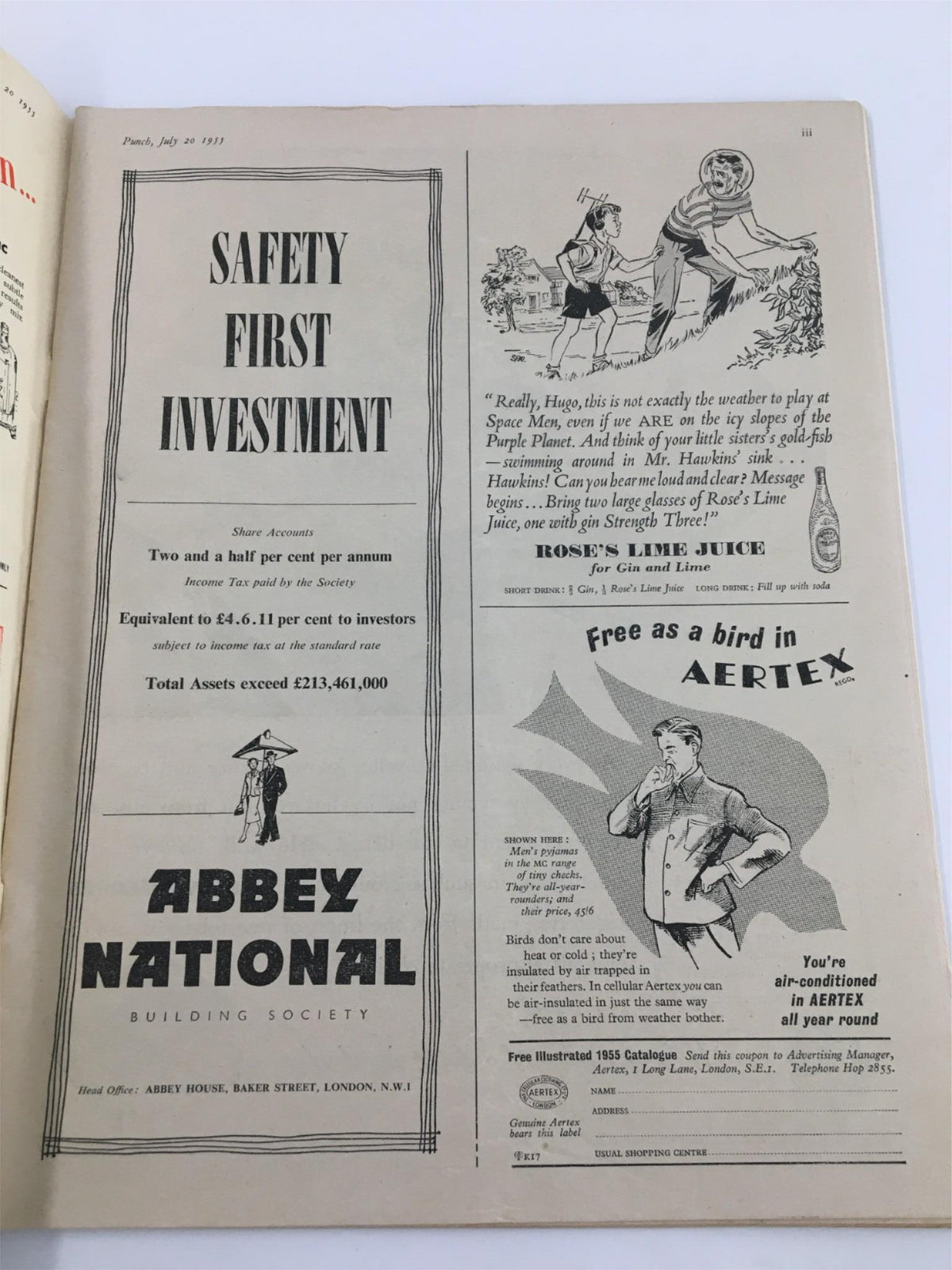
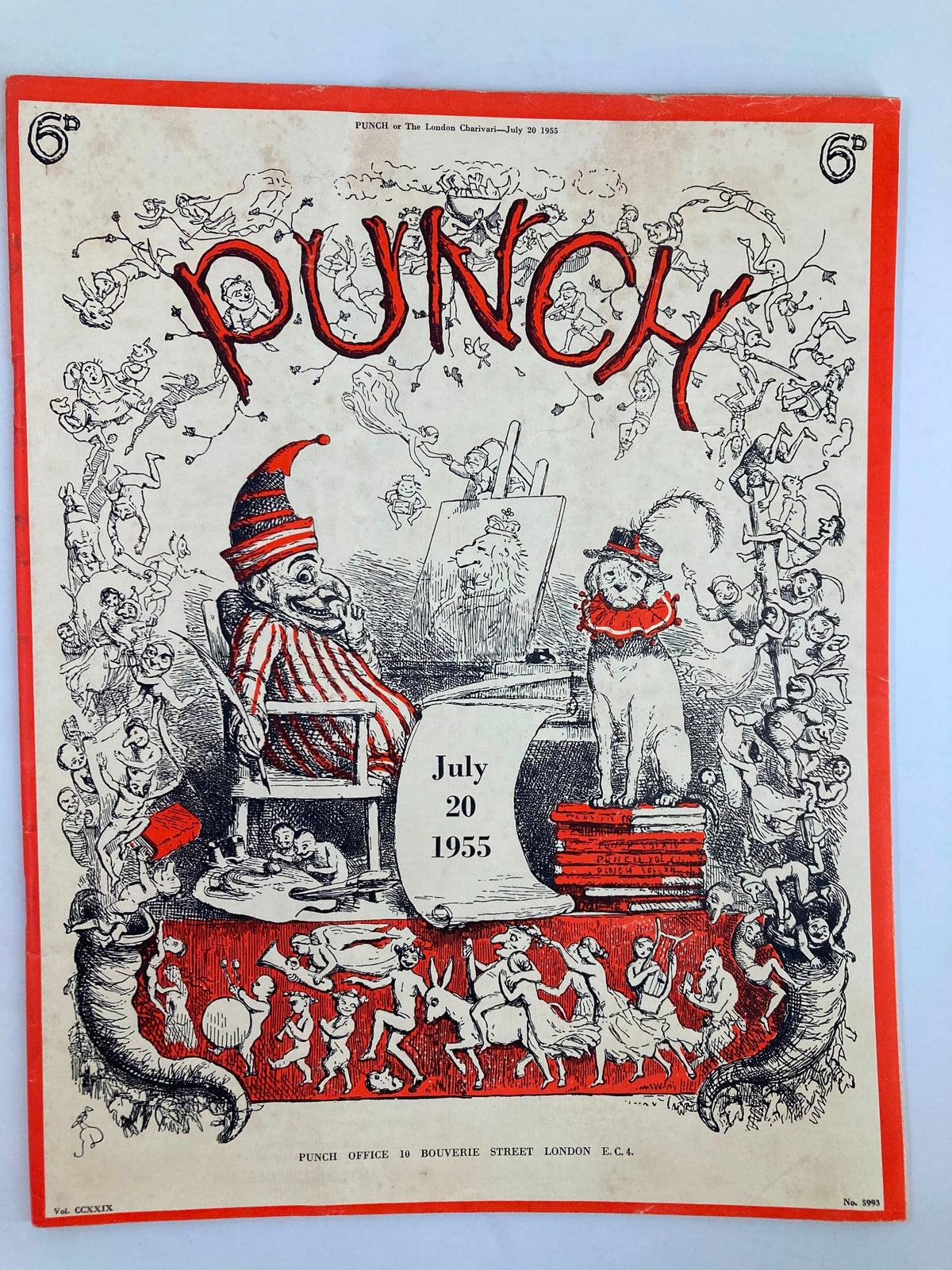
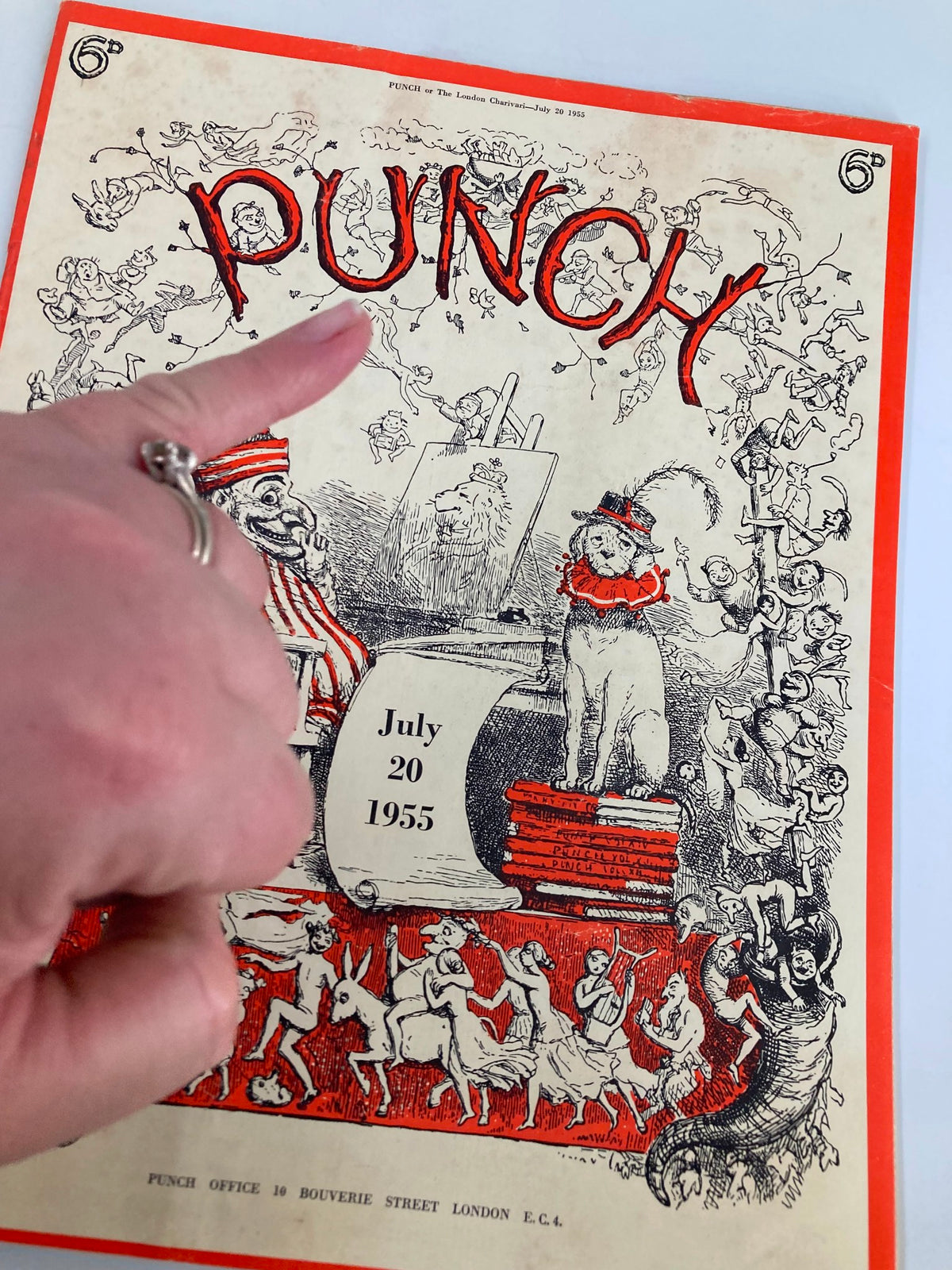
📖 About this Collection
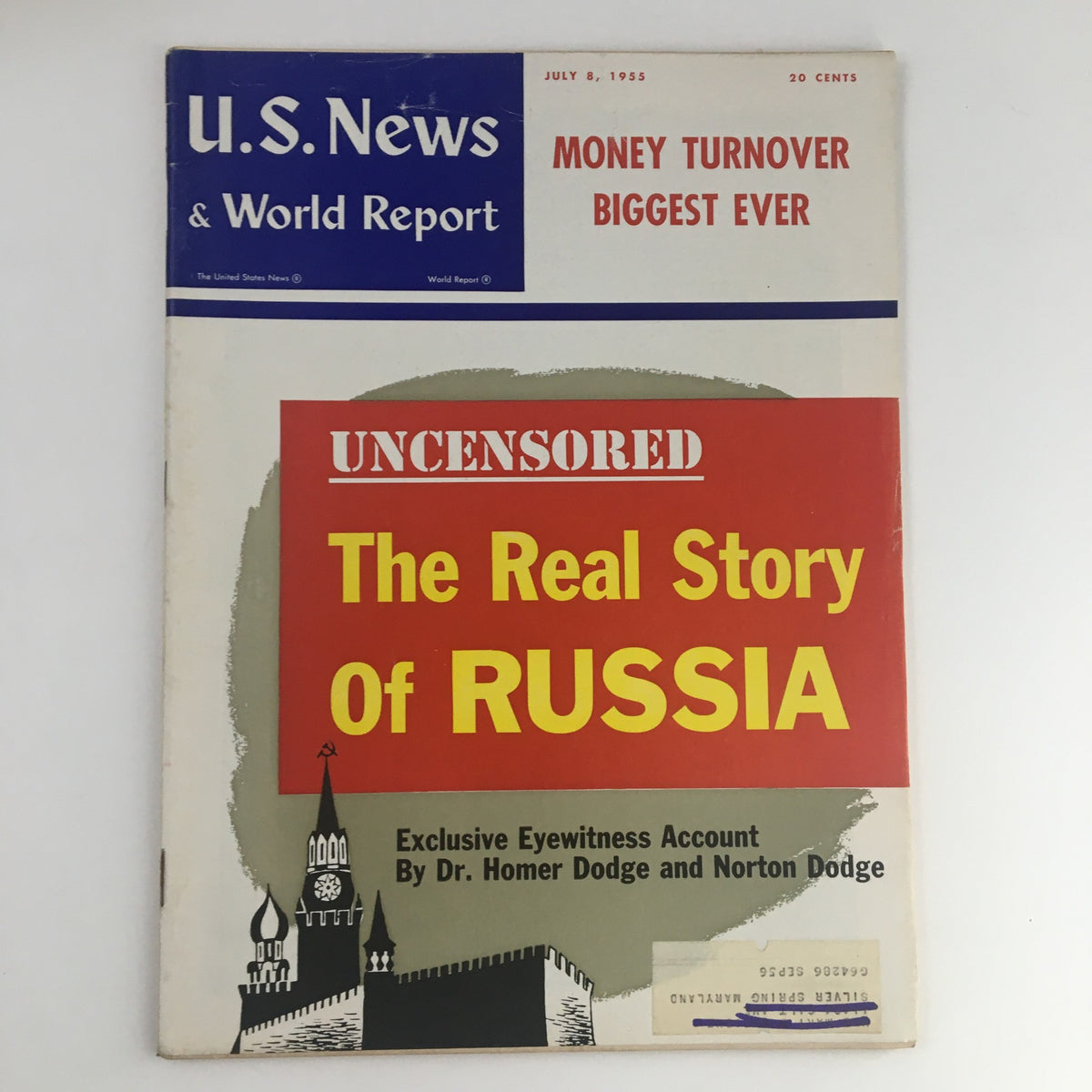
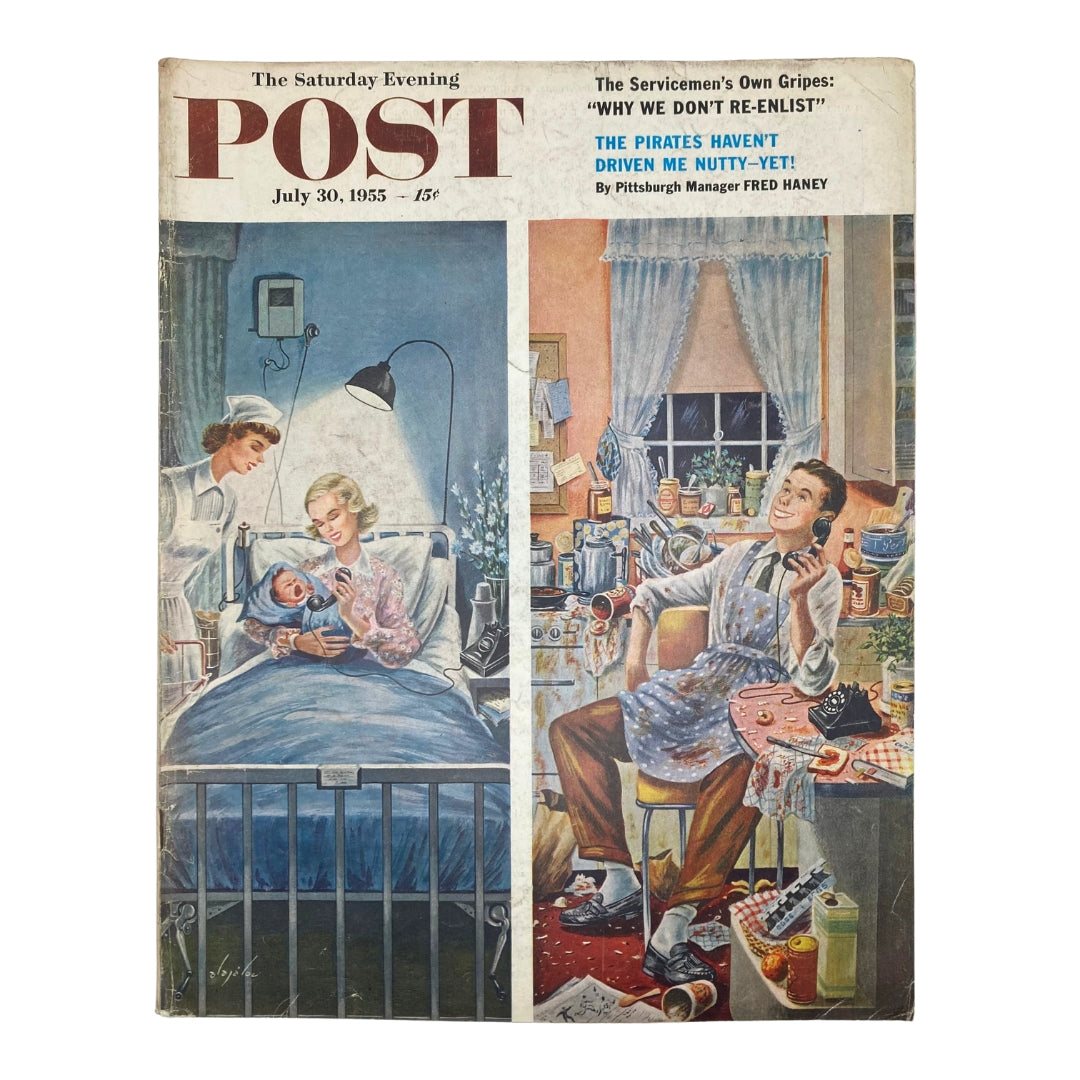
July 1955: The Atomic Summer of American Optimism
The Historical Context
The summer of 1955 hummed with atomic-age confidence and cultural transformation. Disneyland opened its gates in Anaheim on July 17th, creating a new mythology of American entertainment that would dominate magazine covers nationwide, while Walt Disney's televised grand opening brought 90 million viewers into this "Happiest Place on Earth." The Russell-Einstein Manifesto, released in London on July 9th, warned the world of nuclear catastrophe, yet that same month Arco, Idaho, became the first U.S. city illuminated by atomic energy—a contradiction that perfectly captured 1955's simultaneous embrace and fear of nuclear power. Britain executed Ruth Ellis at Holloway Prison on July 13th, the last woman to face capital punishment there, while across the Atlantic, E. Frederic Morrow became the first African American executive on White House staff. This was the world your loved one entered in July 1955: a nation standing at the crossroads of unprecedented technological promise and sobering global responsibility.
Rock and roll seized America's airwaves when Bill Haley & His Comets' "Rock Around the Clock" topped the Billboard chart on July 9th, becoming one of the best-selling singles in history and announcing a cultural revolution that original magazines from July 1955 captured in scandalized editorials and jubilant youth culture spreads. Television continued its conquest of American living rooms as "The Lawrence Welk Show" premiered on ABC on July 2nd, offering genteel entertainment that would run for decades. Sports Illustrated chronicled Tony Trabert's Wimbledon triumph over Kurt Nielsen and Donald Campbell's breathtaking water speed record of 202.32 mph in his Bluebird K7 at England's Lake District. Time and Life magazines featured Disneyland's opening with lavish photography of Sleeping Beauty's Castle and Main Street USA, while fashion magazines like Vogue showcased the summer's optimistic styles—full skirts, fitted bodices, and the emerging casual California aesthetic that Disney's new park would help popularize nationwide.
What to Look For: Curator's Checklist
-
Disneyland's Historic Opening: Vintage magazines featuring Walt Disney's revolutionary theme park with illustrated maps, behind-the-scenes construction photography, and advertisements for the televised grand opening special that attracted 90 million viewers—a defining moment in American entertainment history.
-
The Atomic Age Arrives: Time and Newsweek covering Arco, Idaho, becoming the first nuclear-powered city, often juxtaposed with the Russell-Einstein Manifesto's warnings, showcasing the era's fascinating tension between atomic optimism and existential dread through dramatic photo essays and scientific illustrations.
-
Rock Around the Clock Revolution: Music and entertainment features chronicling Bill Haley's chart-topping phenomenon, with original advertisements for record players, jukeboxes, and the emerging teenage consumer market that rare magazines captured as it was being born.
-
British Open & Wimbledon Glory: Sports Illustrated and international news magazines featuring Peter Thomson's second consecutive British Open victory and Tony Trabert's Wimbledon championship, complete with action photography and the sophisticated sporting culture of mid-1950s tennis and golf.
-
The Lawrence Welk Premiere: TV Guide and entertainment sections announcing the debut of America's "champagne music maker," reflecting the mainstream tastes that would dominate family television alongside the youth rebellion happening on radio—a cultural divide preserved in authentic magazine pages.
The Perfect Gift
For someone born in July 1955, an original magazine from this transformative month isn't just a birthday card—it's an authenticated portal to the summer when Disneyland opened, rock and roll conquered the charts, and America glimpsed its atomic-powered future, preserved in genuine advertisements, photography, and headlines.