📖 About this Collection
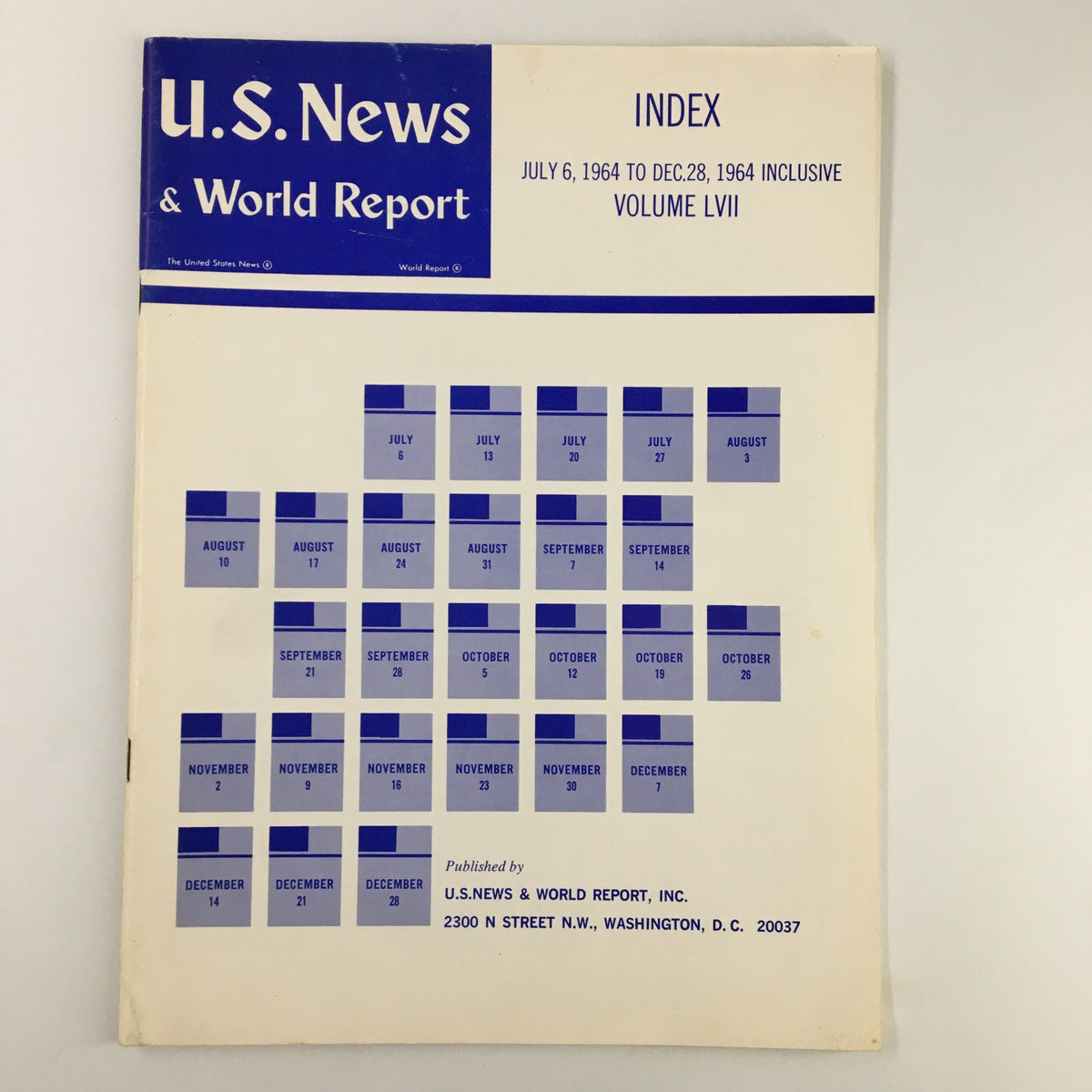
July 1964: The Summer Civil Rights Changed America
The Historical Context
The summer of 1964 crackled with historic tension as America confronted its deepest contradictions. On July 2nd, President Lyndon B. Johnson signed the Civil Rights Act into law, the most sweeping civil rights legislation since Reconstruction, outlawing discrimination based on race, color, religion, sex, or national origin. Yet within weeks, the promise of legislative progress collided with urban reality—race riots erupted in Harlem on July 18th, spreading to Bedford-Stuyvesant, followed by violence in Rochester that claimed four lives. Internationally, Nelson Mandela, recently sentenced to life imprisonment in South Africa, received the Joliot Curie Gold Medal for Peace, a poignant reminder of the global struggle for equality. As Barry Goldwater secured the Republican presidential nomination on July 16th, positioning himself against Johnson's Great Society vision, the nation stood at a crossroads. This was the world your loved one entered—a summer when the future hung in the balance between hope and turmoil.
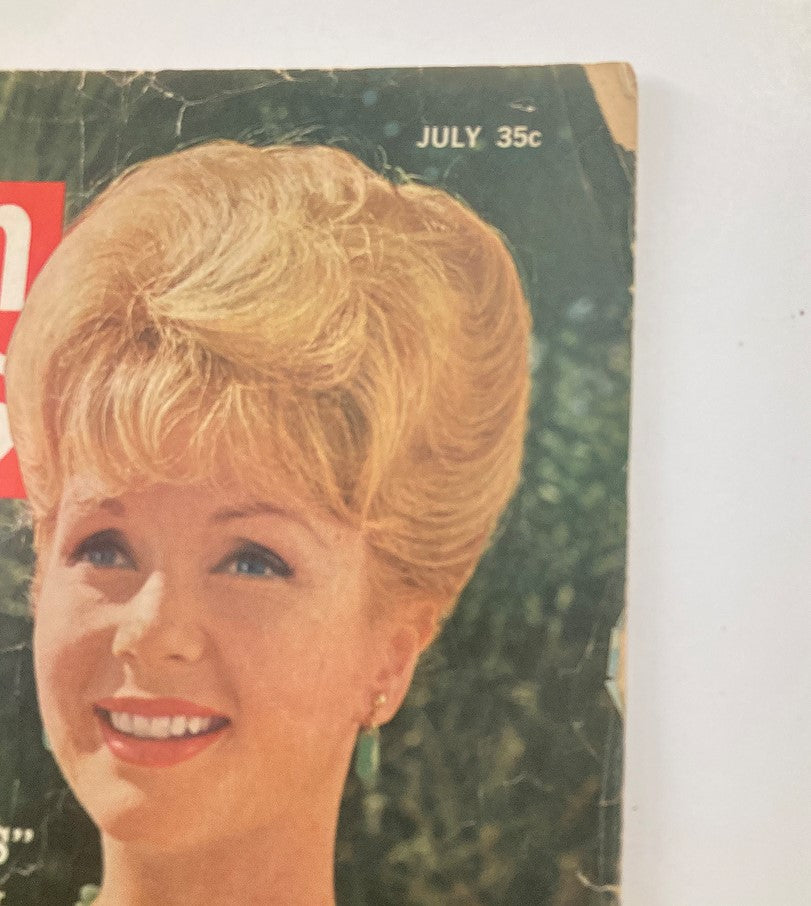
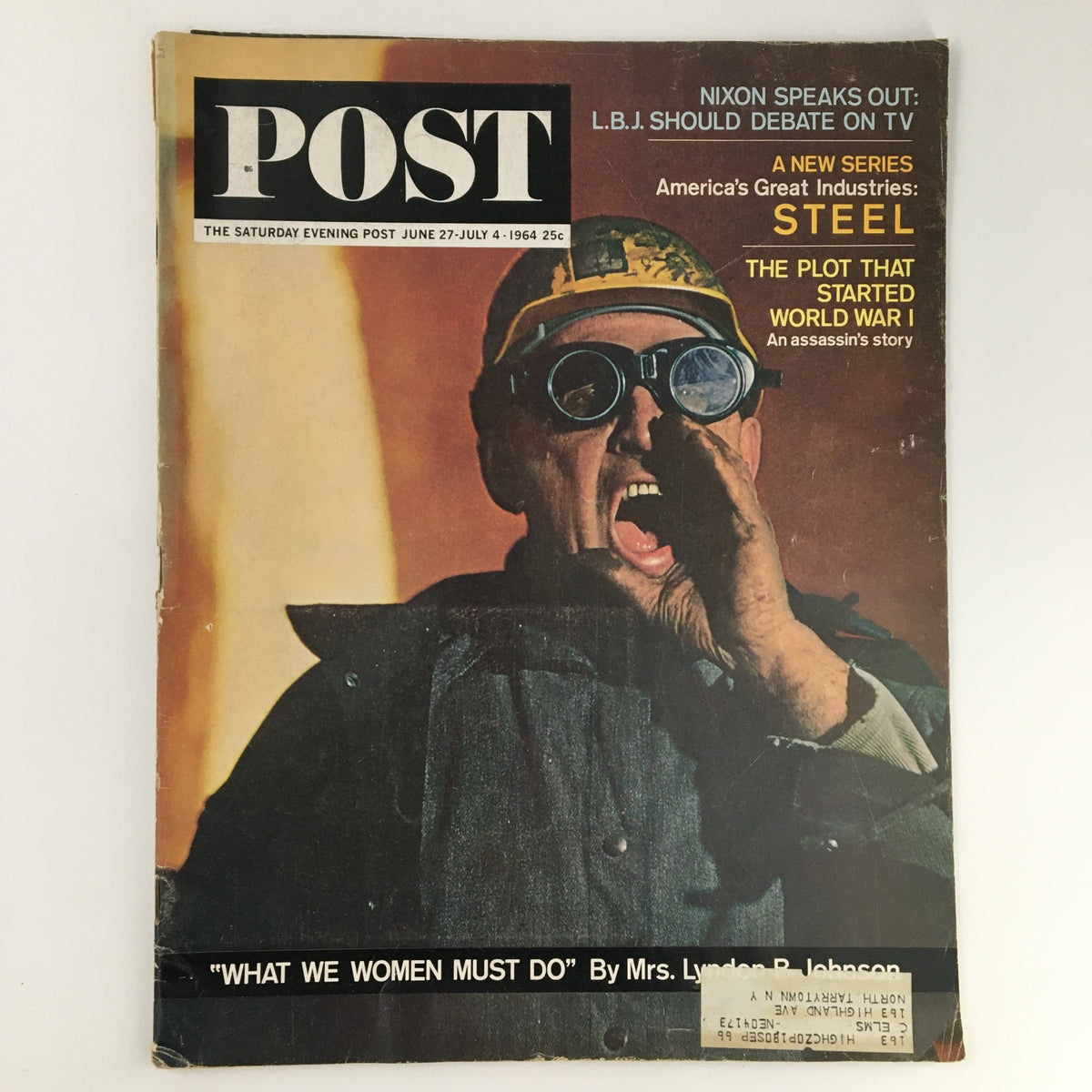
While headlines chronicled legislative battles and civil unrest, popular culture offered joyful escape. The Beatles dominated the airwaves and cinema screens—their album "A Hard Day's Night" hit #1 on July 25th and remained there for fourteen weeks, while their film premiered at London's Pavilion Theatre on July 6th. The Beach Boys' "I Get Around" and Jan & Dean's "Surf City"—the first surfing record to reach #1—captured the carefree California sound flooding transistor radios. At Wimbledon, Roy Emerson claimed his first of two consecutive men's titles in an all-Australian final, while Brazilian Maria Bueno secured her third women's championship. Sports Illustrated and Life magazines featured Tony Lema's British Open victory at St. Andrews, five strokes ahead of Jack Nicklaus, while original magazines from July 1964 preserved advertisements for everything from Zenith color television sets to Pepsi's "Come Alive" campaign, visual artifacts of an optimistic consumer culture navigating profound social change.
What to Look for in Vintage Magazines from July 1964
-
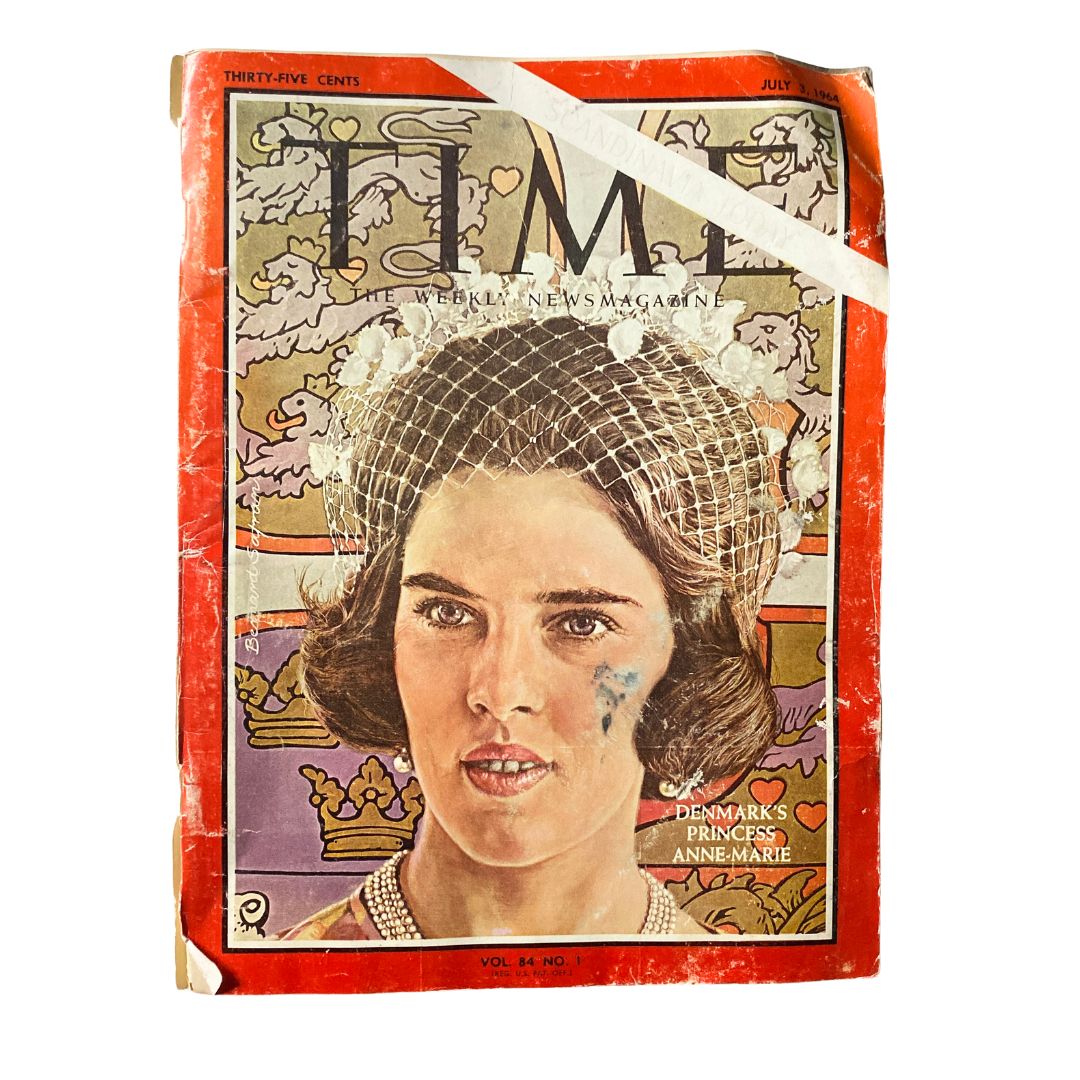
The Civil Rights Act Signing: News magazines like Time, Life, and Newsweek featuring LBJ's historic July 2nd ceremony, often illustrated with powerful photography of the bill signing and civil rights leaders, capturing the momentous legislative victory that defined the decade.
-
Beatles Mania in Full Force: Entertainment publications and teen magazines showcasing "A Hard Day's Night" premiere coverage, album reviews, and Beatles photography, preserved exactly as Beatlemania swept both sides of the Atlantic that summer.
-
Urban America in Crisis: Photo essays in Look and major news weeklies chronicling the Harlem and Rochester riots, providing rare magazines documentation of the tension between legislative progress and street-level racial conflict that dominated July's second half.
-
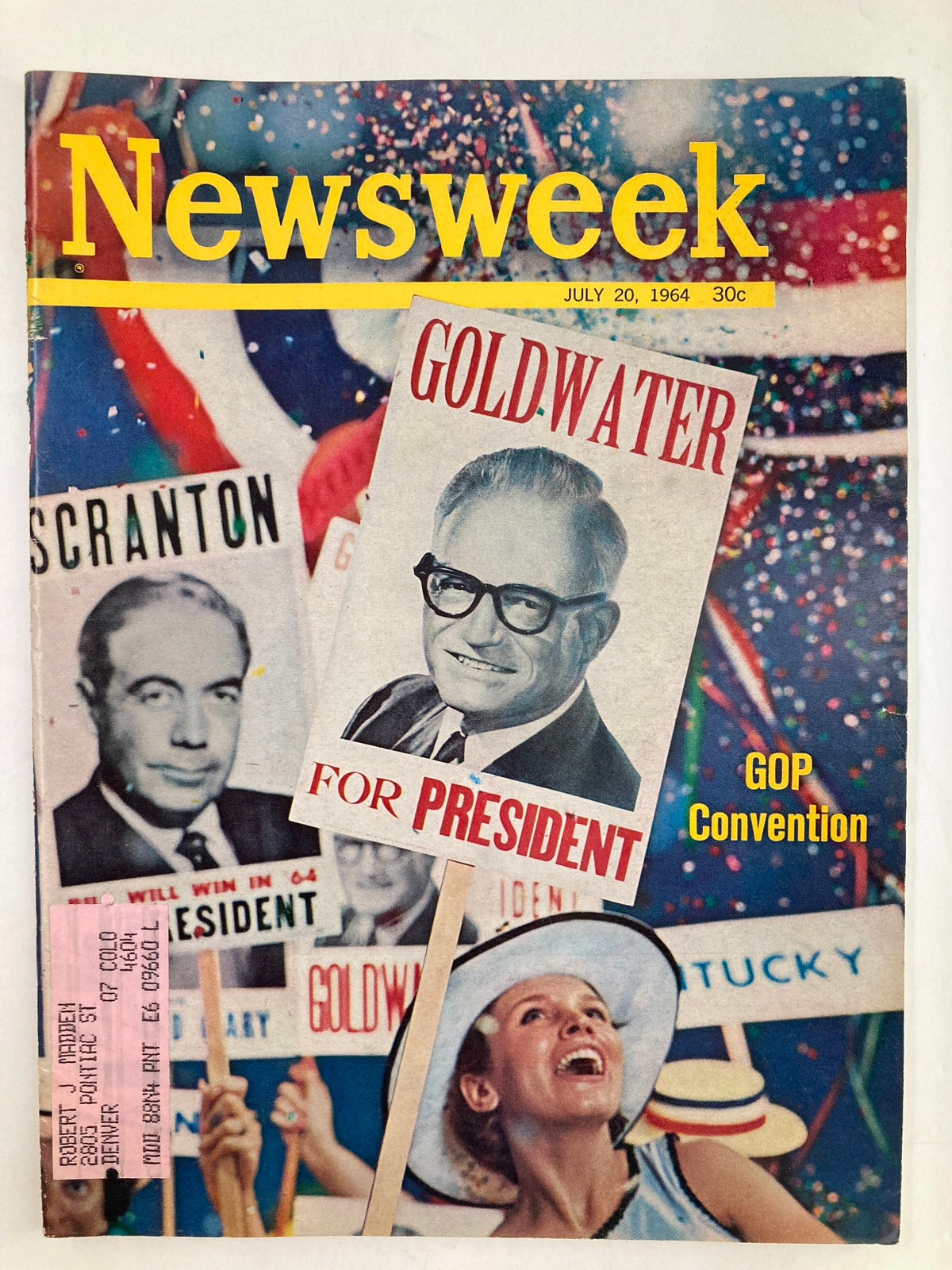
Goldwater's Conservative Revolution: Political coverage in rare magazines tracking the Republican convention, featuring the Arizona senator's nomination and his famous declaration that "extremism in the defense of liberty is no vice," rhetoric that would reshape American conservatism.
-
Sports Summer Glory: Illustrated spreads in Sports Illustrated covering Wimbledon's tennis championships, the British Open at St. Andrews, and the July 7th All-Star Game at brand-new Shea Stadium, complete with authentic vintage advertising from automotive and tobacco sponsors.
The Perfect Gift
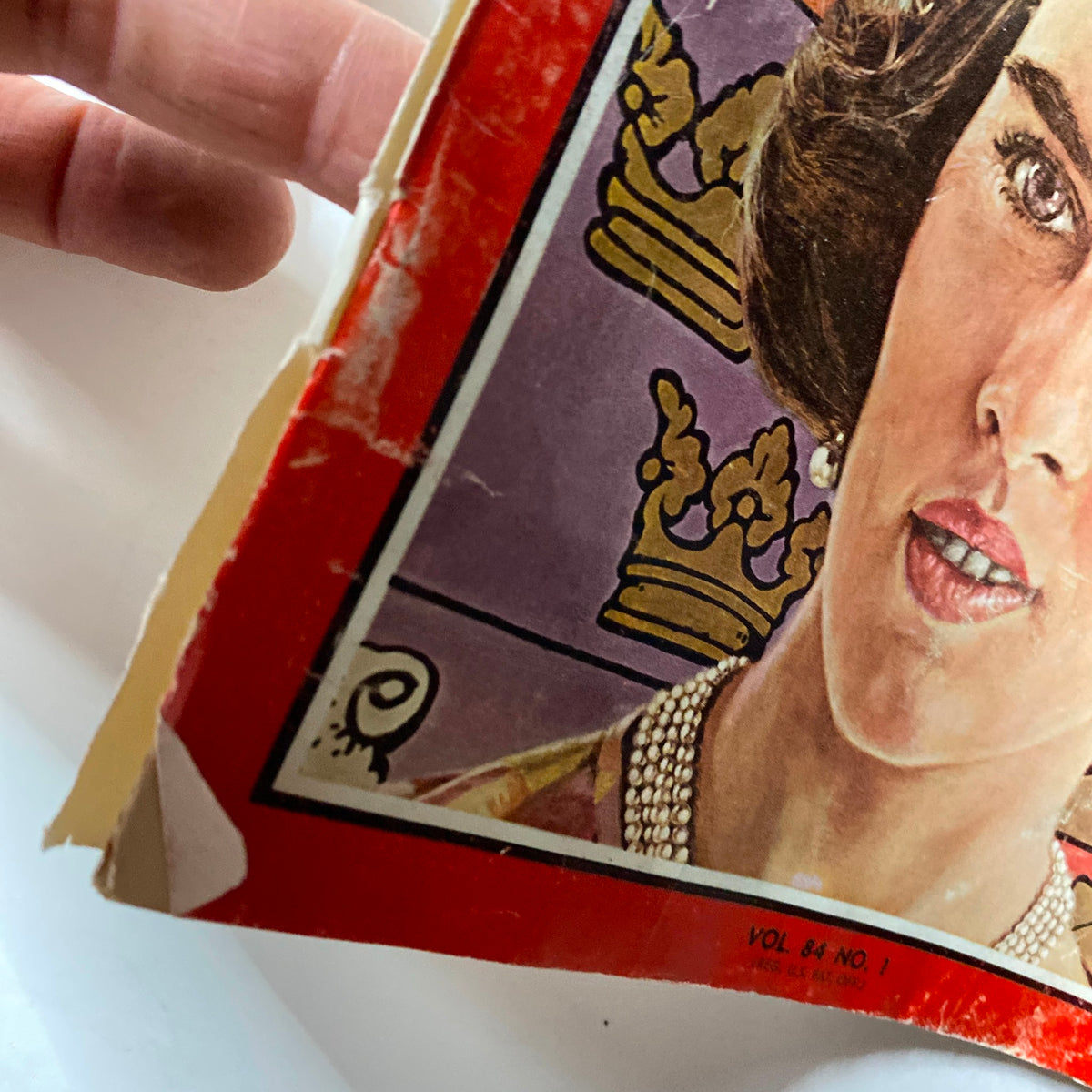
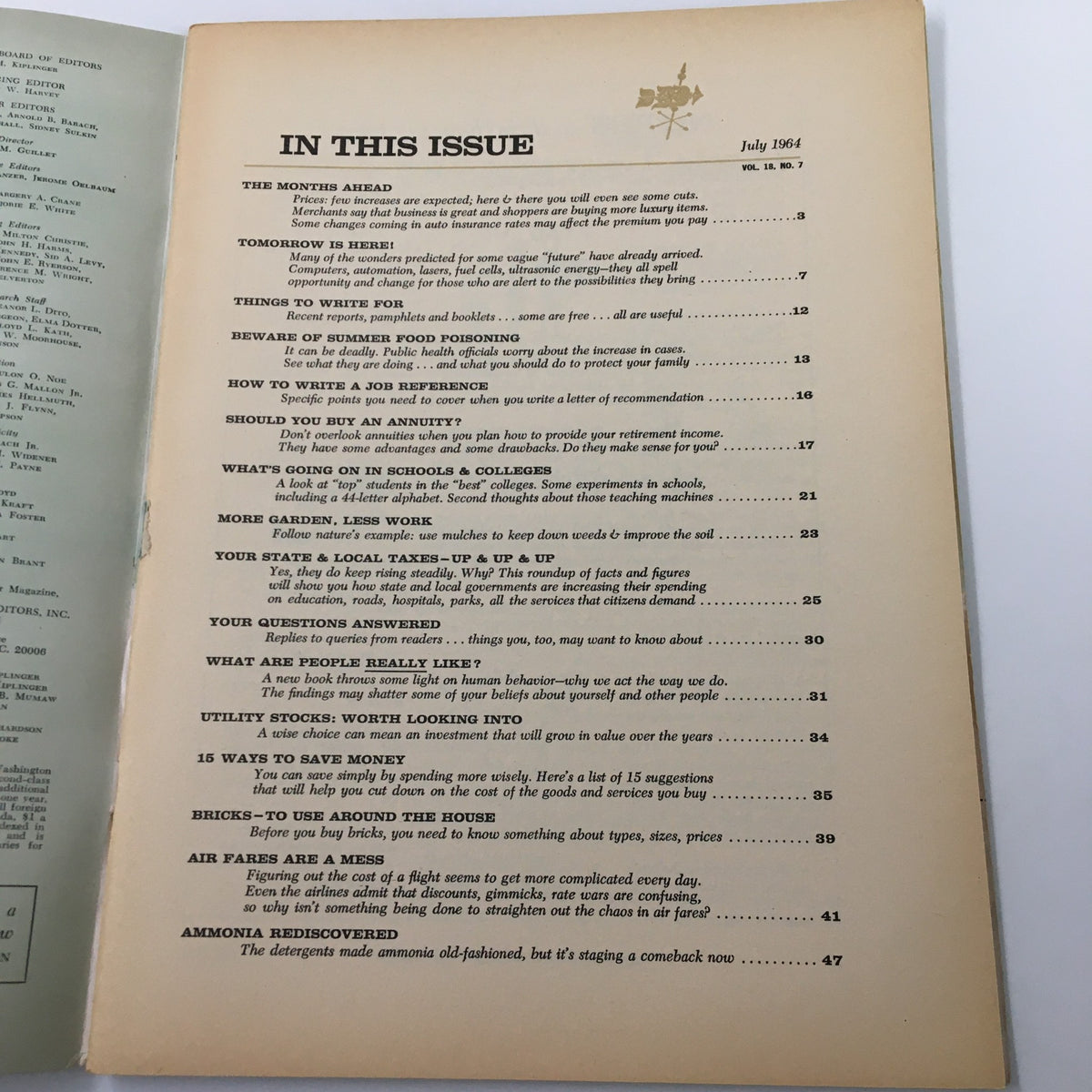
For someone born in July 1964, an original magazine from this transformative month isn't just a commemorative keepsake—it's an authenticated portal to the summer when America's promise and its struggles collided on every front page, preserved in genuine advertisements, headlines, and photographs that captured history as it unfolded.