📖 About this Collection
July 1972: The Summer That Tested America's Soul
The Historical Context
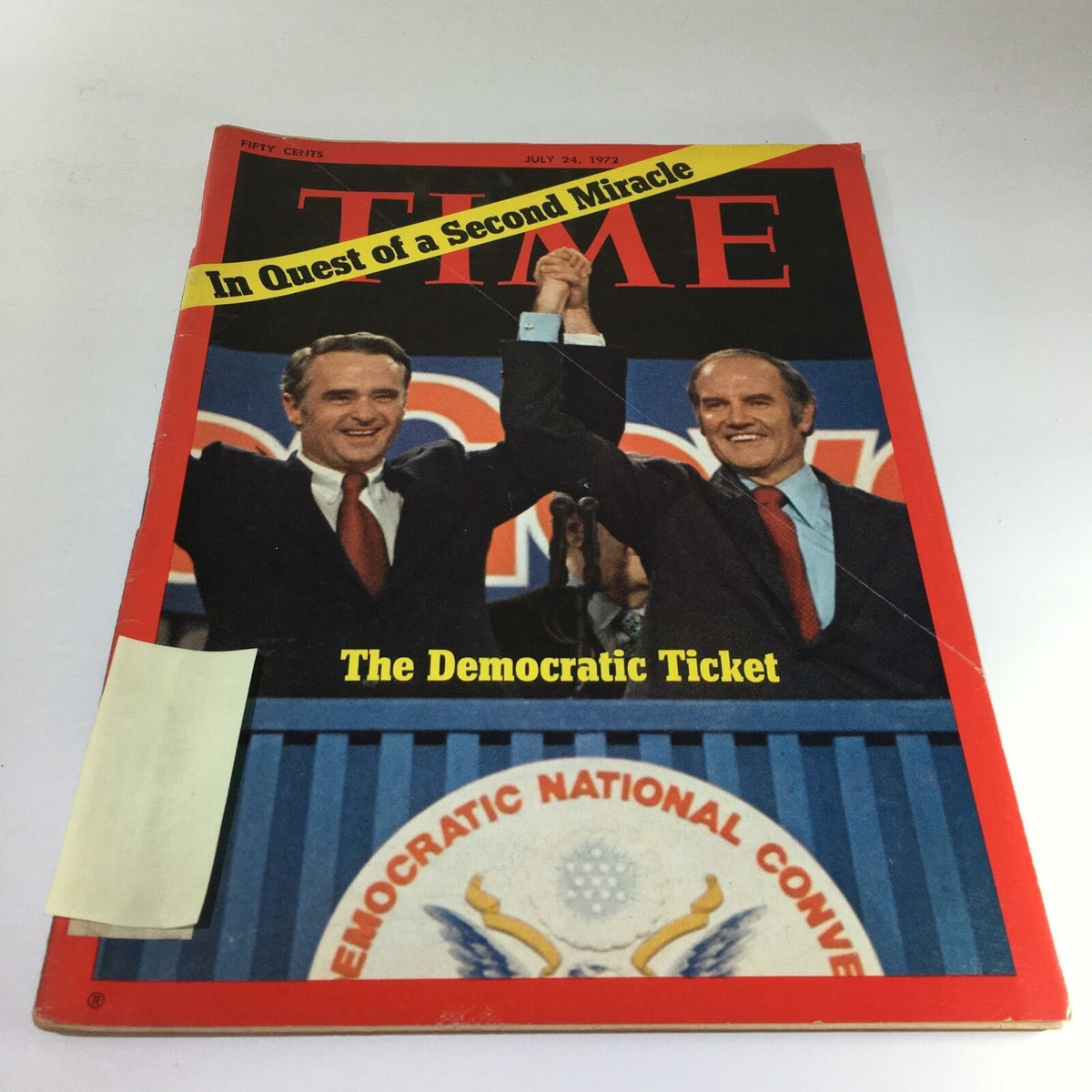
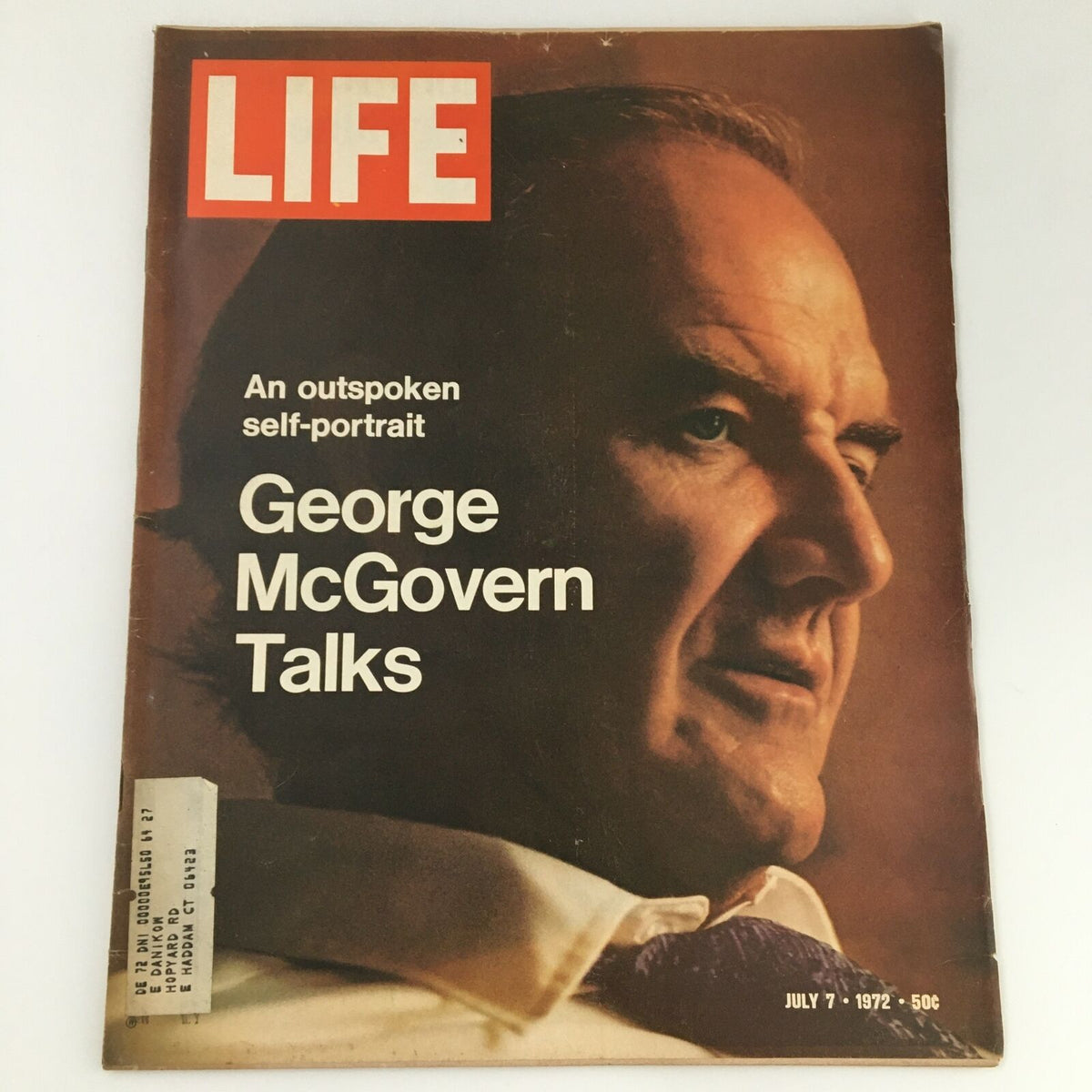
The nation entered July 1972 fractured between hope and turmoil—a presidential campaign promising reform colliding with a war that wouldn't end and scandals beginning to surface. The Democratic Convention in Miami Beach nominated George McGovern for president, while half a world away, Egyptian president Anwar Sadat expelled 20,000 Russian military advisers in a seismic Cold War shift. But the month's most haunting violence unfolded in Northern Ireland, where Bloody Friday saw the IRA detonate twenty-two bombs across Belfast in seventy-five minutes, killing nine and wounding 130. Back home, health officials made a shocking admission: African Americans had been used as guinea pigs in a forty-year syphilis experiment, a betrayal that would echo for generations. This was the world awaiting those born in July 1972—a summer when democracy's promise faced its gravest tests.
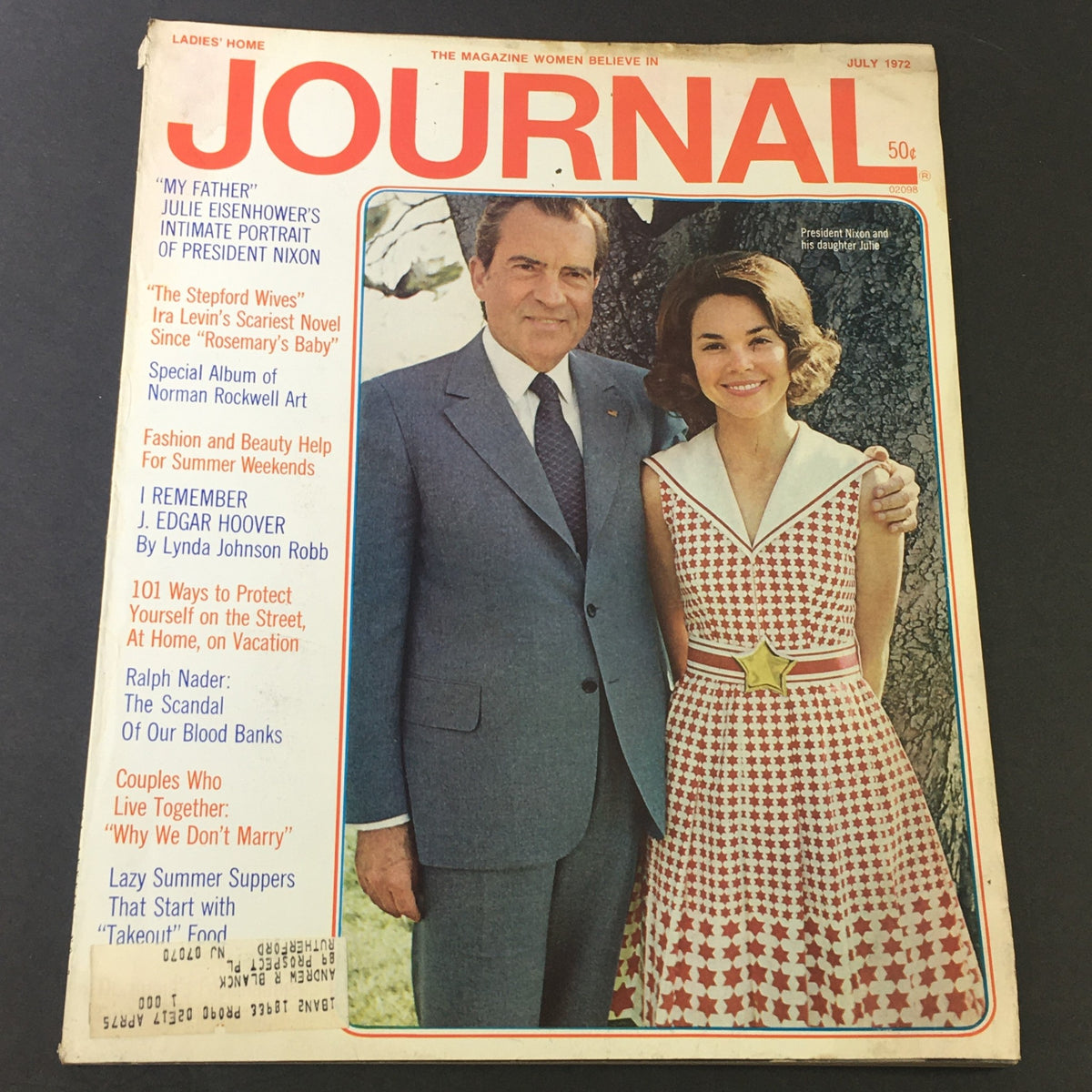
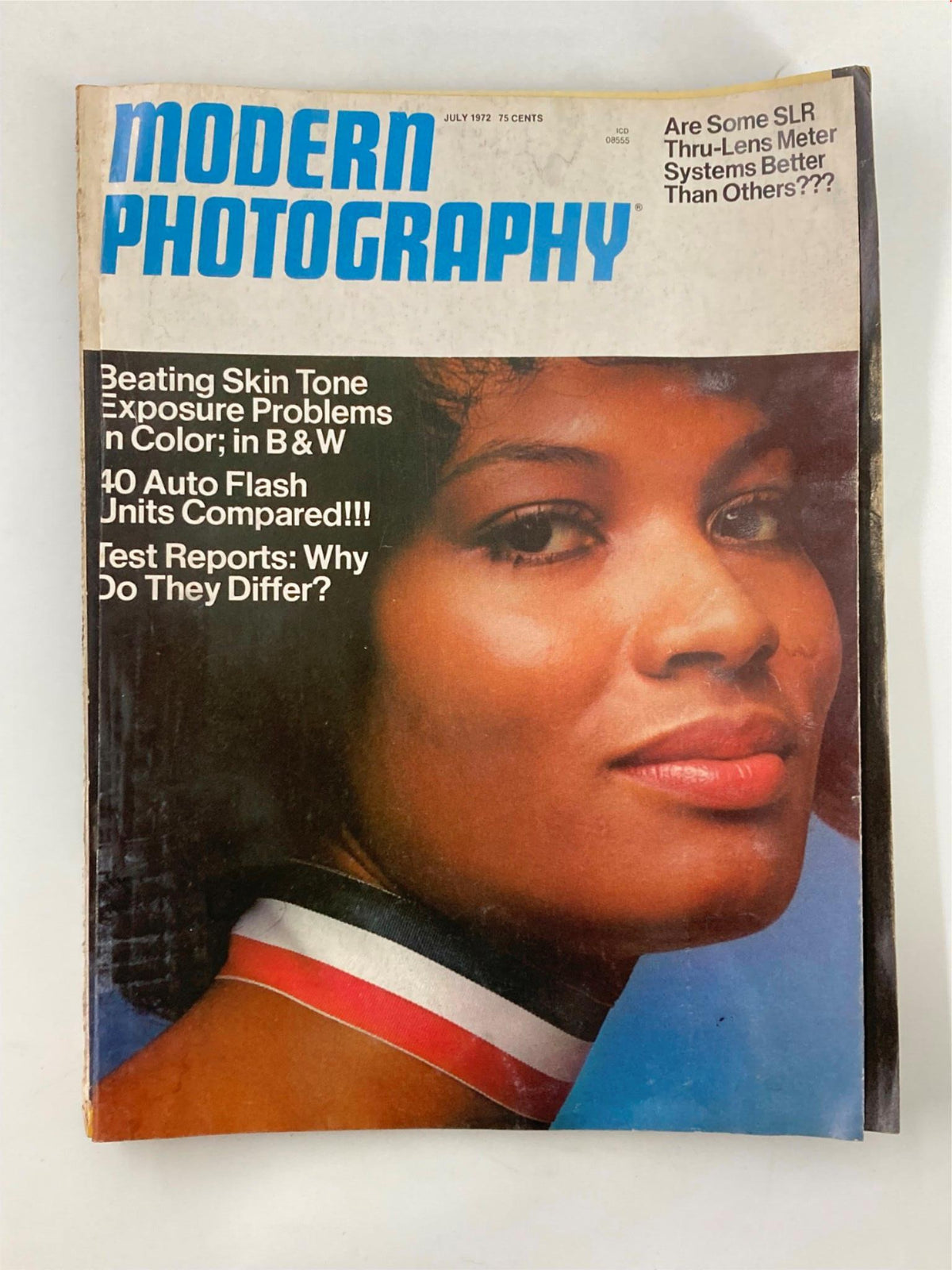
American newsstands in July 1972 reflected a culture caught between liberation and tradition. Gloria Steinem's Ms. magazine published its first regular issue with Wonder Woman gracing the cover, declaring a feminist revolution in glossy, unapologetic pages. Broadway bid farewell to legends—Fiddler on the Roof closed after 3,242 performances while Stephen Sondheim's Follies took its final bow—even as Paul McCartney and Wings embarked on their first tour of France. Sports Illustrated chronicled Billie Jean King's eighth Grand Slam victory at Wimbledon and Lee Trevino's dramatic British Open defense at Muirfield. Elton John's "Honky Chateau" claimed the number-one album spot with "Rocket Man" dominating radio, while the final live performance of Smokey Robinson and the Miracles marked the end of a Motown era. Original magazines from July 1972 captured this cultural crossroads—authentic advertisements for the nascent Space Shuttle program, features on the F-15 Eagle's maiden flight, and the summer fashions that filled Mt. Pocono's 200,000-strong rock festival.
What Collectors Find in Vintage Magazines from July 1972
-
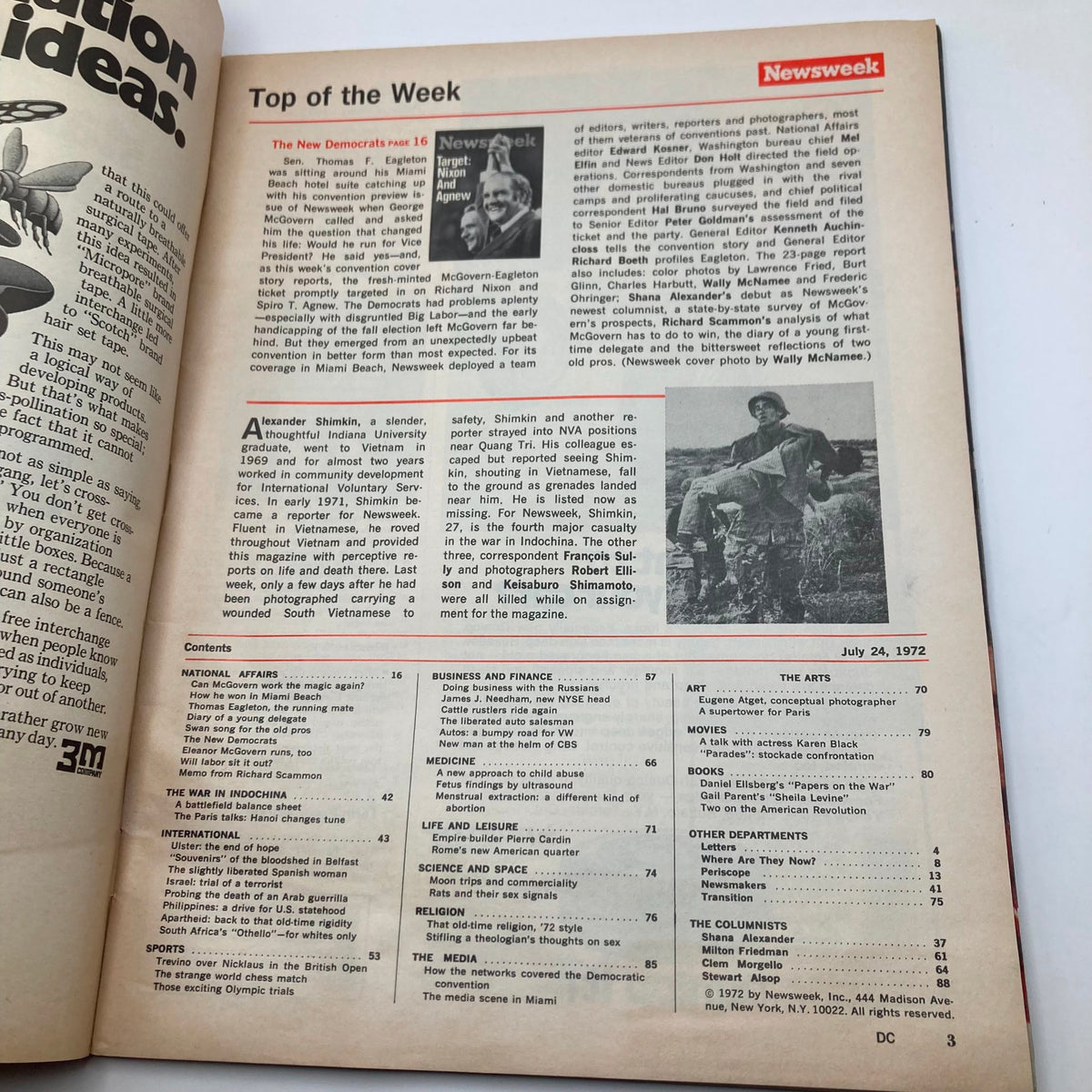
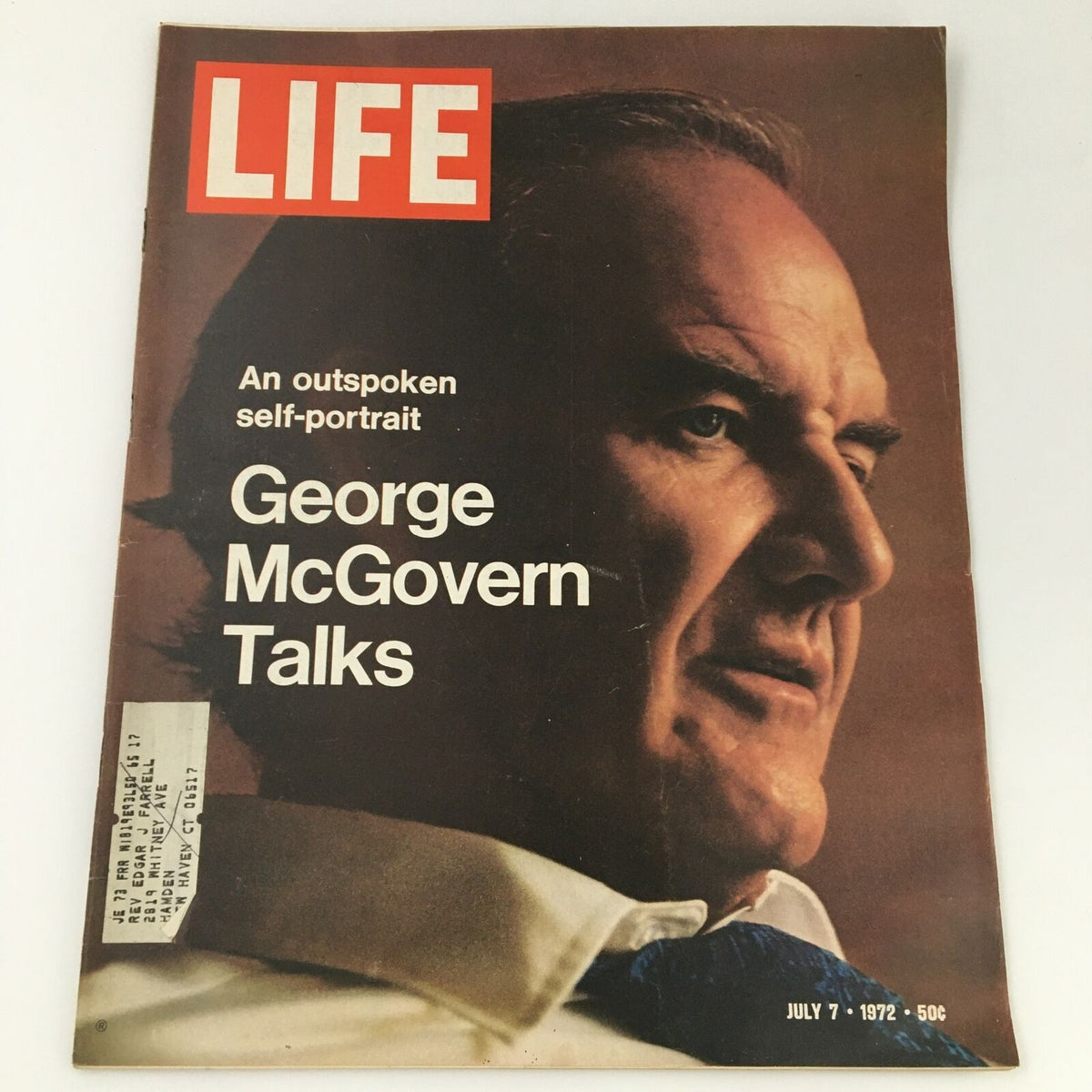
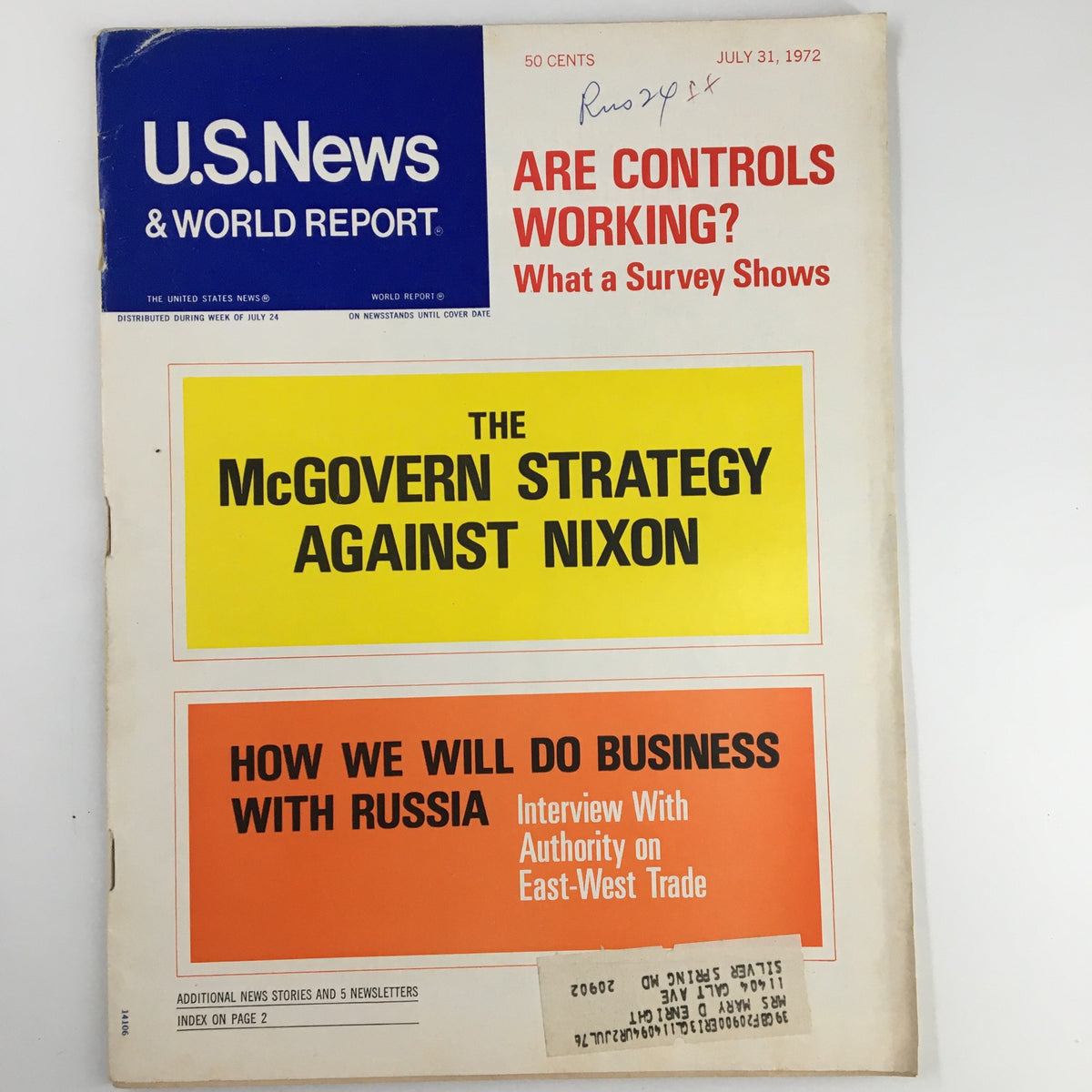
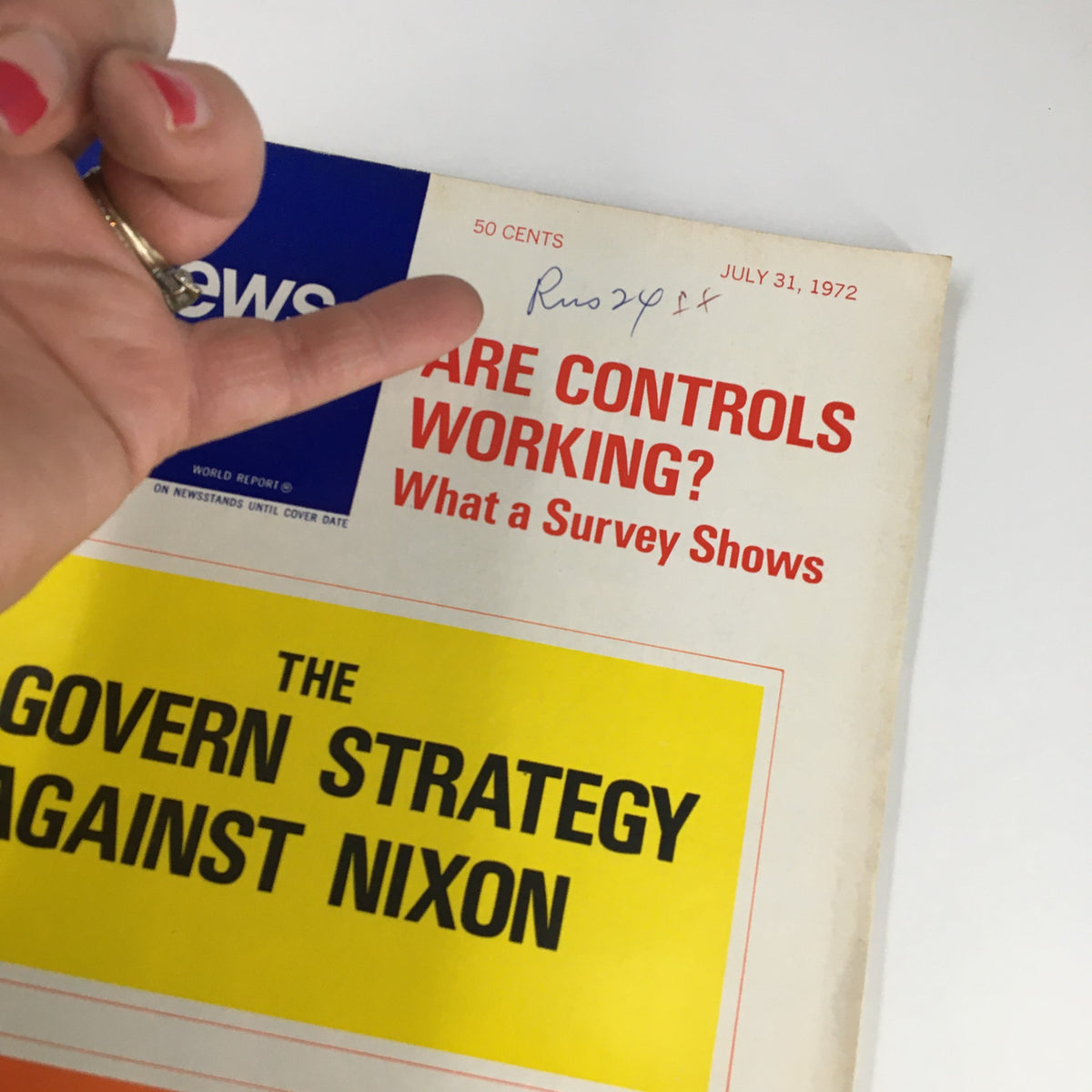
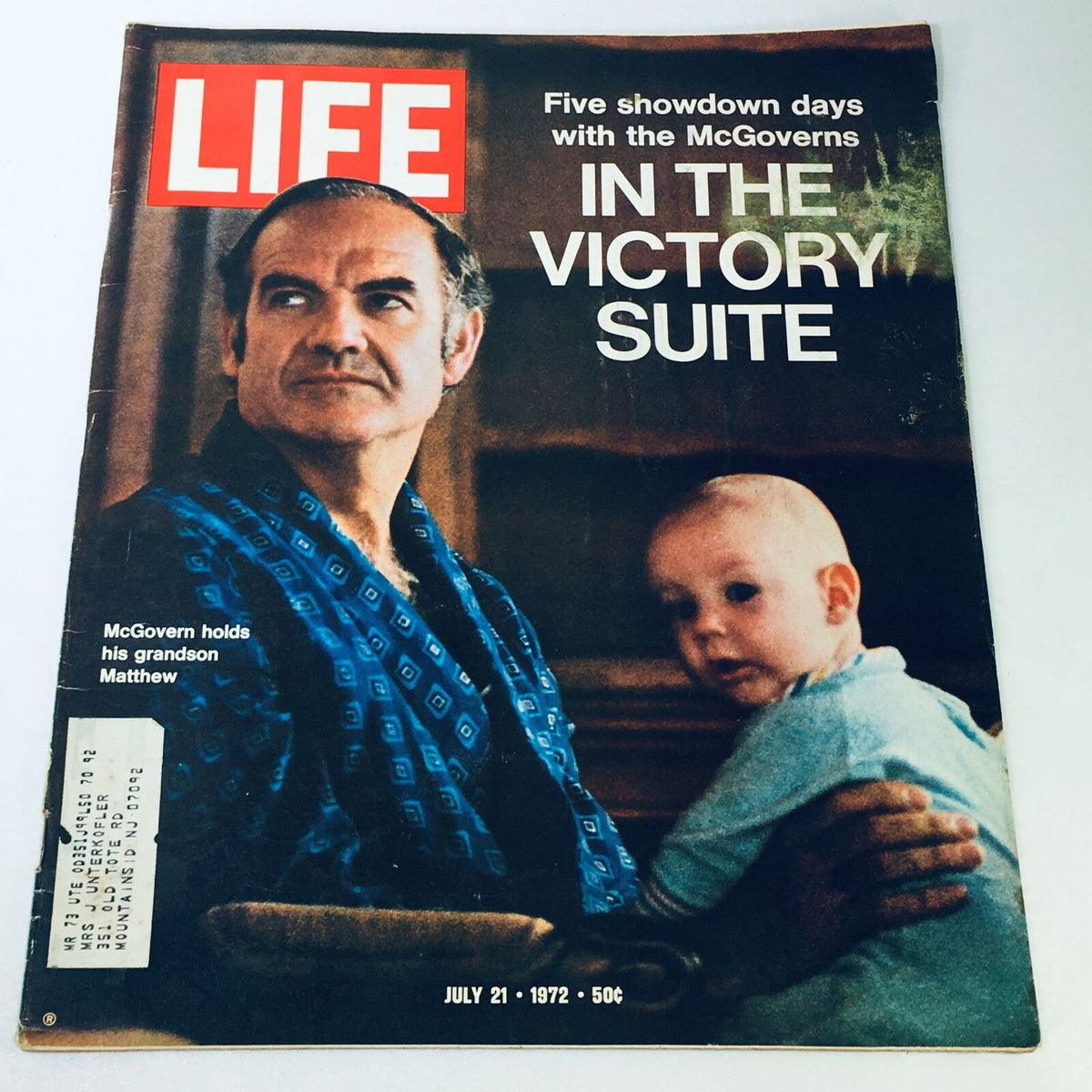
The Democratic Revolution: News magazines like Time, Life, and Newsweek featuring dramatic convention floor photography from Miami Beach, McGovern's nomination coverage, and the shocking Eagleton withdrawal—visual documentation of a campaign that would reshape American politics, complete with delegate headcounts and campaign advertising strategies.
-
Feminist Awakening: The premiere issue of Ms. magazine with its iconic Wonder Woman cover, alongside Vogue, Harper's Bazaar, and Mademoiselle wrestling with women's liberation through fashion editorials that bridged traditional femininity and emerging independence—a cultural tension visible in every page layout.
-
Northern Ireland's Troubles: International news periodicals chronicling the IRA ceasefire collapse, Bloody Friday's aftermath, and Operation Motorman through stark photojournalism that brought Belfast's streets into American living rooms—rare magazines preserving history's most violent summer in the decades-long conflict.
-
Sports Golden Age: Issues of Sports Illustrated showcasing Billie Jean King's Wimbledon dominance, Lee Trevino's back-to-back Open victories, and the Tour de France won by Eddy Merckx for the fourth consecutive time—illustrated with color photography that captured tennis whites, golf's green fairways, and cycling's European grandeur.
-
Space Age Acceleration: Popular Mechanics, Esquire, and general interest magazines featuring NASA's Rockwell Space Shuttle contract announcement and the launch of the first Earth Resources Technology Satellite—technical diagrams and artist renderings of America's next frontier, preserved in authentic aerospace advertising from Boeing, Lockheed, and emerging tech companies.
The Perfect Gift
For someone born in July 1972, an original magazine from this turbulent month isn't just nostalgia—it's authenticated witness to the summer America confronted its contradictions, preserved in genuine headlines, period advertisements, and photojournalism that no reproduction can replicate.