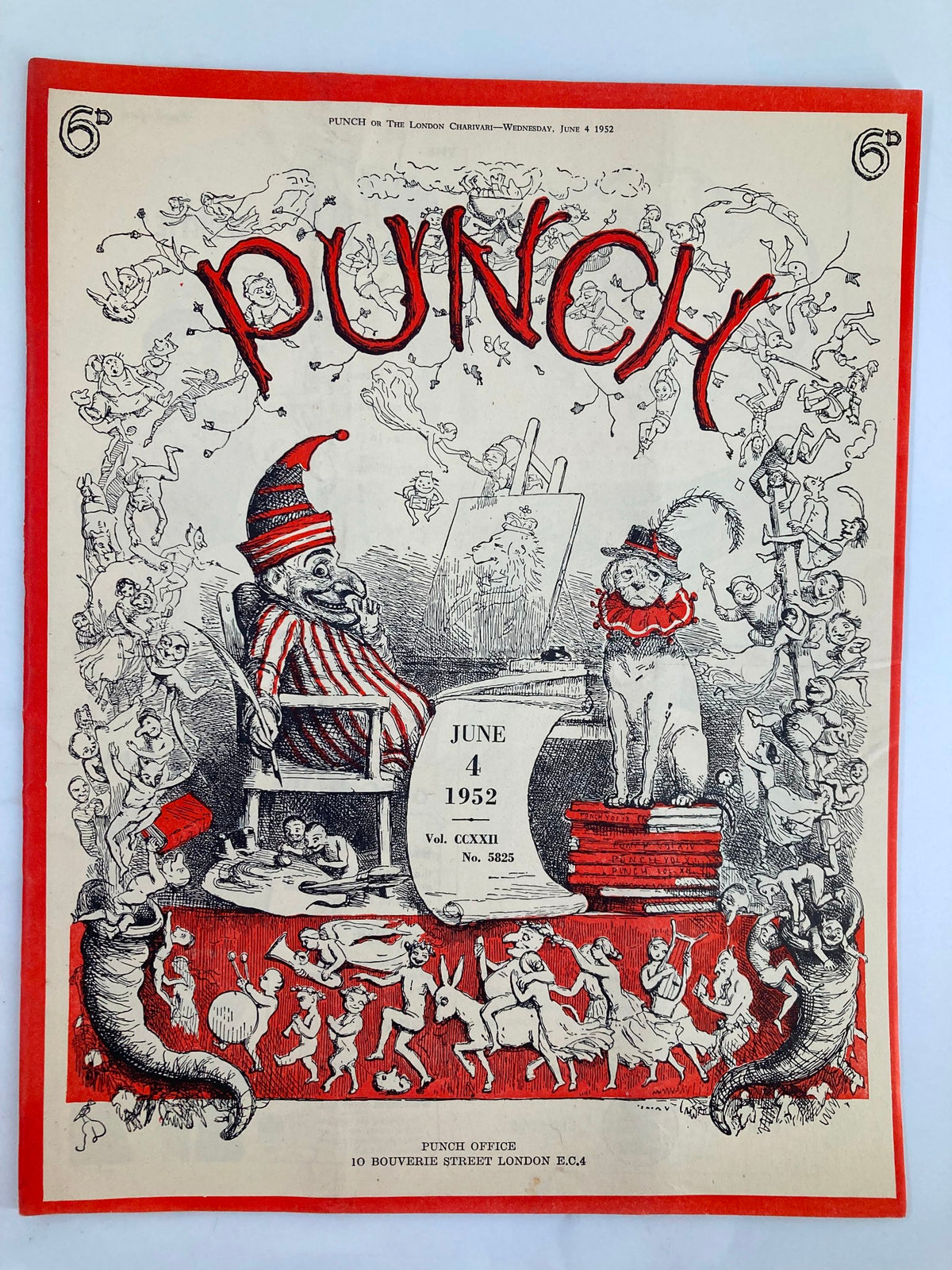
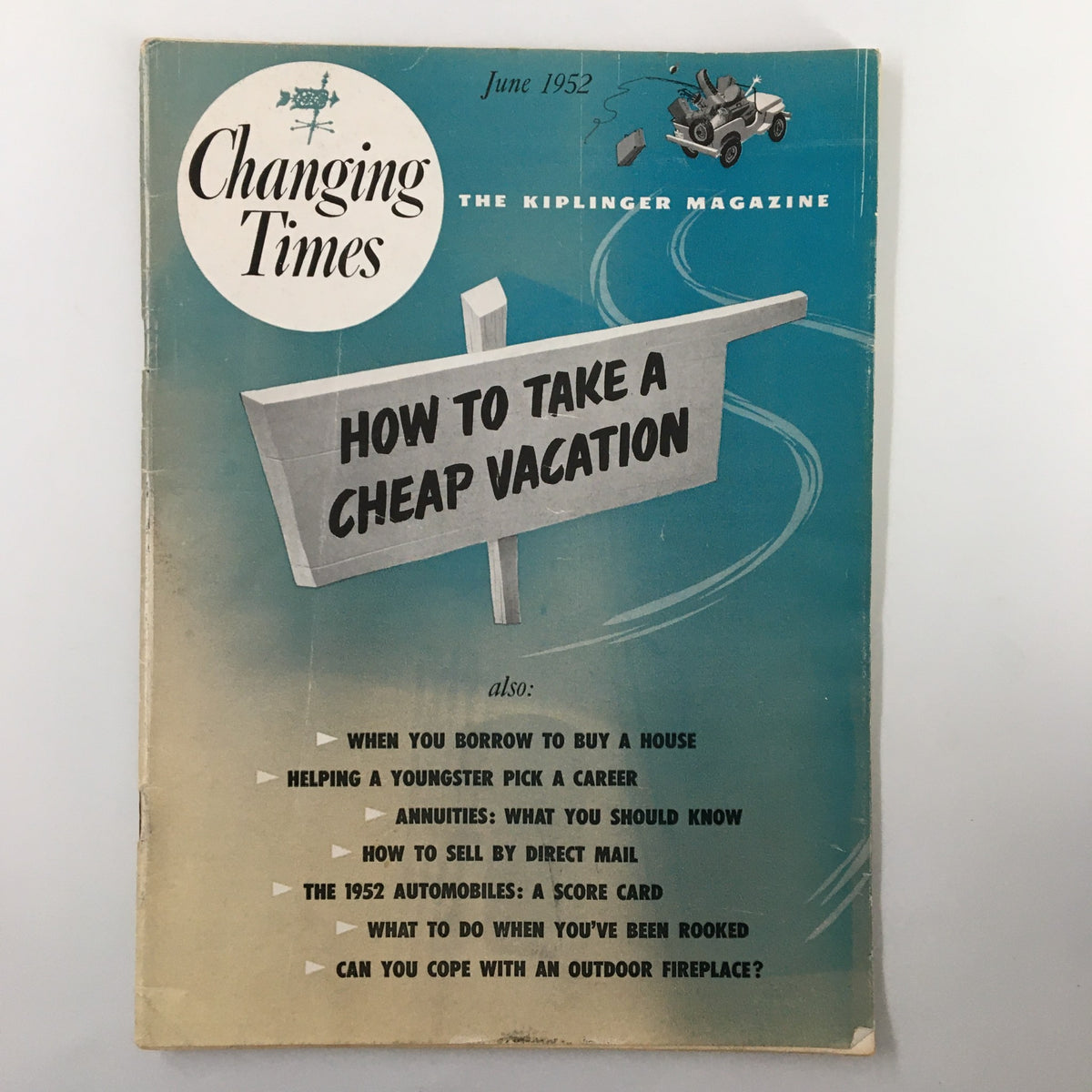
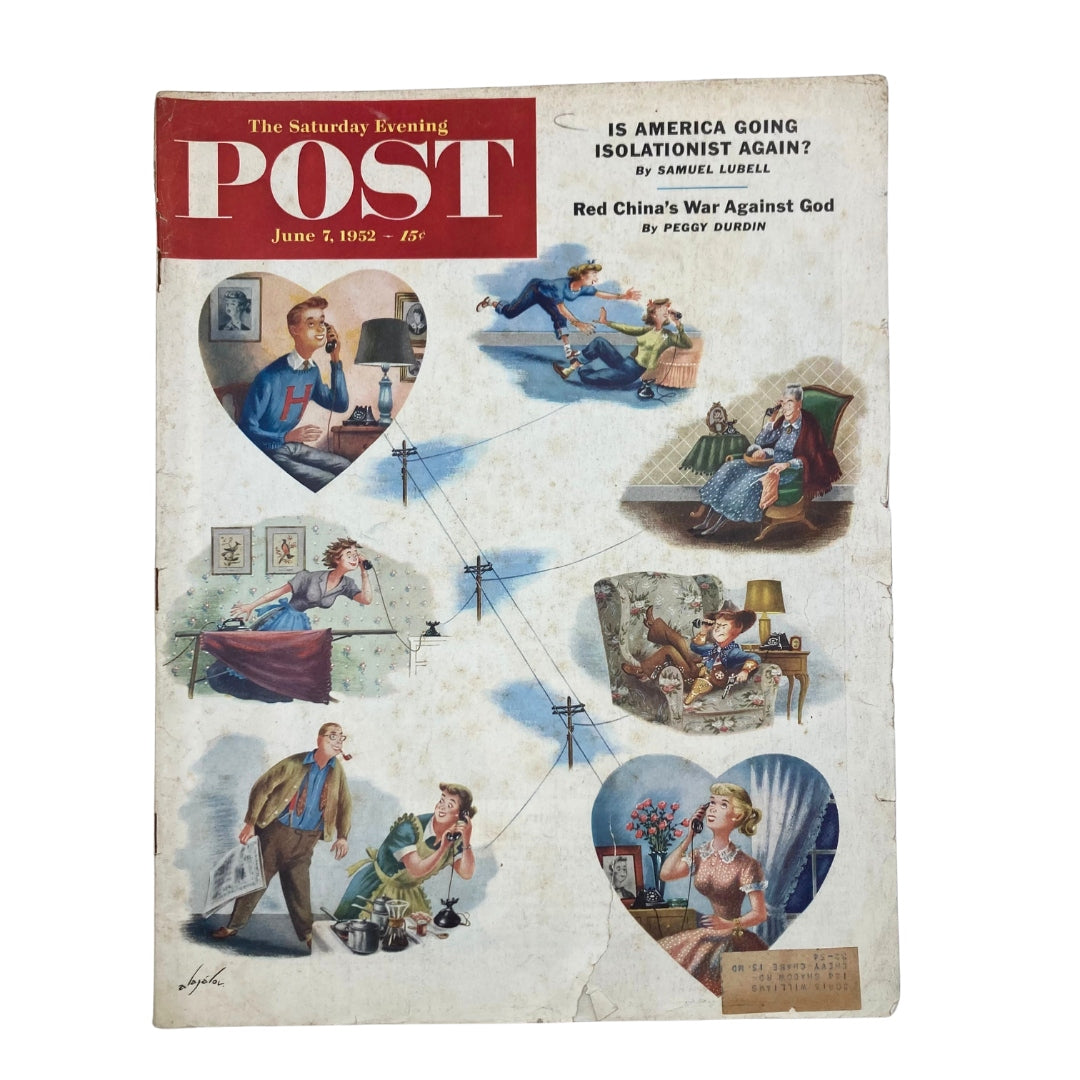
📖 About this Collection
June 1952: When Television United the Nation
The Historical Context
June 1952 witnessed a watershed moment in broadcasting history. On June 5th, the first nationally televised sporting event brought Jersey Joe Walcott's heavyweight championship defense against Ezzard Charles into American living rooms from Philadelphia's Municipal Stadium, uniting the nation in shared spectatorship as Walcott retained his title in 15 brutal rounds. The nuclear age advanced on June 14th when the keel was laid for USS Nautilus, the world's first nuclear-powered submarine, promising vessels that could remain submerged indefinitely. Cold War tensions escalated dramatically when Soviet fighters shot down a Swedish Air Force Dakota DC-3 reconnaissance plane on June 13th, killing all eight crew members, then attacked the rescue aircraft on June 16th. Class barriers fell in England on June 11th when Len Hutton became the first professional cricketer to captain the national team, shattering centuries of aristocratic sporting tradition. Nelson Mandela and 51 others defied South Africa's curfew on June 26th, challenging apartheid's daily humiliations. This was the world your loved one entered in June 1952—a month when television's power to unite became undeniable while international incidents threatened to divide.
Pop Culture & Everyday Life
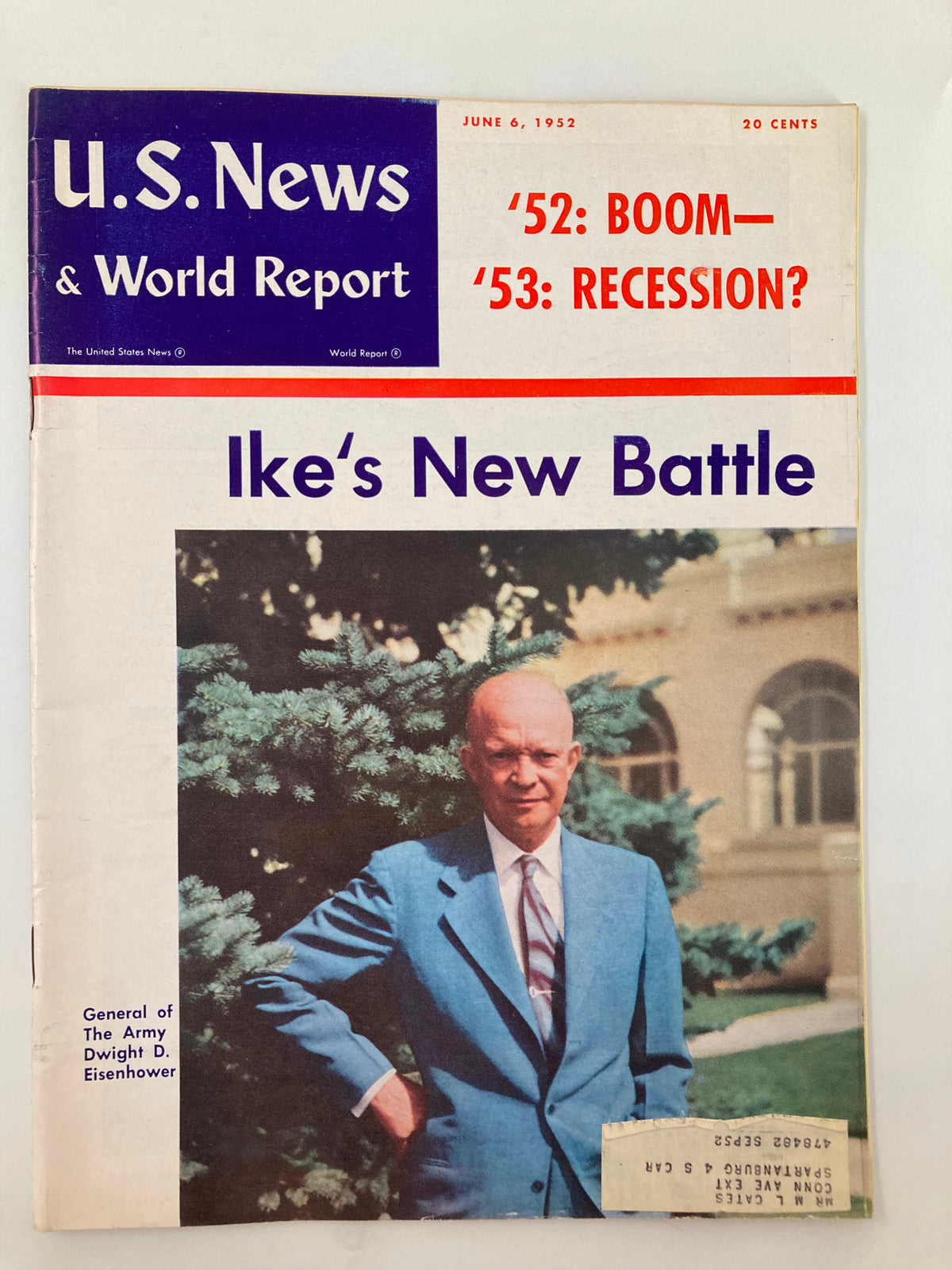
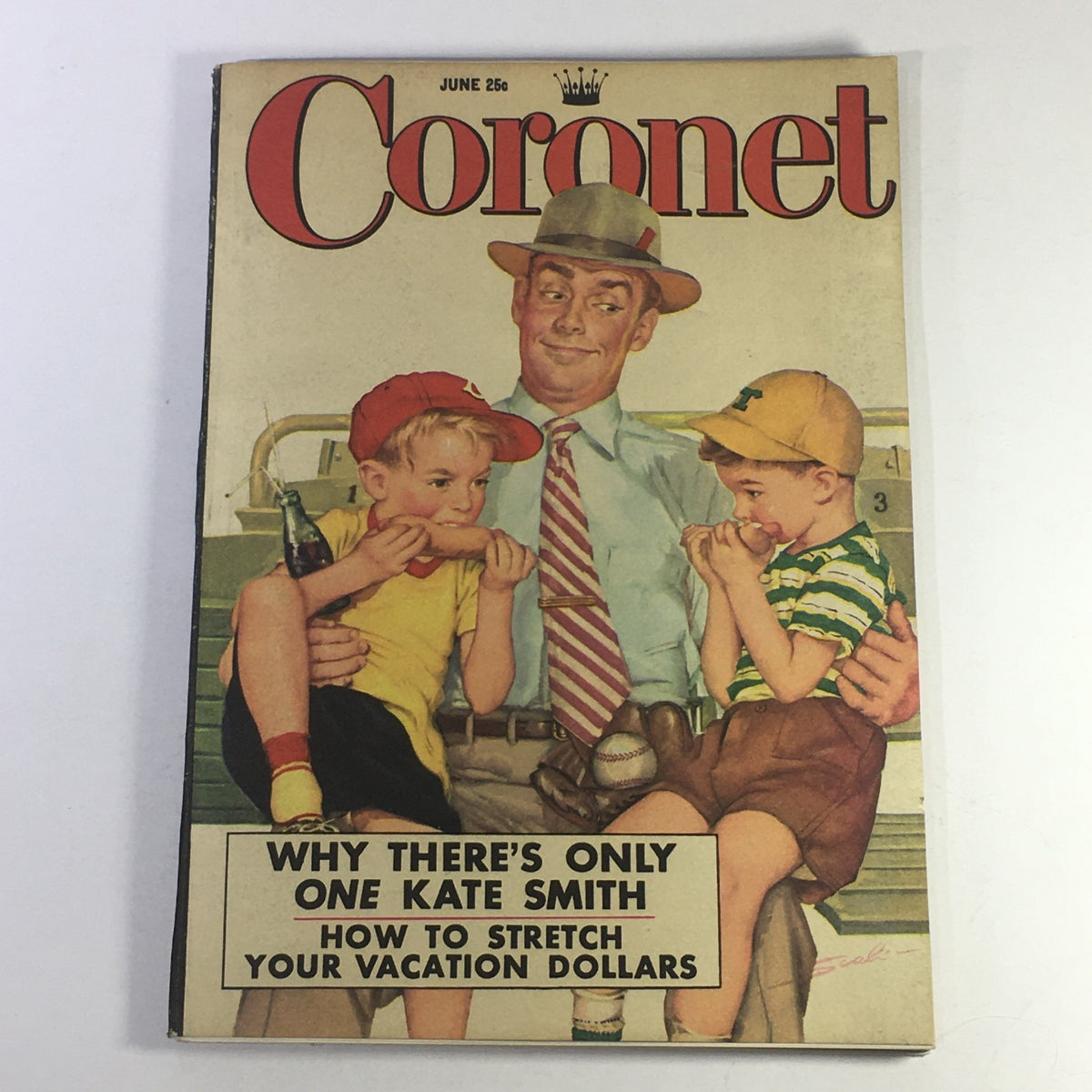
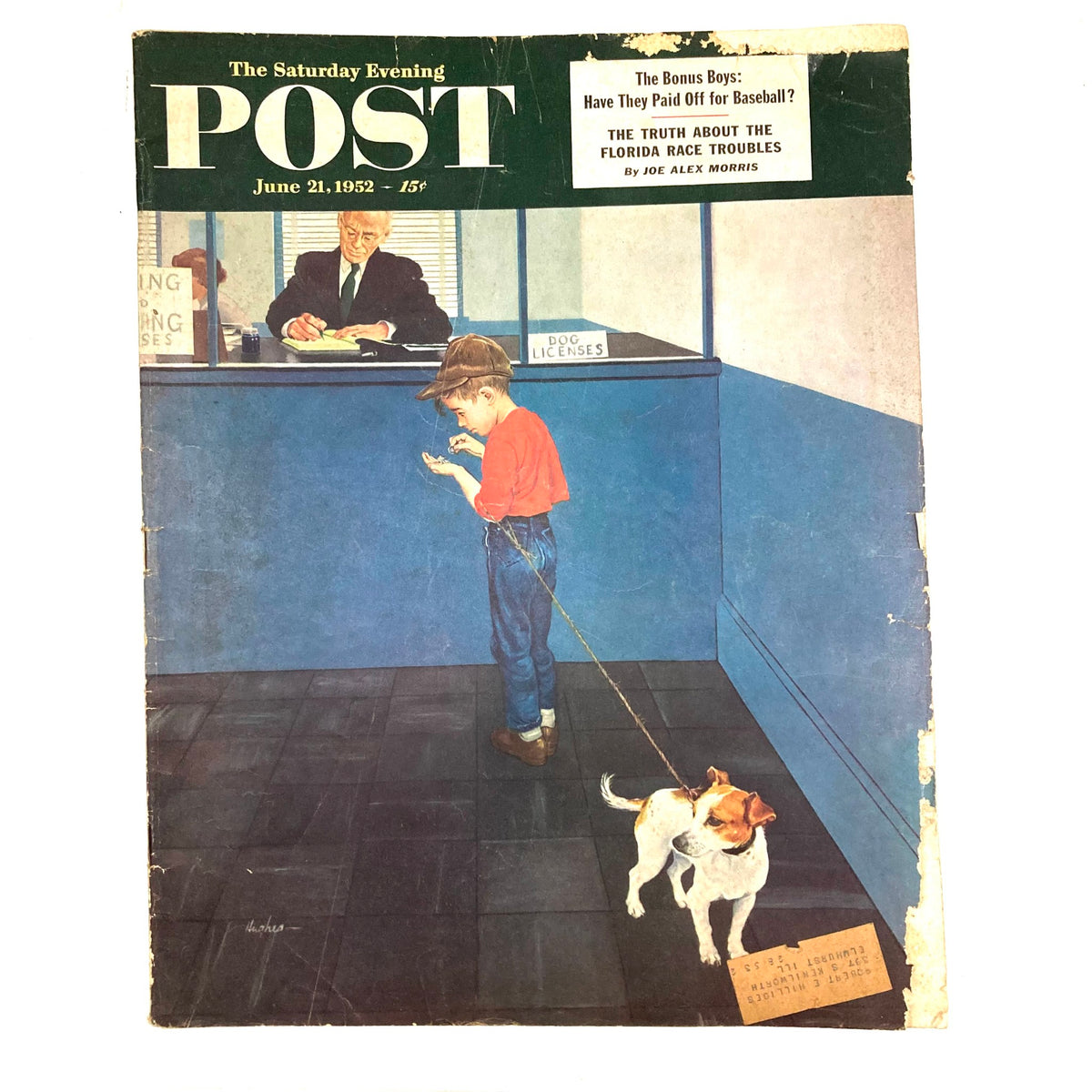
American sports and entertainment flourished throughout June 1952. That historic June 5th boxing broadcast demonstrated television's transformative power to bring major sporting events into millions of homes simultaneously. Tennis crowned champions at the French Championships on June 1st as Jaroslav Drobný captured his second consecutive men's title and Doris Hart claimed her second women's crown. Horse racing saw Eddie Arcaro ride One Count to Belmont Stakes victory on June 7th, while golf witnessed Julius Boros win his first major at the US Open on June 14th. Baseball delivered excellence as Carl Erskine no-hit the Cubs on June 19th and Warren Spahn tied the NL record with 18 strikeouts in 15 innings on June 14th—the same day British runner Jim Peters shattered the world marathon record in 2:20:42.2. Television expanded daytime programming on June 19th when "I've Got A Secret" debuted with Garry Moore as host, while "Guiding Light" made the historic transition from radio to television on June 30th. Broadway welcomed Harold Rome's musical "Wish You Were Here" on June 25th, running for 597 performances. Original magazines from June 1952 preserved these moments in sports photography, television listings, and entertainment features documenting America's cultural evolution.
What You'll Discover in June 1952 Magazines
-
First Nationally Televised Sports Event: Sports periodicals and broadcasting magazines featuring coverage of the June 5th Walcott-Charles fight, vintage magazines illustrated with photographs of television cameras at Municipal Stadium, technical articles explaining the nationwide broadcast infrastructure, audience statistics showing millions watching simultaneously, and commentary recognizing how television would forever change sports consumption.
-
USS Nautilus Nuclear Submarine Launch: News weeklies like Time, Life, and Newsweek documenting the June 14th keel-laying ceremony for the world's first nuclear-powered submarine, rare magazines featuring technical illustrations of the revolutionary propulsion system, cutaway diagrams showing the vessel's interior, and analysis examining how nuclear power would enable submarines to remain submerged indefinitely without surfacing.
-
Soviet Downing of Swedish Aircraft: International news coverage of the June 13th attack that killed eight crew members and the June 16th assault on the rescue plane, featuring maps showing the Baltic Sea location, photographs of the missing Dakota DC-3, diplomatic analysis of the Cold War incident, and commentary about escalating tensions as Soviet forces increasingly violated neutral airspace.
-
Len Hutton Breaks Cricket's Class Barrier: British sports publications and international news sections chronicling the June 11th appointment that shattered cricket's centuries-old tradition reserving captaincy for aristocratic "gentlemen," showcasing photographs of Hutton leading the team, historical context explaining cricket's rigid class divisions, and analysis celebrating this milestone for professional sportsmen in England's class-conscious society.
-
Jim Peters' Marathon World Record: Athletics magazines and sports sections featuring coverage of the British runner's June 14th performance breaking the 2:20:42.2 barrier, illustrated with finish-line photography, statistical comparisons to previous records, training regime profiles, and features examining distance running's growing popularity as European athletes dominated marathon competitions throughout the early 1950s.
The Perfect Gift
For someone born in June 1952, an original magazine from this groundbreaking month isn't just a birthday gift—it's a genuine time capsule preserving the exact moment when televised sports united America and nuclear submarines promised underwater supremacy, captured in authentic photographs and headlines.