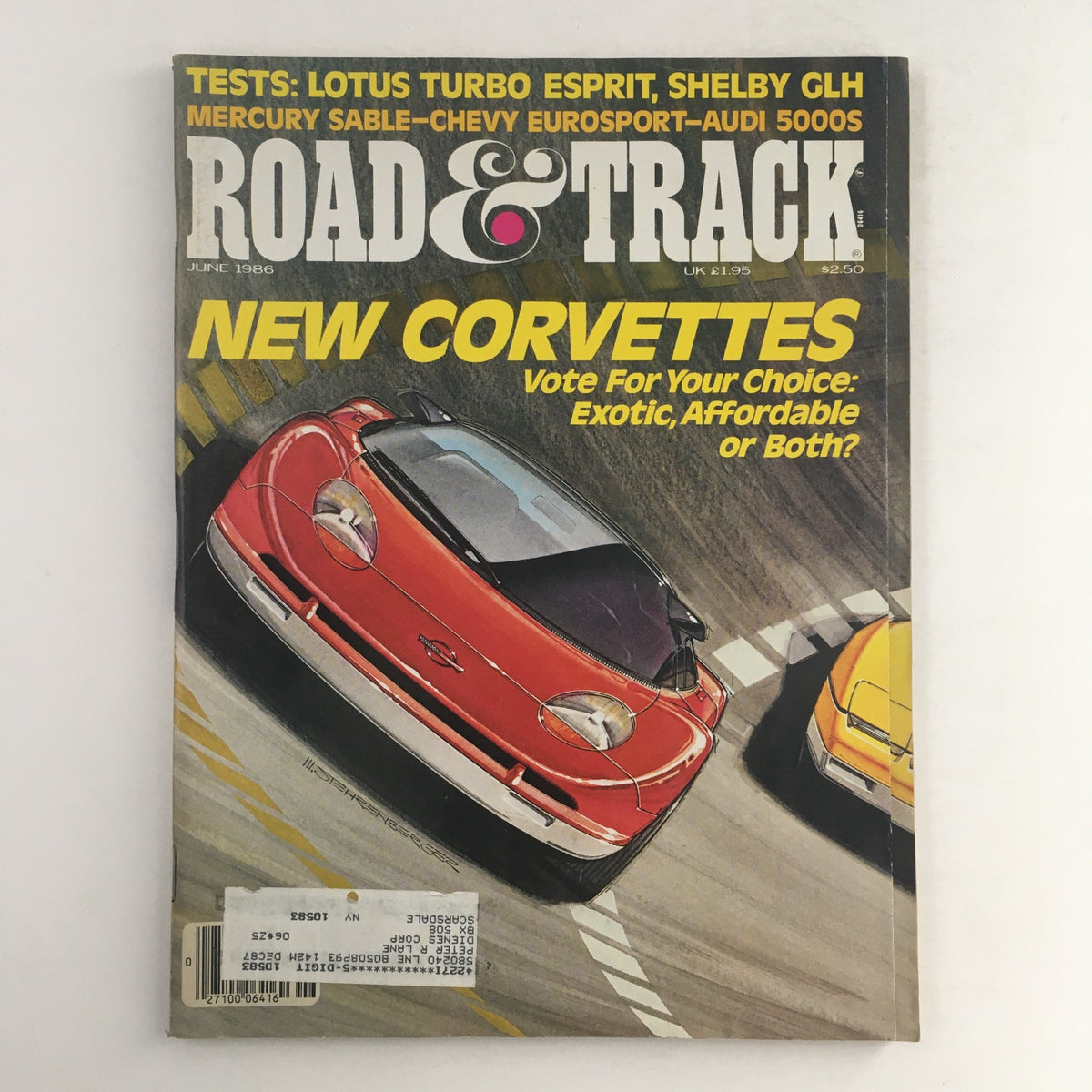
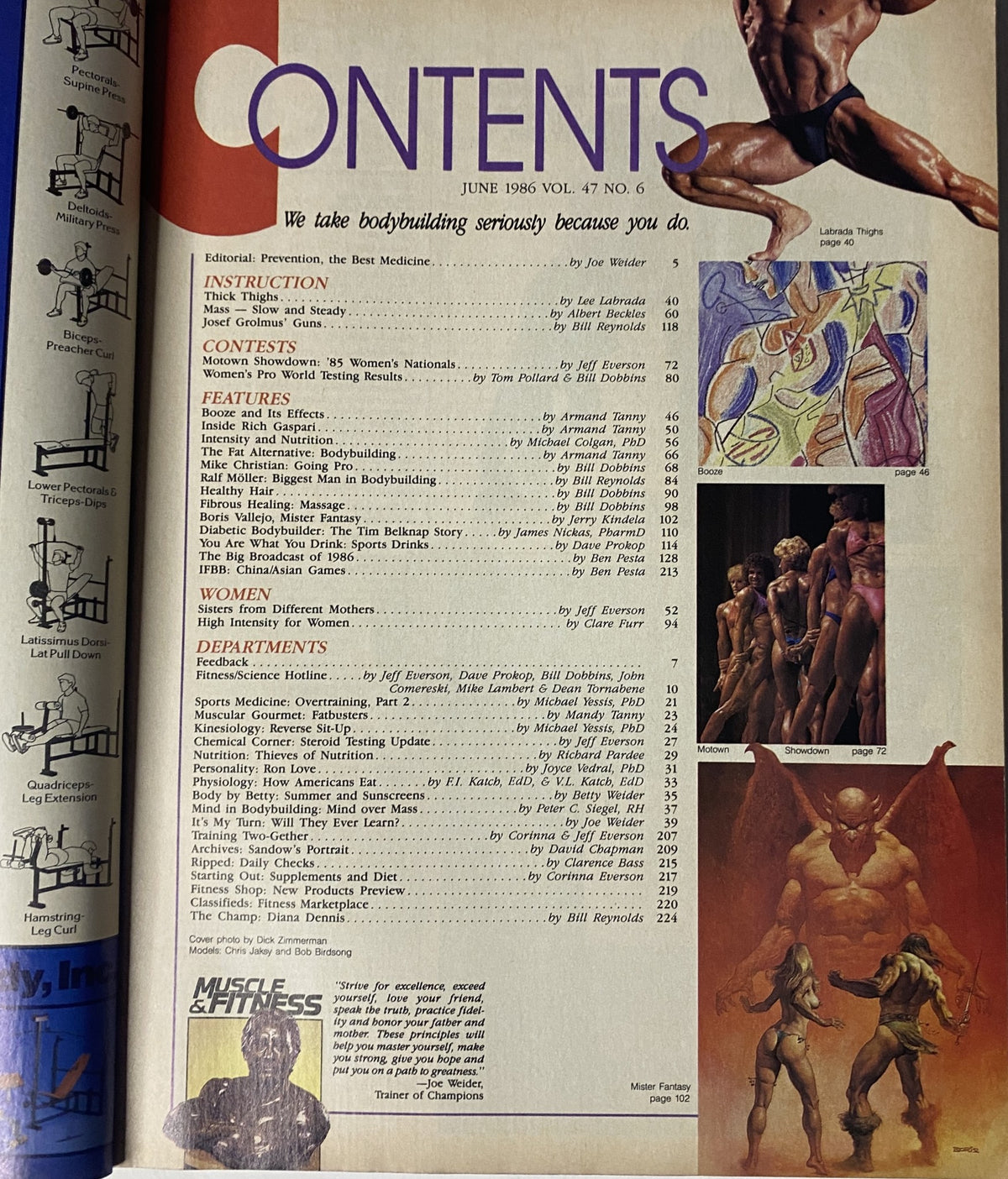
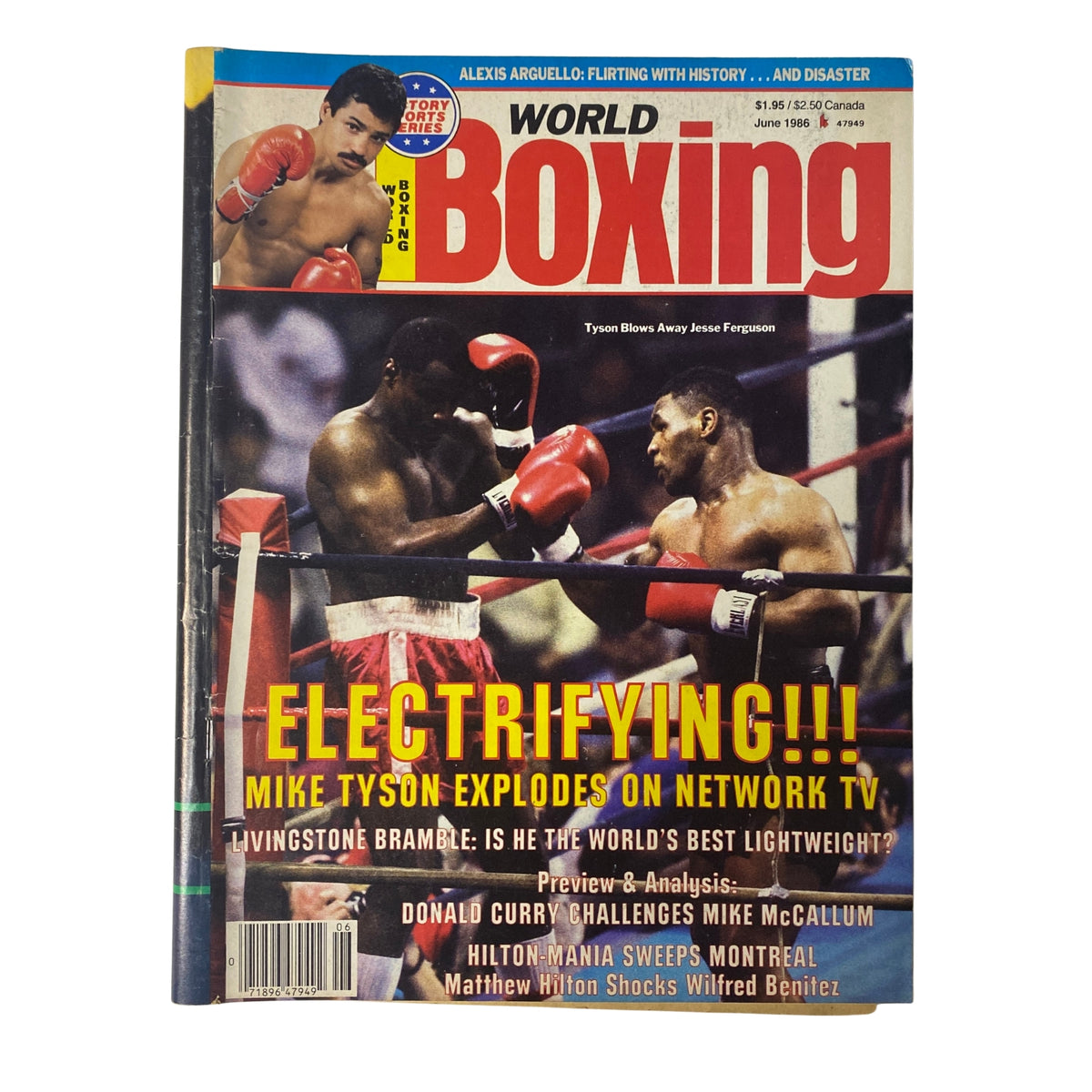
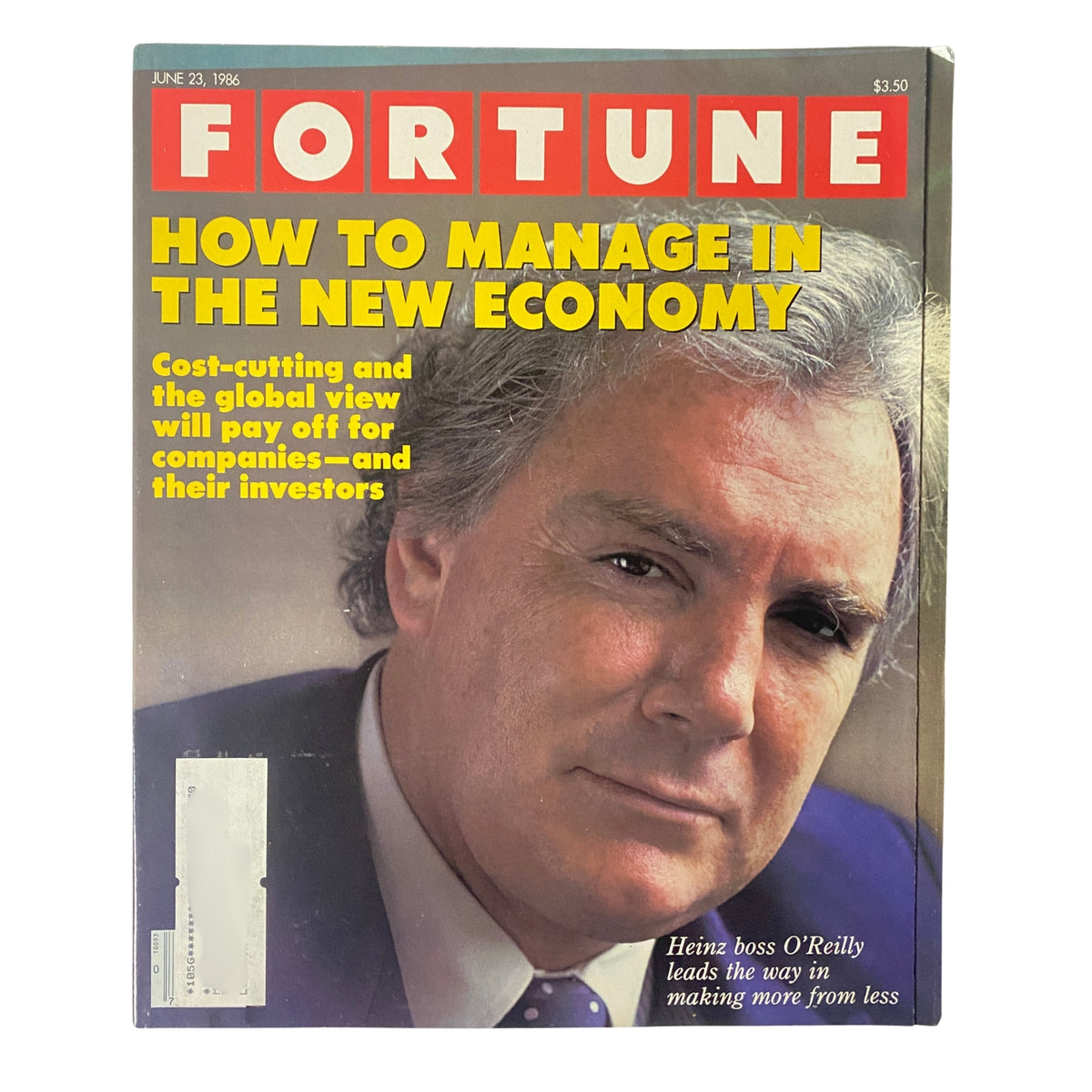
📖 About this Collection
June 1986: The Summer of Champions and Change
The Historical Context
The world crackled with tension and triumph in June 1986. International courts ruled against American foreign policy as the World Court declared U.S. aid to Nicaraguan contras illegal, while domestically, the Supreme Court issued controversial rulings that would shape civil rights debates for decades. South Africa's crisis deepened as President P.W. Botha renewed the national State of Emergency for another twelve months, triggering international condemnation and a general strike. President Reagan openly criticized the apartheid regime while British officials quietly met with ANC president Oliver Tambo to explore peaceful solutions. Yet amid geopolitical turmoil, Argentina's dramatic 3-2 World Cup victory over West Germany captivated 114,600 spectators at Mexico City's Estadio Azteca. Baseball legends Don Sutton joined the exclusive 300-win club while Steve Carlton received his release at age 41, marking generational shifts in America's pastime. This was the world your loved one entered—where Cold War tensions collided with sporting glory and social movements demanded justice.
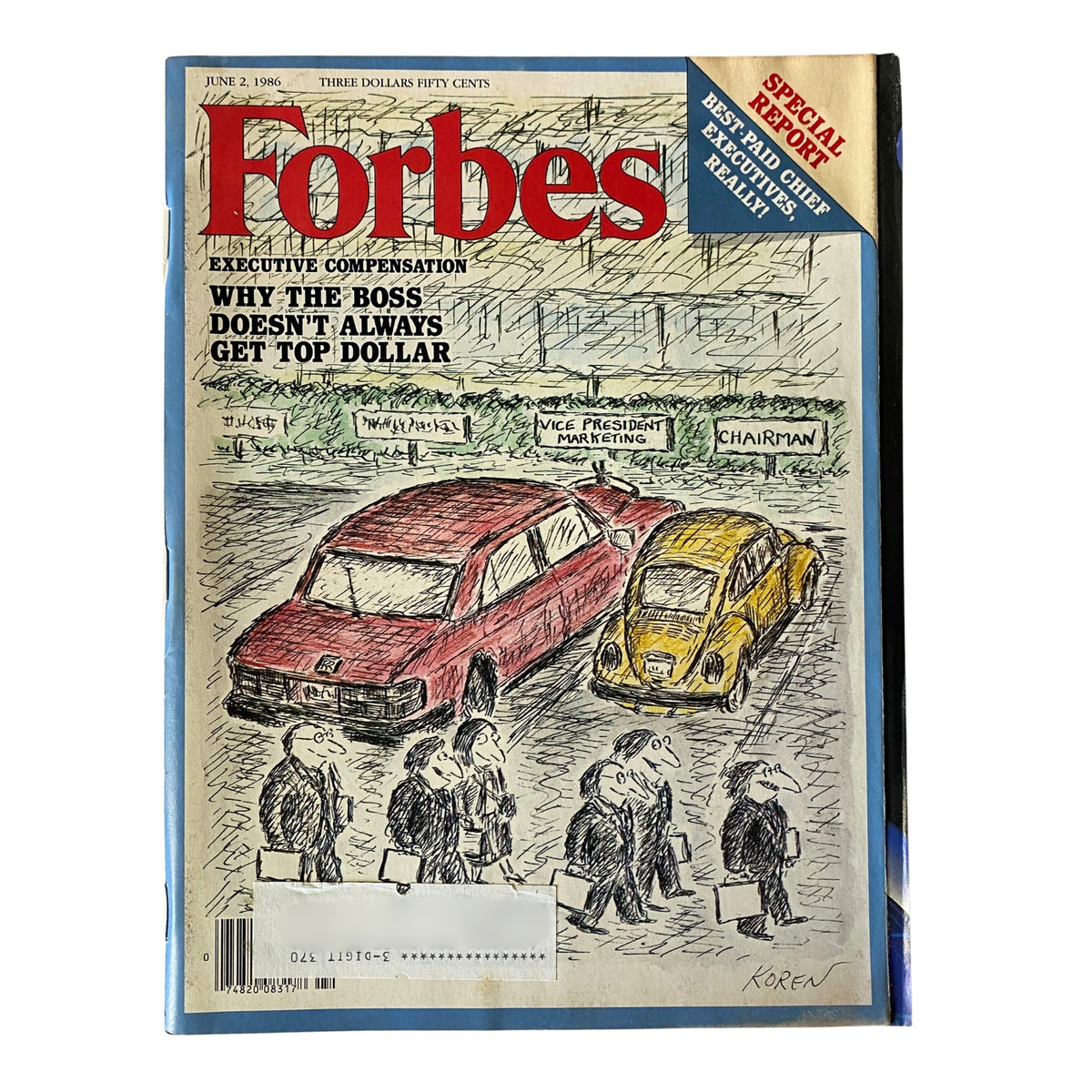
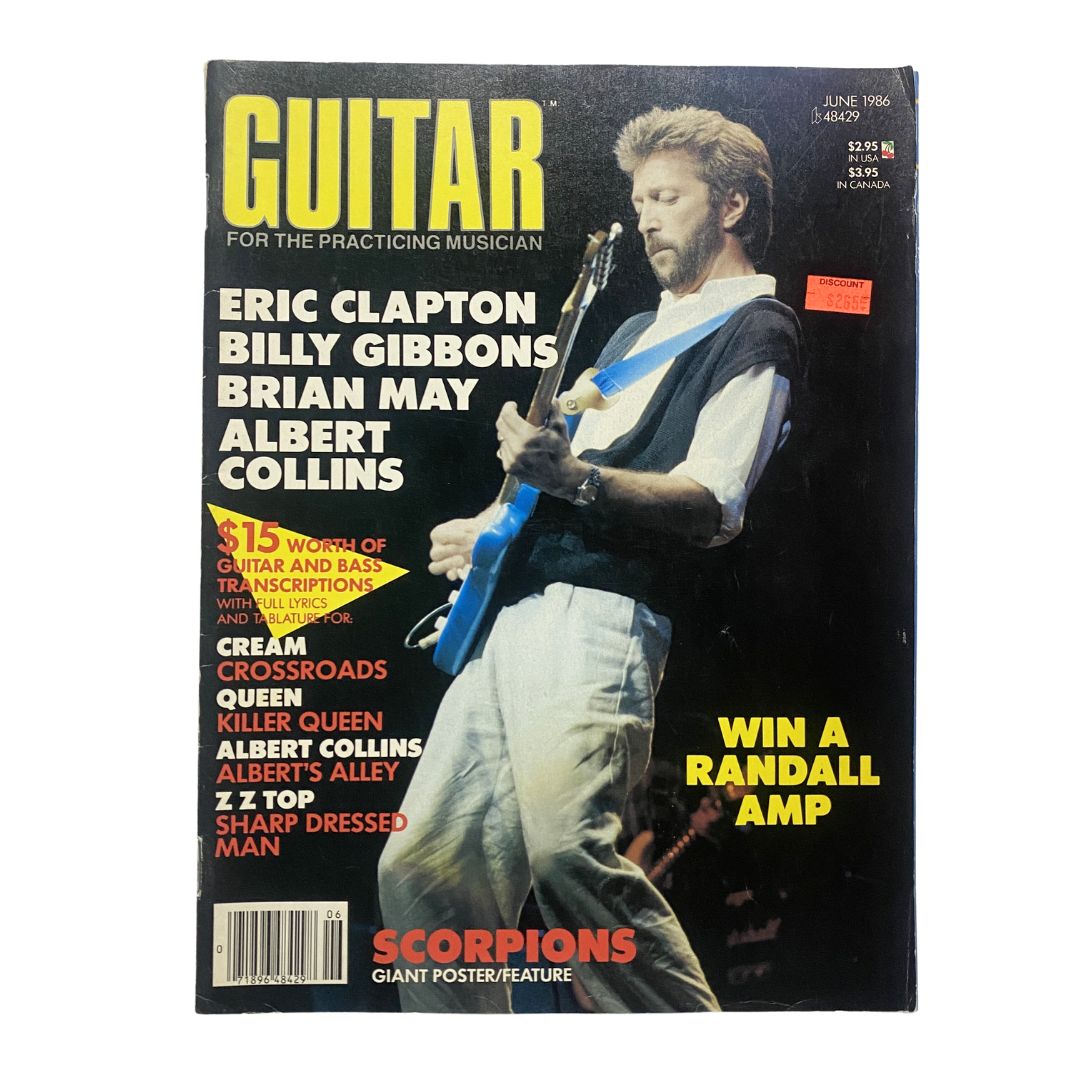
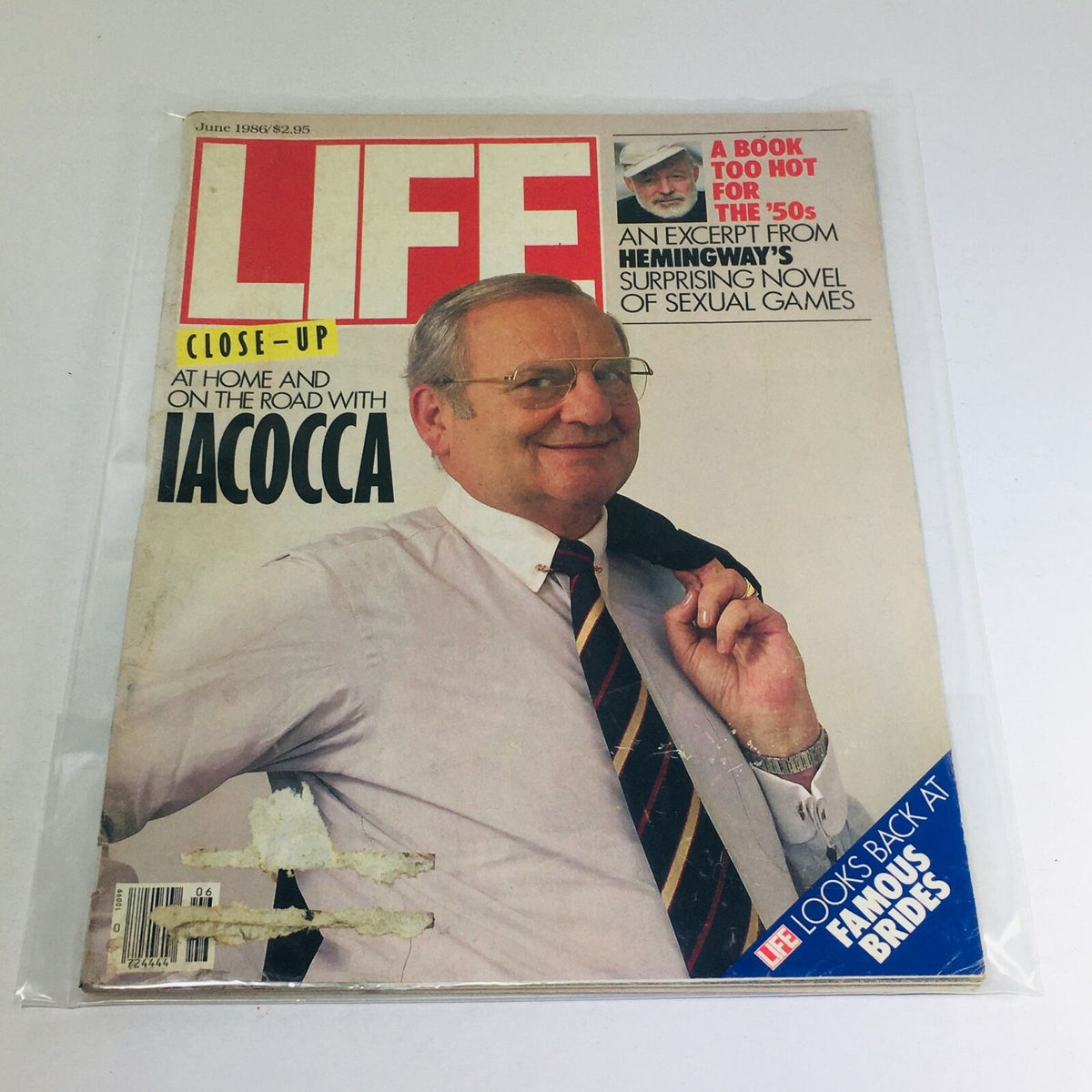
Newsstands overflowed with coverage of cultural milestones that defined the mid-eighties. Chris Evert claimed her 18th and final Grand Slam title with a dramatic comeback victory over Martina Navratilova at the French Open, while Madonna's "Live to Tell" topped the charts. Randy Travis released his debut album "Storms of Life," which would dominate country radio and earn Billboard's Album of the Year. Movie theaters premiered Jim Henson's fantasy "Labyrinth" starring David Bowie and Jennifer Connelly, while the Glastonbury Festival featured The Cure, Psychedelic Furs, and an emerging Simply Red. Television audiences witnessed history as regular Senate session coverage began, bringing governmental proceedings into American living rooms. The Amnesty International "Conspiracy of Hope" tour culminated at Giants Stadium with performances by U2, Sting, Peter Gabriel, and Joan Baez. Original magazines from June 1986 captured these moments through vivid photography, concert advertisements, and sports illustrated spreads that transported readers to Roland Garros clay courts and Aztec Stadium's electric atmosphere.
What to Look For in Vintage Magazines from June 1986
-
World Cup Glory: Sports Illustrated and international news magazines featuring Diego Maradona's Argentina lifting the trophy, with full-color photography of the Azteca Stadium final and tournament retrospectives that chronicle football's greatest spectacle.
-
Apartheid Crisis Coverage: Time, Newsweek, and Life presenting powerful photojournalism documenting South Africa's State of Emergency, the general strike, and international diplomatic efforts, offering authentic primary sources from this pivotal human rights moment.
-
Tennis's Golden Age: Rare magazines showcasing Chris Evert's emotional farewell Grand Slam victory at the French Open, complete with match coverage, statistical retrospectives of her seven Roland Garros titles, and the Evert-Navratilova rivalry that defined women's tennis.
-
Music Revolution: Entertainment and lifestyle magazines chronicling the Amnesty International benefit concert, Glastonbury Festival lineup, Randy Travis's country breakthrough, and Madonna's continued pop dominance—preserved in authentic album advertisements and concert photography.
-
Baseball Milestones: Publications featuring Don Sutton's 300th career victory and Steve Carlton's storied career retrospectives, alongside Bo Jackson's unprecedented decision to pursue both NFL and MLB careers, documented in the genuine sports journalism of the era.
The Perfect Gift
For someone born in June 1986, an original magazine from this transformative summer isn't just nostalgia—it's an authenticated time capsule of the exact moment when sporting legends rewrote record books, social movements challenged injustice, and popular culture shifted toward the modern era, preserved in genuine advertisements, headlines, and photography that museums cannot replicate.