📖 About this Collection
Lyndon B. Johnson: The Colossus of the American Century
The Legend & The Legacy
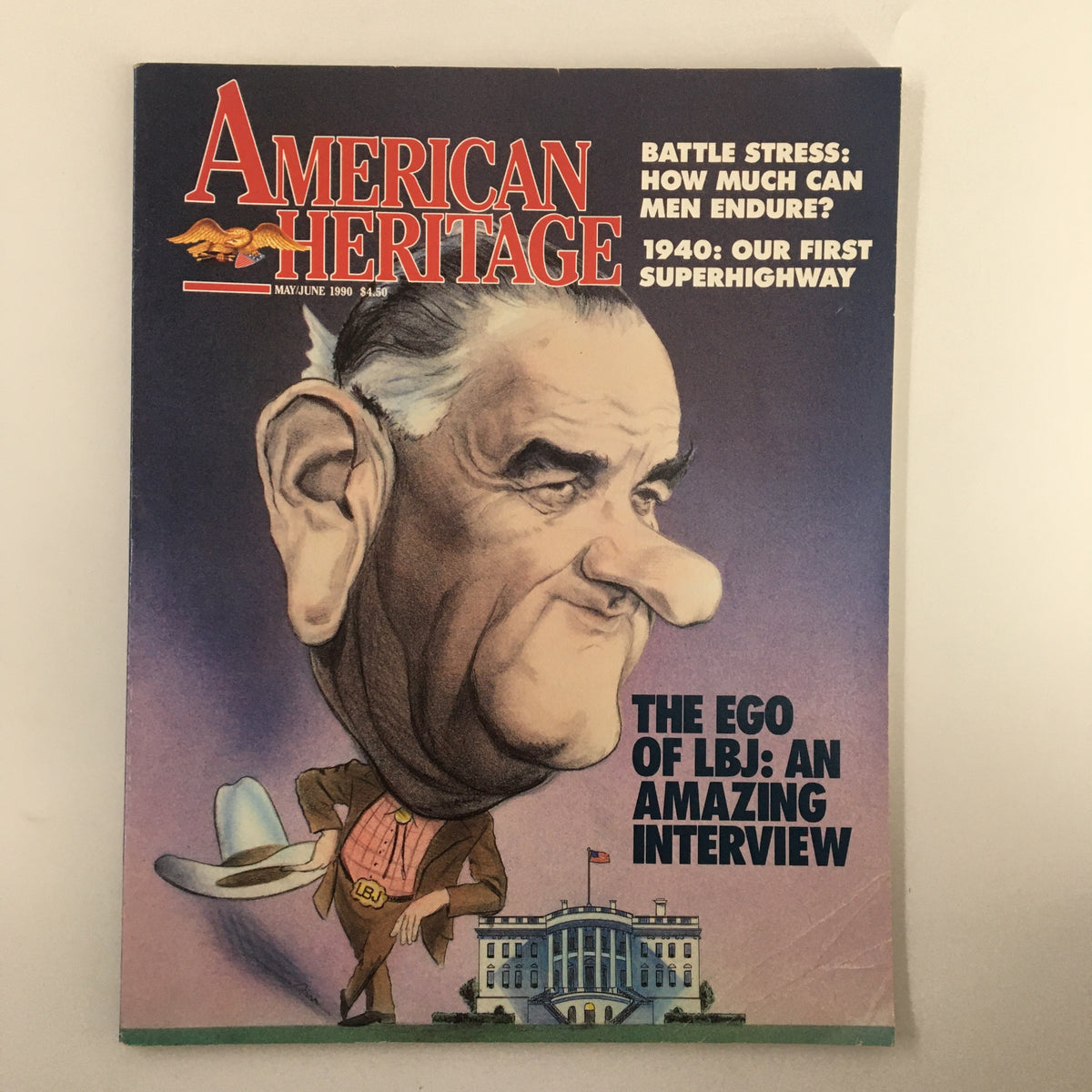
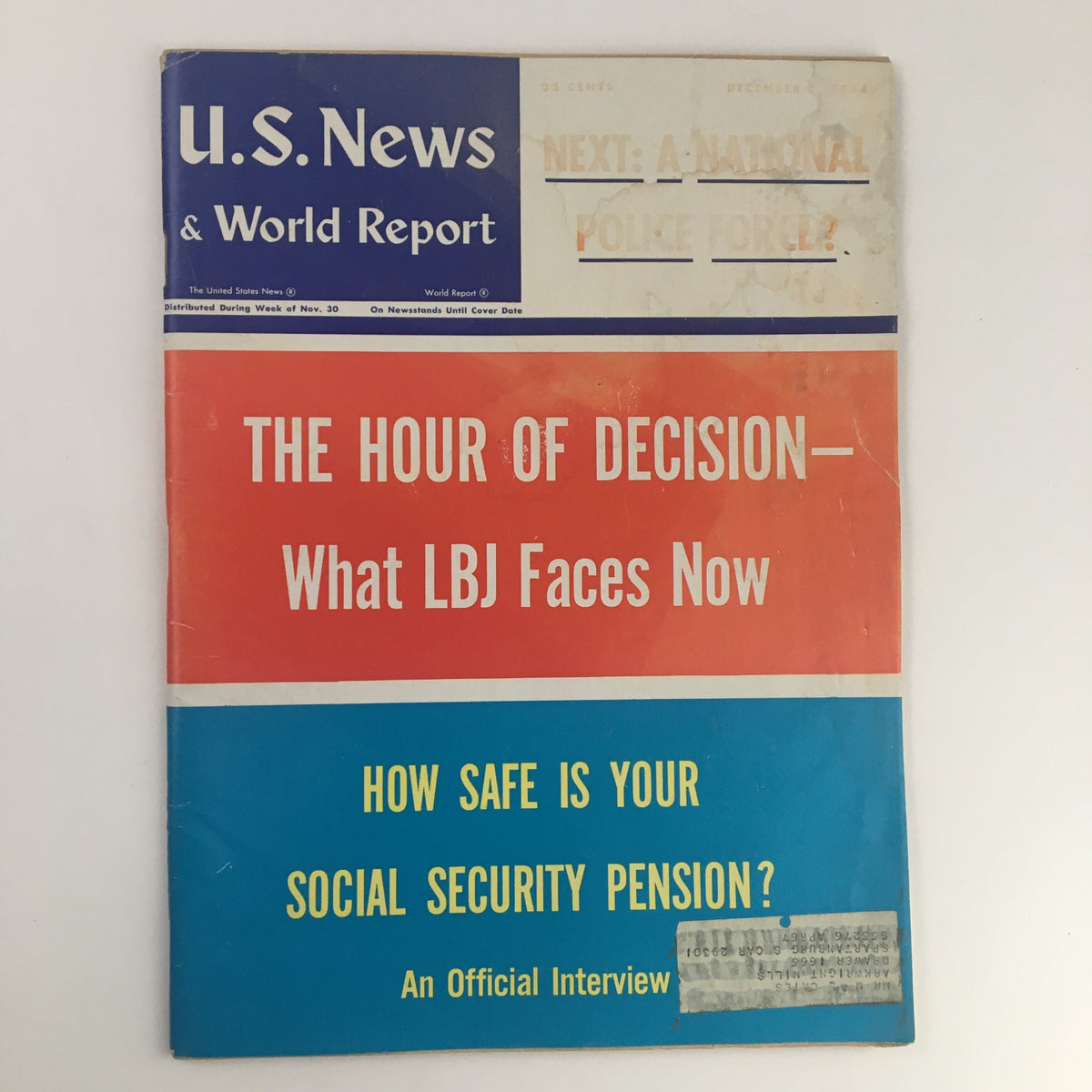
No president of the twentieth century contained more contradictions within a single towering frame than the man from the Texas Hill Country. Lyndon Baines Johnson inherited a nation in mourning and, through sheer legislative force of will, built the most ambitious domestic agenda since the New Deal — the Civil Rights Act, the Voting Rights Act, Medicare, Medicaid, and the sweeping architecture of the Great Society — all while a distant jungle war slowly consumed his presidency and his legacy in equal measure. Americans followed this epic, turbulent story the only way they knew how: through the printed page. Magazines were the nervous system of mid-1960s public opinion, and the Texan who had seized power in the blood-soaked aftermath of Dallas gave them more raw material than any editor could have dreamed — backroom political mastery, baroque personal theatrics, soaring moral ambition, and the long, catastrophic unraveling of Vietnam, all delivered week by week in ink and photography to millions of living rooms across the country.
Inside the Archive
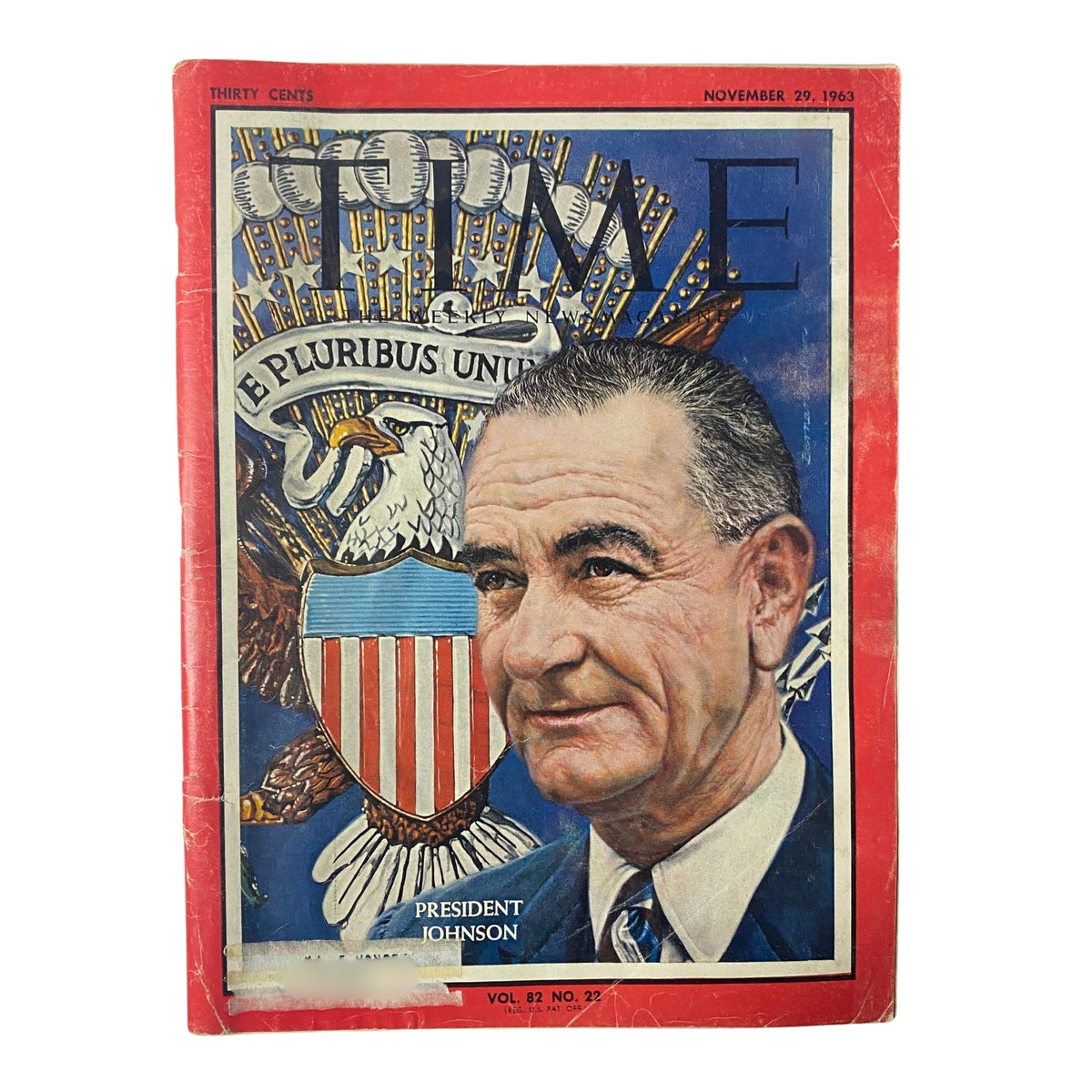
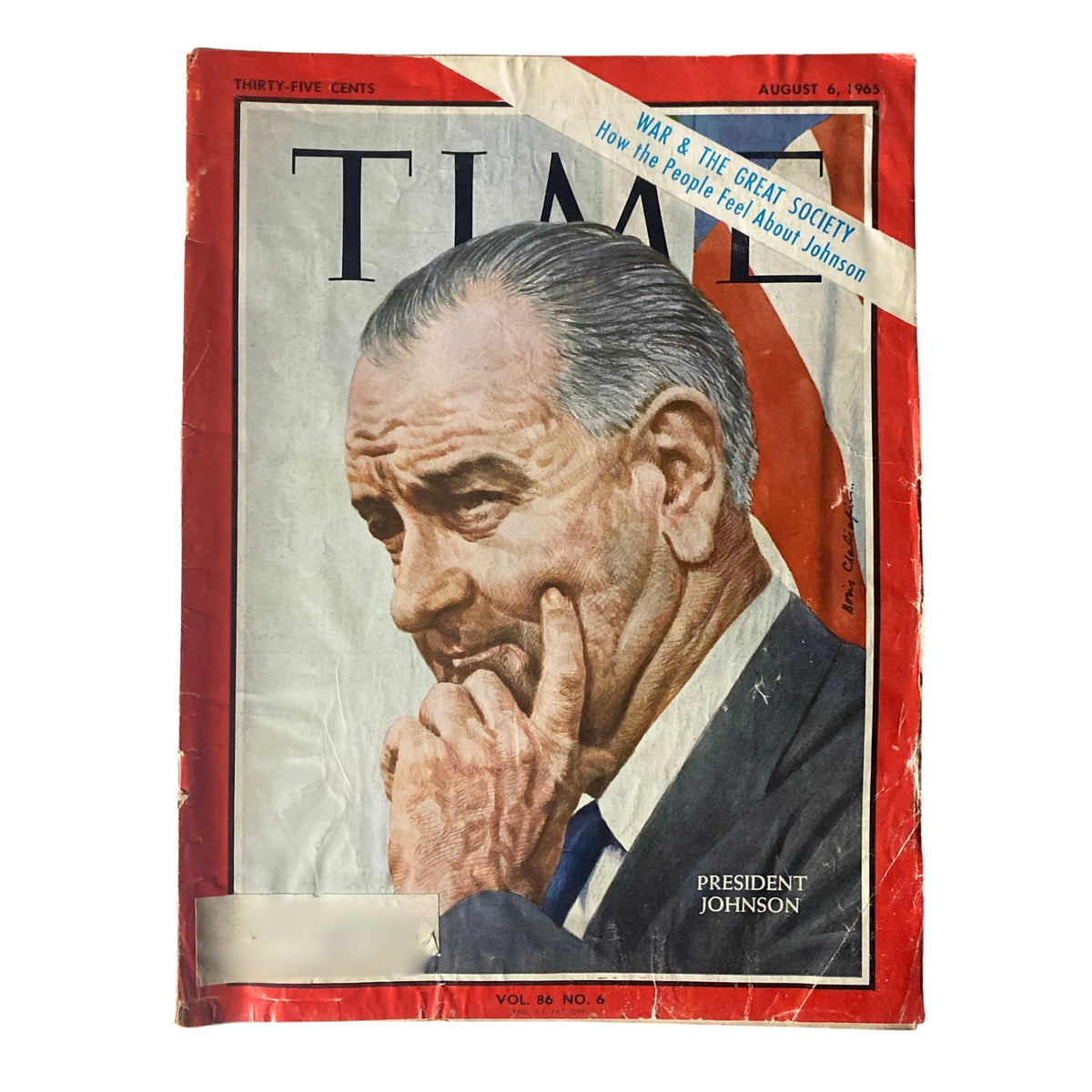
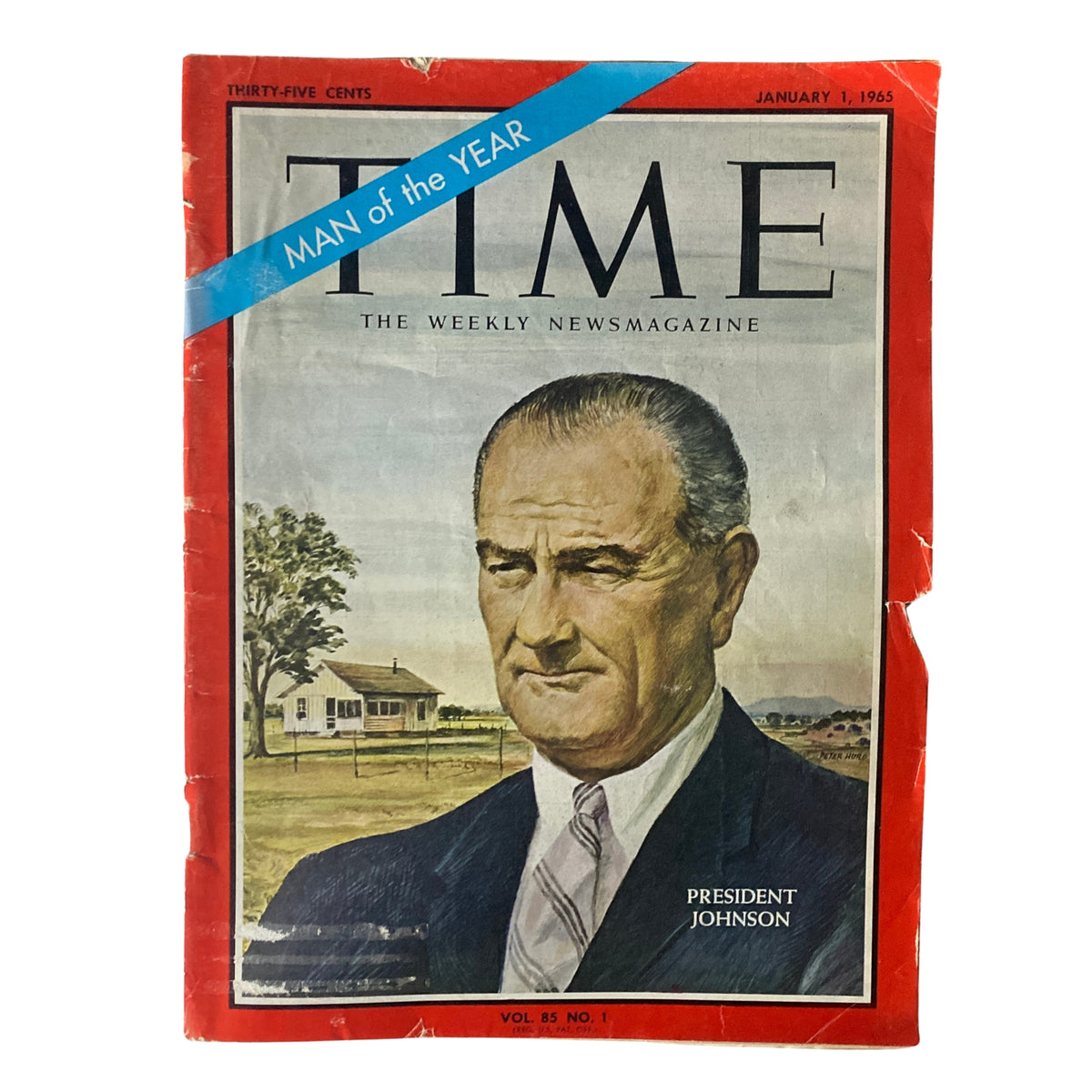
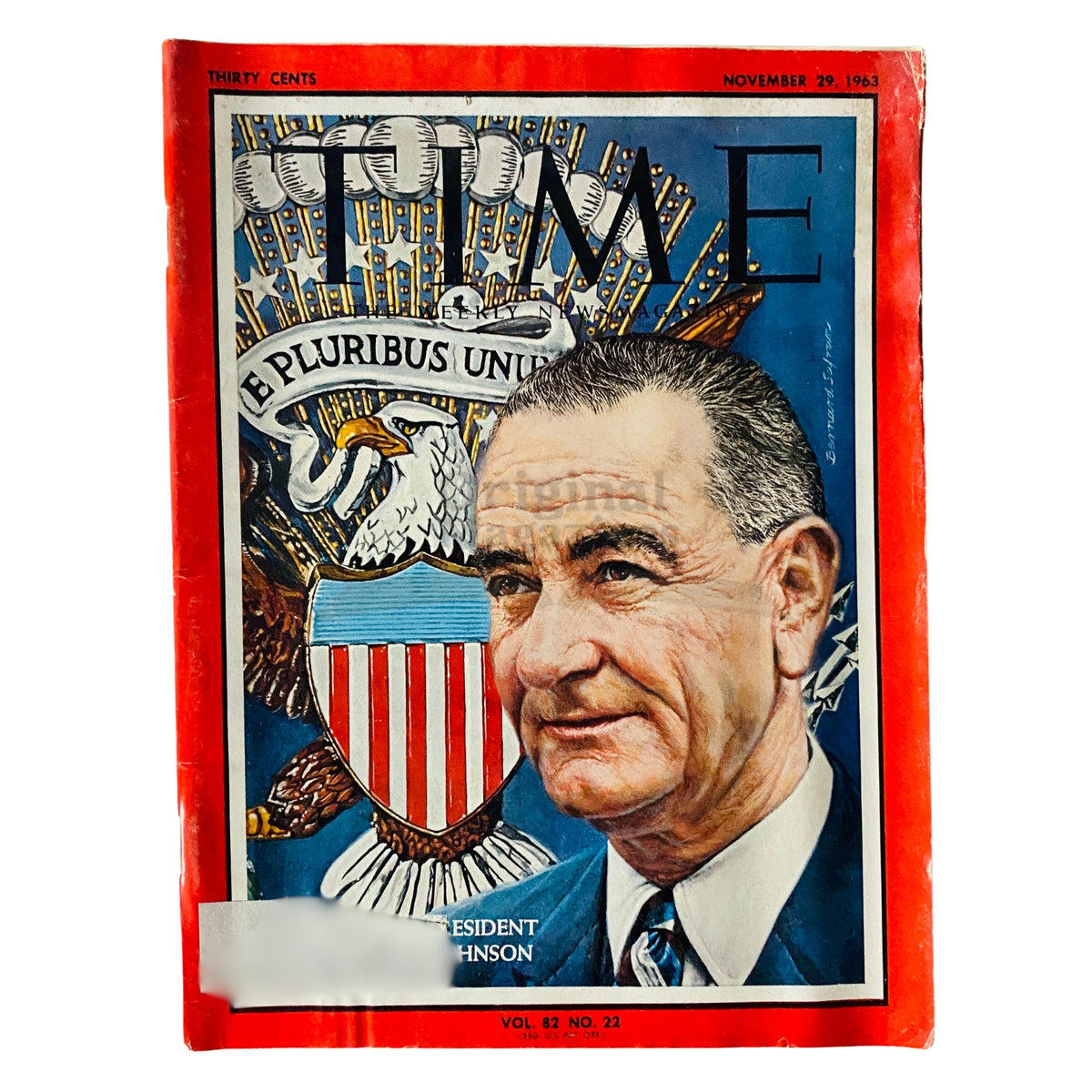
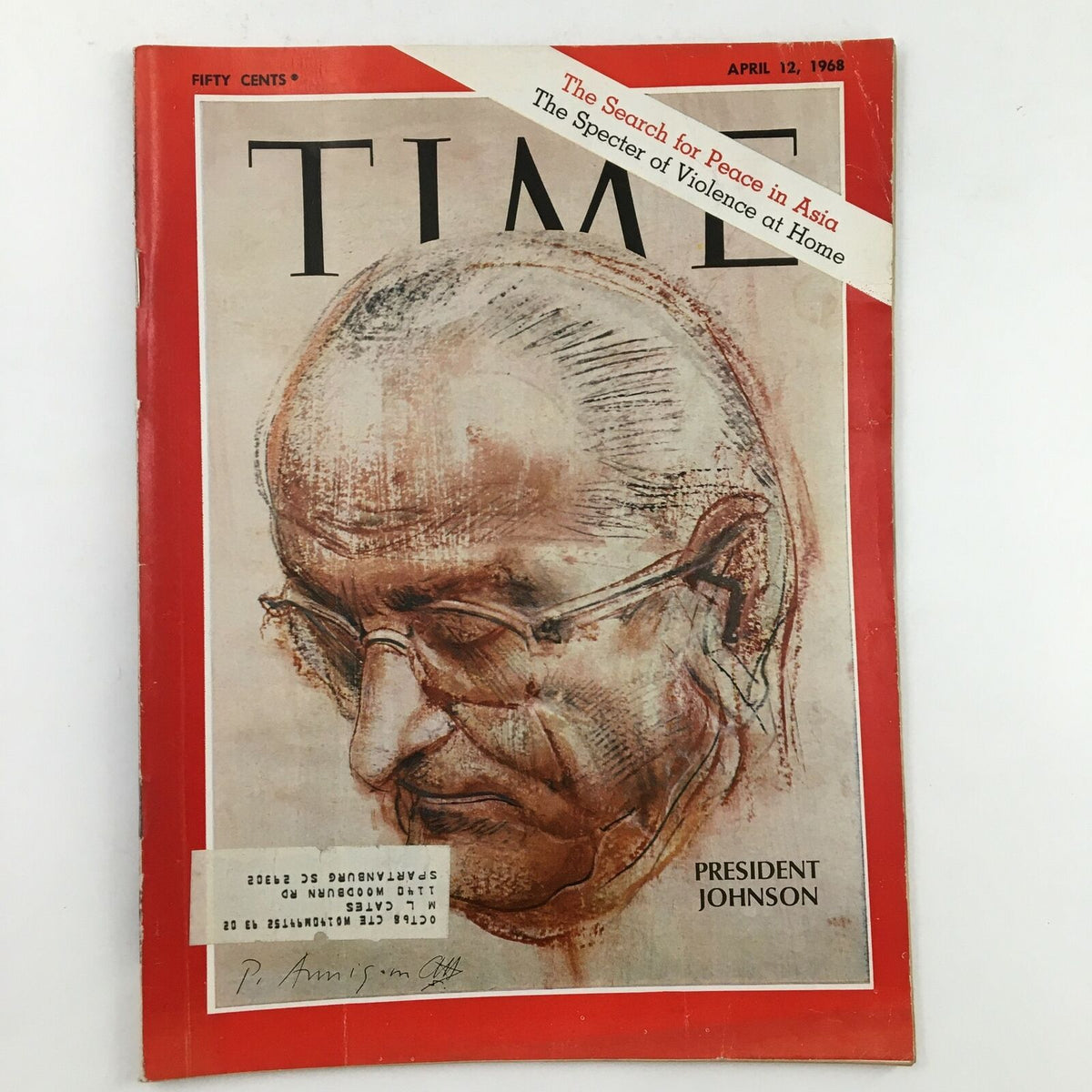
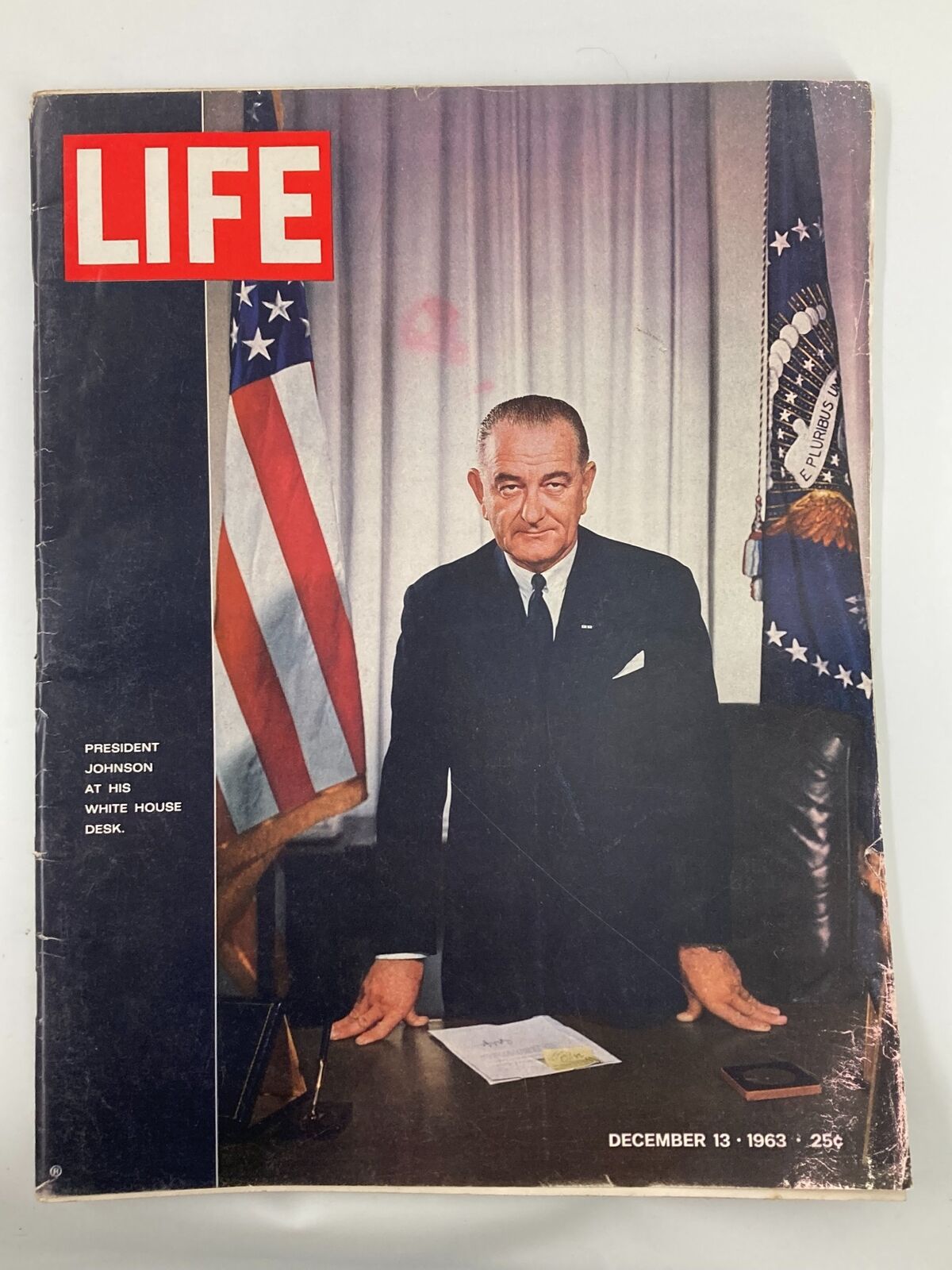
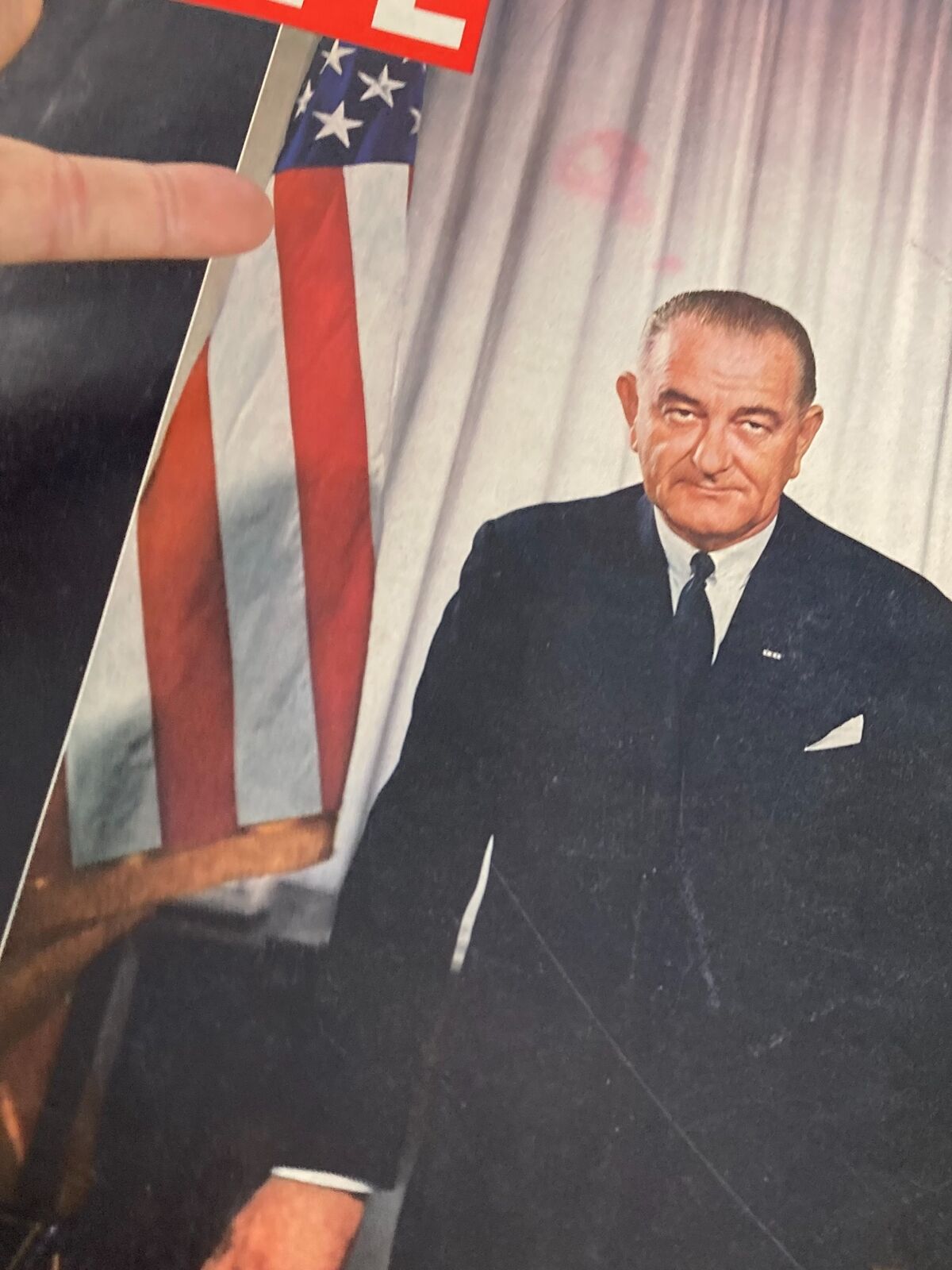
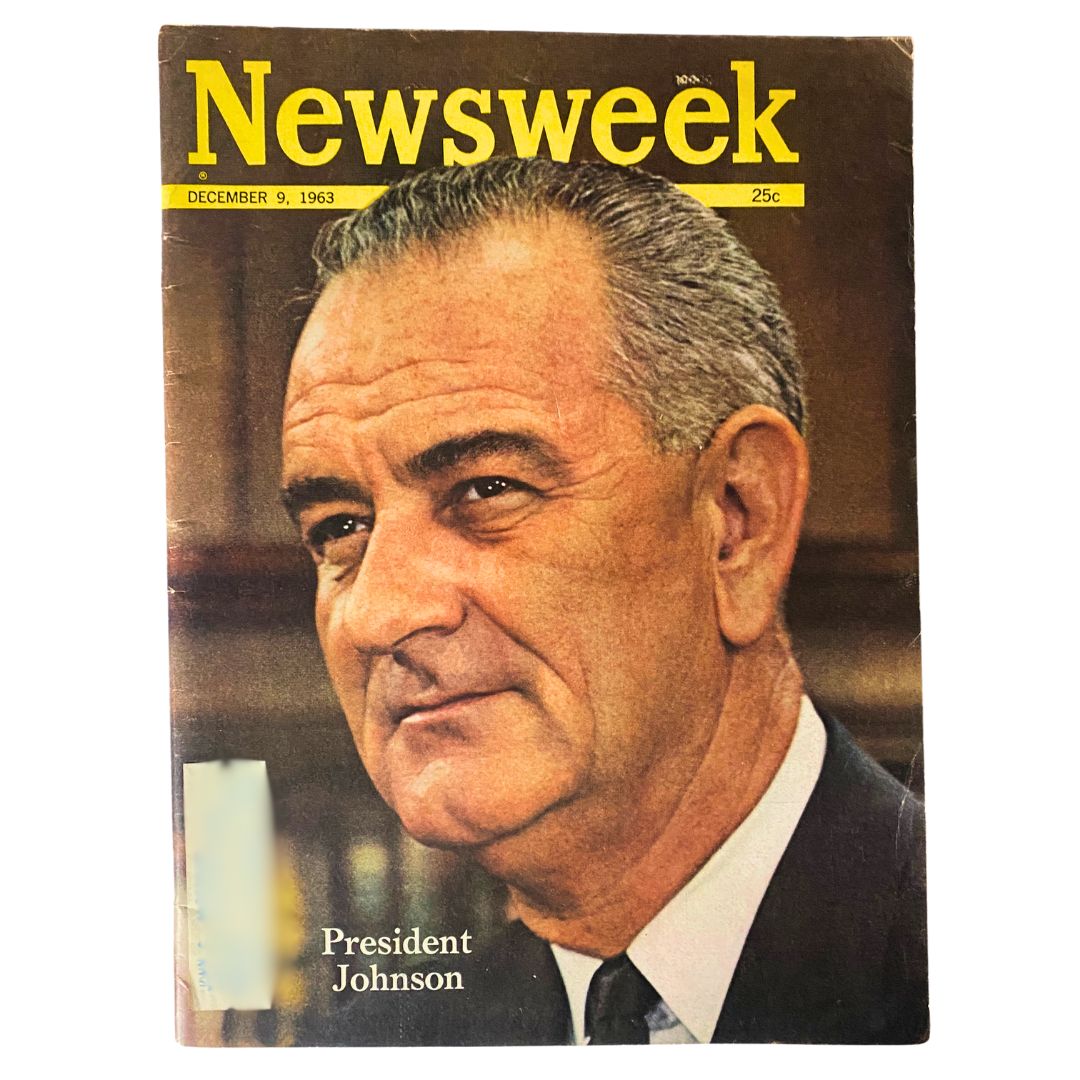
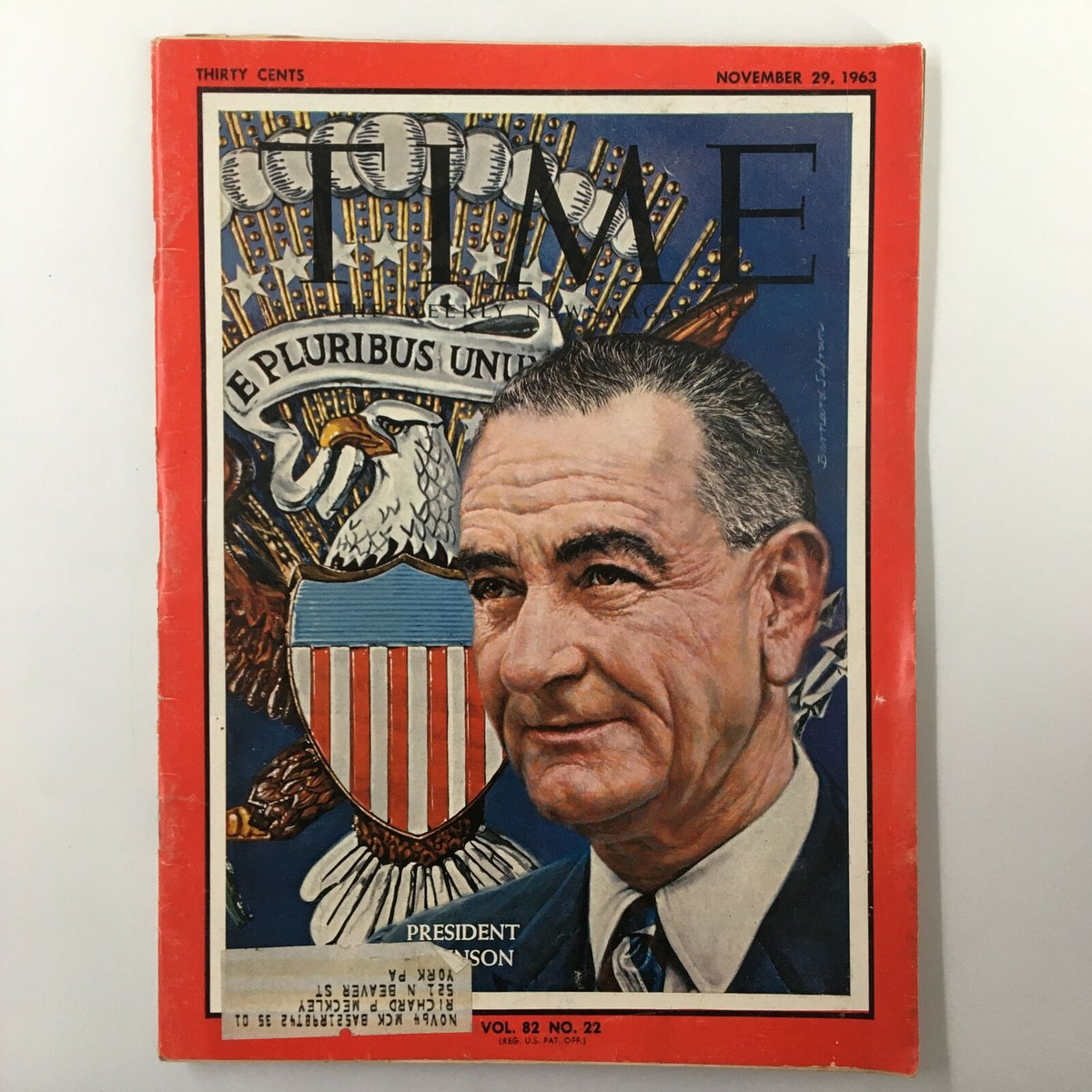
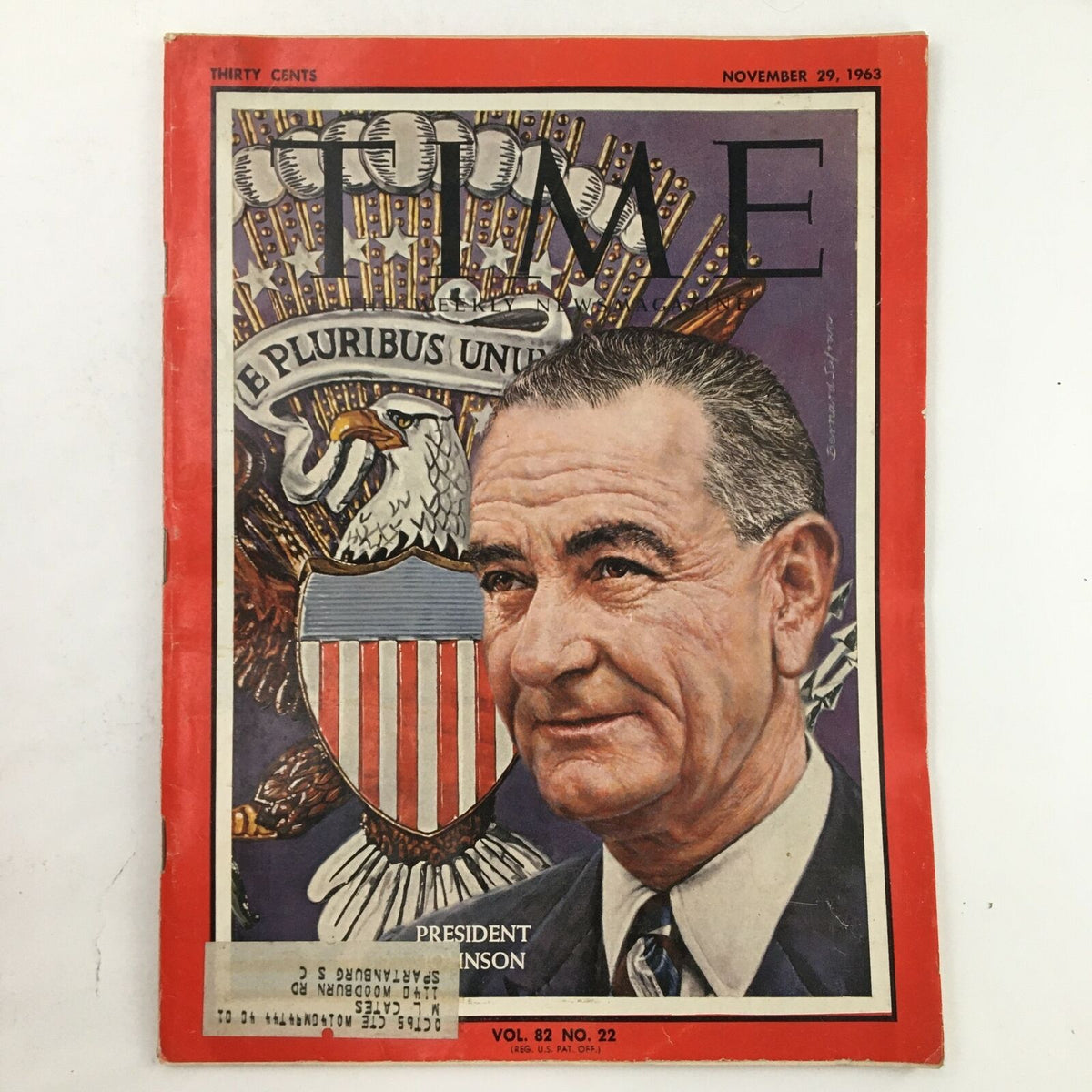
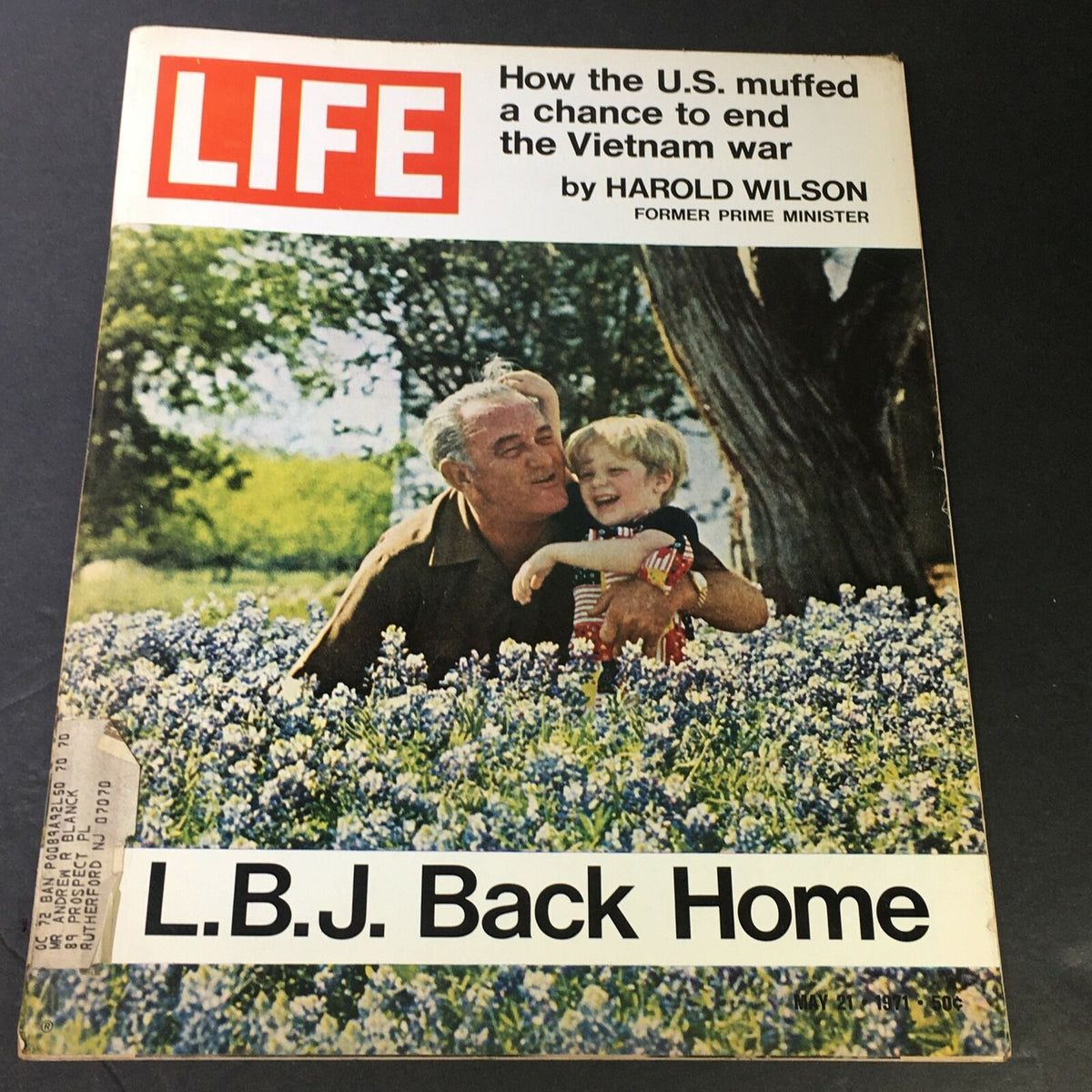
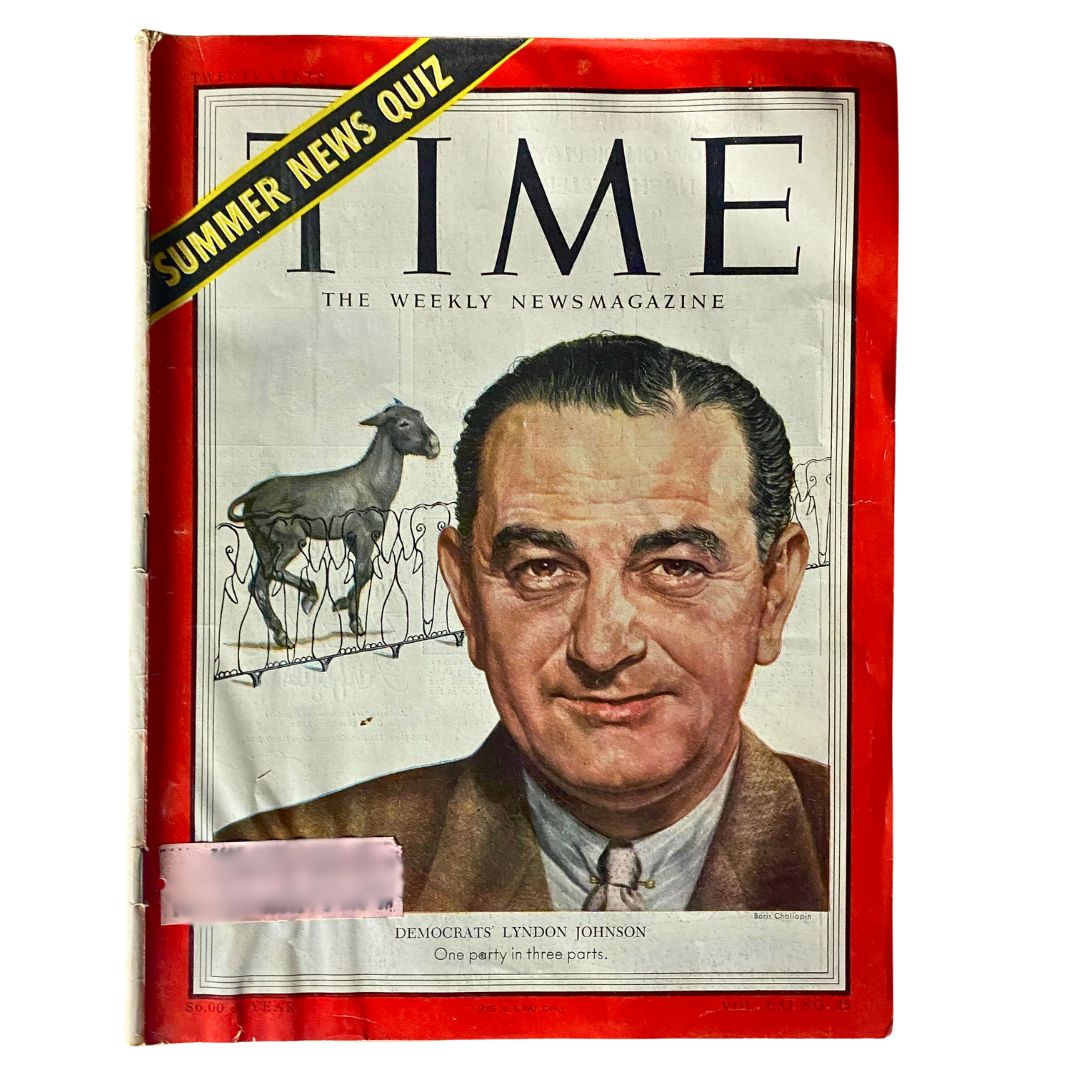
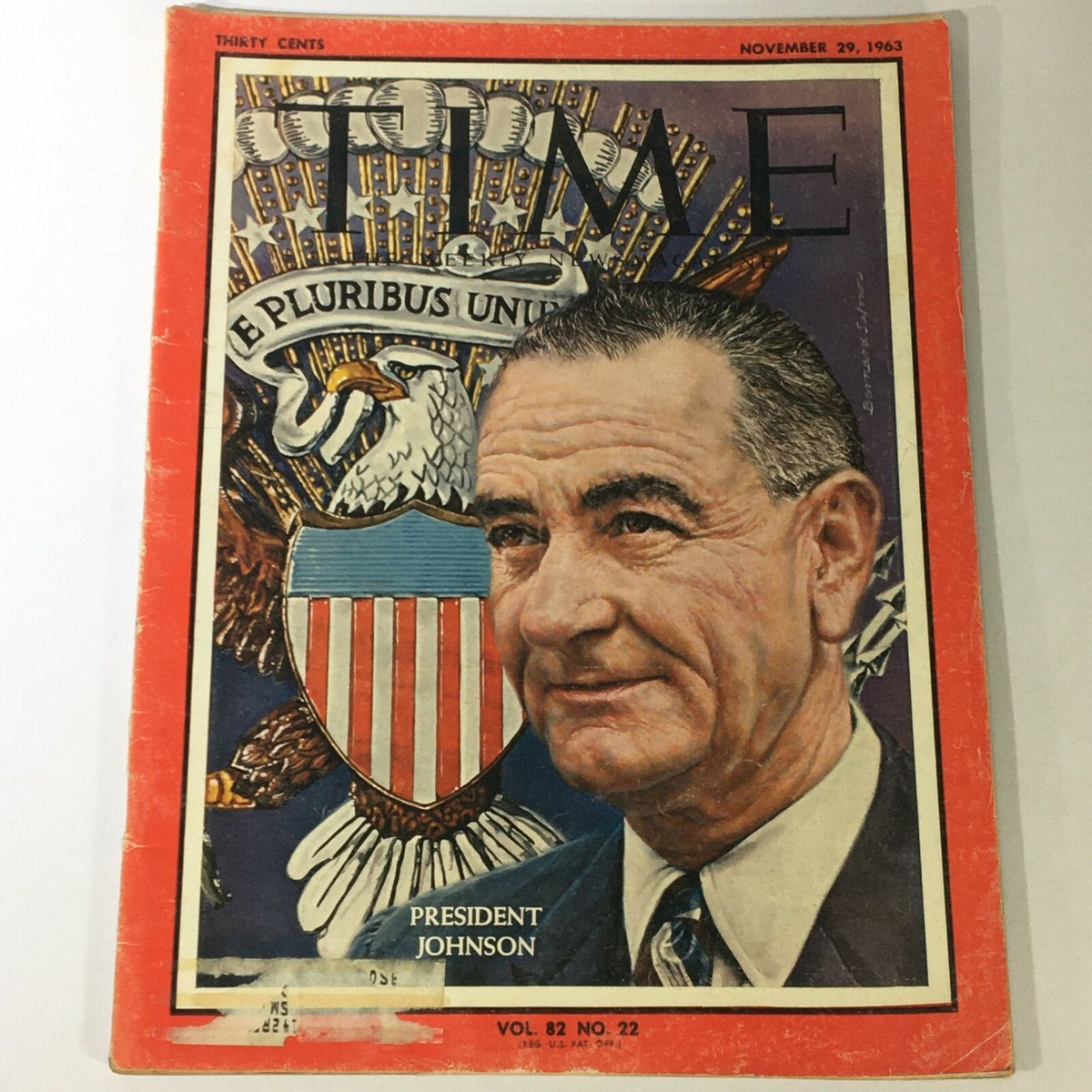
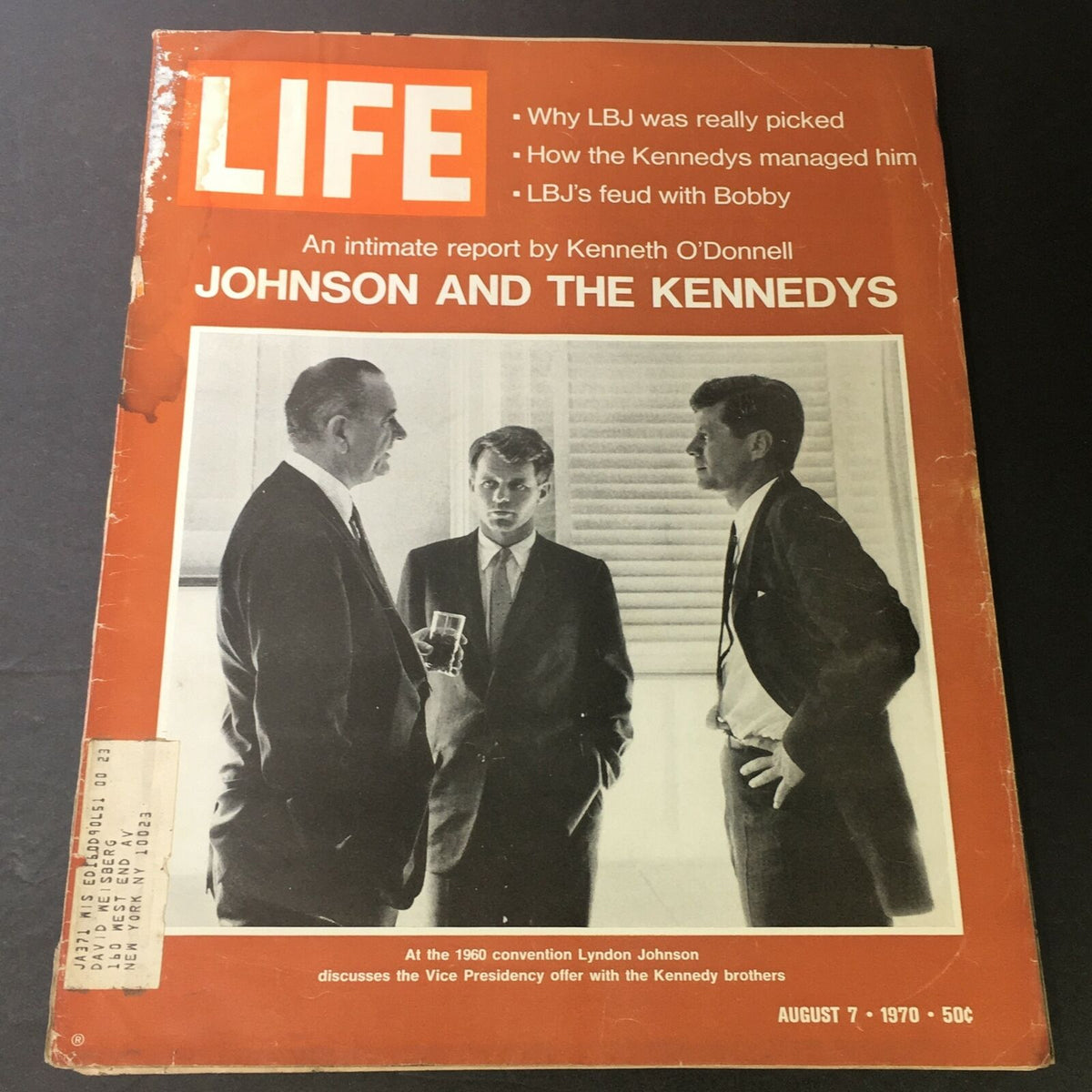
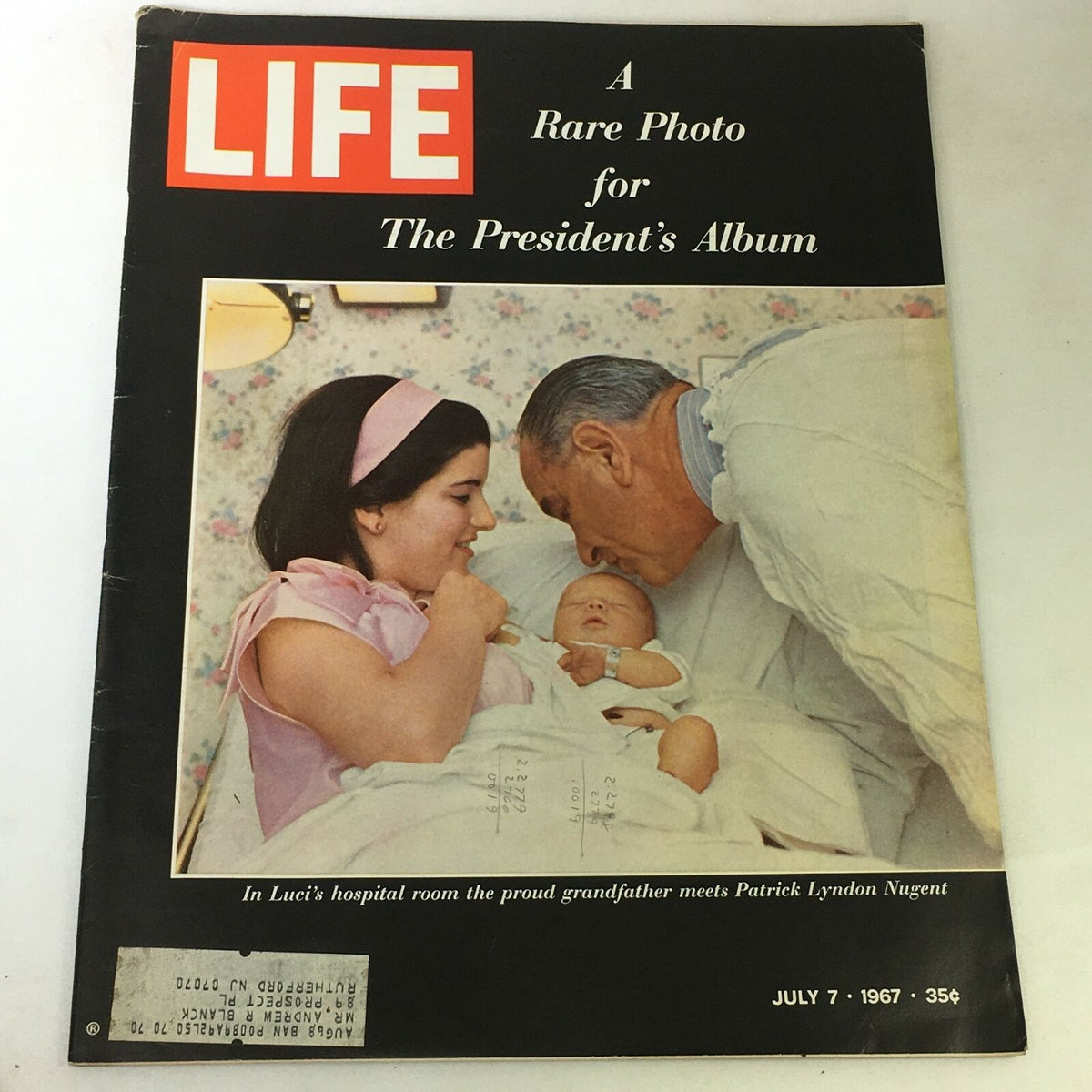
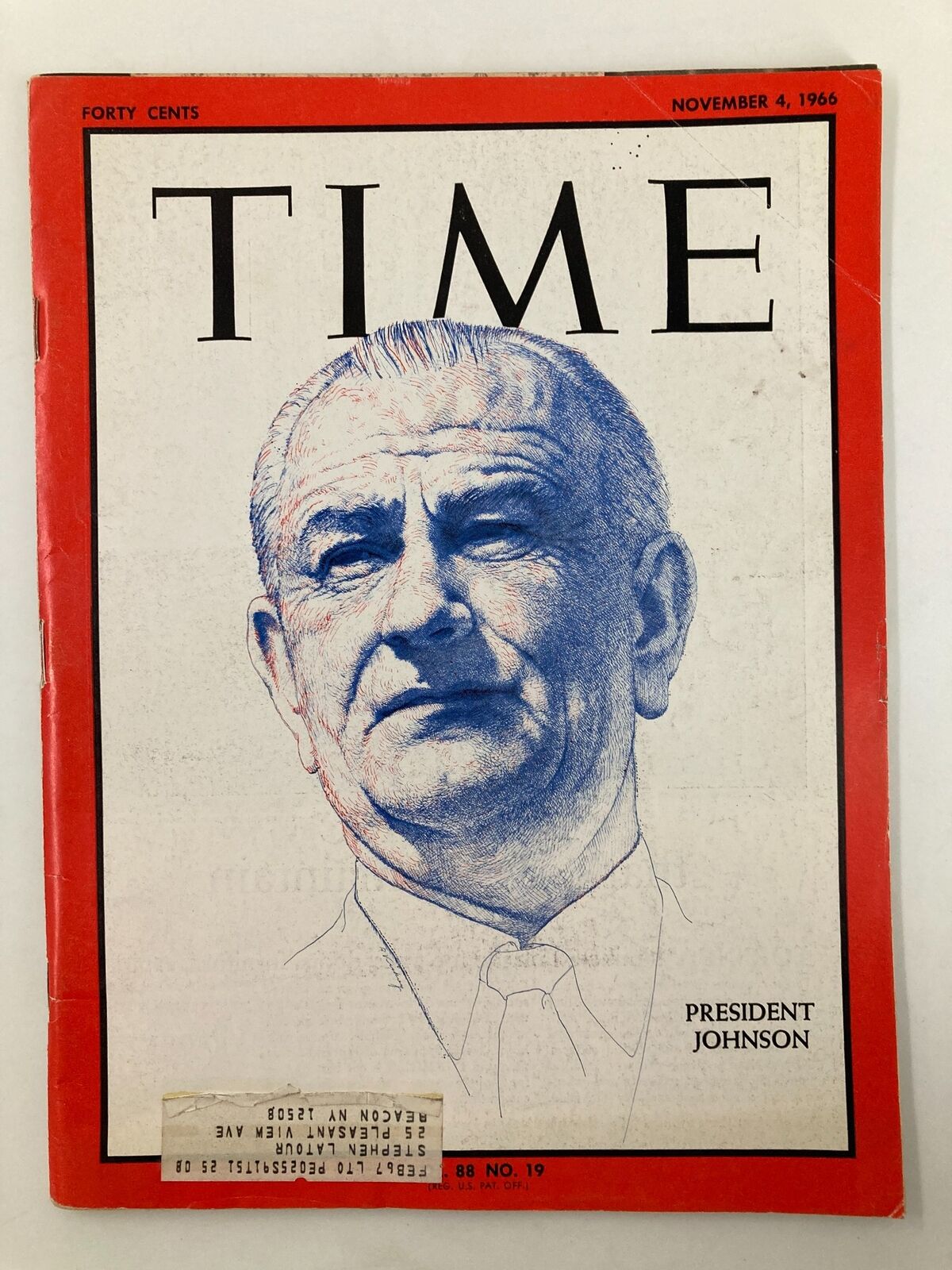
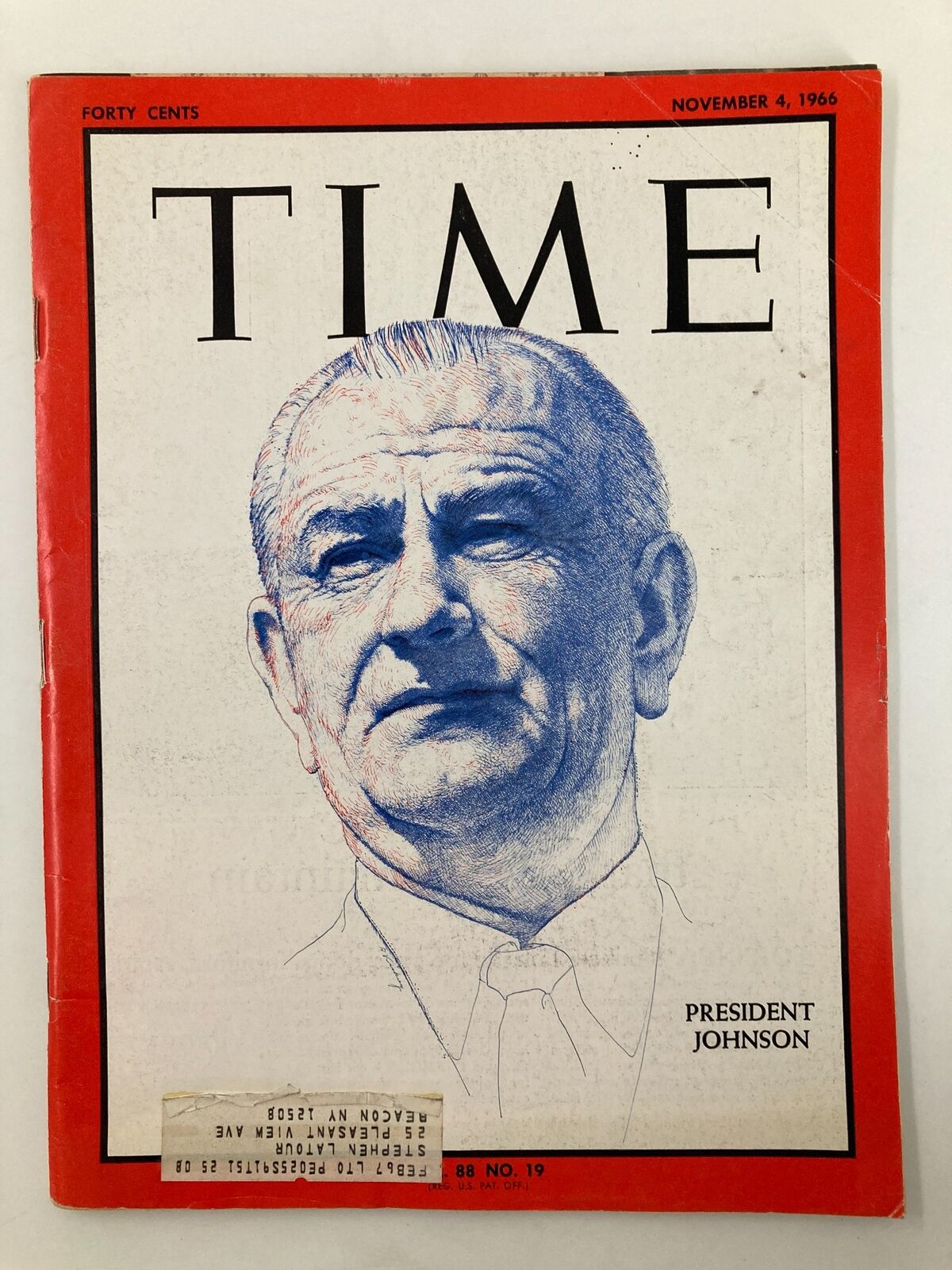
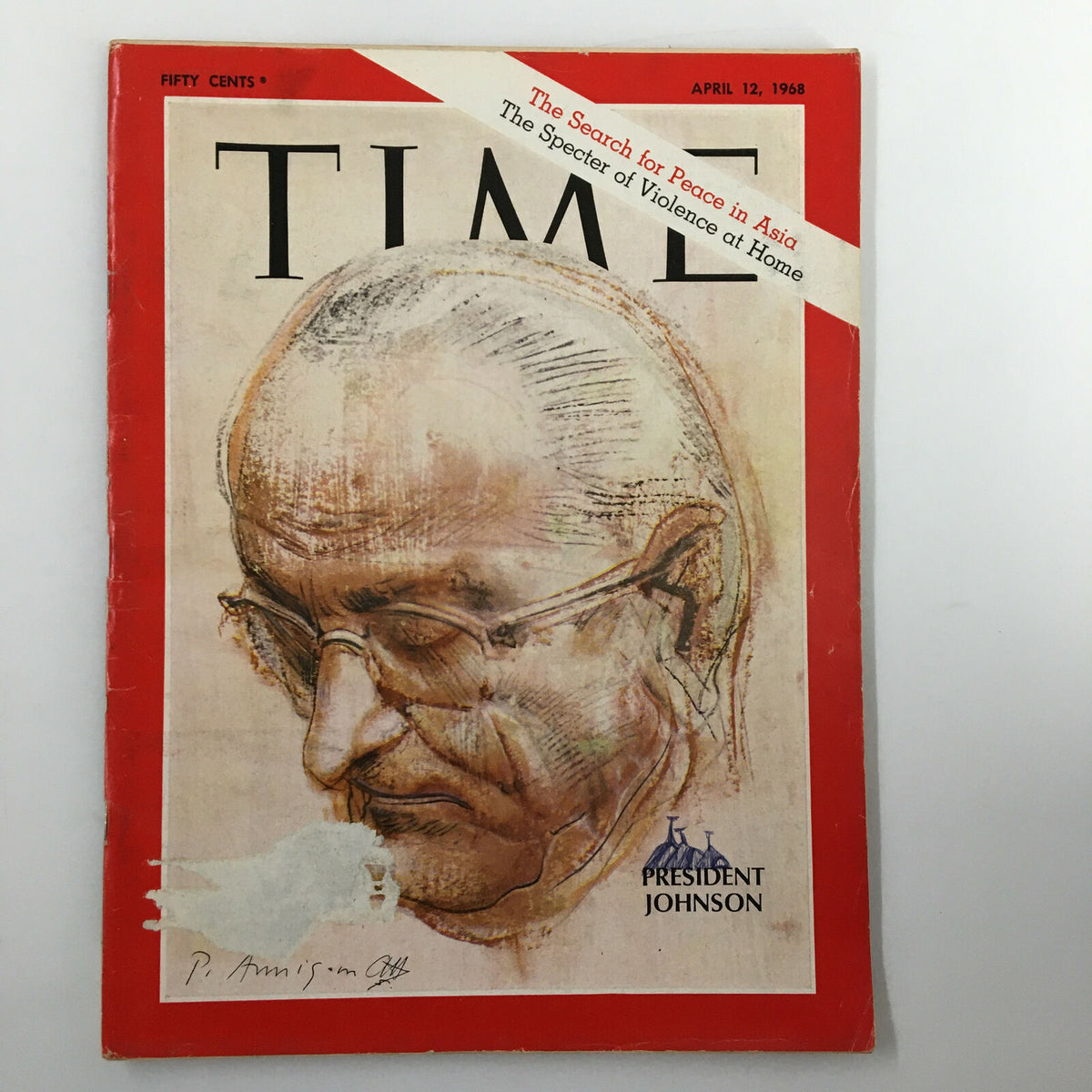
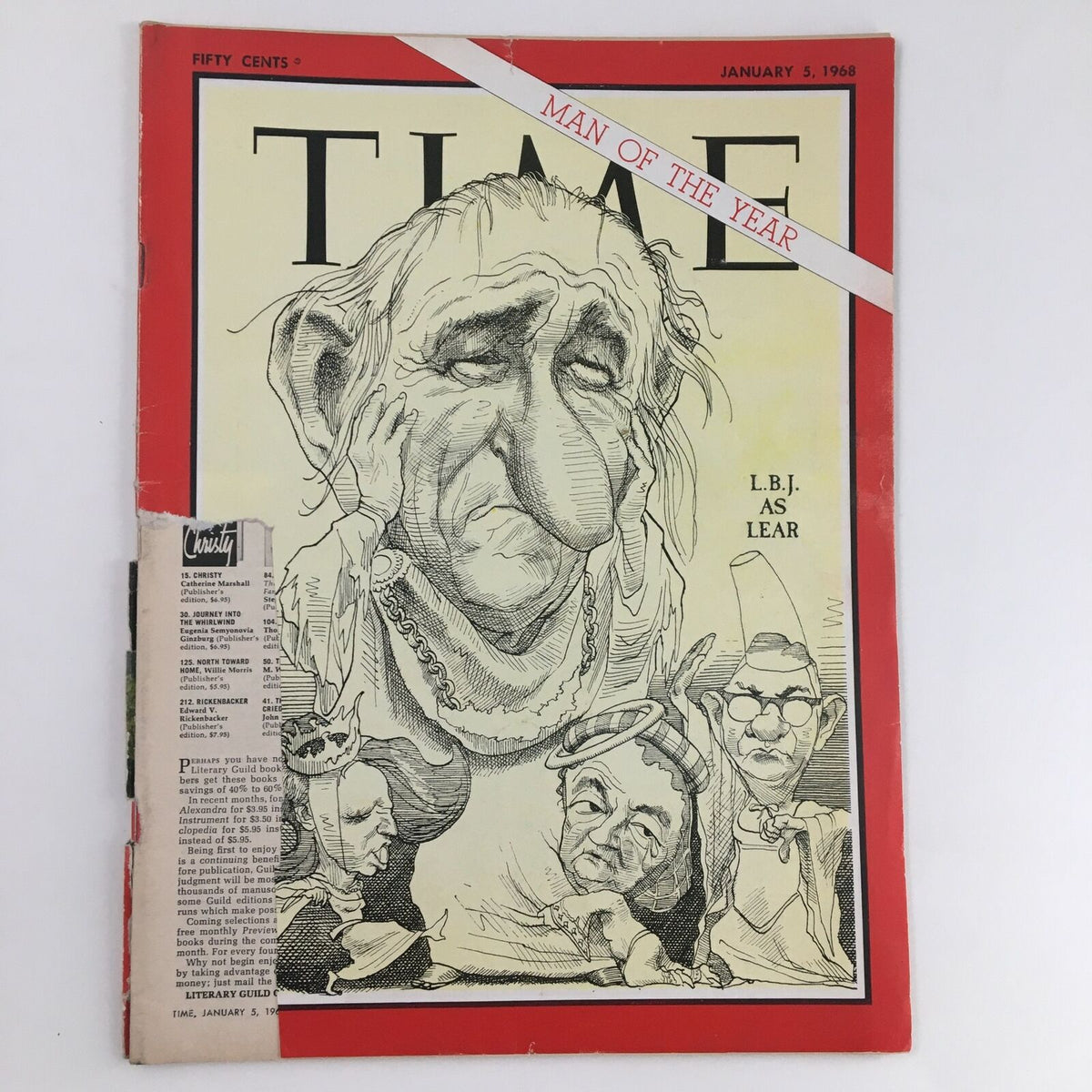
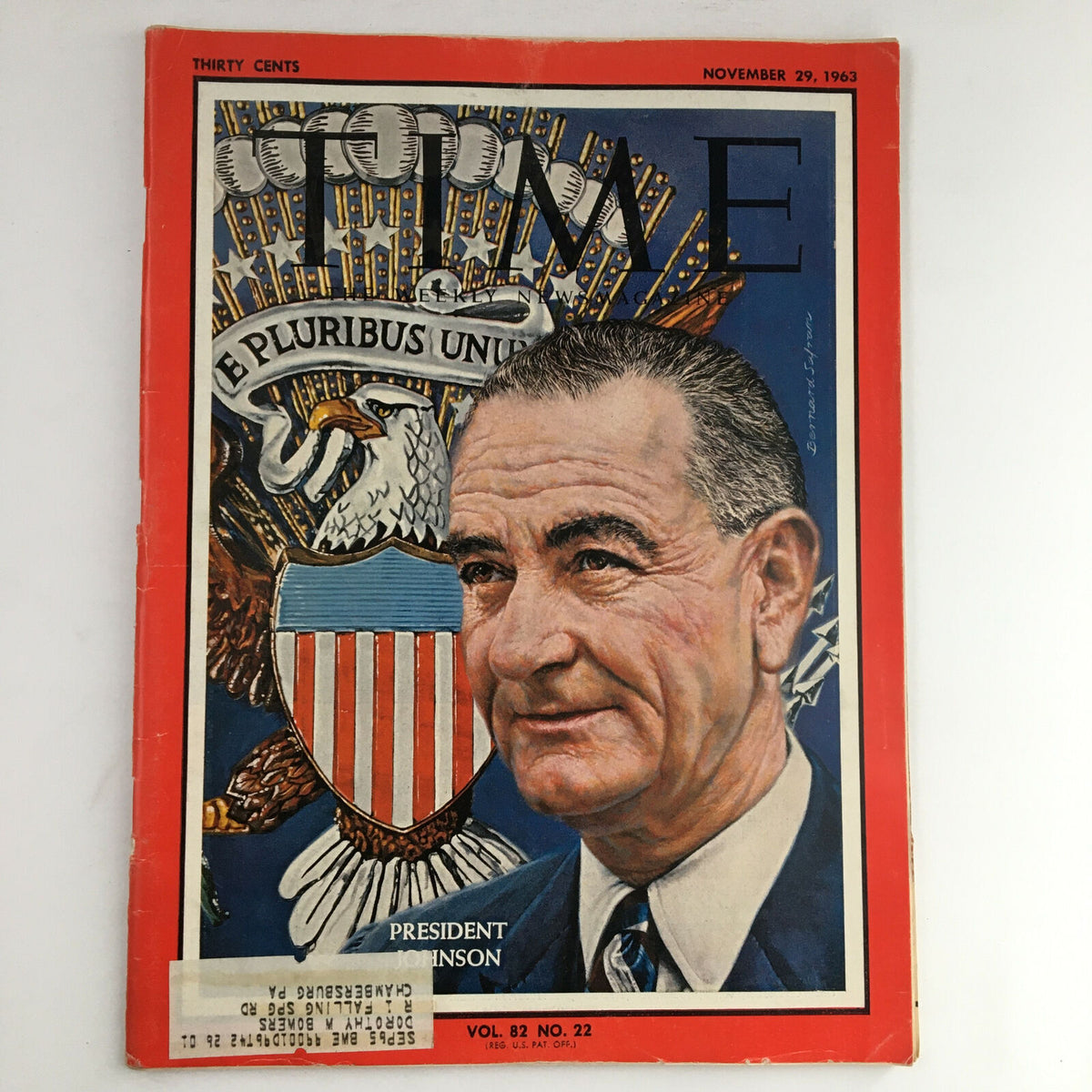
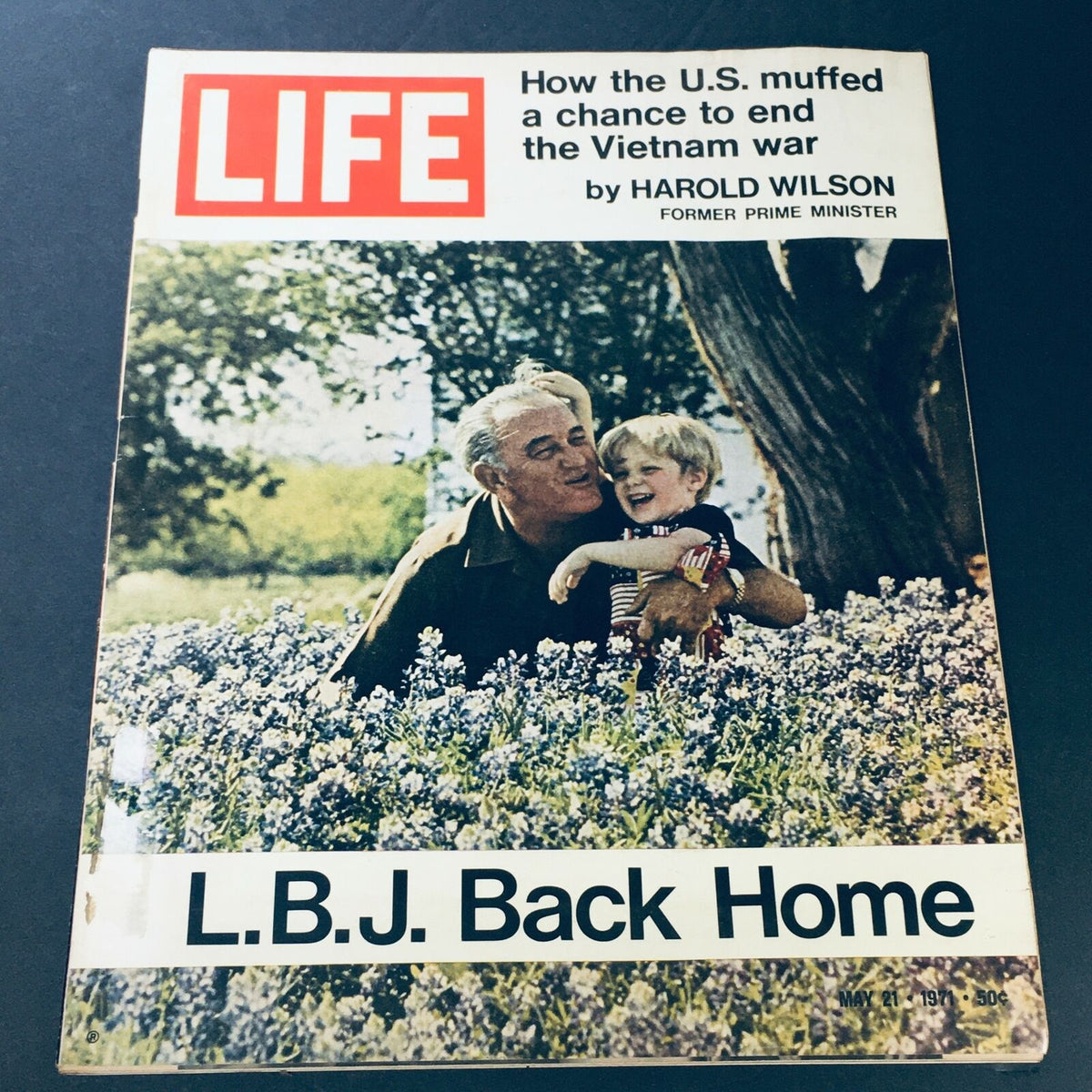
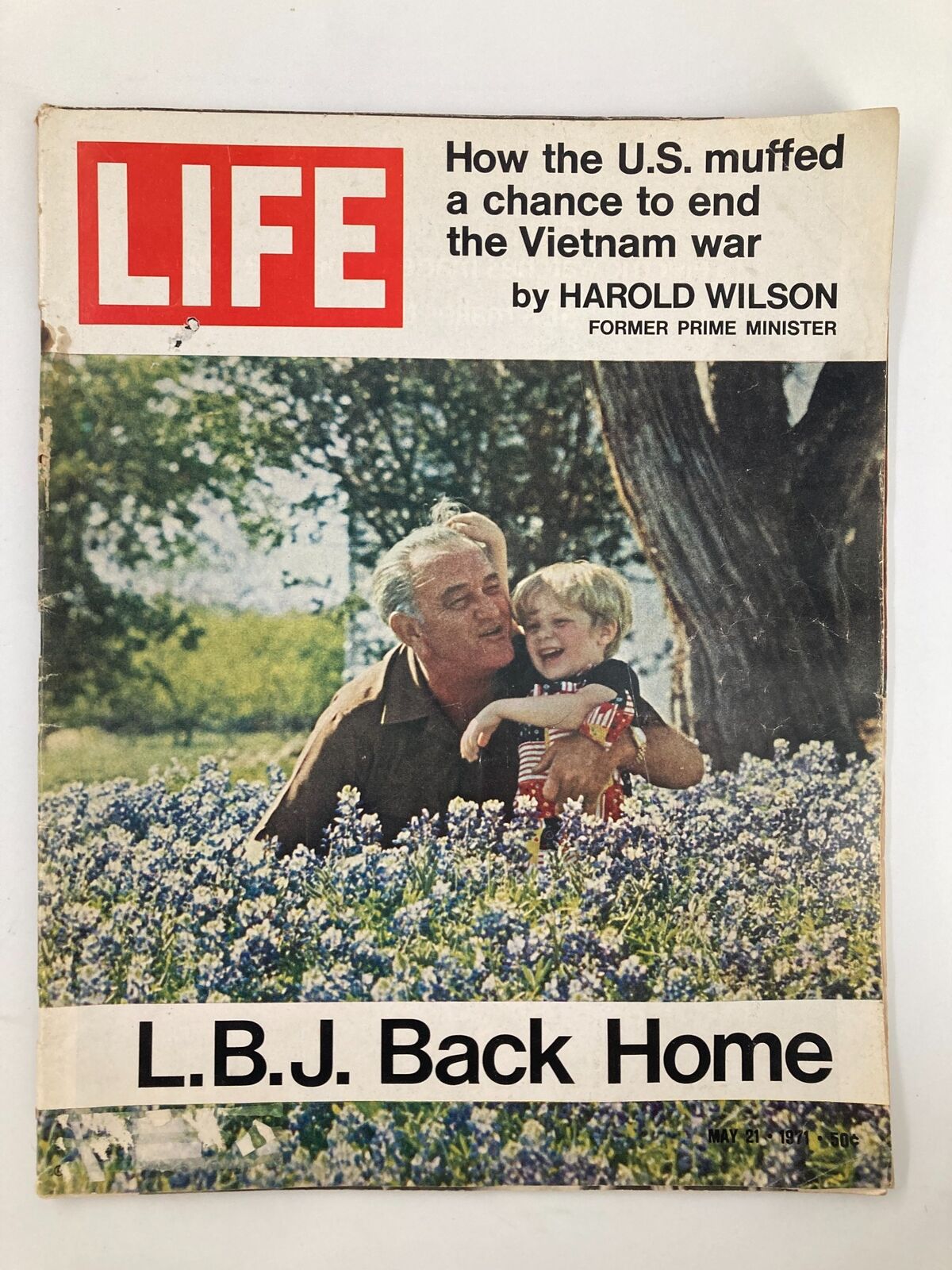
The visual record of the Johnson presidency is among the most dramatic and varied in American political history, and the magazines of the era rose to meet it with unmistakable energy. Life was his most consequential chronicler — its photographers were present for the swearing-in aboard Air Force One, for the Rose Garden bill signings, for the Oval Office meetings that smelled of cigars and consequence — and its editorial gravitas lent those images the weight of official history even as they were being made. Time placed him on its cover with a frequency bordering on obsession, cycling through portraits that tracked the visible, decade-long erosion of a man being consumed by his own ambitions. Ebony, meanwhile, provided an irreplaceable perspective largely absent from white mainstream press: the profound and complicated meaning of the Civil Rights and Voting Rights Acts to Black Americans, contextualizing Johnson's legislative achievements within a movement that had demanded, marched, and bled for them long before any bill reached his desk. The photography across all these publications tends toward the monumental — wide-angle, shadow-heavy portraiture that matched the subject's own sense of historical destiny.
Curator's Checklist: Highlights Often Include
- The Assassination & Succession (November 1963): Among the most historically charged magazine issues ever printed — coverage of the Dallas motorcade, the swearing-in of a new president aboard Air Force One, and a nation's grief rendered in urgent, unpolished photojournalism that no subsequent reproduction has ever fully captured
- The Great Society Legislation (1964–1965): Issues documenting the passage of landmark civil rights, voting rights, and social welfare legislation, representing some of the most consequential domestic policy coverage in the history of American print journalism
- The Vietnam Escalation & Anti-War Movement: The slow, agonizing drumbeat of escalation coverage — troop deployments, body counts, protest marches, and the widening credibility gap — told week by week in real time by the newsweeklies that shaped public opinion on the war
- The 1964 Landslide Election: Coverage of one of the most lopsided presidential election victories in American history, with portrait photography and editorial profiles that document Johnson at the absolute apex of his political power
- The Withdrawal Announcement & Decline (1968): Issues surrounding his stunning March 1968 declaration that he would not seek re-election — a moment of political self-immolation that stunned the country and produced some of the most memorable magazine covers of the entire decade
The Collector's Value
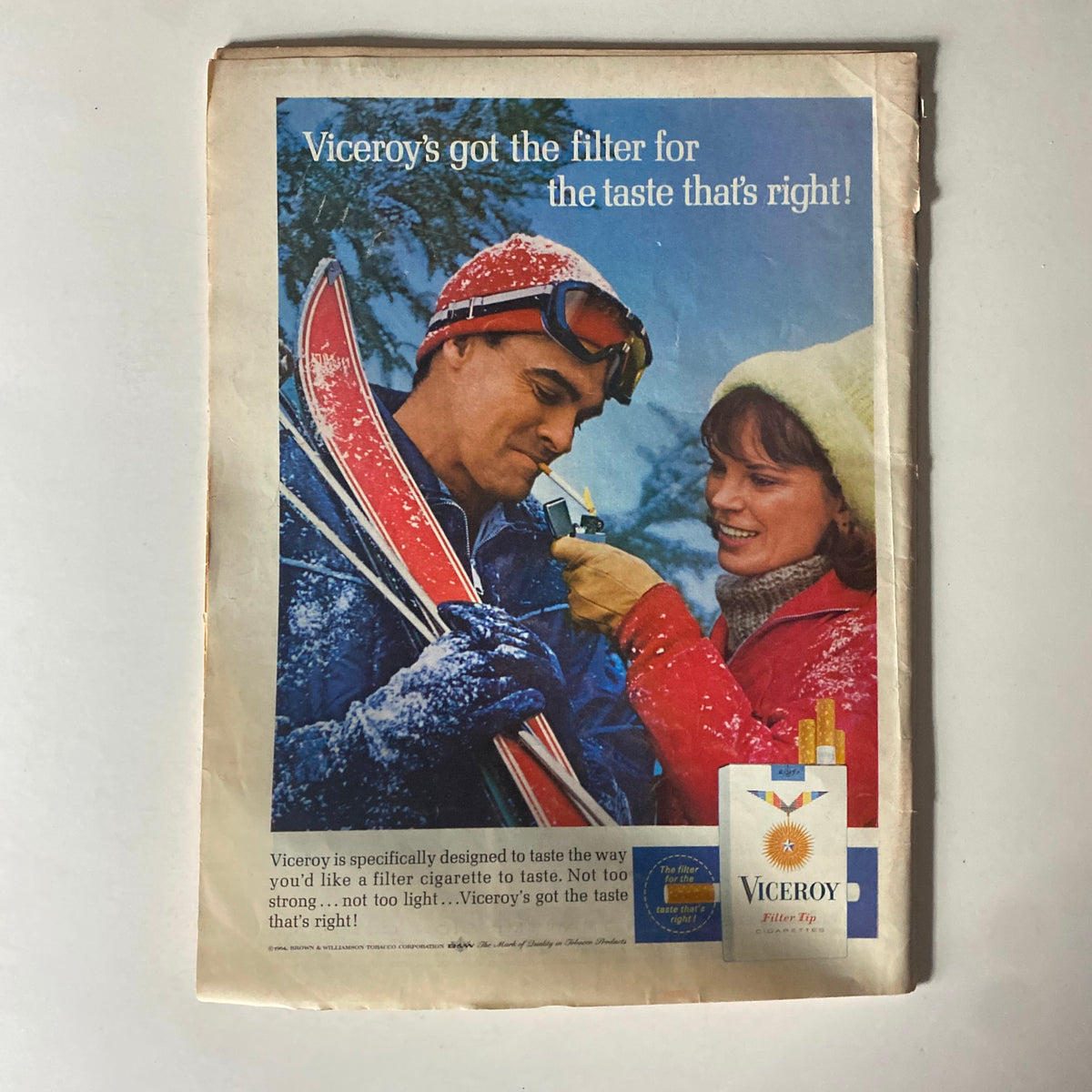
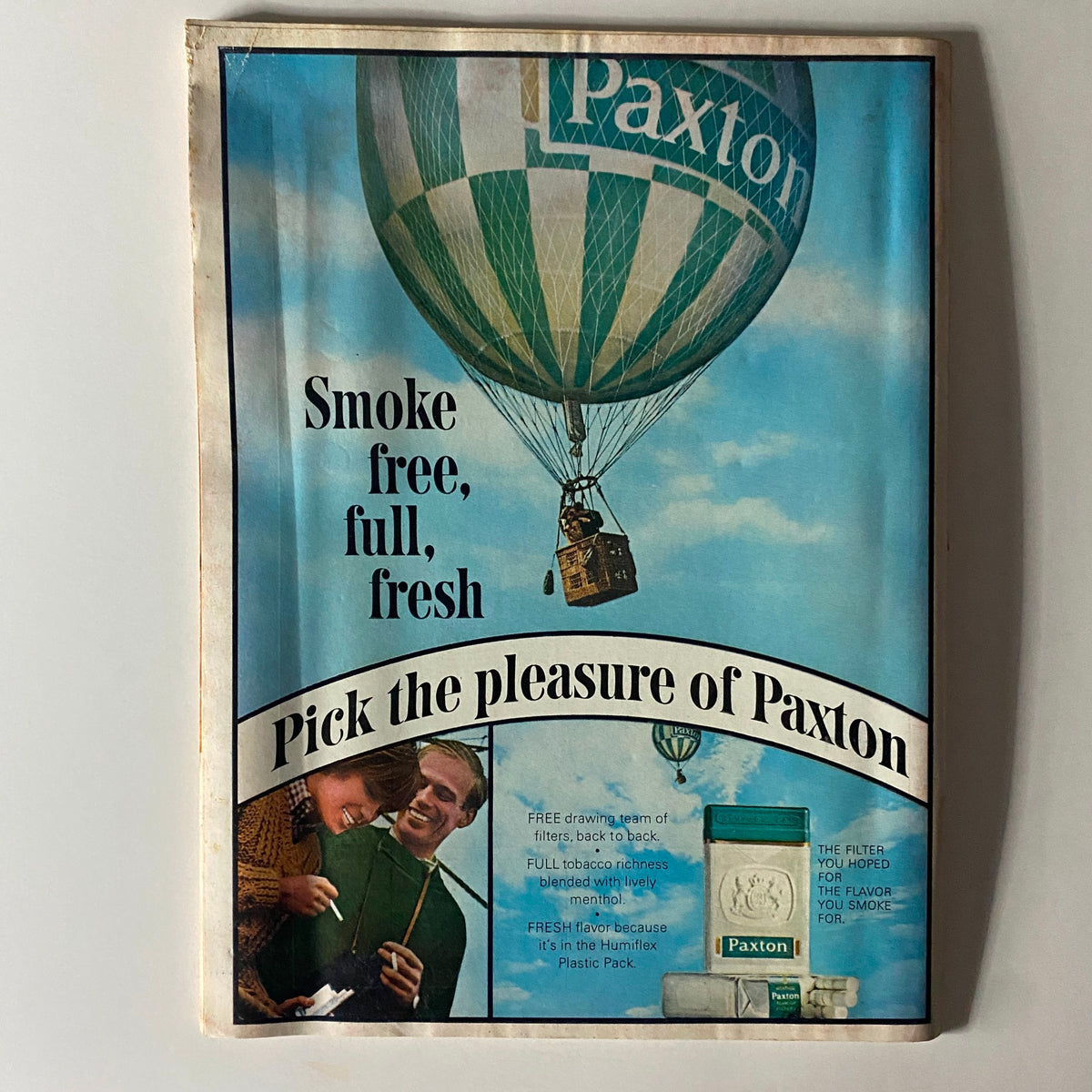
A vintage magazine from the Johnson years is a physical artifact of the most seismically consequential decade in modern American life, and its material presence communicates something that no digital archive can replicate. The slightly yellowed gloss of a mid-1960s Life cover stock carries a warmth and weight that is immediately, almost emotionally recognizable; the ink has the dense, slightly waxy character of offset printing at its commercial peak; and the surrounding advertisements — for Oldsmobiles and Pall Mall cigarettes, for Kodachrome film and Pan Am flights — reconstruct an entire vanished civilization around the political drama at the center of each issue. These are the objects through which a generation processed assassination, legislation, and war in real time, without the mediating distance of historical retrospect. For collectors of American presidential history, 1960s civil rights documentation, or Cold War–era political ephemera, these publications offer a direct, tactile passage back to the hinge point of the American Century — a moment when everything changed, and the whole country was watching. Explore the current available inventory below, and find the piece of that extraordinary story that belongs in your collection.