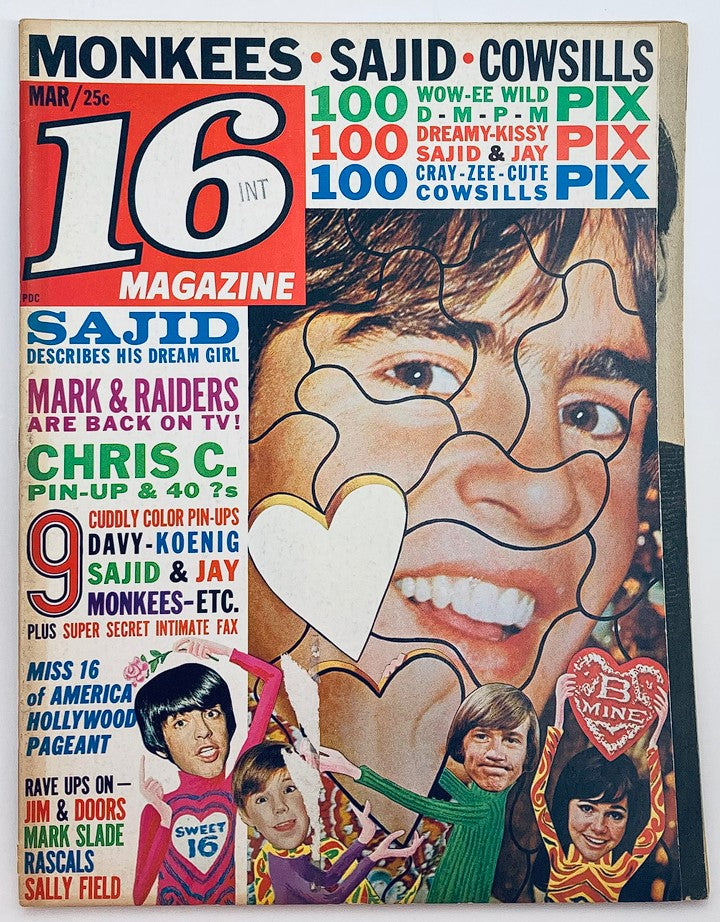
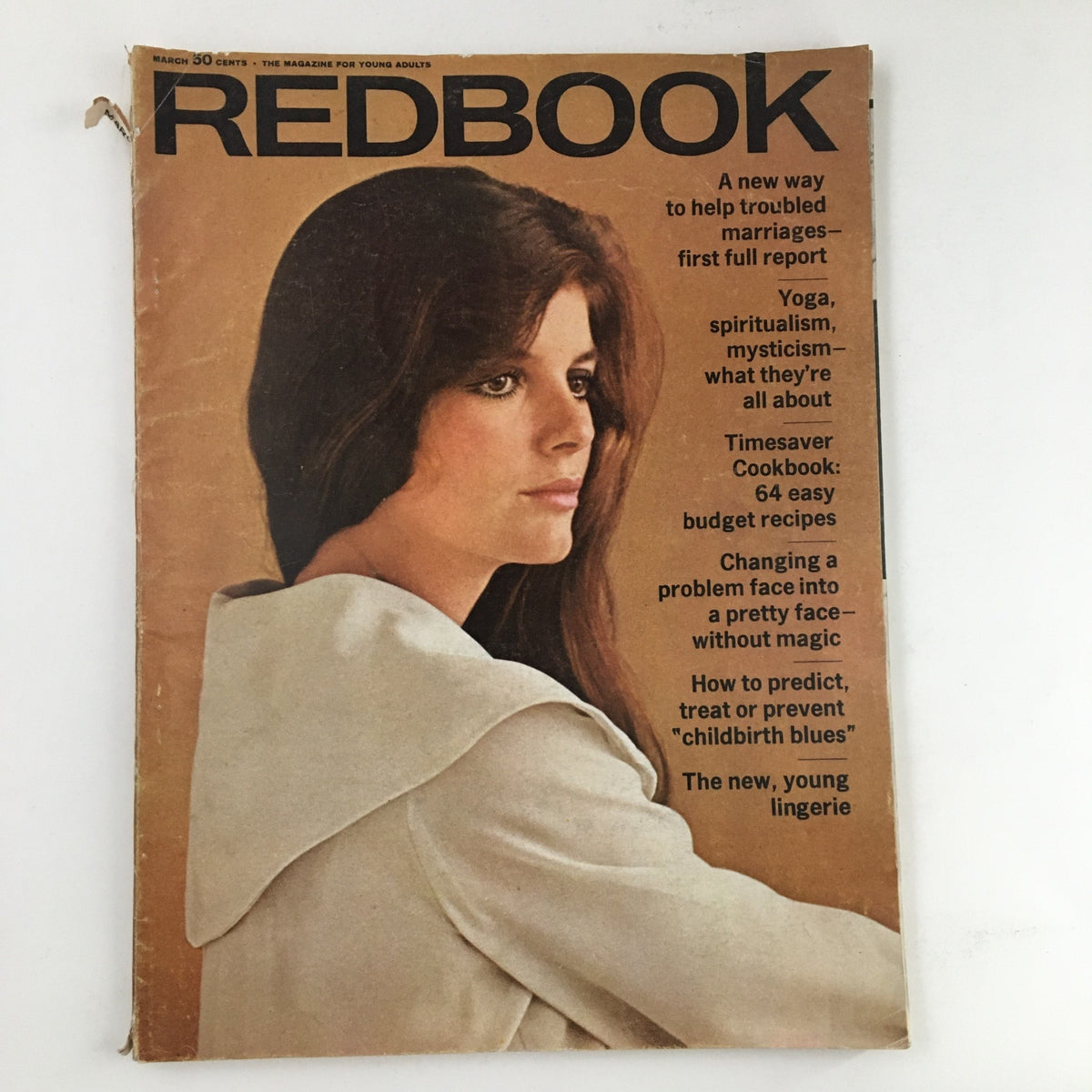
📖 About this Collection
March 1968: The Month America Transformed
The Historical Context
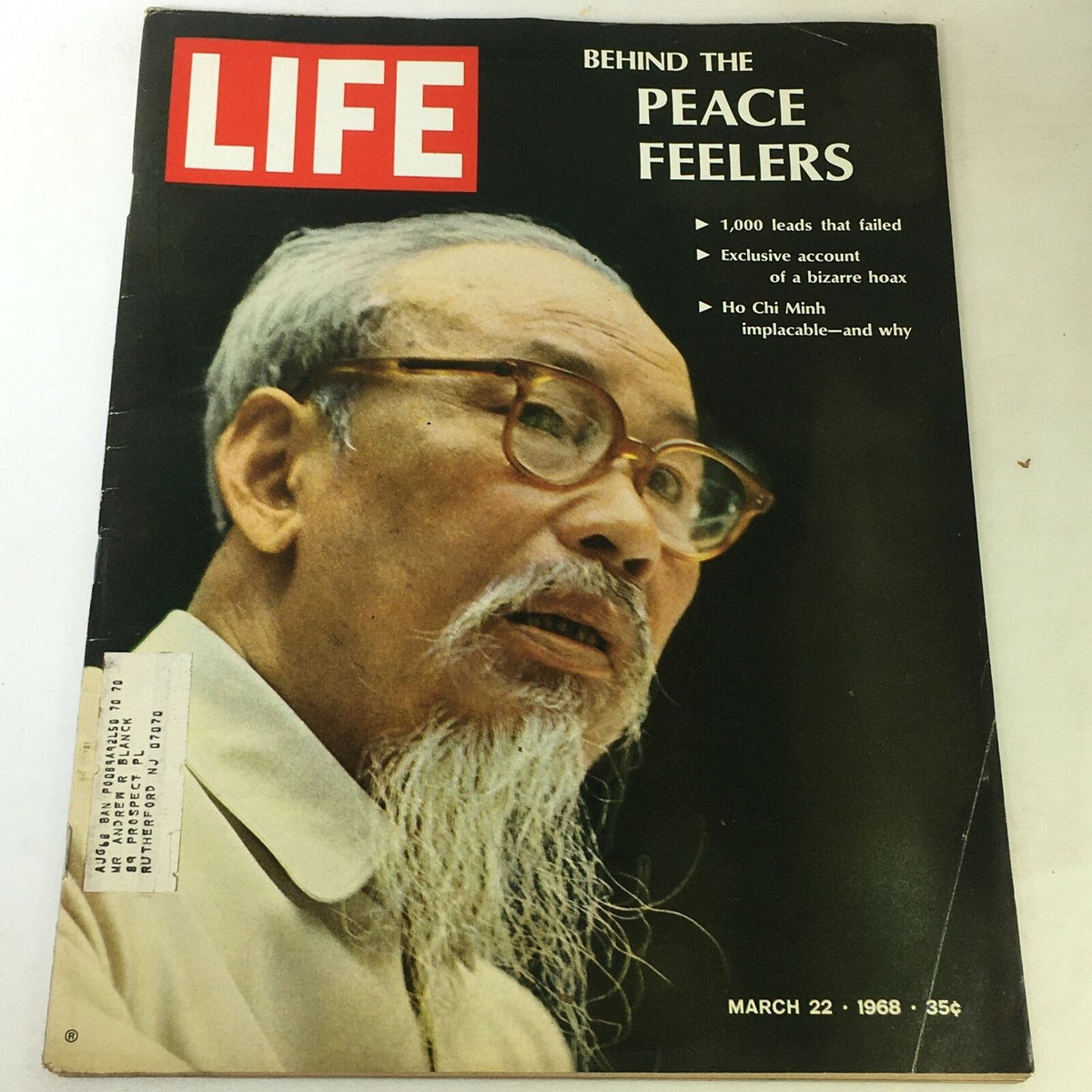
The nation stood at a crossroads. On March 16th, Senator Robert F. Kennedy announced his presidential campaign, challenging an incumbent from his own party as the Vietnam War reached its peak intensity. Just two weeks later, on March 31st, President Lyndon B. Johnson stunned the world by declaring he would not seek re-election, his address coming days after authorizing a troop surge that brought American forces in Vietnam to 549,500 soldiers. The same month witnessed the My Lai massacre, where approximately 400 unarmed Vietnamese civilians were killed by American soldiers in what would become one of the war's most searing controversies. Meanwhile, gold backing was removed from U.S. paper money, General Motors rolled out its 100 millionth automobile, and Dr. Martin Luther King Jr. announced plans for the Poor People's Campaign. This was the world your loved one entered—a moment when the post-war consensus fractured and a new America struggled to be born.
Pop Culture & Lifestyle
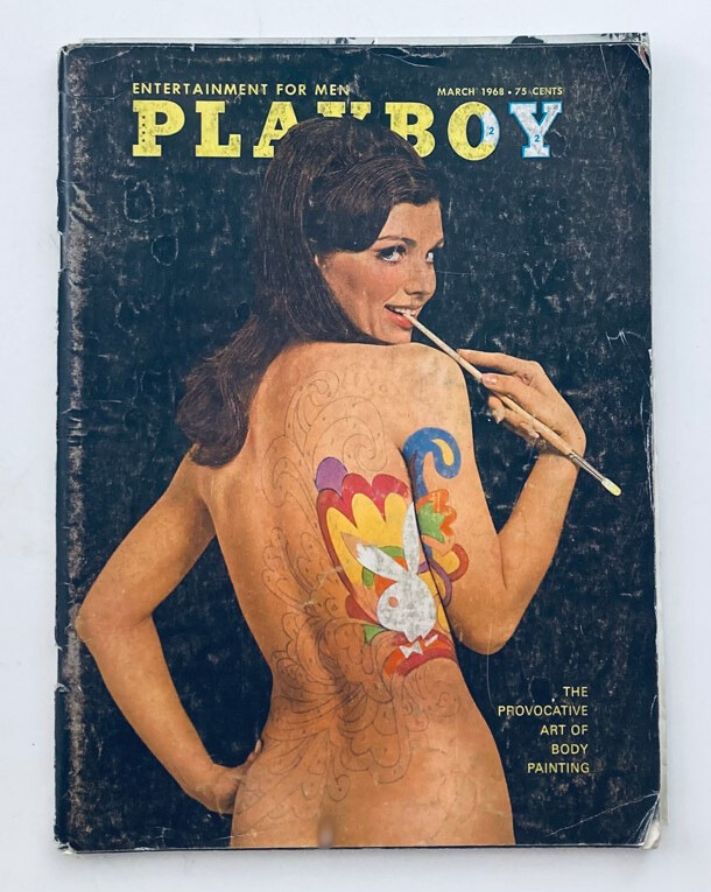
Sports witnessed history at Madison Square Garden, where Joe Frazier captured the vacant heavyweight boxing title with an 11th-round TKO of Buster Mathis, taking his record to 20-0, while in the same venue Nino Benvenuti regained the world middleweight crown from Emile Griffith. Television audiences saw the Bee Gees make their U.S. debut on The Ed Sullivan Show performing "To Love Somebody" and "Words," while NBC made broadcasting history with an unprecedented on-air announcement that Star Trek would return. On the ice, Montreal's Jean Béliveau became only the second NHL player to score 1,000 points. Music history unfolded when Otis Redding posthumously received the first gold record awarded after death for "(Sittin' On) The Dock of the Bay," and Life magazine crowned Jimi Hendrix "the most spectacular guitarist in the world." Original magazines from March 1968 captured these watershed moments through vivid photography, concert advertisements, and sports coverage that documented a culture in rapid transformation. The Beatles released "Lady Madonna" in the UK, Joni Mitchell's debut album Song to a Seagull arrived from Reprise Records, and even the Diocese of Rome wrestled with rock & roll masses at the Church of San Lessio Falconieri.
Curator's Checklist
When browsing vintage magazines from this pivotal month, look for these defining elements:
-
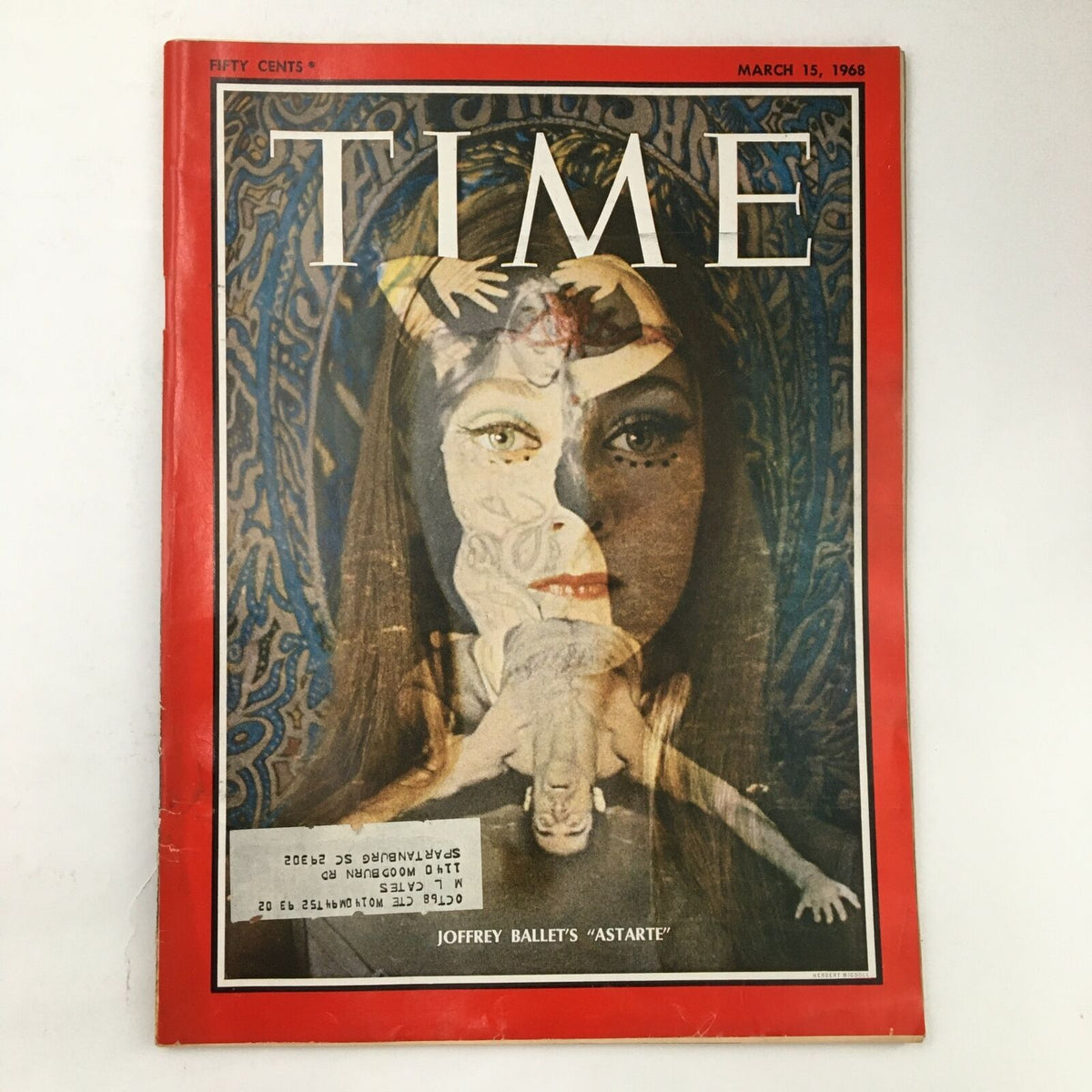
The Presidential Campaign Upheaval: News weeklies like Time, Life, and Newsweek featuring Kennedy's March 16th campaign announcement and Johnson's March 31st withdrawal, illustrated with stark photography of Vietnam casualties and anti-war protests that drove both decisions.
-
The Sports Spectaculars: Issues of Sports Illustrated chronicling Joe Frazier's heavyweight coronation at Madison Square Garden, UCLA's back-to-back NCAA championship led by Lew Alcindor, and Peggy Fleming's third consecutive World Championship before her retirement announcement.
-
The Music Revolution: Entertainment publications and rare magazines showcasing full-page advertisements for Jimi Hendrix tours (fresh off Life's "most spectacular guitarist" designation), Bee Gees television appearances, and Otis Redding's posthumous gold record milestone.
-
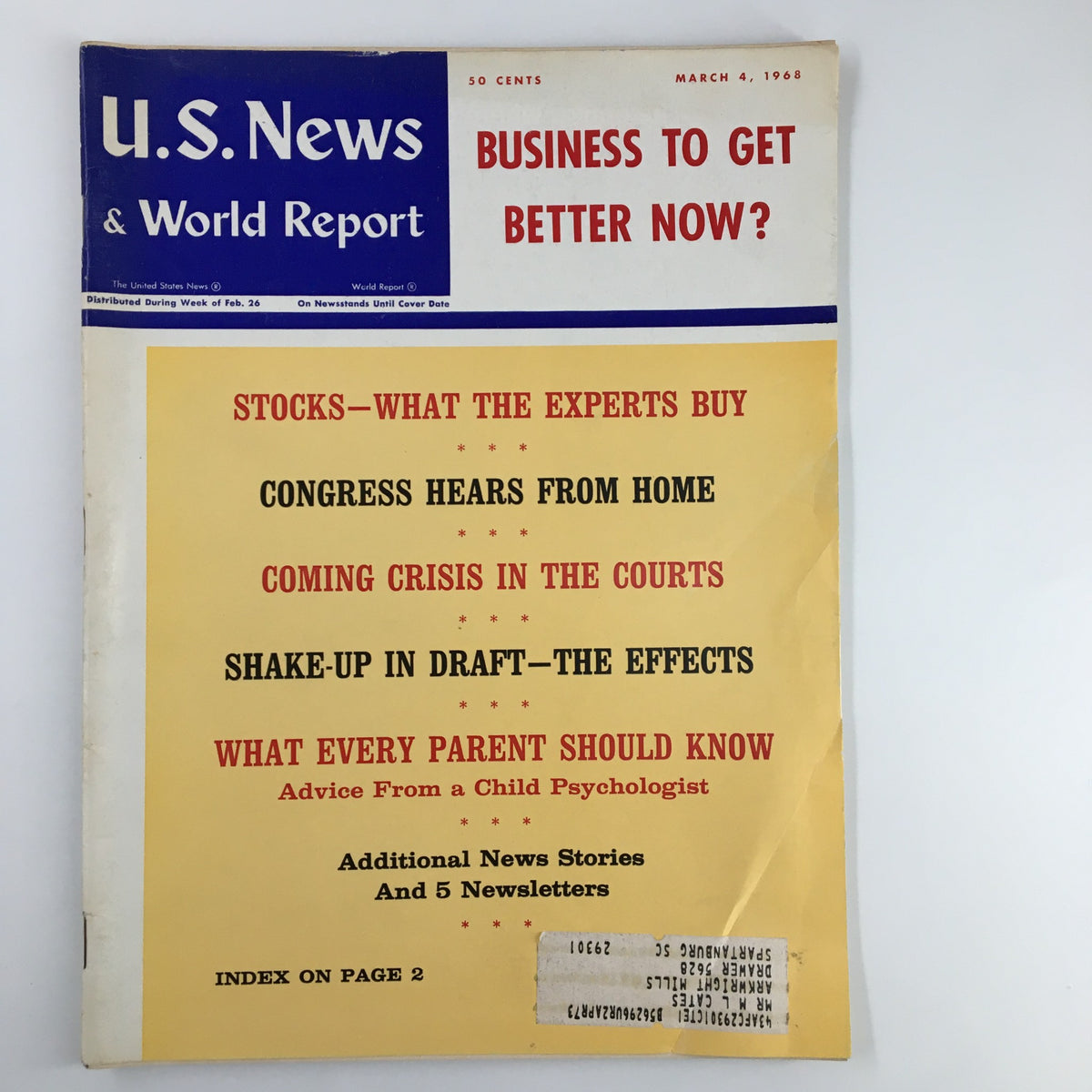
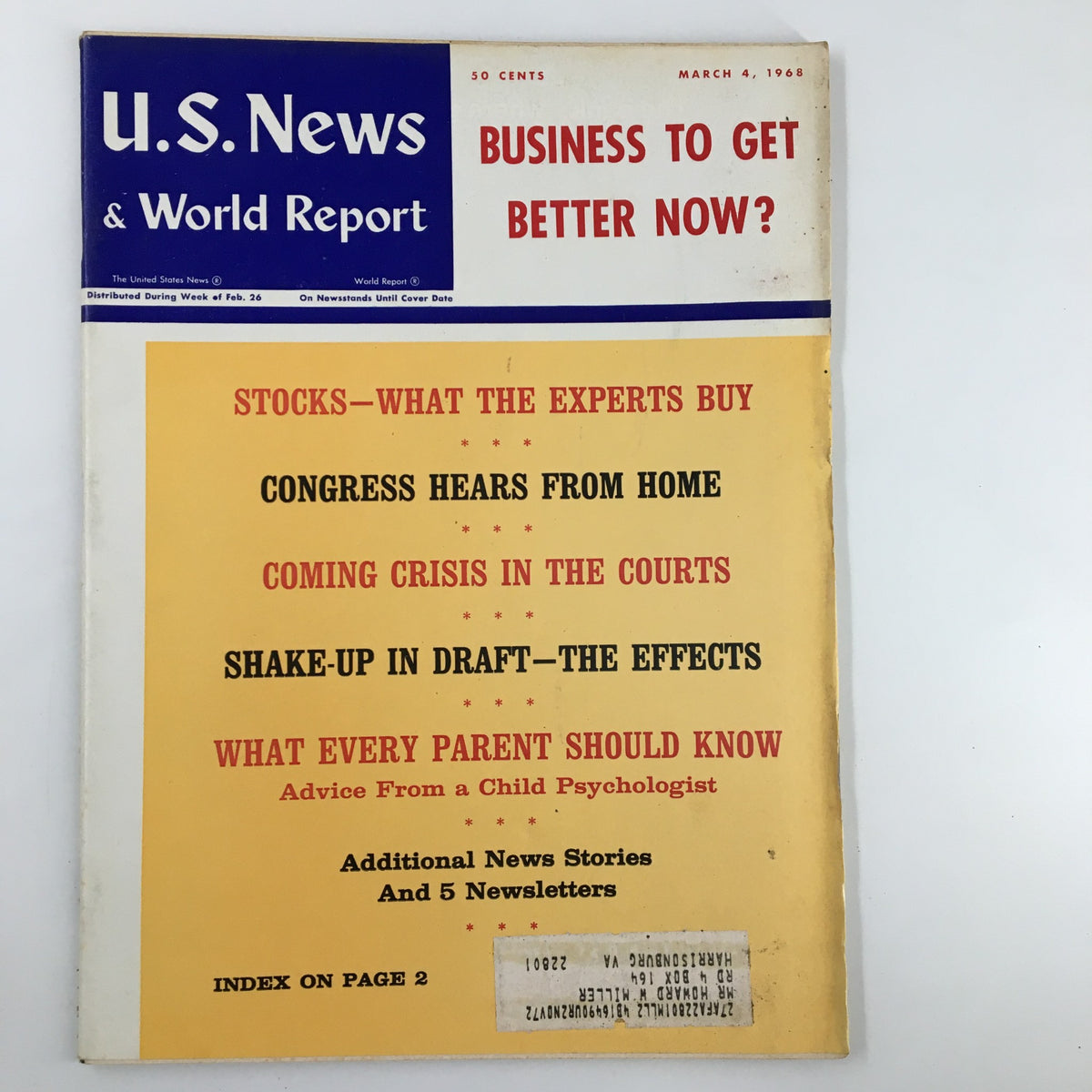
The Gold Standard Shift: Business periodicals documenting the March 20th removal of gold backing from U.S. currency and the March 17th two-tiered gold price negotiations, often featuring economic analysis and Federal Reserve commentary that shaped the modern monetary system.
-
The Vietnam War Coverage: Look magazine and major newsweeklies featuring My Lai reporting (though the massacre wouldn't become fully public until 1969), troop surge announcements, and the Lima Site 85 attack in Laos—authentic wartime journalism preserved in aging newsprint.
The Perfect Gift
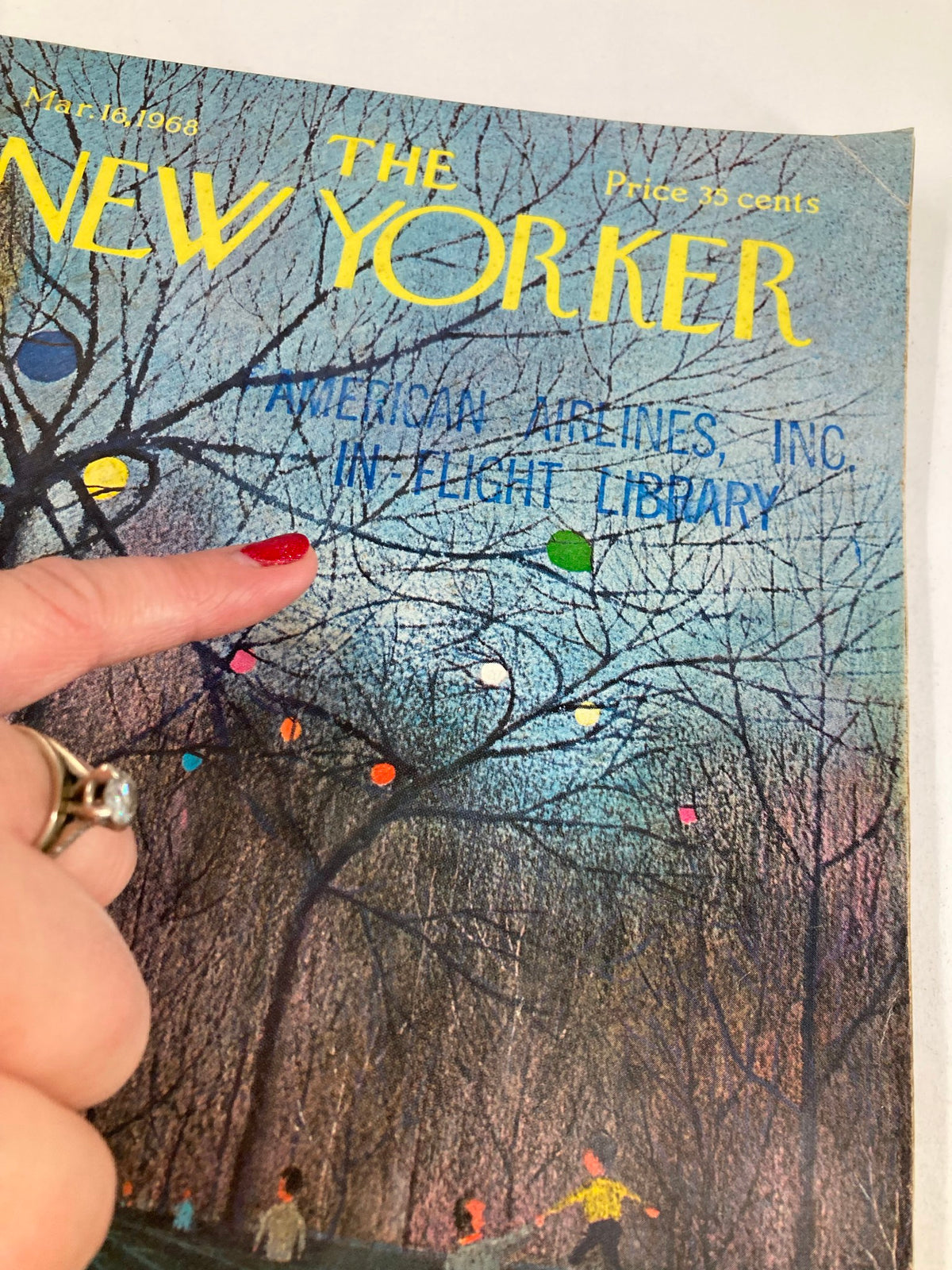
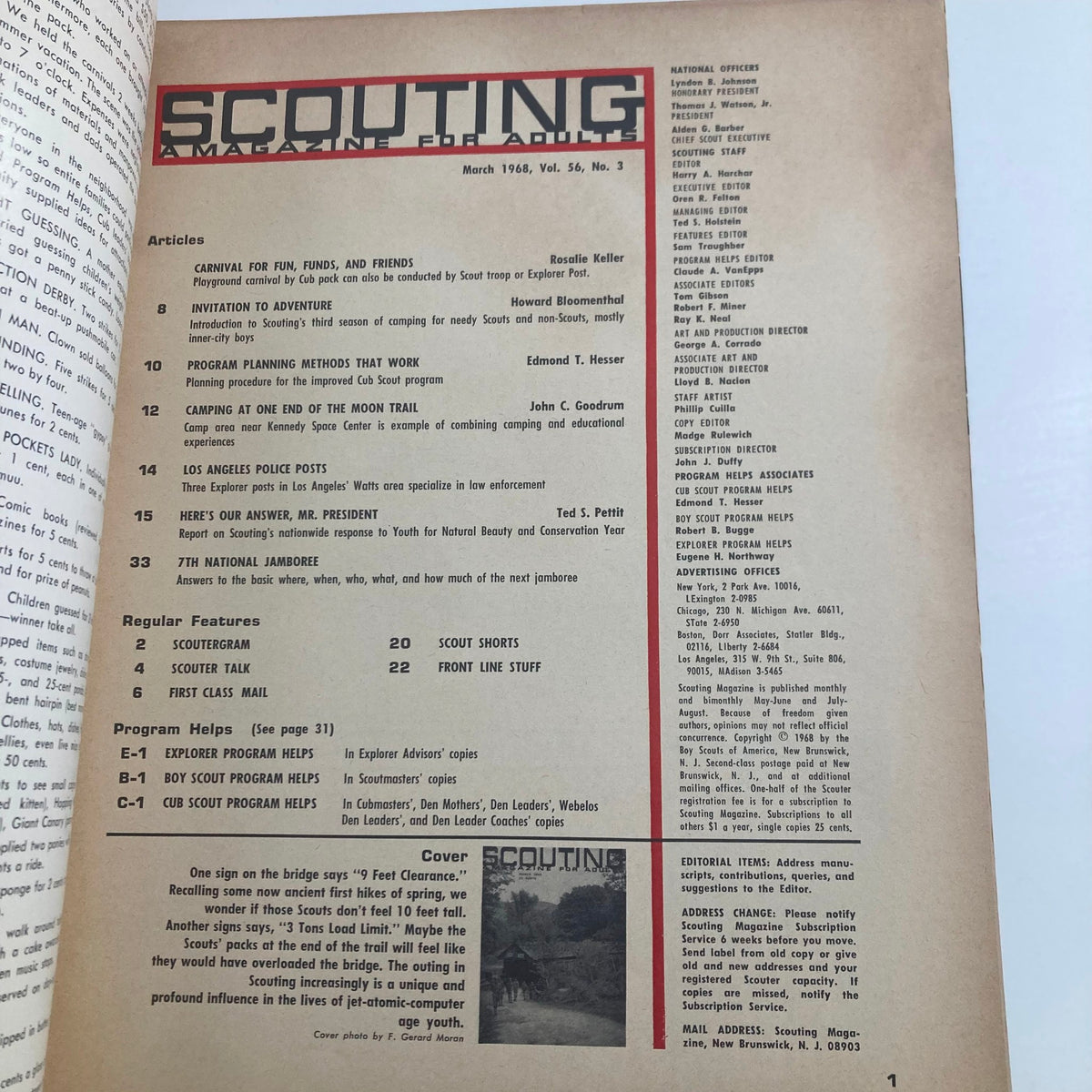
For someone born in March 1968, an original magazine from this transformative month isn't just a birthday gift—it's a time capsule from the exact moment when America's post-war certainties shattered, preserved in genuine headlines, unfiltered advertisements, and period photography that no museum reproduction can match.