📖 About this Collection
Marlon Brando: The Method and The Madness
The Legend & The Legacy
Before Brando, actors performed. After Brando, they inhabited. He didn't just play Stanley Kowalski or Vito Corleone—he became them, sweating through torn T-shirts in New Orleans tenements and rasping wisdom in shadowed Italian restaurants. From the motorcycle jacket that launched a thousand rebellions to the cotton-stuffed cheeks that resurrected a career, Brando rewrote the rules of what a leading man could be: dangerous, vulnerable, unpredictable, and utterly magnetic. He turned his back on Oscar ceremonies, championed causes Hollywood feared to touch, and treated fame like a straitjacket he never stopped trying to escape. The result? A legacy that splits the history of American acting cleanly in two—before Brando, and after.
Inside the Archive
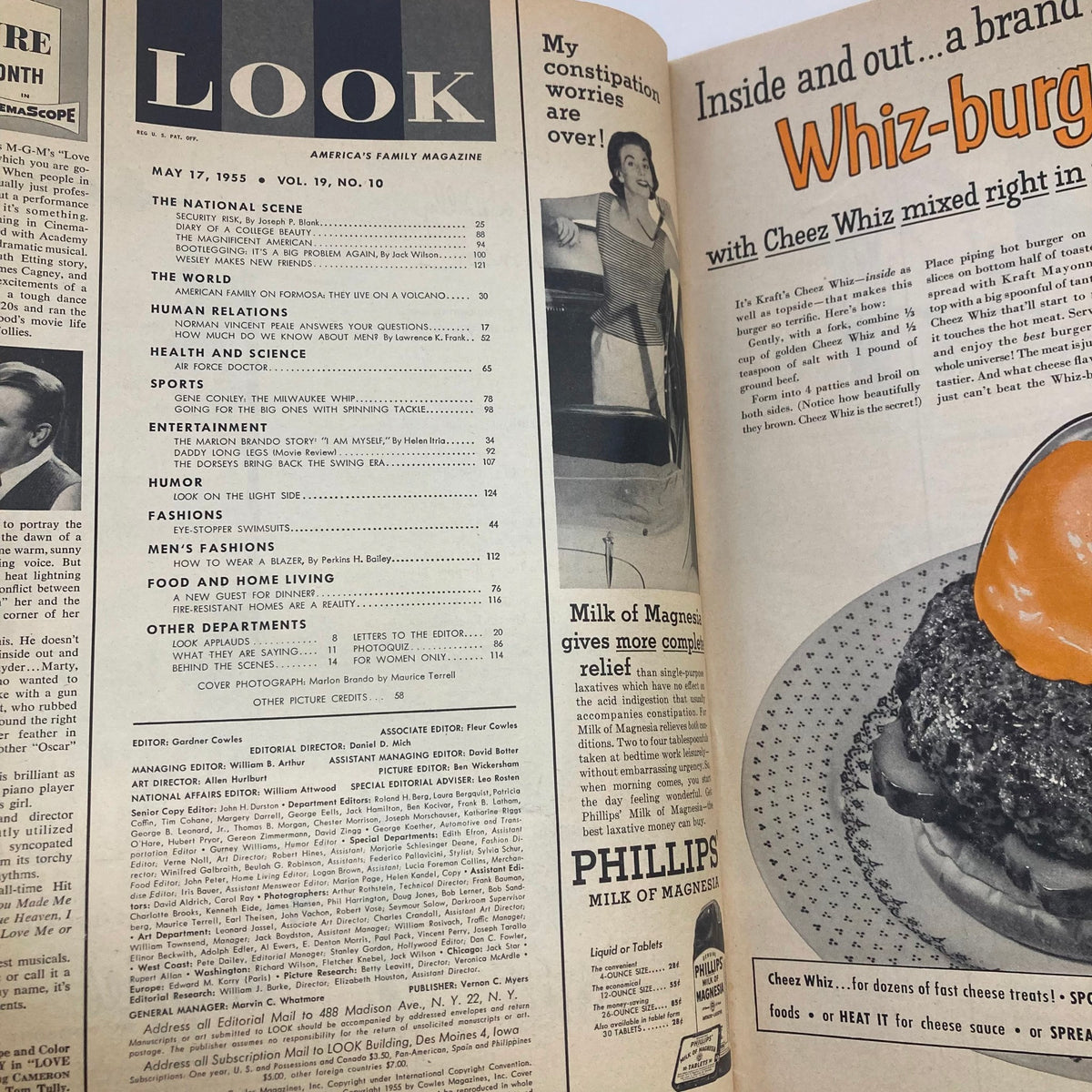
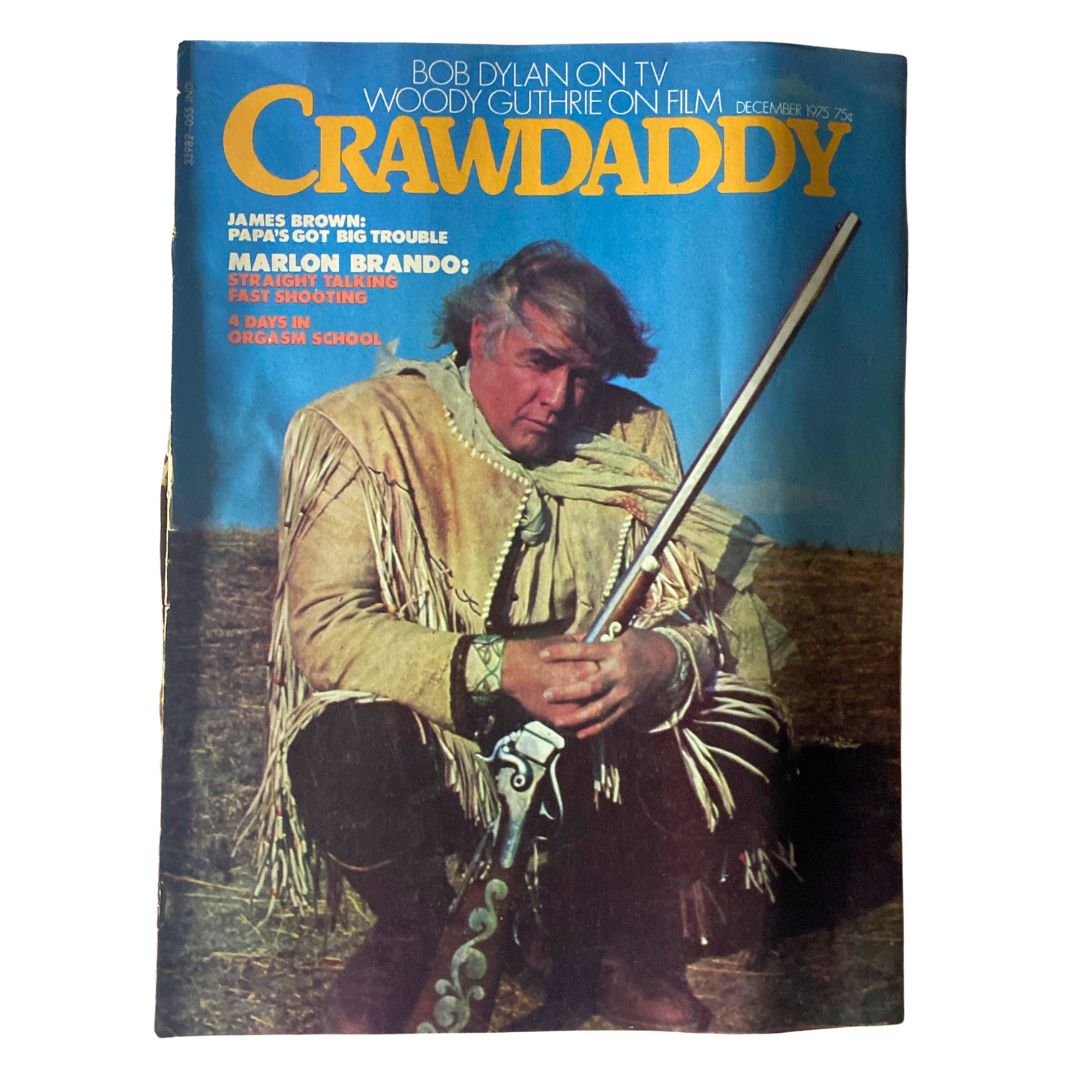
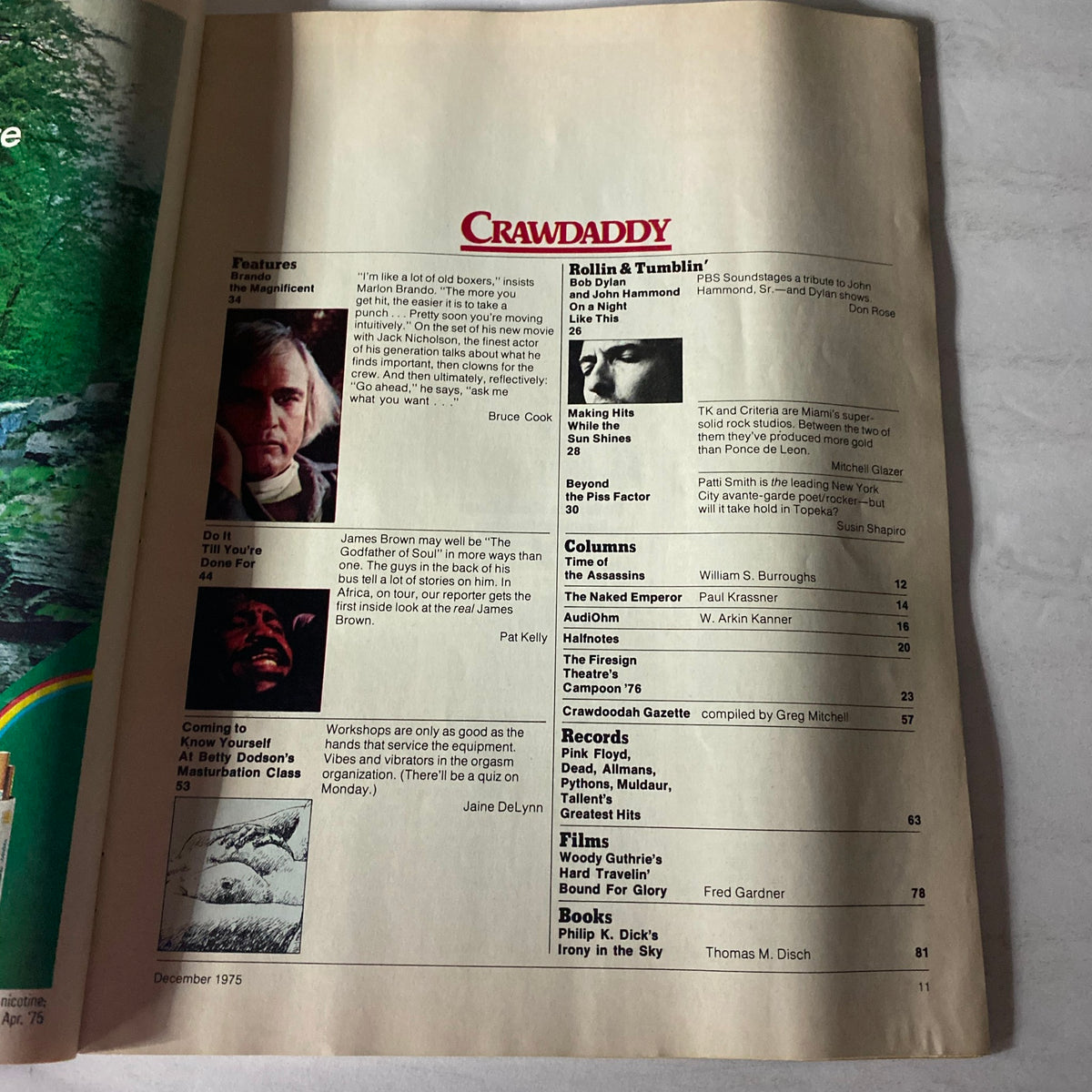
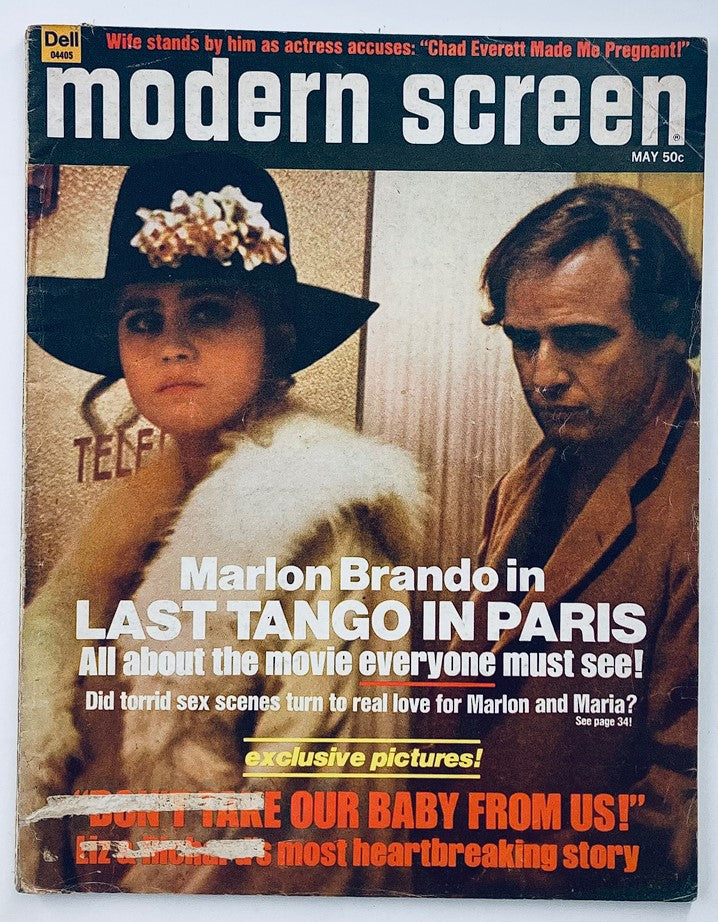
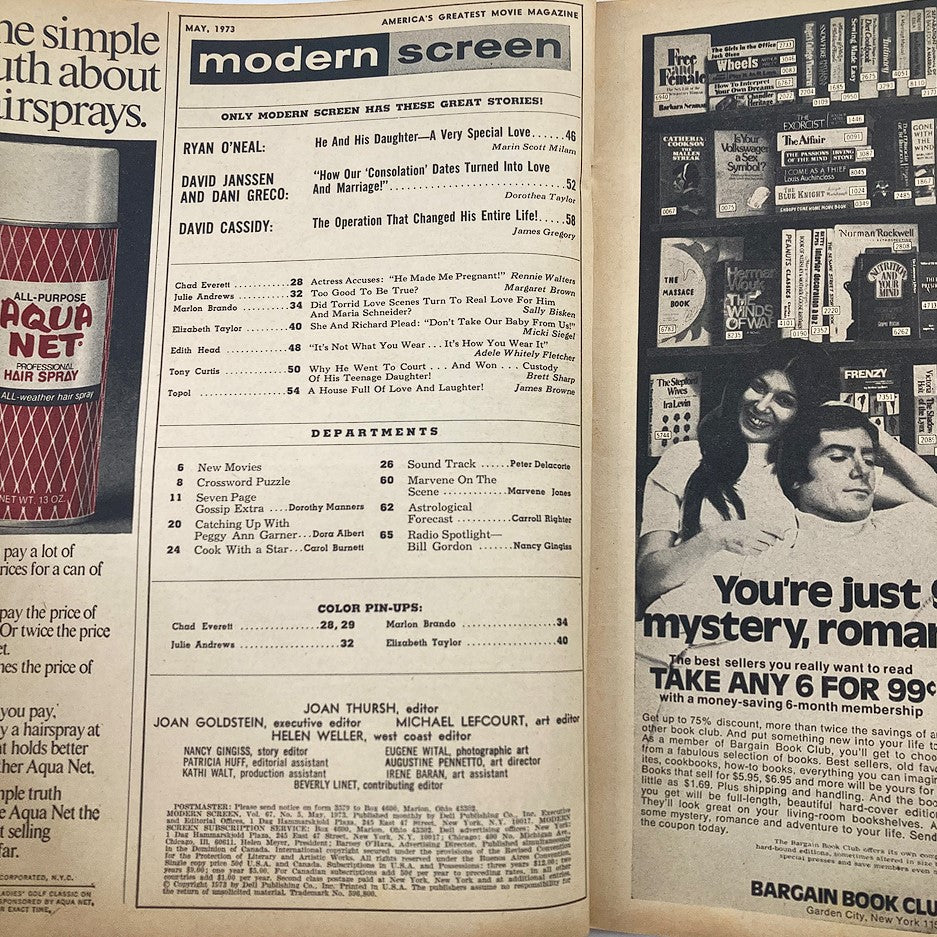
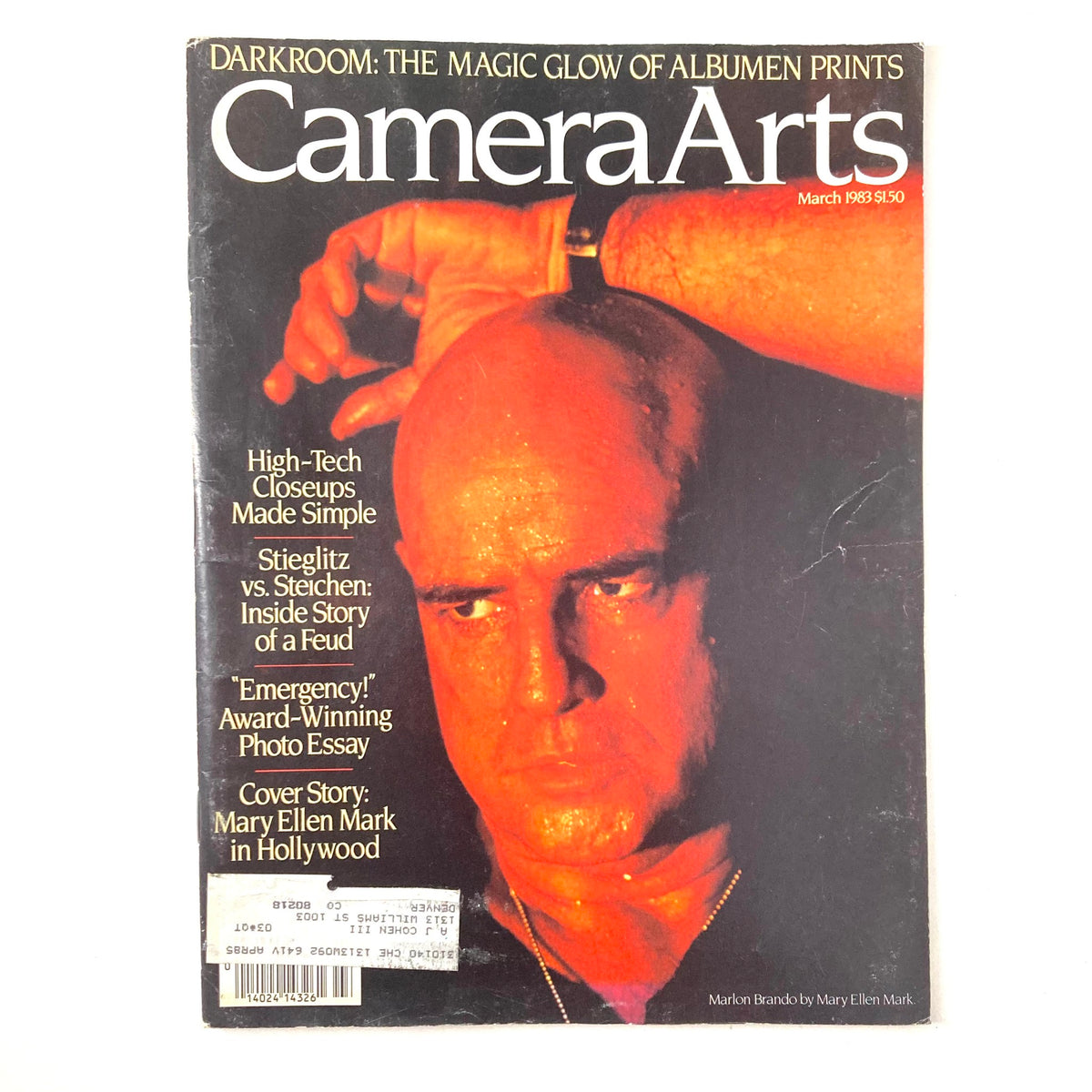
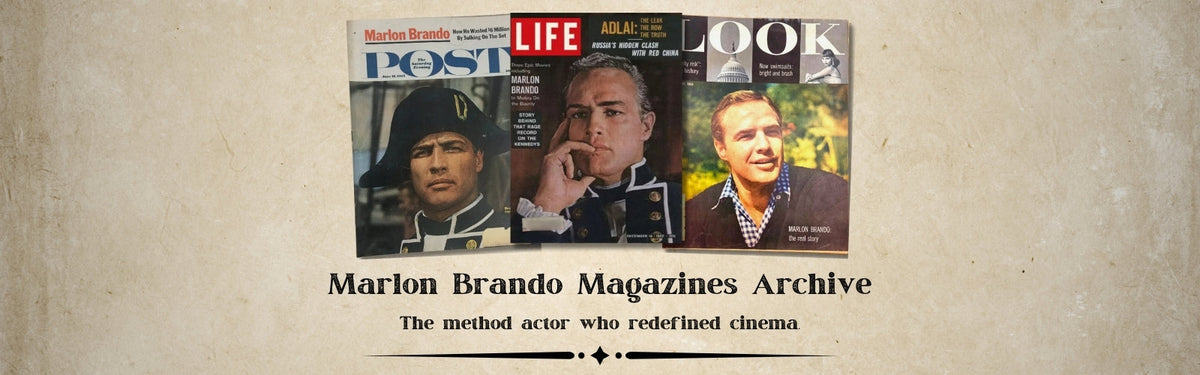
The print coverage of Brando mirrors the man himself: intense, unvarnished, and impossible to look away from. Publications like Life and Look deployed their finest photojournalists to capture the animal energy of his early stage work and the brooding intensity of his Actors Studio days. By the 1970s, glossy spreads in Esquire and Rolling Stone featured candid interviews where he sparred with journalists, critiqued the film industry, and refused to play the Hollywood game. The photography evolved from glamorous studio portraits to raw, almost confrontational imagery—tight close-ups that emphasized the weight he'd gained, the weariness in his eyes, the deliberate rejection of vanity. These weren't puff pieces; they were psychological excavations, printed on paper that still crackles with tension.
Curator's Checklist: Highlights Often Include
- Streetcar to Waterfront: Early 1950s features documenting his Broadway triumph and the Oscar-winning performance that made "I coulda been a contender" part of the American lexicon, often with on-set photography from Elia Kazan productions.
- Rebel Iconography: Mid-1950s coverage of The Wild One and its cultural aftershocks—motorcycle culture, youth rebellion, and the leather jacket that became a uniform for outsiders everywhere.
- The Godfather Resurrection: 1970s deep dives into his legendary comeback, including behind-the-scenes glimpses of the makeup tests, the improvised orange-peel scene, and the Oscar he famously refused via Sacheen Littlefeather.
- The Activist & The Recluse: Profiles exploring his work with the Black Panthers, his advocacy for Native American rights during the Wounded Knee occupation, and his increasingly hermitic retreat from public life on his Tahitian atoll.
- Method & Madness: Technical pieces analyzing his Actors Studio training under Stella Adler, his influence on a generation of performers from Dean to De Niro, and his later dismissive comments about "the Method" itself.
The Collector's Value
To own an original Brando magazine is to hold a fragment of the moment when American acting grew up—when mumbling became poetry, when vulnerability became strength, when a torn T-shirt could be as powerful as a tuxedo. These aren't just celebrity profiles; they're primary sources documenting a cultural earthquake, preserved in the ink and paper of the era that lived through it. Explore our current inventory below to discover which chapter of Brando's revolution is available today.