📖 About this Collection
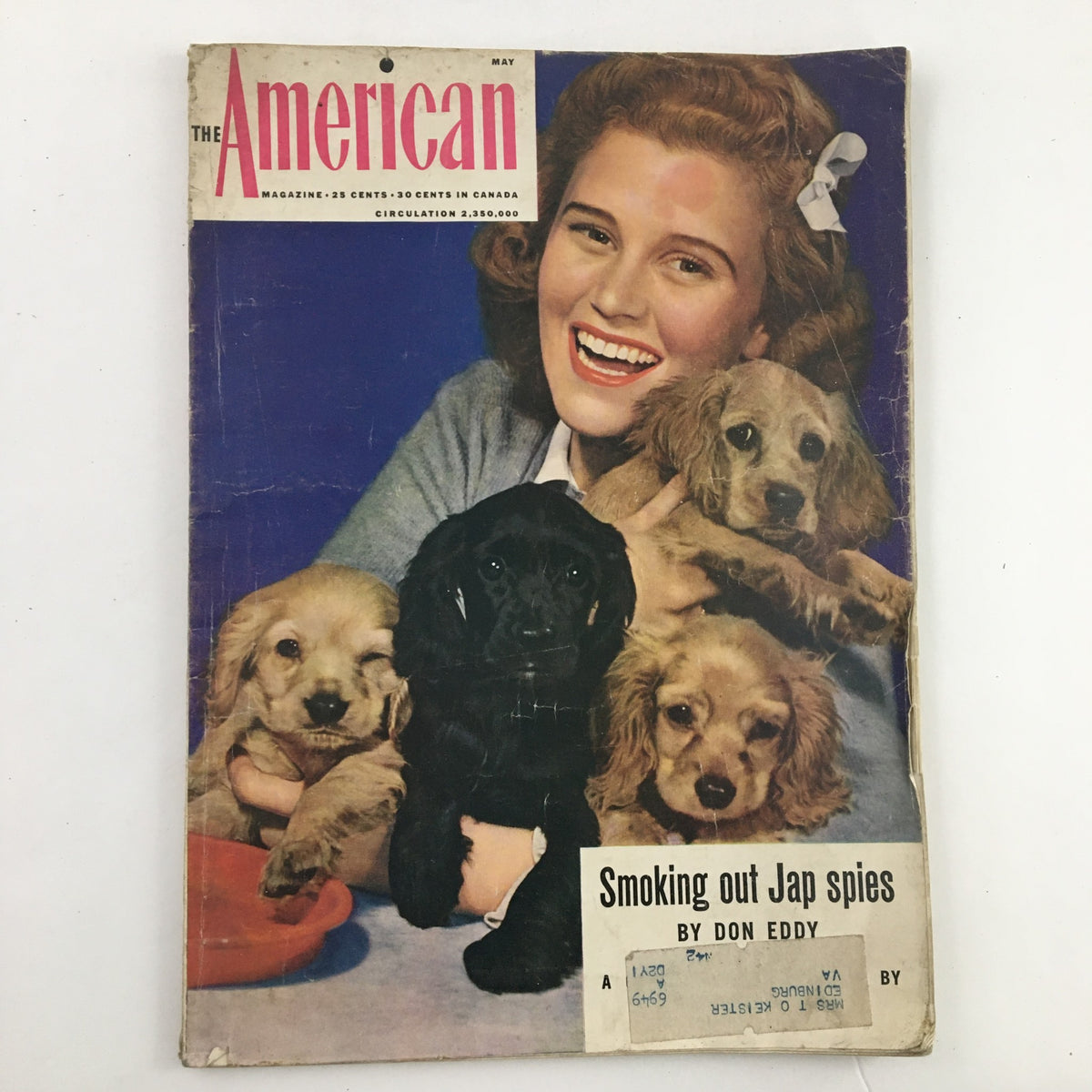
May 1942: The World at Total War
The Historical Context
The spring of 1942 crackled with a particular, terrifying energy—the sense that the war's outcome still hung in genuine uncertainty. In the Pacific, the fate of Allied naval power pivoted on a four-day confrontation in the Coral Sea, the first naval battle in history fought entirely by aircraft, where ships never came within sight of each other. When the guns fell silent on May 7th, Japanese expansion had been checked—though at the cost of the USS Lexington, sent beneath the waves by enemy aircraft. In Europe, the news was grimmer still. The fall of Corregidor on May 6th ended organized American resistance in the Philippines, a devastating blow the home front absorbed with grim resolve.
Then came the most audacious act of resistance the occupied world had yet seen: on May 27th, Czech rebels ambushed Nazi architect of terror Reinhard Heydrich in Prague. He would die of his wounds within days. Hitler's revenge would be swift and monstrous. This was the world a generation came of age in—unsparing, consequential, and urgent.
The Culture That Carried People Through
Against this backdrop of total war, American culture found ways to endure—and even soar. James Cagney took the stage at New York's Broadway Theatre on May 29th for the premiere of Yankee Doodle Dandy, his electric portrait of George M. Cohan earning him the Academy Award the following year. That same extraordinary day, Bing Crosby stepped into a recording studio and, in just 18 minutes, laid down Irving Berlin's "White Christmas"—destined to become the world's best-selling single, a record that would stand for decades. The song's longing for peace and home captured something millions could not say in words.
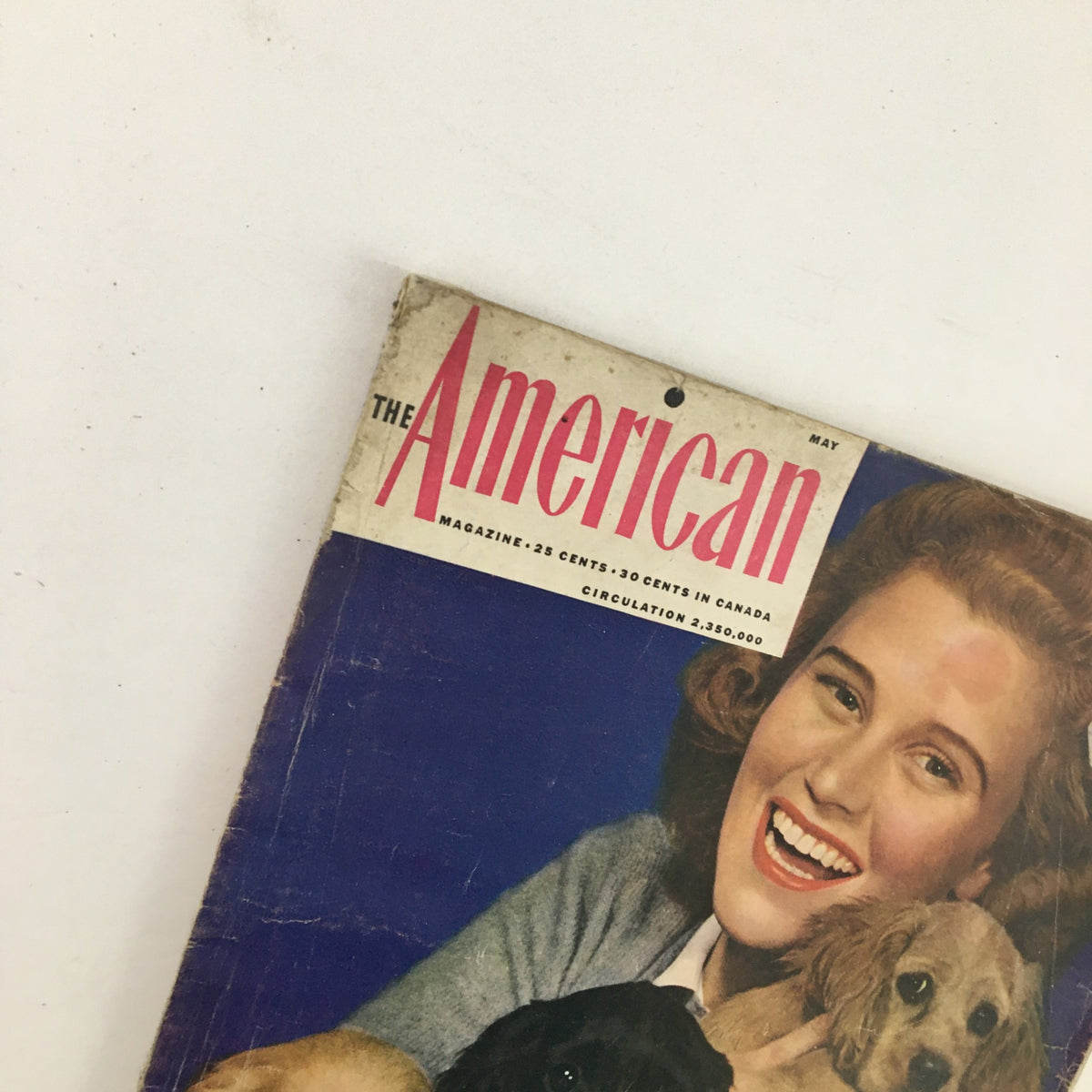
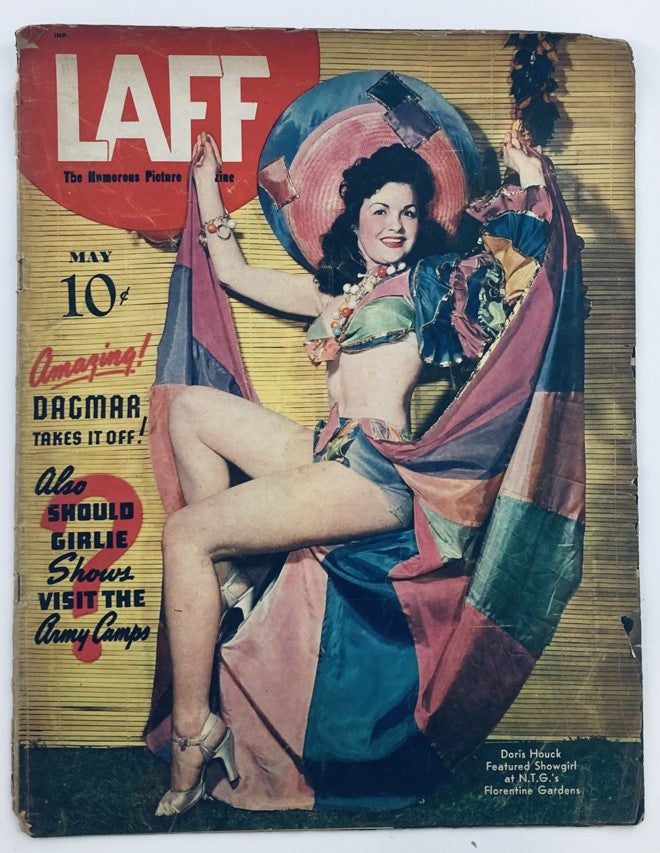
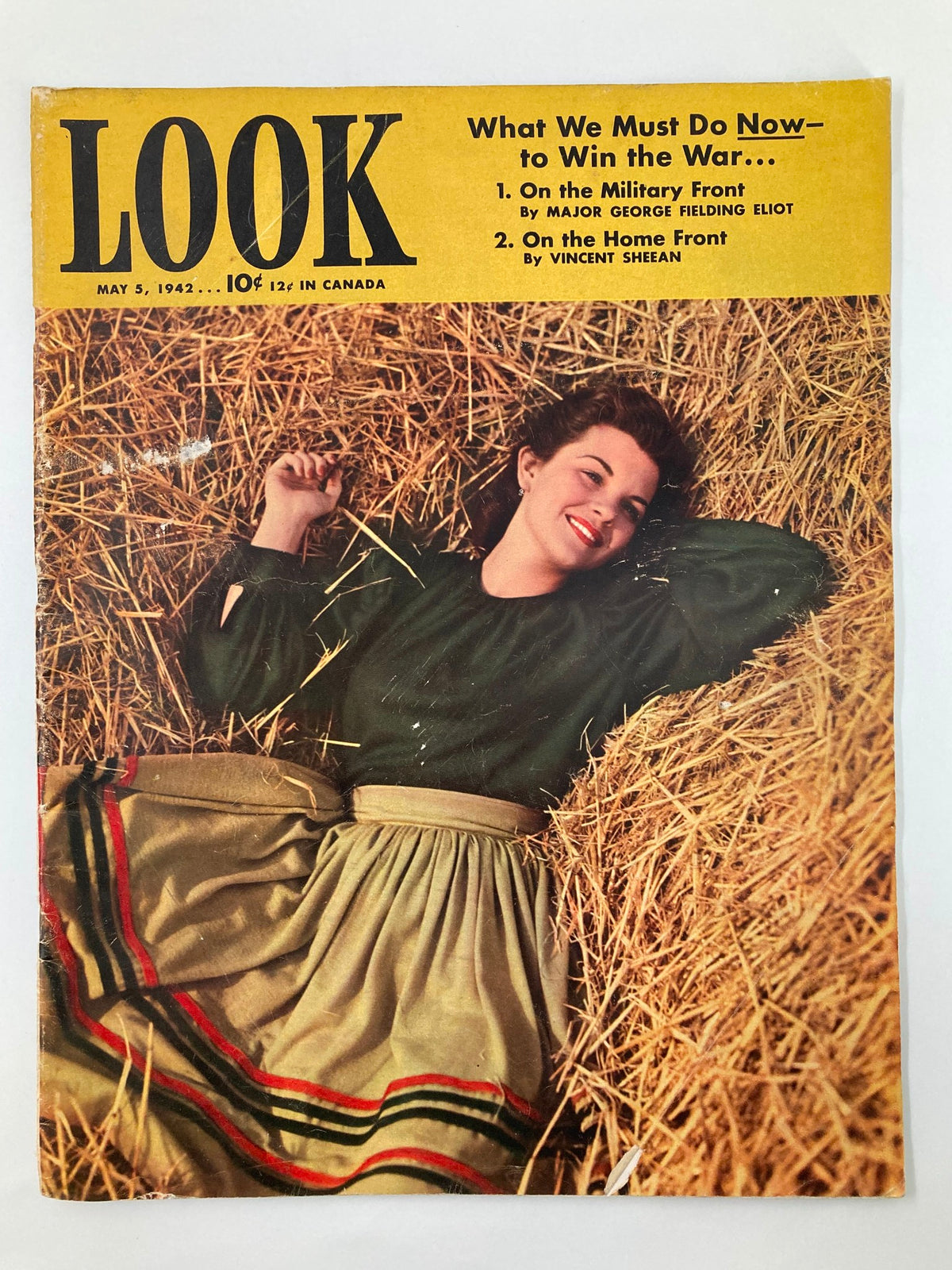
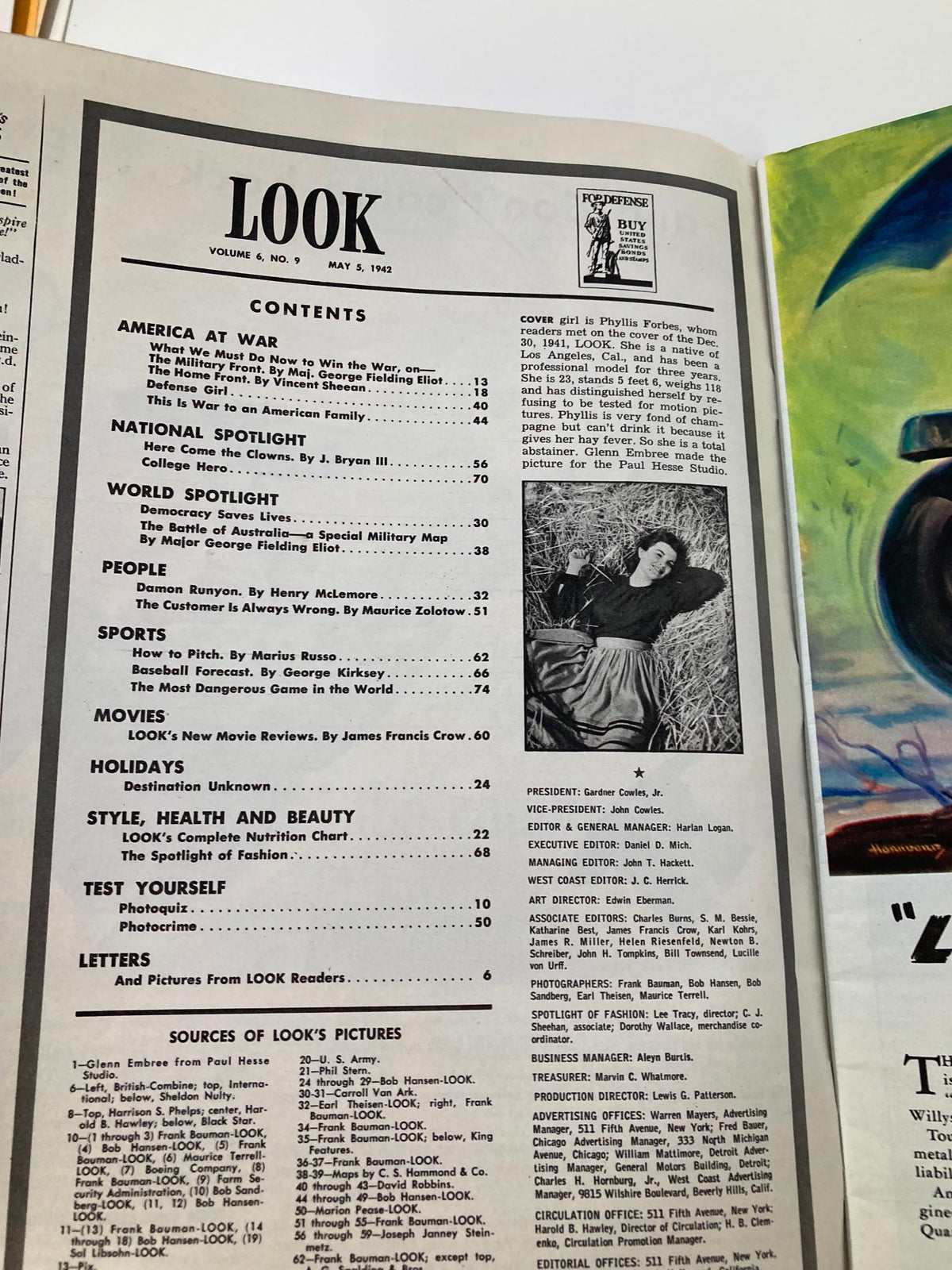
On the sports pages, Sam Snead claimed his first PGA major at the 25th PGA Championship, while Satchel Paige—in a moment of defiant brilliance—struck out the Dizzy Dean All-Stars to win 8-1. Original magazines from May 1942 document all of it: the anxiety, the escape, the stubborn, beautiful insistence on carrying on. Life and Look ran the wire photos; Time dissected the Pacific theater; Newsweek chronicled home-front rationing. The rare magazines that survive from this month are genuine artifacts of a civilization under pressure.
The Curator's Checklist: What to Look For
-
The Battle of the Coral Sea: Life and Newsweek issues featuring dramatic aerial combat photography and maps of the Pacific theater, illustrating the first carrier-versus-carrier engagement in naval history—a visual record of a turning point most readers didn't yet know was a turning point.
-
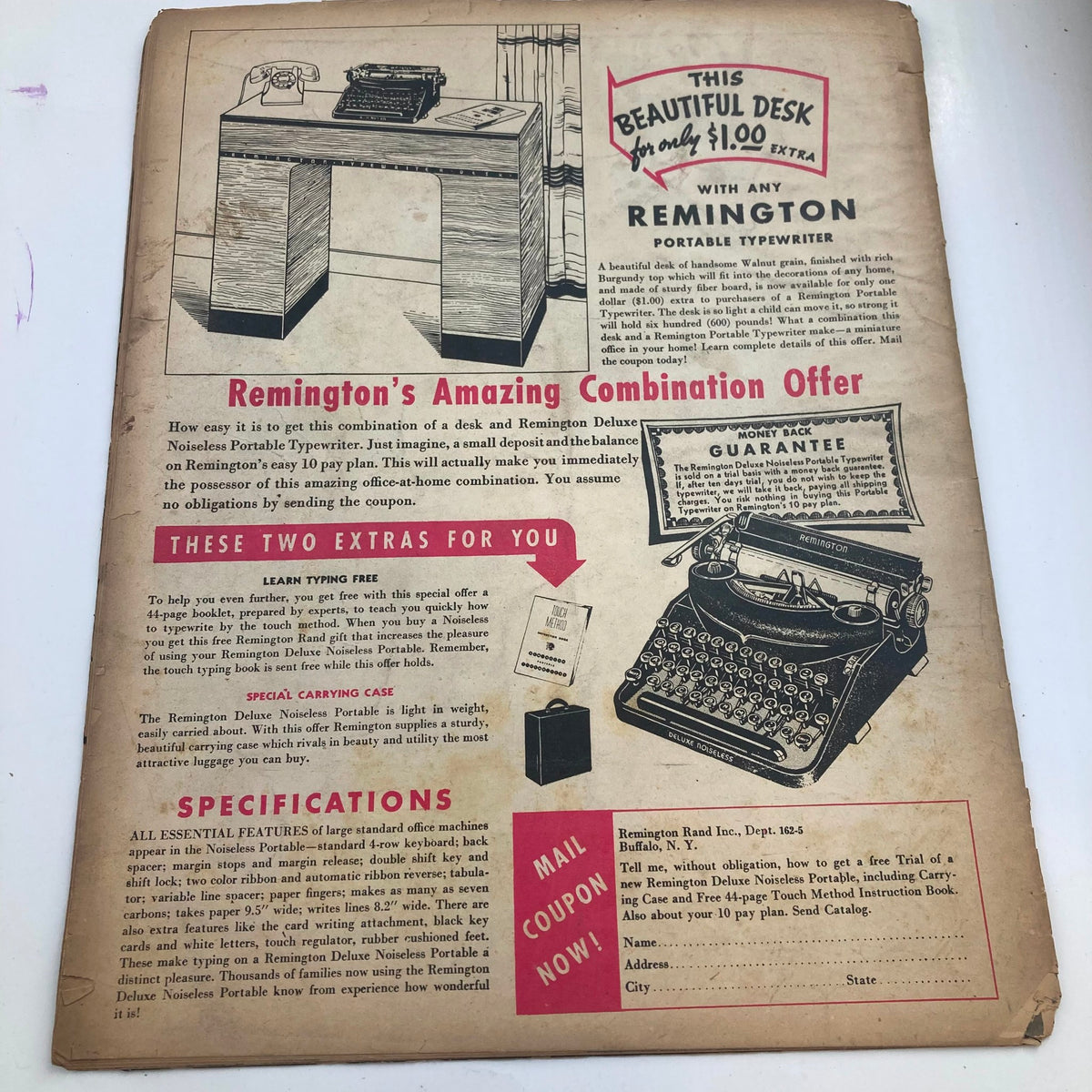
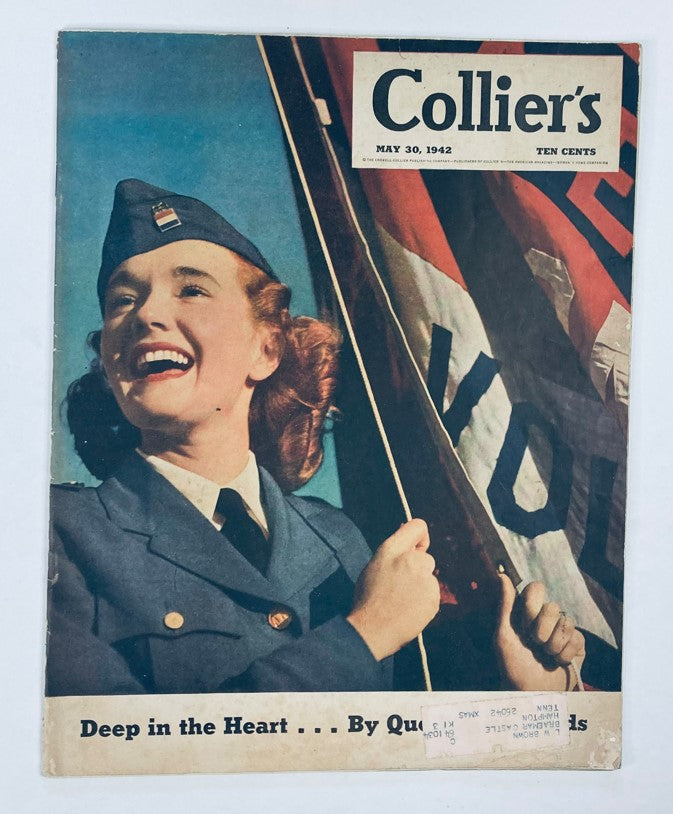
Home Front Rationing Coverage: Issues of Saturday Evening Post and general-interest magazines showcasing the May rollout of food and gasoline rationing across America, with authentic vintage advertisements showing consumer goods already shifting toward the war economy.
-
The Heydrich Assassination Attempt: Time issues chronicling Operation Anthropoid and its aftermath, featuring stark wartime photography and dispatches from occupied Prague—among the most dramatic stories of resistance published in any wartime magazine.
-
James Cagney & the Hollywood Premiere: Entertainment and fan magazines from late May 1942 covering the Yankee Doodle Dandy premiere, illustrated with studio portraits and film stills that capture the patriotic fervor surrounding Cagney's performance.
-
Segregation and Service: Issues documenting the U.S. Navy's first authorization of Black recruits and Dorie Miller's Navy Cross—a significant civil rights milestone covered with varying editorial perspectives across vintage magazines of the era, making these issues genuinely illuminating historical documents.
The Perfect Gift
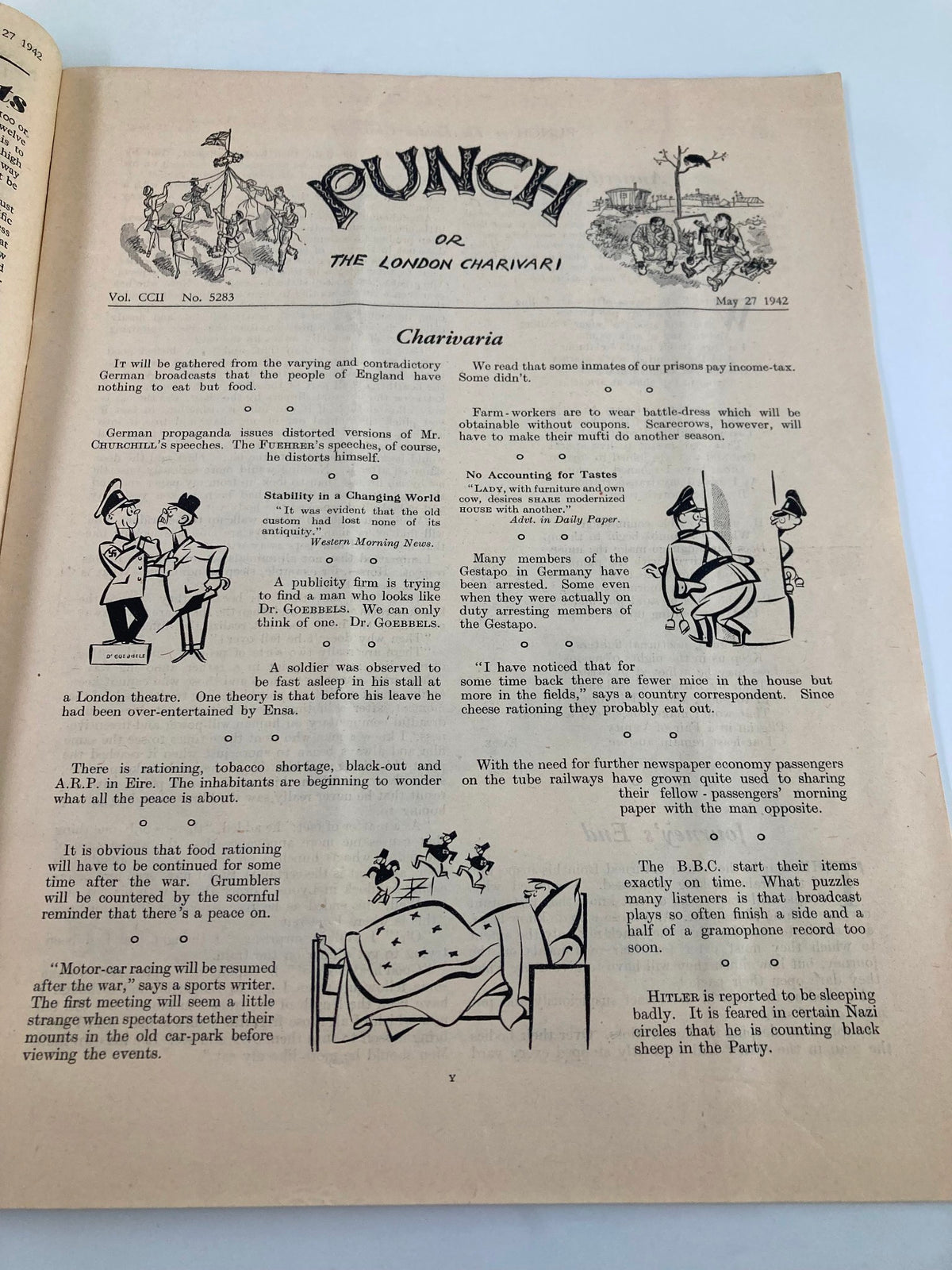
For someone born in May 1942, an original magazine from this ferocious, world-defining month isn't just a birthday gift—it's a time capsule of the exact days they entered the world, preserved in authentic wartime headlines, period advertisements, and the unmistakable typography of an era that refused to look away.