📖 About this Collection
Mia Farrow: A Waif, a Wisp, and an Enduring Wonder
The Legend & The Legacy
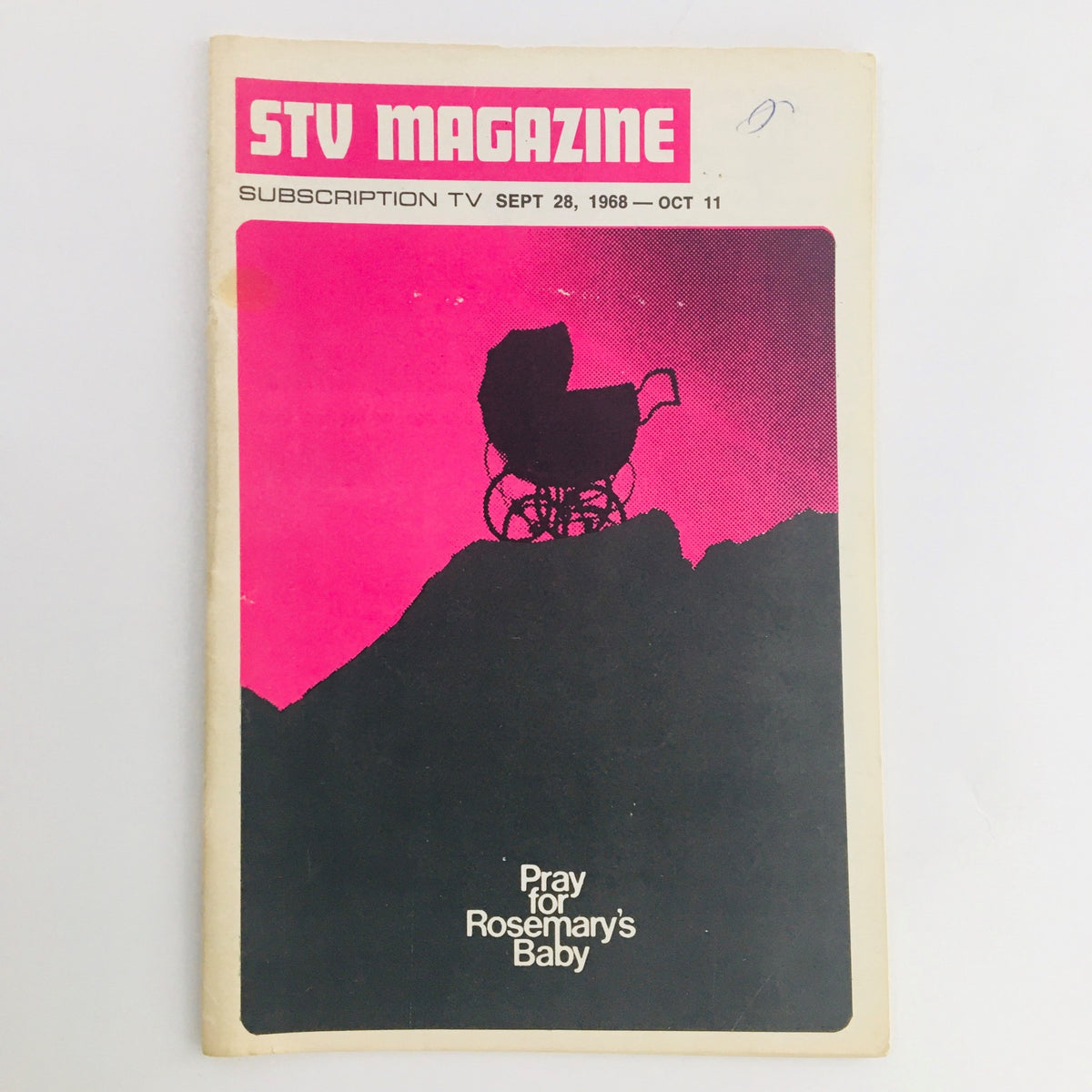
In an era when Hollywood still manufactured its stars through the machinery of studio contracts and carefully managed publicity, Mia Farrow defied the formula entirely. She emerged in the mid-1960s as something the culture had not quite seen before — porcelain-fragile yet fiercely independent, otherworldly in beauty yet bracingly outspoken in conviction. Her cropped hair, cut famously for Rosemary's Baby against the wishes of her then-husband Frank Sinatra, became a symbol of feminine self-determination that resonated far beyond the gossip columns. Her marriage to Sinatra, her subsequent union with conductor André Previn, her legendary creative partnership with Woody Allen, and her decades of humanitarian work with UNICEF ensured that she never drifted far from the cultural conversation. Before the internet collapsed the distance between celebrity and audience, it was the magazine rack — at the corner drugstore, in the dentist's waiting room, on the coffee tables of a million American homes — that carried her image into the collective imagination. She was not simply famous; she was a recurring presence in the visual language of an entire generation.
Inside the Archive
The vintage press coverage of this ethereal actress spans nearly six decades and crosses every category of print journalism, from high-fashion editorial to scandal-driven tabloid to serious cultural criticism. In the late 1960s and early 1970s, Life magazine treated her with the gravitas it reserved for genuine cultural phenomena, commissioning intimate photographic essays that captured her quiet intensity in a way that pure celebrity coverage rarely achieved. Vogue returned to her repeatedly across multiple decades, drawn to the rare quality of a face that could simultaneously suggest vulnerability and steel — a photographer's paradox that made her ideal for the contemplative, high-contrast editorial style of that era. Internationally, Paris Match covered her with particular enthusiasm, recognizing in her a sensibility that translated perfectly across the Atlantic: the bohemian American actress who seemed, in spirit and aesthetic, almost more European than Hollywood. Niche film publications and cine-journals also documented her arc from ingénue to serious dramatic actress with a depth rarely found in the mainstream press, making the full scope of her archive a remarkably layered historical record.
Curator's Checklist: Highlights Often Include
- The Sinatra Years (1966–1968): Coverage of one of the most scrutinized celebrity marriages of its decade, including candid set photography from Rosemary's Baby and reaction pieces surrounding the hair-cutting episode that became shorthand for a cultural shift in how women were perceived on screen.
- The New Hollywood Ingénue: Film-focused features and interview spreads from the late 1960s through the 1970s exploring her transition from television darling (Peyton Place) to serious cinematic actress, with editorial photography reflecting the earthy, natural aesthetic of the New Hollywood movement.
- The Previn Era and Humanitarian Profile: Features from the 1970s profiling her growing family, her life abroad in England, and early coverage of her adoption advocacy — a quieter chapter captured with warmth in both domestic and international publications.
- The Woody Allen Collaborations (1982–1992): A rich vein of press coverage surrounding a decade of celebrated films including Hannah and Her Sisters, Broadway Danny Rose, and The Purple Rose of Cairo, with profiles in major entertainment and arts publications exploring her reinvention as a dramatic comedic actress.
- The Tabloid Storm and Cultural Reckoning (1992 onward): Collectors of this period will find that coverage shifts dramatically in tone — newsweeklies, celebrity monthlies, and serious journalism alike grappled with the public fracture of her relationship with Allen, producing a body of press that is itself a historical document of how media handled private scandal in the pre-internet age.
The Collector's Value
To hold one of these original issues is to hold something irreplaceable — a physical artifact from a moment when print was the primary conduit between a public figure and her audience. Run your fingers along the slightly raised grain of the newsstand-grade stock of a 1968 Life spread and you feel the weight of a world that processed its icons slowly, deliberately, through the labor of editors and photographers and press runs rather than through the frictionless churn of social media. The ink has a quality — a faint, pleasantly musty depth when you bring the page close — that no digital archive can replicate, and the surrounding advertisements for cigarettes, cold cream, and early color televisions serve as their own vivid time capsule, situating the subject squarely within the material culture of her moment. For collectors of Golden Age Hollywood memorabilia, second-wave feminist cultural history, or mid-century and New Hollywood cinema, these publications offer something no biography or documentary can: the unmediated, primary-source experience of discovering this remarkable woman exactly as her contemporaries did — one turned page at a time. Browse the current available inventory below and find the issue that speaks to you.